
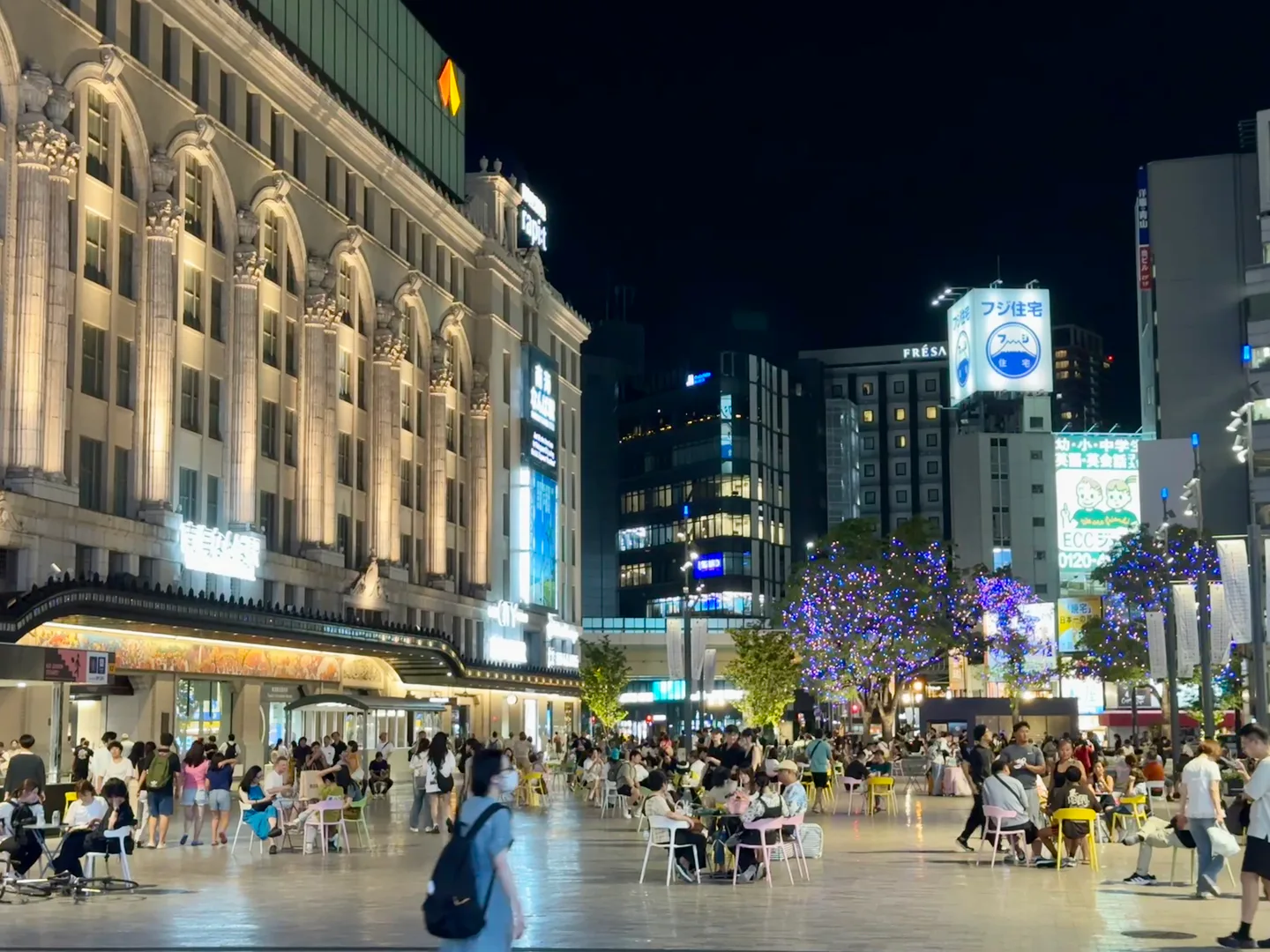
Osaka is easy to cross by rail and surprisingly easy to overschedule on foot. A map can show a short ride from Osaka Castle to Osakako, but it does not account for the walk through the castle park or the time already committed to an aquarium ticket. The practical shape of a first visit is five city clusters—Namba/Shinsaibashi, Tennoji/Shinsekai, Umeda/Nakanoshima, Osaka Castle, and the Bay Area—with Universal Studios Japan treated as a separate park day when it is a trip priority.
Choose the district that contains your main attraction, then decide whether one move improves the day. A southbound Tennoji-to-Namba route usually does. Going Umeda–Tennoji–Umeda asks you to navigate the same large station area twice. If you have not selected the sights yet, use the Osaka attractions shortlist before trying to connect every possible pin.
The city fits five clusters, plus a park day
↔ Scroll table left or right
Area | Strong reasons to go | Extension that keeps direction | Pairing that often steals too much time |
Namba / Shinsaibashi | Kuromon, Hozenji, Dotonbori, shopping streets | Tennoji/Shinsekai or a single move north to Umeda | A rushed Bay Area add-on |
Tennoji / Shinsekai | Abeno HARUKAS, Tennoji Park, zoo, Tsutenkaku | Namba after the daytime anchor | Umeda followed by another return south |
Umeda / Nakanoshima | Station district, Umeda Sky Building, museums, riverfront | Castle earlier in the day, or Namba before travelling north | A southbound excursion before returning north at night |
Osaka Castle | Castle tower, park, Museum of History | Umeda after a daylight visit | Kaiyukan if both are intended as full paid visits |
Osaka Bay | Kaiyukan and Tempozan | A loose dinner in central or southern Osaka | USJ as a casual second major attraction |
USJ | The theme park itself | Dinner near the hotel if anyone still has energy | Any second headline ticket on the same day |
These are groupings for time, not boundaries on a tourist map. The aquarium and castle both touch the Chuo Line, yet the train connection cannot make two substantial visits short. USJ and Kaiyukan are even less natural together: a park day has queues, entry controls and meals that do not fit a neat half-day slot. The five-day Osaka route shows what changes when USJ gets its own day.
Rail lines give direction, not a duration estimate
The Midosuji Line runs north–south through Umeda M16, Hommachi M18, Shinsaibashi M19, Namba M20 and Tennoji M23. That spine makes it straightforward to finish farther south or north than you began. It does not mean all five stops make one pleasant sightseeing day. Hommachi also connects to the Chuo Line, with Tanimachi 4-chome C18 toward the castle side and Osakako C11 toward the aquarium. The Osaka Metro route map shows the station codes, but it is only the first layer of a route plan.
The missing layer is door-to-door effort: navigating a station, walking to the actual entrance, spending time inside and then getting back to the next platform. Umeda's JR Osaka Station, Umeda, Higashi-Umeda and Nishi-Umeda are connected across a broad district; “arrive Umeda” is not the same as standing at your museum or tower door. Osaka Castle looks central but its grounds are large. A timed Kaiyukan slot is not flexible just because the train ride appears simple.
↔ Scroll table left or right
Cluster | Walking and transfer pattern | Bad-weather value | Evening value | How easily a plan can stretch |
Namba / Shinsaibashi | Compact streets with many stops close together | Shops and food offer indoor pauses | Strong, especially after dark | Very easy to extend or shorten |
Tennoji / Shinsekai | A useful south Osaka progression | Mixed outdoor and indoor choices | Good if streets and food are the aim | Easy if you choose one major daytime anchor |
Umeda / Nakanoshima | Large station area takes extra navigation | Many indoor alternatives | Strong for dinner, shopping and a single view | Flexible once you have reached the district |
Osaka Castle | Long walks within the park | Open ground loses appeal in sustained rain | Limited compared with the southern and northern centers | Moderate; the site can take longer than its map pin suggests |
Bay Area | Kaiyukan and Tempozan are close once you arrive | Aquarium gives substantial indoor time | Less varied after the ticketed visit | Entry time and travel out make it less loose |
USJ | Movement is contained inside one park but queues vary | Many activities continue in rain, with outdoor exposure | Can be valuable late, depending on park hours | Low when timed entries and headline rides matter |
The qualitative table carries the same planning comparison as the old numerical ratings without pretending that rain resilience or flexibility can be measured to a decimal. Namba is the easiest district to leave partly unscheduled. The Bay Area rewards one dedicated arrival. The castle is geographically close to much of Osaka yet often needs more walking than a central pin implies. USJ is efficient inside the park only if the whole day belongs to it.
The combinations that survive a real day
↔ Scroll table left or right
Two stops or route | Working judgment | Reason | Circumstance that changes it |
Tennoji → Namba | Strong | One-way movement through south Osaka | Both areas contain several fixed tickets |
Osaka Castle → Umeda | Strong | Daylight grounds followed by an evening district | You try to add multiple major Umeda sights |
Namba → Umeda | Useful | Direct northward connection | A return to Dotonbori creates a loop unless your room is there |
Osaka Castle → Kaiyukan | Conditional | The Chuo Line is simple but both sites consume time | One visit is deliberately brief |
Kaiyukan + USJ | Usually too much | Aquarium and park each have their own entry and pacing | A repeat visitor knowingly makes one stop very short |
USJ + Osaka Castle | Poor for a first visit | Park queues and timed activities absorb the best hours | Little reason to plan it as a standard day |
Umeda → Tennoji → Umeda | Inefficient | Reverse travel repeats station navigation | A fixed booking makes the return unavoidable |
This comparison is about what gets removed when the day runs long. Tennoji and Namba can lose a viewpoint or shop without breaking the route. The Castle/Kaiyukan combination has fewer soft parts if both paid sites are important. A direct train is helpful, but it does not convert a large attraction into a quick stop.
Southern Osaka: leave room for the streets
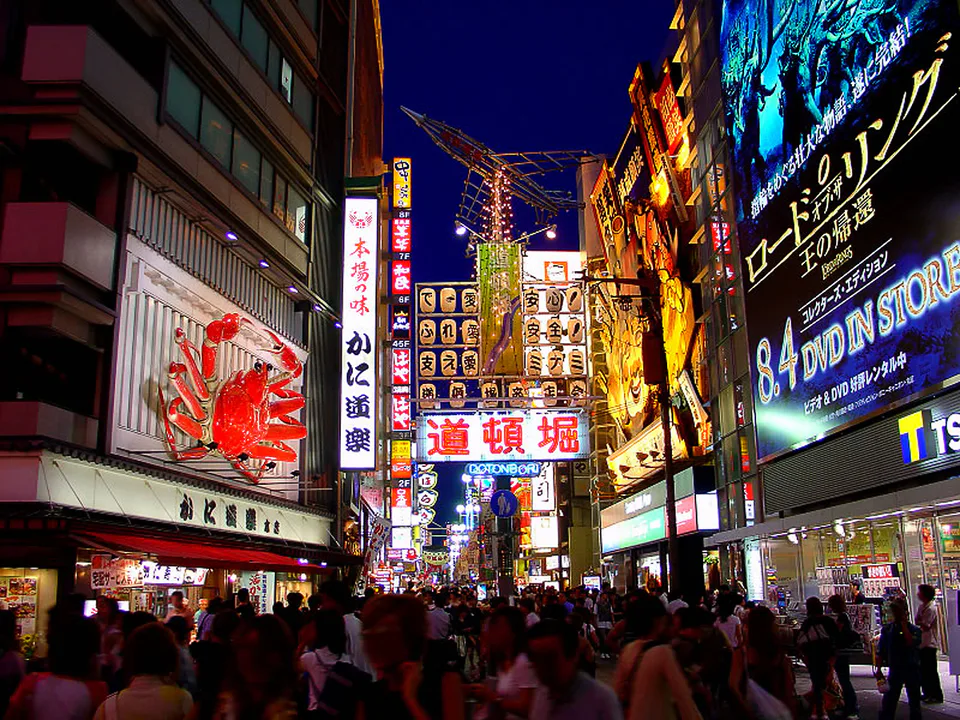
Kuromon Market, Hozenji Yokocho, Dotonbori and Shinsaibashi are close enough that a route can feel underfilled on paper. In practice, the food, shopping, photographs and detours are the purpose of the district. Kuromon can take an earlier slot, with Shinsaibashi and Namba through the afternoon and Dotonbori after dark. A two-hour placeholder can easily become a half-day if everyone wants to stop. That expansion is easier to accept here than when a later aquarium entry is fixed.
Tennoji is the southern extension that keeps movement coherent. Start with one anchor: Tennoji Zoo for a family daytime visit, HARUKAS 300 for a paid view, or the Shinsekai streets if the atmosphere matters more than a ticket. Tsutenkaku can remain a street landmark when HARUKAS is already your viewpoint. The Osaka observation deck comparison helps remove duplicate skyline stops. Then continue north to Namba for the evening instead of bouncing to Umeda and back.
A Namba hotel works best when several evenings end in the south, not merely because Dotonbori is famous. Namba versus Umeda for a hotel base compares the return journeys. If this map points your days south, compare rooms around Namba against the actual exit and airport route. The broader Osaka area guide starts with where each day finishes, which is more useful than declaring one district universally central.
Castle to Umeda: a northbound day with an evening finish
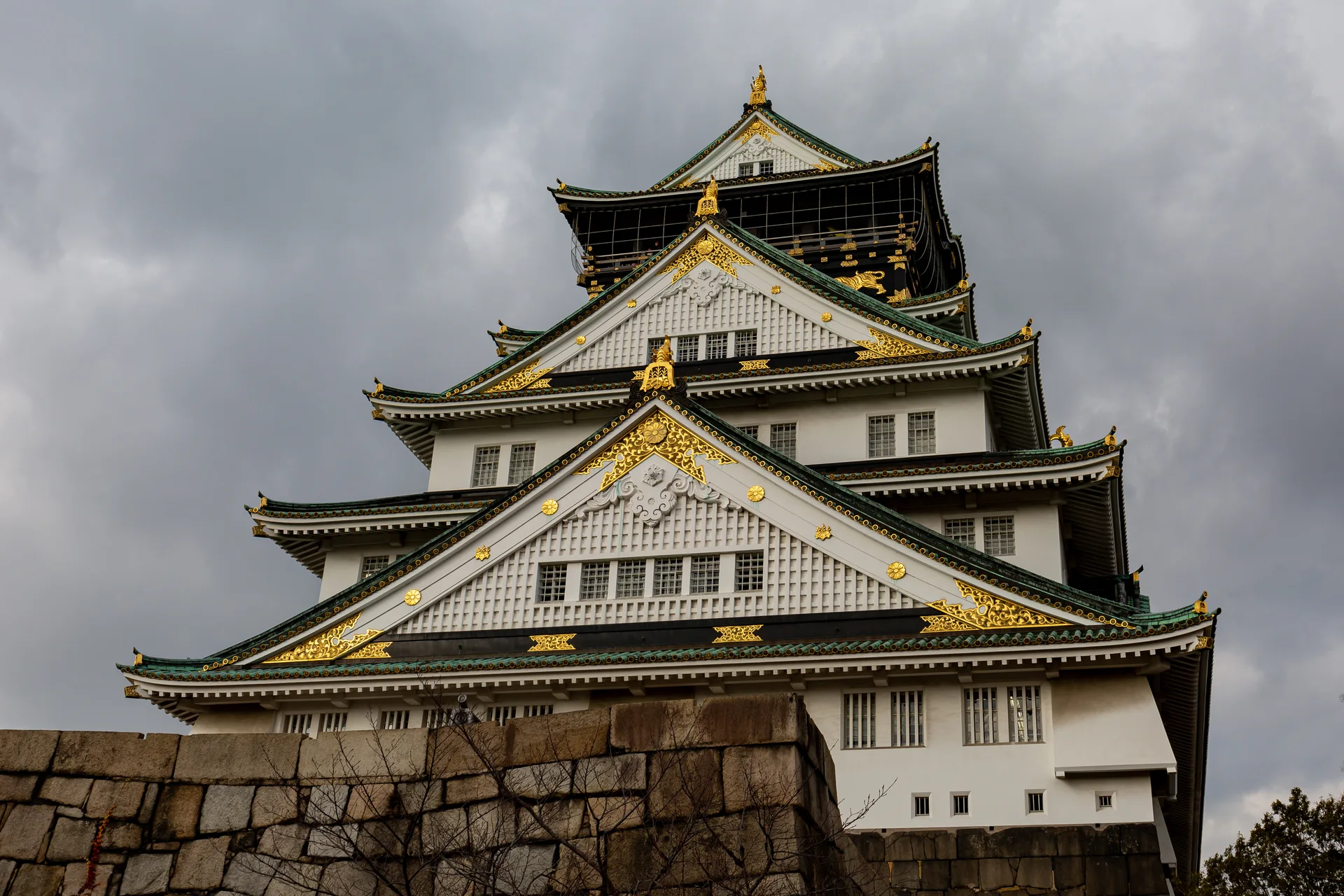
Osaka Castle, its park and the Museum of History can make a half-day without trying to fill it artificially. You have to reach the grounds from a station, cross part of the park and decide whether to enter the castle tower or museum. Rain affects the open park more than the indoor sections. A pass discount should not persuade you to sprint through the whole area in 45 minutes.
Once the eastern daylight block is complete, head toward Nakanoshima or Umeda. Pick one northern anchor—perhaps a museum, shopping block or the Umeda Sky Building—before dinner. Umeda works better as the place where the day ends than as a transfer you repeat. A person staying in that district also avoids one final cross-city ride. The Osaka hotel guide for Kyoto and Kobe day trips shows how station access changes several consecutive mornings, while CANDEO Osaka The Tower is a specific north-side hotel decision.
The Osaka Amazing Pass is a calculation to make after choosing that route. The standard 2026–27 pass is ¥3,500 for one day or ¥5,000 for two consecutive days. Its digital “day” is 03:00–02:59, rather than 24 hours after first use. If the attractions you already intend to enter break even, the pass may help. If you cross the city for one more included place, it may cost more of your day than it saves. The break-even guide works through the attraction arithmetic separately.
Osaka Bay: one ticket fixes the center of the day
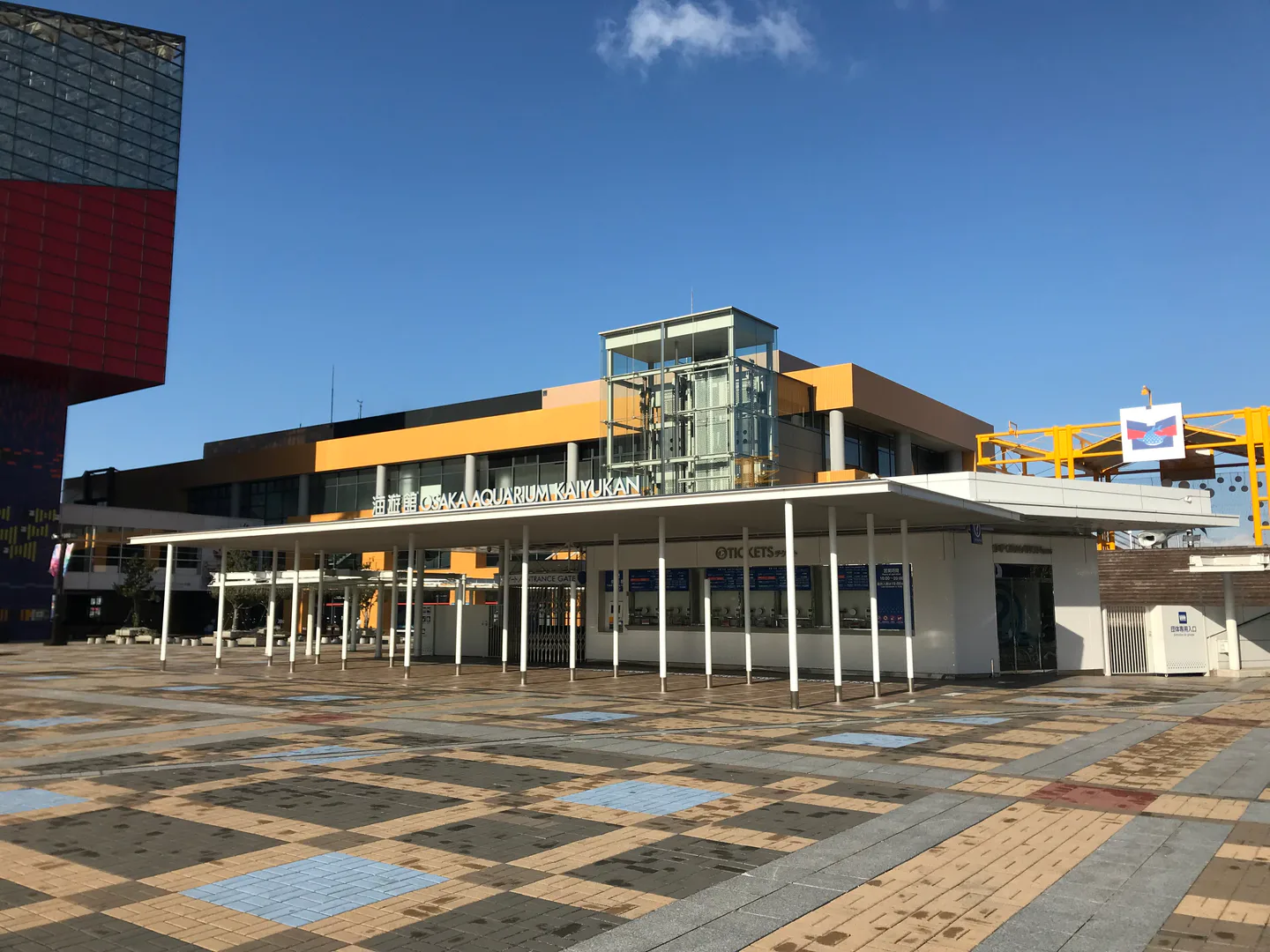
Osakako C11 is the approach for Kaiyukan and Tempozan, which form a true walking cluster after a single arrival. Buy or choose the aquarium's date and entry time first, then make Tempozan the flexible extension. Kaiyukan sells admission in 15-minute entry slots; from 15 June 2026, visitors can no longer re-enter after leaving. The aquarium notice explains the changed rule. Do not count on stepping out for lunch and going back inside with the same ticket. The Kaiyukan visit guide covers the time and entry choices in more detail.
That makes the Bay Area less forgiving than Namba. Give the aquarium the time you want, walk Tempozan if energy remains, and leave the city-center evening open. A fixed central ticket shortly afterward creates a second deadline. Osaka attractions with kids addresses the stroller and rain costs of this same bay outing. If your group is choosing between several big sights, the wider Osaka activity list can help decide what the Bay Area displaces.
USJ belongs on the itinerary without being paired by distance
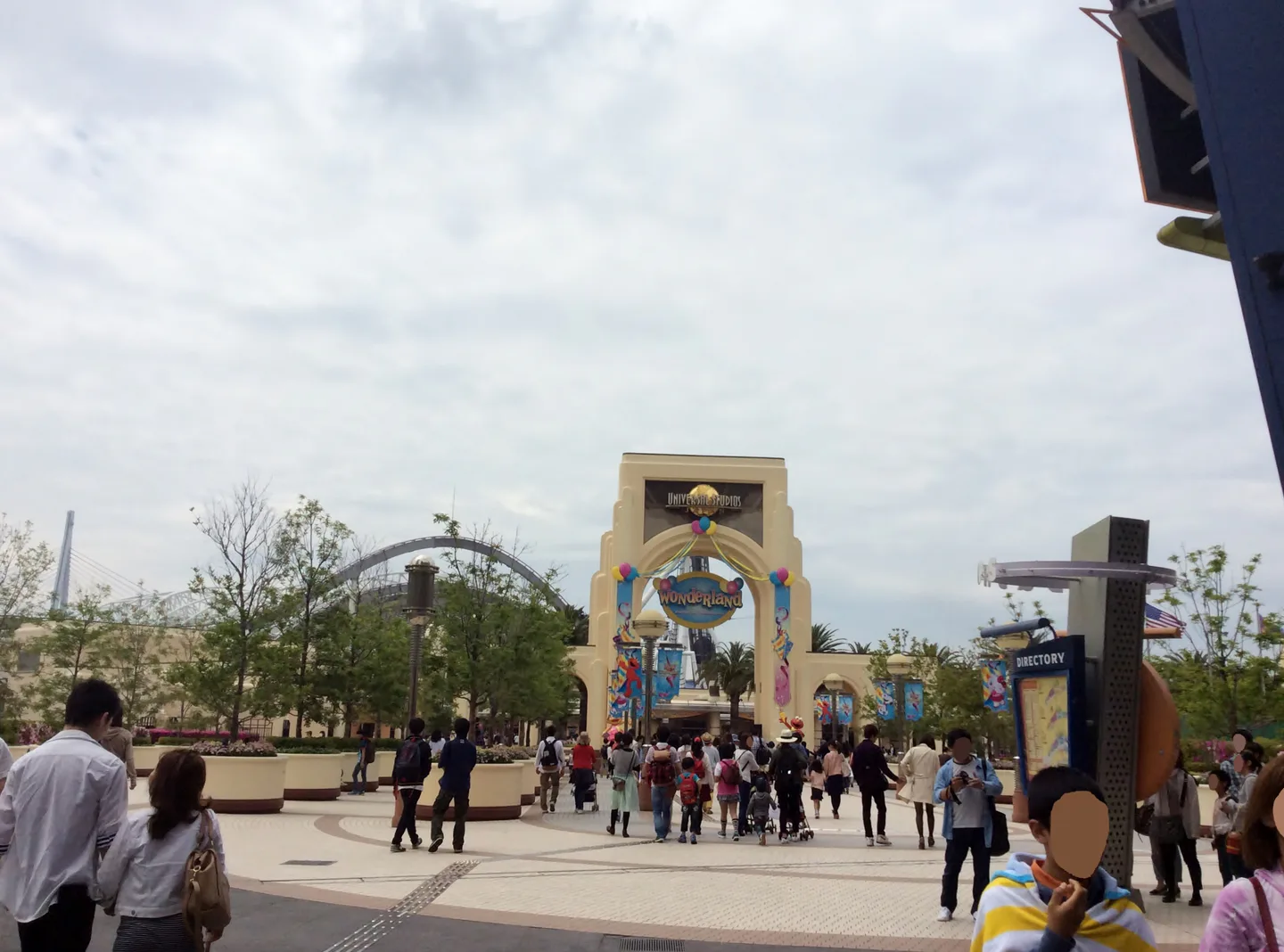
Universal Studios Japan is west of central Osaka, but its location on the map is the least important planning fact. Rides, shows, meals and queues make it a full-day anchor for most first visits. SUPER NINTENDO WORLD may require an advance-entry entitlement or a same-day Area Timed Entry/Standby Ticket depending on operations. Since 5 January 2026, the park's app entry process has been required for obtaining those same-day timed or standby tickets. On some days, area entry can be possible without one; that does not make a castle or aquarium visit a sensible default second half of the day.
If Nintendo or Donkey Kong is central to the visit, decide on the park date and whether an Express Pass fits before building the rest of Osaka around it. The evening extension is usually a meal close to the hotel. The seven-day Osaka itinerary with USJ, Kyoto, Nara and Kobe shows how park time changes a longer trip, and the family seven-day route leaves recovery space around the two largest tickets.
Arrival days, time blocks and three routes that hold together
An arrival day has less slack than a full day. Flying into KIX with bags adds possible flight delay, baggage handling and a transfer to the room. Choose a flexible walk near the hotel or the direct airport-rail terminal before adding a timed bay ticket. The KIX to Osaka route guide helps compare the actual hotel door in Namba, Umeda, Tennoji or Shin-Osaka. For a longer multi-city trip, ten days across Tokyo, Kyoto and Osaka shows why arrival and departure blocks should not be treated as normal sightseeing days.
↔ Scroll table left or right
Area | Planning floor | More comfortable block | Common reason it runs longer |
Namba / Shinsaibashi | About three hours | Afternoon into evening | Shopping, snacks and photographs |
Tennoji / Shinsekai | About three hours | Half-day | Zoo, view and dinner choices |
Umeda / Nakanoshima | About three hours | Afternoon into evening | Finding exits, stores and restaurants |
Osaka Castle | About two and a half hours | Half-day | Park walking, tower or museum queues |
Kaiyukan / Tempozan | About three hours | Half-day or more | Aquarium pace and bay add-ons |
USJ | No useful short-stop minimum | Full day | Queues, entry controls, shows and meals |
These are planning allowances, not published attraction durations. They reveal which combinations need a buffer. Three routes give a first trip a workable shape:
Southbound or south-cluster day: Tennoji, then Shinsekai, then Namba/Dotonbori. Choose one Tennoji ticket, keep the streets flexible and end where the evening is strongest.
East-to-north day: Osaka Castle, then Nakanoshima or Umeda. If the park takes longer, remove one northern stop instead of rushing the castle.
Bay day: Kaiyukan, then Tempozan, followed by an unbooked dinner back in central Osaka if the group still wants one.
USJ sits outside these combinations. A pass or transit map can make many more paths technically possible, but it cannot restore the time spent at platforms, station exits and attraction entrances. For a first visit, one main cluster plus one useful move normally gives you more of Osaka than collecting pins across three compass directions. The Osaka itinerary with friends handles a different complication—groups that do not want identical stops all day—while the late USJ return guide matters if your park day ends after normal dinner hours.