
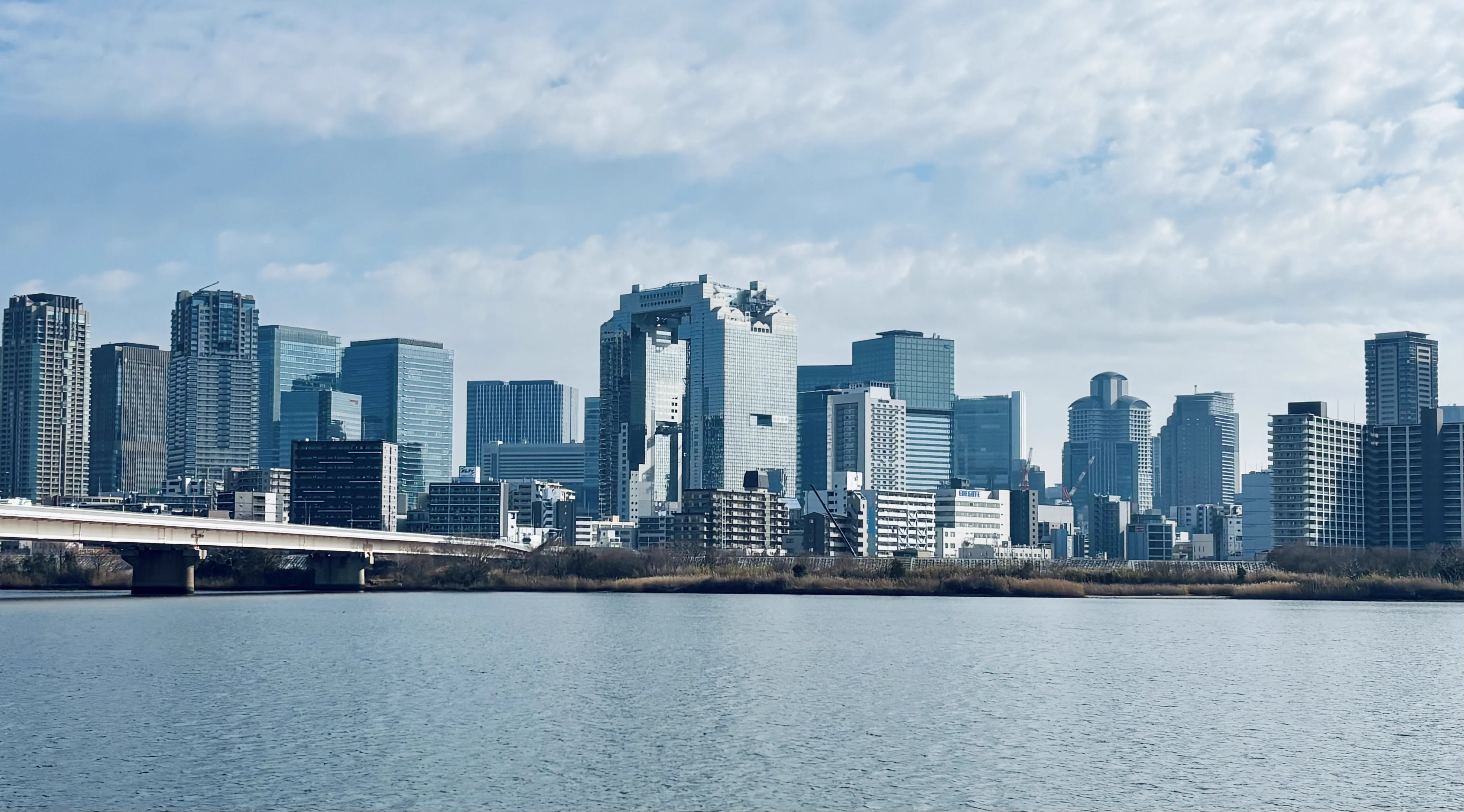
An Osaka day becomes expensive in time when its stops sit at opposite ends of the city. Osaka Castle, Kaiyukan and Dotonbori are all reasonable places to visit, yet their combined route asks for a park walk, a bay-area journey and a return south before dinner. A first visit works better in a few geographic blocks: Namba–Dotonbori–Shinsekai, Osaka Castle–Umeda, the waterfront around Tempozan, and a separate Universal Studios Japan day. The hotel location decides which block has the easiest evening return. For the base decision, use where to stay in Osaka.
How many Osaka days are actually available?
With two days and USJ on the list, the park consumes one complete day. The other can be South Osaka, or Osaka Castle followed by Umeda; trying to cover both plus the aquarium turns it into a string of train changes. Without USJ, split those two city areas across the two days. Decide which matters more before buying any timed admission.
A third day lets South Osaka and Osaka Castle–Umeda each breathe, leaving the last day for USJ or Kaiyukan and Tempozan. This is also where the hotel base begins to matter: Namba makes the southern evening easy, while Umeda gives the northern route a natural finish. Compare those two bases against the actual stops rather than an abstract ranking of hotel districts. The two-base comparison is Namba vs Umeda.
On a four-day stay, a Kyoto or Nara excursion is easier to absorb after the Osaka days have been allocated. A prebooked USJ day still leaves only three days; a Kyoto trip needs a genuine slot, not the leftover hours after theme-park closing. The four-day Osaka and Kyoto itinerary tests that trade-off. The excursion calculation is in whether Kyoto still fits into a four-day Osaka trip.
The cross-city day that looks shorter on a map
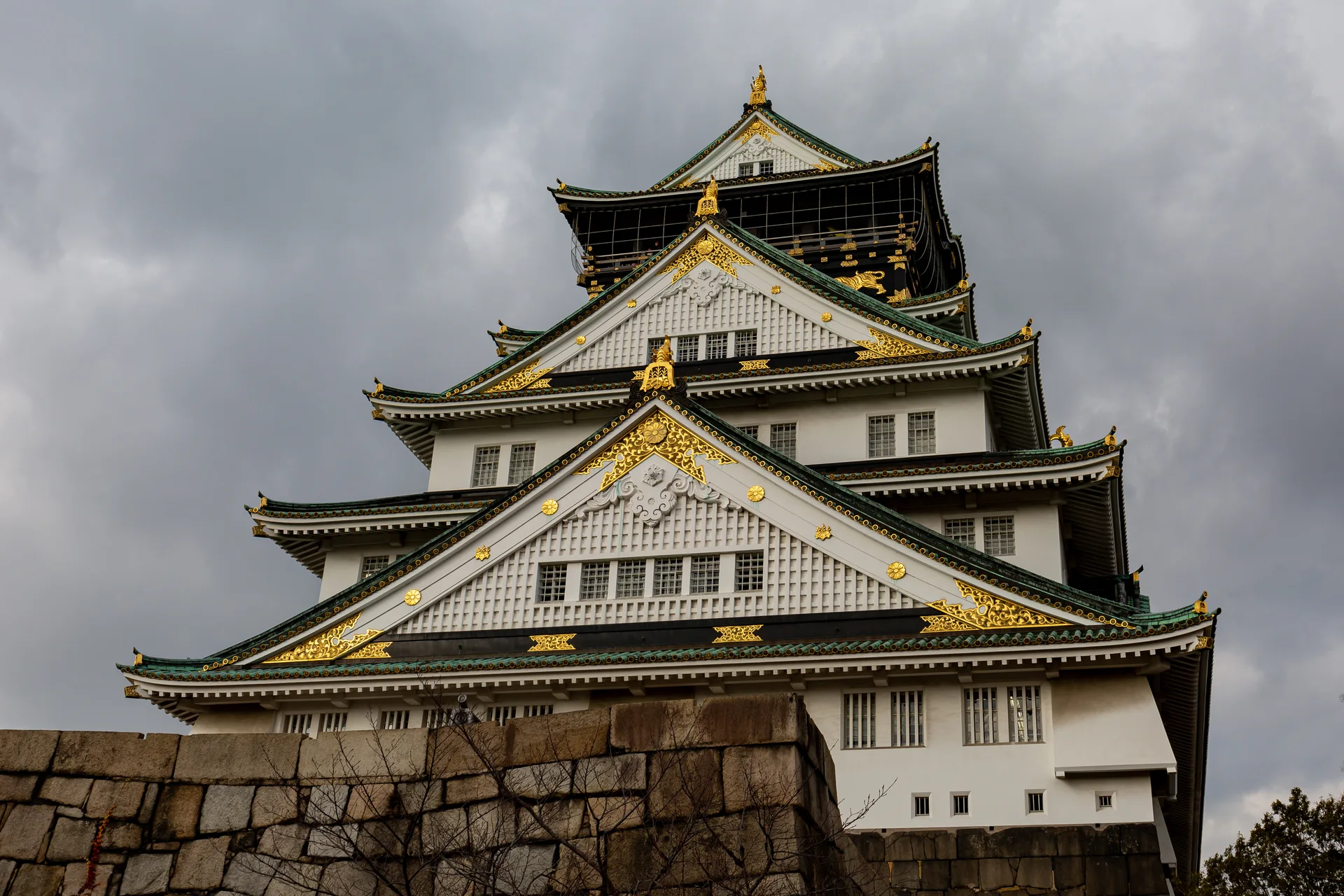
The castle visit includes substantial walking inside its park and the museum, then the return to a station. Kaiyukan is on the bay, not beside the castle, and Dotonbori is back in Minami. A timetable may show each rail leg as manageable; it does not show the repeated station exits, wayfinding, queues and time spent resetting the group between very different experiences. Keep those three as separate decisions unless there is a specific reason to connect them. The district map expands this into Osaka attractions by area.
Osaka tourism’s own route ideas pair the castle with Umeda, Namba with Shinsekai, and the port with USJ. These combinations work because their activities share a part of the city. The route can still be adjusted for a reserved ticket, rain or a hotel at the other end; the point is to understand the transfer cost before adding another famous name.
Minami: food and the late return shape the route
Begin the southern day by deciding whether food, shopping or street atmosphere is the main event. Kuromon Market earns time if browsing and tasting are central to the trip. After a large hotel breakfast, a two-hour market block may crowd out something the group values more. A Dotonbori-area hotel can be worth paying for when dinner and late shopping finish close to the room; Cross Hotel Osaka is one example of that short final walk. One location example is Cross Hotel Osaka.
Dotonbori is useful as an unhurried evening rather than four separate appointments for the river, photographs, dinner and shops. The Tombori River Cruise takes about 20 minutes; the operator lists regular sailings on the hour and half hour between 11:00 and 21:00, subject to changes or suspension. Tickets have a departure time and popular evening departures can fill. If a cruise matters, secure that sailing earlier in the day, then let the rest of the district remain flexible after dark. Tombori sailing times
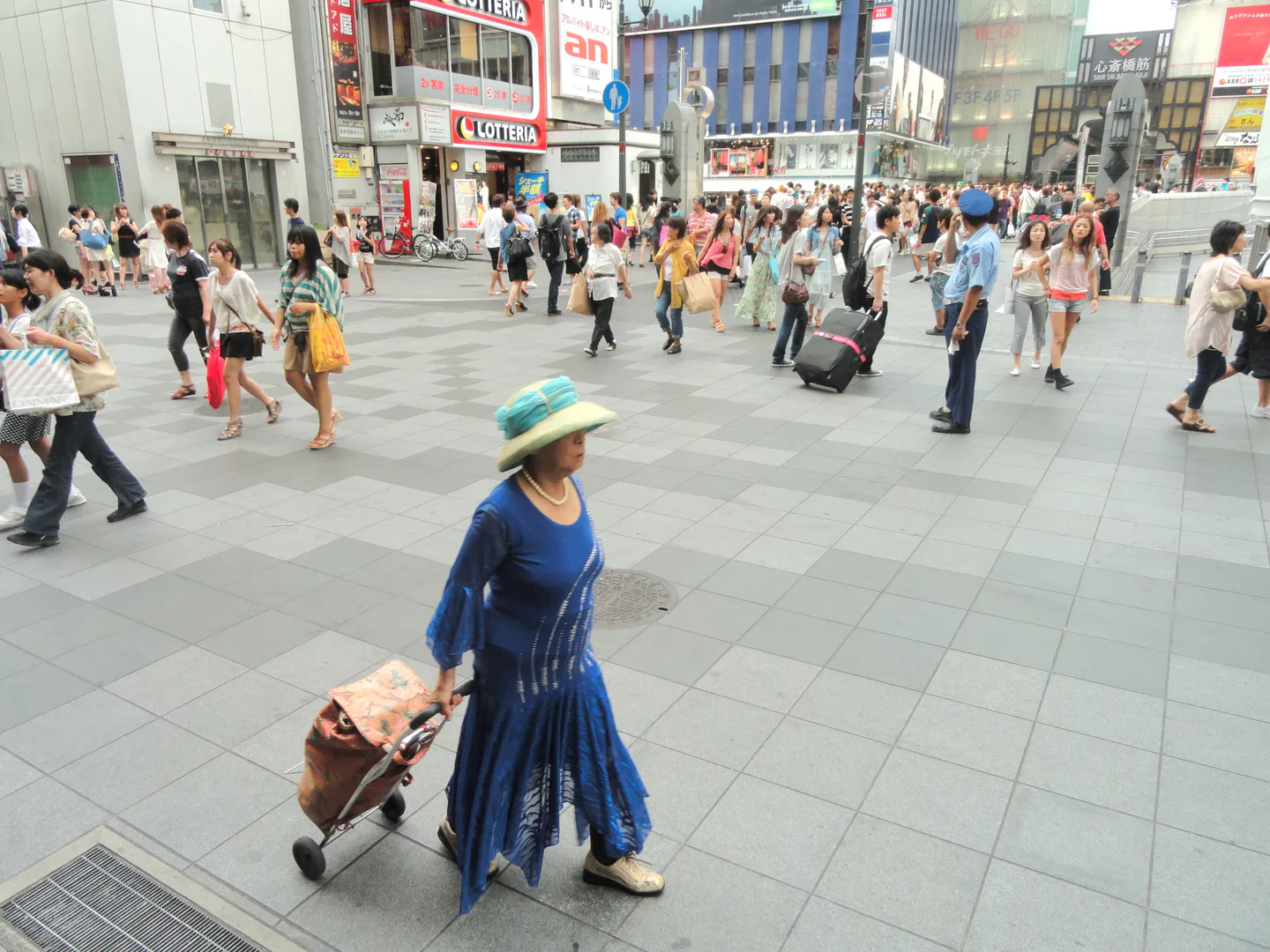
Shinsekai fits the same southern day when the group still wants food, illuminated streets or the Tsutenkaku view. The tower lists its general observatory from 9:00 to 21:45, with entry closing at 21:15. A visitor coming for the street itself can skip a second paid skyline. A Shin-Imamiya base such as OMO7 Osaka changes the evening walk and train pattern, although it does not put all Minami attractions at the hotel door. The Shin-Imamiya example is OMO7 Osaka. Tsutenkaku hours
For a family that wants to spend more of the night south of the centre, room space and how everyone gets home may matter more than a generic star rating. The OMO7 and Centara Grand comparison makes that choice concrete: one is oriented around Shin-Imamiya and a resort-style stay; the other offers a larger Namba room and a different last journey. The family hotel comparison is OMO7 Osaka vs Centara Grand Hotel Osaka. For child-friendly timing, compare Osaka attractions with kids.
Castle first, Umeda later
Osaka Castle Museum lists 9:00–18:00 opening, with entry by 17:30. The park deserves its own walking time, so a morning or early-afternoon start protects the museum from a rushed arrival. Umeda then makes sense for a café, shopping, indoor pause or night view before returning to a northern hotel. Reversing the order can send a tired group back across town for a second skyline when the castle is nearly closing. Osaka Castle hours
The Umeda Sky Building observatory lists 9:30–22:30 hours and ¥2,000 adult admission. Under the current Osaka Amazing Pass terms, included entry ends at 15:00; presenting the pass later gives a 10% discount instead. A sunset or night view therefore may be worth paying for even if the pass could have covered an earlier visit. Check the time window before bending the whole castle day around an included attraction. The skyline options are set out in Osaka night-view choices. Amazing Pass Umeda terms
An Osaka Station hotel makes that northern finish easier. Hotel Granvia Osaka sits above JR Osaka Station, so a return from Umeda can end at the accommodation without another metro transfer. That convenience matters most when the preceding day is already long or the next morning starts from the station. The station-connected example is Hotel Granvia Osaka.
USJ takes the day it is assigned
Universal Studios Japan changes operating hours by date and may begin admission before the posted opening time. SUPER NINTENDO WORLD may require timed or standby area entry depending on the day, with distribution that can end early. That is already enough uncertainty without attaching the castle or another city stop to a supposed half-day visit. Treat the park as the day’s anchor and check the dated operating calendar before setting the train plan. USJ timed-entry rules
A Universal City room pays back most clearly at closing time: it removes the rail trip after a full park day. This can matter even more during evening seasonal programmes such as Halloween, whose dates and hours should be checked for the actual visit. The Park Front Hotel comparison asks whether its short walk is worth the room premium when everyone is tired. The park-gate hotel example is whether The Park Front Hotel’s one-minute walk is worth paying for.
Kaiyukan belongs to the waterfront
Kaiyukan and the Tempozan area make a coherent half day, especially with children or in wet weather. The aquarium publishes a date-by-date calendar rather than one universal closing hour. If USJ is also in the itinerary, Captain Line can connect Kaiyukan West Wharf and Universal City Port in about ten minutes. Its service follows the operating dates of the aquarium and park and can stop for weather or sea conditions, so use it for a deliberate waterfront pairing with a fallback route, not as a guaranteed shortcut between unrelated city sights. Entry and re-entry details are in Kaiyukan timing and entry. Kaiyukan calendar
How many skyline tickets are useful?
Abeno Harukas, Tsutenkaku and Umeda Sky Building each serve a different part of Osaka, but buying all three can repeat the same broad experience. HARUKAS 300 lists 9:00–22:00 hours and a current ¥2,200 adult admission ticket, an update from the ¥2,000 quoted in the older article. One view is enough for many itineraries; two can make sense if city skylines are a particular interest. Use Umeda Sky Building after a northern day, or a southern view with Tennoji or Shinsekai. Families visiting Tennoji Zoo have a clearer reason to make a Tennoji half day than a group travelling there for only a third observation deck. HARUKAS 300 tickets
The same test applies to hotel location. If the final stop is near Namba, a station-connected room may save a late transfer. The Swissôtel–Hotel Royal Classic comparison and the detailed Royal Classic station route show what that access buys. If the sightseeing days end elsewhere, that premium may not be used. For the Namba alternatives, compare Swissôtel Nankai Osaka vs Hotel Royal Classic Osaka. For the Namba alternatives, compare Hotel Royal Classic Osaka’s station connection.
The Amazing Pass is an arithmetic decision
The Osaka Amazing Pass includes eligible transport and admission to participating facilities; the current list covers roughly 40 attractions, with each facility generally available once during the validity period. Its value depends on the places you intended to enter anyway, their separate fees and whether their hours fit one compact route. A two-day product does not turn two thin sightseeing days into good value. Begin with the itinerary, mark the paid stops, and compare their actual sum with the live pass price and conditions. If the plan contains few paid stops, use Free and cheap Osaka alternatives.
Pass rules can be narrower than the facility’s regular hours: the Umeda Sky Building cutoff is one example. Opening days, reservation requirements and temporary exclusions can also change what is usable. The former sales site has redirected buyers to the current product, so an old screenshot or price should not decide this purchase. Check the current facility list and checkout for the exact travel date.
See the current Osaka Amazing Pass listing on Klook Current ticket options: Compare current Osaka Amazing Pass options|Klook.
Four attractive plans that consume the wrong hours
Castle, aquarium and Dotonbori on one day is technically possible, yet a large share becomes transit and wayfinding. Three observation decks often means paying repeatedly for a similar view. USJ followed by evening city sightseeing assumes the park will be predictable enough to leave early. An attraction pass bought before the route encourages adding stops solely to make the purchase appear worthwhile. Each plan needs a specific reason beyond “these sights are famous.”
Leave a 60–90 minute gap for food, queues, browsing or simply sitting down. On a hot day, with children or with older travellers, that pause can keep the later route usable. It is more honest than assigning every spare minute to another district and hoping the transfers stay perfect. A longer Kansai route is in Osaka and Kyoto in seven days.
What a second, third or fourth day buys
Two city days without USJ support a southern day and a castle–Umeda day. If USJ takes one of the two, choose only one of those city routes. The third day can add the park or the bay area; with four days, consider Kyoto or Nara only after the Osaka priorities are secure. This is a planning allocation, not a claim that every traveller must visit those places in that order.
An additional day can also make an existing area more comfortable instead of adding a new one. A Namba room supports a slower Dotonbori evening; an Umeda room favours a northern finish. If neither hotel base is chosen, decide the last stop of each day first, then compare the hotel areas against that pattern.
The route in one view
Put Namba and Shinsekai into the southern block; give the castle and Umeda the northern one. Keep Kaiyukan as a waterfront half day and USJ as a park day. Price the Amazing Pass only after paid entries and their time windows are known. That structure can be shortened for a two-day stay without pretending every Osaka attraction belongs on the same circuit.
Five to eight major stops can fill a short Osaka visit once the park walks, meals and evening districts are included. A shorter list is useful when it leaves enough time to enjoy the areas rather than repeatedly crossing the city to complete a ranking.
If the hotel is still undecided, compare Namba and Umeda against the direction of those days before paying for the room. The next room decision is in Next decision|Choose Namba or Umeda before locking your route.
If your selected sights cluster south of the river, a Namba base can save repeated cross-city trips. Look at accommodation around Namba and judge it against your actual attraction map rather than the hotel name alone.
Current routes and admission conditions
The Osaka tourism itinerary directory groups its routes by district and interest. Osaka area itineraries
Its castle-to-Umeda example includes the park, museum and northern finish. OSAKA-INFO|Osaka Castle and Umeda course
The Amazing Pass participating-facility list gives each attraction’s inclusion and time limits. OSAKA AMAZING PASS|Participating attractions and current conditions
USJ publishes its operating schedule by date, with changes possible. Universal Studios Japan|Operation hours and schedule
Related guides: Tokyo Attractions: Stop Counting Sights and Start Assigning Whole Days · Where to Stay in Osaka: Start With Your Last Stop, Then Choose Namba, Umeda, USJ or Shin-Osaka · Osaka Attractions With Kids: Choose by Age, Rain and Stroller Friction — Not a Must-See List · Osaka Attractions Map: How to Group Namba, Umeda, Tennoji and the Bay Area · Fukuoka Hotels: Stop Ranking Properties—Choose by Trip Shape, Area and Who You Travel With · Japan Autumn Leaves December: Tokyo, Kyoto, Osaka, Nara and Kyushu · A 7-Day Osaka Premium Experiences Itinerary: USJ Express, Sumo, Samurai — and Only One Big Splurge · Osaka Night Views: When Free Beats the Observation Deck — and When HARUKAS 300 Is Worth Paying For · Osaka Castle Cherry Blossoms: Nishinomaru, Castle Tickets and Night Viewing · Osaka Cultural Itinerary: 7 Days of Sumo, Tea Ceremony, Samurai and Sake — With One Night in Kyoto Tokyo Attractions: Stop Counting Sights and Start Assigning Whole Days Where to Stay in Osaka: Start With Your Last Stop, Then Choose Namba, Umeda, USJ or Shin-Osaka Osaka Attractions With Kids: Choose by Age, Rain and Stroller Friction — Not a Must-See List Osaka Attractions Map: How to Group Namba, Umeda, Tennoji and the Bay Area Fukuoka Hotels: Stop Ranking Properties—Choose by Trip Shape, Area and Who You Travel With Japan Autumn Leaves December: Tokyo, Kyoto, Osaka, Nara and Kyushu A 7-Day Osaka Premium Experiences Itinerary: USJ Express, Sumo, Samurai — and Only One Big Splurge Osaka Night Views: When Free Beats the Observation Deck — and When HARUKAS 300 Is Worth Paying For Osaka Castle Cherry Blossoms: Nishinomaru, Castle Tickets and Night Viewing Osaka Cultural Itinerary: 7 Days of Sumo, Tea Ceremony, Samurai and Sake — With One Night in Kyoto