
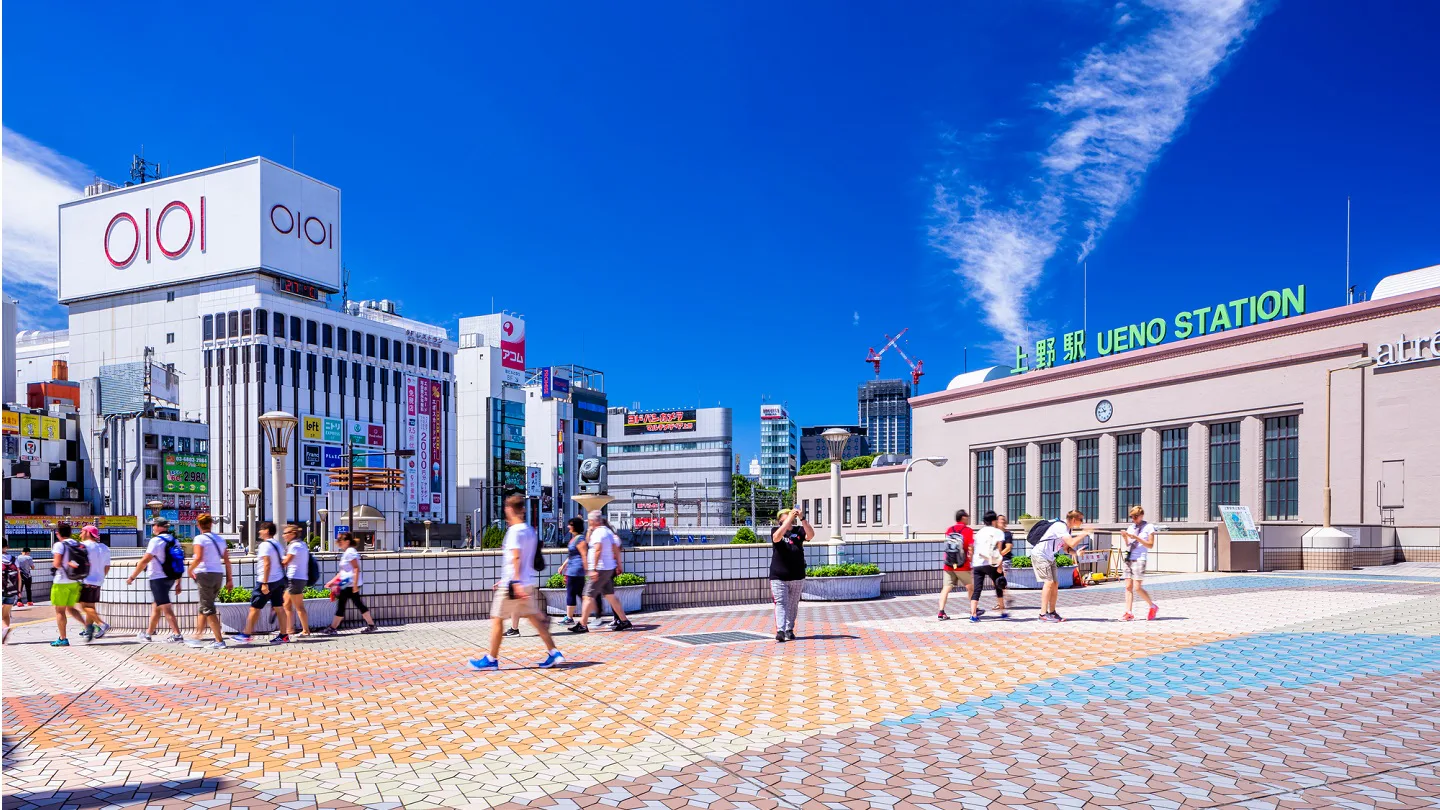
Ueno has the cleaner Narita arrival and makes several east-Tokyo mornings short. Shinjuku earns the room when your evenings finish in the west or the next overnight stop is Hakone or Kawaguchiko. The airport journey is conspicuous because you do it with luggage; it still happens only once or twice. For a four- or five-night stay, the journeys repeated after breakfast and dinner usually decide where the hotel should be.
There is a useful fare correction to the old assumption that Ueno is dramatically cheaper from Narita. Keisei lists an eligible online Skyliner one-way ticket at ¥2,310 and round trip at ¥4,500, while JR East lists the N'EX TOKYO Round Trip Ticket at ¥5,200 for eligible visitors travelling within 14 days. Those are different products with eligibility and purchase conditions. Compare what you will actually buy, then put the hotel-to-platform walk beside the price. If you have not narrowed Tokyo to these two districts, the first-time Tokyo base guide is the broader starting point.
The base decision in one route table
| Your repeated route | Base to check first | What could change it |
|---|---|---|
| Narita in and out; Ueno, Asakusa, Akihabara on several days | Ueno | Three or more important nights finish around Shinjuku or Shibuya |
| One Narita arrival; west-Tokyo shopping and late dinners most nights | Shinjuku | A much easier luggage route to a particular Ueno hotel |
| Tokyo checkout followed directly by Hakone or Kawaguchiko | Shinjuku | The direct train does not suit your date or the rest of Tokyo is east-heavy |
| Early Tokaido Shinkansen or several intercity departures | Check Tokyo Station or Shinagawa too | Those departures happen once while the rest of the stay points clearly east or west |
| Large cases, stroller or limited walking tolerance | Choose at hotel-entrance level | A shorter map distance can conceal a harder exit or crossing |
The table deliberately includes a third-base answer. A question framed as Ueno versus Shinjuku should not force a hotel in either district when the real repeated constraint is an intercity train. Compare Tokyo Station and Shinjuku if an early Shinkansen controls several mornings; Shinjuku versus Shibuya is the narrower west-side choice.
Count the third repeat before pricing the airport train
Mark the district where each day begins and where each evening will probably end. A west-side dinner once is an outing. The same return three or four times is part of your hotel commute. The JR Yamanote ride between Ueno and Shinjuku is roughly 24 minutes before you count the platform, exit and final walk; three extra one-way crossings therefore consume more than an hour of train time alone. The exact penalty for Shibuya or Harajuku will differ. Frequency is the point, not a universal 24-minute surcharge.
Run the same test in the other direction. If Ueno Park, Asakusa and Akihabara fill several mornings, a Shinjuku hotel makes you cross the city before the first real stop. One atmospheric Shinjuku evening does not cancel that repeated start. The Tokyo attraction area map helps keep those east-side stops together instead of treating every place on a subway map as equally close. If your schedule still looks balanced, the cleaner airport route is a reasonable tiebreaker.
Narita gives Ueno a real advantage, mainly in handling
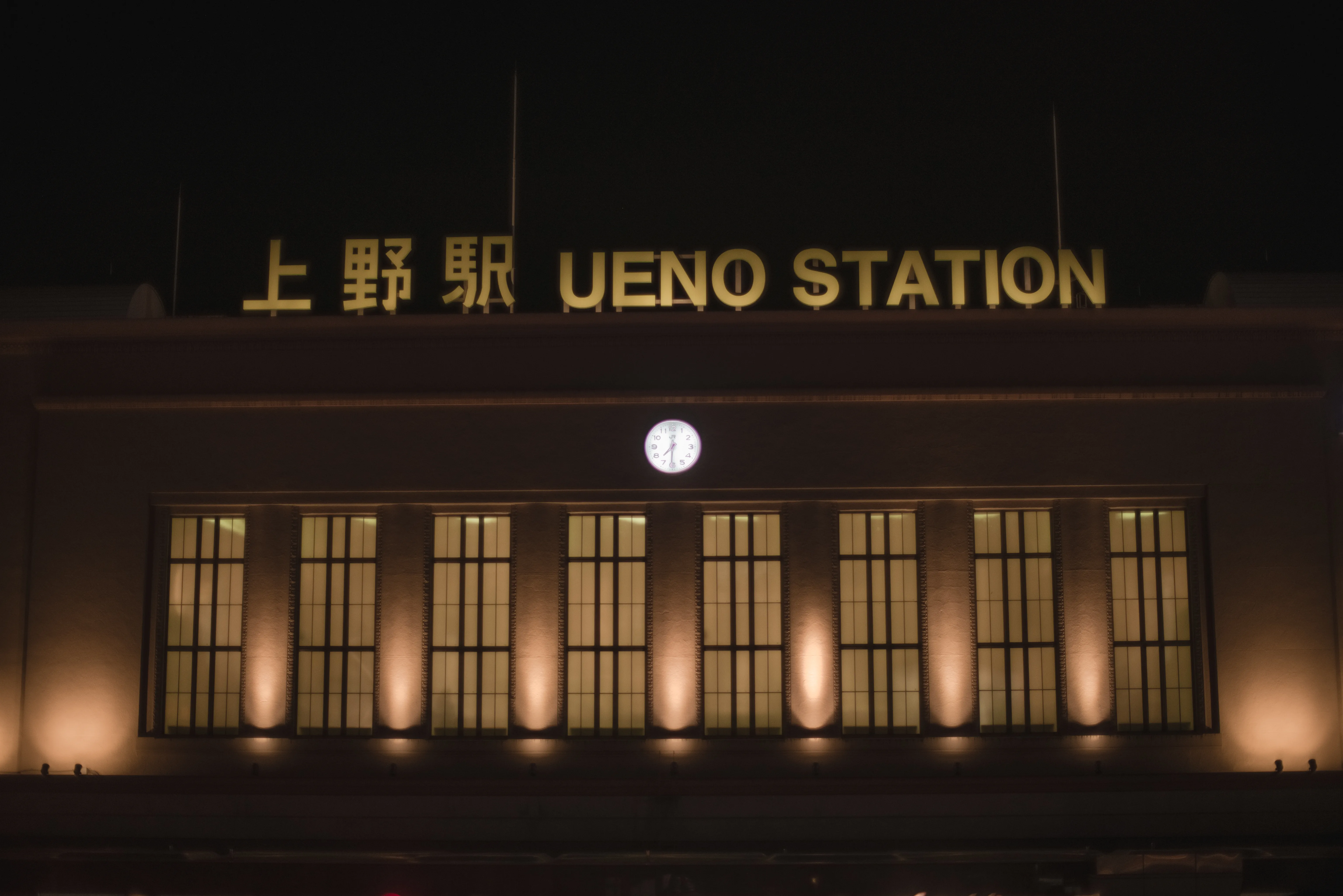
Keisei's Skyliner reaches Keisei-Ueno from Narita Airport Terminal 2·3 in as little as 41 minutes. It has reserved seats, and a hotel genuinely close to the Keisei side can make the arrival straightforward: airport train, short final walk, one check-in. Confirm which Ueno station your room is near. Keisei-Ueno and JR Ueno are separate, and a hotel advertised as “Ueno Station” may have a different last walk from each railway. The Narita arrival choices help if the hotel is not actually near the Skyliner terminal.
At the published visitor-ticket prices above, a Skyliner return is ¥700 less than the ¥5,200 N'EX return. The two products are not interchangeable for every traveller. A walk to a distant Ueno hotel, a train change or a trip that does not return to Narita can erase the tidy fare comparison. Shinjuku still has the Narita Express route, which may be the better arrival when the room and the coming days are west. If the plane lands late, use the late-arrival hotel decision for that first night rather than reshaping the whole Tokyo stay around it.
Open-jaw tickets weaken Ueno's neatest argument. Arrive at Narita and fly home from Haneda, or arrive at Narita then head onward to Kyoto without returning, and the direct Skyliner helps only once. A hotel that solves three west-side nights and a Hakone departure can then beat the airport convenience. Conversely, Narita both ways plus several east-side days compounds Ueno's advantage. That is why a single airport label cannot decide the room by itself.
Ueno works best when your useful day starts east
Ueno Park and its museums make an obvious morning. Asakusa, Ameyoko and Akihabara add distinct days without making the first useful hour a west-to-east train ride. This does not mean every sight is on one block: museum entries, river crossings and separate stations still need planning. It means several different days begin from the correct half of Tokyo. Use the seven-day Tokyo route if you are deciding how many days to spend east, or the shopping-base comparison if Akihabara is a main purpose rather than a quick detour. A family comparing actual rooms may find the Mitsui Garden versus NOHGA Ueno comparison more useful than another district-level score.
The evening trade-off is genuine. Ueno and Ameyoko have food and activity, yet a trip built around late Shinjuku dinners, Shibuya shopping and Harajuku evenings will repeatedly finish on the other side of the city. For one such night, stay in Ueno and take the train. For several, price a Shinjuku room before booking. If Akihabara is the trip's fixed anchor, a room by that station may be more exact than asking Ueno to stand in for the whole east. The Akihabara station hotel review tests that alternative.
Shinjuku pays back the late return and the westbound checkout
Shinjuku puts a large share of dining, shopping and nightlife near the room. Shibuya and Harajuku remain on the western side of central Tokyo. That matters when a full sightseeing day ends after 20:00 and nobody wants a cross-city ride before shower and sleep. The advantage is especially clear if three or four nights end west. If the west is a single outing, Shinjuku's busier station may be more complication than benefit.
“Near Shinjuku Station” is not a complete location. A west-exit business hotel, a south-exit room and a Kabukicho hotel give different luggage walks and evening streets. Check the entrance you will actually use from your airport service and from the train to your most common day trip. The Gracery versus HOTEL GROOVE comparison treats the Kabukicho side, while Gracery versus Blossom tests the JR-side luggage route. A hotel can win on district and lose on its last 500 metres.
Hakone can make that west-side location doubly useful. Odakyu's direct Romancecar from Shinjuku to Hakone-Yumoto can take about 75 minutes at its fastest. When Hakone is the next overnight stop, leaving the room and boarding from the same district makes checkout day simpler. If Hakone is a single day trip in the middle of five east-heavy Tokyo nights, it should not control the whole booking. Compare Tokyo to Hakone transport, the Hakone versus Kawaguchiko choice and where the Hakone night belongs before making the onward leg the deciding factor.
Kawaguchiko has a similar, date-sensitive benefit. Direct Fuji Excursion services can run from Shinjuku via Otsuki to Kawaguchiko, but the useful departure must match your date and preferred checkout time. The existence of a direct train is not a promise that every train is direct or every preferred hour available. The Tokyo–Kawaguchiko transport guide is the next check; decide how many nights Lake Kawaguchi needs before changing a four-night Tokyo base for one morning.
Haneda and luggage can reverse a map-level winner
Haneda does not give Ueno the same distinctive direct-airport link that Narita gives it. Tokyo's visitor guidance puts Ueno around 50 minutes away by train and Shinjuku around 55 minutes by train or limousine bus, depending on the route. Those headline times stop at stations or bus stops, not at your room. A direct airport bus to a suitable Shinjuku stop may be easier than a nominally shorter train followed by another long station walk. A Ueno hotel by the correct exit may do the opposite. Compare terminal to hotel door, with cases, at your actual arrival hour.
The same applies to a stroller or an older traveller. Lifts, concourses, road crossings and the last street segment can overwhelm a small train-time difference. Use the district comparison to narrow the map, then assess two or three real hotel approaches. If the Tokyo stay is followed by another city, luggage forwarding may remove more friction than moving the whole hotel base to suit one checkout morning. A room near Tokyo Station can also become more rational when several days end at an intercity platform, not in either Ueno or Shinjuku. With children and several Disney days, the Disney-area versus central-Tokyo hotel decision may take precedence over this comparison.
| Route fit | Ueno | Shinjuku |
|---|---|---|
| Narita round trip | ★★★★★ | ★★★☆☆ |
| Repeated east-Tokyo mornings | ★★★★★ | ★★★☆☆ |
| Repeated west-Tokyo evenings | ★★☆☆☆ | ★★★★★ |
| Next overnight in Hakone or Kawaguchiko | ★★☆☆☆ | ★★★★★ |
| General station handling with luggage | ★★★★☆ | ★★☆☆☆ |
| Late-night dining close to the room | ★★★☆☆ | ★★★★★ |
These route-fit ratings are conditional. Ueno does not become the best choice by adding stars when the trip has no Narita return or east-side days; Shinjuku does not win because its nightlife score is high when the group comes back early. Let the nights and mornings on your actual plan select the rows that matter.
Check the station side before accepting the district result
| Check | Why the answer can change |
|---|---|
| Which railway and terminal does the airport service use? | Keisei-Ueno and JR Ueno are different arrivals; Shinjuku has several operators and approaches. |
| Which exit is closest to the hotel entrance? | A short straight-line distance can hide a long concourse, a road crossing or a loop around the station. |
| Is there a lift on the route you will use? | The shortest stairs route may be poor with a stroller, large cases or limited mobility. |
| Where do your latest three evenings finish? | The tiring return can matter more than the easiest first morning. |
| Where does the next overnight train leave? | Checkout travel with luggage costs more effort than the same journey as a casual day ride. |
For Ueno, a hotel described as a six-minute walk from JR Ueno might be quite different from a six-minute walk from Keisei-Ueno. A room close to the correct airport arrival can make the district's main advantage real; the NOHGA Ueno luggage route shows how much the entrance choice matters. For Shinjuku, an address toward Kabukicho may make a late dinner easier but a Narita Express arrival less pleasant than a south-exit room. The district name is the first filter, not the last measurement.
Try the choice against a real four-night route
Suppose the flight arrives at Narita, the first full day goes to Asakusa and Ueno Park, the second to Akihabara and a museum, and the third stays around Ginza and Tokyo Station. The last night is a meal in Shinjuku before a flight home from Narita. An Ueno room keeps two early starts and both airport transfers on the easier side of the city. The Shinjuku dinner remains one deliberate outing. Paying for four west-side hotel nights to avoid that single return would be poor route arithmetic.
Change the sequence: one Narita arrival, one east-side museum morning, then two late Shibuya or Shinjuku nights, followed by a Hakone overnight. The clean Skyliner arrival now solves one event, while the hotel needs to solve several western returns and a westbound checkout. Shinjuku becomes more convincing even if its airport train costs a little more. If the hotel sits at the wrong station approach, however, compare another Shinjuku exit or a Shibuya room before deciding that the district as a whole has failed.
A third route gives neither district an automatic win. Arrive at Haneda, spend one day at Disney, visit central Tokyo, and leave on an early Shinkansen. The airport does not distinguish Ueno as strongly as Narita does; Disney may favour a resort-area night, while the intercity train points to Tokyo Station or Shinagawa. The Disney lodging comparison should be read alongside the train departure before making Ueno and Shinjuku the only candidates. This is especially useful when a family would otherwise change rooms for just one park morning.
Apply the route check to the actual nights, not an aspirational sightseeing list. If everyone expects to return to the hotel after an afternoon museum and then leave again for dinner, a district with a usable late food choice saves another trip. If the group tends to finish the day near its last attraction and go straight to bed, morning geography deserves more weight. A hotel with a quiet entrance and manageable walk may then be worth more than proximity to bars nobody will visit.
Finally, keep the fare comparison current at purchase. Keisei's online discount depends on buying the eligible discounted product; JR East's visitor return assumes the return falls inside its validity window. If the trip is open-jaw, calculate the one-way you need instead of dividing a round-trip price by two. A price difference of a few hundred yen should not override several hours of repeated city crossings or a hard luggage route. The best fare is the one attached to the itinerary you are actually taking.
Three checks before you pay for the room
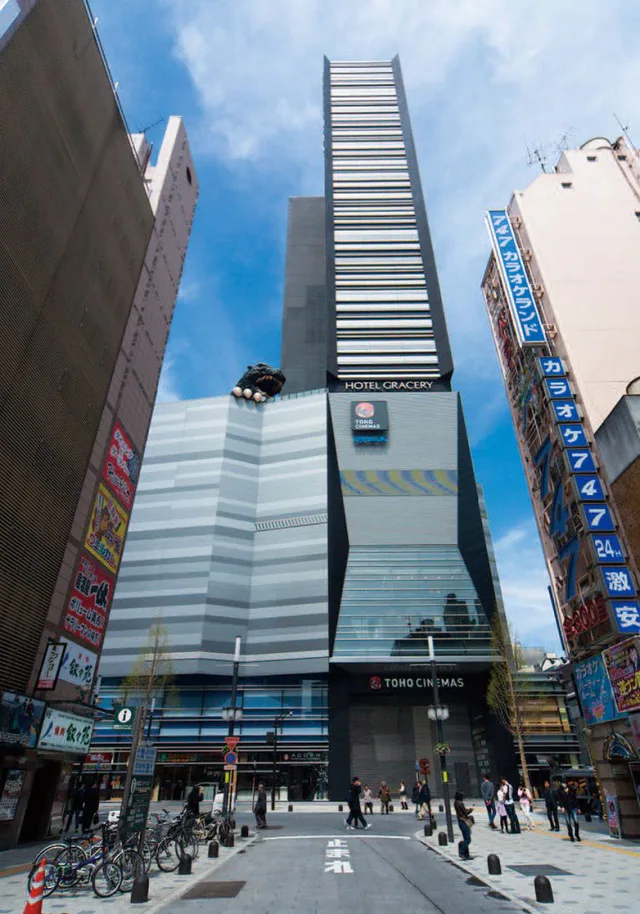
First, compare airport tickets on like terms. The Skyliner web discount and the N'EX visitor return have different eligibility, purchase and validity conditions. An ordinary walk-up fare on one side against a special web fare on the other creates a false saving. Second, map the station exit to the hotel entrance, particularly at Shinjuku's several approaches and between JR Ueno and Keisei-Ueno. Third, ask whether a day trip is truly an onward overnight move. A single Hakone or Kawaguchiko outing should not outweigh four Tokyo days unless it is unusually difficult or time-critical.
For Narita both ways and several museum, Asakusa or Akihabara mornings, I would book Ueno after checking the Keisei-side hotel walk. For three west-side evenings or an immediate Hakone overnight, I would search Shinjuku first. If the pattern is balanced, the exact hotel approach and airport products become tiebreakers. Compare Ueno rooms against the Skyliner arrival you will use, or compare Shinjuku rooms against your evening return and next-day platform.