
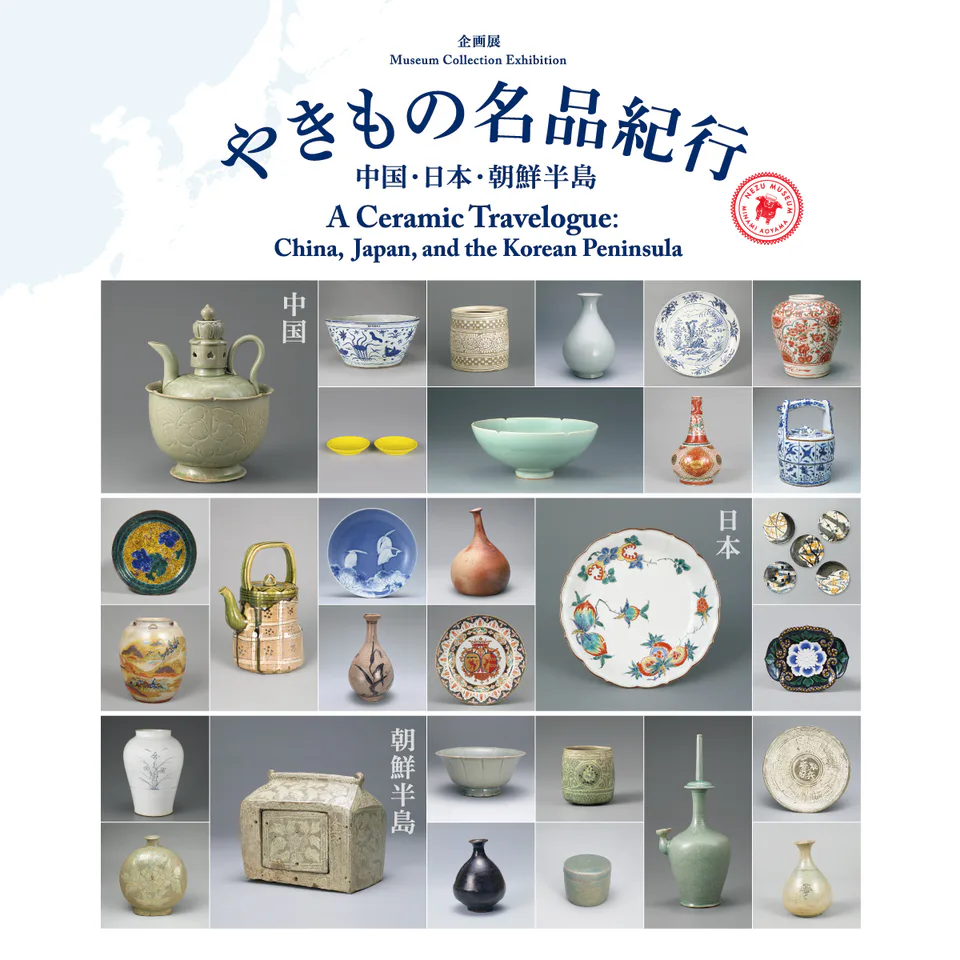
Nezu Museum’s garden is part of a paid museum visit, so the exhibition on your date changes what the ticket is buying. As of 24 October 2026, the new special exhibition is Bugaku Costumes: The Enduring Beauty of Textiles, running through 23 November. Its adult timed ticket is ¥1,600 online, or ¥1,800 at the door if same-day entry is available. The older A Ceramic Travelogue show ended on 12 October; the ceramics photographs retained below document that previous exhibition, not objects promised on today’s walls. Compare Tokyo rainy-day plans.
This matters to a visitor who mainly wants a garden walk after shopping in Omotesando. Nezu’s garden, shop and NEZUCAFÉ are inside the admission boundary, and the tea houses are not freely open. Someone keen on textiles and the other galleries can treat the garden as a second part of the visit. Someone uninterested in the current display is paying the entire admission price to reach the paths, lanterns and greenery. Garden and café conditions appear in the museum visitor rules.
The poster pictured here belongs to A Ceramic Travelogue, which ran from 15 August to 12 October 2026. It is retained as a record of that exhibition; Bugaku Costumes is the show on view from 24 October.
The exhibition date comes before the garden plan
Bugaku Costumes occupies Galleries 1 and 2. The museum presents textiles connected to Japanese court music and dance, including pieces handed down at shrines and temples; the show highlights how red and blue costume traditions relate to dances with Chinese and Korean roots. Gallery 5 holds brush-line paintings and Gallery 6 presents seasonal tea utensils for the opening of the winter hearth. Buddhist art in Gallery 3 and ancient Chinese bronzes in Gallery 4 add further routes through the building. The current rooms are listed in the current Bugaku exhibition and gallery list.
A visitor drawn by textiles, painting and tea objects could spend two to three hours between the rooms and garden without needing to hurry. A garden-only visitor faces a clearer value test: the present special-exhibition ticket is ¥1,600 online rather than the ¥1,400 collection-exhibition ticket mentioned in older coverage. A quiet outdoor circuit can still justify the spend for some people, but it is not free park access.
The museum is about eight minutes on foot from Omotesando Station Exit A5. The B3 exit has an elevator and leaves roughly a ten-minute walk. Those approaches make a Minami-Aoyama, Harajuku or Shibuya-side half-day relatively easy; crossing Tokyo solely for a short garden stop demands more of the day. Compare Shinjuku versus Shibuya hotels.
A Shibuya-side hotel can shorten several Aoyama and Harajuku journeys if that cluster dominates the itinerary. Shinjuku may fit better when other plans lean west. One museum visit alone is rarely reason enough to move hotels. Compare where to stay in Tokyo on a first visit.
For a first Tokyo trip, choose the broader hotel base before locking this visit. Then decide whether the museum fits naturally beside Omotesando and nearby streets or deserves a dedicated outing. Start with the first-visit Tokyo hotel-area guide.
A Tokyo base comparison is more useful than an isolated estimate of the walk from one attraction.
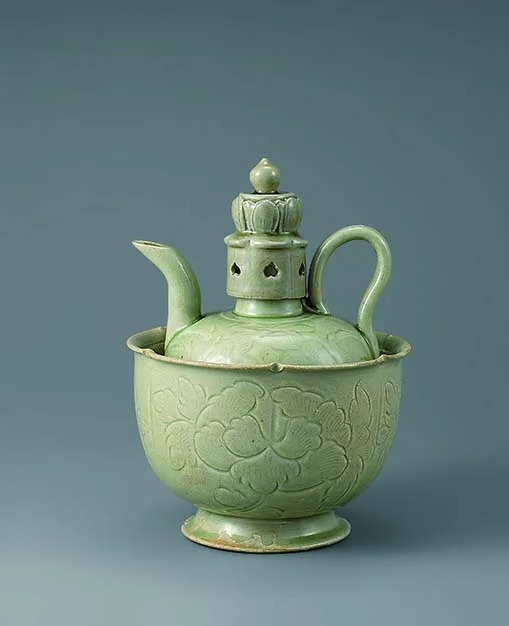
This Northern Song ewer and warming bowl appeared in the ended A Ceramic Travelogue exhibition. The photograph illustrates the museum’s ceramic collection, not the current Bugaku costume display.
What the finished ceramics exhibition actually contained
A Ceramic Travelogue ran from 15 August through 12 October 2026. It drew from a collection of roughly 2,300 ceramics and arranged Chinese works in Gallery 1, Japanese works in Gallery 2 and Korean Peninsula works in Gallery 5. Gallery 6 added Meibutsu, or distinguished tea ceramics. That China–Japan–Korea structure is worth remembering if you saw the show or are reading its archival catalogue, but it is not a route to follow on a new ticket. The ended show is described on the museum’s archived ceramics page.
For that past exhibition, a 90-minute visit could have concentrated on the Chinese and Japanese rooms before the Korean objects and tea wares. With two or three hours, the tea ceramics and garden gave a slower comparison of how vessels were made, used and prized. The old route cannot be transplanted to the present show: its rooms now hold Bugaku textiles, brush-line painting and winter tea objects. Use the current gallery map for the date you book. Compare another Tokyo art-museum half-day.
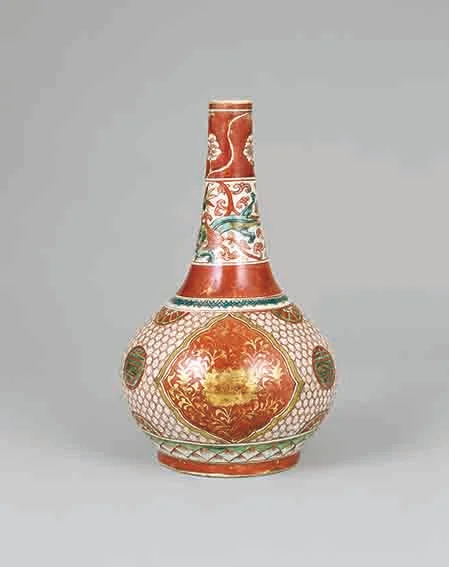
This Ming Jingdezhen vase, photographed for the past ceramics show, combines red and green overglaze colour with gold decoration. It contrasts with the Japanese ceramics later in that former route; it is not presented here as a currently displayed object.
The current adult ticket is ¥1,600 online
Bugaku Costumes is a special exhibition. The museum and its current ticket portal list ¥1,600 for an adult timed-entry booking and ¥700 for a university student or older student with valid ID. A same-day adult ticket costs ¥1,800 when offered. The ¥1,400 online / ¥1,600 door prices in the old article applied to the earlier museum-collection ceramics exhibition, not to the present special show. Prices and booking windows appear on the current timed-ticket page.
If Bugaku, the garden and café are a firm part of an Aoyama day, choosing a timed entry avoids relying on door availability. The ticket portal says same-day visitors may have to wait and sales can stop when crowded. If your main reason is the garden and rain could erase much of that value, check the forecast before committing; the portal’s cancellation terms run to 23:59 the previous day for a qualifying self-service cancellation. Compare Tokyo itinerary lengths.
Buy for the exhibition that will be on view
The museum’s current ticket page names Bugaku Costumes and its 24 October–23 November dates. An older third-party Nezu listing still labels a May–July exhibition as ongoing and the ended ceramics show as upcoming, so it is a poor calendar reference for this visit. Match the exhibition name and date on the museum ticket portal itself before paying.
A timed ticket is for a selected entry window, not an all-day reservation. The portal lists hourly arrival windows from 10:00 through 16:00 plus a 16:00–16:30 slot. If you need to change the date or time, its stated process is to cancel the old order within the permitted period and purchase a new one.
View Nezu Museum’s current timed-entry tickets Nezu Museum timed-entry tickets.
Adult special-exhibition admission is ¥1,600 online. The ticket page also lists student and eligibility conditions, and a ¥1,800 adult door price when same-day admission is sold. Decide against those actual terms rather than an old package price.
October’s closed interval and November’s holiday exception
The ceramics show closed on 12 October, followed by an installation closure from 13 through 23 October. Bugaku Costumes opened on Saturday 24 October and runs to Monday 23 November 2026; that final Monday is an opening exception. Ordinary Mondays are closed. The old 24 September Thursday closure and the 21 September/12 October Monday openings belonged to the previous show’s calendar, so they should not be copied into a new itinerary. Future dates appear on the exhibition calendar.
Galleries, garden and shop generally run 10:00–17:00, with last museum entry at 16:30. A 16:00 arrival leaves too little time for a serious look at costume details, concurrent galleries, paths and coffee. If the goal is the complete visit rather than one gallery, reserve a slot that gives at least 90 minutes before closing. Compare the first or last Tokyo day.
NEZUCAFÉ is behind the same admission gate
The café is open 10:00–16:30, with food last orders at 15:00 and drinks or desserts at 16:00; the café may stop earlier when busy. The museum shop and garden likewise require admission. Shopping in Omotesando until 16:30 and then dropping in for a garden coffee is therefore not a workable sequence.
If lunch matters, schedule it before the food cutoff instead of relying on the final half-hour. A practical museum order is the main Bugaku rooms, whichever concurrent galleries suit you, then the garden and a café stop while service remains available. On a textile-focused visit, allow time to compare details rather than racing across every display case. Compare Tokyo museum time trade-offs.
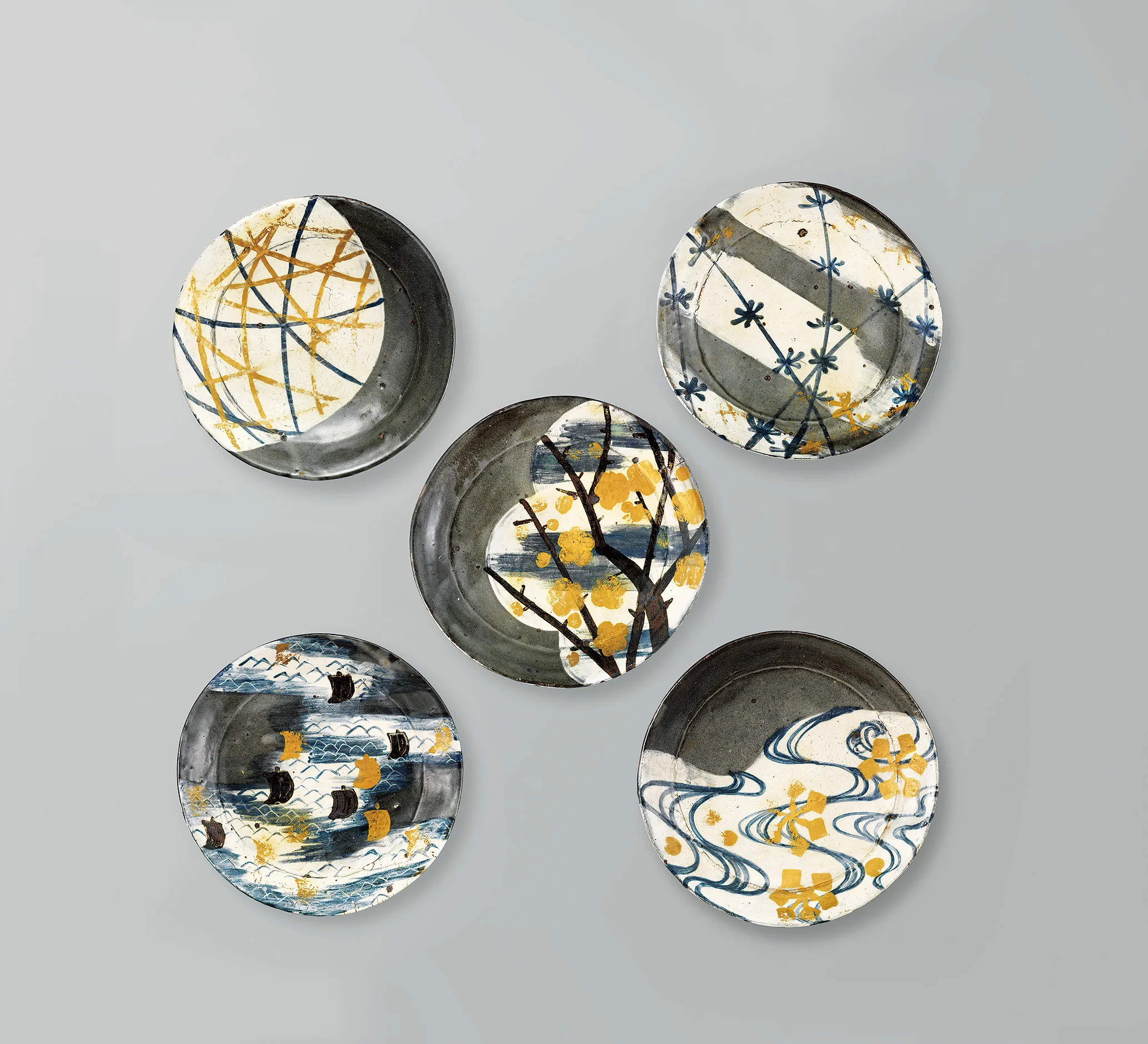
These plates by Ogata Kenzan were illustrated in the Japanese ceramics part of the ended August–October exhibition. They show how that show moved beyond the Chinese ewer and Ming vase pictured above; they should not be confused with the works now listed in Bugaku Costumes.
Rain shifts the balance between galleries and garden
Bad weather can make the indoor exhibition easier to justify while making the garden less enjoyable. Bugaku textiles and the concurrent painting, Buddhist-art, bronzes and tea displays offer more than a quick shelter stop. Heavy rain or wind can reduce the outside paths to a short look, however, which matters if the garden is the primary attraction for your group. Compare indoor Tokyo alternatives.
On a wet day, keep the booking if the present exhibition is the draw. If most of the ticket’s value in your mind comes from outdoor atmosphere, compare another indoor Tokyo plan or change the museum date while the ticket terms still allow it. The price is attached to a date and show, not an abstract promise of a sunny garden. Compare another rain-sensitive outdoor day. See a Tokyo rain plan matched to the forecast.
Tokyo’s other limited exhibitions need not fill the same role. A character-oriented show with photographs is a different afternoon from examining fabric, painted lines and tea utensils. Compare what the party will actually look at for an hour or two, rather than putting every indoor venue into one rainy-day bucket. Compare Tokyo’s Pingu exhibition choice.
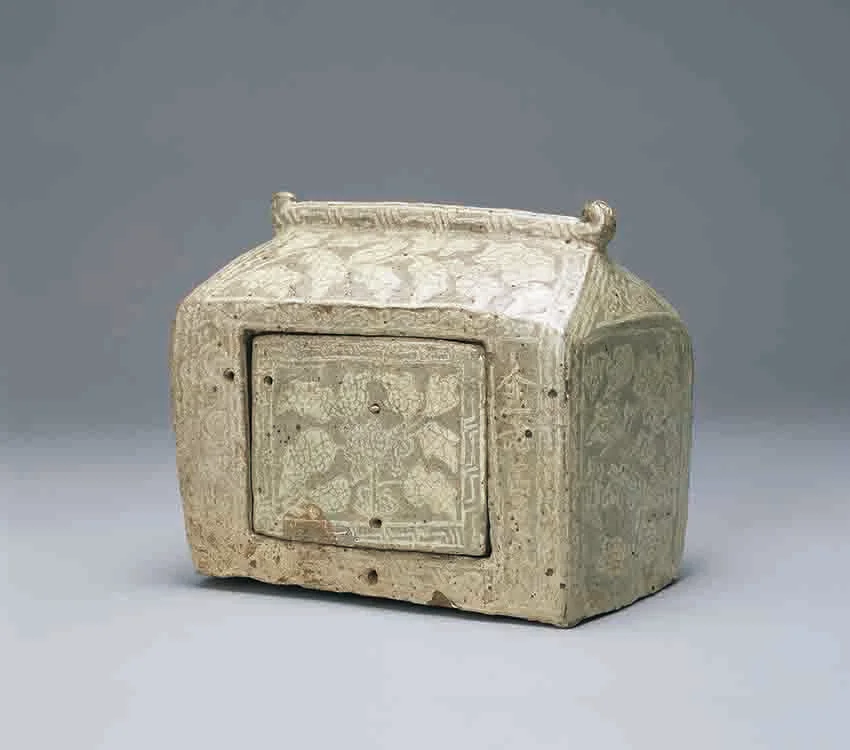
This inlaid Joseon Buddhist cabinet was part of the past Korean Peninsula ceramics display. Its pale surface and incised panels belong to the exhibition that ended on 12 October; the image remains here to show what the former cross-region route contained.
No object photography in the galleries
The museum asks visitors to refrain from photographic equipment in the galleries. That rule matters if collecting close-up photographs is a major reason for buying exhibition tickets. The indoor visit is about studying the objects in person; plan photographs around permitted outdoor areas and follow signs rather than assuming every display can be shot.
Garden tea houses are not included as walk-in interiors. They open only to tea ceremonies or invited participants. The ticket gives access to the grounds, not a self-guided tour through every structure seen along the path.
A short Tokyo itinerary needs a half-day trade
Omotesando proximity can make Nezu look like a 40-minute add-on. The main show, selected concurrent rooms, a walk through the garden and a café break can quite reasonably consume two to three hours. On a four-day trip already committed to Disney or a full-day excursion, that block should replace another half-day rather than compress lunch and travel into unrealistic gaps. Compare the Tokyo plus Kamakura decision.
A three-, four- or five-day Tokyo plan helps show which afternoon can move. The same test applies if Kamakura already claims a day: an exhibition deadline does not create extra usable hours. Put the museum beside nearby Aoyama, Harajuku or Shibuya plans where possible. Compare a four-day Tokyo itinerary.
A Tokyo Station hotel can still reach Omotesando, but several west-side outings in a row may make a Shinjuku or Shibuya base more efficient. Count the complete door-to-door journey instead of treating all Tokyo neighbourhoods as equally near because they share one city map. Compare Tokyo Station versus Shinjuku as a base.
Who should pay for this museum visit?
Bugaku Costumes is most compelling for travellers interested in textile detail, Japanese performing arts or a museum-and-garden block in Minami-Aoyama. The garden can deepen a visit to the galleries; it is a more expensive proposition when the group does not want the exhibition at all. The old ceramic route shown in the photographs ended on 12 October, so ceramic-specialist visitors should examine the future exhibition calendar rather than expect those displays now. Compare Kyoto Manga Museum ticket value.
For a visit through 23 November, choose a date when the museum is open, allow at least 90 minutes, check whether garden weather matters, and compare the ¥1,600 timed adult ticket with the ¥1,800 possible door ticket. Remember the 15:00 café food cutoff and 16:00 drinks cutoff if that stop is part of the plan. The garden, shop and café all sit inside the paid visit. Compare another museum with a garden.
The museum’s exhibition calendar and ticket page show Bugaku Costumes through 23 November and a further changeover before the next collection exhibition opens on 5 December. Use the date-specific programme and entry page when planning a later visit. Compare a Tokyo day organised by neighbourhood.