
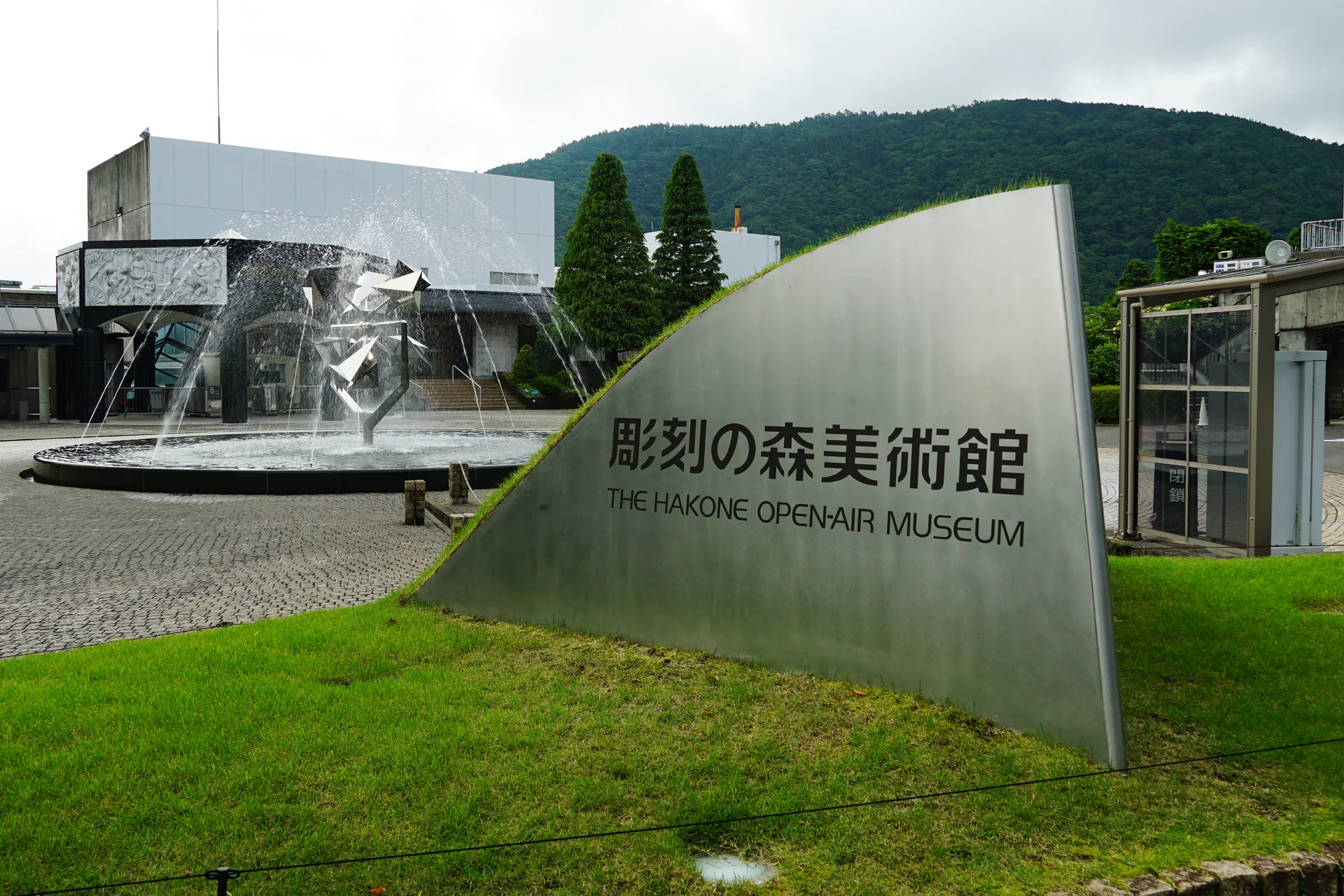
The gate at Hakone Open-Air Museum will admit you until 16:30, but the grounds close at 17:00. Those thirty minutes cannot contain the sculpture paths, an indoor collection and a pause at the footbath. For a first visit, protect 90–120 minutes and aim to enter by 15:00 or 15:30. A 16:00 arrival is a conscious short circuit; the last-admission minute is a poor scheduling target. This matters more than whether an adult ticket saves ¥200 online.
The museum fits a day that already passes through Gora. It is about a two-minute walk from Chokoku-no-Mori Station on the Hakone Tozan line, so it can sit before check-in, after checkout or in a separate morning block. It becomes harder to justify when a single-day loop is already committed to Owakudani, Lake Ashi and Hakone Shrine. The art remains strong in either case; the route may not leave it enough time. Work out the order of the Hakone loop before purchasing a dated admission ticket.
| Entry time | Time before 17:00 close | Visit that still fits | Practical consequence |
|---|---|---|---|
| 15:00 | 120 minutes | Outdoor circuit, indoor rooms and a modest break | A useful latest target for an unhurried first visit |
| 15:30 | 90 minutes | A complete brisk circuit with selective indoor stops | Reasonable if earlier Hakone transport slips |
| 16:00 | 60 minutes | Focused highlights and little margin | Choose what to leave out before entering |
| 16:30 | 30 minutes | A short look near the entrance | Legal entry, poor value for a first full visit |
The museum guide map estimates 60–90 minutes to circle the site and 90–120 minutes when indoor galleries and rest are included. The table applies that guidance to a 17:00 close; it is a planning judgement rather than an additional entry rule. A fast 60-minute visit is possible, but it should not be confused with the half hour after 16:30.
The route decides whether the museum feels easy
Staying in Gora changes the museum from a loop detour into a neighbourhood stop. A guest could leave luggage at a nearby hotel, spend two hours with the sculptures, then return for check-in; another could visit after checking out and before travelling onward. Gora's advantage is not that its rooms are inherently better. It is that a two-hour museum visit need not compete with a cross-Hakone transfer at the same time.
Staying beside Lake Ashi and travelling back toward Gora solely for the museum can consume much more than the ticket's nominal visit time. Think through both the inbound and outbound legs. A one-night trip already packs transport and ryokan dinner into a narrow window; a second night lets the museum stand apart from the ropeway-and-boat day. Compare Hakone Yumoto, Gora and Lake Ashi bases and decide whether one or two nights fit before treating the museum as a small extra stop.
On a day built around Owakudani, the ropeway, Lake Ashi and Hakone Shrine, a train delay or a long lunch can push the museum toward 16:00. Something has to give. Preserve an art block if this collection is a priority; otherwise skip it cleanly and let the loop breathe. For people choosing Hakone mainly for a ryokan bath, Fuji views and time outdoors, the Hakone versus Kawaguchiko comparison can clarify the whole destination choice before this admission decision.
| Trip shape | How the museum fits | What could change the answer |
|---|---|---|
| Gora hotel and a free two-hour slot | Natural stop before check-in, after checkout or in the morning | A fixed ryokan dinner or late station arrival |
| Children who will use the interactive works | More participatory than a quiet gallery visit | Poor weather closes the key outdoor play structure |
| One-day loop with three other non-negotiable sights | Usually a crowded itinerary rather than a relaxed museum visit | Remove another stop or add a night |
| Lake Ashi base with no Gora plan | Requires an explicit return journey | Other attractions already bring the route through Gora |
| Rainy day and strong interest in Picasso | Indoor collections still give substance to the visit | Heavy rain weakens the sculpture-garden experience |
Admission arithmetic after the day is settled
Current museum admission is ¥2,000 for an adult at the counter and ¥1,800 through its web ticket. University and high-school students pay ¥1,600 or ¥1,400; elementary and middle-school pupils ¥800 or ¥600. Preschool children enter free. The web saving is ¥200 per paying person. That makes ¥800 for two adults and two school-age children, enough to check the online checkout once a date is fixed, but it does not compensate for arriving too late to use the grounds.
| Party | Counter total | Museum web total | Saving |
|---|---|---|---|
| One adult | ¥2,000 | ¥1,800 | ¥200 |
| Two adults | ¥4,000 | ¥3,600 | ¥400 |
| Two adults and two school-age children | ¥5,600 | ¥4,800 | ¥800 |
These are yen totals from the listed age categories, not currency-converted estimates. An August 2026 dollar conversion in the older article no longer describes a dependable October 2026 exchange amount, so use the actual card checkout for a home-currency comparison. The museum offers a counter ticket as well as its own web option. If looking at a selected-date third-party admission option, compare its final amount and cancellation conditions with the museum's ¥1,800 adult web price. A platform badge or a large crossed-out retail price does not show an additional saving.
One widely listed admission product uses a selected visit date and instant confirmation. Its package page describes conditional cancellation and suggests two to three hours; the precise checkout conditions should be read for the chosen date. It cannot make a rushed Gora itinerary longer. Decide which day and weather window suits an open-air museum, then make a ticket purchase that preserves any flexibility you still need.
What rain removes, and what remains indoors
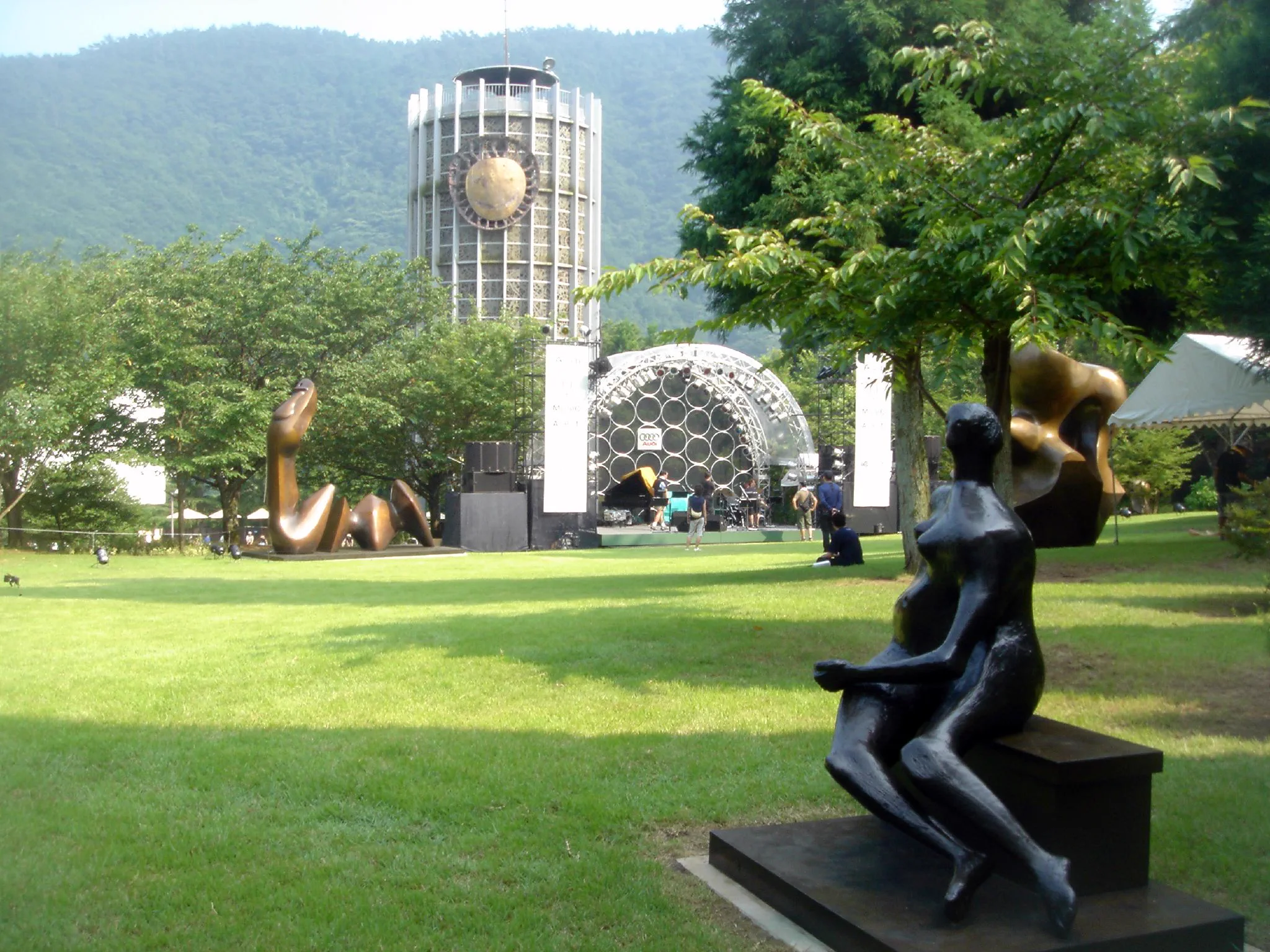
More than a hundred large works occupy roughly 70,000 square metres of landscaped ground. Mountain views, grass and changes in light are part of the art encounter. A raincoat can keep the visit possible, but heavy rain and wind make long outdoor paths less pleasant than an indoor museum day. Hakone autumn foliage timing may help place a clear window at the higher elevations and leave a cloudier slot for the museum's indoor spaces.
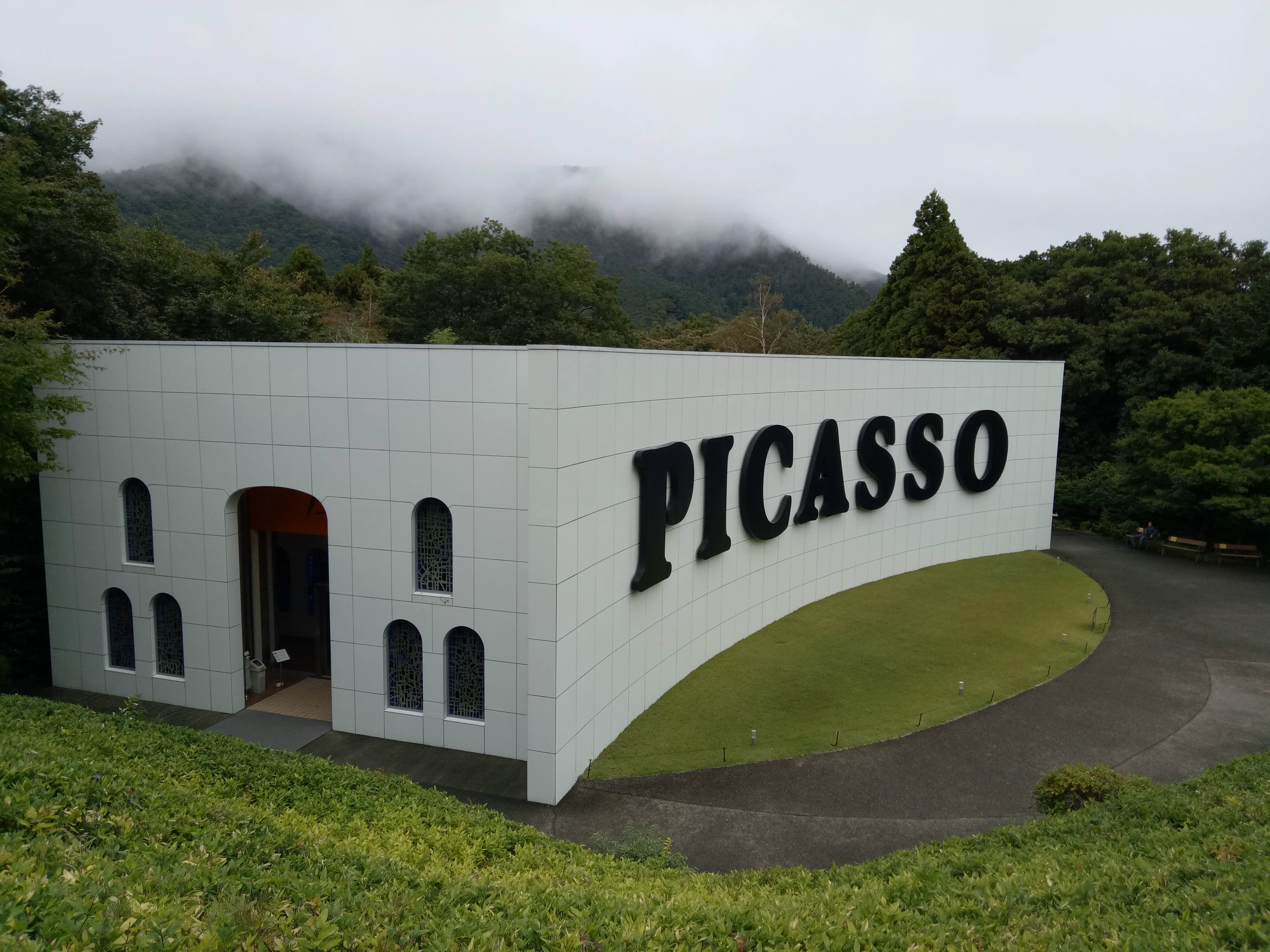
The Picasso Pavilion keeps a wet-weather visit from becoming a walk between closed outdoor features. Its holdings include more than 300 Picasso works, with 188 ceramics acquired from his daughter Maya alongside paintings, sculpture, tapestry and other media. The Main Gallery, Art Hall and other interior rooms add choices even when the sculpture garden is less comfortable. There is still a difference between an indoor-heavy fallback and the full open-air experience for which many visitors came.
Families should ask a narrower weather question. Woods of Net is a hand-knitted play work intended for children aged twelve and under; the museum says it does not open for play in poor weather. If that is the child's main reason to visit, the weather may remove the core value. If the group came for Picasso, exterior sculpture and a brief tower climb, it may still enjoy a rainy visit. The school-age ticket saving should not determine the family plan when a closure would alter the experience so much. For a different child-centred museum decision, compare Yokohama Anpanman Museum before arranging an entirely separate family day.
Children change the walking pace
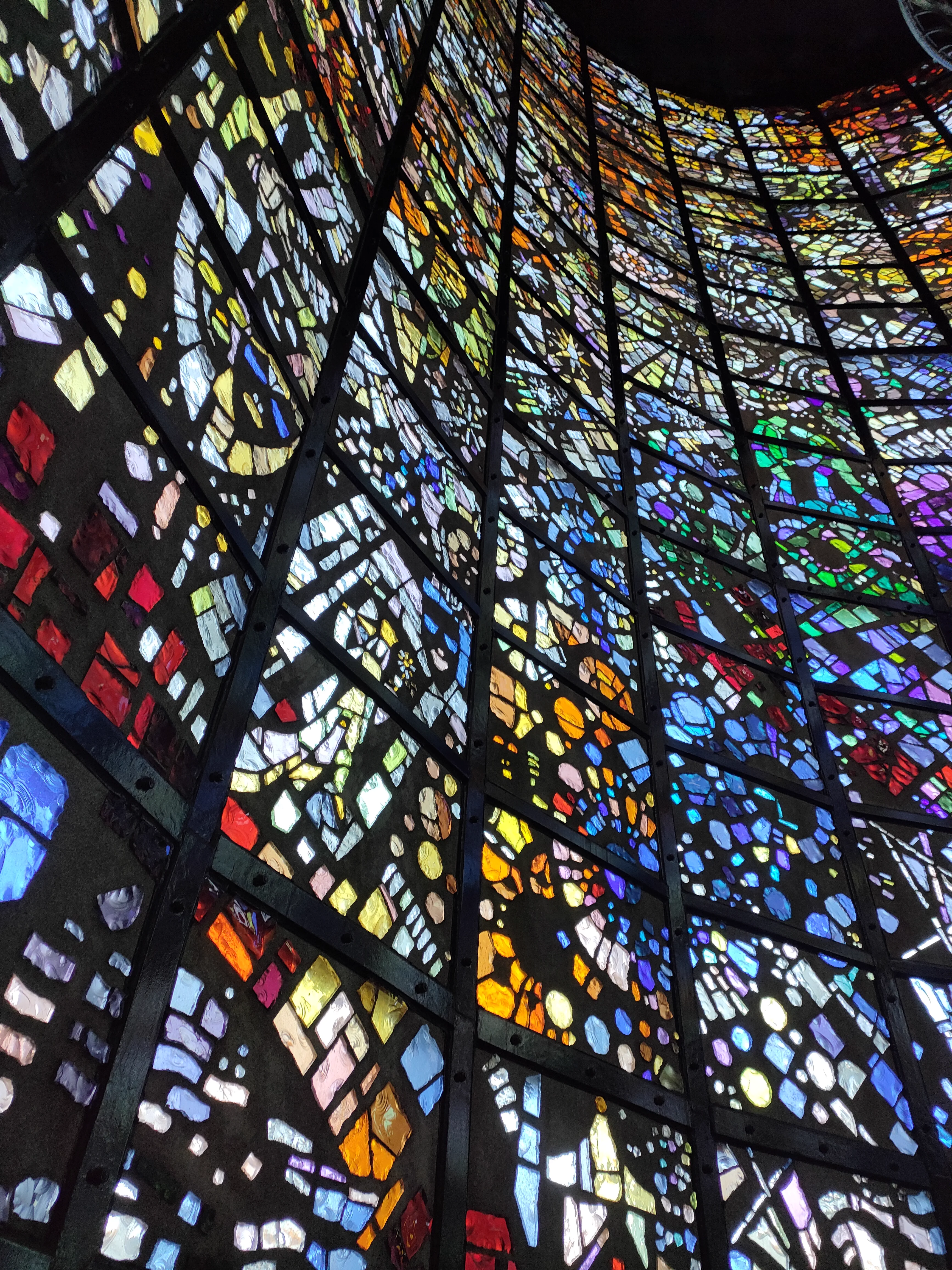
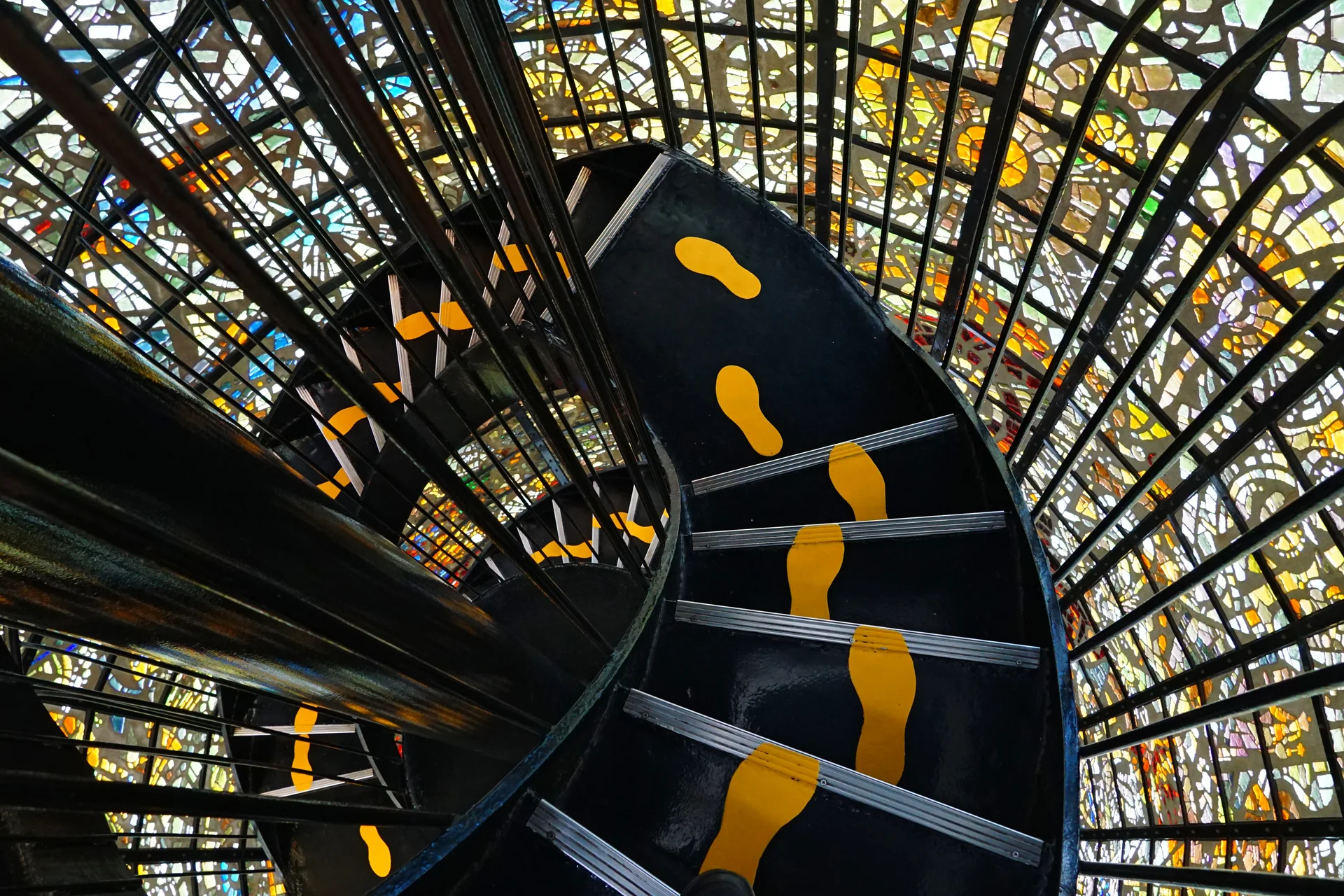
At Woods of Net, children can enter and move through the artwork rather than only look at it. The Symphonic Sculpture is an eighteen-metre stained-glass tower with a spiral staircase; being inside coloured light matters more than treating it as a landmark across the lawn. A child who spends twenty minutes at one work, climbs the tower slowly and asks for a snack can turn a nominal 90-minute circuit into more than two hours. That is a welcome way to use the museum if the schedule allows it.
The forest footbath uses hot spring water and offers another natural pause for legs that have already walked Hakone's hilly routes. Ten or fifteen minutes sitting here may be better spent than sprinting to another gallery just to claim every room. But footbath, play, tower and Picasso together require real time. If a ryokan expects guests before dinner, put that deadline on the day's timeline first. The ryokan dinner and bath guide explains why a fixed meal time can be worth more than one final museum gallery.
Seven reasons a Gora visit scores differently from a late detour
The museum's qualities do not change when your train runs late, but your access to them does. The comparison below uses seven concrete dimensions rather than a single numeric site score. It separates the place's lasting strengths from a ticket bought for an unusable half hour.
| Dimension | Gora visit with 90–120 minutes | Arrival around 16:00 after a full loop |
|---|---|---|
| Distinctiveness | Large sculpture garden, Picasso holdings and interactive structures | The same collection exists, but most cannot be covered |
| Time efficiency | A two-minute station walk can turn the visit into one coherent block | Only one hour remains before closing |
| Route fit | Easy to attach to a Gora stay or transfer | Often creates an extra detour after the loop |
| Weather resilience | Indoor Picasso and gallery stops offer a fallback | Bad weather can remove outdoor value when little time remains |
| Booking flexibility | Counter and museum web admission give options once the date is chosen | Entry eligibility does not solve the closing-time squeeze |
| Crowd resilience | Broad grounds spread visitors, while play structures may still queue | Little time remains to change order around a busy feature |
| Value for money | ¥1,800 online can cover a full art block | The same ticket may buy only selective highlights |
The older article assigned numerical attraction scores to these conditions. Those figures were editorial judgements without independent measurement, so the seven underlying criteria are retained here as evidence-based qualitative comparisons. The essential finding survives: this is an especially efficient art stop near Gora, and a poor last-minute add-on to a packed circuit. Nezu Museum and Artizon Museum provide different Tokyo art-day trade-offs; they should not be used as substitutes for a Gora route calculation.
Driving adds a threshold, not a reason to race
A standard car costs ¥500 for the museum's first three parking hours and ¥500 for each additional hour under the current visitor information. A typical 90–120-minute visit usually stays within the first band, allowing for parking and departure. Lunch, a long family play session, galleries and footbath can push a four-hour stop into ¥1,000. The parking difference is modest compared with wasting the admission fee on a rushed visit, but it belongs in a self-drive day's time budget.
The museum says its reduced first-three-hour parking charge for visitors must be settled at a machine inside; paying only at the exit can miss that reduction. Confirm the procedure when entering. Public-transport visitors avoid parking altogether, with Chokoku-no-Mori Station close to the gate. If the day is already overfilled, moving by car will not create more hours before the 17:00 close. Test the loop order first rather than assuming a car rescues a poor attraction sequence.
When the museum fits a wider Japan itinerary
Travellers making a Tokyo-to-Hakone journey should place the train arrival on the same page as the museum's 17:00 closing time. The Romancecar, JR and Hakone Freepass comparison explains which rail leg lands closest to the rest of the route; a cheap train choice that reaches Gora too late can quietly erase the art time. If the plan also crosses Lake Kawaguchi, the Tokyo–Kawaguchiko–Hakone three-day route gives the museum a fair two-hour slot instead of forcing every Fuji-area attraction into one afternoon. Heavy luggage should be resolved before a station-to-museum walk; the Hakone and Kawaguchiko luggage guide covers when sending a case ahead is feasible.
A night at the historic Fujiya Hotel in Miyanoshita changes the onward rail leg and therefore the useful museum time; a Gora hotel does something different. Compare the actual checkout and dinner times, not just the hotel district. For travellers allocating scarce museum hours across Japan, the National Museum of Nature and Science or Tokyo National Museum could suit a rainy Tokyo day, whereas Hakone's sculpture garden uses the mountain setting as part of the visit. Families looking for hands-on play rather than outdoor sculpture might use the Kyoto Manga Museum time guide on a different leg of the trip. Those alternatives do not make the Hakone museum better or worse; they clarify what its two-hour block replaces.
The October 2026 exhibition note
The museum exhibition calendar lists Yayoi Kusama's Pumpkin-related installation and interview video through 1 November 2026. Visitors arriving before that date may gain an extra reason to look at the current display. The colour-your-own tote-bag workshop that the older article highlighted for 29–30 August 2026 has finished; it should be treated as a past summer event, not as something to book now. Neither temporary item changes the basic need for a sensible time block.
For a family set mainly on Woods of Net during poor weather, for a Lake Ashi guest who would double back to Gora solely for this stop, or for a one-day traveller whose Owakudani, lake and shrine plans already fill the day, skipping the museum may be a good decision. Art-minded visitors passing through Gora with at least 90 minutes should keep it. Before paying, check the current weather-related play status, parking or admission changes and any temporary exhibition that matters to the group. Then compare Gora-area rooms if staying near the museum would make the two-hour visit fit naturally.