
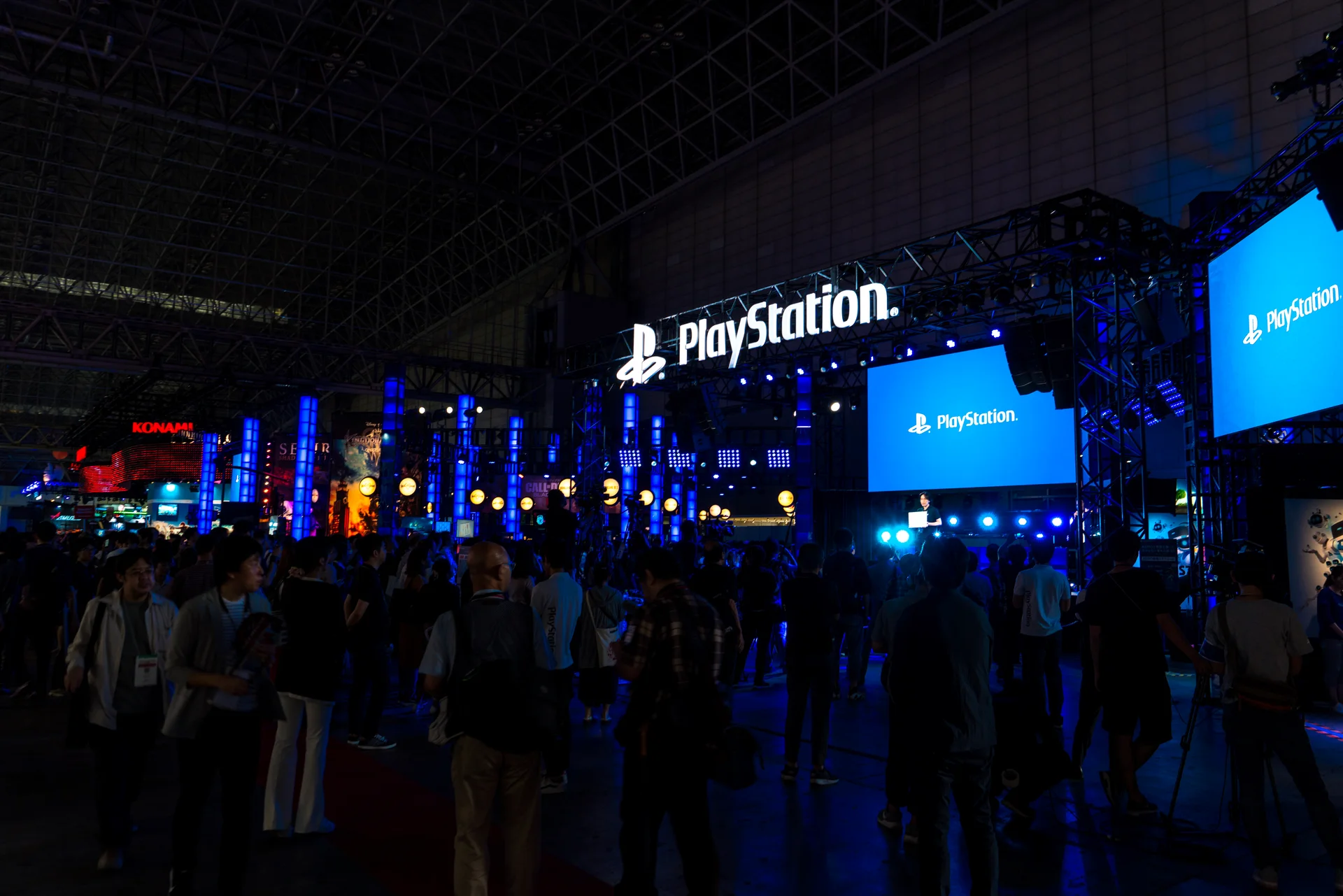
Tokyo Game Show 2026 has ended. Its September 21 public day was cancelled, so none of the 2026 tickets discussed below can be used for a future visit. The Fast Ticket remains a useful case study for deciding whether an early-entry upgrade at the next show is worth buying. CESA has announced September 16–20 for TGS 2027, but its next public-ticket prices and lane rules are not established in the 2026 ticket schedule.
The decisive 2026 distinction was simple: a ¥6,000 Fast Ticket moved its holder into an opening priority lane, whereas a ¥3,000 ordinary one-day ticket provided normal admission. The upgrade did not shorten queues for games, merchandise or stage events once inside. A visitor who knew one must-play demo and its hall could make real use of the earlier start. A visitor who wanted to wander the show floor could spend twice as much without changing much of the afternoon.
This article keeps the actual 2026 prices and operating details in the past tense, corrects the cancelled final day, and turns the ticket choice into a practical checklist for the next edition. For a wider account of the venue and the event, see the Tokyo Game Show 2026 overview. If accommodation is the immediate decision, compare the Tokyo event hotel areas before moving a whole stay to Chiba.
What happened on the three planned public days?
Business visitors had September 17 and 18, 2026; public tickets were planned for September 19, 20 and 21 at Makuhari Messe. Saturday and Sunday were scheduled for 09:30–17:00, with Monday initially scheduled for 09:30–16:00. The published timetable allowed an opening up to 30 minutes early when conditions called for it. On September 20, the organizer cancelled the September 21 in-person event as Typhoon No. 25 approached. The Monday ticket was therefore not a shorter but still usable show day; it became a cancelled day with separate refund handling.
This matters particularly for anyone looking back at advice written before the event. The earlier version of this page compared a shorter Monday with the weekend as though all three days went ahead. That comparison is no longer a description of what visitors could actually attend. The original Monday closing time and its pink Fast merchandise were planned terms, not a completed visitor experience. CESA subsequently published refund instructions for affected ticket holders, with different procedures for overseas and Japan residents and for ordinary, Fast and Premium products.
| 2026 ticket | Published price | What the buyer expected | What September 21 changed |
|---|---|---|---|
| One-Day | ¥3,000, junior-high age and older | One chosen public day; elementary children and younger entered free | Monday tickets became subject to cancellation refund handling |
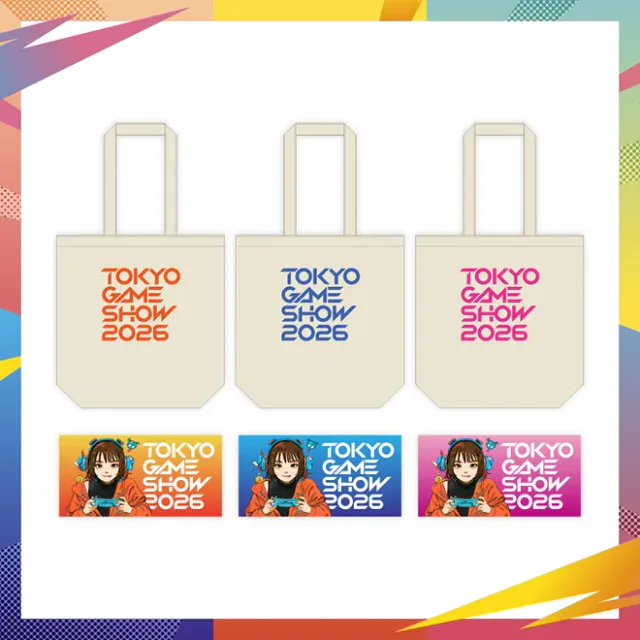
| Fast | ¥6,000 per person, per day | Priority opening entry and a tote bag and sticker; no demo-queue pass | Monday Fast tickets were included in refund arrangements |
| Premium | ¥30,000 | Fast privileges for three public days, a pass and Energy Spot access | Unused and partly used passes had different remedies |
Those prices are useful as a 2026 comparison, not a 2027 quote. In particular, do not divide the Premium price by three and assume that three sessions actually took place. The cancellation altered the product after it was sold. The main TGS planning guide and the Makuhari accommodation comparison address separate choices; neither should turn the old Monday admission into an upcoming bookable date.
The ¥3,000 upgrade only bought time at the entrance
For the two public days that operated, the Fast lane put holders ahead of general admission at opening. It was not an all-day express product. Exhibitors controlled their own demo allocations, stage reservations and merchandise lines. Buying Fast helped only if an earlier position at the gate could turn into an earlier position at the activity that mattered to the visitor. A timed or lottery allocation inside a booth might have reduced that benefit. A low-demand indie title might have needed no upgrade at all.
The published 2026 rule started the priority queue at the time of the first train arriving at JR Kaihin-Makuhari Station. It did not promise a universal 09:00 cutoff. Each day had a designated time after which the priority lane disappeared and arriving Fast holders joined the normal admission line. Missing that window did not trigger a refund. Those details make the upgrade an early-morning commitment rather than a general insurance policy against waiting. Anyone staying by Tokyo Station or Shinjuku had to add the train journey, platform transfer and walk through the venue to their arrival plan.
The 2026 lane accepted Fast holders on both the Halls 1–8 and Halls 9–11 sides. Until 10:00 after entry, visitors could not move between those sides. Thus the first booth had to be identified by its actual hall, not merely by a publisher name. A priority entrance on the wrong side could negate the purchased advantage for the crucial first half-hour. The usable order was to locate a must-play booth on the final venue map, choose that hall side, identify two realistic same-side alternatives, and only then price the ticket. The Tokyo attractions day planner is useful for judging what a TGS morning would displace from the rest of the trip.
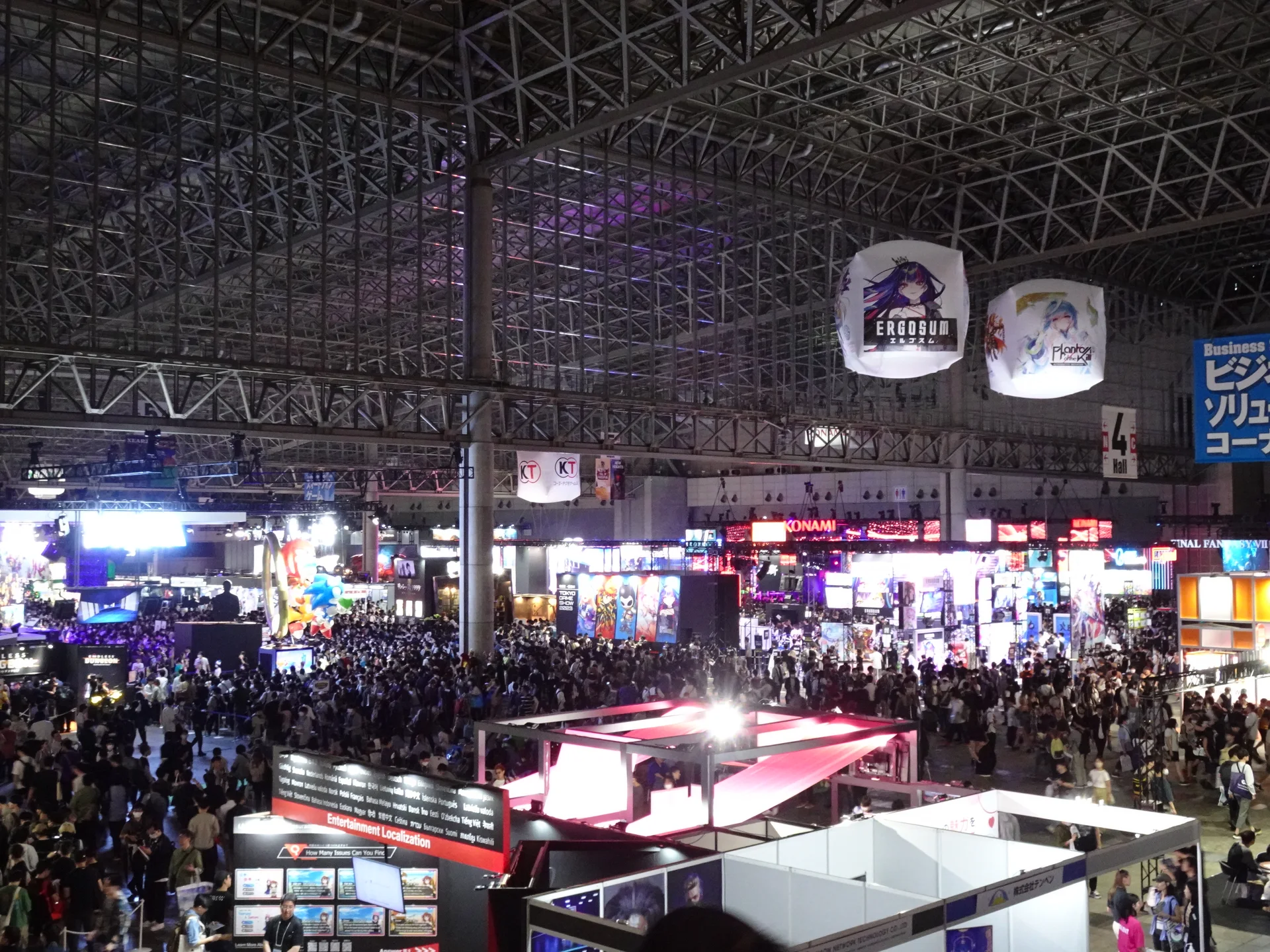
There was another small geographic catch to the merchandise. The 2026 tote bag and sticker were handed out at the priority lane on the Halls 1–8 side. Someone who entered via Halls 9–11, or missed the lane, could collect the benefit later at the central Halls 1–8 information desk from 11:00. The souvenir was part of the paid ticket, but it did not justify choosing the wrong side for the first booth. The same principle applies to a Tokyo Disney ticket upgrade: the benefit should solve the bottleneck in the actual itinerary.
A family had to price every person who wanted priority
The ordinary TGS 2026 public ticket cost ¥3,000 for visitors of junior-high age and older, while elementary-age children and younger entered the general exhibition without charge. Fast privilege followed a different rule. Any child who used the Fast lane or received the Fast goods needed an individual ¥6,000 Fast Ticket regardless of age. Families comparing “ordinary admission is free for the child” with “Fast is only ¥3,000 extra” were mixing two different baselines.
| Party using the main exhibition | Ordinary 2026 admission | Fast for everyone | Difference |
|---|---|---|---|
| One adult | ¥3,000 | ¥6,000 | ¥3,000 |
| Two adults | ¥6,000 | ¥12,000 | ¥6,000 |
| Two adults and one elementary child | ¥6,000 | ¥18,000 | ¥12,000 |
| Two adults and two elementary children | ¥6,000 | ¥24,000 | ¥18,000 |
These totals are arithmetic from the 2026 admission rules; they exclude payment-system charges and other travel costs. They do not say every family should enter together through the same premium lane. They show the money at stake if the entire party is to receive the same priority. A child who came mainly for Family Game Park might have gained little from a main-hall sprint. That park served children up to 15 with accompanying adults, but moving from its free area into the general exhibition could still require paid admission for junior-high age and older. The family attraction planner offers a better model than assuming that every family member values the same queue.
There is also a practical split-party question. If one adult wanted a high-demand demo while the other adult and children preferred a slower start, buying Fast for every person would be excessive. But two separate entry plans need a meeting place, phones that work, and a realistic account of how crowded the venue will be. Families considering an extra show day should compare that cost with a Disneyland or DisneySea day or a quieter Railway Museum visit, depending on the children's interests.
For children who want an indoor character attraction more than game demos, the Sanrio Puroland timed-entry choice presents a different price calculation: the usable hours matter more than getting through the TGS entrance first.
Overseas ticket handling was part of the price
For 2026, overseas residents could obtain a standard one-day admission as a digital QR ticket through the listed overseas channel. Fast and Premium were sold through Lawson Ticket, with collection at Lawson or Ministop. These are historical purchase arrangements and do not establish who will sell 2027 tickets. The difference mattered because an international visitor could have a viable ordinary ticket on a phone while the priority product required a local pickup errand.
The Fast and Premium purchaser's name appeared on the ticket. The buyer needed to attend and bring photo identification matching that name, such as a passport; personal substitutions were not allowed. The event rules also ruled out a change or refund for a mistaken date or other personal reason. This was more than fine print for a visitor still adjusting flights, companions or hotel nights. If the travel plan was not settled, the flexible value of the ordinary option rose even when the opening advantage looked attractive.
No public-day tickets were to be sold at the venue on the day. Ordinary admission still had to be bought beforehand and could sell out. The choice was therefore not “buy Fast early” versus “turn up and decide at the door.” It was which ticket to secure after deciding the date, travel base and first-booth objective. Someone arriving from Narita on the previous evening could compare the airport-versus-city overnight before committing to a dawn Makuhari arrival. An early departure after the event might instead point to the Tokyo Station base.
Premium required a real three-day appetite
The 2026 Premium product was ¥30,000 and bundled Fast entry on all three scheduled public days. It also supplied a premium pass, daily Fast merchandise and the Energy Spot lounge behind the event-stage area on the Hall 1 side, where holders could sit, charge devices and use catering. It was a different proposition from one ordinary day or one ¥6,000 Fast morning. For a visitor whose trip had room for only one show day, buying the bundle for its lounge would have tied up too much Tokyo time.
The question before purchase was whether three whole public days were desirable even without the lounge or gifts. If yes, repeated early entry and a place to recover at the venue could support Premium. If only one or two days would be enjoyable, the pass converted a multi-day Tokyo trip into an obligation. The cancelled Monday demonstrated a second issue: a three-day event product can be altered by events outside the visitor's control. CESA treated unused Premium passes and passes already used on Saturday or Sunday differently in its post-cancellation notice, with different refund or special-gift routes. It is inaccurate to call the 2026 Premium package three completed Fast days.
For travel budgeting, the hotel is part of this calculation. A single event day rarely requires abandoning a Tokyo room that suits the rest of the itinerary. Several early mornings make a Makuhari room more useful, although a hotel move costs packing time and may create luggage storage questions. Compare same-day intercity luggage delivery only if the trip also changes cities; it does not solve the basic cost of changing Tokyo hotels for an event. Use the wider TGS guide for the event route, then search rooms around the exact station and walking route you intend to use.
The 2026 overseas access guide gave roughly 40 minutes by train between Tokyo Station and Kaihin-Makuhari, and roughly 70 minutes from Shinjuku or Shibuya to Kaihin-Makuhari. Those were station-to-station examples, not departure times from a hotel room or guarantees for an early show morning. The station exit, venue approach and priority-lane side still had to fit within the arrival margin.
Compare hotels around Makuhari Messe
How to make the next ticket decision
CESA's main page now gives the planned TGS 2027 dates as September 16–20. It does not turn the 2026 Fast price, overseas sales channel or morning lane into 2027 terms. Once the new ticket page is available, first identify which days are public and what a normal ticket includes. Then check whether a Fast tier exists, what it adds, where its lane enters, whether the first target is on that side, and whether the stated priority ends before your realistic arrival. A screenshot from the previous year is weak evidence for any of those operating details.
| Question for the next edition | If the answer favours ordinary admission | If the answer could justify priority |
|---|---|---|
| Can you name a first booth and its hall? | No; the aim is to discover the show | Yes; that demo is the main reason for attending |
| Can the party arrive for the live priority window? | No; hotel, children or transport make it unlikely | Yes; the early journey is workable |
| Does everyone benefit? | Several people would pay for a lane they will not use | A small group shares the same high-demand target |
| Is the trip structure fixed? | Flights or companions could still change | Names, dates and hotel base are settled |
Travelers who mainly want a game-themed Tokyo day could also consider a timed-entry attraction, the Tokyo National Museum, or another event rather than paying for several TGS public days. If the priority is a wider Japan route, the JR Tokyo Wide Pass decision and Tokyo Subway versus Suica comparison help place an event day among other transport costs.
The 2026 evidence points to ordinary admission as the sensible starting point for a first visit without a specific must-play target. Fast solved a narrow opening problem, and its benefit depended on an early arrival at the correct entrance. Premium needed genuine multi-day demand. September 21's cancellation means the old three-day itinerary must be read as a plan that changed, not as a completed template for 2027.
Source record
Event status and 2027 dates: CESA TGS homepage. Cancelled final day and ticket remedies: September 21 refund notice. Archived ticket prices, lane rules, family eligibility and Premium benefits: 2026 public-ticket terms. Checked October 24, 2026.