
Seven days based in Osaka can include Universal Studios Japan, Kyoto, Nara and Kobe without seven days of admissions. The expensive choice is USJ; the other places can each have one reason to pay and plenty of time that costs no entry fee. The savings come from keeping one hotel, grouping nearby streets, and declining tickets that duplicate something already in the week. A second observation deck or an attraction pass purchased to make you visit more attractions is usually a larger budget decision than a ¥500 temple admission.
Use this as a route with adjustable spending, not a promise of a total trip price. Room rates, flights, exchange rates and USJ’s date-specific ticket price move too much to hide inside one neat “week in Osaka” figure. The core paid entries are a USJ 1-Day Studio Pass, Kiyomizu-dera in Kyoto and Todai-ji’s Great Buddha Hall in Nara. Osaka Castle’s interior is a deliberate optional addition. If you already have a particular food or cultural experience you care about, put it on the same list and remove a competing premium purchase.
The admission floor is smaller than the trip budget
As of 24 October 2026, USJ’s ticket listing shows adult 1-Day Studio Passes from ¥8,400, but the park says daily prices for visits from September 2026 may be adjusted with demand after tickets go on sale. The specific date can cost more. Kiyomizu-dera’s adult admission is ¥500 and Todai-ji’s Great Buddha Hall is ¥800. At the listed USJ starting price those three admissions begin at ¥9,700 per adult; an optional ¥1,200 Osaka Castle Main Tower visit would make that floor ¥10,900. Neither figure includes food, transport, hotel, airport travel, an Express Pass or any other attraction.
That lower bound is useful only as a scale check. On some dates the USJ ticket will rise, and an Express Pass can be a separate large expense. A traveller who has never visited Todai-ji may value its ¥800 entry far more than another city panorama. The budget should protect a defining experience at a modest price while examining high-price extras individually. The USJ Express Pass decision is the relevant guide when queues or timed entry, rather than admission itself, are the concern.
| Day | Route and spending role | Admission choice | What can be left out |
|---|---|---|---|
| 1 | KIX arrival and a walk near the Osaka hotel | None booked in advance | A timed first-night attraction |
| 2 | Osaka Castle Park, Nakanoshima and Umeda; low to medium | Optional ¥1,200 Castle Main Tower | A second paid skyline or a pass that creates detours |
| 3 | Fushimi Inari and Higashiyama; low to medium | ¥500 Kiyomizu-dera | A stack of unrelated paid Kyoto activities |
| 4 | USJ; deliberately high | Date-priced 1-Day Studio Pass, Express only for named needs | Another premium event that night |
| 5 | Nara Park and central Nara; low | ¥800 Todai-ji Great Buddha Hall if it is new to you | Museum hopping merely to fill the afternoon |
| 6 | Kobe Kitano, Meriken Park and Harborland; flexible | Kobe beef if it is the chosen splurge | Cruise, deck and historic-house tickets bought as a set |
| 7 | Hotel area and KIX departure; low | None with a hard start time | A cross-city checklist stop that threatens the flight |
The table deliberately does not allocate the same cash to each day. One park day and six ordinary days need different ceilings. Set an accommodation amount for the week, a food amount with one named splurge, an essential transport amount, and an admissions amount that explicitly includes USJ. Shopping gets its own cap. If a category runs high, change an optional purchase inside that category before cutting the small admission that defines a place.
Day 1: KIX to one hotel, then an unbooked Osaka evening
The airport transfer should end near your actual hotel, not merely at the fastest named Osaka station. Nankai can be natural for a Namba base; another rail option may work better for a room farther north. Bags, station changes and the final walk belong in the comparison. The Kansai Airport-to-Osaka transfer guide measures that full journey. For an evening arrival, there is little value in a non-refundable admission that depends on immigration and baggage moving smoothly.
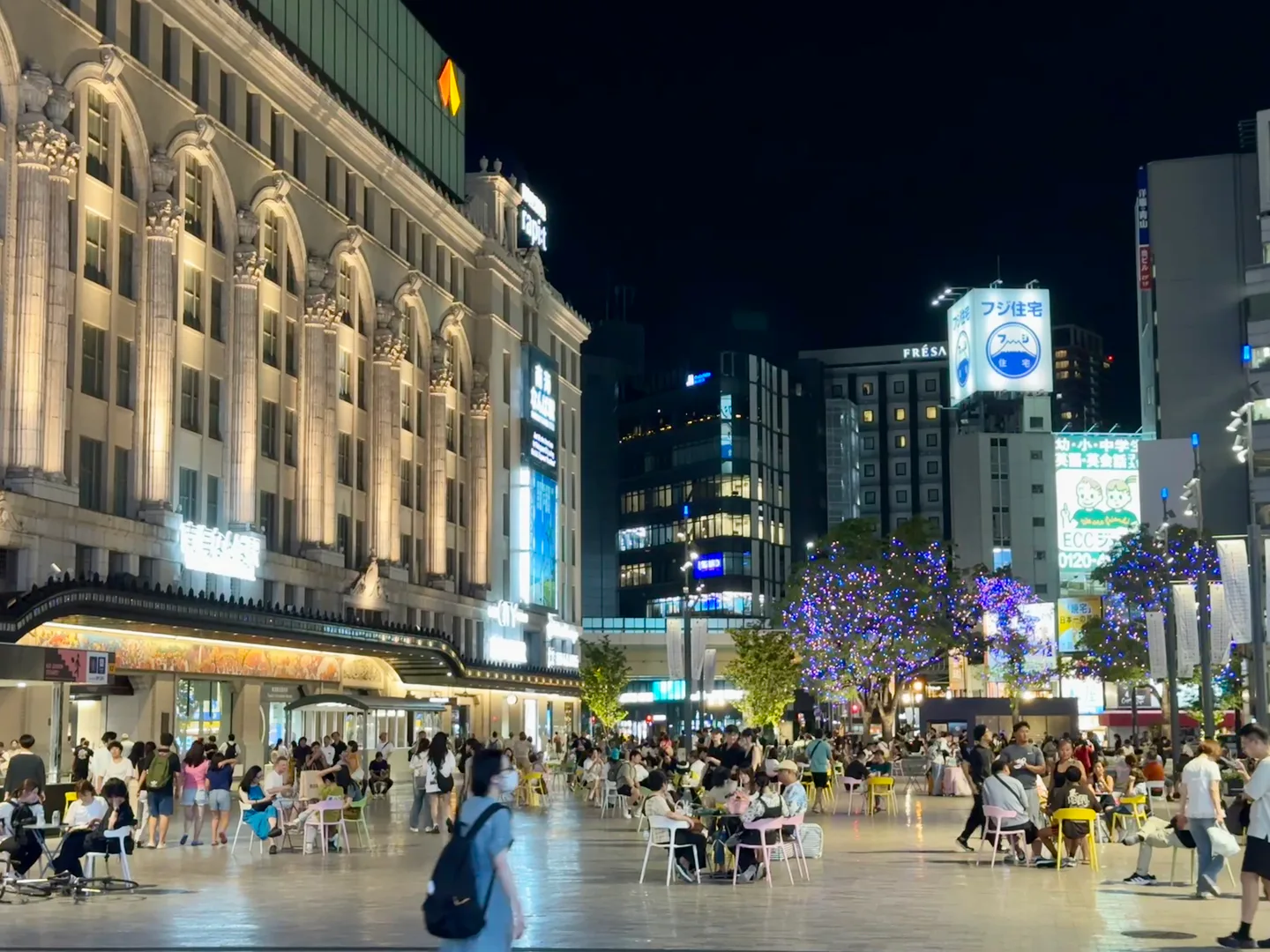
Once checked in, walk the neighbourhood. Namba, Shinsaibashi and Dotonbori can make an easy first evening if the hotel is in the south; a Umeda room calls for a northern walk instead. Eat when you are hungry, locate a convenience store or breakfast option, and learn the way back. Dotonbori’s signs, bridges and canal cost no admission. A delayed arrival merely shortens the walk rather than wasting a ticket. The Namba versus Umeda base comparison should be decided before choosing which first-night stroll feels natural.
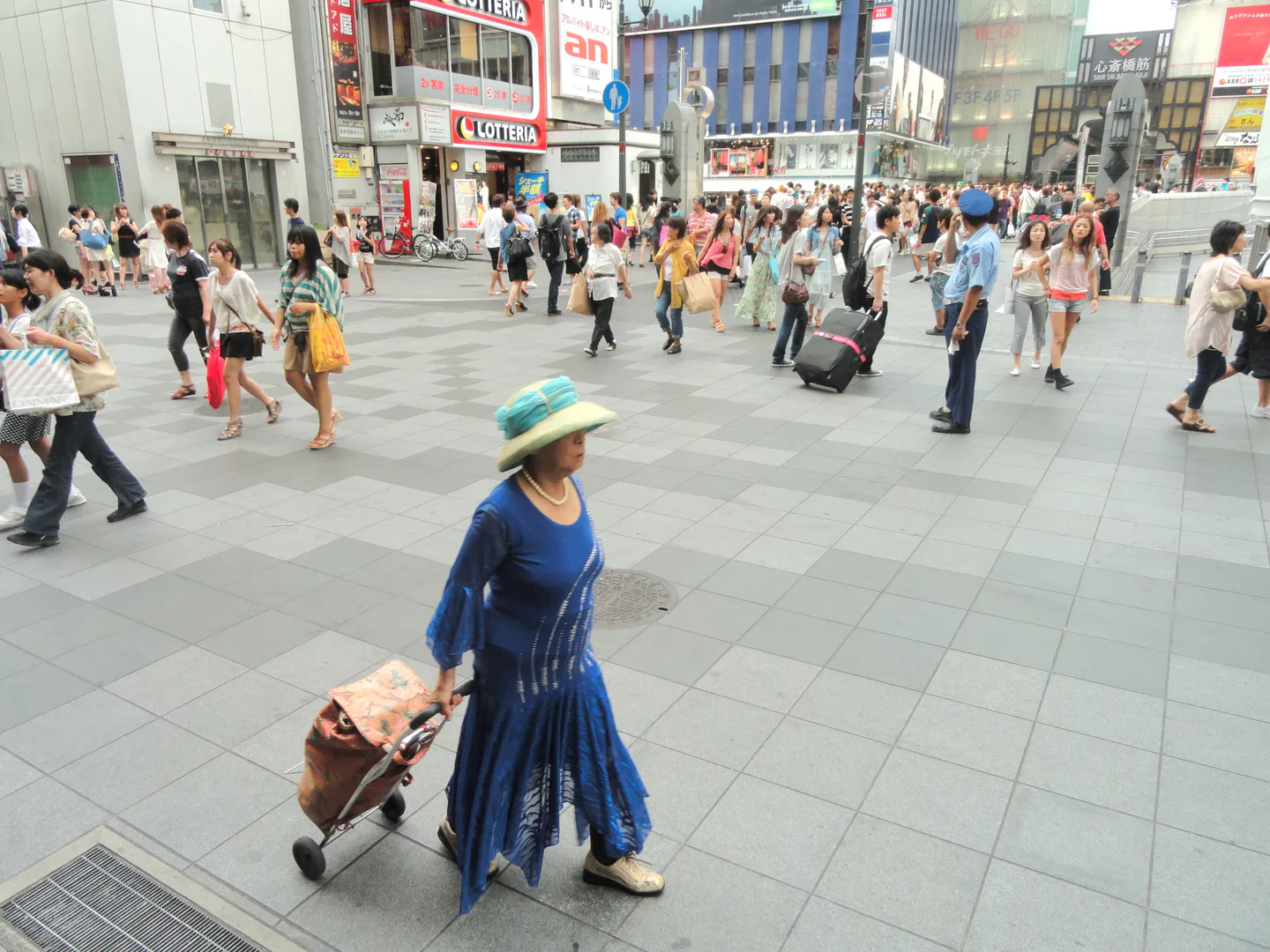
A first-night walk also shows what you actually enjoy about Osaka. Some travellers are content with the riverfront and food streets; others discover that they would rather use tomorrow’s evening for an elevated view. Making that choice after seeing the city is better than prepaying three viewpoints before the trip begins. If the flight is late enough to threaten the last easy train, use the KIX late-arrival hotel decision rather than assuming a nominal airport-to-city time remains available.
Day 2: the Castle exterior is the free opening act
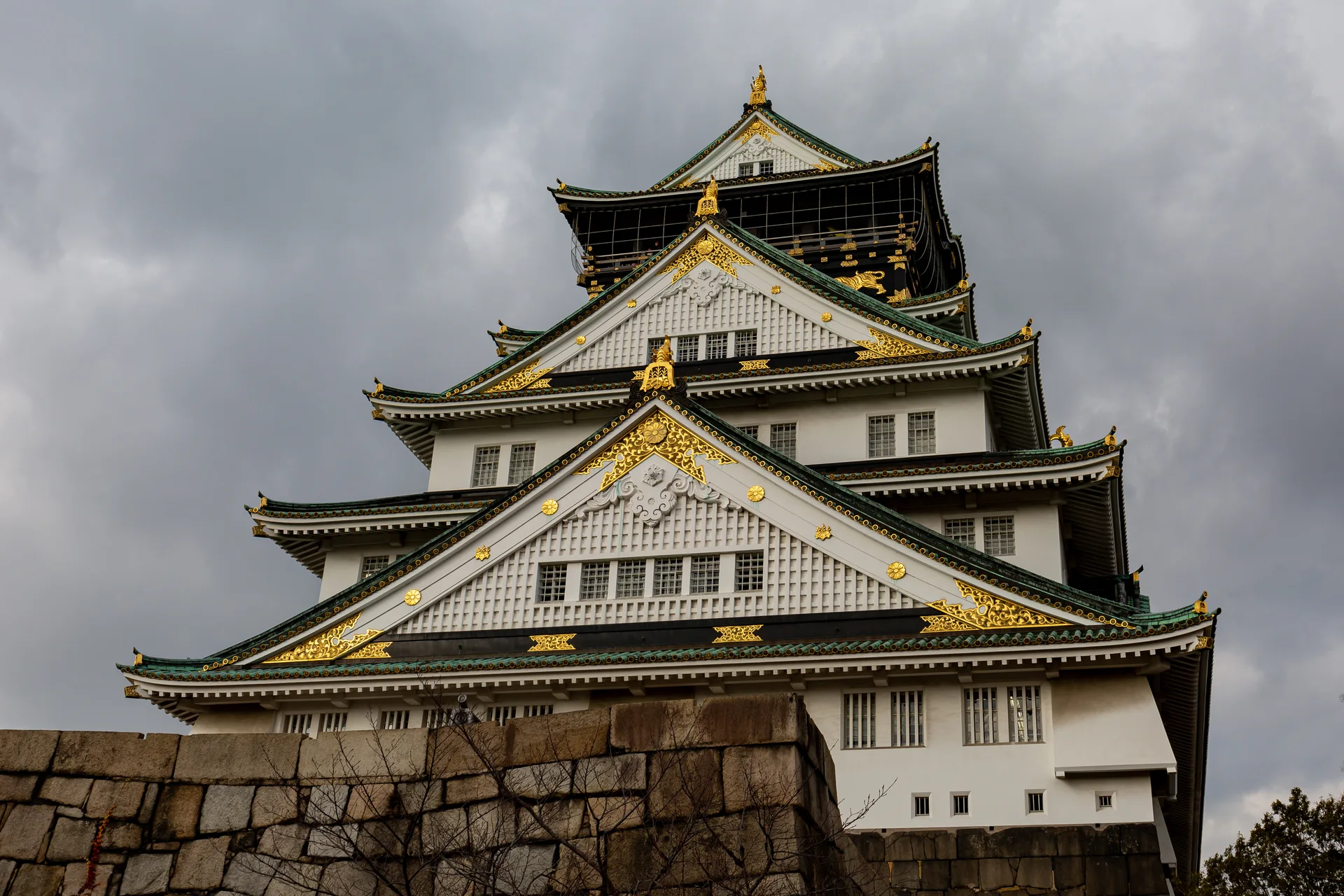
Walk Osaka Castle Park, its moat, stone walls and the Main Tower exterior before deciding on the interior. The museum visit currently costs ¥1,200 for an adult and includes the Toyotomi Stone Wall Museum with normal entry. It deserves the money if the historical displays, indoor time and tower views are part of your plan. Someone mainly interested in the park and architecture can have a complete morning without buying the ticket. The distinction is between two different visits, not between doing the castle “properly” and skipping it.
Keep the next hours geographically coherent. Nakanoshima and Kitahama give you riverside streets and a change of architecture before an Umeda finish. Bouncing to Tennoji and back only to collect another ranked attraction consumes both fares and time. The Osaka attractions by neighbourhood is useful when a shortlist looks like points scattered across the Metro map. A budget route usually improves more by removing two unnecessary crossings than by squeezing a small discount from one fare.
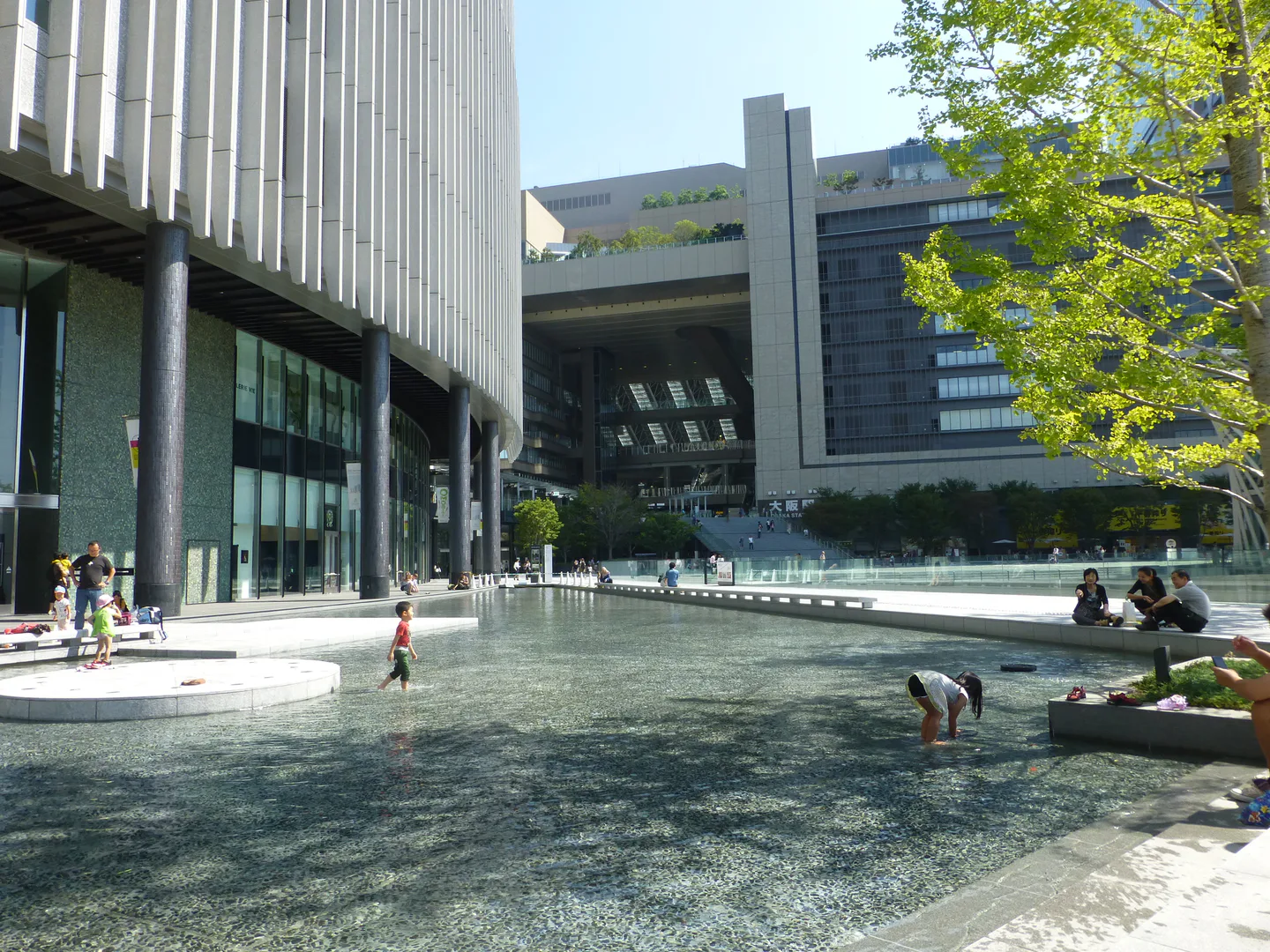
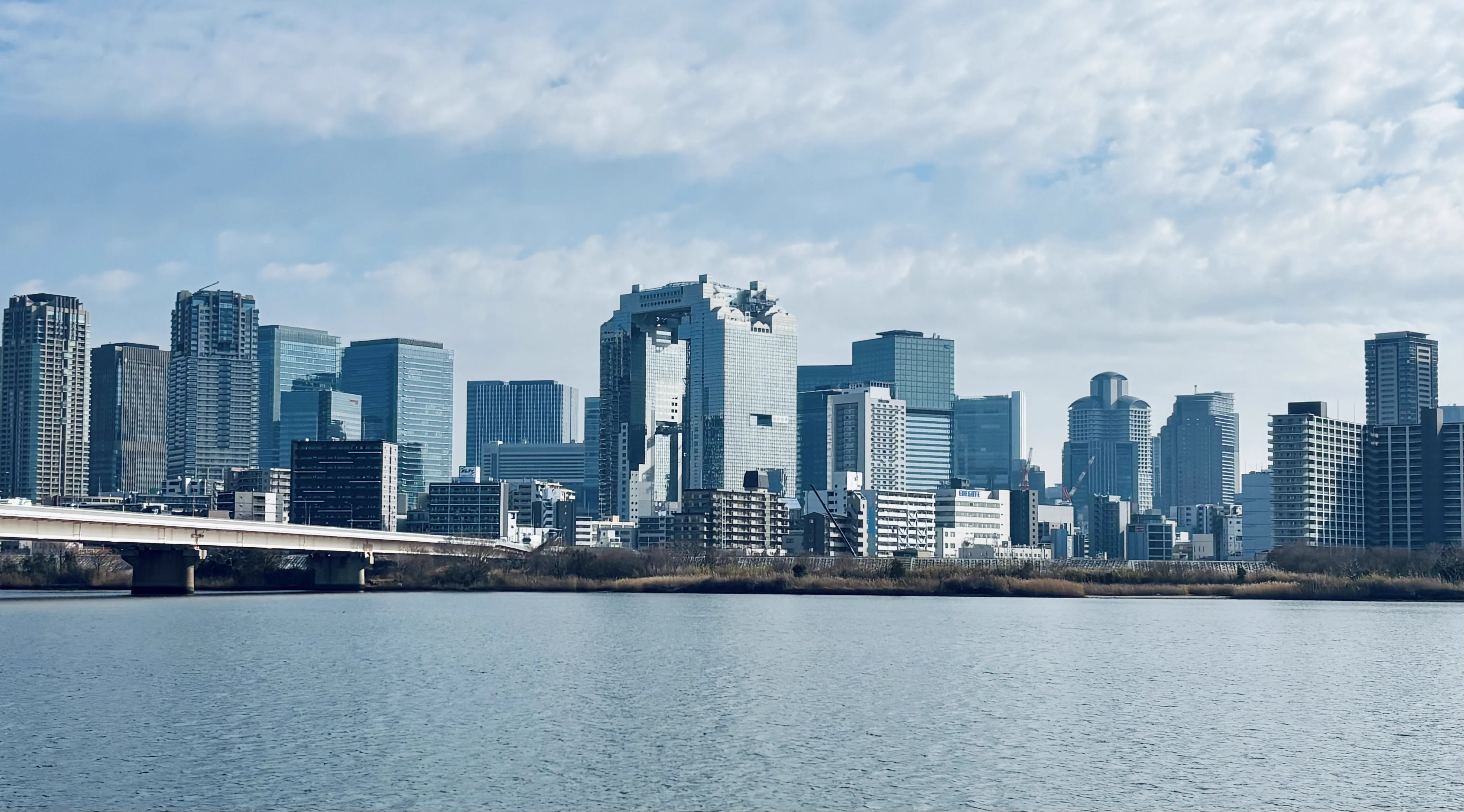
The Umeda evening can be the streets around Osaka Station, Grand Front and the wider district. If a skyline at sunset is your one paid city view, make that a conscious replacement for another evening expense. Do not assume the Castle interior obliges you to buy an observation deck or that a free view is necessarily equal to the elevated panorama you want. The Osaka free-night-view versus observation-deck comparison explains when the ticket changes the experience enough to earn a place.
The Metro pass calculation belongs to this Osaka day
Osaka Metro’s Enjoy Eco Card is currently ¥820 for an adult on weekdays and ¥620 on Saturdays, Sundays and holidays. It covers eligible Osaka Metro and Osaka City Bus travel for one day, with exclusions, and it is not a pass for every private railway in Kansai. It does not become sensible merely because the trip lasts seven days. A Namba hotel with several Metro journeys on this one day has a different calculation from an Umeda hotel whose route is one ride to the Castle area followed by a long walk back north.
Write down the actual rides first, including the line used to reach each stop. If the day mainly uses walking or shifts onto JR or a private railway, the card may add no value even at the lower weekend price. An IC card makes a light-riding day simple. A one-day pass is useful only when your real itinerary already crosses its break-even point; adding a distant district to justify a purchased card converts a possible fare saving into a guaranteed loss of sightseeing time.
Attraction products answer another question. The Osaka Amazing Pass one-day versus two-day route matters if you genuinely want a dense paid-attraction Osaka day. The broader Amazing Pass, Klook Pass and Have Fun comparison is for an already defined list of admissions. Neither should be used as an instruction to add a cruise, wheel, tower and museum to a route that was designed around parks and walking.
Day 3: Fushimi Inari and one paid Kyoto temple
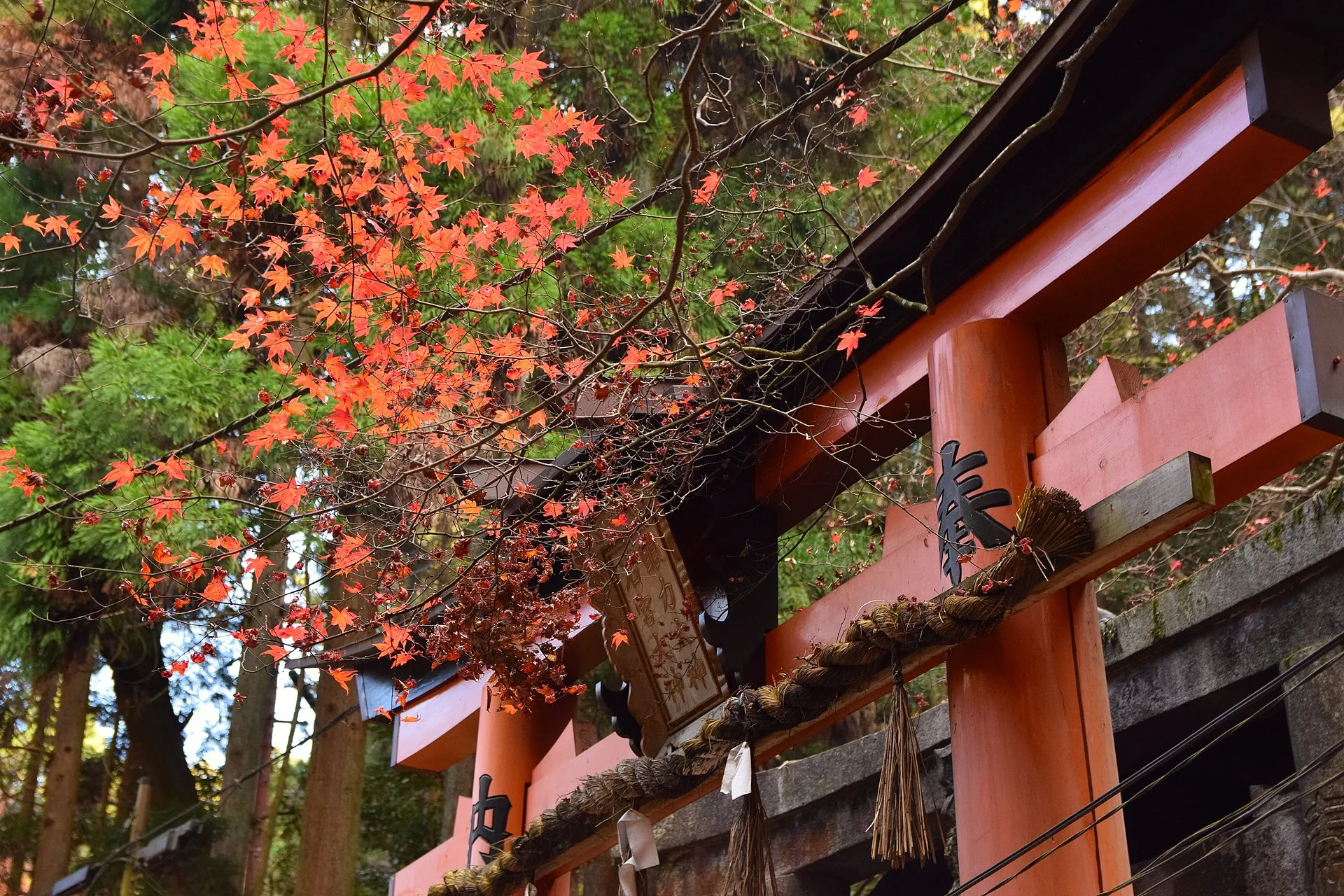
Fushimi Inari gives the morning a clear purpose without an entrance ticket. Go early if that suits the group; the walk through the torii is the visit, rather than a free preliminary stop before a long list of purchases. From there, build the afternoon around eastern Kyoto instead of trying to include Arashiyama and Kinkaku-ji on the same day because a transport product looks unlimited. A focused Fushimi Inari plus Higashiyama route uses time more carefully than a circuit of distant highlights.
Kiyomizu-dera is the modest paid anchor at ¥500 for an adult. The Main Hall and stage give a different experience from seeing the surrounding streets. Continue through Sannenzaka, Ninenzaka and toward Gion at the pace the group can sustain. A tea ceremony, kimono rental or museum can replace part of this plan if it is the main reason for going to Kyoto; stacking all of them onto the same “cheap day” defeats the spending role chosen for it.
The transport saving comes from geography. A Kyoto day with two main clusters still needs travel between them, but adding western and northern Kyoto because a pass permits it creates more transfers than experiences. The Kyoto and Osaka four-day route is useful if the overall trip is shorter; for seven days, an early return to the Osaka hotel can leave time for laundry and rest before USJ. You do not need an extra Kyoto overnight simply to validate a day trip.
If Kyoto is the heart of the holiday rather than one of several Kansai days, the three-nights-each Osaka and Kyoto plan tests whether a deliberate hotel change would be worthwhile. This budget version assumes one Osaka base. On a busy autumn date when Kyoto rooms are difficult, the Kyoto backup-base comparison also shows why a workable Osaka room can be more valuable than an overpriced or inconvenient second booking.
Before Day 4, make the USJ decision while nobody is in a queue
Confirm the Studio Pass date, the current price for that date, and whether an Express Pass solves a named problem. USJ began a system in 2026 under which admission prices for dates from 1 September can be reassessed in response to demand after sales open. The advertised “from” amount is not the price of your specific day. For a fixed trip, waiting in the hope that a date will become cheaper is not a reliable saving strategy. The park also requires a visit date when purchasing tickets for dates from September 2026.
The Express question is distinct from entry. Identify the two or three attractions, areas or timed experiences that matter most, the queue time you are willing to accept, and how much certainty would change the one full park day. A vague fear that “it may be crowded” cannot by itself justify the purchase. Conversely, if missing one major experience would damage the day you organised the week around, an appropriate Express product can have value. Compare exact inclusions and timing in the USJ Express Pass decision guide before paying.
Two companions need not buy the same optional access. One may want several headline rides; another may be accompanying them for the shows and atmosphere. Treat an Express Pass as a shared cost only when it solves a shared problem. If the visit is tied to an event season, the USJ 2026 ticket and Halloween purchase guide can help identify what is date-specific, but a finished event should not be marketed as an upcoming attraction after its season.
Day 4: let USJ be the deliberately expensive full day
Go to the park with the entry ticket already understood, not with a plan to decide every upgrade inside the gates. The 1-Day Studio Pass is the day’s main admission. Express Pass is a separate time-and-certainty purchase, not another version of the entry ticket. Food and souvenirs need their own allowance. A premium day is manageable when its cost is visible; it becomes hard to control when each extra is waved through because the initial ticket was already expensive.
Leave the evening after USJ free of a second paid event. A normal dinner by the hotel or station is enough following a day that takes money, attention and physical energy. A paid skyline, set-menu package and late show in addition to USJ do not necessarily create a richer day; they may simply make you pay twice for a day that already has a clear centre. If you want a skyline during the week, move it to a lighter evening and delete another optional expense.
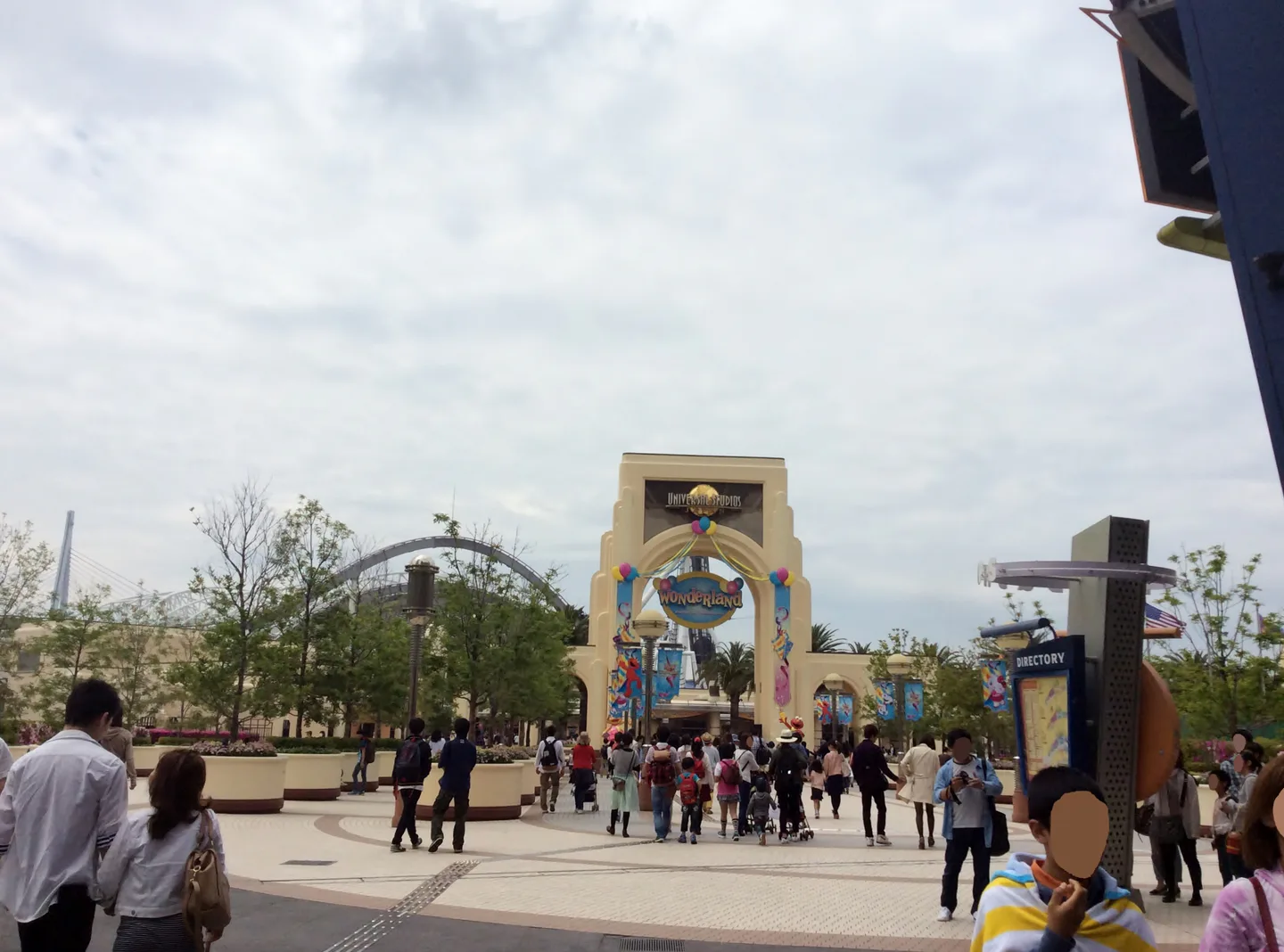
The day also needs a route back to the same Osaka hotel. Moving to Universal City for one night solely to reduce the morning trip adds packing, storage and a second check-in. It may be worthwhile for a very specific early entry or family constraint, but the saving should be demonstrated for the whole stay. The Osaka five-day itinerary with a full USJ day shows the same principle on a shorter schedule; the extra two days here are allocated to Nara and Kobe rather than another hotel.
Day 5: Nara Park plus Todai-ji, without a collection of small tickets
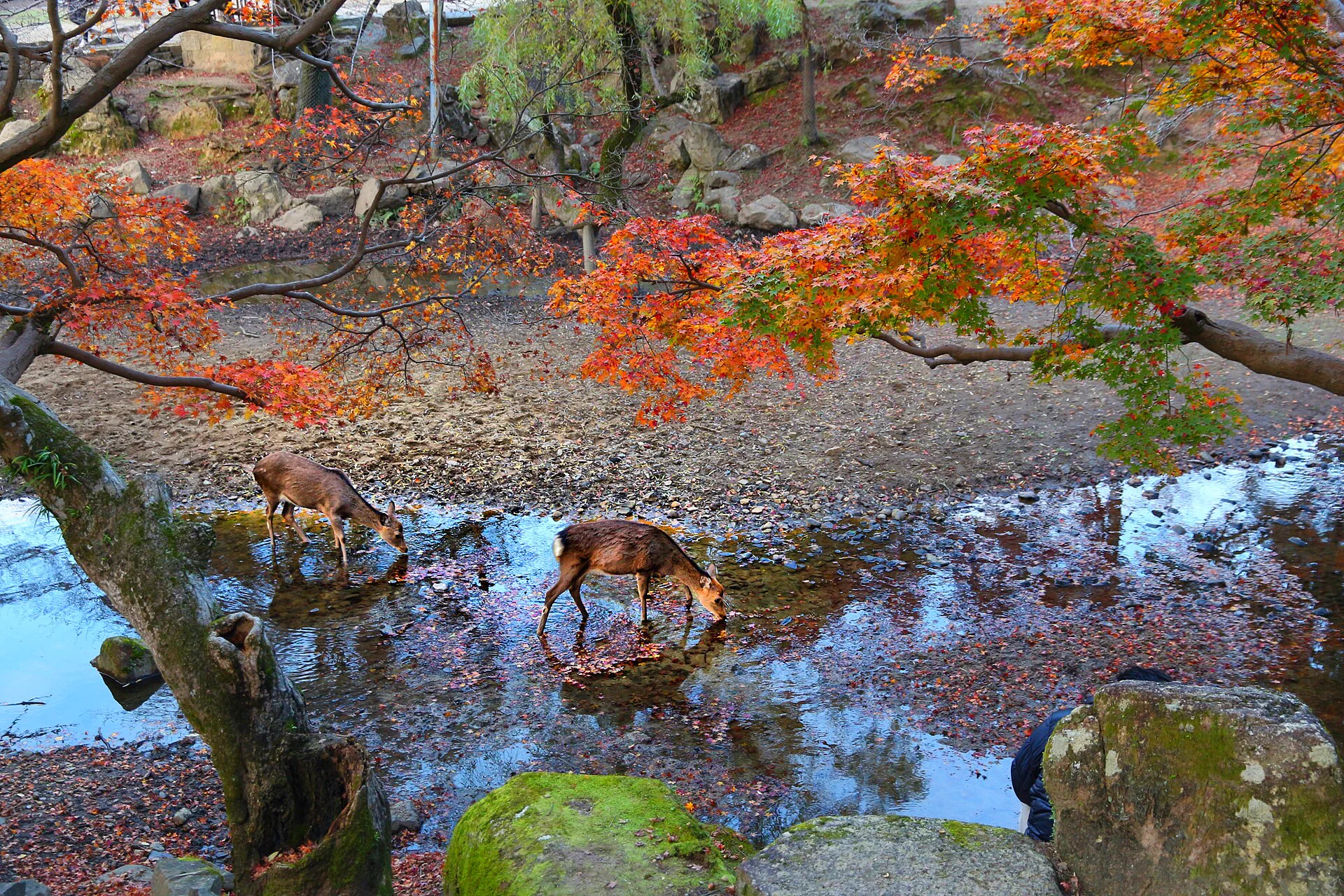
Nara Park itself is open walking space and does not require an admission ticket. The deer, landscape and central routes make a substantial first visit before any paid hall. At Todai-ji, the Great Buddha Hall currently costs ¥800 for an adult. It is a clear single ticket for someone who wants the landmark interior. A repeat visitor could keep the park and old streets free and choose a different museum if that is genuinely more interesting; “first visit” is not a rule that forces every traveller through the same door.
A park morning and one hall visit can be enough. The urge to add a remote stop because the afternoon looks light is where transport and small admissions accumulate. Return to Osaka when the core Nara visit is complete, or use the unhurried remainder to walk nearby streets without another ticket. The Nara day trip from Osaka versus Kyoto is relevant if you later change hotel bases; this version keeps one Osaka room and avoids another check-out.
Nara is also a useful recovery day after USJ. A slower park walk and an early return protect the next Kobe evening. If a group member is tired, cutting a marginal paid activity saves more than its admission: it removes a transport leg and the convenience spending that can follow a rushed return. Families may need a different rhythm, and the Osaka seven-day plan with children gives more space around the aquarium and theme park.
Day 6: Kobe earns its evening without a second observation deck
Begin around Sannomiya and, if interested, walk into Kitano. The area can be enjoyed without entering every historic house. A café, museum or house ticket can be the day’s paid anchor if it fits your interests, but there is no reason to buy every category because each price looks small. Kobe’s own streets and slope have a different feel from central Osaka; the transfer is justified by a distinct day, not by turning the visit into a product bundle.
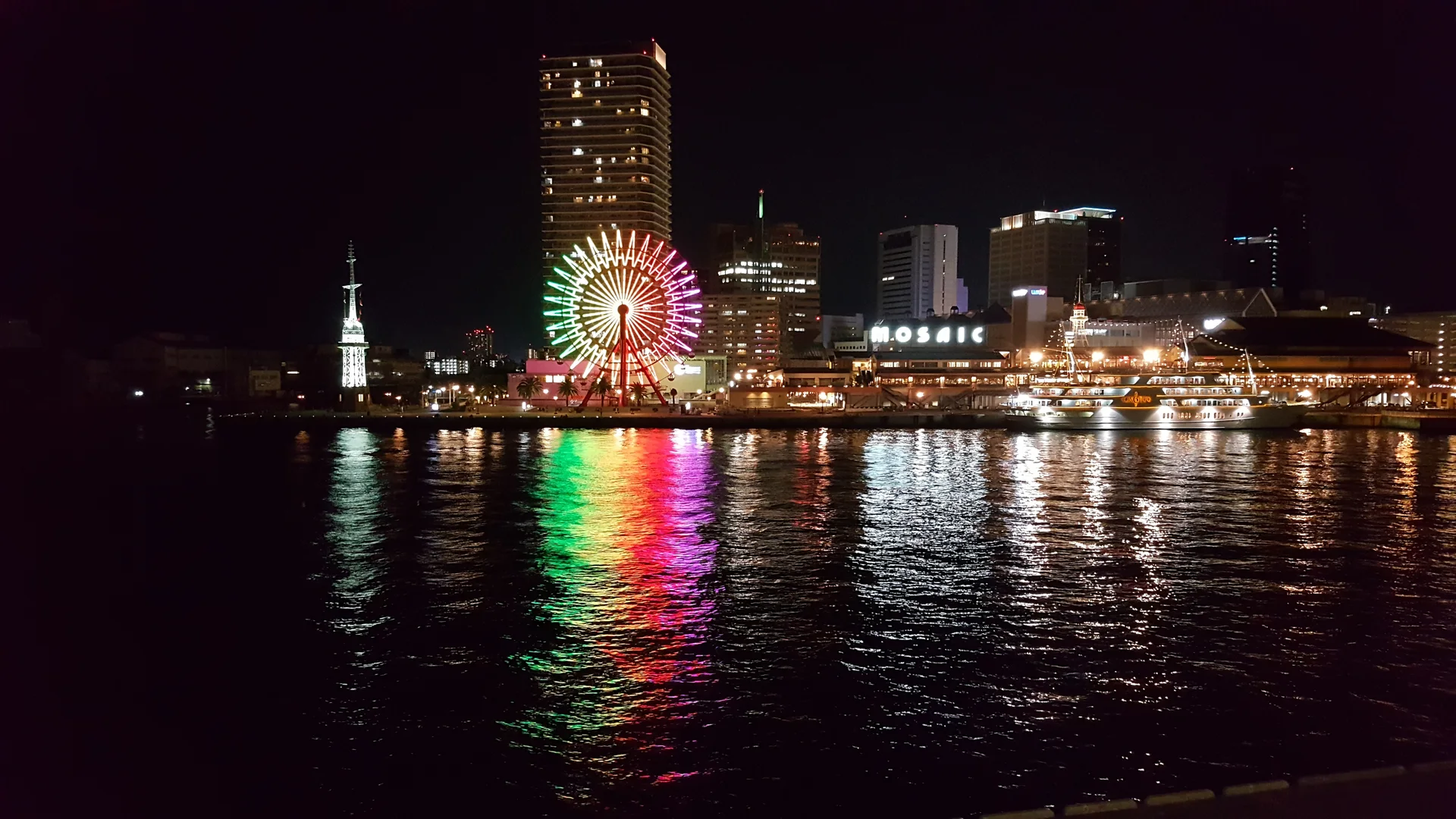
At sunset, Meriken Park and Harborland provide a harbour walk and a night scene without an admission fee. This makes the second paid Osaka skyline especially easy to question. The harbour is not the same as an elevated panorama, and that difference is useful: the week gains a second evening character without paying twice for observation decks. The Osaka free-night-view comparison helps decide whether the one paid Osaka view is still wanted after Kobe is in the plan.
If Kobe beef is an important food goal, make the meal the deliberate splurge and reduce the cruise, deck or additional paid house visits. A specific restaurant meal can be easier to value than several “only a bit more” upgrades. If the idea sounds attractive but not essential, enjoy an ordinary dinner and spend elsewhere in the week. The Osaka couples’ seven-day night plan offers a more evening-led version of the same geography.
Kyoto, Nara and Kobe are all in this model because seven days allows them, not because they are compulsory. A group that would rather spend longer in Osaka can drop one without breaking the route. The day-trip comparison from Osaka weighs which city contributes most for the time available. If your interest is food or another Osaka district, a slower local day may cost less and deliver more than a third regional round trip.
Day 7: the last hours belong to the departure route
Avoid a timed final-half-day ticket. A late flight leaves room for lunch or shopping near the hotel; an early flight makes airport transport the day’s only fixed task. A checklist detour across Osaka can convert a careful week into a costly taxi or a missed connection. Namba guests can stay in the south and Umeda guests in the north until it is time to leave. Repeat the Kansai Airport-to-Osaka route calculation in reverse, paying attention to the last hotel-to-platform leg.
Keep luggage storage hours and the return walk in the plan. A cheap last purchase is not cheap if it forces an unexpected cab because the bag is still at the hotel. The route can flex with the flight: a market or café close to the base can be abandoned without financial loss, whereas a prepaid attraction cannot. A simple departure day is one of the quietest ways to preserve the trip budget.
One Osaka base can save more than a lower nightly rate elsewhere
No single Osaka district is closest to KIX, Kyoto, Nara, Kobe and USJ. Umeda can suit repeated JR-oriented Kyoto and Kobe journeys; Namba can be convenient for Nara, southern evenings and some KIX routes. Compare seven nights of room cost with the transport and final walks you will repeat, not with one promotional nightly price. The Namba versus Umeda decision and Osaka hotel-area guide help turn the week’s movements into a booking choice.
A station-adjacent hotel can save a few minutes twice a day on Kyoto or Kobe days. A cheaper room that adds another transfer each morning and evening may make the week both more expensive and more tiring. The Osaka hotel bases for Kyoto and Kobe day trips treats those repeated walks as part of accommodation value. Moving to Kyoto for one ordinary sightseeing day or Universal City for one USJ day should be justified by a particular schedule rather than by a low isolated rate.
There are exceptions. A late KIX arrival may justify an airport-area first night; a major Kyoto priority can justify splitting the week. The Kansai seven-day one-hotel itinerary is the closest comparison for the stable-base approach. The Osaka and Kyoto three-night split explains when the move buys more than it costs. Do not move merely because the map makes a regional day trip look long.
Passes need an existing route to save money
The Osaka e-Pass currently allows one entry to each of more than 25 participating facilities in its validity period, but public transport is excluded. That makes it a poor automatic match for a low-admission Osaka day built around Castle Park, Nakanoshima and free Umeda streets. The Osaka Amazing Pass has a different transport-and-attraction structure; a single calculation cannot be transferred between them. Compare the actual included facilities and any time limits with the stops you already intend to enter.
The Osaka Amazing Pass break-even itinerary is useful if paid Osaka attractions are genuinely the point of Day 2. The pass comparison across Osaka products separates products whose marketing looks similar but coverage differs. A hypothetical saving from visiting six facilities means little if you wanted only two. An unlimited ticket should never turn Kyoto or Kobe into a sprint to recover its price.
The Enjoy Eco Card presents a smaller version of the same trap. At ¥620 on a weekend, a traveller may be tempted to add a distant stop to make the card appear useful. The extra detour is a real cost even if its fare is nominally covered. Buy the card for a day that already involves enough eligible Metro rides. On a walk-heavy Osaka day, pay for the rides you actually take. This is especially important when the journey to Kyoto, Nara or Kobe uses a railway outside the card’s coverage.
Food is easier to budget when one meal has permission to be special
Trying to make every breakfast, lunch and dinner as cheap as possible is tiring. Choose the meal that has a reason to cost more: perhaps Kobe beef on Day 6, or a particular Kyoto restaurant if the food is part of the trip’s purpose. Everyday set meals, noodles, supermarkets and convenience stores can support the other days without requiring a daily negotiation about every yen. The expensive meal becomes visible and can replace other optional admissions rather than joining them.
Food markets can look inexpensive one stall at a time. Several small purchases often add up to more than a seated meal, especially for a group. Treat Kuromon or a similar market as a walk with one or two items chosen in advance rather than an unlimited sampling session. The same logic applies to post-USJ snacks and a late Kobe dinner. A category cap for food gives room for a planned splurge while exposing repeated unplanned extras.
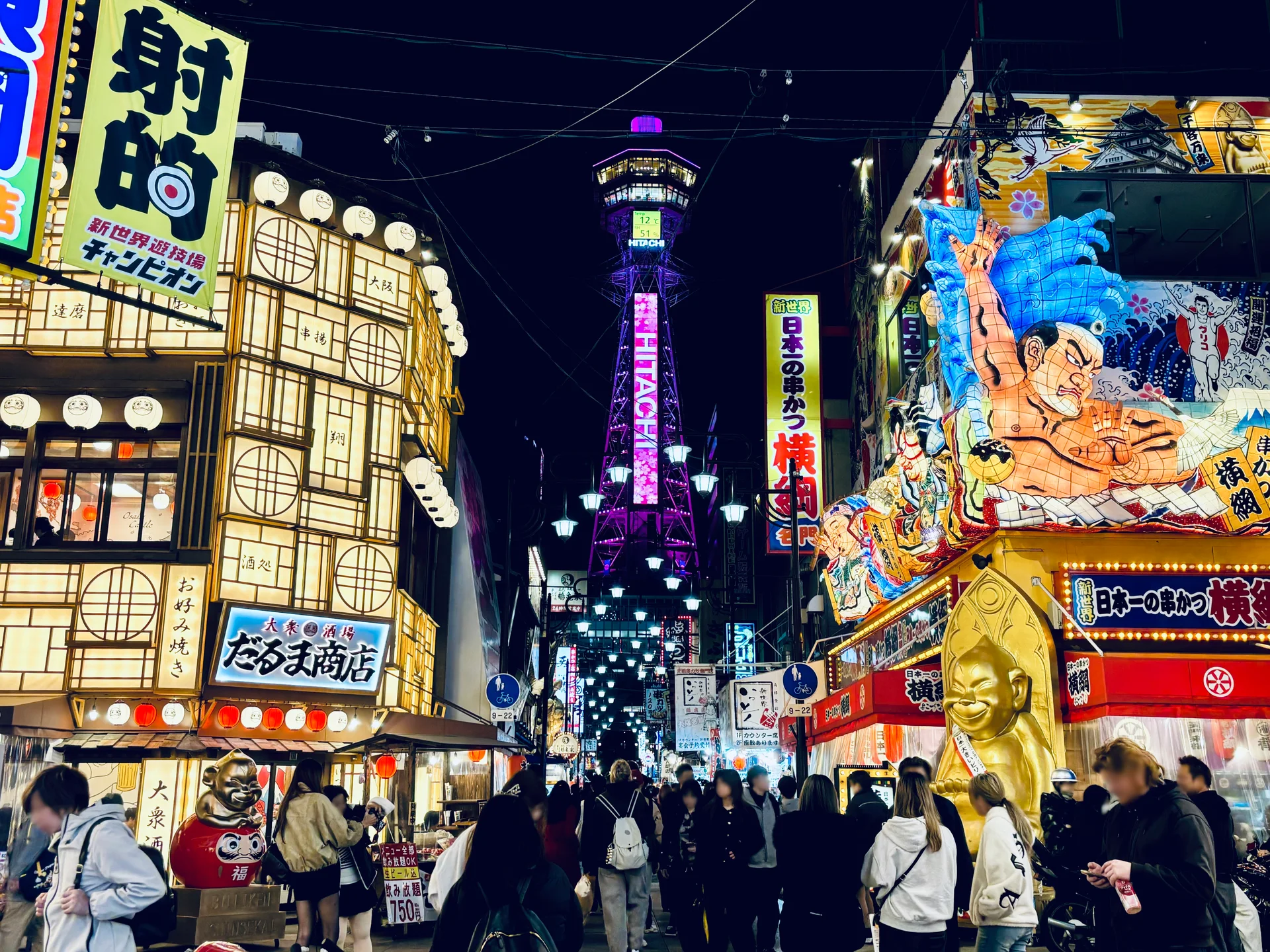
Shinsekai is another low-admission Osaka evening if you want a different street atmosphere from Dotonbori. The tower and signs can be seen from the street without buying another viewpoint ticket. Add the district on a local Osaka evening when it fits your route; do not force it between Kyoto and the hotel merely to collect a named neighbourhood. The Osaka attractions neighbourhood map helps keep this southern cluster near other southern plans.
The four cuts to make before removing a small temple fee
First, remove a duplicate paid skyline. Umeda or another Osaka deck may be worth one evening, but a second and third deck often repeat the same function while Kobe Harborland already offers a different free night setting. Second, decline Express Pass unless it protects a specific ride, area or time problem that matters to the party. It can be a good purchase; an undefined fear of queues is not a purchase test.
Third, reject a sightseeing pass that adds attractions to its own itinerary. Counting a cruise, wheel and museum as savings because they are “included” is misleading if you would not have bought them individually. Fourth, avoid hotel hopping to chase low nightly prices. Storage, transfers, time between checkout and the next check-in, and occasional taxis can erase the headline difference. None of these cuts requires skipping the ¥500 Kyoto temple or ¥800 Nara hall that may be the core of its day.
The cuts also have different consequences. Removing an observation deck returns cash and an evening; removing a hotel move returns energy on two days; removing an unfocused Express add-on returns a large amount of money without changing park admission. Saving ¥500 by skipping an interior you wanted produces far less room in the budget. This is why a good low-cost itinerary identifies the purpose of each expensive choice before trimming the small entries.
Rain and changing energy levels
A wet forecast should prompt a day swap before a search for several new indoor tickets. Nara Park is flexible; an Osaka indoor visit can move into its place, and Kobe’s harbour walk can be shortened while the city portion remains. A USJ visit is less easy to move once date-specific admission and any Express product are bought. Review the ticket conditions and the park’s operating schedule for the booked date rather than treating it like an ordinary free-walking day.
Energy is another kind of weather. The day after USJ may need a slower start. Day 7 may need to become only airport travel. A route with low-admission streets and parks can contract without losing prepaid value. That flexibility is part of the financial design: you are not paying to preserve every hour of a schedule that real travel will sometimes alter. A solo Osaka seven-day version keeps more open time; the friends’ itinerary handles people who do not always want the same activity.
Shared travel costs should not swallow personal preferences
For two travellers, hotel, essential transport and admissions both people agreed to are clear shared expenses. Shopping, optional upgrades and a second skyline are personal or negotiated choices. If one person wants the paid deck and the other is content with free views, a 50/50 split is not automatically the fair interpretation of a shared budget. Decide which expenses belong to the trip and which belong to a person before the extras accumulate.
Three or four friends face a different leak: a taxi can look cheap once divided by four. It is sensible when it solves a difficult late-night route, an airport luggage problem or a meaningful time constraint. It becomes costly when used after every dinner merely because nobody minds the per-person figure. Likewise, “nobody objects” is not the same as “everyone values this”. Ask which planned activity a new paid stop replaces. The Osaka seven-day group route offers a split-day approach when preferences diverge.
Travelling with parents shifts the test again. Extra walking, a hotel distant from the station and too many transfers can make an apparently cheap route a poor fit. The Osaka with parents seven-day plan shows how to cut transfers while keeping major days. The budget objective should never require the group to carry luggage farther than it can comfortably manage merely to save a small fare.
Shopping belongs outside the attraction calculation
Drugstore purchases, clothes, anime goods and souvenirs need their own ceiling. Tax-free treatment reduces eligible tax on a purchase; it does not make the item free or increase the original budget. Do not spend an anticipated tax saving a second time. Keeping shopping separate lets you tell whether the trip plan was expensive or whether you elected to bring home more things.
A group should also decide which gifts or shared purchases are common expenses. A convenience-store breakfast for everyone may be a group meal; a collector’s item is not. This separation prevents the person most interested in shopping from setting the spending pace for everyone else. It also makes the decision to pay for a Kobe meal or one observation deck clearer because those experiences compete with other agreed trip costs, not with private souvenirs.
Check six things before the week begins
Two days before travel, verify the admission date and current price of the USJ Studio Pass, then decide Express separately. Confirm Osaka Castle’s interior hours and fee if you plan to enter; check Kiyomizu-dera and Todai-ji admission for the actual date. Determine whether the Osaka Metro day is a weekday or a weekend before using the Enjoy Eco Card price in a comparison. Look for seasonal events that change the crowd or route in Kyoto, Nara or Kobe.
Also check the airport leg at both ends: which station serves the hotel, what the final connection looks like after your flight, and where the luggage will be on departure day. Confirm the hotel’s room category and any check-in constraint. These checks protect larger sums than an hour spent chasing a marginal discount on a single Metro ride. The details that can change are attached to dates; the route principles are attached to geography.
A week with a few intentional purchases
Keep USJ as the one day whose admission and optional queue protection can run high. Let Osaka Castle Park be free unless you want the exhibits; let Kiyomizu-dera and Todai-ji be modest paid anchors; use Kobe’s harbour without a second skyline ticket. A named Kobe beef dinner can be the other splurge if it matters to you. One Osaka hotel, coherent day routes and a pass purchased only after counting real rides do more for the budget than removing the small admissions that give Kyoto and Nara their focus.
If the route still feels too crowded, remove a day trip rather than compressing all four destinations into shorter fragments. A Kansai seven-day one-base comparison tests the same geography with a stable hotel, while the Osaka itinerary length decision helps if seven full days are not available. The purpose of a budget is to fund the parts you will actually use, not to prove that every cheap or included thing can fit.
Once you have chosen the station area, compare Namba hotels and Umeda hotels for the full seven-night price, including the room size and the airport and day-trip walks. A lower nightly rate only wins if its repeated transport and time cost do not take the difference back.
Related Kansai route decisions
More routes: Osaka Attractions: group neighborhoods before you compare tickets, Osaka Pass Comparison 2026, Where to Stay in Osaka: choose the base from your last stop, Osaka Solo Travel Itinerary: 7 Days of USJ, Kyoto and Kobe — Without Filling Every Hour, Osaka Itinerary With Friends: 7 Days of USJ, Sumo, Food and Kobe — Without Moving as One Group.
More routes: Kansai 7-Day Itinerary From Osaka: One Hotel for Kyoto, Nara, Kobe and USJ — When Not Moving Is Better, Osaka Cultural Itinerary: 7 Days of Sumo, Tea Ceremony, Samurai and Sake — With One Night in Kyoto, Osaka and Kyoto 4-Day Itinerary With USJ: Does Kyoto Still Fit?, Osaka Itinerary: 4 Days with Kobe and a Koyasan Temple Stay, Osaka Itinerary: 3, 4 or 5 Days — When to Add USJ, Kyoto or Kobe.
More routes: Osaka With Parents for 7 Days: Cut Transfers, Not Kyoto, Nara or USJ, Osaka for Couples: A 7-Day Itinerary That Saves the Best Nights for Kyoto, Kobe and One Big View, Osaka With Kids for 7 Days: Protect Kaiyukan and USJ by Leaving Two Days Deliberately Soft, 10 Days in Japan: Tokyo, Kyoto and Osaka Without Turning the Trip Into a Transfer Marathon, Osaka 5-Day Itinerary: Give USJ a Full Day — Namba, Umeda, Kaiyukan and Tennoji Without Backtracking.
More routes: Osaka and Kyoto in 7 Days: 3 Nights Each — When One Hotel Move Is Actually Worth It, Kyoto Hotels Sold Out in Autumn? Backup Bases in Otsu, Uji, Nara and Osaka, USJ Tickets and Express Pass 2026: Halloween Buying Guide.
Current attraction details: USJ ticket pricing changes, Osaka Castle entry, Osaka Metro Enjoy Eco Card, Kiyomizu-dera visitor information, Todai-ji Great Buddha Hall admission and Osaka e-Pass inclusions. USJ’s current ticket lineup shows date-variable admission.