
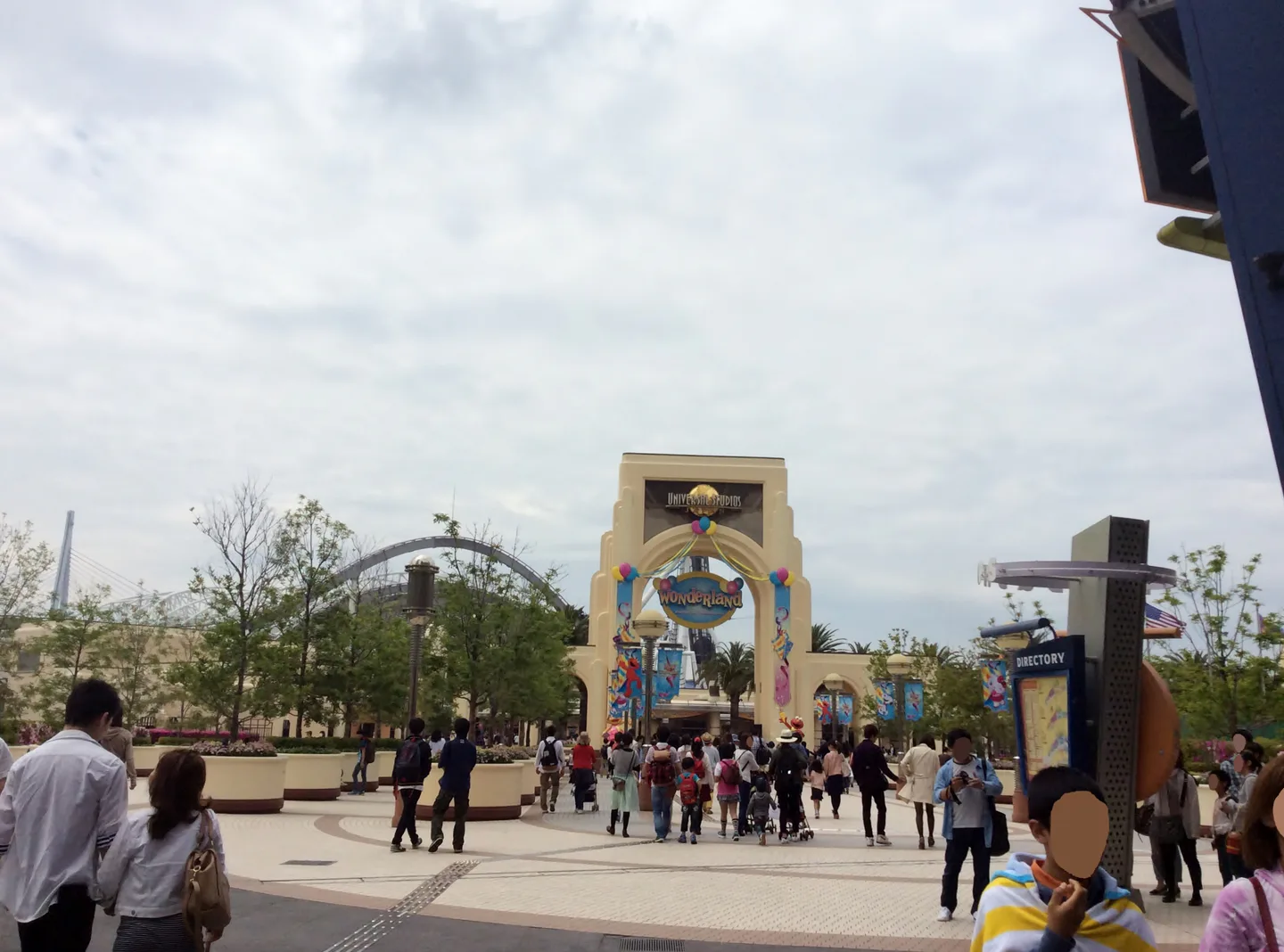
One USJ day in a longer Osaka trip rarely calls for a hotel move. Two consecutive park days are different: a Universal City room can remove the first late return and the second early commute. The interesting middle option is to sleep by the park only between those two days. It buys the most tiring pair of journeys back without turning every Osaka night into a park-side booking. Whether it works depends on luggage and the ticket you actually buy.
A 1.5-Day Studio Pass makes the positioning afternoon useful if you reach USJ before 15:00. A full 2-Day Pass gives two opening mornings. A normal one-day visit may be easier from the Namba or Umeda hotel used for everything else. Settle the wider Osaka base before paying for a Universal City night. What happens on the days without USJ changes the answer as much as the park plan itself.
Which hotel pattern matches the number of park days?
| Park plan | Hotel pattern to price first | Reason |
|---|---|---|
| One full USJ day in a four- or five-night Osaka trip | Keep the city base | One morning out and one late return usually cost less effort than a full room move. |
| One day with a child, older parent or crucial opening rush | Compare the night before in Universal City | The short morning route can be more valuable than the return after the park. |
| 1.5 park days | Compare a park-side night after the first afternoon | Entry from 15:00 can make the move day a real park session. |
| Two consecutive full days | Start with one middle park-side night | It removes Day 1's return and Day 2's outbound trip. |
| Two opening mornings are the trip priority | Price the night before Day 1 as well | The first morning gets the same short final approach as the second. |
| USJ plus repeated Kyoto, Kobe or Himeji days | Check Umeda before moving | The non-park rail mornings may outnumber the park mornings. |
The table is a starting point. A guest with a single small bag can change hotels easily; a family with a stroller, large cases and four sets of clothes may lose the saved train time to checkout and repacking. A nearby room is most valuable when the group will actually use the removed park edges. The Osaka-with-kids hotel guide gives more weight to bedtime, breakfast and the next day's route than to a park gate on a map.
Ticket choice changes the value of the first hotel night
USJ's current ticket lineup lists starting adult prices of ¥8,400 for one day, ¥13,600 for 1.5 days and ¥16,000 for two days. These are starting prices, not quotes for a specific visit. The 1.5-day ticket enters from 15:00 on Day 1 and from park opening on Day 2; the two-day ticket gives two full days. The present listed floor difference between 1.5 and two days is ¥2,400 per adult. Whether the extra morning is worth using still depends on itinerary time and the price displayed for the actual dates.
| Ticket | Published starting adult price | What a park-side room can do |
|---|---|---|
| 1-Day Studio Pass | ¥8,400 | Protect an early arrival or late return, but the hotel does not create a second park session. |
| 1.5-Day Studio Pass | ¥13,600 | Make a pre-15:00 move into a first afternoon in the park, then shorten the Day 2 morning. |
| 2-Day Studio Pass | ¥16,000 | Put a park-side night between two full days and decide whether Day 1 also deserves a nearby morning. |
For visits from September 2026, admission prices can change after sales open as demand changes. Do not budget the three starting amounts as locked prices. Check the date calendar before comparing the hotel; a higher ticket total may reduce how much of the trip budget is available for the location premium. The Express Pass decision is separate again. A shorter hotel approach does not reduce every ride queue, and an Express product does not carry a tired group back to its room.
For 1.5 days, the first-afternoon boundary matters. Leave the previous base, move bags, eat and reach the entrance early enough to use the 15:00 entry. If check-in and a late lunch mean arrival at 18:00, much of that paid half-day disappears. If you already want a full first morning, the two-day ticket is the cleaner plan. If you only want a relaxed evening taste of the park, compare the separate twilight option before buying a hotel move and a 1.5-day ticket together.
Price the journeys removed, not just the train fare
A Universal City premium is not simply the JR fare to the park. The benefit includes the station approach at opening time, the queue at the ticket gate after a long day and the last walk to the room. Measure from the actual city-hotel door to the USJ entrance and from the candidate park-side hotel to the entrance. A nominally central hotel can add more or less time than its station name suggests.
As an example, suppose the city room is 40 minutes door-to-gate and the park-side room is 10. Each removed leg saves about 30 minutes under that itinerary. The one middle night between two consecutive park days deletes the late Day 1 return to the city and the early Day 2 outbound journey, approximately one hour in this example. A ¥10,000 room premium would buy that hour plus easier recovery; a ¥25,000 premium needs a much stronger personal reason. The figures are an example, not a measured Osaka average or a fair-price rule. Enter your own two route times and same-date total room costs.
| Two-day arrangement | City-to-park legs removed | Cost outside the room rate |
|---|---|---|
| One Osaka city hotel throughout | None; four typical outbound/return legs | No hotel move, but repeated park travel. |
| One middle night in Universal City | Day 1 return and Day 2 outbound | One luggage move and a new check-in. |
| Night before Day 1 plus middle night | Both opening-morning approaches and Day 1 return | More park-side nights and earlier relocation. |
| Before, between and after both park days | All four typical legs | Three nights priced around USJ, useful only if the final evening or next morning fits. |
For one ordinary park day, a Namba or Umeda base usually wins because the hotel move itself has stages: packing, checkout, baggage storage, retrieval, check-in and unpacking. The result can reverse if a child will be asleep at the gate, an older parent finds the late transfer difficult or a first-attraction plan makes an uncertain opening commute costly. The night before is often the valuable one for that single day. If the following morning points toward Kyoto or an early Osaka departure, staying by USJ afterwards may force another needless move. The Kansai one-base route shows when the wider week should dominate the hotel choice.
Park Front and THE SINGULARI solve different edges
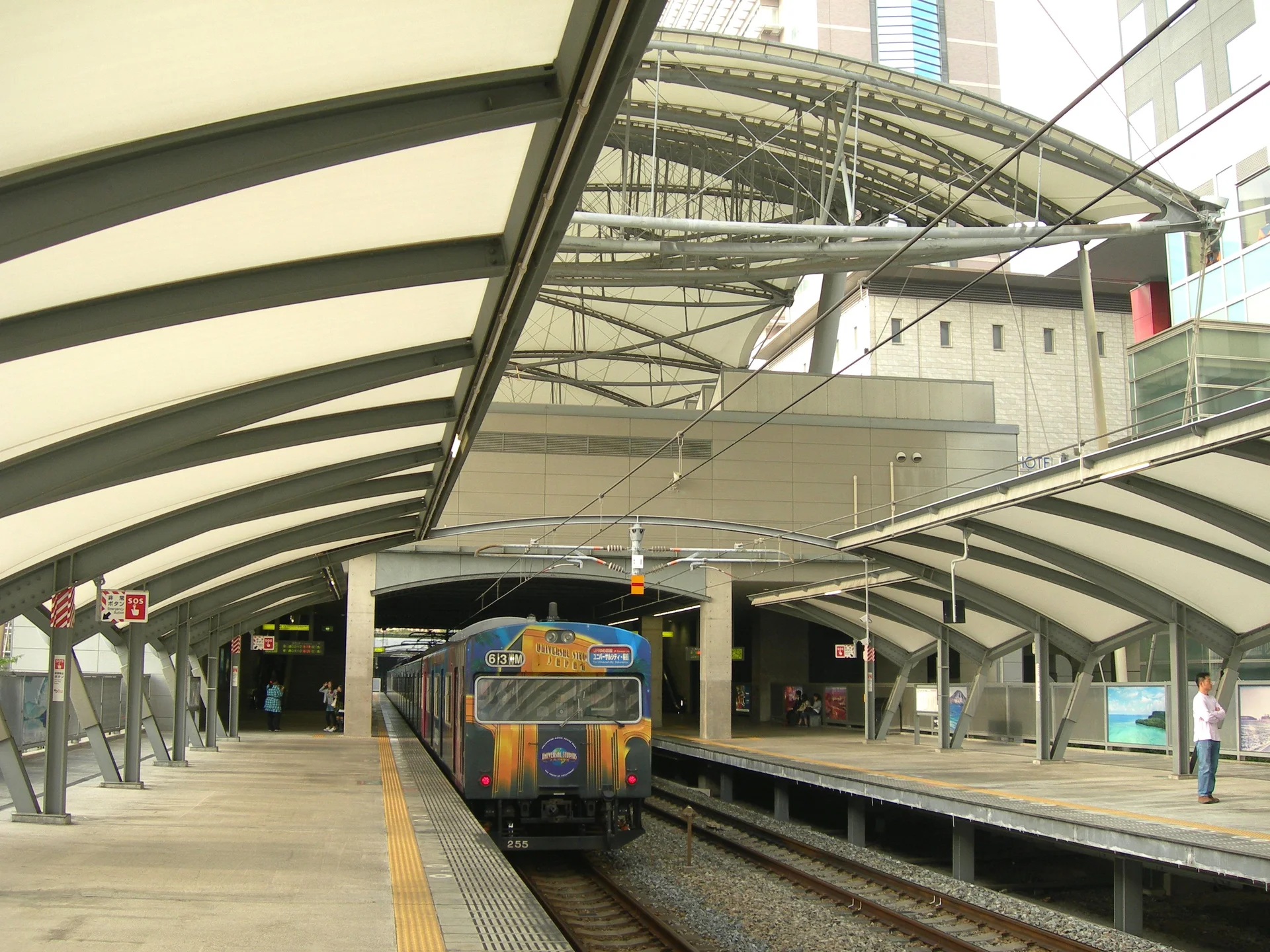
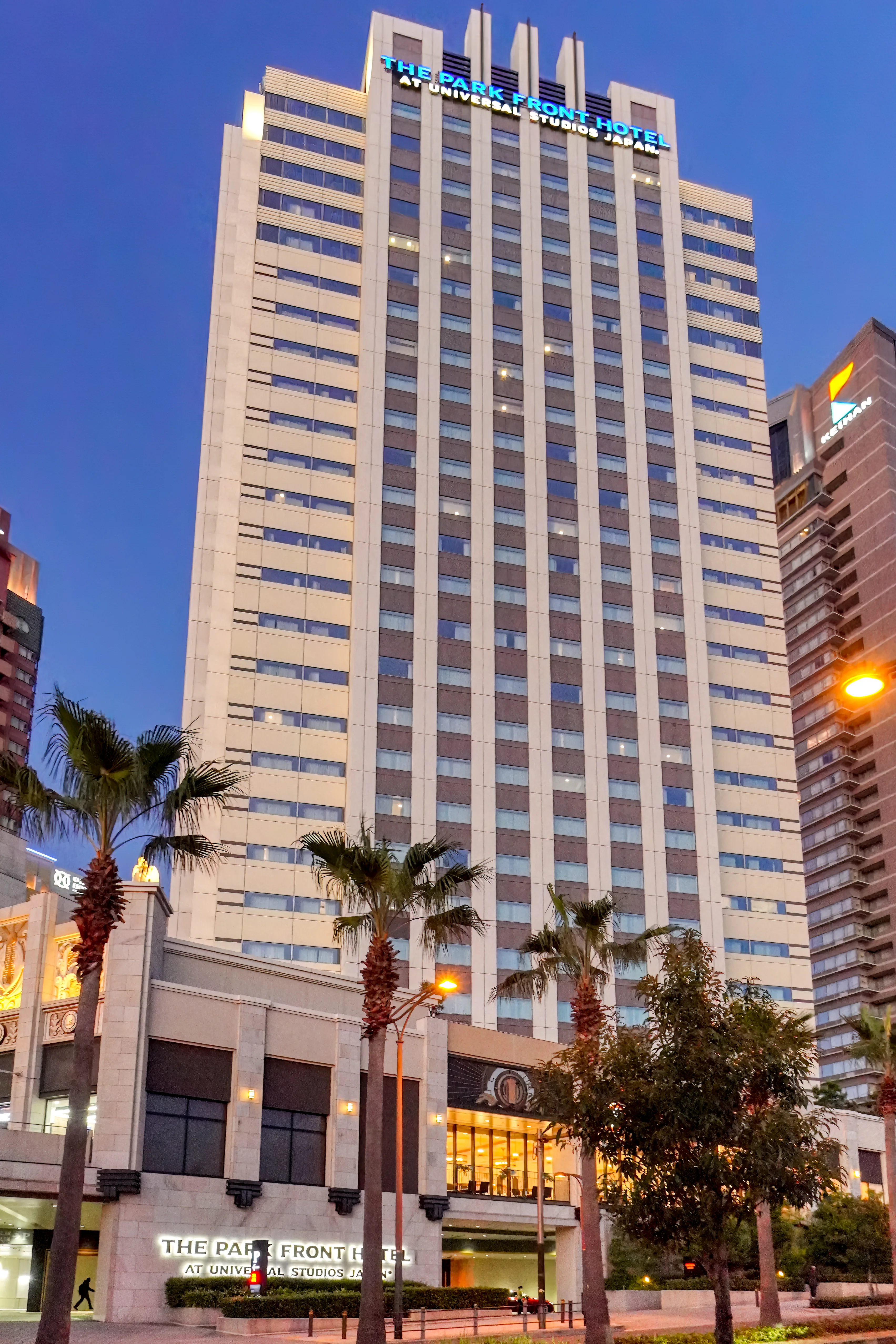
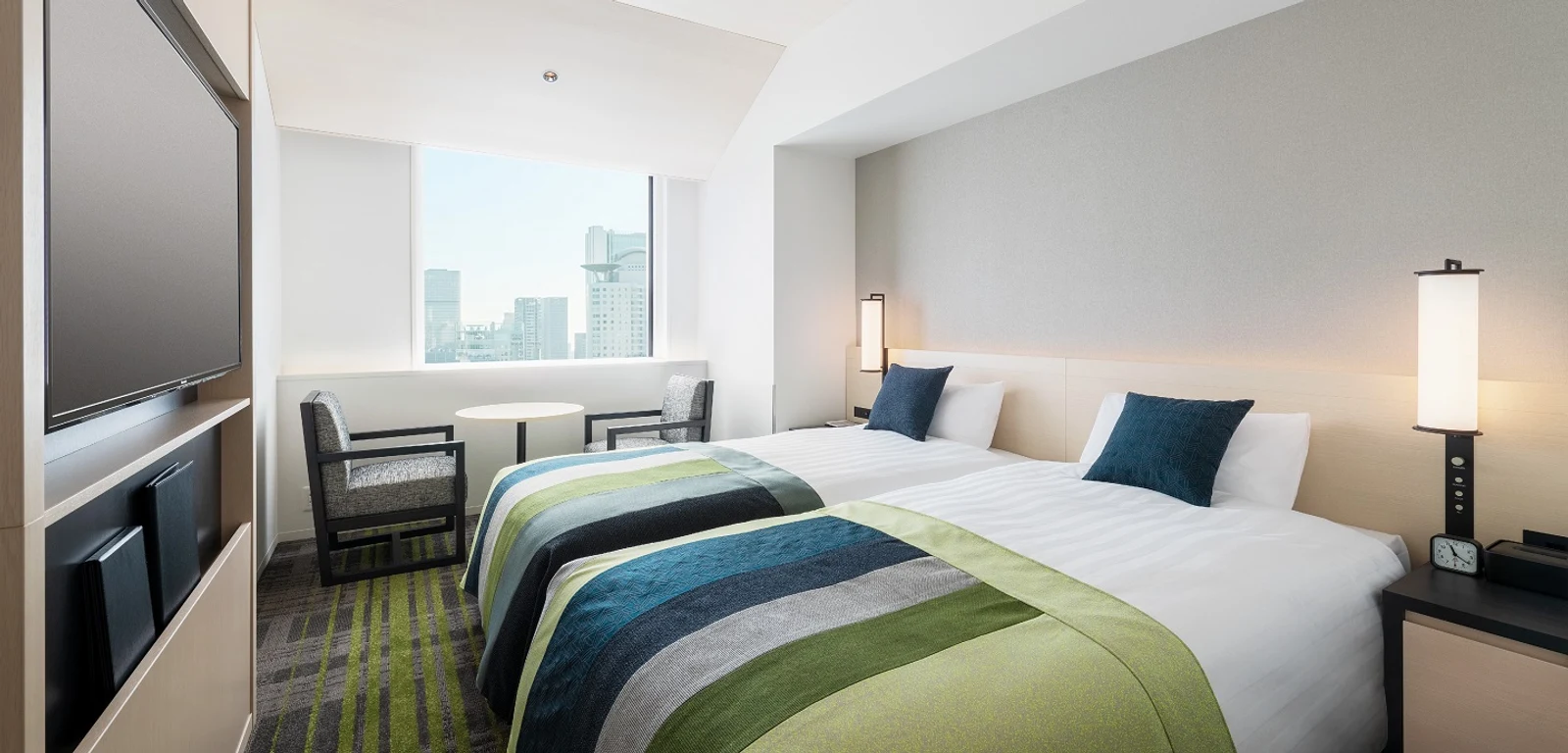
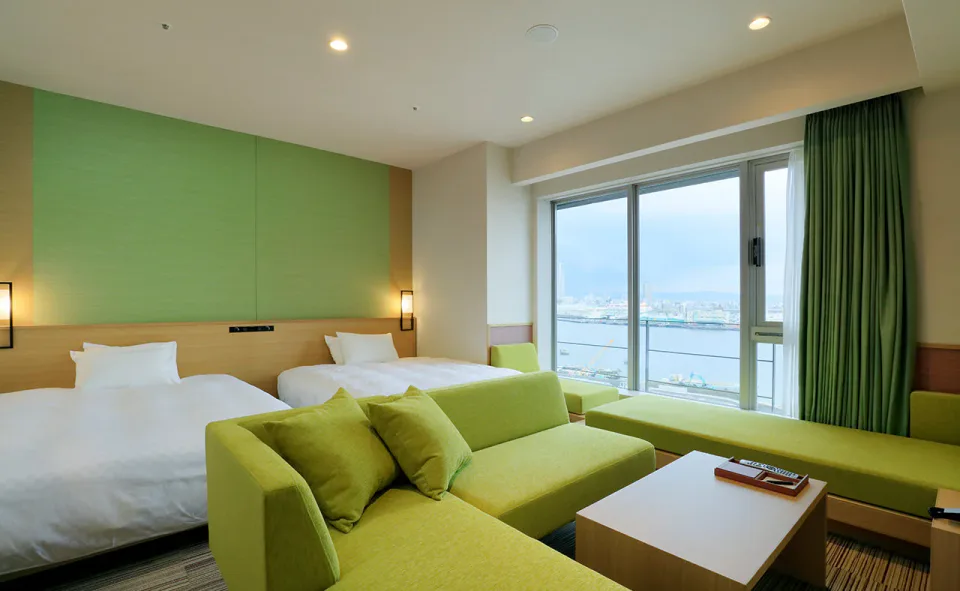
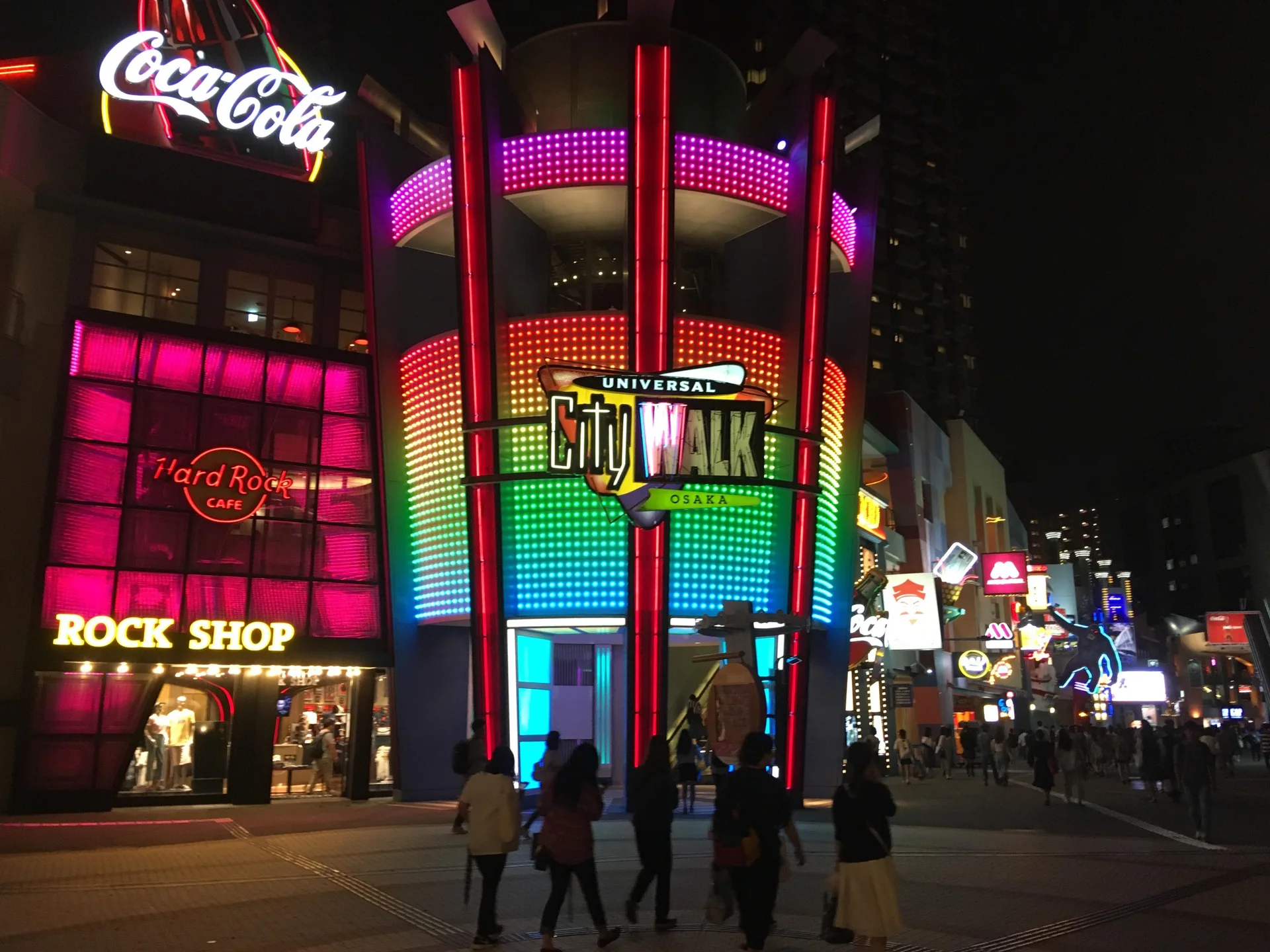
Within Universal City, the partner-hotel list describes The Park Front Hotel as immediately outside the main gate and the closest to the park. That location earns its premium when reused: late Day 1 exit, early Day 2 arrival or a family needing the shortest possible last walk. A single casual park day may not reuse it enough. The Park Front room decision adds room-size and view questions before you pay for the gate position.
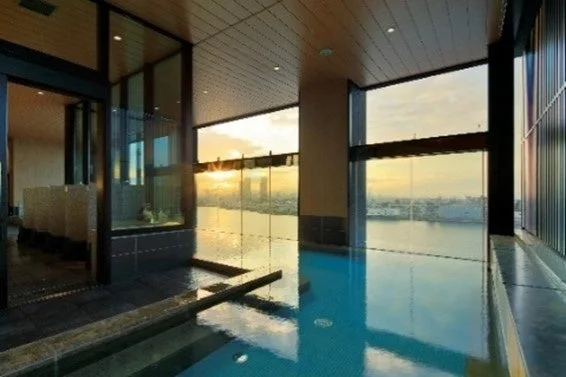
THE SINGULARI HOTEL & SKYSPA connects directly to Universal City Station. Its outdoor bath and sauna give it a different recovery proposition. A group heading straight to bed after the park may barely use the spa; one willing to leave time before closing can turn the evening into a soak instead of another train journey. The SINGULARI room and Skyspa guide covers that trade-off. Both hotels are close to USJ, but closest-to-gate and station-plus-bath are not interchangeable purchases.
Seven hotels appear in the close partner-hotel list: Oriental Hotel Universal City, THE SINGULARI, Park Front, Hotel Kintetsu Universal City, Hotel Keihan Universal Tower, Hotel Universal Port and Hotel Universal Port Vita. The hotel benefits table does not turn that category into a blanket early-admission entitlement. A separately sold package may have its own access condition; read the specific product before paying. The park-hours calendar also warns that admission may begin before the scheduled opening on some days. That operational possibility is distinct from a hotel benefit. A nearby hotel reduces the travel uncertainty even without a special entry privilege.
Express, timed entry and the room solve different failures
Express access can make selected ride waits more predictable. Some products address SUPER NINTENDO WORLD timed entry, while the area may otherwise require an advance or standby timed-entry ticket when controls operate. The hotel cannot grant access to an area or shorten a queue merely by being nearby. Conversely, an Express product cannot make a 22:00 return to Namba disappear. Decide the park product and the hotel location as two separate purchases.
A family with one high-priority day may buy Express access but keep a city room because ride uncertainty is its main risk. Two park days with a flexible ride list may skip some Express products yet pay for a middle hotel night to protect recovery and the second opening. The Halloween ticket guide is relevant if an evening event changes the park exit time; the Halloween hotel-area comparison handles the late-night route separately.
Luggage can erase a neat two-day timetable
Before booking the middle night, write down the bag path. Will the city hotel hold suitcases after checkout? Can the park-side hotel accept them before room access? Must someone leave the park to collect or move them? A plan that saves an hour on trains but consumes two hours shifting luggage is poor even when the hotel rates match. The luggage-forwarding guide helps for a longer Kansai route, although for a single intra-Osaka move, storage and a smaller overnight bag may be simpler.
Families and older travellers can quite reasonably value the same minutes more than a light-travelling couple. A tired child or a mobility-limited parent experiences a crowded platform differently. But do not turn that into a universal claim that every family must stay at USJ. A family with two full suitcases, a stroller and a Kyoto day immediately after may get more relief from one stable Umeda room. The Osaka-with-parents route and the seven-day family pacing plan reveal whether the hotel move itself is the harder transfer.
Walk through the middle-night plan before booking it
For two full park days, a middle night is practical only if the luggage handoff does not interrupt Day 1. One workable sequence is to leave the city hotel early, take an overnight bag to the park-side hotel, store it if the room is not ready and enter USJ with only park essentials. After the first closing, walk to that room. On Day 2, check out and ask about holding the bag until the final exit; the answer depends on the hotel's current storage terms. If bags must be collected before the park closes, that return trip should be included in the time comparison.
A different sequence keeps the city room for both nights and accepts four park journeys. That can win for guests who dislike packing, have a very early Kyoto departure after Day 2 or already pay a favourable multi-night rate. The Osaka long-stay hotel comparison helps when laundry, kitchen access or one stable room is being traded for a single easier morning. The point is to cost the move as a real activity, not as a free adjustment on a timetable.
Breakfast also sits on the critical path. A hotel ten minutes from the gate does not protect opening if its breakfast window makes the group leave at the same time as a city-hotel guest. On the other hand, a short park walk can let a child sleep later or return quickly for an afternoon break. Ask how many times you will actually cross the gate-to-room distance. A park-side hotel gains more value for a family that expects a rest break than for adults staying in the park continuously.
If the choice is between a premium gate-side room and a cheaper Universal City hotel, the hotel comparison is more precise than simply “park-side versus Osaka.” Oriental Universal City versus Park Front separates gate distance from the Express budget. For Christmas events or another late seasonal finish, the holiday hotel plan checks whether dinner, closing time and the following morning actually make the local night worthwhile.
Umeda also becomes more appealing when Kyoto, Kobe and Shin-Osaka rail mornings repeat. If USJ occupies two days but the other five repeatedly use Osaka Station, a full park-side stay is unlikely to be the strongest overall base. The Kyoto-and-Kobe hotel check makes those daily station approaches visible. If the next morning is an early Shinkansen, the final-night Shin-Osaka decision matters more than keeping a room by a finished park visit.
Choose the number of park-side nights last
I would keep the city hotel for one normal USJ day, then compare a night before the park only if an early start or difficult late journey deserves it. For two consecutive full days, I would first price one middle Universal City night against the luggage move it creates. I would add a night before Day 1 when both openings are priorities; I would add a night after Day 2 only if the following plan also belongs nearby. For 1.5 days, the first afternoon must genuinely be usable from 15:00 or the hotel move loses much of its point. If the group intends to return to Namba nightlife after closing, a gate-side room no longer removes the last journey. If KIX is next, check the door-to-airport route before keeping a final park-side night.
Compare the same cancellation terms, breakfast and bed type across the actual dates. Compare rooms around Universal City for your park nights, then map the luggage path and every removed journey before paying. If you remain based in town, choose between Namba and Umeda by the rest of the trip rather than by this one park visit.