
Four friends can arrive on the same flight and still want very different days in Osaka. One wants USJ rides, another wants food, another wants to shop, and someone else needs a slower morning. Seven nights of identical starts, purchases and bedtimes will usually create more strain than the trains do. This itinerary gives the group a few genuine shared anchors and makes the other hours easy to split without turning every separate choice into a negotiation.
The route assumes three or four adults sleeping in one Osaka area. It uses Day 1 for arrival, Day 2 for a shared city evening, Day 3 for the first deliberate split, Day 4 for Universal Studios Japan, Day 5 for food and recovery, Day 6 for Kobe and Day 7 for departure. A friend may opt out of a paid show or afternoon brewery without losing the entire day. The useful habit is to agree on the next clear meeting point before anyone separates.
One base, but more than one daily pace
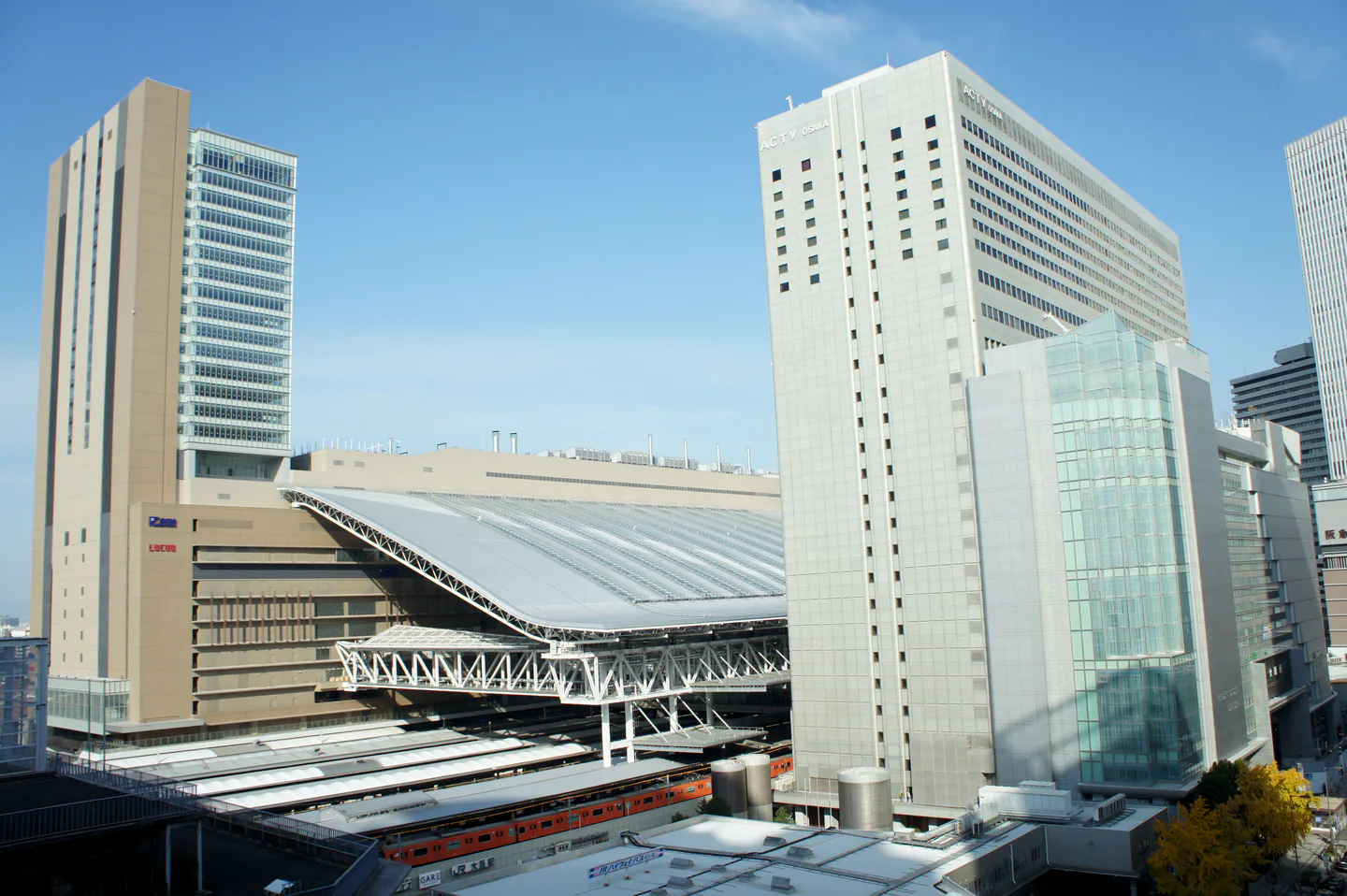
Choose Namba when late food, Dotonbori, bars and an easy independent walk home dominate the evenings. Osaka Station and Umeda grow more useful when Kyoto, Kobe or Himeji departures repeat. The group should be able to answer a simple question after dinner: if two people return to the room and two remain outside, can all four find their own way back? A hotel that requires everyone to escort one another home is a poor group base even if its daytime rail access looks fine.
This plan is deliberately narrower than a seven-day Kansai checklist. If all four friends insist on Kyoto, Nara, Kobe and Himeji, replace an Osaka day or change the overall route. If USJ needs two full days, replace a flexible day and examine a Universal City night. The Osaka day-trip comparison helps choose the one extra city that earns a place. Adding every city without deleting anything else does not create more vacation time.
The group need not purchase four copies of each activity. USJ may have broad enough interest for a shared day; a skyline ticket, performance, tour or sake tasting may suit only part of the party. Price the hotel and genuinely shared transport together, then ask who actually wants each dated booking. Individual shopping, alcohol and upgrades remain individual expenses. This makes the later split days ordinary rather than awkward.
Beds and bathrooms before attractions
A room advertised for four can contain four proper beds, two doubles that require sharing, or beds supplemented by a sofa or pull-down surface. It can also leave little floor after four suitcases open. Seven mornings magnify bathroom access, sleep schedules, charging outlets and the person who gets home last. Confirm the exact sleeping surfaces and bathroom count before deciding that one room is cheaper or more fun than two. The Osaka hotels for four to six friends compares apartments, connecting rooms and two-room setups using those practical constraints.
Different groups may weight the room differently. Friends who get ready at the same time should compare sinks and shower queues in the Osaka girls-trip hotel guide. Friends who return at very different hours may prioritise independent beds and a straightforward night route in the Osaka guys-trip hotel guide. For the neighbourhood decision, the Osaka area guide asks where the last two hours are likely to happen.
Agree on three spending categories before one person begins buying tickets. Split the room and any agreed group transfer as shared infrastructure. For a jointly booked dinner, show or USJ ticket, confirm each participant and their portion before payment. Keep personal drinks, shopping and Express Pass upgrades outside the common pot. A cheap per-person add-on can become an expensive four-person commitment when half the group would not choose it alone.
Day 1: let the arrival reveal the room and neighbourhood
After check-in, place the actual suitcases in the room and settle beds, chargers and the morning bathroom order. A wide-angle room photo cannot show how the floor works once four people unpack. Finding out now is better than discovering the bottleneck while trying to leave for USJ. If anyone needs a quiet sleeping position, make that choice before the first late return rather than negotiating at 01:00.
The trip from KIX should be chosen for the hotel area and the largest bag, not for the quickest advertised train. Nankai, JR and limousine buses land in different parts of Osaka and can involve different final walks. The Kansai Airport to Osaka transport guide helps choose a route the entire party can manage after a flight. A group transfer is only easy when the slowest walker and biggest case can make it without a scramble.
Keep the first night free of a non-refundable reservation. In Namba, a short circuit through Dotonbori, Hozenji and Shinsaibashi can end at dinner whenever the flight permits. In Umeda, choose Osaka Station, Chayamachi or Nakazakicho rather than crossing the city to prove the holiday has started. Immigration or baggage delays may erase an hour. A first evening that collapses harmlessly into food and sleep protects the next day.
Let one person return early if they wish. The others can stay for another drink or walk provided everyone knows the hotel route. That small test reveals whether the address really supports different night rhythms. If the route home feels confusing, adjust the next evenings instead of expecting every friend to move as an escort group.
Day 2: one Osaka evening everyone chooses
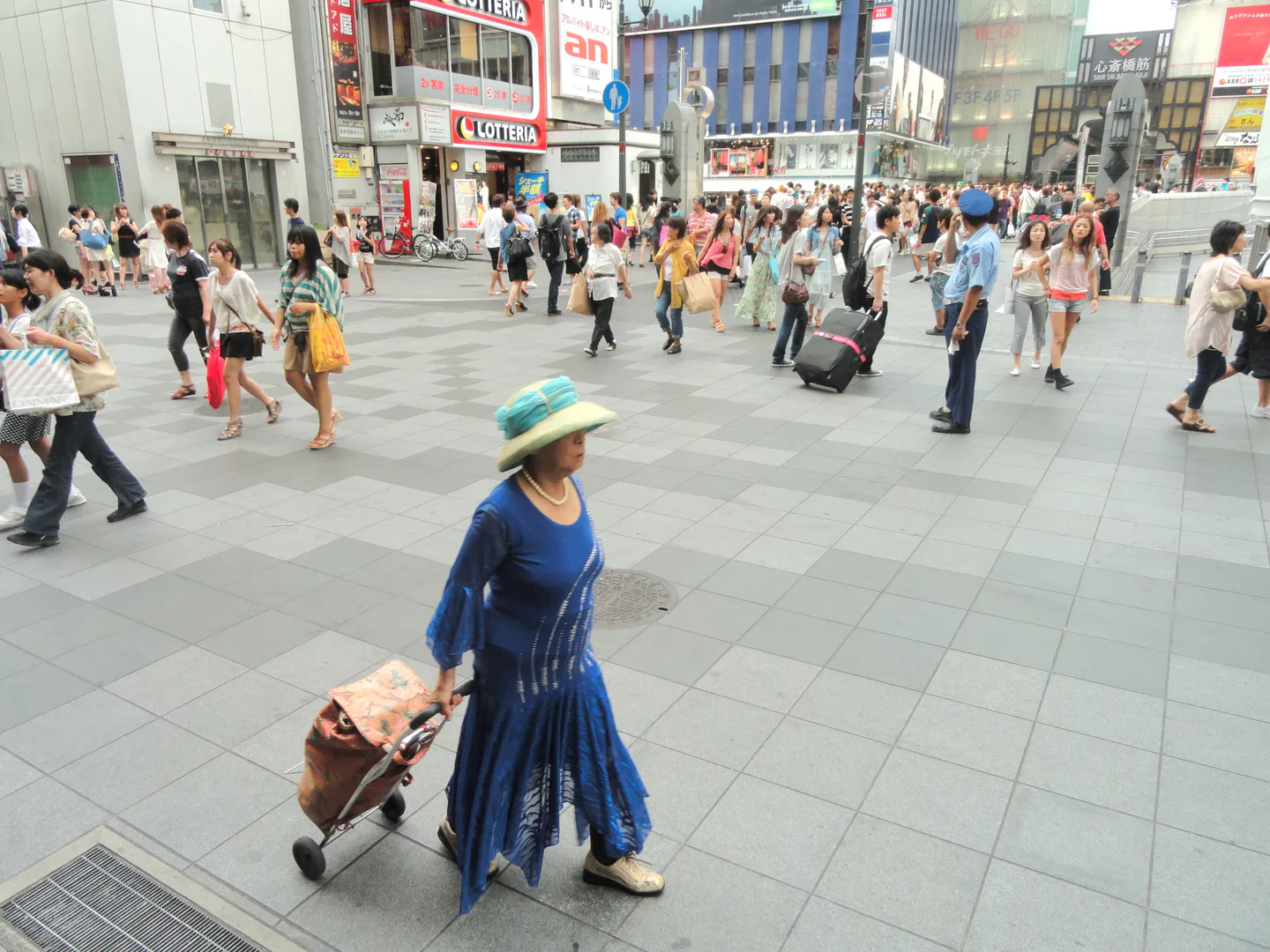
Osaka Castle Park makes a reasonable morning anchor because the grounds allow different levels of interest. Friends who want the main keep can enter if the queue suits them; others can use the park, nearby cafés or shops. After lunch, pick Nakanoshima or Umeda, leaving a couple of hours open for electronics, clothes, coffee or photography. Moving four people across four disconnected districts wastes more time on regrouping than a skipped attraction does. The Osaka attraction grouping guide gives a better city map than a numbered must-see list.
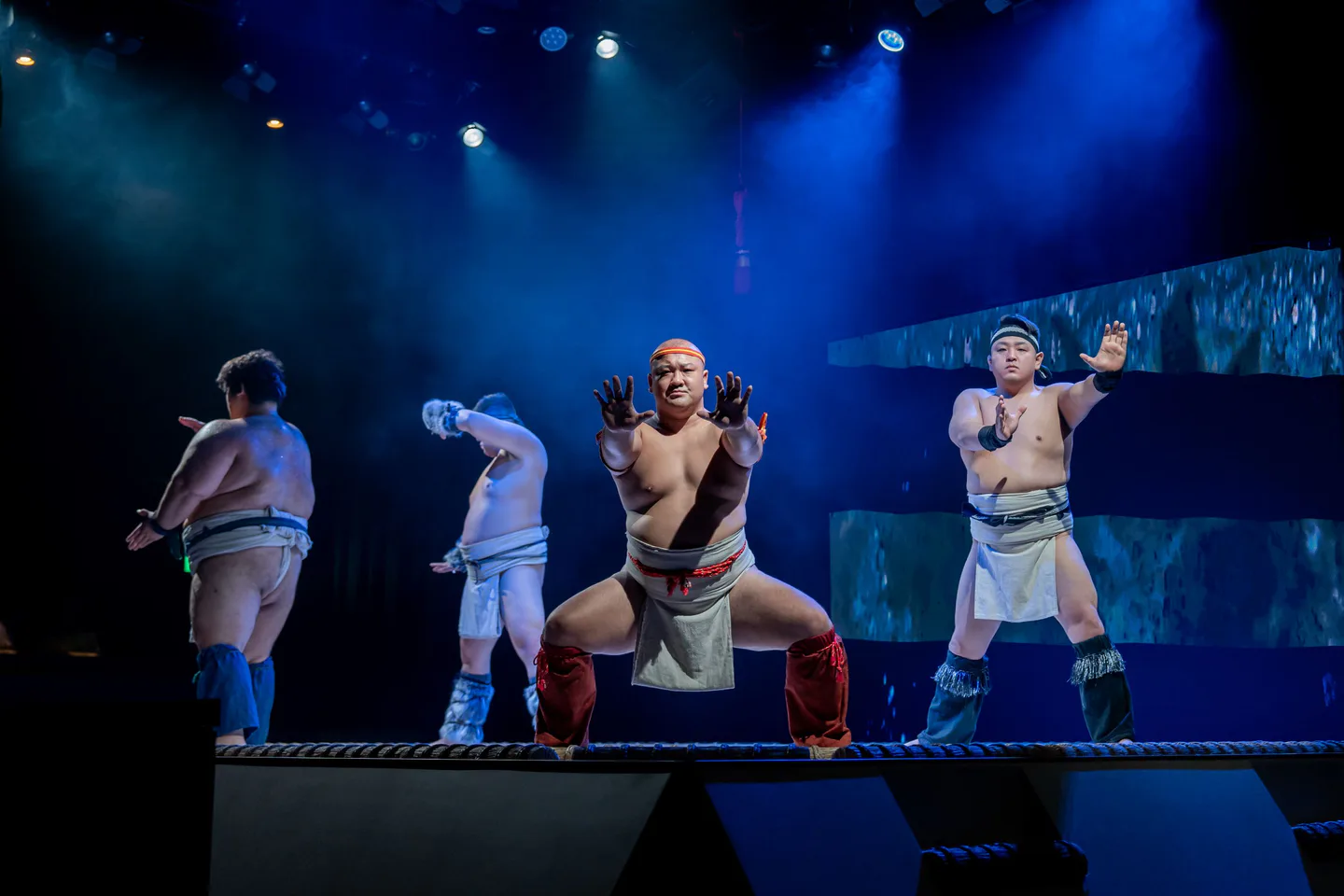
Make the evening one shared function, not a pile of tickets. HIRAKUZA in Namba offers staged sumo entertainment; it is not a Grand Sumo tournament. Its calendar varies by month and date, so a specific performance belongs to a confirmed booking rather than a permanent weekly slot. The HIRAKUZA Osaka decision guide helps decide whether the format appeals to all four friends.
If the performance has limited group interest, choose a skyline or a free city evening instead. The Osaka night-view comparison can separate a paid observation deck from a stroll. Two friends can buy the view while two choose dinner and everyone meets afterward. There is no need for four identical photos to validate the shared trip.
Day 3: split on purpose, then meet before dinner
After two days together, start Day 3 with a shared breakfast or lunch, then allow separate interests to run. A shopping pair may choose Shinsaibashi, Namba, Nipponbashi or Umeda. A slower pair could prefer Nakazakicho, Nakanoshima or Kitahama. Someone can sleep, do laundry or take a quiet café hour. Calling that a failed group day would make the rest of the week harder than it needs to be.
Choose an obvious regroup point before leaving one another: a station gate, department-store entrance or clear landmark, plus a thirty-minute meeting window. A tiny restaurant doorway in back streets makes the plan fragile. Before midafternoon, each pair should say which area they occupy, when they expect to head toward the meeting place and whether they still want a full dinner. That prevents four hungry people from discovering at 18:00 that two already ate dessert and two skipped lunch.
A booked dinner needs a longer margin. Meet at the relevant station or shopping complex about 45–60 minutes before the reservation, giving early arrivals somewhere to wait and later arrivals room for a delayed train. Without a booking, the first pair can inspect the queue and share two realistic options. The purpose is to avoid rebuilding the restaurant decision only after all four people have assembled.
If Kyoto matters equally to everyone, let it replace Day 3 as a coherent day in one Kyoto area. If only one or two friends care, they can take the rail day while the others keep an Osaka plan. The Kyoto, Nara, Kobe and Himeji comparison describes what each city adds. A Kyoto visit should not be smuggled onto the split day while retaining a mandatory late Osaka meetup; the rail time has to come from somewhere.
Before USJ, solve the morning in the room
The night before Day 4 is for tickets, chargers, transport cards, rain layers and a bathroom order. In a room with one shower, the friends needing longer hair or makeup time should take an early turn. Someone returning late can still stay out, but the agreed first shared park goal does not need to move for them. Equally, the group does not need to impose one bedtime on every adult. Put essential items where they can be found without waking everyone.
Breakfast need not be a group ceremony. If an early USJ departure makes sense for the chosen date, buy something simple the previous evening. A friend who wants a seated breakfast can wake earlier. Agree on a lobby departure time rather than synchronising every shower and bite. The park operating hours change by date, and USJ warns that admission may begin earlier than the posted opening time. Check the real day close to travel rather than copying a standing 08:30 rule.
Day 4: share the park entry, then follow different interests
Ask each friend for the attraction or area they would most regret missing. Choose three overlapping priorities to do together near the start of the day. After those, thrill-ride fans can separate from friends who prefer photographs, food or shopping. Set the later reunion at a named park area and time. Forced togetherness at USJ is costly because queues, timed-entry windows and fatigue all vary by person.
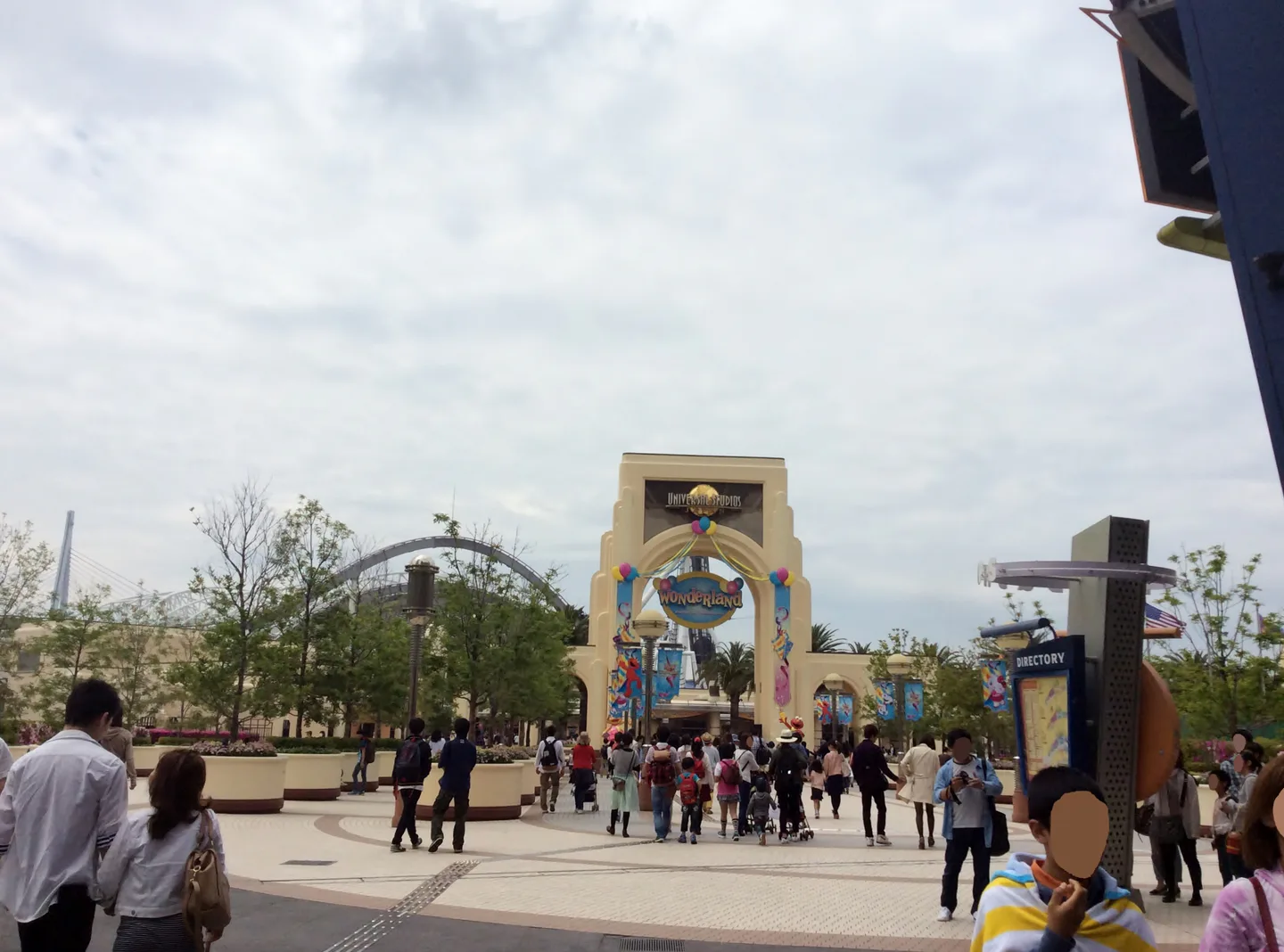
The Express Pass decision also belongs to the individual. Compare what each friend will ride, whether SUPER NINTENDO WORLD entry certainty matters and how much one park day makes long waits a problem. The USJ Express Pass comparison separates queue saving from entry access. Two people may buy a pass while two do not, as long as the shared goals and reunion point remain realistic. One person buying four expensive bundles before anyone checks the included attractions is not a group plan.
At the halfway point of the week, distinguish an itinerary problem from a room problem. If four friends are still queuing for one shower, waking one another or stepping across open cases, another attraction shuffle will not fix it. Consider a second room or different bedding setup for the remaining nights. The four-to-six-friend accommodation guide makes that discussion practical rather than personal.
Day 5: after USJ, leave the morning unclaimed
A 07:00 group alarm after a long park day buys little. Early risers can shop or have coffee; the friend with sore feet can sleep. Make lunch the first shared commitment. This is recovery built into the itinerary, not lost time. Food and shopping can then happen in different combinations instead of forcing one speed on everyone.
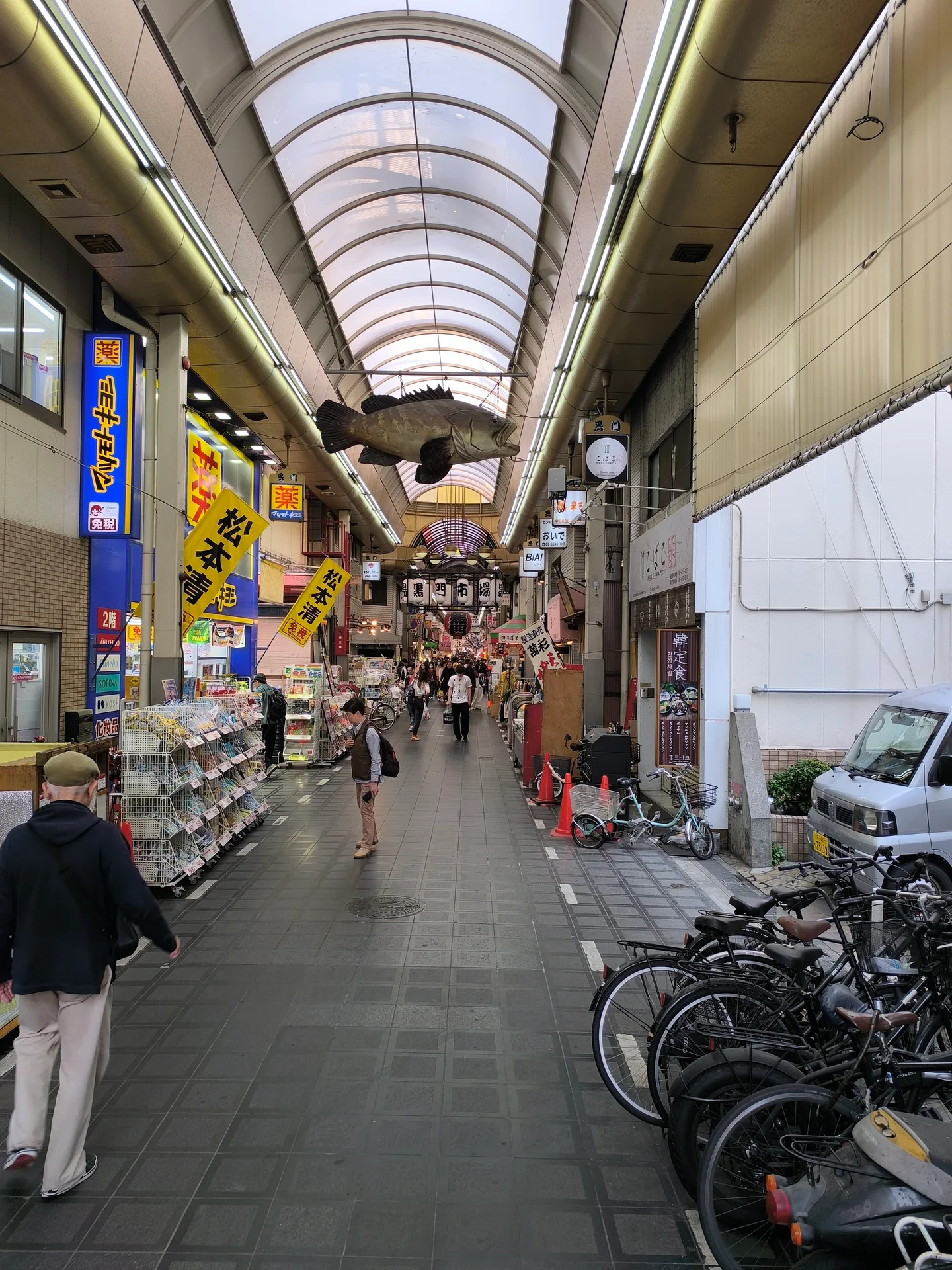
Markets expose a common group problem: one person researches every stall, two wait and another is not hungry. A guided tour can solve that if the group wants context and a set route. The Kuromon Market food-tour comparison and Shinsekai food-tour guide offer different formats; the former is more route-and-guide led, while the latter can contain more included food. Friends who enjoy ordering at their own pace can skip both. Two can tour while the others shop, then all meet later.
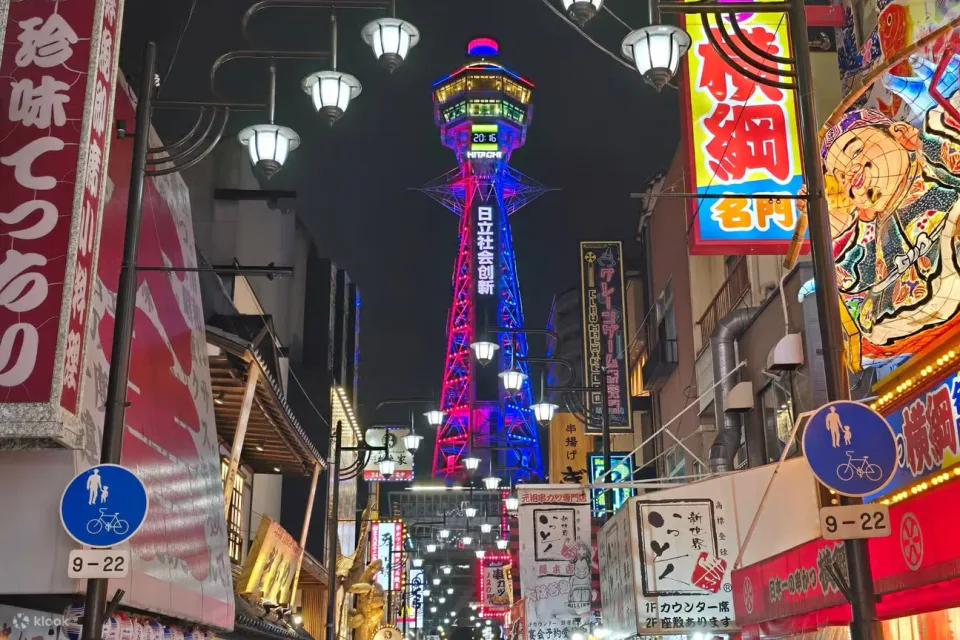
Do not buy a city pass merely because Day 5 looks open. If it stays a sleep, food and shopping day, a pass will encourage attractions the group never wanted. If it becomes a deliberate run through Osaka Castle, a cruise, an observatory and other paid sites, compare the Osaka pass options and Osaka Amazing Pass arithmetic. A prepaid pass can save money when its included stops were already chosen; it can also turn every missed stop into four people’s sunk-cost anxiety.
Day 6: share Kobe lunch, separate for the afternoon
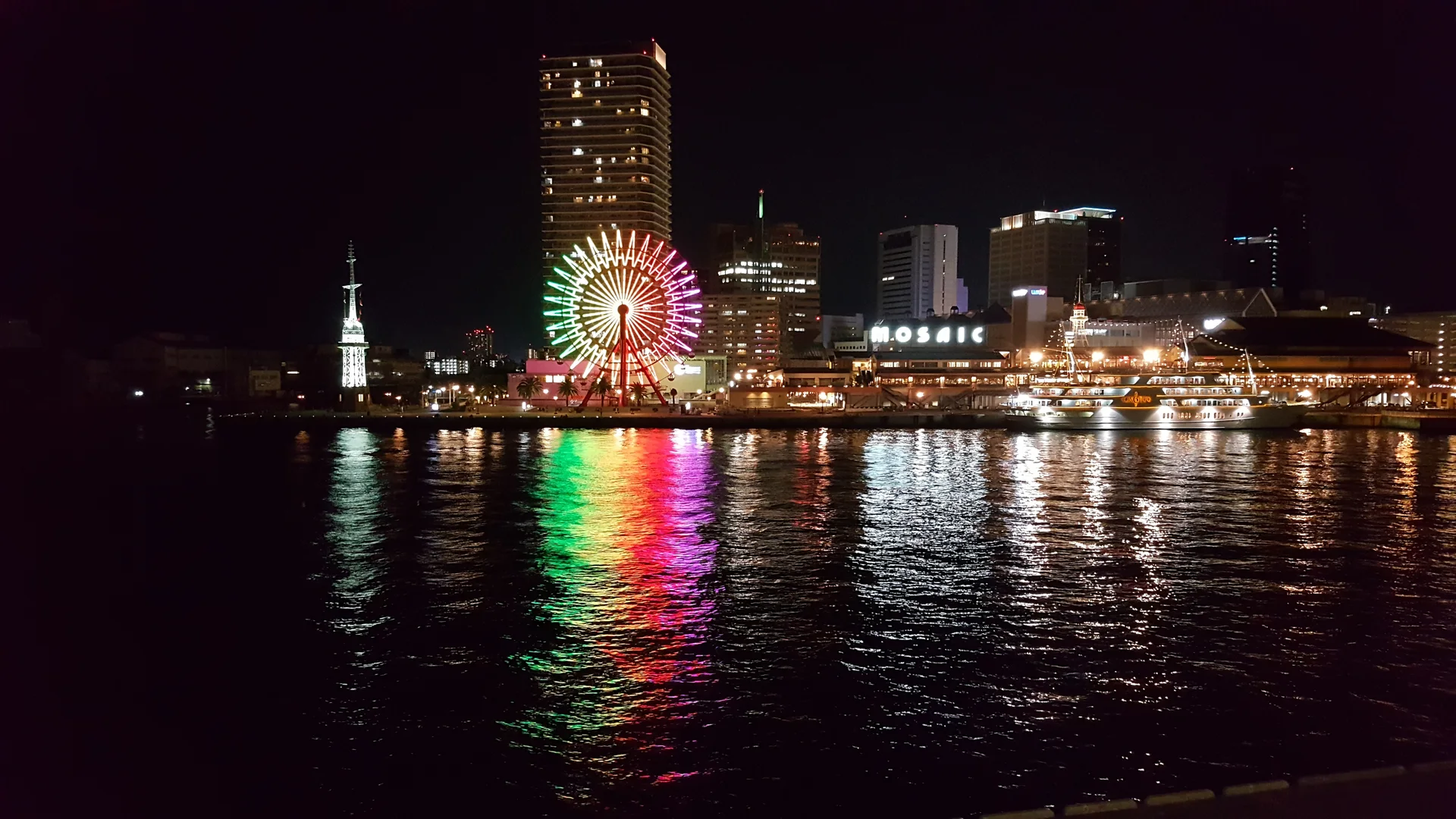
Reach Sannomiya in late morning rather than spending the day’s energy on a dawn departure. Eat together, then separate by interest. One pair can visit sake breweries in Nada Gogo while friends who do not drink use Kobe for cafés, neighbourhood streets, shopping or one indoor attraction. Rejoin in the late afternoon around Sannomiya or the waterfront, with Meriken Park and Harborland as the shared close. The structure is still a group day: arrival, lunch and ending are together, while the middle belongs to those who want it.
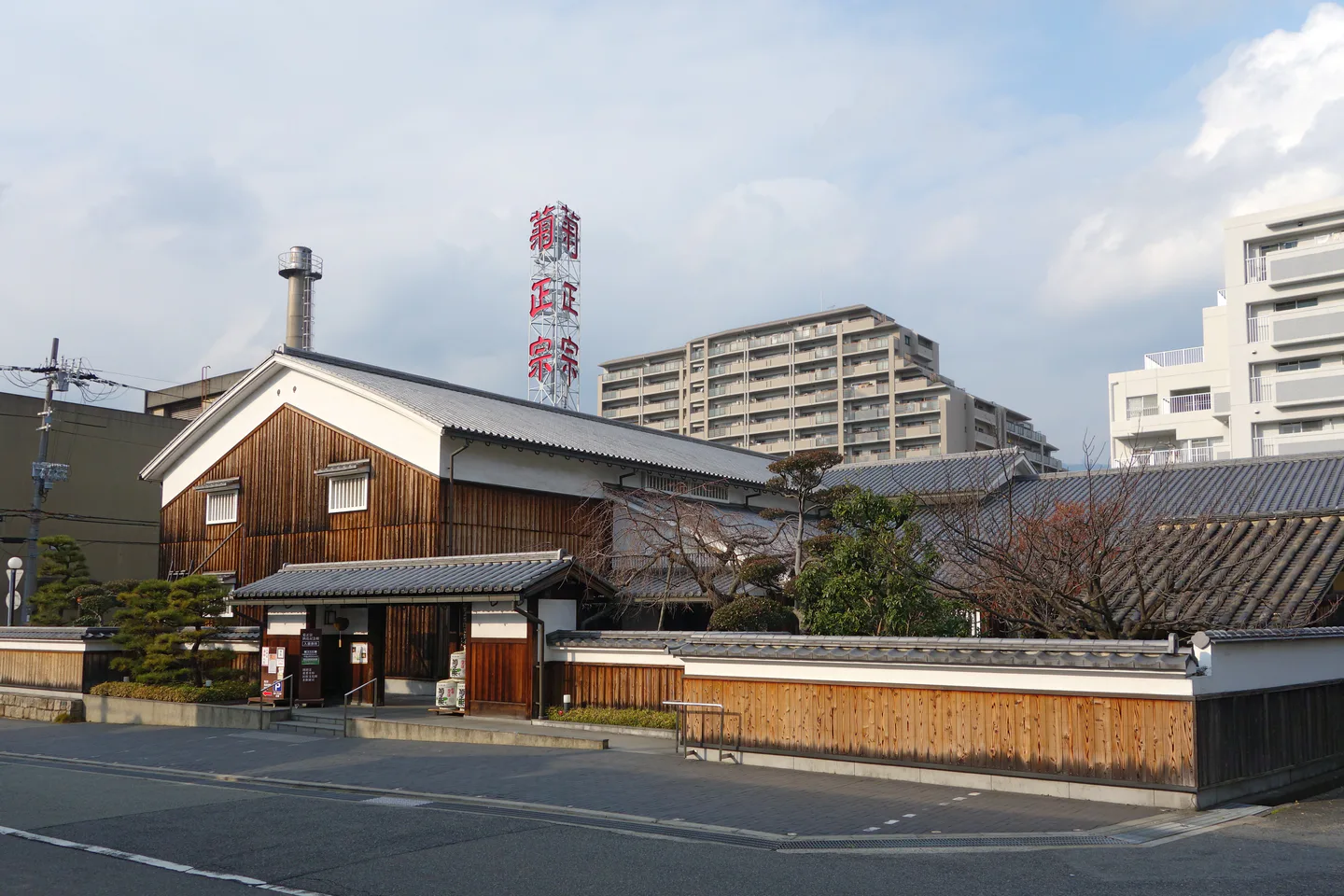
Nada Gogo covers five brewing districts, so a first afternoon does not need every tasting room. Two or three stops are enough. The Hakutsuru Sake Brewery Museum is a useful educational anchor because the old brewhouse, original tools and production displays explain more than a tasting counter. Its current hours are 09:30–16:30 with last entry at 16:00; admission is free, and groups of ten or more need a reservation. Smaller friends groups can still check closures for the chosen date, especially around holidays. The Nada sake brewery route can help place the stops geographically.
Sake tasting should remain optional. Nobody drinking should drive, and a friend who does not drink should not be assigned three hours of waiting simply because the others enjoy it. The non-drinking pair can choose Sannomiya, Kitano, Motomachi or a museum, then send a meeting update before the waterfront. Pick something they would have chosen without the brewery split; otherwise the day has simply given one pair a hobby and the other pair a holding pattern.
The final walk by Harborland can change with weather. In heavy rain, the brewery pair can spend more time in indoor exhibits, the other pair can choose shops or cafés, and the group can decide on the waterfront later. If everyone prefers animals, architecture or Himeji to sake, replace the entire Kobe structure rather than layering another major attraction on top. The Osaka day-trip city comparison helps make that substitution by interests.
Day 7: one clean airport meeting after separate errands
For a morning or midday KIX departure, breakfast, packing and checkout are enough. Four friends often have more bags at departure than arrival, and someone may have borrowed space in another case. Check purchases, liquids and travel documents before the group leaves the room. Do not add a timed attraction that forces everyone to pack against a second clock. The KIX last-night and early-flight guide is useful if the departure itself may change the hotel decision.
With an afternoon or evening flight, store bags at the hotel and split for the final shops: cosmetics, records, electronics, clothes or cafés. Set a hotel regroup time earlier than the actual airport departure deadline. People can finish their own lists without four adults touring the same department store floor. The final meeting point should be unambiguous, especially if purchases have increased the luggage count.
A late night does not need a four-person vote
Decide the evening mode before dinner: everyone eats and separates, two return while two continue, or this is genuinely a full-group night. “I’m going back” should be a normal branch rather than a personal rejection. That only works if each person can identify the hotel route independently. A phone with low battery, tiredness or drinks can make a complicated last walk feel very different from the route that looked easy at midday.
This is why a slightly more expensive Namba or Umeda address can be worthwhile for a group. The value is not a vague “group-friendly” label; it is the ability for one pair to stop without moving the other pair. The Osaka late-night hotel location comparison can help price that independence against a cheaper room farther away.
Keep the shared budget for things shared in substance
“Only a little extra per person” becomes a meaningful total across four travellers. It can also hide that one friend receives almost none of the benefit. Apply the same test to Express Passes, skyline tickets, sake tastings, food tours and HIRAKUZA: would each person choose this rather than a free or independent alternative? A dated performance all four actively want is a good shared purchase. A tasting for two is a good two-person purchase.
The strongest common payments usually have broad interest or high failure cost: the only USJ day, a dinner everyone chose, or a performance that all four wanted. Personal shopping and alcohol are poor candidates for splitting evenly. Getting this straight before Japan means a friend can opt out without arguing over a prepaid ticket. It also prevents the person doing the bookings from becoming responsible for everyone else’s enjoyment.
What to change when the week does not go to plan
A seven-day trip has room for sore feet, poor sleep, stomach trouble or a need for quiet. Someone staying in the hotel does not invalidate the shared day. Check whether fixed tickets can be used, transferred or must be consciously abandoned; free parks and shopping can disappear without financial damage. Healthy friends can continue, and the person resting can rejoin at dinner or the next morning. The planned split windows on Days 3, 5 and 7 make this less disruptive.
An argument is better handled by removing the demand to spend that evening together than by reopening the entire itinerary. Two people can have dinner separately while keeping the agreed next-day activity. Give the dispute and the friends a little space. The group does not need a dramatic replacement schedule for a small disagreement.
For rain, distinguish bookings from movable blocks. USJ tickets, a HIRAKUZA performance or a reserved food tour are dated commitments. Day 3 free time, much of Day 5 and Day 7 shopping can change order. Move those softer pieces first. If severe weather or operator changes affect a hard booking, follow the actual ticket terms and service notices. In Kobe, an indoor museum or brewery visit can continue while Harborland waits for the rain to ease.
When the hotel area stops matching the itinerary
This version begins with Osaka social time, making Namba plausible. If Day 3 becomes Kyoto, Day 6 remains Kobe and another day becomes Nara or Himeji, intercity movement now dominates. An Osaka Station room can remove a connection on each of several mornings and returns. The Osaka hotels for Kyoto and Kobe day trips makes that repeated cost visible.
Do not assume four young adults move quickly simply because they are young. The group’s departure is constrained by the last bathroom turn, largest bag and friend needing the most time through an interchange. Five or ten minutes repeated with four people can outweigh one exciting late-night address if most days use JR. Recalculate the base when the day-trip count changes rather than defending the original Namba choice out of inertia.
The useful checks two days before travel
Confirm the real USJ date: operating hours, temporary closures and each person’s Express Pass times. Confirm HIRAKUZA’s calendar if Day 2 uses it; the show is staged entertainment, not a professional Grand Sumo tournament. Recheck that the hotel reservation has the exact beds and occupancy the friends agreed to. If Day 5 contains a food tour, ask who is actually attending and whether the included food suits them. For Kobe, confirm brewery opening days, Hakutsuru’s final admission and the return meeting place. Finish by checking the KIX route and flight terminal.
Every friend should also name one thing they would regret missing and one thing they do not care about. Those answers often expose a conflict before somebody prepays for four tickets. Once the hard bookings and bed setup are clear, stop adding attractions to fill empty spaces. The open hours are part of the plan: they let people recover, shop or separate without asking permission.
When this week needs a different shape
Do not copy the schedule if all four friends require Kyoto, Nara, Kobe and Himeji. Choose which cities to cut or consider an Osaka-and-Kyoto split stay. Two full USJ days also change the balance: replace Day 5 and compare Universal City. If the whole group dislikes nightlife, food exploration and independent time, this Namba-led social rhythm may be the wrong premise. A different seven-day plan can still use Osaka without treating a friends trip as a demand for identical activities.
The shared backbone is modest: learn the room and route on arrival, choose one Osaka evening all four actually want, enter USJ together for agreed priorities, and make Kobe lunch and waterfront an easy reunion. The other hours are available for different appetites, spending levels and energy. A hotel each friend can reach alone and a clear next meeting place do more for this week than another pair of hurried attractions.
Compare Osaka hotels for a friends group when late Minami evenings dominate. If three or more intercity days replace the flexible blocks, compare Umeda-area rooms against the repeated rail routes instead.
More ways to adjust the week
For a different group priority, compare Osaka Girls Trip Hotels.
For a different group priority, compare free vs paid Osaka night, USJ Express Pass 2026, Best Day Trips from Osaka.
For a different group priority, compare Kuromon Market Food Tour, Shinsekai Food Tour, HIRAKUZA Osaka Sumo.
For a different group priority, compare Osaka Budget Itinerary: 7 Days, Osaka Cultural Itinerary: 7 Days, Osaka Solo Travel Itinerary: 7, Kansai 7-Day Itinerary From Osaka:.
For a different group priority, compare Osaka Itinerary: 4 Days with, A 7-Day Osaka Premium Experiences, Osaka and Kyoto 4-Day Itinerary, Osaka Itinerary: 3, 4 or.
For a different group priority, compare Osaka With Kids for 7, Osaka 5-Day Itinerary: Give USJ.
For a different group priority, compare Osaka for Couples: A 7-Day, Osaka With Parents for 7, USJ Hotels for One Day, Osaka and Kyoto in 7.
For a different group priority, compare 10 Days in Japan: Tokyo,.
Event and brewery details: USJ daily hours, HIRAKUZA calendar, Nada Gogo brewery districts and Hakutsuru museum visitor details.