
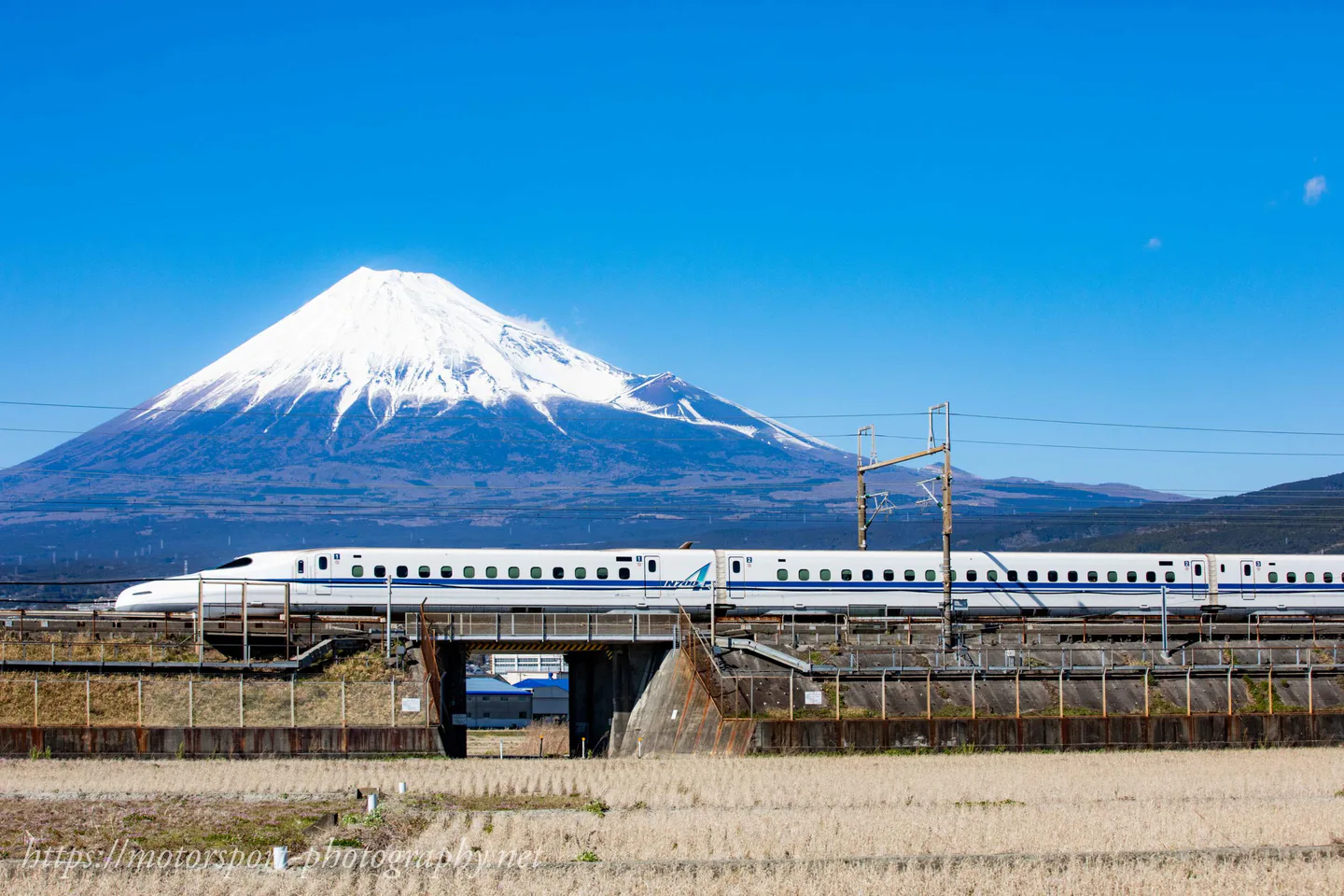
A week in Japan usually gives you six hotel nights and fewer full days than the calendar suggests. The arrival day begins after the airport journey; the departure day ends before the flight. That leaves roughly five clear sightseeing days when both flights are international and neither lands or departs at an especially helpful hour. For a first trip, the decision that protects those days is where to sleep, not how many city names can fit on a map.
If you land and fly home in Tokyo, six nights in one Tokyo hotel leave room for a day trip or a park day without a long-distance move. If you enter through Tokyo and leave from Kansai Airport, three nights Tokyo and three nights Kyoto can work well: the intercity journey follows the direction of home. Osaka is usually a day trip from that Kyoto base unless Universal Studios Japan is a principal reason for the holiday. This is a route choice, not a rule that Tokyo or Kyoto is the better city.
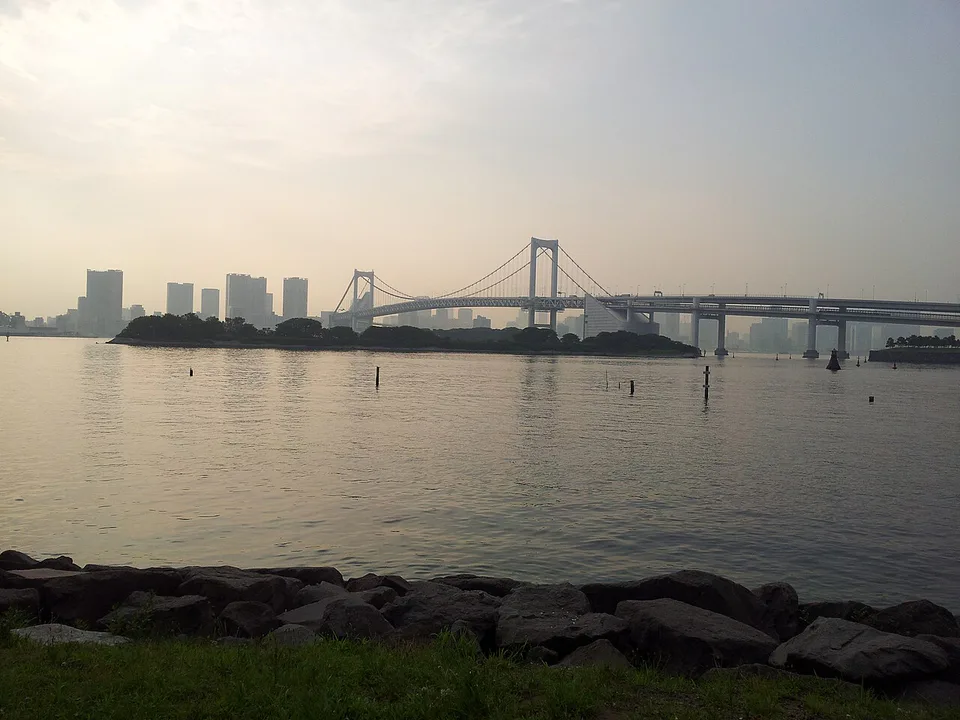
The airport pairing sets the first boundary
A Tokyo round trip makes a Tokyo–Kyoto–Tokyo plan pay for two long train legs. When Kyoto is non-negotiable, that expense may still be worthwhile, but it should be chosen deliberately. A Kansai Airport round trip works in the other direction: Kyoto or Osaka can be the single base, with Nara and the other Kansai city visited by day. Flying into Tokyo and out of Kansai removes the return crossing and makes two bases less costly in usable time.
↔ Scroll table left or right
| Flight shape or priority | Six-night base pattern to test first | What it keeps usable | What to avoid adding automatically |
|---|---|---|---|
| Arrive and depart Tokyo | Six nights Tokyo | City days and a flexible day trip without a hotel move. | A Kyoto return journey solely to collect another city. |
| Arrive and depart Kansai | Six nights Kyoto or Osaka | Kansai day trips without repeated packing. | Tokyo unless it is a main reason for the trip. |
| Tokyo in, KIX out; Tokyo and Kyoto essential | Three nights each | Both regions with only one long-distance move. | A third routine hotel in Osaka. |
| USJ is essential | Three Tokyo nights, three Osaka nights if Tokyo is also essential | A full park day and convenient Osaka evenings. | A Kyoto overnight added just for the usual route. |
| Disney is essential | Protect a full day at a Tokyo base | A park day without an evening intercity deadline. | A Shinkansen departure immediately after the park. |
| Fuji is essential | Spend a Tokyo-based day or deliberate overnight on it | Weather flexibility. | A rushed stop during a hotel-transfer day. |
For someone still unsure whether a week belongs mostly in the capital, this seven-day Tokyo route shows the one-base alternative in detail. A single Osaka base for Kansai shows the same idea on the other end of the country. The open-jaw option is useful when the flight schedule and fares support it, not because two cities sound more impressive on an itinerary.
A train ride is only one part of changing hotels
JR Central describes the fastest Tokyo–Kyoto Shinkansen trip as about two hours, with individual services and boarding times varying. The door-to-door cost of moving hotels is longer: leave the first room, reach the correct station platform, wait and board, ride, travel from Kyoto Station to the second hotel, and either check in or store luggage. A traveller whose Tokyo hotel-to-platform leg takes 45 minutes and whose Kyoto platform-to-bag-drop leg takes an hour has already used about four hours when the intercity train takes roughly two hours ten minutes. Those local legs are examples for planning, not published transfer guarantees.
The wider cost is the shape of the day. You may need to vacate a room before the next room is ready. A meal, station navigation and a misplaced exit can take the morning into the afternoon. On a two-week trip that is manageable; in a week with around five clear days, it can remove a substantial part of one. same-day luggage delivery from Tokyo to Kyoto helps with the rail leg, while luggage forwarding choices can make the move less awkward without making it disappear.
↔ Scroll table left or right
| Route shape | Hotel moves and backtracking | Most useful when | Main cost |
|---|---|---|---|
| Tokyo round trip, one Tokyo base | No intercity hotel move. | Tokyo, Disney and a nearby day trip are the main interests. | Kyoto remains for another trip. |
| Kansai round trip, one Kyoto or Osaka base | No intercity hotel move. | Kyoto, Osaka, Nara or USJ dominate. | Tokyo remains for another trip. |
| Tokyo in, KIX out, Tokyo three nights and Kyoto three | One westbound hotel move without a return crossing. | Both cities are essential and the flight path supports them. | One partial day goes to travel and luggage. |
| Tokyo round trip with Kyoto nights | Two long Tokyo–Kansai legs. | Kyoto cannot be deferred and flights cannot change. | More rail time and less recovery room. |
| Tokyo, Kyoto and Osaka hotels | Two hotel changes in six nights. | A specific event or hotel stay itself justifies the third base. | Repeated check-outs and bag handling. |
The former page attached numerical “retention scores” to these five structures. Those figures were editorial estimates without observed traveller data, so the comparison here keeps the same dimensions—hotel moves, airport direction, full-day time, luggage and flexibility—without pretending they produce a measured 9.2 or 4.3 out of ten. You can weight them according to your party. A traveller carrying one cabin bag and attending a fixed event may tolerate a move that a family with two large cases should avoid.
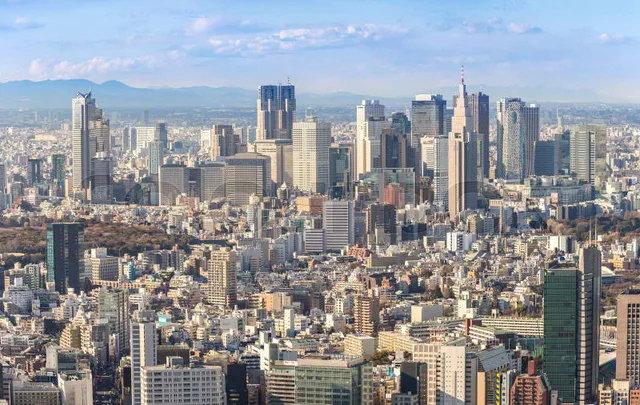
What six nights in Tokyo can actually contain
One base is not seven copies of the same Tokyo day. East-side sights, west-side neighbourhoods, food and shopping, a museum, a day trip and a park or digital-art visit can each occupy a distinct block. Keeping one hotel also makes the order adjustable. Put a weather-sensitive Fuji outing on the clearest available day and move an indoor museum to rain. If the arrival is late, dinner near the hotel is enough; do not write a full sightseeing day into a time slot that begins after immigration and airport transfer.
↔ Scroll table left or right
| Day | One-base Tokyo use | Planning limit |
|---|---|---|
| 1 | Arrival and a local meal. | Keep airport and check-in time open. |
| 2 | Asakusa with Ueno or Akihabara. | Choose the second area by energy, not a checklist. |
| 3 | Meiji Jingu, Harajuku, Shibuya and possibly Shinjuku. | Use one west-side corridor; do not force every stop. |
| 4 | One of Kawaguchiko, Kamakura, Hakone or Yokohama. | It replaces a Tokyo day rather than appearing as a free extra. |
| 5 | Disney, teamLab with Odaiba, museums or a shopping focus. | A major attraction takes a serious share of the day. |
| 6 | Unfinished priority or a slower recovery day. | Preserves flexibility after weather or fatigue. |
| 7 | Departure-side time near the airport route. | Protect the flight transfer first. |
Those are options, not a command to combine Disney with a museum or two day trips with an attraction day. The one-versus-two-day Tokyo Disney guide shows why park ambition can consume more of this week. Kawaguchiko night planning helps if Fuji is more than a casual day trip. The four-, five- and seven-day Tokyo comparison gives another way to judge which day disappears when a priority is added.
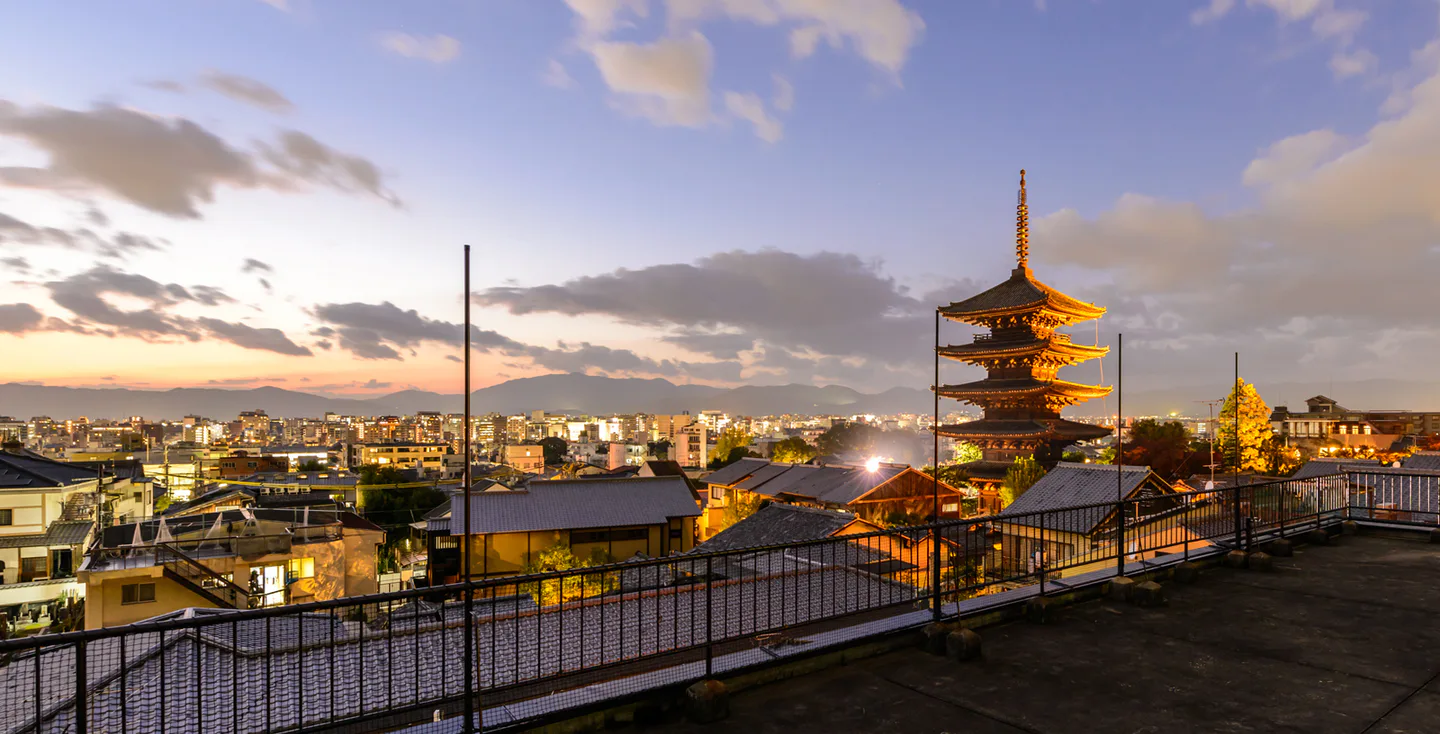
The three-and-three open-jaw week
With Tokyo arrival and Kansai departure, three nights in each city can provide two full Tokyo days, a westbound travel day with part of Kyoto, two more usable Kansai days and a Kyoto-to-airport departure. The pattern makes sense when both cities are essential. It does not provide three full sightseeing days in both places. Day one is an arrival, day four is a hotel move and day seven is a flight day.
Use day one for the Tokyo hotel district; days two and three for an east-side and west-side focus. On day four, travel to Kyoto and see one district after dropping bags. Day five belongs to Kyoto, while day six can be a second Kyoto day or a single outing to Osaka or Nara. Day seven begins with the Kansai Airport route. JR West's HARUKA service connects Kyoto with Kansai Airport without a compulsory Osaka hotel change; the train you need depends on the actual flight time. The Osaka–Kyoto seven-day split and the ten-day Tokyo–Kyoto–Osaka version show how much more room a longer holiday creates.
Kyoto and Osaka can be paired by day without moving hotel, but a late Osaka evening followed by an early Kyoto morning can change the answer. If the trip revolves around USJ and Osaka nights, make Osaka the second base; Kyoto versus Osaka lodging is the relevant decision. A short Osaka–Kyoto plan with USJ illustrates the park-day pressure. A one-day Osaka visit during a Kyoto stay is different from a park-led Osaka stay, and only the latter normally changes where you sleep.
Major outings have to take a real day from the plan
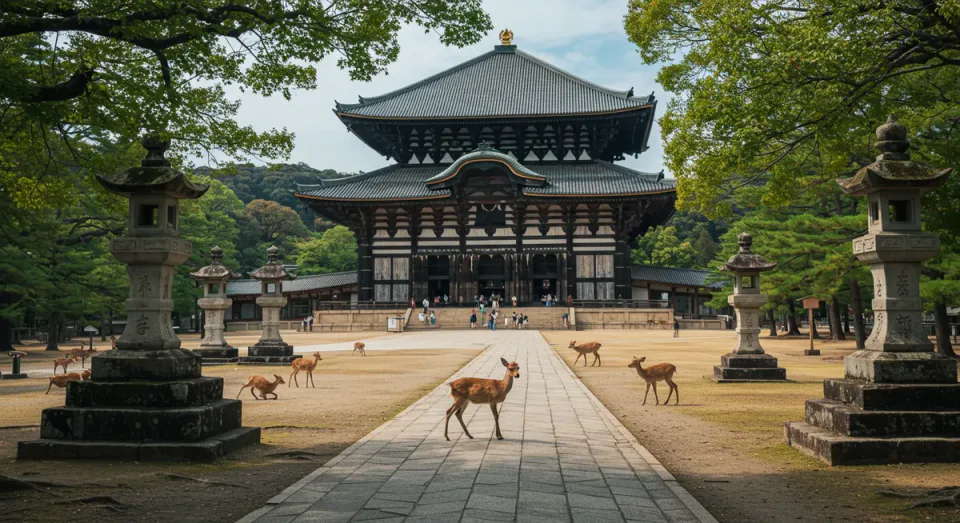
Fuji, Disney, USJ and Nara are not small decorations between base cities. Each uses a day or a large part of one. Deciding what it replaces keeps the itinerary honest. Fuji should usually replace a Tokyo city day, with weather flexibility where possible; Disney needs its own Tokyo day and is a poor prelude to an evening Shinkansen. USJ occupies a full Kansai day and may change the preferred base to Osaka. Nara replaces a Kyoto or Osaka day in a normal first visit, not a hotel night. Hiroshima deserves more than a casual add-on when the week is already compressed.
↔ Scroll table left or right
| Priority | Space to reserve | Common squeeze to avoid |
|---|---|---|
| Fuji or Kawaguchiko | One Tokyo-based day or a planned overnight. | Tacking it onto the Tokyo–Kyoto transfer. |
| Tokyo Disney | A full Tokyo day. | Leaving for Kyoto immediately after the park. |
| USJ | A full Kansai day, often with Osaka as second base. | Calling it an extra after a packed Kyoto day. |
| Nara | A Kyoto- or Osaka-based day trip. | Changing hotel merely to sleep there on a standard first trip. |
| Hiroshima | Prefer a longer trip or a conscious replacement of other priorities. | Adding it to the six-night route without removing anything. |
In an autumn week, foliage timing can change which region is most attractive, but it cannot add hours. The seven-day foliage region guide helps choose the part of Japan before booking the hotel pattern. The Kansai budget route makes the cost of stacking USJ, Kyoto, Nara and Kobe visible. An Osaka couples' week shows how prioritising evenings can change the route without adding hotel moves.
Bags and passes should follow the chosen route
With one cabin bag, a third check-in may be annoying but tolerable. With two large suitcases, every extra base means packing, lifts, station steps, luggage storage and a check-in window. Sending a large bag ahead can reduce the burden on a Tokyo-to-Kyoto day, but it does not return the time spent travelling. If you choose two bases, keep an overnight bag for the forwarding interval and confirm the service's delivery date. Tokyo luggage storage placement helps on a day when forwarding is unnecessary.
The same route-first logic applies to the nationwide JR Pass. A single Tokyo-to-Kyoto journey does not justify adding distant trips so that a pass seems to pay off. Price the journeys you actually want, then compare tickets with any pass. The JR Pass versus tickets calculation and the 14-day JR Pass cost comparison are useful only after the route exists. Train products also have booking and service restrictions that need checking for the travel dates.
A third base can still be rational when the overnight stay is itself the purpose: a resort, an on-site park hotel or a fixed event may deserve that time. A culture-led Kansai week with a Kyoto night is an example of an intentional exception. A third ordinary city hotel added just to say the party slept in Osaka does not offer the same payoff. The Osaka friends' week is especially relevant when several travellers must coordinate every move.
Choose the overnight map before the attraction list
For Tokyo flights in both directions, start with one Tokyo base and give any day trip a genuine day. For Tokyo in and KIX out, use a Tokyo–Kyoto three-and-three split when both cities are central. Put Osaka in the second-base position when USJ and Osaka evenings are more important than waking in Kyoto. For Kansai flights in both directions, consider one Kyoto or Osaka base. These choices keep the travel path aligned with the flights and leave space for weather and energy to change the daily order.
Before reserving hotels, write the flight airports and the one or two non-negotiable experiences on the same page. Count full sightseeing days, then count check-outs. If the plan requires an extra hotel only to fit a place that can be visited from an existing base, compare the cost of that move with the day trip. When the route is settled, compare rooms in the actual destination area—Tokyo hotels around your chosen rail hub for a Tokyo-only week, or Kyoto hotels around your departure route for the open-jaw plan. The airport and evening route should determine the address before a room photograph does.
More one-week route examples
JR Central — Tokaido Shinkansen · JR West — current HARUKA · Tokyo Station vs Shinjuku: Which · Osaka Solo Travel Itinerary: 7 · Osaka Itinerary: 3, 4 or · Best Japan eSIM for Tokyo,