
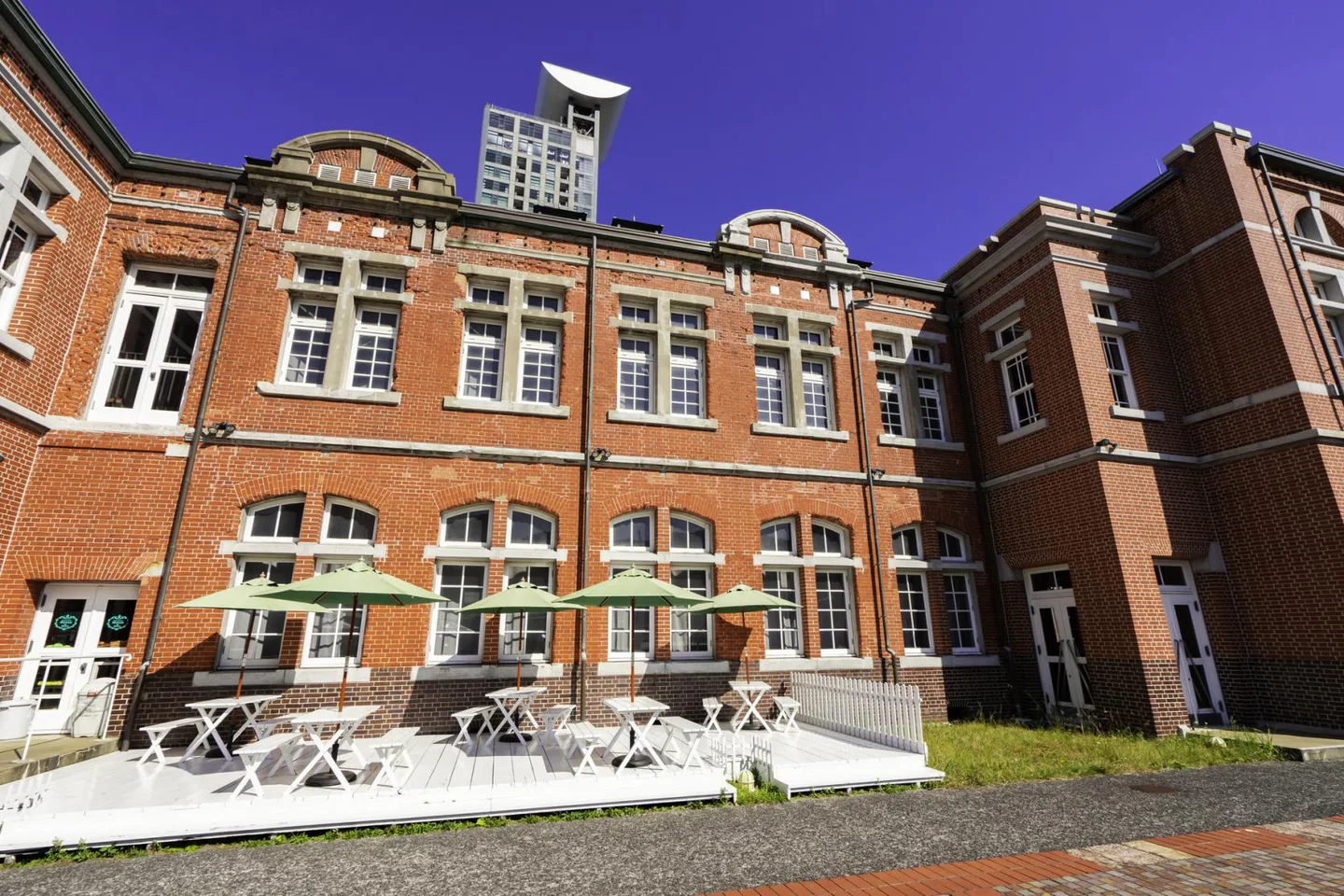
The Mojiko Retro Observation Room is a ¥600 decision about when you arrive, not merely whether 103 metres sounds high enough. A clear midday view shows the Kanmon Bridge, ships and the Shimonoseki shore. Yet the waterfront already gives an enjoyable free look at much of that geography. The ticket gains a distinct purpose when you can watch daylight turn into sunset and then blue hour from the same 31st-floor position. Entering roughly 40–60 minutes before the day's actual sunset is a useful planning window, not an entry rule.
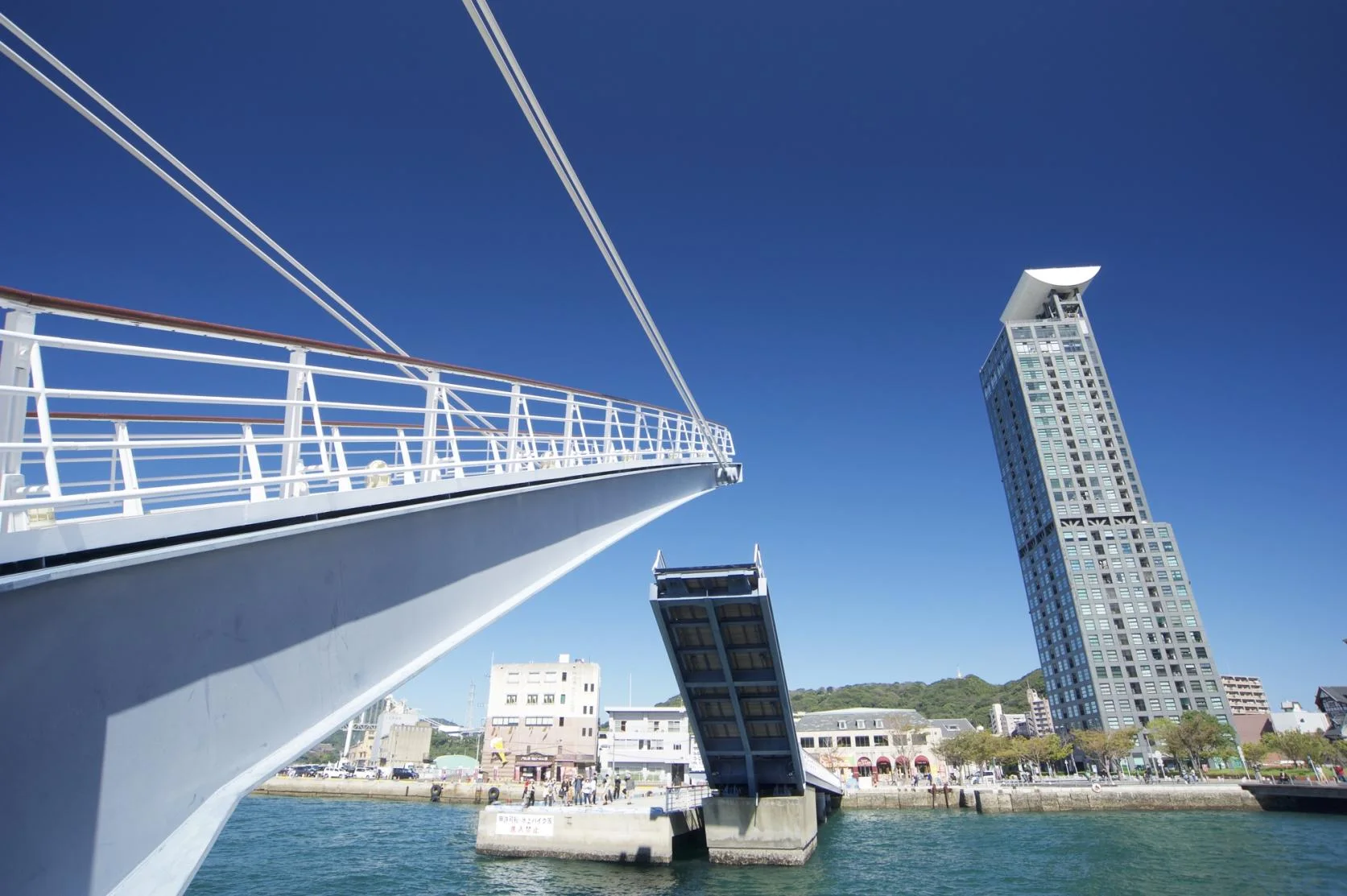
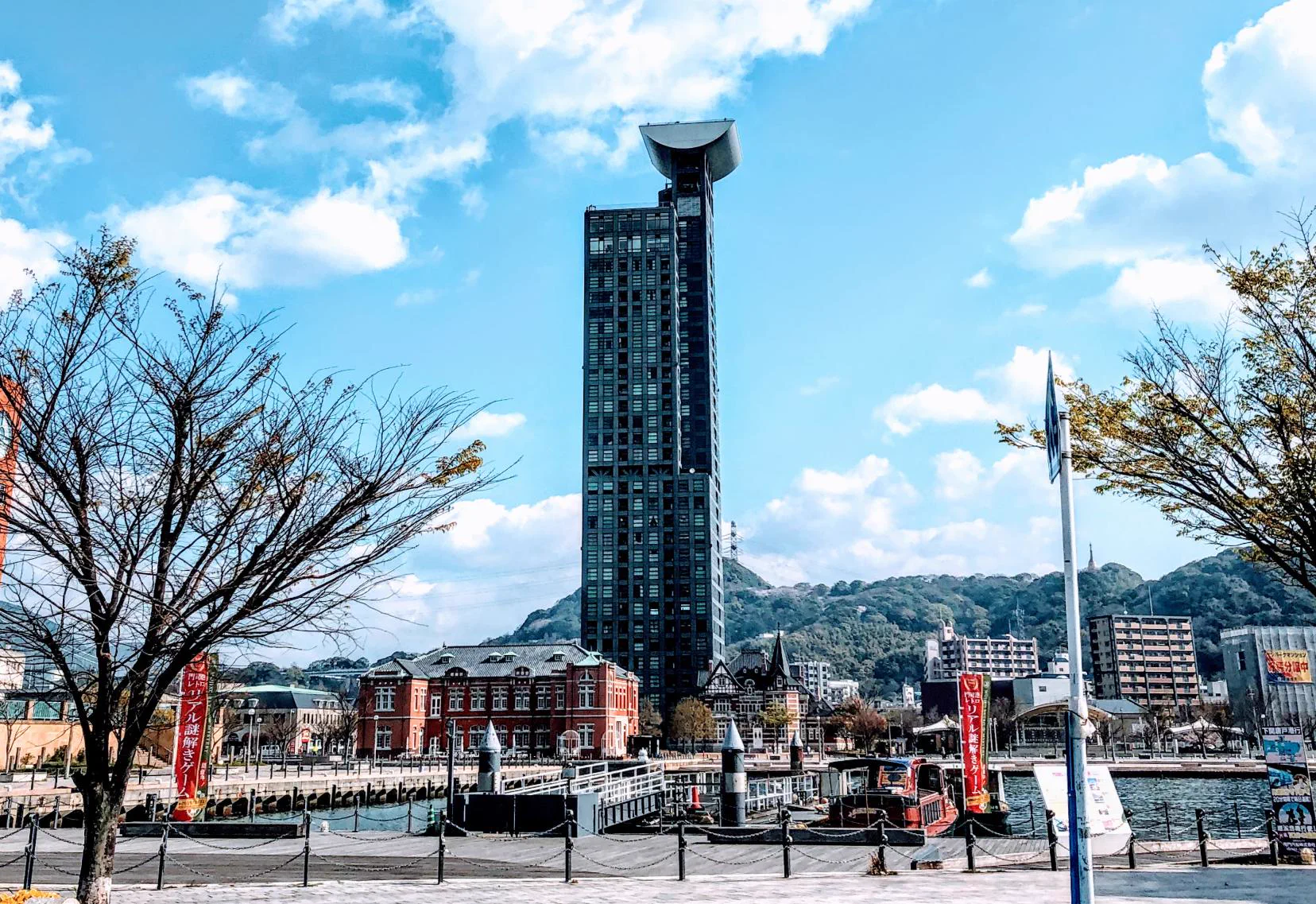
This is a small indoor attraction inside Retro Highmart, designed by Kisho Kurokawa. It is about a 13-minute walk from JR Mojiko Station. If the return train is fixed, include that walk and the elevator in your calculation. A 25-minute detour at noon can be weaker than a free harbour walk, while an unhurried hour near dusk may be the best ending to a Mojiko day. If you cross to Shimonoseki as well, the higher view can help join both shores into a single picture after you have seen them from ground level.
Check the ticket and closing time before choosing a sunset
The current adult ticket is ¥600 and the primary- or middle-school ticket is ¥300. Kitakyushu residents with qualifying proof pay ¥400 as adults. The room opens 10:00–22:00, with last admission at 21:30. The public observation level is on floor 31 at a height of 103 metres. Its café generally runs 10:30–21:30, with the last food or drink order at 21:00. The standard entrance and a special reserved premium-seat product on floor 30 are different purchases; a normal sunset visit does not require the latter.
Maintenance closures are irregular rather than every Tuesday or Monday. The venue currently lists 19 January 2027 as its next closure after the three published 2026 dates have passed. Check the current observation-room listing and date-specific notices shortly before travelling, particularly if a single Mojiko evening is central to the trip. An older brochure may still show the previous ¥300 adult price, and an archived maintenance notice may name a date already in the past. The useful amount to budget now is yen; old USD or TWD conversions should not decide the purchase.
| Visitor | Current admission | Timing that matters |
|---|---|---|
| Adult visitor | ¥600 | 10:00–22:00, last entry 21:30 |
| Primary or middle-school visitor | ¥300 | Allow for the station walk and lift |
| Qualifying adult Kitakyushu resident | ¥400 with proof of residence | Bring qualifying identification to the counter |
| Visitor planning a drink | Admission plus café purchase | Café last order is earlier than observation-room closing |
Sunset turns one admission into several different views
In daylight, you can separate Mojiko's historic buildings, Karato and Shimonoseki across the water, the Kanmon Bridge and vessels threading the channel. As the sun falls, the water changes colour and the shore lights begin to appear. Blue hour preserves enough ambient light to keep the bridge, harbour and buildings distinct in a photograph. Once the exterior becomes fully dark, you gain a stronger night scene but also more reflections in the glass. The same ¥600 ticket can cover that progression if you have time to stay.
The 40–60-minute lead time is a flexible window. On a cloudy day, you might go later if the sky is opening, or skip if the opposite shore has disappeared. If you care most about daylight geography, there is no need to wait for darkness. If you have dinner booked or a Hakata-bound train shortly after sunset, the cost of waiting indoors is lost Mojiko time. The Fukuoka Tower timing comparison illustrates why another tower can be valuable on a different city day without making two towers necessary in one itinerary.
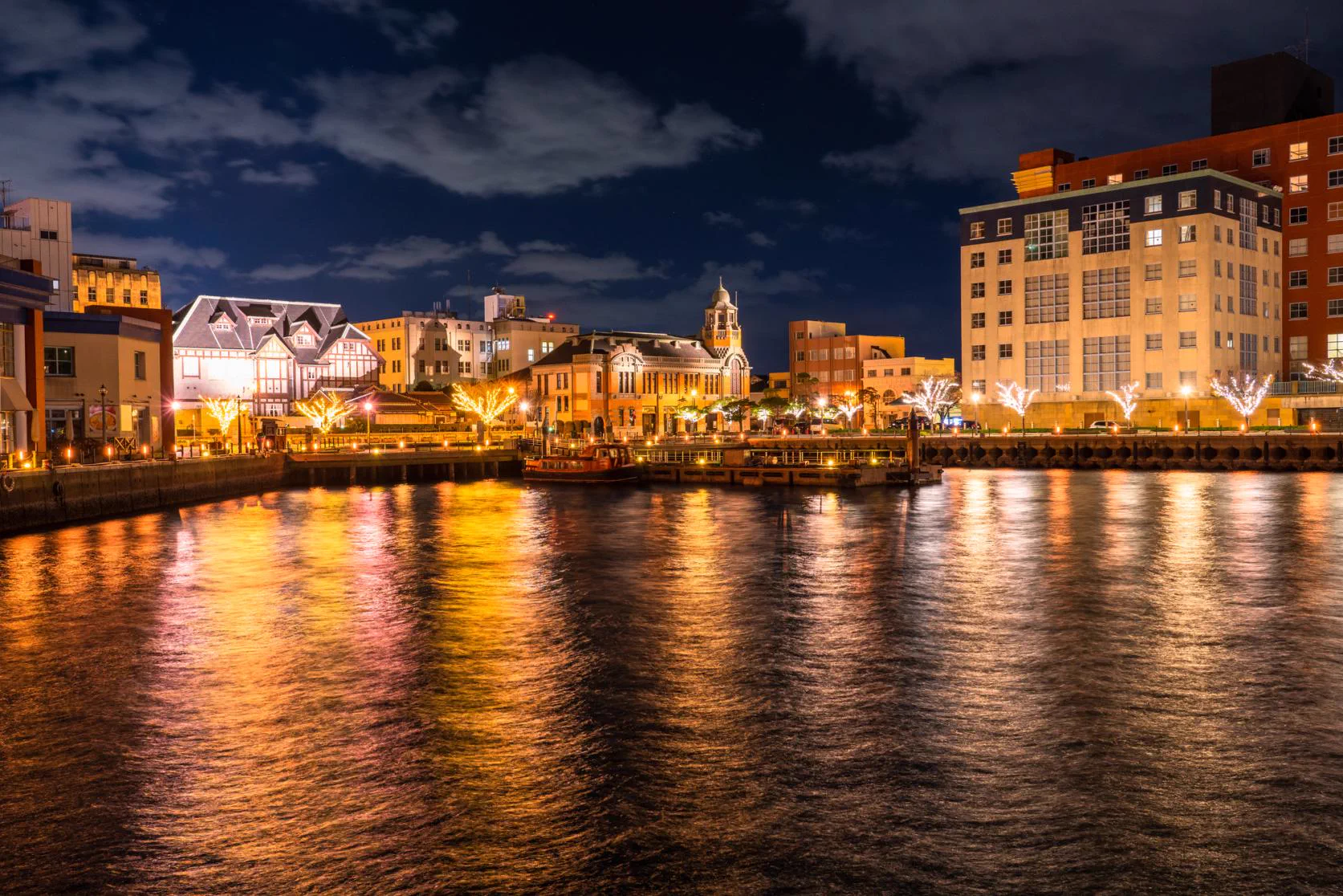
A glass wall is excellent protection from wind or rain, but it changes photography. Keep the phone lens close to the glass, turn the flash off and avoid an interior light directly behind you. A dark jacket can reduce your own reflection. These tactics cannot remove every mark or double image; the easiest exterior light balance is often the period just after sunset rather than full night. If a technically clean night photograph matters more than a comfortable enclosed view, walk the open waterfront instead. The Osaka paid-versus-free night-view guide develops the same trade-off for a larger city skyline.
A two-hour Mojiko stop needs a different answer
Arrive in Mojiko at lunchtime with a return train in two hours and there is little reason to start by paying for a lift. The restored station, historic street frontages, Blue Wing Moji, waterfront and a meal will occupy the short visit. At ground level you can watch boats pass and see the port buildings in their actual setting. The observation room compresses both shores into one frame, but it cannot replace the texture of walking through the district. That difference is why skipping the tower is a real choice, not a consolation prize.
With four or five hours, the balance changes. You can explore the waterfront, cross the strait if the ferry timetable works, return for dinner and use the observation room to make sense of places you have just visited. A short visit after Shimonoseki can be especially satisfying because the opposite shore is no longer an anonymous shape. The Kanmon Strait Museum decision guide handles another possible indoor stop: its paid exhibition explains shipping and port history, while its free spaces may be enough for someone already short of time. If a waterfront activity rather than another indoor ticket sounds better, the Fukuoka river-versus-bay cruise comparison shows how evening water views differ elsewhere in the region.
| Mojiko plan | Observation-room choice | What competes for the same time |
|---|---|---|
| Two or three daylight hours | Usually skip unless you particularly want the high angle | Station district, harbour walk, curry and historic interiors |
| Longer afternoon ending near sunset | Enter when visibility is good and stay through the colour change | Dinner and last practical return transport |
| Mojiko and Shimonoseki in one day | Useful as a final geography overview | Ferry crossing, Karato and a second tower |
| Overnight in Mojiko | Optional; compare with the hotel room's own view | Evening harbour walk without a return-train deadline |
An overnight makes the sunset easier but may also duplicate the panorama. BEB5 Mojiko's harbour-view decision is a useful comparison: a room facing the strait serves a different angle, with more hours to enjoy it. If the room itself is a deliberate view purchase, ask whether a second elevated ticket still adds enough. On a first Fukuoka-based day trip, the Fukuoka stopover guide helps decide whether Mojiko deserves a full afternoon rather than a token add-on.
Compare the three relevant ticket shapes
Buying a bundle makes sense only after the route is decided. The standard observation-room ticket is ¥600. The Kanmon Twin Tower Ticket costs ¥1,150 for an adult and covers this room plus Kaikyo Yume Tower in Shimonoseki; it remains valid for three months from purchase. At current standalone adult prices of ¥600 and ¥750, the combined ticket saves ¥200. That is worthwhile if you already planned both towers, though two high views of the same strait may feel repetitive if your actual aim is Karato Market or a ferry crossing.
The Mojiko Retro Free Pass is ¥1,700 for an adult and covers five paid places: the Kanmon Strait Museum, Kyushu Railway History Museum, Observation Room, second-floor paid area of the Former Moji Mitsui Club, and the Watase Seizo Gallery at the Former Osaka Shosen building. The operator compares it with ¥1,900 in separate admission, a ¥200 saving when you actually use all five. It is valid on the purchase day, unlike the longer-lasting Twin Tower ticket. A day made mostly of free streets, food and one sunset view does not earn that pass. Check the current combined-ticket details before buying because inclusions and terms can change.
| What you already intend to visit | Ticket | Adult cost and limit |
|---|---|---|
| Mojiko high view only | Observation-room admission | ¥600; no bundle to use up |
| Mojiko and Kaikyo Yume towers | Kanmon Twin Tower Ticket | ¥1,150; valid three months, saves ¥200 against separate adult tickets |
| Five listed paid Mojiko sites | Mojiko Retro Free Pass | ¥1,700; same-day use, published separate total ¥1,900 |
Do not add a second tower merely to claim a discount. The saving is smaller than the time and transport costs of crossing between shores if that crossing has no other purpose. The same reasoning applies to the five-site pass: a person who only wants the observation room and railway museum is not helped by paid entries they will not use. For a rail-led Northern Kyushu itinerary, the rail-pass arithmetic guide keeps the much larger transport decision separate from this ¥200 ticket comparison.
Visibility, fatigue and family pace alter the value
Two weather effects pull in opposite directions. Fog or heavy rain can erase the Shimonoseki shore, reducing the geographical benefit of the high viewpoint. Cold, heat or intermittent showers can make an indoor room and café attractive as a rest. Look at the actual visibility before paying. A covered break may still be worthwhile even when photographs are poor, but it should be understood as a comfort choice rather than a guaranteed panorama.
For a family, the lift replaces another walk at the end of a long day, which can matter more than the ticket cost. The same stop can become a poor fit if a child is asleep, dinner is overdue or the group needs to catch a fixed train. Older visitors may value seeing both shores without adding another kilometre along the promenade. Conversely, visitors who enjoy being beside the water may prefer the free waterfront and seats outside. The Fukuoka trip-with-parents hotel guide is relevant when the Mojiko excursion sits inside a larger journey with limited daily walking tolerance.
A seasonal bar or a limited souvenir can change the atmosphere, but it should not become the basis for a future booking. The 2026 Sky Beer Terrace ended on 30 August, and its ¥1,000 entry-and-drink set is no longer a current option. The October 2026 Halloween activities have also passed. The venue has advertised other collaborations, but their dates and inclusion rules belong to their own event pages. Treat the ¥600 base admission and the view as the durable decision; check only the promotion that overlaps your actual date.
Build the evening backwards from your train
Start with the last comfortable train or your dinner booking, then find local sunset for your travel date. Leave about 13 minutes for the walk from the observation-room building to Mojiko Station, plus a margin for getting down, collecting your things and navigating a busy waterfront. Only then decide whether entering 40–60 minutes before sunset allows an unhurried stay. This order prevents the common mistake of watching a pleasant dusk and then sprinting to the platform. The Fukuoka rail and local-pass guide helps when Mojiko is one piece of a longer transport day.
A practical longer-day route begins at Mojiko Station, continues through the historic streets and Blue Wing Moji, and reaches the water in daylight. If Shimonoseki is part of the trip, fit the ferry and Karato visit before committing to a tower on either shore. On returning, check the sky; enter the observation room when both the horizon and your transport clock support it. Leave during blue hour if that is when the balance of view and schedule is best. There is no need to stay until 22:00 solely because the building is open. If an overnight removes the last-train problem, compare the Hakata-versus-Tenjin base decision with a night in Mojiko before making the day trip longer than it wants to be. The Fukuoka food-trip base guide helps if your evening meal back in the city determines how late the Mojiko visit can run.
Staying close to the water also changes what you need to buy. Compare actual properties around the station, port and observation-room building on the Mojiko waterfront accommodation map. A hotel near the station helps an early departure; a harbour-facing room can replace some of the urge for a second paid night view. For a shorter Fukuoka stay, the two-, three- and four-day Fukuoka plan helps decide whether Mojiko gets the time required for sunset at all.
When the free waterfront is the better finish
Keep the ¥600 if only 20–30 minutes remain at midday, if mist has removed the opposite shore, if the station walk is already tight, or if another chosen viewpoint serves the same role. The free harbour has an advantage the glassed-in room cannot provide: you can change position, follow the ships and see the historic buildings at street scale. What you surrender is the high-angle compression of Kyushu, Honshu, bridge and moving traffic in one frame. That is an informed trade, not a failed version of Mojiko.
When the horizon is clear and you can spend roughly an hour across sunset, the observation room has a more specific job than a generic tower ticket. It gives a sheltered view of the same strait in daylight, colour transition and early night. Buy it for that sequence or for a useful indoor rest. If the trip cannot support either, walk the waterfront and leave the high view for another visit.