
A three-day Osaka stay can feel complete or oddly empty depending on what those days are allowed to do. With three full sightseeing days, give Osaka two coherent city days and spend the third on USJ, Kaiyukan or a day trip. Four full days leave a clean opening for Kyoto after that core. Five days are most useful when the extra day can absorb rain, a tiring park visit or shopping that runs late; Kobe is then a choice, not an automatic fifth assignment. Count full days separately from hotel nights before adding anything else.
The arithmetic is the main itinerary tool. A late KIX arrival is an evening, not a sightseeing day; an early outbound flight is not another day either. Assign one large commitment to each real day, then decide which Osaka neighbourhoods can fit around it. If your list is still long, group Osaka attractions by area. For a base that fits those returns, choose among Namba, Umeda, Universal City and Shin-Osaka before booking every night.
↔ Scroll table left or right
Full Osaka days | A workable starting structure | What the added day can do | First thing to remove if the plan is crowded |
Three | Two city days, then USJ, Bay Area or one excursion | One clear major priority | Kyoto if USJ is fixed and Osaka depth is the goal. |
Four | Two city days, one anchor and one decision day | Kyoto, Kobe, Kaiyukan or a slower Osaka day | The least distinctive extra district, not meals and rest. |
Five | Two city days, an anchor, one excursion and a buffer | Weather recovery or a second excursion | The automatic second day trip if it would consume the buffer. |
A full day begins and ends in the city
Hotel nights measure accommodation, not usable sightseeing capacity. A full day in this comparison begins with a normal morning in Osaka and has no fixed airport or intercity departure cutting the afternoon. Arrival and departure fragments can still be pleasant, but they should carry short, nearby stops. A five-night stay with a late check-in and early exit may leave only four genuinely full days.
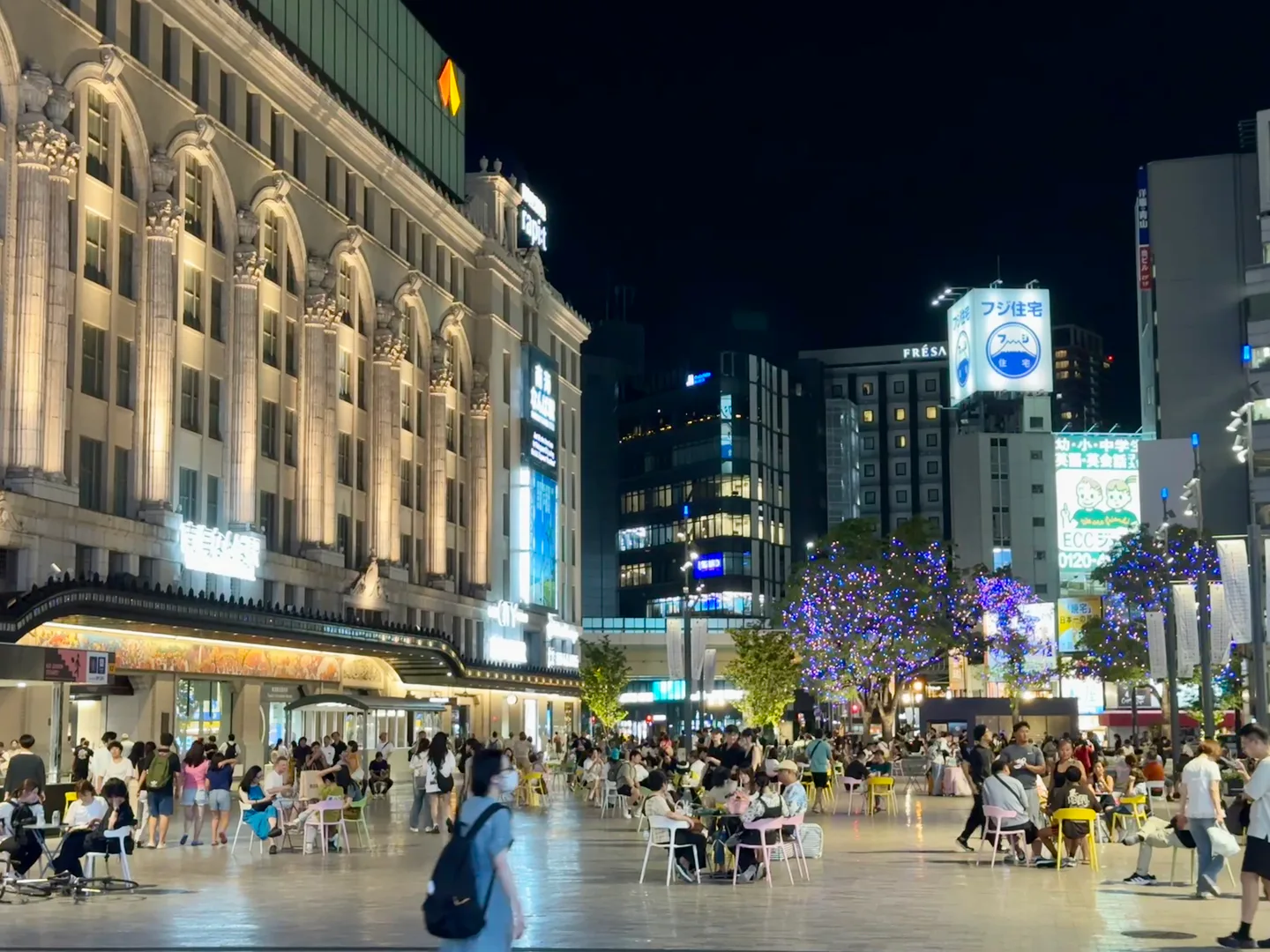
An arrival evening can be a Dotonbori meal, an easy Shinsaibashi walk or dinner near an Umeda hotel. It should not be asked to carry a hard-entry attraction after immigration, bags, the airport journey and check-in. A departure morning can hold breakfast and shopping near stored luggage. If it sends you across Osaka and back before a flight, the apparent spare time disappears into transport. KIX to Osaka by hotel district helps set that first and last route.
Before assigning a single attraction, mark the calendar in this order:
Mark every date as a full day, an arrival fragment or a departure fragment.
Give fixed heavy commitments such as USJ or Kyoto their own full days.
Count the full days left for Osaka neighbourhoods.
Add optional districts, passes and extra excursions only within that real capacity.
If the arrival route is unresolved, fix that first. A train can be quick to Osaka but leave you with a second journey to the hotel. The KIX-to-Osaka route comparison makes that difference visible before you promise a timed evening ticket to a day with flight delays.
Two Osaka city days form the first-visit core
For a trip meant to be about Osaka, reserve two days that can follow neighbourhoods instead of isolated pins. This is a planning judgment, not a transport rule: Osaka has enough distinct south and north/east areas that one late-night Dotonbori visit is not a substitute for a city day. A Kansai sampler can deliberately choose one Osaka day, but its priority is different. The seven-day Kansai one-base route shows how that broader regional trip works.
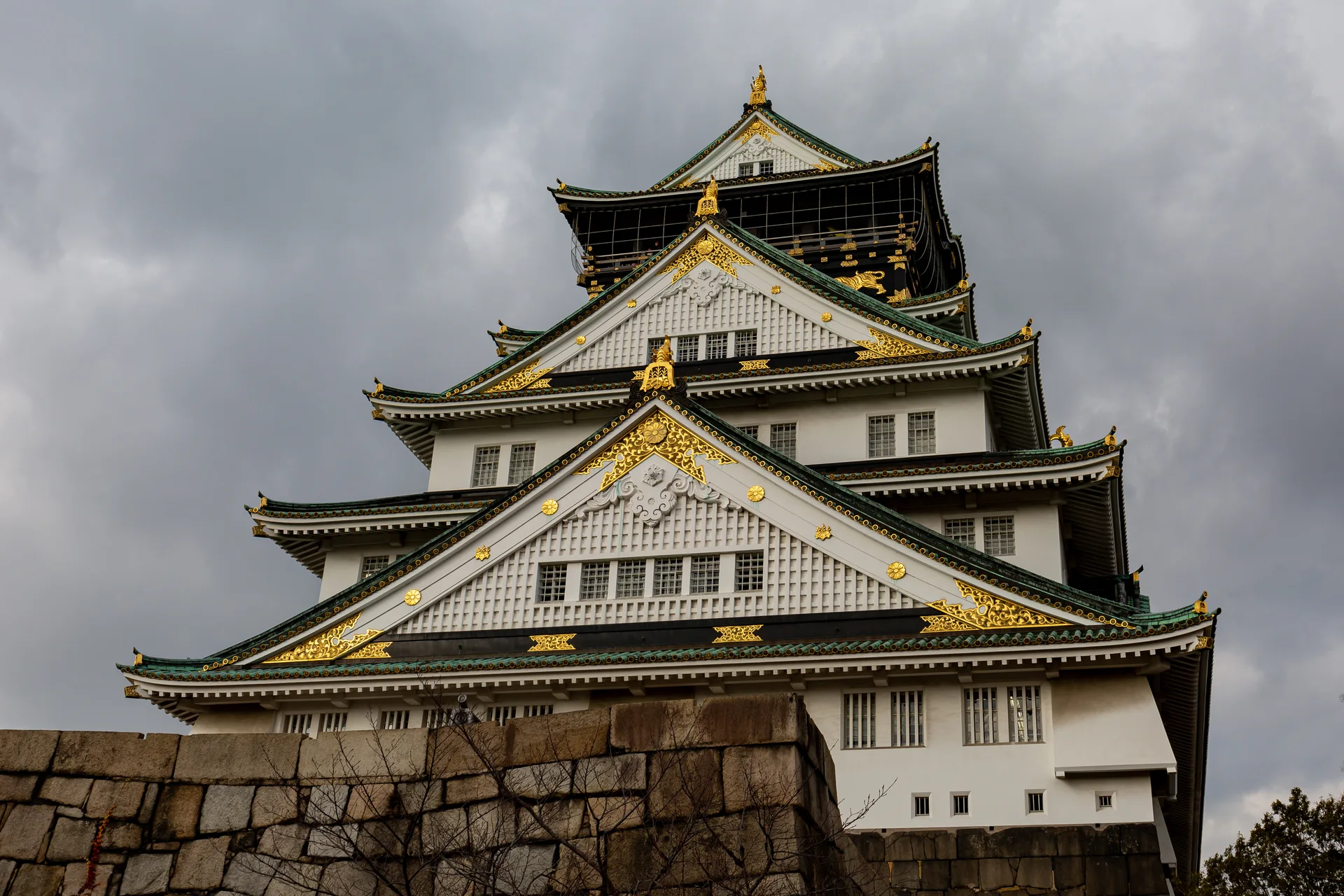
One city day can move through Namba, Kuromon, Shinsaibashi and Dotonbori, adding Shinsekai or Tennoji only if the route and energy allow. The other can pair Osaka Castle with Umeda and one skyline or shopping stop. These are spines, not orders to visit every named place. The south gives time for food and the evening streets; the north/east day gives the castle daylight and an easier Umeda night. A five-day route without backtracking provides a more detailed district grouping.
When Kyoto and USJ are the true reasons for flying to Kansai, one Osaka day may be enough for your own priorities. A three-day plan of Osaka, USJ and Kyoto is coherent if it is described honestly as a sampler. It cannot also contain two complete Osaka days by using the evenings three times. The four-day Osaka-and-Kyoto test develops this trade-off for travellers who can add another day.
One large commitment belongs to each day
USJ can own a day because attraction waits and area-entry controls change the time you need. Kyoto is a full excursion because temples and historic neighbourhoods consume daylight beyond the train ride. Kaiyukan and Tempozan can be a Bay Area block. Osaka Castle with Umeda is a city spine, whereas trying to bolt the castle onto a Kyoto afternoon creates an unnecessary return across the region. Osaka attraction clusters help with the smaller additions.
Put the largest fixed activity on the day first. Add one nearby or low-risk stop only when it follows naturally. A plan that gives USJ, Dotonbori and an Umeda observation deck equal billing assumes unlimited evening energy. A Kyoto day followed by Osaka Castle and serious Shinsaibashi shopping has the same problem. The map may allow the trains, but the visit loses meals, rest and the freedom to stay longer where it is working.
A Dotonbori supper after USJ is fine when everyone is still awake. It is a bonus, not the only slot for south Osaka if street food and nightlife are central reasons for the trip. The one-day versus two-day USJ hotel question becomes relevant if park time repeatedly consumes the evenings too.
Three full days: which place takes the third?
An Osaka-first trip
Day one can follow the southern neighbourhoods, day two Osaka Castle and Umeda. Choose the third around one major interest: USJ, Kaiyukan/Tempozan, Kyoto, Kobe or another excursion. That ordering gives Osaka at least one complete evening in each broad part of the city. It also makes the cost of a distant third day explicit. Kyoto, Nara, Kobe and Himeji from Osaka can help choose just one.
The advantage is a city visit that does not shrink to a tired return after rail day trips. But if Kyoto is the reason you came, using the third day on Kaiyukan because it happens to be in Osaka would protect the wrong priority. Pick the excursion that matters most, then keep the two Osaka days only if the trip is genuinely Osaka-led.
When USJ is fixed
Most first-time groups who insist on USJ should give it one full day and use the other two for Osaka. SUPER NINTENDO WORLD entry may require advance or same-day area timed entry, or standby entry depending on conditions. Since 5 January 2026, the USJ app has been required to obtain same-day Area Timed Entry and Standby Entry tickets. Some Express Pass products assign attraction times as well. USJ Express Pass value by date is best assessed after the actual park date is known.
Kyoto can replace one Osaka day if its temples and streets matter more. Do not then count two Dotonbori dinners as the missing city day. A three-day USJ-plus-Kyoto plan is a regional sample with one Osaka day. Osaka and Kyoto with USJ over four days shows what one added full day changes.
A three-day Kansai sampler
Allocate Osaka, USJ and Kyoto one full day each. This can be a satisfying introduction when breadth is intentional. It is less useful when the traveller expects slow food evenings in multiple Osaka districts or an aquarium visit too. The Osaka hotel may remain the same every night, but the city itself gets one true sightseeing day. A Kansai one-hotel week explores the same base logic at a longer length.
The train to Kyoto is not the only cost. Kyoto takes one of three limited daylight-and-energy blocks. If you want it for a temple district rather than a token photograph, reserve the whole day. Osaka and Kyoto in four days with USJ narrows the sacrifice when a fourth day is available.
Four days permit Kyoto without hollowing out Osaka
Two coherent Osaka days, one major anchor and one decision day fit inside four full days. For a first trip that includes USJ, the fourth slot can be Kyoto without asking every Osaka evening to make up for lost daylight. If USJ is absent, Kyoto may become the first excursion and the remaining slot can stay flexible. This is a structure to adjust around interests, not an instruction that every four-day visitor must leave town.

With USJ, keep the south and north/east Osaka days separate, spend a full day at the park and decide whether the last day goes to Kyoto, Kobe, Kaiyukan or a slower city activity. Kyoto brings the strongest change in historical streets and temples; Kaiyukan remains within Osaka and can be gentler in wet weather. The aquarium's timed-entry and luggage rules matter if it wins that last day.
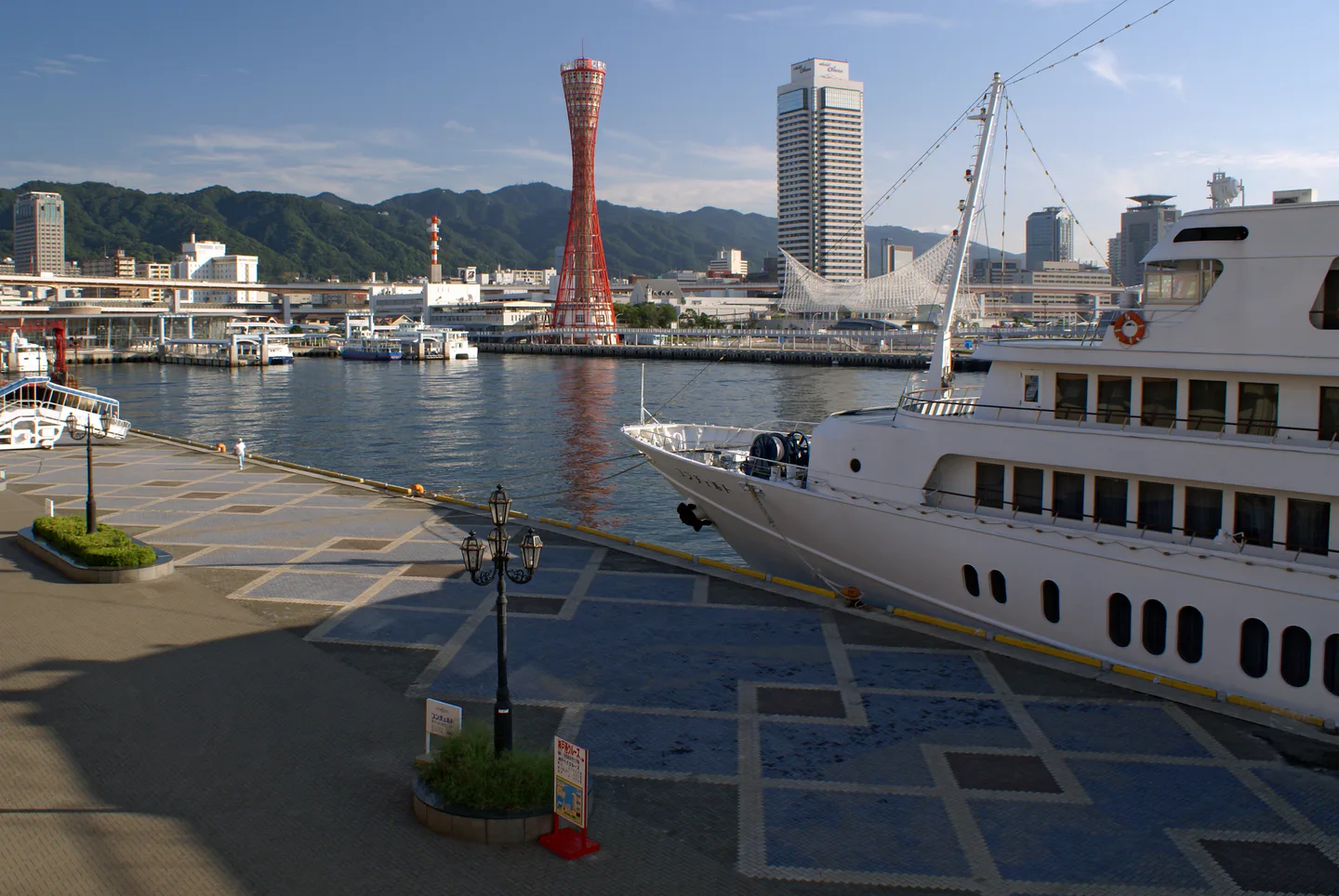
Without USJ, a first Kansai visit often gives Kyoto the first day-trip slot because its historic neighbourhoods differ sharply from Osaka's city days. Kobe is a looser waterfront and dining choice, especially for a repeat visitor. Neither should be chosen solely because a timetable shows a short train ride. The Osaka day-trip comparison weighs the time spent after the station too.
A family or multigenerational party can use day four to remove morning pressure rather than add another city. Frequent early starts and assumed late nights are a cost even when trains make every place reachable. Osaka with parents over seven days addresses the same question at a slower overall pace.
Five days make room for something to go wrong
The fifth full day is useful partly because it need not be assigned before the trip. Rain can move an outdoor district; fatigue after USJ can take a morning; a timed attraction can sell out; shopping can absorb the afternoon you expected to spend elsewhere. A buffer lets one such change stay local instead of shifting every later day. It can become Kobe or another excursion when the first four days are still healthy.
A practical starting shape is:
Two Osaka city days with a south and a north/east route.
One full USJ or Kaiyukan/Bay Area day.
One complete excursion, such as Kyoto, if it belongs in the trip.
One day left flexible for weather, fatigue or a worthwhile second destination.
Booking Kobe as the fifth day at the same moment as flights may be right if Kobe is the point of the trip. Otherwise keep the option open. A heavy USJ day, rainy Kaiyukan alternative or group that enjoys Umeda shopping can all use that space. If the day remains free and the weather is good, Kyoto, Nara, Kobe and Himeji from Osaka offers a way to choose a second excursion without pretending it was free.
Kyoto and Kobe can both fit, but Osaka becomes the base
Two out-of-city days within five leave three days inside Osaka. If one of those three is USJ, the city itself again has two full days. That is still a valid itinerary, and it is more robust than trying both excursions in four days. It is also a Kansai-base trip, with Osaka doing transport and hotel work for the region. Osaka hotels for Kyoto and Kobe rail days helps judge the repeated station approach.
A second excursion makes most sense if you have seen Osaka before, value that destination more than a relaxed city day, or leave the fifth slot open until weather and energy are clear. If both Kyoto and Kobe are fixed from the start, arrange the Osaka districts around those rail days and protect a real evening or two rather than allowing each return to become an overstuffed catch-up session.
Kyoto, Nara, Kobe and Himeji compared from Osaka asks what happens after the train. The right extra destination is the one whose streets, sights and food are worth its entire day, not simply the one with the lowest rail time. A five-day party with USJ and Kyoto already booked may choose a free Osaka day instead.
Keep airport fragments close to the hotel
Namba can turn a late arrival into a nearby Shinsaibashi or Dotonbori dinner. Umeda can do the same for north-side shopping and food. Neither requires a cross-city timed booking after the flight. The exact district follows the hotel, but the principle is consistent: make the delay-sensitive evening easy to shorten. Namba versus Umeda for a stay is useful once the day-trip pattern is known.
On departure day, luggage collection and the airport route should point in the same direction. Crossing Osaka for one final attraction and doubling back for cases can erase the apparent value of a free morning. If a last-night hotel change is tempting, the early-flight or late-arrival KIX hotel move tests when the move helps. KIX rail options by hotel door handles the underlying journey.
Kaiyukan needs a planned Bay Area block
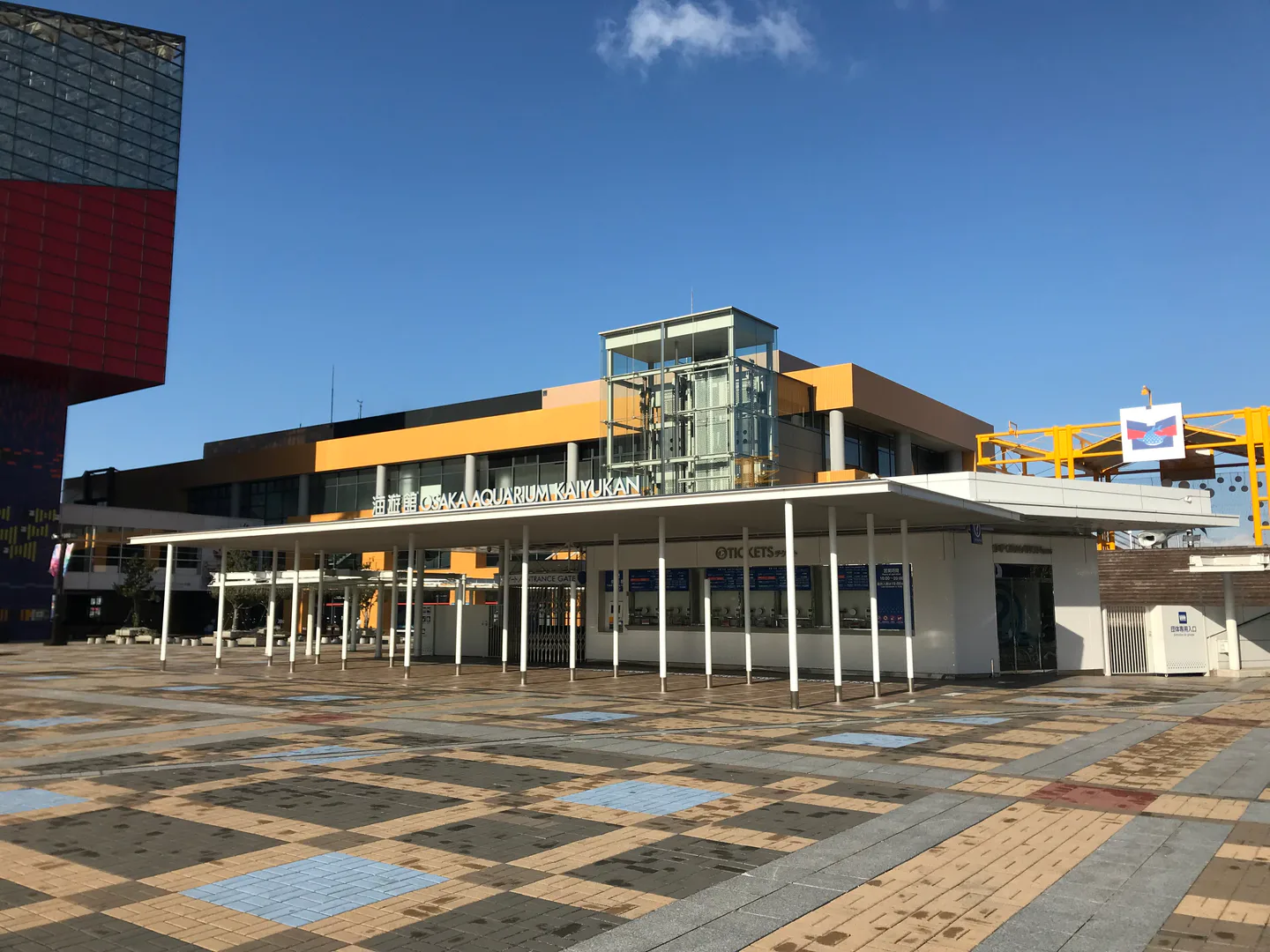
Kaiyukan sells tickets for a chosen date and entry time. It ended re-entry on 15 June 2026 and introduced tighter limits on large carry cases and carts that April. A checkout-day plan that assumes you can bring suitcases through the aquarium, break for lunch and enter again is therefore wrong. Check the permitted bag size and store luggage before travelling to Tempozan. The Kaiyukan timing guide treats these constraints as part of the visit.
Give the Bay Area enough time for the aquarium and perhaps one nearby stop, rather than using it as a luggage-day improvisation. It can be a rainy-day substitute only if tickets remain available for a workable time. A date-specific attraction cannot function as a guaranteed same-day escape from weather. Osaka's district grouping shows where Tempozan sits relative to other plans.
Kaiyukan's timed tickets and two-hour versus later visit is the next decision if the aquarium takes your heavy day. Its last admission, bag rules and no-re-entry policy matter more than squeezing another paid attraction into the same block.
Aquarium tickets: compare the date-specific Kaiyukan option after deciding which Bay Area day is usable.
USJ takes its own full day
USJ's opening time, ride availability and admission to SUPER NINTENDO WORLD can change by date. Entry to that area may need an advance timed ticket or a same-day Area Timed Entry or Standby Entry ticket. The same-day options have required the USJ app since 5 January 2026. Express Pass products can also assign entry times, so build the day from the chosen date and ticket terms. The USJ Express Pass decision is useful only after the must-do rides are known.
Treat Namba dinner as optional after the park. A non-refundable central-Osaka meal, another timed attraction and a long shopping list can turn one good park day into a sequence of late arrivals. If the group wants two consecutive USJ days, whether to move to Universal City becomes a stronger hotel question than it is for one park day.
USJ Express Pass costs and ride certainty depends on the visit date and must-do attractions. Save the decision until those are chosen; an Express Pass with time windows also shapes the rest of the park day.
USJ tickets: check current choices for the park date, then confirm any area-entry or timed-attraction terms on the selected product.
Price the Amazing Pass against the actual route
The standard 2026–27 Osaka Amazing Pass is listed at ¥3,500 for one day and ¥5,000 for two consecutive days. It is a calendar-day product, not a rolling 24- or 48-hour entitlement; the digital validity definition runs 03:00 to 02:59 the next day. That distinction matters when a traveller imagines activating it late afternoon and using it through the following evening. The pass only helps when the participating transport and attractions are already in the plan.
Put the city route on paper first. A day with several included attractions may justify the pass, while a food-and-shopping Namba day often will not. Adding a cruise or observation deck purely to reach a break-even figure spends time that could have stayed with the experience you actually wanted. Amazing Pass value versus effort makes the arithmetic and route trade explicit.
One-day versus two-day pass routing can group paid stops once you know the city days. The pass cannot rescue a schedule that sends you between unrelated districts to collect included admissions. It is a last purchase decision, not the first itinerary decision.
Pass tickets: compare the one- and two-day options after identifying the paid sights on the same day.
The hotel should shorten journeys you repeat
Namba helps when Dotonbori, Shinsaibashi, late food and KIX access shape most nights. Umeda grows more useful when Kyoto, Kobe or Shin-Osaka departures repeat over four or five days. Universal City can make sense for two consecutive park days, while changing the whole hotel plan for a single USJ day deserves a separate calculation. Osaka areas by the last stop of each day is the starting framework.
Count where mornings start, where evenings end and which transfer occurs repeatedly. Then use Namba versus Umeda for the narrower decision, or the wider Osaka stay guide if Universal City and Shin-Osaka are also plausible. Station-approach costs on Kyoto and Kobe days become relevant to a regional-base itinerary.
For a Namba-heavy trip, compare the named room and rate at Swissôtel against other Namba options; Swissôtel's station access trade-off gives the hotel question more detail.
For an Umeda-heavy trip, check Intergate's room type and the route to the train you will use most; Umeda station-area hotel choices helps compare that with the neighbouring options.
Compare Osaka stays for this route after deciding which district you will return to on the most nights.
Where short Osaka plans most often lose time
Treating late arrivals and early departures as full sightseeing days.
Assigning USJ or Kyoto a second large commitment in the same afternoon or evening.
Calling a nearby rail destination free when the visit uses an entire daylight block.
Filling the fifth-day buffer before seeing how the first four days work.
Buying an attraction pass before the city route and making the ticket choose your stops.
What three, four and five full days can reasonably carry
Three full days give a first Osaka trip two city days and one heavy choice. If both USJ and Kyoto are non-negotiable, let Osaka have one full day and call the itinerary a Kansai sampler. This avoids pretending the missing city time will appear after every park or temple day.
Four full days support two Osaka days, USJ and Kyoto without turning all evenings into catch-up time. If USJ is absent, that freed day can go to a slower Osaka experience, Kaiyukan, Kobe or another day trip. Kyoto versus other Osaka excursions helps assign it deliberately.
Five full days add resilience. Keep the fifth movable until the weather, tickets and group's energy are clear, unless a second excursion is the core reason for travelling. Kobe can be a rewarding choice, but a buffer for a long USJ day or a rain-shifted aquarium may do more for this particular trip.
The extra day changes the trip's shape
Three days force a choice between Osaka depth and Kansai breadth. Four days can support an Osaka core plus two large additions. Five days can keep those additions and still leave room for a delayed train, rain, exhaustion or a favourite neighbourhood that deserves more time. Counting attractions does not show this; counting full days and what each is allowed to replace does.
On a first Osaka-led trip, two city days make a reliable foundation. Replace one when Kyoto or USJ matters more, but recognise what that decision takes from Osaka. Buy timed tickets and passes only after the route has survived that test. A fuller five-day Osaka layout can supply day-by-day detail once this capacity decision is settled.
Ticket and accommodation links in this guide may earn the site a commission if a qualifying booking is completed; the itinerary choice should be made before purchasing.