
Travelling alone through Osaka for a week makes small decisions cheaper in time: you can eat when hungry, leave Nara when you have seen enough, or change a rain-soaked Kobe day without a group vote. It also makes extra purchases dangerously easy. A second night view, another scheduled class and a taxi back from a late meal each look minor until the seven days are full of commitments. This route uses the freedom to stop. It keeps one Osaka hotel, dedicated days for USJ, Kyoto, Nara and Kobe, and a final day whose job is to respond to the week you actually had.
The week is not an order to spend every evening out. Day 1 establishes the airport-to-hotel and late-return route. Day 2 groups Osaka Castle with the north/river side and one optional cultural slot. Day 3 belongs to USJ. Kyoto, Nara and Kobe each get a separate day; the last can go to Kaiyukan, missed neighbourhoods or laundry and a long meal. Single Rider can change USJ costs, and a solo diner can change lunch without negotiation. Neither advantage makes transfers, ticket windows or fatigue disappear.
Give each day one anchor that would make it worthwhile by itself. A Kyoto sword class can replace part of a sightseeing afternoon. A successful USJ visit can end before closing. Nara Park and Todai-ji can be enough without a second paid stop. The smaller decisions then become easier: continue only when the next place genuinely adds something, not because the calendar still has a blank hour.
The seven-day route at a glance
Use one Osaka hotel unless an unusual early departure or repeated late-night zone gives a clear reason to move. Keep USJ as the obvious high-spend day, but compare an Express Pass against your actual ride list and the Single Rider lines in operation. Kyoto, Nara and Kobe need their own daylight blocks. One or two structured culture or social experiences can break decision fatigue; daily bookings would remove the useful freedom of travelling alone. At night, an easy meal close to the hotel often beats one more cross-city ride.
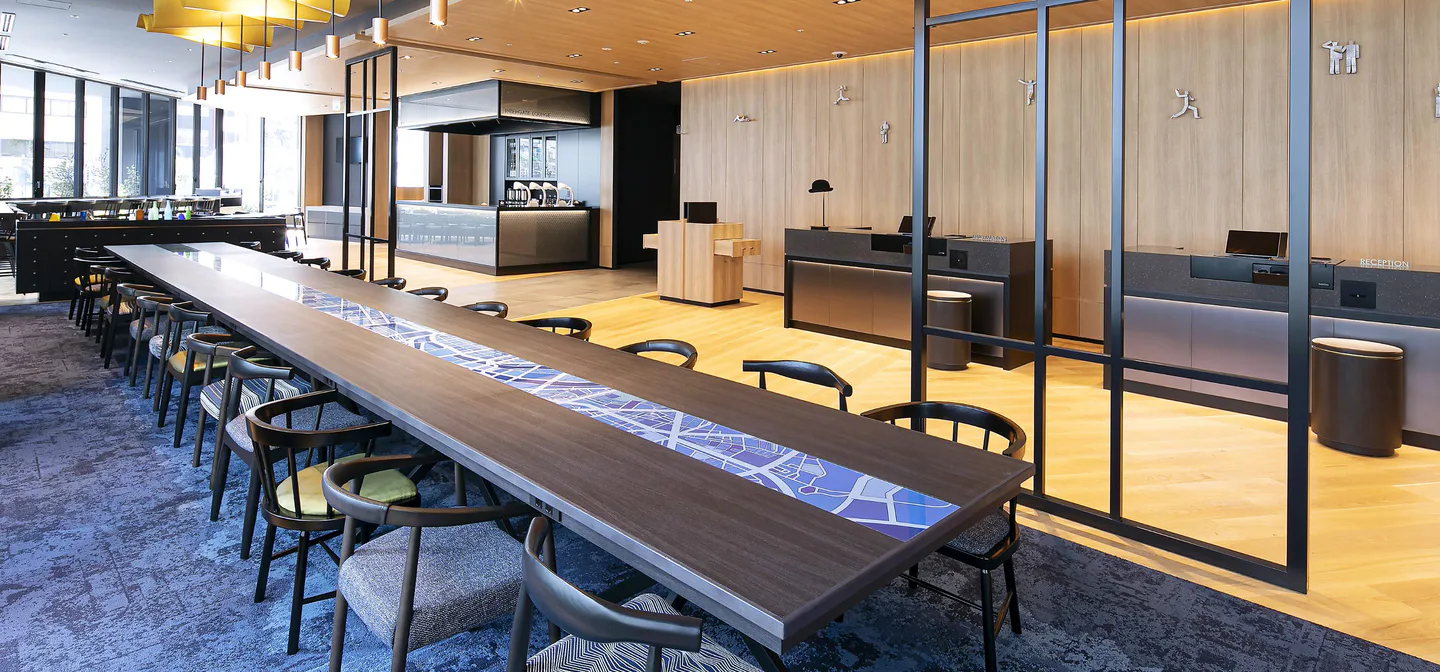
A solo room can be small if the station exit, last walk, laundry and a place for one open suitcase all work. Osaka solo hotels by late-return friction addresses those details. If the choice is still between districts, Namba versus Umeda should precede comparing a ¥500 nightly difference that may cost a transfer on six evenings.
Solo savings come from choosing only your own priorities
A group can end up buying the observation deck, cruise and set meal because different people want different things and separating feels awkward. Alone, you can spend on the one experience that changes your day and walk past the rest. That is a real budget advantage, but it is not visible in a hotel-room price. The other side is impulse: without a companion questioning the next booking, a traveller can recreate the same overspending one click at a time.
For this week, set a working limit of three optional upgrade functions: Express if it protects specific USJ goals; one paid high view if you want it more than a free harbour or street-level night; and one culture or performance slot such as HIRAKUZA or a Kyoto class. You need not buy all three. A fourth premium booking should replace one of the others. An Osaka week built around premium experiences is useful if splurges are the trip's actual premise.
Day 1 — KIX arrival and a simple first evening
Learn the last stretch to the hotel while you are rested
The fastest advertised airport train may still deliver you to the wrong side of a large station for your room. Namba, Umeda and Tennoji have different exits and final walks, and a route that is tolerable once with luggage can become an annoyance after Kyoto or a long park day. Alone you handle the phone, bags and navigation together. Kansai Airport to the Osaka hotel door makes the whole arrival journey the unit of comparison.
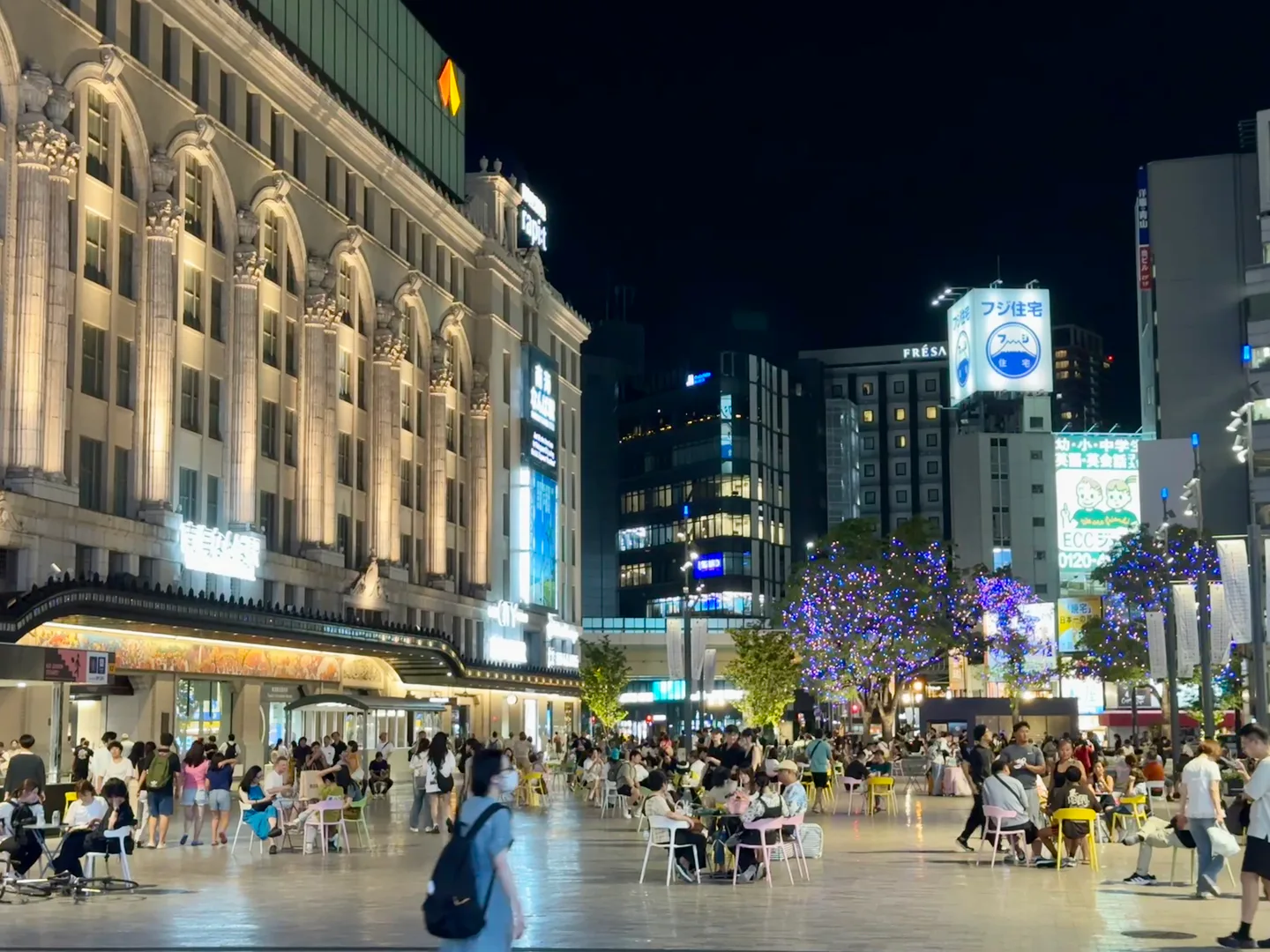
After check-in, locate the station entrance you will use at night, a simple dinner option and a convenience store. Walk the final route once before it is late. That knowledge will be used repeatedly; a timed arrival-night attraction may be lost to immigration, baggage or a delayed flight. If the schedule does open up, enjoy a short Namba or Umeda walk and return when you want. A three-to-five-day Osaka structure shows how much a genuine full day differs from an arrival fragment.
Dinner alone needs less research than you think
Counter seats and casual ramen, curry, sushi and donburi shops make Osaka an easy place to feed one person. The problem is often spending an exhausted hour looking for a restaurant that seems suitable for solo dining. On arrival night, decide from the food and queue in front of you. Save advance meal research for two or three meals you actively want to make part of the week. The rest can stay convenient without becoming careless.
Day 2 — Osaka Castle, the river districts and one scheduled slot
Follow the map before considering a transport pass
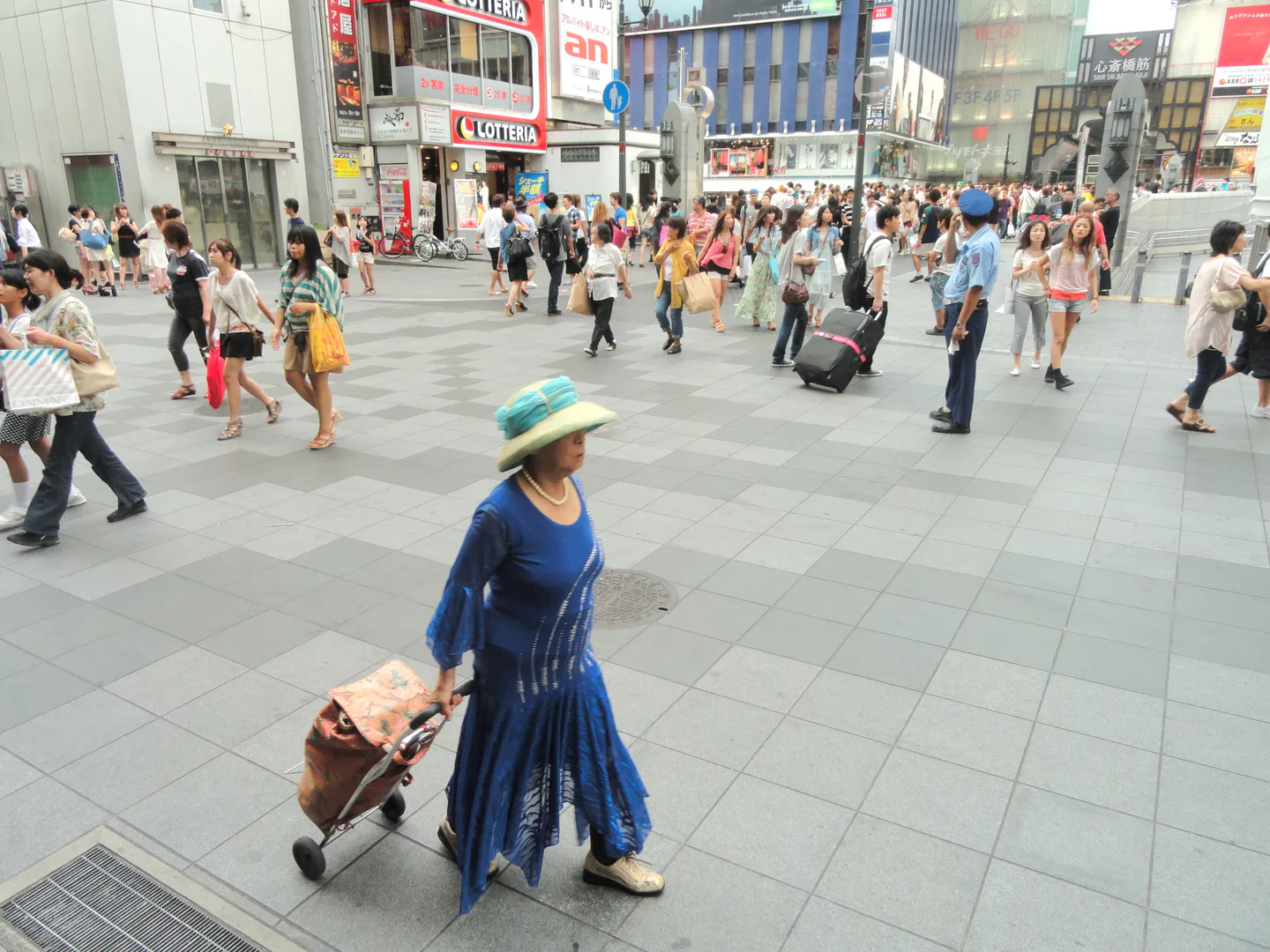
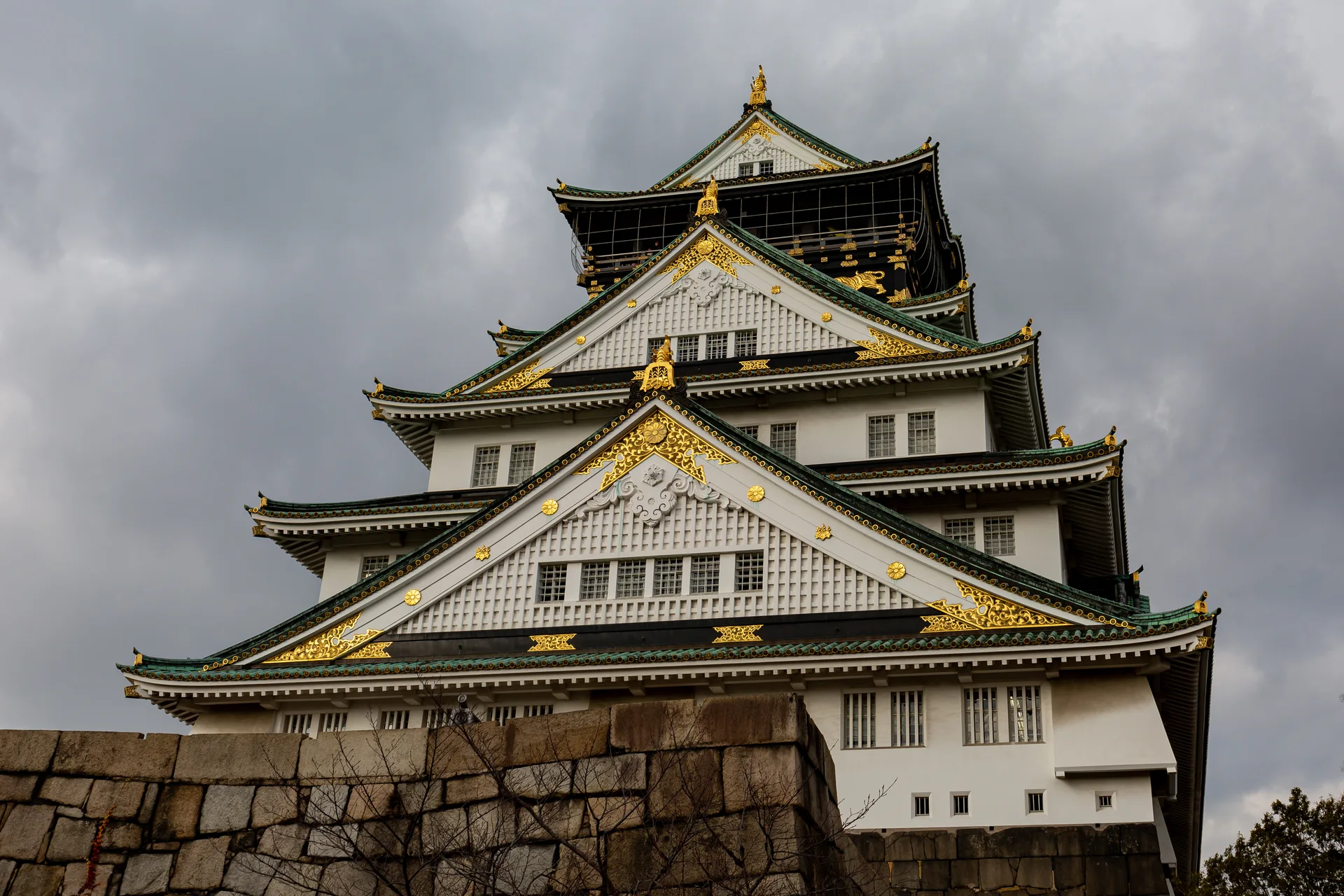
Begin at Osaka Castle Park and decide whether entering the Main Tower is part of your interest or whether the exterior and grounds suffice. Continue toward Nakanoshima, Kitahama or Umeda instead of racing south and then back north. Walking alone may shorten pauses, but it does not shorten railway distance. Osaka sights grouped by neighbourhood keeps this from becoming a series of famous names stitched together by train rides.
Osaka Metro's Enjoy Eco Card currently costs ¥820 for an adult on weekdays or ¥620 on weekends and public holidays. It covers the metro and eligible Osaka City Bus services for one day, with exclusions; it is not a discount simply for travelling solo and does not cover every Kansai railway. Count the rides planned for this day before buying it. If attraction bundles also interest you, Osaka pass products compared by function is more useful than treating every ticket as the same kind of saving.
One programmed evening can relieve decision fatigue
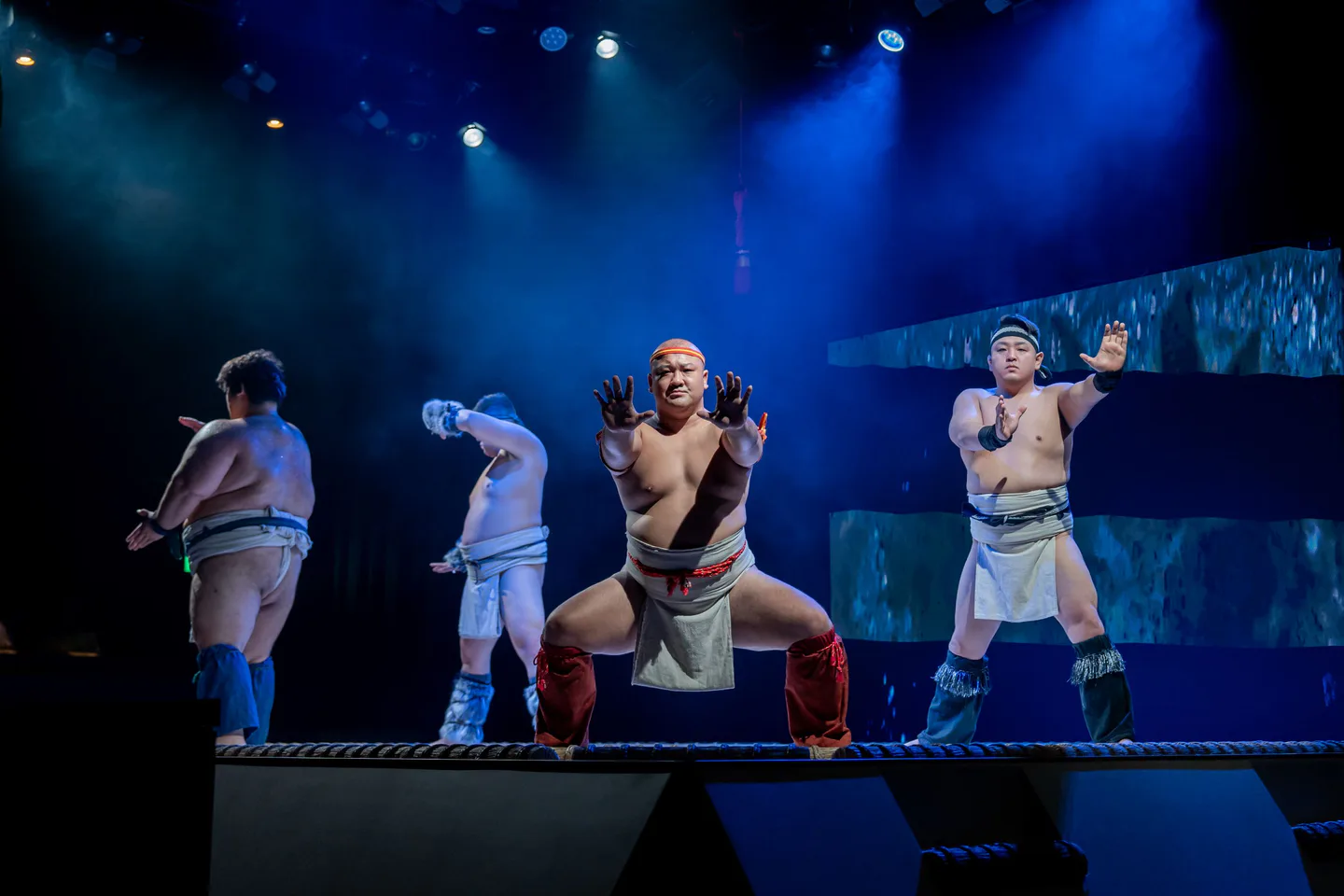
After two days of choosing every route, food stop and queue yourself, a scheduled performance can be a welcome fixed point. HIRAKUZA or another sumo show supplies a start, an end and a reason to be in one area. Buy it because that programme interests you, not because a solo traveller must add company. The HIRAKUZA and other Osaka sumo trade-off helps decide whether the format deserves your single culture slot.
If the performance is booked, let it be the evening's paid event. A second observation deck merely because the show ends early can turn a pleasant day into a timetable. Walk Namba, Umeda or the riverfront if you still have energy. You can make the night short without needing another ticket to prove it was used well.
Day 3 — USJ when Single Rider changes the calculation
What a solo place in a ride queue can do
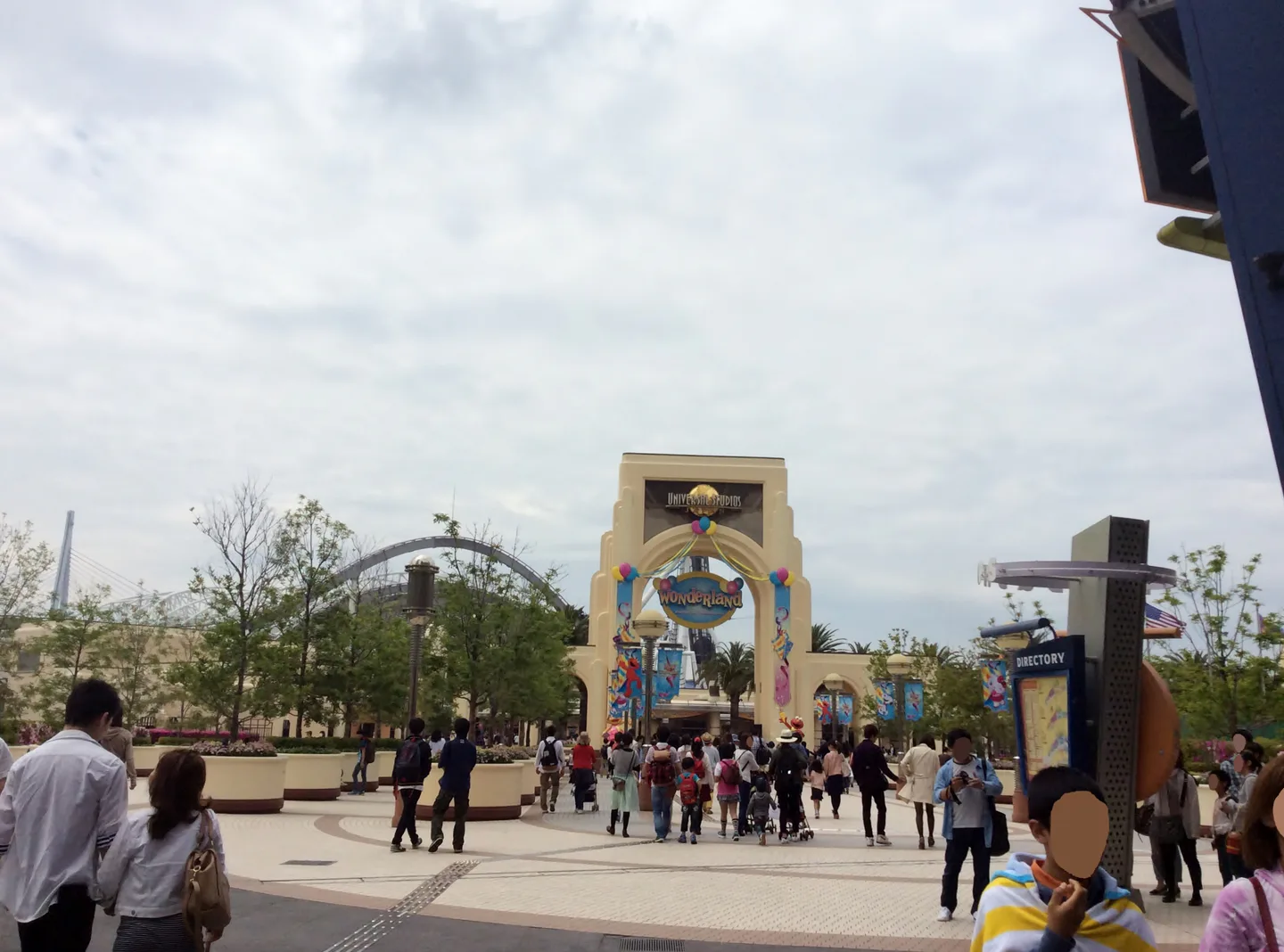
Single Rider fills otherwise empty seats for guests willing to board apart from companions. It can reduce the queue for a solo visitor without changing how you experience the rest of the park. USJ's current list includes Mine Cart Madness, Mario Kart: Koopa's Challenge, Harry Potter and the Forbidden Journey, Hollywood Dream, The Flying Dinosaur, Jurassic Park — The Ride and JAWS. That list is date-sensitive, and the line for a ride can be closed at a particular time; USJ's Single Rider attraction list is the useful day-of reference.
A solo ticket does not make Express automatically pointless. Single Rider affects eligible ride queues; it does not confer SUPER NINTENDO WORLD area access or guarantee that the line you need operates when you arrive. List two or three must-do attractions, then ask which admit Single Riders on the date and which require another entry mechanism. Express Pass by actual ride priority can then price the uncertainty you still face, instead of selling a generic fear of crowds.
Leaving after the important rides is a valid finish
A group may stay because someone still wants one ride and everyone has paid the same admission. Alone, once the rides that defined the day are done, an early exit can be a good result. There is no need to walk circles until closing to recover the ticket's value. The extra rest may be worth more to the Kyoto day that follows. A late train back to Osaka remains available only while the transport is running, so know your route before the final queue.
Avoid a non-refundable dinner or paid night-view slot tied to a predicted USJ exit time. Waits, area entry and tired legs can move that time substantially. Once you leave, pick a meal near the hotel or on the natural return route. Universal City for one or two park days is a separate location decision if the park dominates more than one day.
Three ways Single Rider can affect Express value
Eligible rides are your main goals
When the rides you care about support Single Rider and their lines are open, paying for a broad Express bundle may solve a wait you can already reduce. Compare the actual queue and the pass's covered rides, then decide whether the premium would do more for a Kyoto class, an easier hotel location or simply the trip budget. The phrase 'I am solo' is not evidence; your ride list and that day's operation are.
Area access or a specific sequence still needs certainty
Single Rider cannot replace every timed-area rule. SUPER NINTENDO WORLD may require a timed or standby entry ticket; from 5 January 2026, same-day Area Timed Entry and Standby Entry tickets have required the USJ app. An Express product can include specific attraction or area time slots that matter to a must-do sequence. If failure of one headline ride would materially change the trip, paying for that certainty can make sense. The detailed Express Pass comparison should be read against the product for your date.
You are content to start early and finish when ready
Arrive early, prioritise the two or three experiences that matter most, use Single Rider only where it actually helps, and leave once the day has succeeded. This is often a better solo tactic than chasing maximum hours or a premium ride count. A flexible evening can become dinner, laundry or simply rest. The benefit is that the following Kyoto day does not begin with the cost of a forced late USJ finish.
Book early only when losing the ticket would ruin the day
A fixed USJ date, an Express product chosen for a real ride objective and a Kyoto class that defines the afternoon may deserve advance booking. An ordinary observation deck, casual view, loose final-day Kaiyukan plan or neighbourhood wandering usually does not need the same commitment. A solo traveller can use a sudden good-weather window immediately; that advantage is lost when every evening is assigned months ahead. A seven-day premium Osaka route is useful if you deliberately want more ticketed structure.
Ask whether the day loses its main purpose if this exact place sells out. If yes, booking early protects the trip. If no, let weather and energy decide later. A culture class with a single weekly time is different from a night view that offers many entry slots; treating them equally leads to unnecessary non-refundable commitments.
Day 4 — Kyoto without crossing the city four times
Choose one walking corridor for the morning
Fushimi Inari followed by Higashiyama can work if the start is early and those are your real priorities. An entire morning and afternoon in Higashiyama also works. Solo speed does not bring Kinkaku-ji or Arashiyama beside Kiyomizu-dera. A quick train change is not the same as time spent in a neighbourhood. Osaka and Kyoto across seven days is the alternative if Kyoto deserves more than one daylight block.
A class should take the place of sightseeing time
A small sword, kendo-style or performance class can be easy to book alone, and it can give a Kyoto afternoon a clear focus. Put it in the route where its meeting point makes sense, then remove the sights it displaces. Kyoto samurai formats compared distinguishes the paid products. Buying two that sound culturally complementary is often simply paying twice for a tightly scheduled afternoon.
An entirely unscheduled Kyoto day is equally valid. Cafés, small streets and Gion can be enough if walking is the point of going. Travelling alone does not create a requirement to buy a social experience. If you already took a sumo evening in Osaka, Kyoto may be the better day to keep open and decide where to turn next.
When a blank hour suggests another ticket, check the day's anchor
Solo itinerary creep is built from small additions: one metro detour, one extra skyline, one event you noticed this morning and a taxi after a long night. Each seems harmless. Use the anchor as a stop rule: a USJ day, sumo night or Kyoto class is already a paid commitment. A new premium item should take the place of something else, not join a schedule simply because one hour looks empty.
If late returns are creating the real cost, compare Osaka solo hotels by route and laundry rather than buying a bigger room. If days five and six are still competing among Nara, Kobe and Himeji, day trips from Osaka by experience and journey can remove a destination. The week improves when it has fewer weak commitments, not when every gap is filled.
Choose the six-night hotel by repeated returns
A single-room quote can hide the cost of reaching it again and again. Over six nights you will carry your own luggage, charge devices, handle laundry once or twice, perhaps drop off shopping and return late from Kyoto, Kobe or USJ. A cheaper room with a confusing station exit or extra transfer may consume more time and taxis than its rate saves. Price the hotel as part of the week rather than one isolated night.
The useful premium is often a straightforward exit, comfortable final walk, in-building laundry, space for one suitcase to stay open and a shower you want after a long day. A solo guest seldom needs to pay for a second bed or large group seating. Osaka solo hotel trade-offs keeps those repeated details separate from photographs of room size.
One planned group activity can be enough
Some people enjoy a week with almost no structured interaction; others want a block around day three or four where someone else decides the pace. The difference should guide booking. A daily food tour, class, nightlife event and guided excursion can make an independent trip feel like a chain of meeting points. Pick one or two formats that interest you, then leave the rest of the calendar able to change.
If HIRAKUZA is the planned evening, Kyoto can be a free-form walk. If the Kyoto class is the meaningful structure, Osaka's evenings can be spontaneous. This is about reducing decision fatigue or enjoying a subject, not fixing an assumed problem with being alone. A short chosen appointment can give rhythm without consuming the freedom that made a solo itinerary attractive.
Day 5 — Nara with no compulsory afternoon booking
Nara Park and Todai-ji make a complete first outing
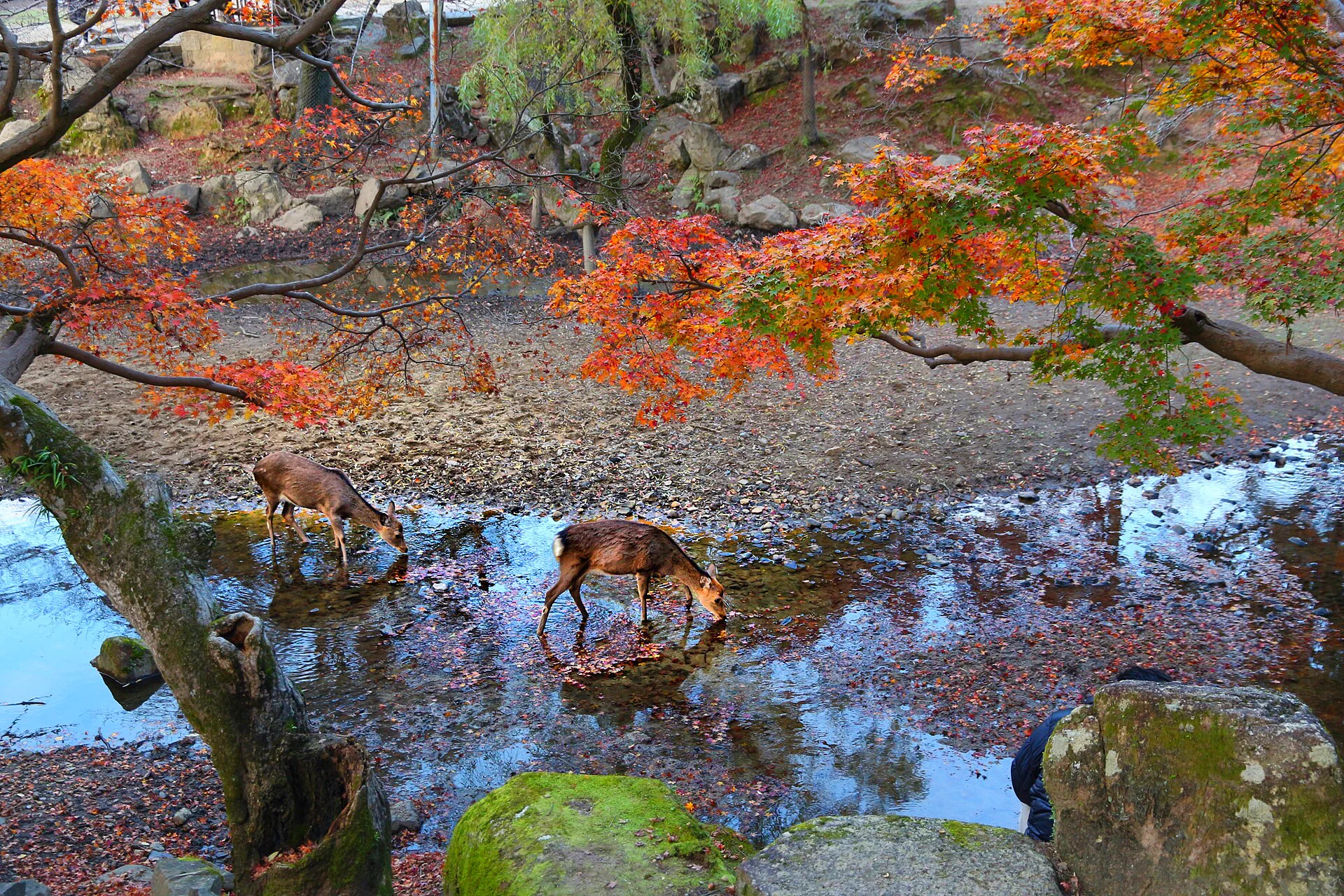
Nara Park is open throughout the year and does not charge admission. From Kintetsu Nara, walk into the park, allow time around the deer and decide whether Todai-ji is the day's paid or time-heavy focus. After consecutive USJ and Kyoto days, a place where the route can expand or contract is valuable. Nara from Kyoto or Osaka can settle which train approach fits a different order of days.
Leaving for Osaka at 14:00 is a valid outcome if the park and temple have already delivered what you wanted. A clear sky and good energy may justify another walk; neither requires a second ticket as proof that the rail fare was well spent. Alone, you can choose that point of return without asking anyone else to finish. This is one of the day's main advantages over a rigid group itinerary.
Day 6 — Kobe: choose the harbour, an indoor anchor or sake
The city and waterfront route
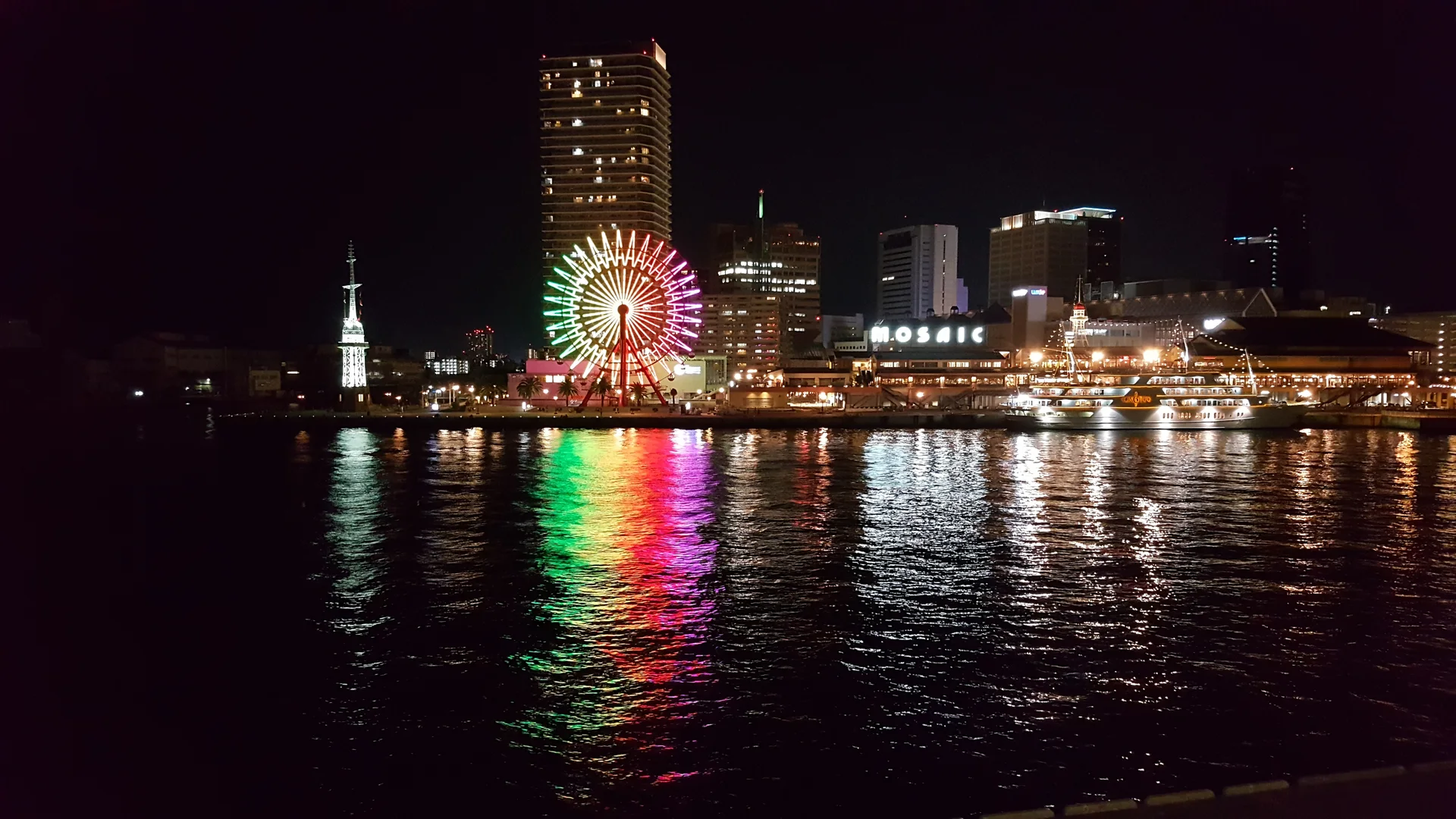
A first Kobe visit can move gradually from Sannomiya or Kitano toward Motomachi and Chinatown, then finish at Meriken Park and Harborland. The waterfront gives the evening a free visual payoff. If you have already planned to see those lights from ground level, a second paid Osaka observation deck earlier in the week may add little. Free and paid Osaka night views is useful for that comparison.
An indoor Kobe day built around átoa
Poor harbour weather or an interest in designed indoor spaces can make átoa the paid anchor. It should replace some outdoor city time. If the flexible final day may go to Kaiyukan, compare the two aquarium-adjacent experiences before buying both; they are not identical, but both demand money and attention. What átoa's ticket buys sets out its distinct appeal.
A sake-focused day
A traveller genuinely interested in breweries can design Kobe around them without negotiating with a non-drinking companion. The decision should replace part of the harbour loop and perhaps the indoor stop, not expand the day into three full itineraries. If you prefer the waterfront, keep sake for another trip. Solo freedom works best when it lets one interest be decisive rather than making every possible interest compulsory.
Day 7 — use the week you have actually had
The last full day can be Kaiyukan if an aquarium visit still appeals, shopping and a meal if the week was intense, or a replacement for the Osaka city day that rain disrupted. Laundry and rest are not evidence of a failed itinerary. Alone, you can choose the neighbourhood you enjoyed most without a debate or an advance vote. A flexible final day is more useful than a seventh ticketed headline bought before arrival.
Kaiyukan uses date-and-time entry and ended re-entry on 15 June 2026. Its April 2026 luggage rules also make it a poor checkout-day stop with cases. If it becomes the final day's anchor, store luggage and check the timed ticket before travelling to Tempozan. Kaiyukan visit length and entry rules covers the separate choice between a shorter visit and staying later.
By day seven you know how much walking feels good, which area you would revisit and whether you want one more large attraction. That evidence is better than a plan written before the trip. Changing the last day does not disappoint a group, and it can protect the one meal or shopping session you came to care about during the week.
Namba or Umeda for the whole week? Follow the late returns
Namba is a natural base when Dotonbori nights, a south-side culture event and final shopping draw you back repeatedly. Umeda can reduce friction when Kyoto and Kobe rail days, north-side dinners and a connection through Osaka Station dominate. Count where you will be around 21:30 on the three hardest days, not just where the first morning starts. Namba versus Umeda for a hotel base makes that pattern explicit.
A nightly ten-minute detour can outweigh a small room saving. You are carrying your own cases and reading your own map on every return. The Osaka stay hub can narrow the district, and solo hotel details can narrow the actual room. Compare prices only after the return route feels workable.
Compare Osaka rooms for a solo week after choosing the return route you will use most often.
Eating alone is easy; choosing a few meals deliberately is harder
Because a counter seat or casual chain is usually available, an independent traveller can accidentally let every dinner become whatever is nearest when tired. That is fine on arrival night or after USJ, but choose two or three meals across the week that you want to seek out. Leave the others simple. A small number of deliberate food plans gives the trip character without assigning a reservation to every evening.
A restaurant designed for sharing, a fixed multi-person order or a long queue may not work as well for one. Decide whether its food deserves a headline slot anyway. If not, move on quickly. Solo dining should remove the social negotiation over restaurant choice, not create a new hour of searching for somewhere that supposedly welcomes people alone.
One night view may be enough
Kobe Harborland already offers a free waterfront evening. If a high Osaka panorama is important, choose one paid deck according to weather and the route that night. Buying several because nobody else objects is an avoidable solo cost. The streets, canal and harbour can be satisfying after dark without a ticket. Osaka night views by free and paid value compares the real alternatives.
A paid deck is not inherently worse than a free view. It earns its place when height and the particular skyline are the evening's main event. If it is merely attached to an already full USJ or Kobe day, it may be another fee for a night that had a good finish. Use the remaining budget for what you actually value rather than a second variation of the same photograph.
A taxi fare is not shared when you travel alone
A group can split a short taxi and forget it. One traveller pays the whole fare each time, so several 'only two stations' rides can undo careful savings on trains. A taxi can still be sensible after the final service, with heavy luggage or to protect a booking whose loss costs more. The distinction is between a chosen exception and an unnoticed nightly habit.
Do not ban taxis as a badge of budget travel. Just include the full fare when comparing a late restaurant or awkward hotel location. Two or three unscheduled solo rides can erase the benefit of a cheaper room or a transport pass. Osaka hotels by repeated return route is often the better fix.
Rain is easier to rearrange when one person decides
Days two, five, six and seven can often trade places. Heavy rain in Nara? Bring forward a city museum or Kaiyukan if a workable ticket remains. A wet Kobe harbour day can move into the final buffer. A fixed Kyoto class may stay while its outdoor walk shrinks. Move flexible pieces first and leave paid, date-specific tickets where their rules require. The seven-day Osaka one-base itinerary offers another regional ordering.
USJ is the main exception when a date-specific ticket or Express product has already been bought. Read its change terms and the current operating schedule before swapping the park day. Solo flexibility is strongest where you have not sold it in advance; an unavailable refund is still a real cost even if another day looks sunnier.
A short appointment can be a relief from seven days of choices
A week alone means choosing every breakfast, route, dinner, queue and point to stop. One ninety-minute class or performance can be worth its fee partly because you arrive at a defined time and follow someone else's programme. That is distinct from paying for constant company. Pick a subject you actually want, then give the appointment a place in the day it can fit without rushing the rest.
One or two planned blocks are enough for many travellers. The other hours can remain open for a quiet café, a side street or an early return when a crowd is tiring. That is the usable advantage of this trip style. Filling the calendar with meeting points because it seems more productive would remove it.
When this Osaka-base week is the wrong shape
Kyoto is the main trip
If Kyoto deserves two mornings, Arashiyama on a separate day, several temple neighbourhoods and evenings there, do not commute from Osaka for all of it. Split the accommodation and let Kyoto own part of the week. Three nights each in Osaka and Kyoto shows when one hotel move repays its effort.
You prefer more scheduled company
Add one or two guided blocks if long unplanned periods alone are uncomfortable. Choose them for the social rhythm rather than using attraction volume to disguise the preference. A food tour or class can help; so can a performance with a fixed start. You need not turn every day trip into a group excursion to solve a narrower need.
Late nightlife is the centre of the week
Then the final walk home should lead the hotel decision, even if some daytime Kyoto or Kobe transfers become longer. Returning late alone makes a simple route more valuable than a theoretical five-minute saving on a morning train. Namba and Umeda by night-return pattern can support that choice.
Two days before departure, verify the commitments that matter
Check the USJ opening schedule; the currently active Single Rider lines for your priority rides; any Express time slots; the cancellation and meeting rules for a booked class; the station exit and last walk to the hotel; whether Kobe is a harbour, átoa or sake day; whether the seventh day is still movable; and the latest return you personally feel comfortable making. Once those eight are clear, more reservations are unlikely to improve the week.
The best solo decision is often to leave
This week still contains Osaka, USJ, Kyoto, Nara and Kobe, plus room for a culture slot. Each day also has a sensible exit. Leave USJ after the priority rides, Nara after the park and Todai-ji, and Kobe after the version of that city you chose. Keep the final day able to change. These decisions are unusually easy alone and more valuable than another attraction bought to fill a blank evening.
One hotel base, Single Rider considered against Express, one or two chosen group or culture blocks, at most one paid high view and a genuinely flexible seventh day are enough structure. A second Kyoto night or daily nightlife calls for a different route, not more pressure on this one. The shorter Osaka three-to-five-day decision is useful if seven days are not available.
Related Osaka decisions
Osaka solo hotel location; Express Pass for a solo ride list; Kyoto, Nara, Kobe or Himeji from Osaka.
Osaka sumo formats; Kyoto sword and performance classes; Kaiyukan's current entry limits.