
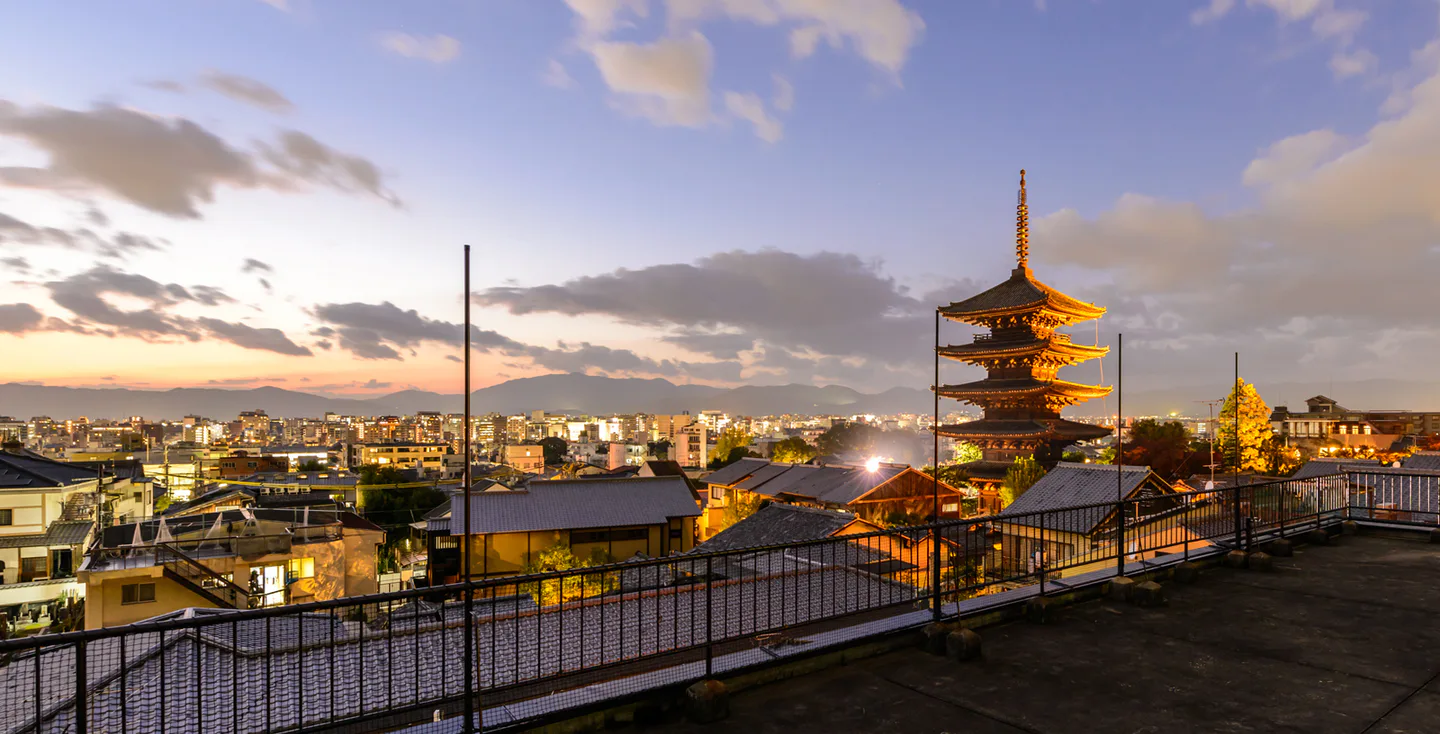
Kyoto spreads its headline sights across separate edges of the city. With one day, begin either at Fushimi Inari in the south or Arashiyama in the west, then give the rest of the visit to Higashiyama and an evening around Gion. Trying to put both outer districts before Kiyomizu-dera makes the itinerary hinge on every train change, queue and lunch stop going perfectly.
The useful choice is which experience would disappoint you more to miss. Red torii gates lead naturally into a classic first-visit day. The bamboo grove and Togetsukyō Bridge deserve the morning if they are the reason you came. A slower group can keep only Higashiyama and Gion. Those are complete versions of a day in Kyoto, with room to walk and eat instead of spending the afternoon recovering lost transit time.
The two routes at a glance
↔ Scroll table left or right
Main priority | Day structure | Leave out |
Classic first Kyoto visit | Fushimi Inari, Kiyomizu/Higashiyama, Gion | Arashiyama |
Bamboo grove and Togetsukyō | Arashiyama, eastern Kyoto, Gion | Fushimi Inari |
Parents, children or limited walking | A measured Higashiyama visit, then Gion | A third district across the city |
All four headline areas seem essential | Compare a mobility-focused car, then reduce the list if needed | Any assumption that driving erases traffic |
If the harder decision is whether to return to Osaka that night, the Kyoto-versus-Osaka hotel guide compares the value of an extra local morning and evening with the cost of changing base. Make that lodging choice before adding another distant district to one day. Kyoto or Osaka hotel base
Fushimi Inari first: one southern stop, then the eastern lanes
Route A begins among the gates at Fushimi Inari. It then shifts once to the Kiyomizu-dera side of Higashiyama and stays on foot through the old lanes, Maruyama Park and Gion. The sequence changes scenery without asking you to cross Kyoto repeatedly. Dinner around Gion or Shijo-Kawaramachi also sits near useful rail connections, rather than at the far end of another sightseeing detour.
Fushimi Inari is easy to reach, but the mountain is optional
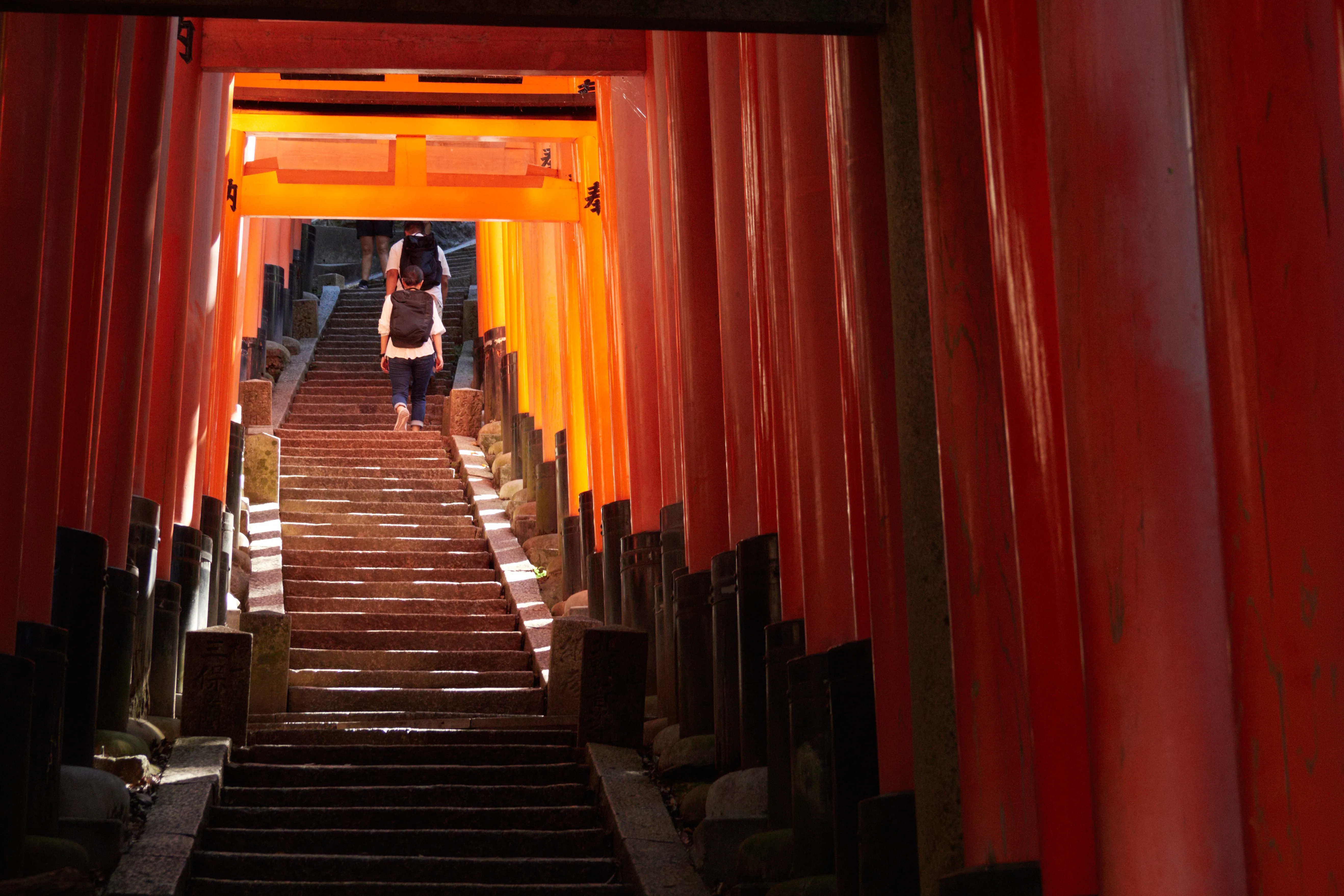
Fushimi Inari Taisha places JR Inari Station immediately beside the shrine and gives the ride from Kyoto Station as two stops, about five minutes. That makes an early start practical. The train time is a station-to-station figure, though; add the walk from the hotel, platform access and the time you will actually spend among the gates. A full ascent would consume a different part of the day than a visit to the main shrine and Senbon Torii.
For this one-day circuit, decide in advance where to turn back. Spend the first block in the main precinct and torii paths, then keep enough energy for Higashiyama’s slopes. Parents and children may want a shorter climb; an extra section of steps early can produce a slower afternoon or an earlier dinner. A group that wants the complete mountain walk can certainly do it, but should remove another major sight rather than pretend it is a free extension.
The move to Kiyomizu-dera
Kyoto City gives a rail-led alternative to the frequently crowded bus corridor: use the JR Nara Line to Tōfukuji, change to Keihan, and walk from Kiyomizu-Gojō or Gion-Shijō. A bus remains useful for some final approaches and mobility needs. The point is to choose a route whose main distance is not hostage to slow roads or a packed Kyoto Station stop during a busy visit.
Kiyomizu-dera opens at 06:00. Its closing time changes with season and special night viewings, so check the date before relying on a late entrance. If the temple is a must-see, put it into the late morning or early afternoon instead of treating it as whatever remains after every other stop. That also leaves the descent through Higashiyama as a walk rather than a hurried transfer back to a closing gate.
Higashiyama works as one long walking area
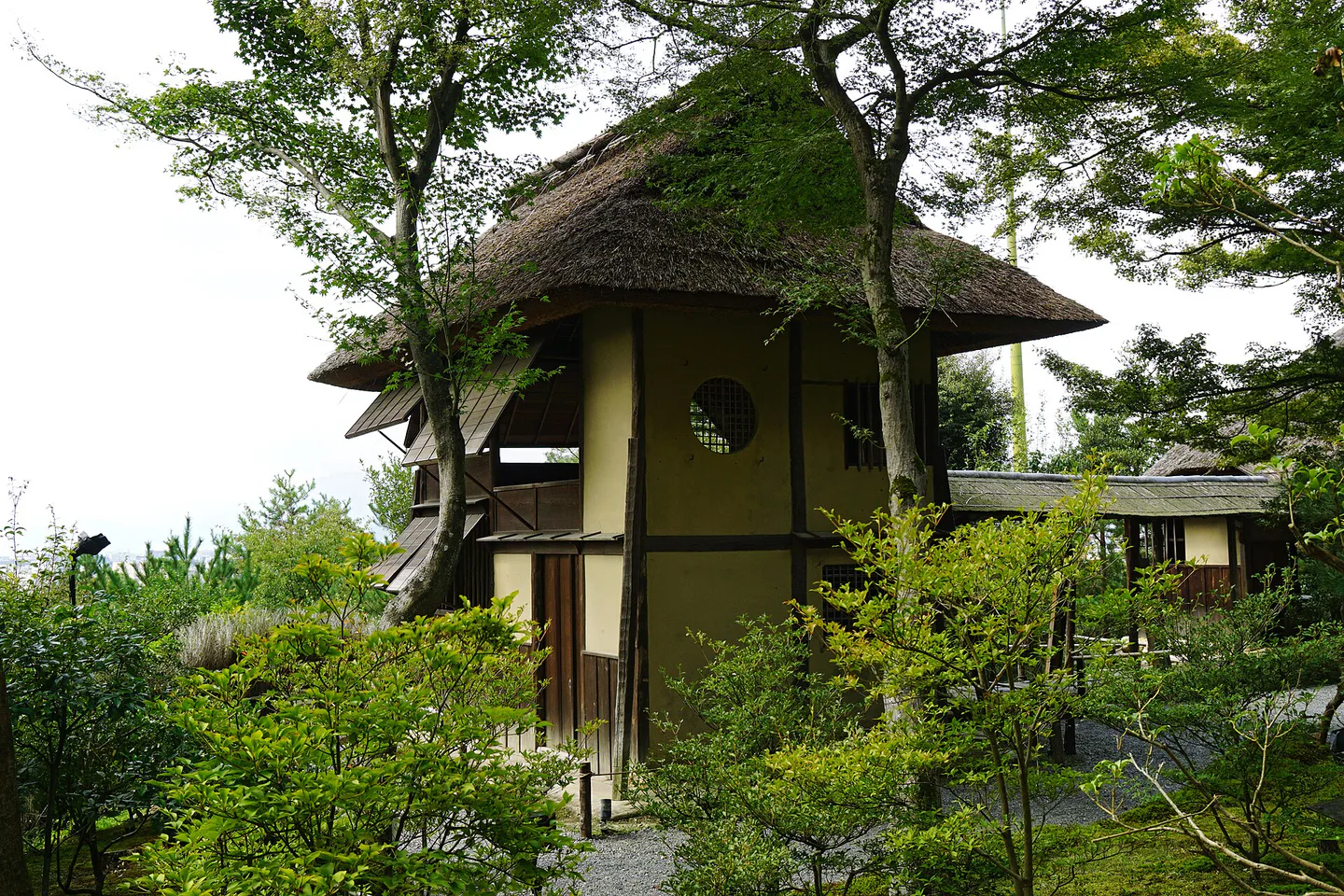
From Kiyomizu-dera, link Sannenzaka and Ninenzaka with the Yasaka Pagoda area, the lanes near Kōdai-ji, Maruyama Park and Yasaka Shrine. You do not need to enter every building to make the walk worthwhile. Pick the temple or garden you most want to see, then allow the streets themselves to connect it with Gion. If the day runs late, a side lane or second admission can drop away without breaking the direction of travel.
The same corridor can be shortened without abandoning the trip. Summer heat makes uphill walking more tiring; autumn foliage and cherry blossom periods bring fuller paths; heavy rain slows the sloped stone streets. On those days, keep the core temple and a manageable descent, then choose a café or indoor break near the route rather than an unrelated attraction across town.
Arashiyama first: give the west the morning
Kyoto City gives about eleven minutes by JR rapid service from Kyoto Station to Saga-Arashiyama, then around eight minutes on foot toward the Togetsukyō area. The Sagano Line platform at Kyoto Station is farther from some other lines, and the short published ride does not include finding it or walking through the district. Arashiyama is not difficult to reach; the costly part is travelling south to Fushimi afterward and then east again to Higashiyama.
Route B therefore makes one major move after the western morning: go toward Kiyomizu-dera and remain in Higashiyama through Gion. Leave Fushimi Inari for another day. Arashiyama plus eastern Kyoto is still a full schedule, but it has a clear end and avoids a third large directional change.
A short Arashiyama list is more rewarding
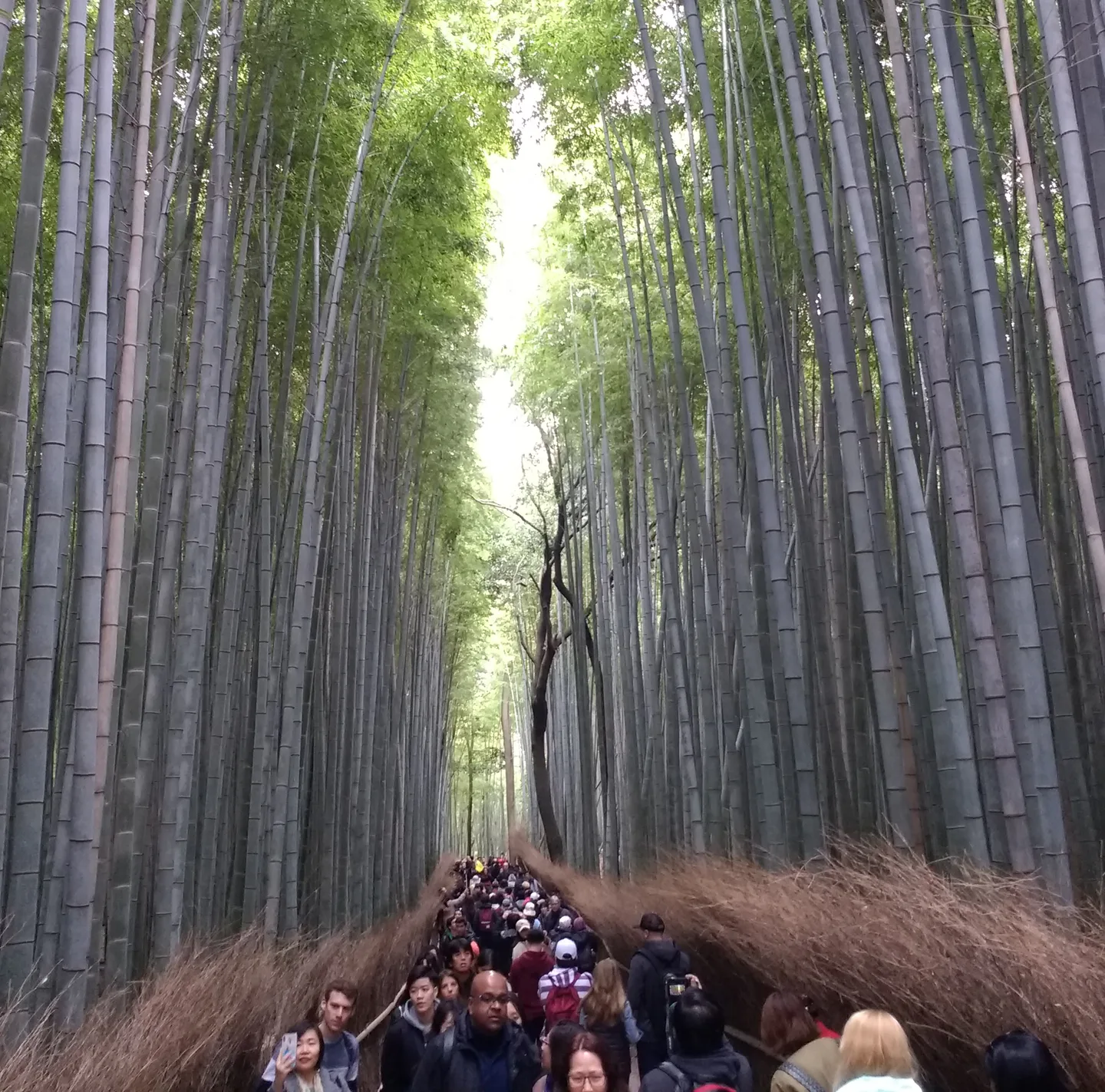
Use the morning for the bamboo grove, Togetsukyō Bridge and one temple or garden you genuinely want to enter. A second admission, long lunch queue and extra walk into the farther parts of the district can each displace the eastern half of the day. Set a departure time before you arrive. If Arashiyama itself is the main purpose, it is reasonable to stay longer and reduce Higashiyama to an evening walk rather than force both areas to be exhaustive.
The Osaka commute trims both ends of the day
An Osaka day trip has more than one rail ride. You must get from the hotel to the departure platform, reach Kyoto, cross to the first sightseeing area, then reverse those steps after dinner. A four-district plan leaves no margin for a late train, a wrong station exit, a meal, a child’s pause or a queue at the sight that actually matters. Deleting a district usually returns more usable time than setting the alarm only thirty minutes earlier.
If Kyoto is still competing with Nara, Kobe or Himeji for one day out of Osaka, compare those excursions before designing an ambitious Kyoto circuit. That larger choice decides what the day should accomplish. Day trips from Osaka
A car changes the transfers, not the map
A private car can help a group avoid station changes or some difficult walks, particularly when mobility is limited. It still faces traffic, parking access and pedestrian zones around major sights. Price the car against a simpler three-area plan before using it only to preserve Fushimi Inari and Arashiyama in the same day. The useful mobility gain may come from one well-placed drop-off rather than from a vehicle waiting through every attraction.
A timed activity takes the place of a sightseeing block
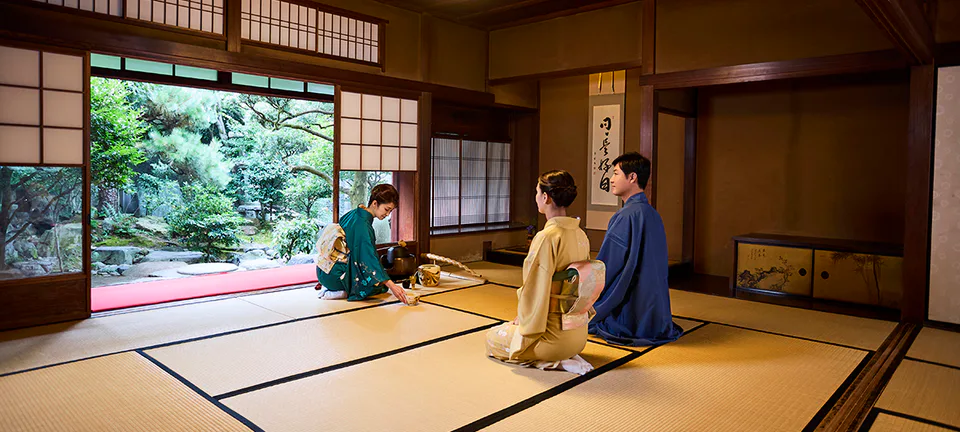
A tea ceremony, kimono session or other reserved experience may be the most memorable part of Kyoto for your group. Give it the time it needs, including arrival and changing or instructions, by removing a temple or district segment. Putting a fixed appointment on top of a complete walking route makes both the streets before it and the dinner after it feel rushed.
Where a one-day schedule loses time
↔ Scroll table left or right
Likely problem | Time it consumes | Better decision |
Arashiyama, Fushimi and Kiyomizu in one day | Three distant directions crowd out rests and walking | Keep one outer anchor |
Using city buses for every long leg | Road delays and busy stops make arrival times unstable | Use JR, Keihan or subway for main distances; bus only where helpful |
Entering each temple along the way | One district silently expands beyond its allotted block | Select one must-enter place in that area |
Bringing a full suitcase sightseeing | Crowds, stairs and buses magnify every transfer | Store or forward the large bag first |
Treating a paid activity as a spare-hour bonus | Its fixed arrival time squeezes both sides of the appointment | Substitute it for another block |
A sample morning at Fushimi Inari
↔ Scroll table left or right
Approximate period | Place | Purpose |
07:30–09:00 | Fushimi Inari main shrine and torii | Enjoy an early visit without committing the whole morning to the summit |
09:00–10:00 | Rail-led move toward Higashiyama | Leave a realistic window for a transfer and walk |
10:00–13:00 | Kiyomizu-dera and Sannenzaka/Ninenzaka | Reach the priority temple while the day still has margin |
13:00–16:00 | Yasaka Pagoda lanes, Kōdai-ji area and Maruyama Park | Remain within one corridor; drop minor stops if running late |
From 16:00 | Gion, Shijo and dinner | Keep the last hours free of a remote appointment |
A sample morning at Arashiyama
↔ Scroll table left or right
Approximate period | Place | Purpose |
07:30–10:30 | Bamboo grove, Togetsukyō and one temple | Finish the western block without adding Fushimi |
10:30–12:00 | Cross-city move toward Higashiyama | Give the longest transfer enough margin |
12:00–15:00 | Kiyomizu-dera and surrounding lanes | Eat locally rather than travelling again for lunch |
From 15:00 | Yasaka Shrine, Gion and Shijo | Leave an easy finish if the morning overran |
Only price a transport pass after the route is settled
Route A and Route B use a mix of JR, Keihan, subway, walking and perhaps a short bus leg. Count the rides your chosen day actually contains before comparing a pass with separate fares. An unlimited product can make an unnecessary cross-city stop look attractive even when it adds effort. A ticket is useful when it fits the itinerary; the itinerary should not be rebuilt to justify a ticket.
The weather version keeps the same geography
During blossom or foliage peaks, station queues and traffic eat into the slack in both sample schedules. Heat makes the same distance harder, especially on Fushimi steps and the climb toward Kiyomizu-dera. In long rain, umbrellas and slick slopes slow the eastern lanes. Remove a block within the same route instead of filling every deleted outdoor hour with a distant indoor destination.
When one day is the wrong time budget
Sleep in Kyoto if an early, quiet walk is central to the trip, if you want to enjoy both Fushimi Inari and Arashiyama without a forced cross-city race, or if long rests are essential. A dinner and unhurried Gion evening can also make the extra night worthwhile. A more efficient Osaka day trip cannot reproduce waking up near the district you want to see first.
Inside Kyoto, compare the Station and Gion hotel areas by arrival with luggage, early temple access and the late walk back. The better base depends on which of those journeys your group will repeat. Kyoto Station or Gion
When the first outer district runs late
If it is already after 14:00 and you are still at Fushimi Inari or Arashiyama, the planned second major area is unlikely to feel like the one you imagined. Drop a district rather than skipping lunch and hurrying up Higashiyama’s slopes. Spend the remaining afternoon in one coherent place and leave enough time for dinner. The exact cut depends on where you are and the group’s energy, but the rule prevents a late morning from turning into an evening of missed stops.
A complete first day has one outer anchor
Fushimi Inari, followed by Kiyomizu-dera and Gion, is the cleanest first-visit sequence for many travellers. Choose Arashiyama instead when its bamboo and riverside are the priority. If walking tolerance is limited, begin at Kiyomizu-dera or another point in Higashiyama and keep the day east of the river. A smaller route can give more time to the setting you came for.
The true Osaka-to-Kyoto day begins at the hotel door
Add the Osaka hotel walk, platform search, intercity journey and the local connection to the first Kyoto sight. Do the same after the last stop for the return to the room. The train shown in a route planner is only one piece of that chain, and a nominal twelve-hour outing can yield far fewer hours at temples and on streets.
Ending in Gion or Shijo gives the group food choices and several onward rail approaches. Leaving Arashiyama until the evening creates another remote return and can push dinner into a transfer window. For a day trip, place the most distant first stop in the morning when the timetable and the travellers still have slack.
A second Kyoto day separates east and west
With another full day, let Arashiyama own a morning and Higashiyama own a different one. You can then enter a temple without watching the clock for a cross-city transfer and still leave time to linger on a street or eat nearby. There is little value in proving that both can be touched in one exhausting day when the calendar already permits two.
If the second day is about dawn in Higashiyama or a late Gion evening, hotel position matters. Kyoto Station makes arrival, departure and luggage movement easier; Gion reduces the journey at the hour you most want to be in eastern Kyoto. Compare those specific gains against the room and transfer costs.
Parents, children and heat change the pace
An older traveller or young child may gain more from one fewer transfer and an easy place to rest than from one more famous view. In high summer, a short ride that avoids an uphill approach may be worth its fare. Map the actual walk from each station or drop-off, and cut an attraction if the route has no sensible pause between difficult sections.
Strong wind, heavy rain or extreme heat is a reason to shrink the day. One core temple, a nearby indoor or reserved activity and an evening around Gion or Kawaramachi can still make a satisfying outing. Replacing every outdoor deletion with a paid indoor ticket merely moves the strain into queues, bookings and travel between buildings.
Continue planning the Kansai stay
If either sample feels too compressed, look at the hotel decision and the true commuting hours before shopping for another pass. Kyoto versus Osaka addresses the base city; Kyoto Station versus Gion addresses early and late access within Kyoto. An eight- or ten-hour car booking is useful only if the group needs the particular cross-city assistance it buys.
Opening hours and train choices for your date
Fushimi Inari’s access route, Kyoto City’s rail guidance and Kiyomizu-dera’s opening information establish the main route. Closing time and night viewing at Kiyomizu change by date; trains, buses and traffic can change with events or crowding. Before travel, check the precise day and the first and last connections you expect to use. Treat the sample times as planning blocks, not reservations or guarantees. Fushimi Inari access Kyoto to Arashiyama Kiyomizu transport Kiyomizu opening hours
Kyoto Station is a useful starting point for either route, though the onward lines differ. Compare rooms near the station once you have chosen Fushimi Inari or Arashiyama and know your first departure.