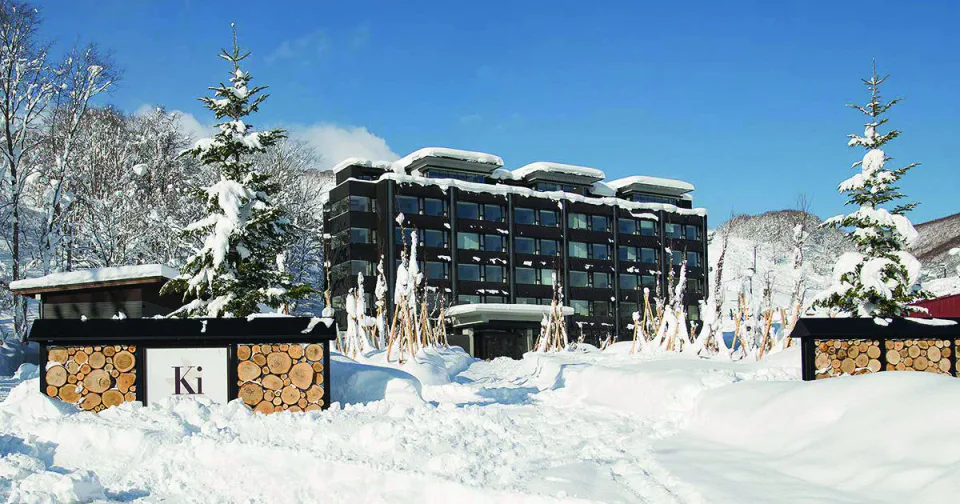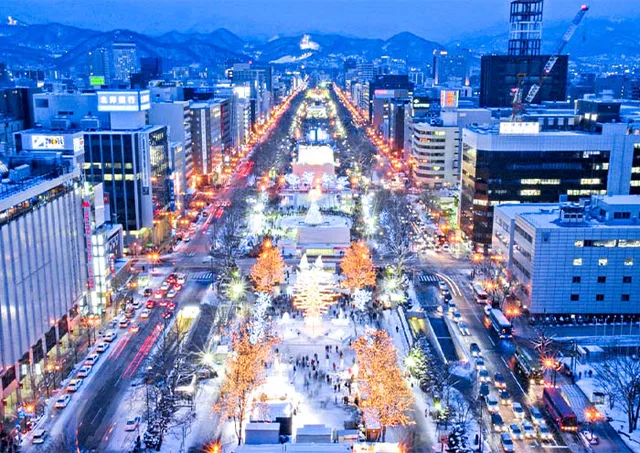
For a ski-first Hokkaido trip, put the larger hotel block in Niseko when it produces another complete mountain day or a usable weather buffer. For a mixed trip, Sapporo earns more nights through city meals, Otaru, flexible nearby skiing and its straightforward rail link with New Chitose Airport. Equal halves are rarely a useful starting rule. Count the mornings and afternoons you can actually use after airport and resort transfers. A two-night Niseko stay normally creates one full day between hotel moves; three nights create two. The fourth night is valuable when a missed ski day would seriously diminish the trip.
A Sapporo night can be more than a cheap placeholder before Niseko. It can absorb a late flight, give a non-skier something to do, or make an Otaru day possible without moving cases. But do not allocate a city night by habit when an early arrival and confirmed airport-to-resort transfer let you begin the mountain stay directly. This choice depends on the winter transport schedule for the date and on how strongly the group values skiing. The Sapporo trip-length guide helps count city days separately from airport nights.
↔ Scroll table left or right
Trip aim | More useful nights | Reason | What can reverse it |
Zero or one complete ski day | Sapporo | City and nearby mountain choices need no resort hotel move | A particular Niseko hotel experience may justify a short stay |
Two essential Niseko ski days | Niseko for at least three nights | Two whole mountain days sit between transfer days | A difficult flight or coach connection may require a gateway night |
Powder-focused trip with day-loss risk | Niseko for four or more nights | Another day can protect the main ski goal | Non-skiers and booking cost may limit the block |
Mixed city, Otaru and optional skiing | Sapporo | City days can change with weather and interests | A confirmed direct airport coach can remove a transit-only night |
Late arrival at New Chitose | A gateway buffer night | The last resort coach may not fit the flight | A confirmed late transfer with a safe margin could avoid it |
Early departure from New Chitose | Sapporo or Chitose final night | Avoid a fixed-flight race after a long winter road transfer | A later flight with confirmed transport may permit Niseko |
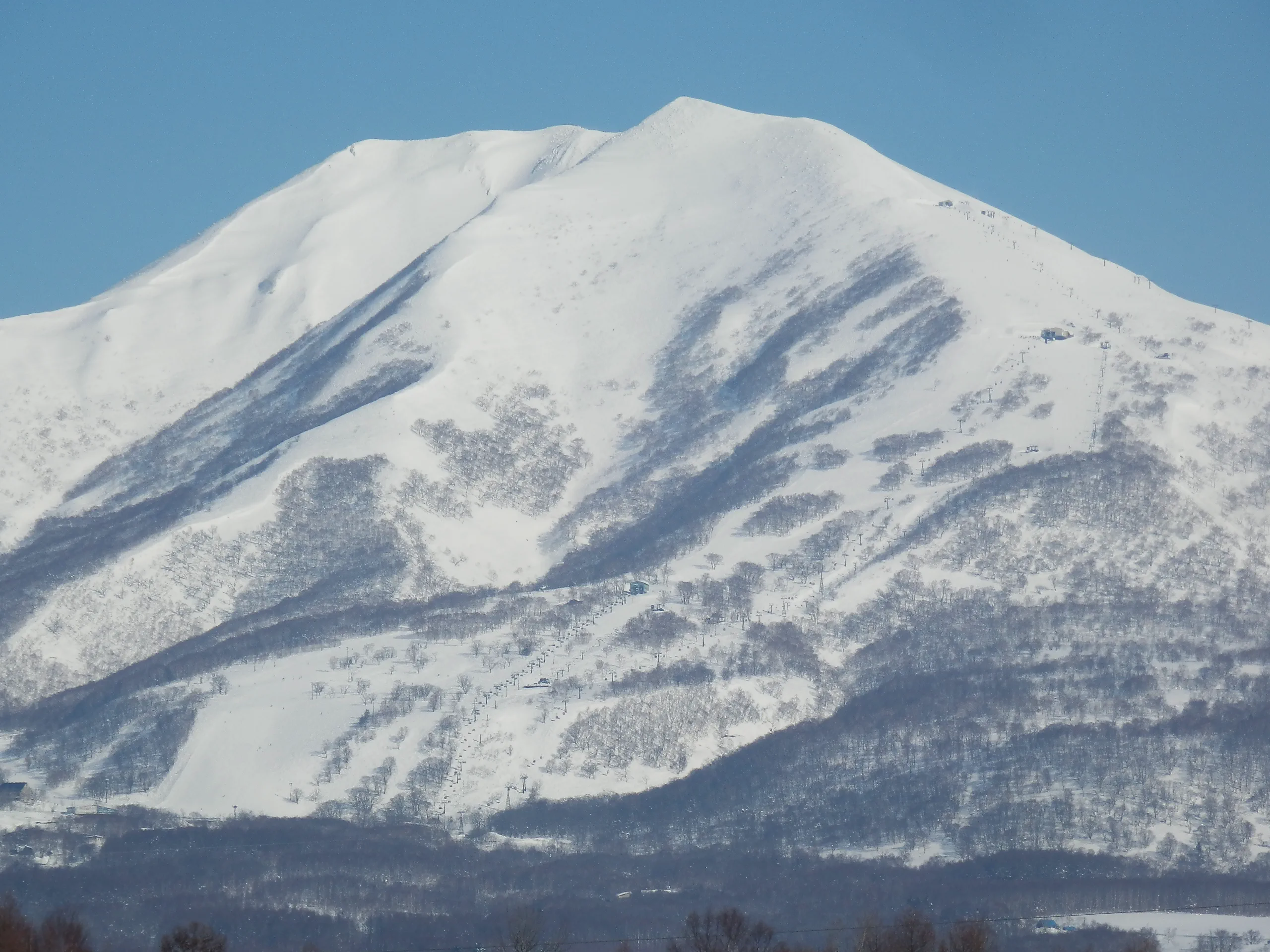
How many whole days will the resort booking create?
Hotel nights are a poor proxy for time on snow. Allow a transfer day on each side unless an unusually early arrival or late departure can be used productively. The basic resort arithmetic for a typical transfer schedule is:
- Two Niseko nights usually allow one uninterrupted mountain day.
- Three Niseko nights normally make room for two complete ski days.
- Four Niseko nights can make three mountain days, or two planned days with a flex day.
A three-night Niseko block protects two normal ski days. If skiing is the reason for flying to Hokkaido, a fourth night can be insurance against wind, a poor snow day, delayed travel or a body that needs rest. It does not guarantee a third ski day: conditions may keep the mountain plan flexible. A Niseko pass and rental planning guide should be read with that buffer in mind, especially because the All Mountain multi-day tickets run on consecutive days.
For someone who would happily exchange a windy resort day for a Sapporo café, museum, food evening or Otaru outing, the city supplies useful alternatives. That traveller may not need to pay for a fourth resort night. A person chasing powder over several days has a different tolerance for a city substitution. The phrase “two ski days” can describe either person; ask whether those two days are a minimum guarantee or merely a pleasant part of a wider Hokkaido trip.
The winter dates are clearer than a personal transfer timetable
Niseko United lists all four areas opening on 28 November 2026, subject to snow and operations. Annupuri and Grand Hirafu are scheduled through 5 May 2027; Niseko Village through 4 April and Hanazono through 11 April. Night skiing is scheduled 12 December 2026 to 22 March 2027. Those dates set the broad mountain season, not a promise that every lift will run on your particular day. An early-season or spring booking should match the specific area and its operating notice.
The resort’s access guide, updated in September 2026, describes a direct winter ski bus from New Chitose Airport to Niseko as booking-required and broadly seasonal from December to March. It gives a road journey around two and a half to three hours, but the actual operator departures, hotel stop and arrival time need checking for your flight date. Do not use a 2025–26 timetable as if it were a 2026–27 reservation. The airport-to-Niseko transport comparison is the companion decision once your flights are fixed.
A confirmed direct transfer can change the night split. If you land early enough, have baggage collected quickly and reach the resort before evening, a first Sapporo night may merely insert another check-in and check-out. A late international arrival is different: an airport or Sapporo buffer can reduce the risk of missing a final road departure. Compare the total door-to-door day rather than the bus duration alone. The late New Chitose arrival choices address the flight-time side of that problem.
The transfer should be reserved for the exact date, passengers, luggage and resort stop before it becomes the reason for removing a Sapporo night. Some travellers will instead use rail plus onward bus or a private vehicle; each has a different winter disruption and baggage profile. A Hokkaido car-free winter itinerary can help if a rental car is not part of the trip.
Why Sapporo is a resilient airport buffer
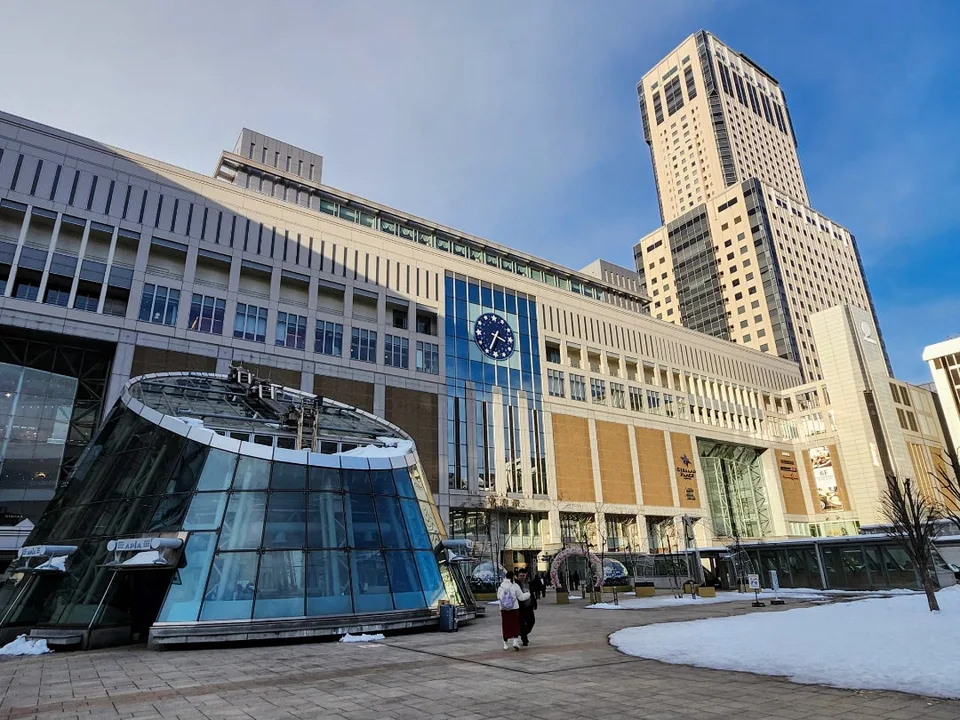
JR Hokkaido lists the fastest New Chitose Airport to Sapporo service at 33 minutes. From 09:00 to 16:00 it says six Airport trains run each hour: one Special Rapid, three Rapid and two Semi Rapid. The fastest times vary by stopping pattern. That frequency gives an arriving traveller more recovery options than a single pre-booked resort coach. It does not remove flight delays, baggage delays or the need to check the final train. The station also puts many hotel choices close to the rail arrival point.
A city buffer earns its night when it solves an actual timing problem: late arrival, a flight delay risk, an early return to the airport, or a group member who wants a gentler first evening. A Sapporo dinner and sleep before travelling to Niseko can be worthwhile even when it reduces the resort block. If the airport transfer lines up cleanly and the trip is ski-led, however, moving into the city first can waste useful mountain time. The JR Tower and GRANBELL station-base comparison illustrates how even the city hotel location changes that first night.
An airport buffer is also a final-night tool. Returning from Niseko to Sapporo or Chitose before an early flight can separate a long winter road journey from a fixed departure. For a late afternoon flight, the same move may be unnecessary if a confirmed direct transfer has adequate margin. The New Chitose car-rental timing decision matters if the group intends to drive rather than use scheduled transport. The correct final night follows the flight clock and road risk, not a blanket rule to always sleep in Sapporo.
A rest day does not pause a consecutive lift pass
Niseko United’s 2026–27 All Mountain information says multi-day passes are valid on consecutive days. During the night-skiing operating period they remain valid through night skiing on the final ticket day. A three-day pass therefore cannot normally be stretched over four non-consecutive ski days by pausing it for bad weather. This matters when an extra hotel night is supposed to be a flexible rest or storm buffer. Buy lift access after deciding which dates will actually be on snow.
A four-night resort stay can protect two planned ski days and one optional day, but the pass should match the final sequence. If you prepay three consecutive lift days and the middle day becomes a non-ski rest, the remaining entitlement still follows the calendar. Depending on season and usage, shorter passes or individual day tickets may be better. The Niseko lift-pass, rental and lesson guide can help separate a hotel buffer from a ticket purchase. Hotel cancellation terms and lesson reservations have their own constraints.
Night skiing can add usable mountain time on an arrival day within the listed 12 December to 22 March period, but only if the transfer reaches the correct ski area early enough, equipment is ready and the lifts actually operate. Do not count an arriving flight as a full ski day when a late coach, check-in, rental queue or fatigue may eliminate the session. A slope-access hotel comparison is more relevant if short evening windows are central to the booking.
Sapporo buys choices; Niseko buys proximity to snow
From a Sapporo base, a day can become urban sightseeing, food, an Otaru rail outing or a nearby ski day after the weather picture becomes clearer. That optionality has value for mixed groups. Niseko lodging removes repeated transfers when several days on the United mountains are the main purpose. The trade is not simply city price versus resort price. It is whether the next complete day is best spent near the lifts or with several viable alternatives.
A lower nightly Sapporo rate can be misleading if it forces a two-and-a-half-hour road transfer at the start of every desired Niseko ski day. Conversely, a resort premium buys little when the group skis only once and spends the rest of its time seeking city restaurants and day trips. The ski from Sapporo or stay at a resort decision tests that boundary directly. Compare complete-day outcomes before comparing room prices.
For each proposed extra night, name the activity it makes possible. “One more full mountain day” is concrete. “A spare weather day before the flight” is also concrete if the transport allows it. “More flexibility” is incomplete unless you know what the other option would be. This test can show that a third Sapporo night has a real Otaru or food purpose while a fourth Niseko night merely lengthens a stay after the group has finished skiing—or the reverse.
A mixed group may need different days
A skier may see four Niseko nights as three valuable mountain mornings. A non-skier needs their own reason to remain: a particular onsen, snow activity, restaurant, hotel facility or quiet winter setting. Those should be identified for the exact resort area, not assumed from a generic Niseko reputation. The Niseko area comparison shows why Hirafu, Hanazono, Annupuri and Niseko Village do not offer an interchangeable off-slope routine.
If the non-ski plan is weak, a four-night resort block can be expensive in time and money for part of the party. Better arrangements include:
- Shorten the resort block to the skier’s essential complete days.
- Choose a specific property whose off-slope facilities support the other travellers.
- Let parts of the group use Sapporo and Niseko on different schedules when practical.
Separating travellers for a night or two requires clear communication, transport and room planning, particularly with children. But forcing every non-skier into a skier’s ideal schedule is not automatically simpler once daily boredom and transport needs are counted. A Sapporo family hotel guide may matter if the city portion involves children and bulky winter gear. Let each traveller’s actual day make the case for the night.
Why a single Niseko night seldom creates a ski trip
One resort night is mostly two transfer days. Even an early arrival requires hotel logistics, equipment collection, lift access and a return plan; the following checkout interrupts another morning. For a genuine ski goal, staying in Sapporo and taking one well-planned nearby mountain day may use time better than moving all luggage to Niseko for one night. The Rusutsu day-trip or overnight comparison is another way to test whether a resort transfer pays back.
A single Niseko night can still make sense for a specific hotel, onsen, meal or snow scene, especially if the journey itself is part of the pleasure. Call it an overnight resort experience rather than counting it as two mountain days. Check the hotel’s meal time and the coach’s arrival and departure stops. The Niseko versus Furano versus Rusutsu comparison can also show whether Niseko is even the right one-night resort.
For a traveller who wants just one day of skiing, the question may be whether to ski from Sapporo or move to a resort. Niseko’s appeal is strongest when the mountain block is long enough to use its terrain and accommodation. A single day does not automatically repay the city-to-resort journey, winter luggage movement and two hotel check-in cycles.
Six nights do not require a three-and-three split
An even-looking calendar can hide uneven activity. Put each hotel night next to the complete day it supports, then add the arrival and departure constraints.
Three possible six-night shapes illustrate different priorities:
- Ski first: two Sapporo nights and four Niseko nights protect a substantial mountain block.
- Mixed first visit: three city nights and three resort nights produce two ordinary full ski days.
- City first with one ski taste: four Sapporo nights and two Niseko nights reduce the resort commitment.
A 2+4 split gives skiing more resilience; a 3+3 split can serve someone whose city time and two mountain days are equally important; a 4+2 split keeps the resort as a short taste. None is the answer without flight times and a group activity list. A long-stay Sapporo hotel guide is useful if the balance tilts strongly toward the city.
The final spare night belongs to the trip’s bottleneck
- Does the night create another complete ski day or a meaningful weather buffer? If so, Niseko has a strong case.
- Is the airport-resort connection confirmed at the actual flight time? If not, a city or airport buffer may be worth more.
- Can non-skiers name satisfying days at that resort? If not, give the night to Sapporo or adjust the group plan.
If two full ski days are essential, three Niseko nights are the clean minimum under an ordinary transfer schedule. Add a fourth when a weather or rest buffer matters enough to protect the ski goal. If skiing is a single optional day, Sapporo should usually receive more nights; a nearby ski day can avoid moving the whole party. A late flight and confirmed direct transfer may allow more resort time, while a late arrival may warrant a city or airport buffer.
Use the published 2026–27 operating periods to pick the likely ski window, but confirm the exact winter coach, mountain conditions and final hotel stop before fixing the split. The Niseko United multi-day lift ticket runs consecutively, so a hotel buffer is not automatically a lift-pass buffer. A group with non-skiers should test their Niseko days independently. If the extra night adds no complete activity or protection against a real timing risk, it may be better spent in the city or removed from the itinerary.
Sapporo remains the easier transport cushion because New Chitose Airport trains are frequent during the day. Niseko remains the stronger base for repeated mountain mornings. The decision is whether your arrival, weather tolerance and group interests need that cushion or that proximity more. Review the airport-to-Niseko routes and Niseko lodging areas after choosing the number of mountain days; a good split can still fail if the selected hotel is in the wrong resort area.
Compare Sapporo rooms and Niseko rooms for the exact dates and group size before assigning the final night.
Related Hokkaido plans
Current mountain and transport information
Niseko United 2026–27 lift dates, night skiing and ticket rules · New Chitose and Sapporo access to Niseko · New Chitose Airport–Sapporo rail frequency. Check the operator departure for your travel day before booking a connection.
Related guides: An extra night in Hiroshima or Fukuoka · Okinawa honeymoon hotel spending · Nikko or Kinugawa lodging · Ueda or Bessho Onsen · A night in Fukuoka or Yufuin · Snow Festival hotel areas · Niseko passes and lessons · Shinjuku or Shibuya lodging · Osaka with parents · Furano or Biei overnight
More destination comparisons