
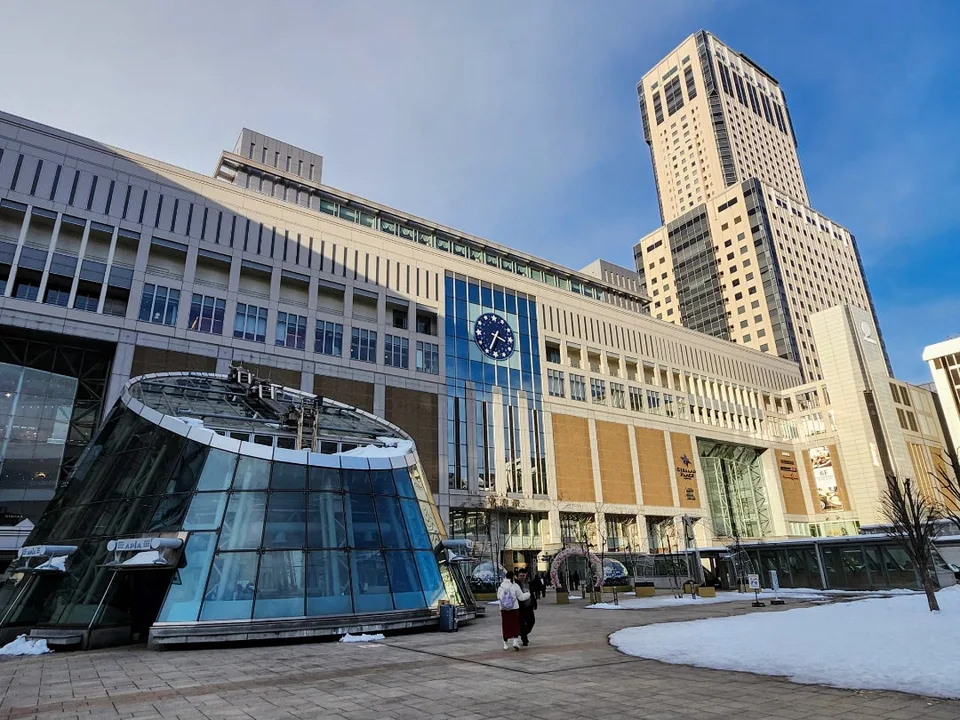
Three nights is a sensible first booking for Sapporo when arrival and departure leave two complete days. Give one to the city and the other to Otaru. Two nights suit a short urban stop between New Chitose Airport and another Hokkaido base; four nights need a third full day's purpose, such as Jozankei, skiing, an event or a weather-sensitive excursion that can move. The number of nights is only a container. What the flight and train times put inside it is the real decision.
A 20:30 arrival and 10:00 departure can leave a three-night stay with barely two usable days. The same booking with a 10:00 arrival and 18:00 departure may gain substantial extra city time. Lay those boundary hours beside the hotel dates before deciding that Sapporo needs another night. The broader Hokkaido route planner and winter trip-length comparison help decide how much of the whole holiday belongs in this region; this guide concentrates on the Sapporo portion.
What two, three and four nights actually buy
↔ Scroll table left or right
Hotel stay | Reason to choose it | Likely useful time | Reason to change |
Two nights | Urban pause en route to another Hokkaido base | One substantial Sapporo day plus a possible arrival evening | Adding Otaru would squeeze the city itself |
Three nights | First visit with two full days between travel legs | One day in Sapporo and one in Otaru from the same hotel | Both boundary days are lost, or an Otaru overnight matters |
Four nights | A named third full-day job | City and Otaru plus Jozankei, ski, event, second excursion or movable winter buffer | The night would serve Furano, Niseko, Noboribetsu or Otaru better |
The table assumes that each added night creates a usable daytime block. A late flight can turn the first night into sleep alone. An early onward train can do the same to the last morning. If your itinerary is built around a fixed departure, write the actual hotel-to-station time into the calendar instead of treating checkout day as sightseeing.
For example, arrive on Monday evening and leave Thursday morning: Monday is dinner, Tuesday and Wednesday are the two dependable days, and Thursday belongs to the airport. This is a three-night booking with a straightforward city-and-Otaru pattern. Arrive Monday morning and depart Thursday evening, and the very same room dates offer useful time at both ends. In that case, a fourth night may add less than improving the placement of activities within the stay.
Airport time is longer than the train time
JR Hokkaido lists the fastest New Chitose Airport–Sapporo journey at 33 minutes on selected Special Rapid Airport services. That is a train running time, not a door-to-hotel promise. Baggage claim, the station walk, waiting, getting across Sapporo Station and reaching the hotel all come afterward. Winter pavements and large luggage can make those final steps feel longer than the rail segment.
Classify each boundary day honestly. A useful half-day means you can leave bags at the hotel by early afternoon and still explore one compact district. An evening-only arrival supports dinner, perhaps a short walk, and little more. A flight or onward transfer that takes almost all daylight makes the night a transport bridge. Three nights with two such bridges are a different holiday from three nights with an early arrival and late departure, even though the room bill is identical.
For a late New Chitose landing, resolve whether to sleep near the airport, in Chitose or in Sapporo before assigning that first night to sightseeing. The airport late-arrival guide compares those bases. Do not buy a fourth Sapporo night to repair a transfer problem that could be solved by choosing the right first hotel.
The same accounting applies when Sapporo sits in the middle of a longer route. A morning check-out followed by a transfer to Furano or a ski resort removes a usable Sapporo day even though the next hotel may be in Hokkaido. Conversely, arriving from Hakodate early enough to drop bags before lunch creates a real afternoon. Mark the transfer and the first planned activity separately on the calendar; this exposes days that have been counted twice.
Two nights as an urban bridge
A two-night stop can be effective between the airport and Niseko, Furano, Hakodate or an onsen town. It gives you a reliable city bed, restaurants and one proper day. Keep that day mostly in Sapporo if this is your first visit. A morning in the city followed by an Otaru afternoon sounds possible on a map, but breakfast, station travel, the Otaru rail leg, return journey and repacking divide one good day into many small pieces.
When the flights are favourable, use the margins: an early arrival can give Odori or Tanukikoji and dinner in Susukino before the complete day; a late departure can add a compact final neighbourhood. Those are gains from the actual timetable, not guarantees attached to the phrase “two nights”. If Otaru is the main goal, you may prefer one night there instead of treating it as leftover time.
Hotel area has more weight on a short stay because arrival and exit account for much of the trip. A station-area room can reduce luggage movement when both ends use JR. A Susukino room may make a late food night easier but add transfers with cases. Compare Sapporo Station, Odori and Susukino by the journeys you will repeat, not by which district looks most lively on a map.
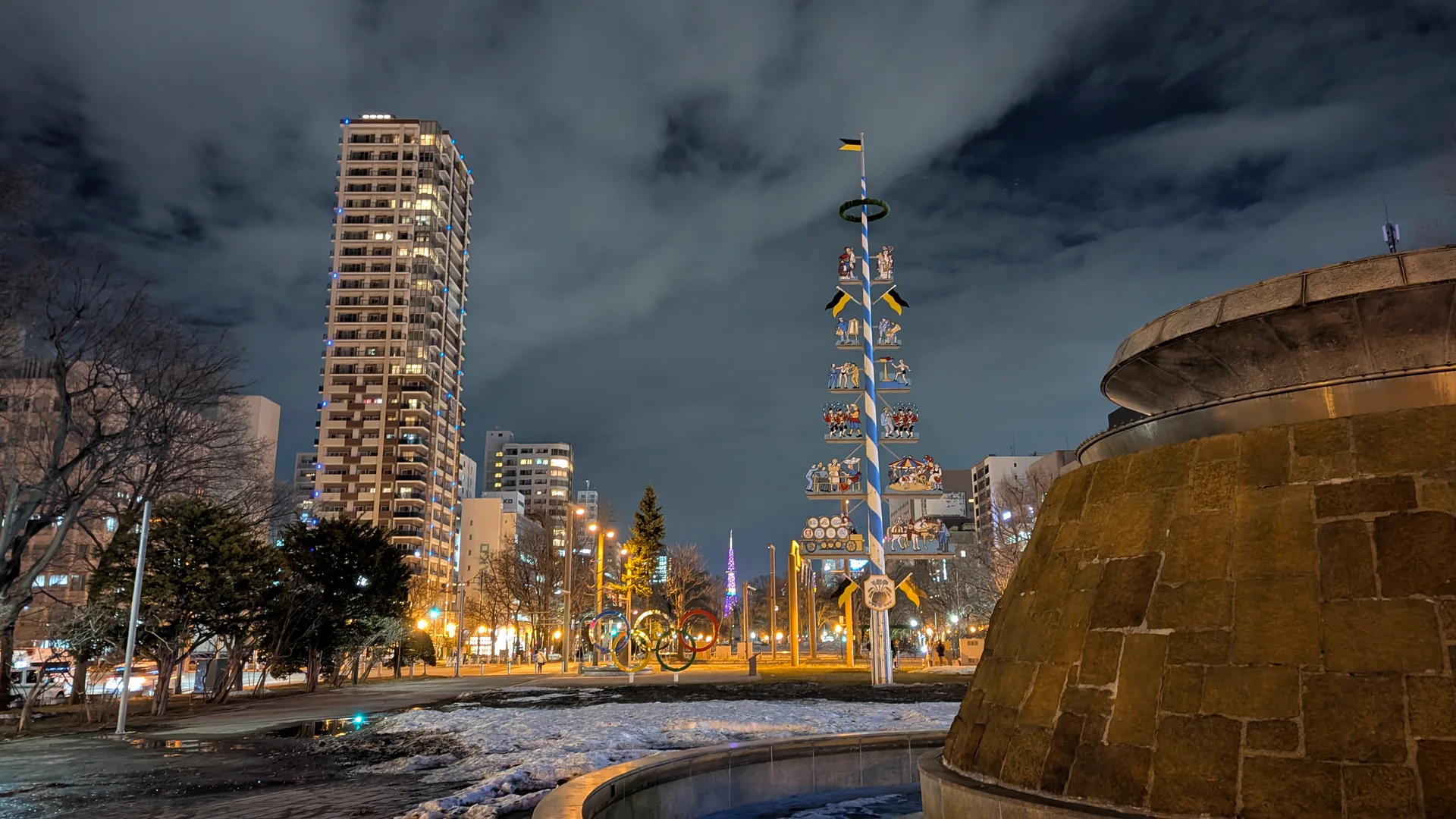
Three nights let Otaru keep its own day
Visit Sapporo describes the rapid train between Sapporo and Otaru as taking about 35 minutes. That short rail leg makes a day trip simple, but it does not make Otaru an afterthought. You still have the walk to and from each station, the time around the canal or shops, and the evening return. Three Sapporo nights are valuable because they separate a full city day from a full Otaru day without another hotel move.
Use the first complete day for Sapporo's own areas: a walk around Odori, a food-focused route, museums or an evening in Susukino, chosen to suit the season. Give Otaru the next daylight block. Keeping both days distinct avoids an itinerary where one city receives only the time left over after transport. If arrival and departure are generous, add shorter Sapporo walks around those full days rather than stretching the Otaru excursion into a marathon.
There is a reason to reverse the hotel choice. If Otaru's canal after day-trippers leave, a slow dinner and the following morning are the point of going, a local overnight may do more than another Sapporo night. The Otaru winter hotel comparison then becomes more relevant than adding a fourth night downtown.
Neither day needs to be filled from dawn to midnight. A three-night stay is useful precisely because it avoids forcing Otaru into a morning-and-afternoon split with Sapporo. Keep any timed booking on its own day, and decide which evening should be spent near the Sapporo hotel. If the arrival night already provides a long city dinner and walk, the first full day can give more room to a museum or neighbourhood rather than repeating the same central circuit.
Four nights require a third full-day job
Four nights usually create three full days between the flight or train boundaries. City and Otaru can occupy two; decide what the third accomplishes before paying for another Sapporo room night. It might be a Jozankei soak, one ski outing, a festival, a second regional excursion or a movable day that protects an outdoor plan from winter weather. “More time just in case” is weaker when every day is already assigned to a different distant destination.
There is no shortage of Sapporo restaurants or shops that could fill an afternoon. The test is whether the extra overnight is better here than in another place you plan to visit. If you are using the same Sapporo hotel as a launchpad for long journeys on consecutive mornings, convenience may be turning into repeated travel. One well-placed hotel move can save more time than staying put.
A second day trip deserves the same scrutiny as the first. The question is not whether a destination is reachable from Sapporo; many are. Put the outbound and return journeys beside the hours you expect to spend there, then ask whether you will travel onward to that same region afterward. If so, a one-way move may replace a round trip. If you genuinely want to return to Sapporo's restaurants and sleep in the same room each night, the base can still earn the fourth booking.
Jozankei: a soak or a ryokan night?
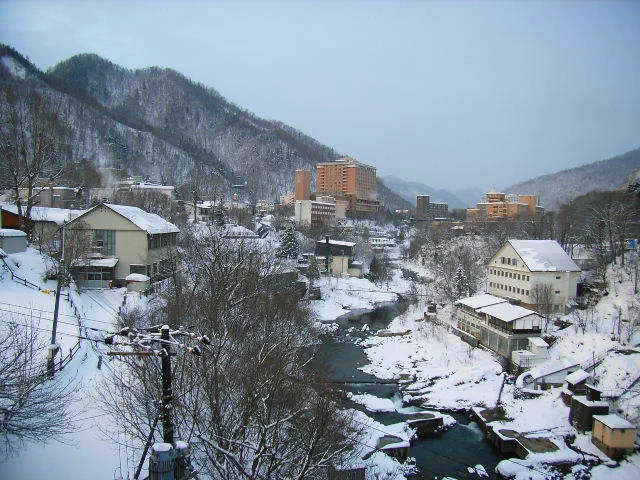
The Jozankei Tourist Association lists the direct KappaLiner at about an hour from Sapporo Station and ordinary route-bus journeys around 80 minutes. A day outing is therefore workable for a hot-spring bath, a walk and lunch. It is a different purchase from the ryokan experience of dinner, more than one bath, a quiet evening and breakfast near the mountains. If those overnight parts motivate the trip, spend Night 4 in Jozankei instead of making it a Sapporo commute.
Before choosing, check the bath's day-use conditions and the return bus as well as the outbound travel time. A relaxed afternoon can turn stressful if the final usable bus is tied to a dinner reservation back in Sapporo. The Noboribetsu versus Jozankei comparison helps when the question is which onsen town deserves an actual hotel night.
One ski day fits; several may move the hotel
Sapporo can support a single ski day while keeping urban evenings and the same room. For that shape, compare Teine and Sapporo Kokusai and allow for equipment, snow conditions and the return transfer. A fourth city night may be sensible if the ski day is the third full-day job and the rest of the stay remains urban.
At two or three ski days, repeat the calculation. Daily rental pickup, bus departures, early starts and a long return can consume the benefit of avoiding one hotel change. The city-base versus resort comparison is the better tool once skiing becomes the central activity. Sleeping closer to the slopes may give back more time than a fourth or fifth night in Sapporo.
Weather flexibility has to be real
“Add a buffer night for winter” only helps when at least one important plan can move. Picture three full days allocated to Sapporo, Otaru and skiing. If the ski lesson is fixed but the city and Otaru days can exchange places, an extra night gives you space to respond to snow, visibility or rail disruption. If every day is locked to a timed activity, non-refundable tour or hotel move, the extra room booking may provide little recovery capacity.
For a car-free trip, the issue is especially practical: removing a hotel move can be valuable in snow, yet staying in one city should not force two long out-and-back branches. Test the sequence against the seven-day no-car route. A flexible day is a tool only if you can change its order without giving up what you came to see.
A fixed event can instead justify Sapporo Night 4. If the Snow Festival or another dated programme owns one evening and the following morning, the ordinary city-and-Otaru pair needs another slot. Event travel also changes the best hotel area: the repeated trip may be the late walk back from Odori or Susukino rather than the airport train. Use the Snow Festival area guide when that event, not a generic sightseeing day, defines the schedule.
Where could the fourth night work harder?
↔ Scroll table left or right
What you would use the extra day for | Overnight to compare with Sapporo |
Otaru dinner, canal after day visitors and a quiet morning | Move the night to Otaru |
Two or more days on snow | Sleep at or nearer the ski area |
Ryokan dinner and multiple baths | Make it a Jozankei or other onsen night |
Niseko or Rusutsu as the main trip | Give the resort one more night instead of commuting |
More time around Furano | Protect the Furano hotel block |
Compare Niseko with Rusutsu or Furano Zone with Kitanomine when one of those regions is the holiday's centre. This is not a rule to move hotels often. It is a reminder to put the overnight where the next morning begins, especially when winter transport makes a repeated early departure costly.
The hotel changes as the stay lengthens
For two nights, station access and an uncomplicated arrival often matter most. By four nights, laundry, luggage space, a public bath and the walk back through snow have more chances to affect the stay. A short winter walk matters more when repeated every day with luggage or after dinner. Choose the number of nights first, then the Sapporo district, then the individual room. Otherwise a hotel you like can become a reason to buy a night the route does not need.
The Sapporo long-stay hotel guide and Emion versus Keio Prelia comparison help with repeated-use facilities. If food is the only reason two days feel too short, consider whether a more focused dinner plan is enough; the ramen tour versus self-guided evening addresses that decision without automatically adding a hotel bill.
Before confirming Night 3, remove it on paper. If that forces Sapporo and Otaru into one fragmented day, keep it. Then remove Night 4. If doing so destroys a ski outing, fixed event or movable winter branch you care about, the fourth night has a purpose. If its disappearance only cuts one shopping session, or brings forward a welcome night in Otaru, Jozankei or a ski resort, the shorter Sapporo stay may improve the wider trip.
For most first visits, book three nights only when they deliver two distinct days. Book two for a deliberate stopover and four when the third day has a concrete task. The decision is less about how many attractions Sapporo possesses than about which hotel base makes the next day easier.
With the Sapporo night count fixed, compare rooms near the outings you kept and weigh a station move only if those departures repeat.
Travel details
Sapporo is an efficient base, but the correct night count depends on which journeys it removes rather than how many attractions the city can fill.
Related guides: How Many Nights in Lake Kawaguchi? Fuji Weather, Autumn Leaves and Hotels · Is Hoshino Resorts Aomoriya Worth It? Rooms, Dining, Activities and How Many Nights · Skiing from Sapporo or Staying at the Resort: How to Choose for 1, 2, or 3+ Days · How Many Days in Fukuoka? 2, 3 or 4 Days for a First Visit · Hokkaido Summer 5 Days: Sapporo & Otaru or Add Furano and Biei? · Japan Itinerary 7 Days: One Base — or Tokyo 3 Nights + Kyoto 3 Nights? · 3, 4 or 5 Days in Tokyo? How Long First-Time Visitors Need · Fukuoka, Hita, Yufuin and Beppu in 3 Days: Which Two Nights? · Japan October Weather: Tokyo Turns Cool, Sapporo Drops to 8°C Nights, Okinawa Still Feels Like Summer · Sapporo or Niseko? Where Should You Spend More Nights?
Keio Prelia Hotel Sapporo: Is It Worth Staying Three to Five Nights?
1 or 2 Days at Tokyo Disney? How to Split Disneyland and DisneySea
The Busena Terrace: How Much Resort Time Do Two Nago Nights Need?
Osaka and Kyoto in 7 Days: 3 Nights Each — When One Hotel Move Is Actually Worth It
Japan November Weather: Tokyo Drops to 6°C by Month-End, Sapporo Turns Wintry, Okinawa Stays Warm