Niseko is the better first choice when a Hokkaido ski holiday needs more than skiing: a non-skier who wants independent outings, several hotel areas, restaurants beyond one resort and the option to change the shape of a long stay. Rusutsu is persuasive when the group wants to settle into one mountain-and-hotel system, ski most days, and spend non-ski hours using the resort facilities. Neither answer predicts which place will have better powder on a particular morning. Wind, temperature and lift status can reverse that impression quickly; hotel rhythm and trip length are more durable criteria.
For a three-night block, resist trying to “sample” both. Arrival and departure already compress the stay, leaving perhaps two complete ski days. A resort change can consume the daylight you travelled to Hokkaido to enjoy. Choose one base, then compare the real room, lift ticket, lessons, airport transfer and evenings for that base. The wider Niseko–Furano–Rusutsu comparison can help if a third resort is also under consideration; this page examines the Niseko–Rusutsu fork in more detail.
↔ Scroll table left or right
Your trip | Stronger first candidate | Reason it might change |
First overseas ski holiday with independent non-ski plans | Niseko | Group may prefer one resort pool and meal plan |
Three or four nights focused on repeatable ski mornings | Rusutsu | Niseko hotel may have the exact lesson door required |
Several friends wanting varied dinners and nightlife | Niseko | A quiet resort-centred evening may suit them better |
Family happy to spend afternoons inside a resort | Rusutsu | Check selected hotel, pool access and children’s costs |
Long route with multiple ski areas or village choices | Niseko | More choice creates more planning and transfer work |
A resort decision begins after the lifts close
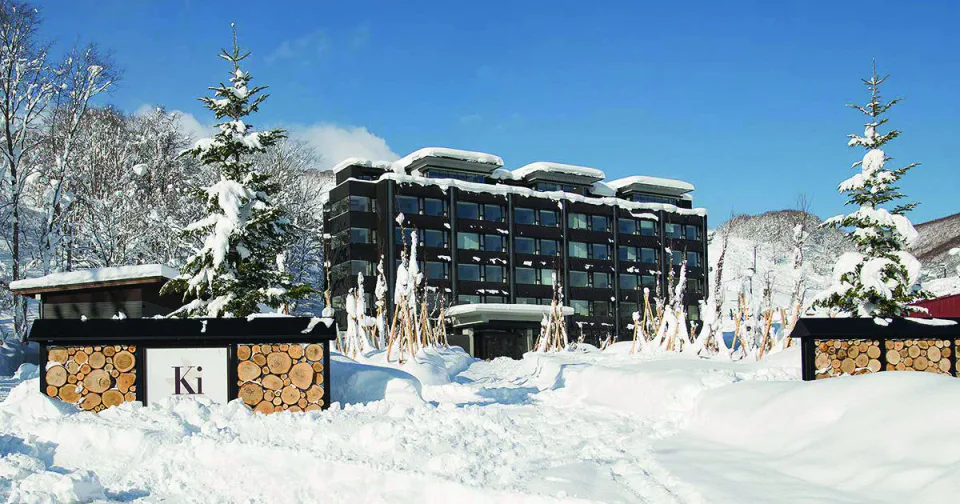
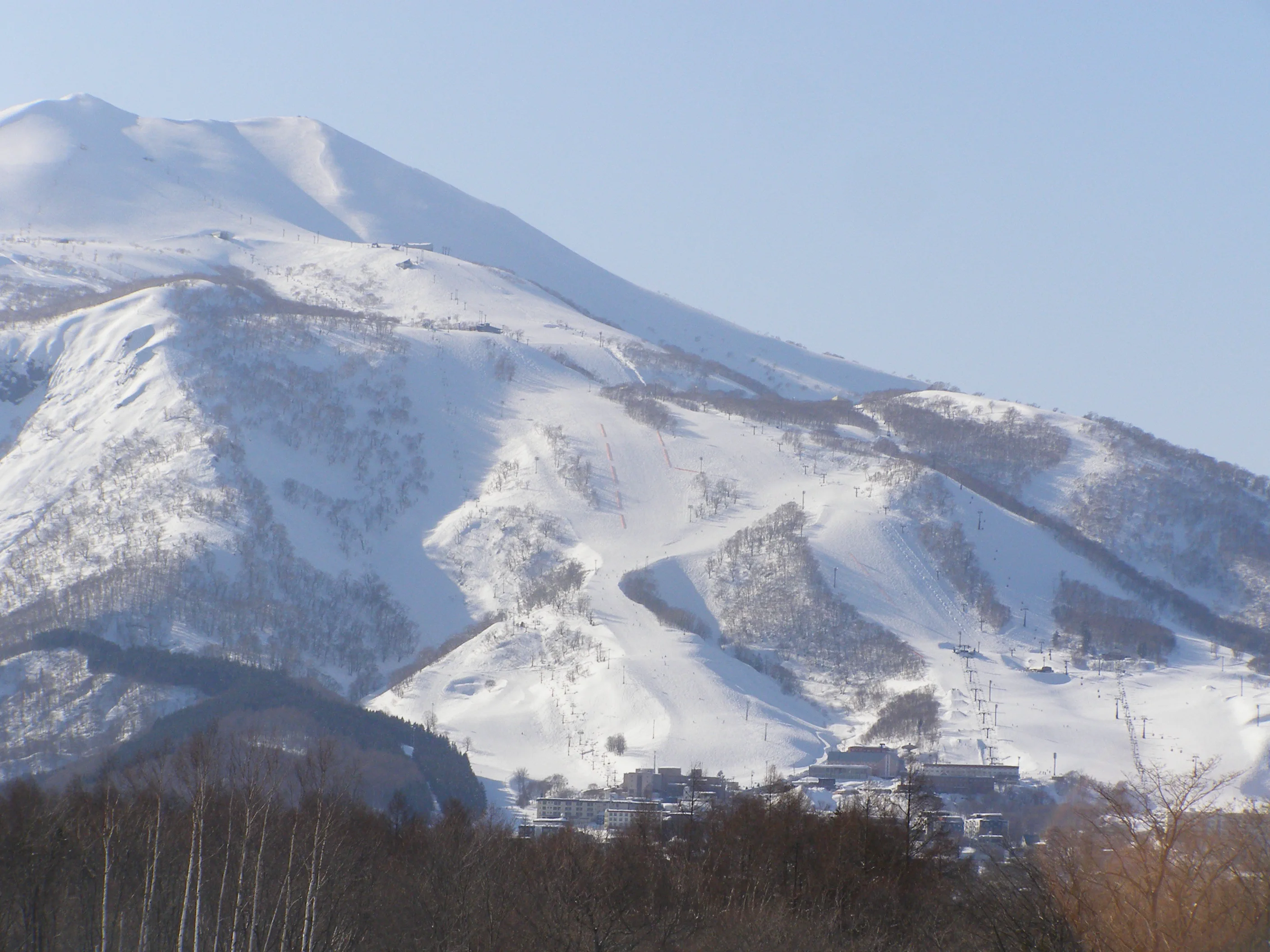
Niseko United spans Grand Hirafu, HANAZONO, Niseko Village and Annupuri. Those are four distinct hotel and first-lift geographies, not one interchangeable village. Its breadth helps when travellers want different restaurants, room types or independent time, but it adds another decision: where the group will actually sleep. Where to stay in Niseko should follow a Niseko choice immediately. A low room price in one area is poor value if every booked lesson and dinner is reached from another.
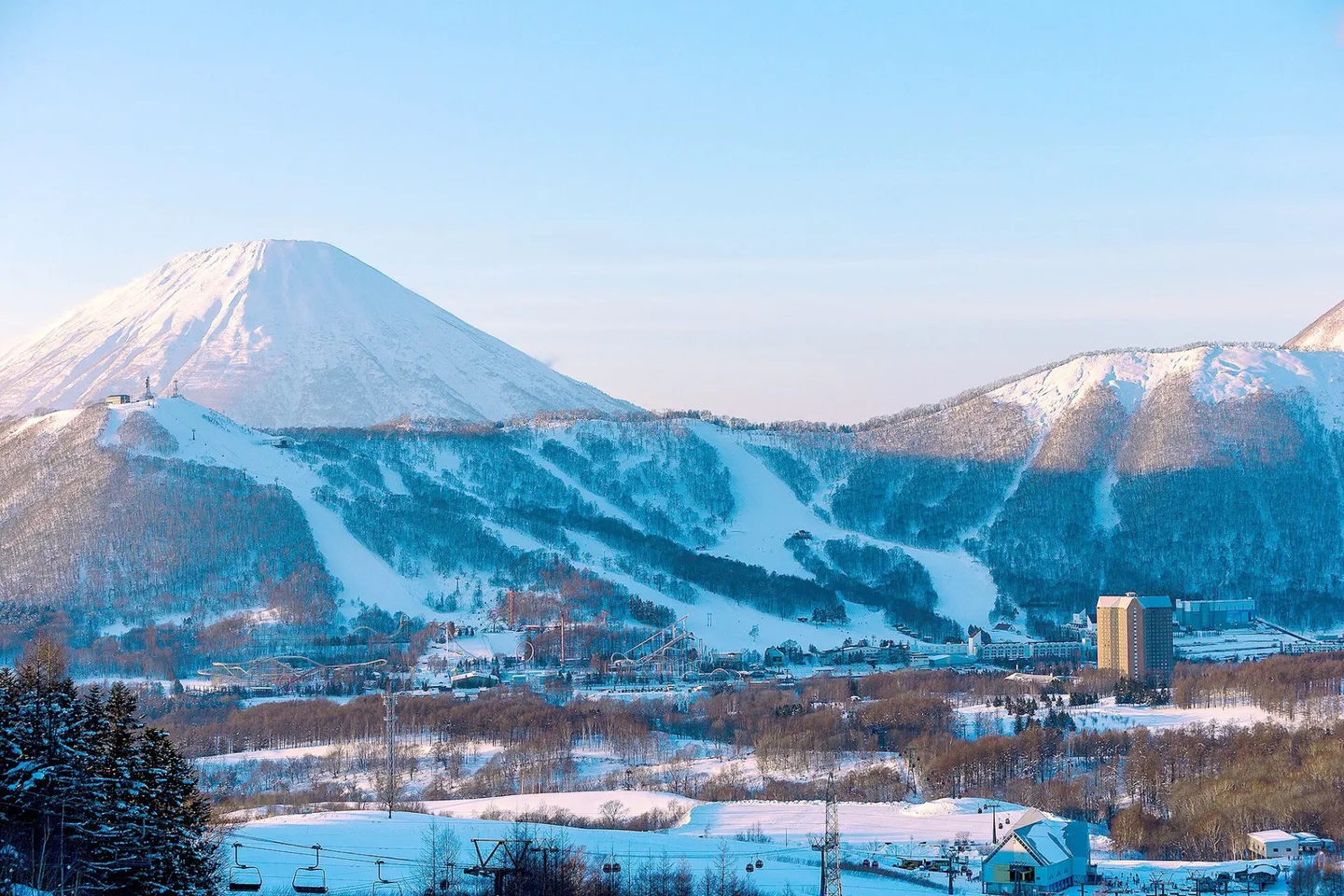
Rusutsu offers a more contained purchase. It has three mountains served by four gondolas and 14 lifts, with 37 listed runs. There is still movement within the resort and differing skill terrain, but a group need not first choose among four separate resort villages. The ski-first traveller can learn one hotel-to-lift routine and repeat it. That simplicity has more value on a brief trip than on a long stay where the party wants different neighbourhoods and evening plans. The piste count alone does not identify the best beginner lift or the easiest hotel door.
The non-ski participant decides much of this comparison. In Niseko, a person who wants cafés, dining, shopping, an onsen or separate activities can build time beyond the skiers’ itinerary. A Rusutsu guest who is happy to use the property’s indoor spaces may not need that independence. Its heated indoor wave pool is free during the stay for qualifying hotel guests, while The Vale Rusutsu and campground guests are excluded from that particular benefit. Nursery care, children’s snow programmes and other indoor or outdoor activities provide further possibilities, subject to current availability and charges. Winter activities without skiing in Hokkaido provides ideas outside a single resort.
Ask the non-skier what a satisfying afternoon looks like. Someone content with the pool, onsen and a hotel meal may find Rusutsu easier than repeatedly arranging independent transport. Someone who wants to explore shops and restaurants on their own may find a carefully chosen Niseko base more liberating. A resort cannot be called “skier-only” simply because it is compact, and Niseko’s variety only helps if the chosen village allows the non-skier to reach it. The Niseko food and grocery guide shows the importance of actual evening logistics.
Count complete mornings, then consider a resort split
Hotel nights overstate ski time. A three-night stay often means an arrival afternoon, two full mountain mornings and a departure morning; four nights often yield three complete days. Count mornings on which the group can be near a first lift, then subtract any day consumed by an inter-resort move or long fixed transfer. This simple test explains why changing between Niseko and Rusutsu in a three-night block usually loses more than it gains. You get two resort names in the itinerary but less uninterrupted skiing.
With two full ski days, choose one mountain system. With three or four, one base usually still wins unless experiencing both places is the primary goal. A longer, strongly ski-focused Hokkaido route can justify a split when the group deliberately wants different terrain and has enough full mornings left after packing and moving. A five-, seven- or ten-day Hokkaido winter route helps identify whether this is a short resort stay or part of a longer circuit. A day trip from Sapporo has a different calculation again; Teine versus Sapporo Kokusai can be more sensible for one ski day.
Rusutsu’s short-stay advantage has a date boundary
Rusutsu Resort Hotel & Convention lists 2026–27 winter accommodation from 28 November 2026 through 30 March 2027. The Westin Rusutsu lists stays from 1 December through 30 March. A 28–30 November booking therefore cannot treat the two hotels as the same available product. A published mountain opening is also subject to snow and lift conditions; a hotel stay at the season’s edge should be bought with those limits in mind. Westin Rusutsu versus Hilton Niseko Village is a more detailed hotel comparison after the resort choice.
Rusutsu has already released winter 2026–27 packages, including combinations with lift access and meals. A package can remove several booking decisions for a family staying on site, but its value depends on what is genuinely included. Compare the final dates, room, breakfast or half-board, lift coverage, age bands and cancellation deadline. A room-only Niseko rate beside a Rusutsu half-board-and-lift package is not an honest resort comparison. Likewise, a Niseko hotel package may contain benefits that make a bare Rusutsu room card look misleadingly cheap.
Niseko can work very well for the same three- or four-night block if the chosen area gives the group a short route to its lesson, rental fitting and first lift. Its advantage is larger when non-skiers want an independent day or the skiers want varied evening food after a full mountain day. The fact that there are four base areas does not obligate a short-stay group to use them all. Choose one and make the routine simple. Niseko ski-in/ski-out hotel access focuses on the real guest exit and return route.
The first 90 minutes matter more to beginners than a trail count
A beginner morning can be lost before anyone reaches meaningful terrain: breakfast takes longer, boots need adjusting, rentals require fitting, children need lockers, and a lesson meets at a specific place. Both resorts offer learning options. The practical question is whether the selected hotel, rental shop, lesson desk and beginner lift form one manageable route. At Niseko, name which of its four areas hosts the actual lesson. At Rusutsu, establish the hotel wing and meeting point rather than assuming every internal connection is effortless.
A cold shuttle with several ski bags every morning can outweigh access to advanced runs a novice will not use. If a child’s lesson is in the King area at Niseko, a room beside that exit may beat a cheaper room elsewhere in the same resort network. Niseko lift passes, rentals and lessons and private-lesson length and sharing help align the first morning with the product purchased. A group based at Rusutsu should perform the same door-to-lesson check with its own hotel and ski school.
The same principle applies to people who stop early. A Rusutsu family expecting to return to a pool or room after a child’s lesson may benefit from a compact resort routine. A Niseko mixed group can do the same from a suitable slope-side hotel, with more choices elsewhere in the village after dinner. Count how often each traveller enters and leaves the room while awake. Facilities that nobody uses are not a reason to accept a premium; convenient lift access that saves time every morning may be.
The 2026–27 ticket pages now permit a real price comparison
Niseko United’s peak adult All Mountain pass is ¥13,500 for one day, ¥26,500 for two, ¥39,500 for three and ¥52,500 for four during 24 December 2026–28 February 2027. Rusutsu has since published its own 2026–27 winter ticket table, correcting the older situation in which last year’s prices were the only ones displayed. For the overlapping regular period, 19 December 2026–14 March 2027, Rusutsu lists an adult one-day counter ticket at ¥16,700 and an online one-day price of ¥13,200; two, three and four-day tickets are ¥26,000, ¥39,000 and ¥52,000.
↔ Scroll table left or right
Adult ticket for overlapping peak dates | Niseko United All Mountain | Rusutsu regular season |
One day | ¥13,500 | ¥16,700 at counter; ¥13,200 online |
Two days | ¥26,500 | ¥26,000 |
Three days | ¥39,500 | ¥39,000 |
Four days | ¥52,500 | ¥52,000 |
Season boundaries | Niseko peak: 24 Dec–28 Feb | Rusutsu regular: 19 Dec–14 Mar |
These figures compare ticket products, not final ski-holiday costs. Rusutsu’s online discount applies to its one-day ticket; its page says online sales are limited to the 25-hour, top-up five-hour, five-hour and one-day products, with other types purchased at the counter. Age categories also differ between the operators. Compare the real travellers’ ages, dates, number of ski days and package inclusions before inferring that a small day-pass difference makes one resort cheaper. Niseko trip cost and booking timeline provides the full-budget frame.
A Niseko peak example shows why the number of skiing days must be honest. Three separate adult one-day passes total ¥40,500, while a three-day pass is ¥39,500, a ¥1,000 difference. That small saving does not justify forcing a planned rest day into three consecutive ski days. Multi-day Niseko tickets are valid for consecutive days, so a non-ski break changes the right product. Rusutsu’s 25-hour ticket uses a different hour-based system; it should not be compared with a Niseko three-day pass merely by the number printed in the product name.
Rusutsu package pricing needs the same care. A hotel plan including breakfast, dinner or lift tickets could undercut a separate-room-and-pass assembly for the exact dates, or cost more because the included meals are not the ones the group wants. Keep every quote in yen and compare cancellation treatment. Room inventory can move faster than the published pass price. A traveller who expects to ski only two of four days should avoid paying for a package that assumes every day is on snow unless its other benefits compensate.
Night skiing is available at both, under different windows
Niseko United currently schedules night skiing from 12 December 2026 through 22 March 2027, with operations conditional on the mountain. Rusutsu’s 2026–27 ticket page now lists night skiing from around mid-December 2026 through 30 March 2027, planned hours 16:00–20:00 and last lift ride 19:45. The start is stated approximately and snow conditions can move the schedule. The original comparison treated Rusutsu’s new-season night timetable as unknown; that is no longer accurate.
An evening session can give a short trip extra useful mountain time, but only if the party will actually use it after travel and dinner. It also changes the value of a hotel close to the operating lift. A January group planning two night-ski sessions has a different room-location calculation from an April group staying the same number of nights. Check the specific night terrain and hotel return route, not just the general resort date. Niseko powder and winter-snow conditions is separate from the operational schedule: a night-ski ticket does not guarantee preferred snow or visibility.
The airport bus is now schedulable for winter 2026–27
Hokkaido Resort Liner has published its New Chitose–Rusutsu/Niseko winter 2026–27 service, replacing the old uncertainty about using last season’s timetable. The airport-to-resort period runs 1 December 2026–30 March 2027; the return direction runs 2 December–31 March, while particular services may have shorter dates. Published one-way adult fares are ¥5,500 to Rusutsu and ¥6,000 to Niseko. The operator requires at least 45 minutes from a domestic flight to bus and 90 from an international arrival; bus-to-flight minimums are 60 and 120 minutes respectively.
Those minimums are screens, not recommended comfortable connections. A long-haul flight landing at 15:30 should not be tied to a 16:00 bus after immigration, ski-bag collection and a walk to the meeting point. The actual destination stop matters too: a bus to Hirafu does not automatically serve HANAZONO, Annupuri or Niseko Village hotel doors. For a Niseko booking, the New Chitose–Niseko transfer comparison details the last mile and return buffer. For a broader car-free route, a seven-day Hokkaido winter itinerary without a car places the resort block among other stops.
A rental car should not be the default response to indecision between the two resorts. Winter roads bring ice, low visibility, early darkness, parking and airport-day risk. Experienced snow drivers may need a car for a larger Hokkaido circuit; a family staying at one ski resort can often use the published bus or a vehicle with a driver. The Hokkaido winter driving guide and partial versus full-trip rental should be part of any car decision. A map showing nearby resort pins does not make switching after a ski day frictionless.
Decide how much of the room and village you will use
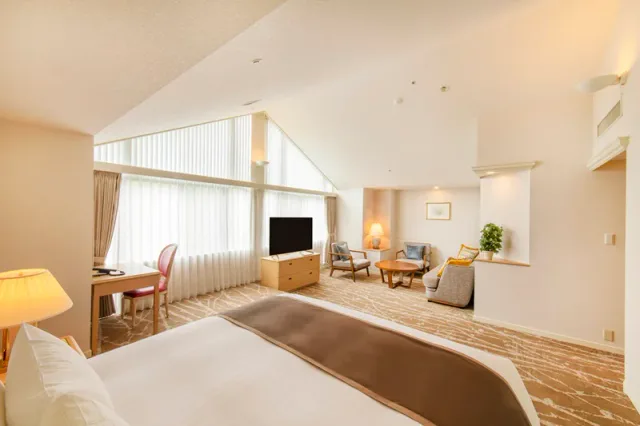
Peak accommodation can reverse a simple preference. Do not compare room cards alone; calculate the waking hours likely to be spent at the property. A couple out from first lift until dinner may gain little from a larger suite or pool, but it can benefit from the quickest lift access. A family returning around 15:30 for the pool, onsen and an early meal uses the resort differently. Rusutsu’s self-contained setup can be excellent for the second pattern. Niseko can be better if the adults want the day to continue through independent restaurants and nightlife.
Repeated use is the key. A pool visit on one stormy day does not carry the same weight as a facility children use every afternoon. A Niseko village full of options has little value to a group that eats at its hotel every night, while a Rusutsu meal plan can feel restrictive to friends who want to choose a different restaurant after each ski day. Write down two ordinary evenings, not an idealised list of amenities. Niseko food, lunch and groceries makes the independent-dining side more concrete.
For six or more ski days, the room’s practical details gain importance: laundry, boot drying, enough personal space, a kitchen and how a non-skier spends repeated afternoons. The simplicity of Rusutsu may still win, but the cost of a limitation also repeats. Niseko’s four-area choice gives more ways to match a long trip, at the price of more planning. Niseko group apartments is particularly relevant when several adults need a kitchen or separate bedrooms.
When the recommendation changes
Switch from Niseko to Rusutsu if nearly everyone skis most days, independent nightlife is unimportant, the group likes resort meals and pool or onsen time, and a like-for-like 2026–27 package gives a materially better total. Switch from Rusutsu to Niseko if a companion wants several independent non-ski days, friends want village restaurants and bars, a particular Niseko lesson or slope-door hotel solves the first morning, or a longer stay benefits from a different room type. These are group conditions, not judgements about which mountain has inherently better snow.
Do not split a three-night stay merely to say both resorts were visited. Do not buy a package because a ticket was included before checking how many full ski days the party has. And do not use a November Rusutsu Hotel & Convention date to assume the Westin is open that same night. The published 2026–27 pass and bus data now make the comparison more concrete than the old article’s uncertainty; room rates, lift operations and weather still need to be checked for the exact dates.
Once the group has chosen its ski area, compare Niseko-area rooms or compare Rusutsu resort stays for the same dates and cancellation conditions. A room near the correct lesson and return route can matter more than a small difference between lift-pass prices.