
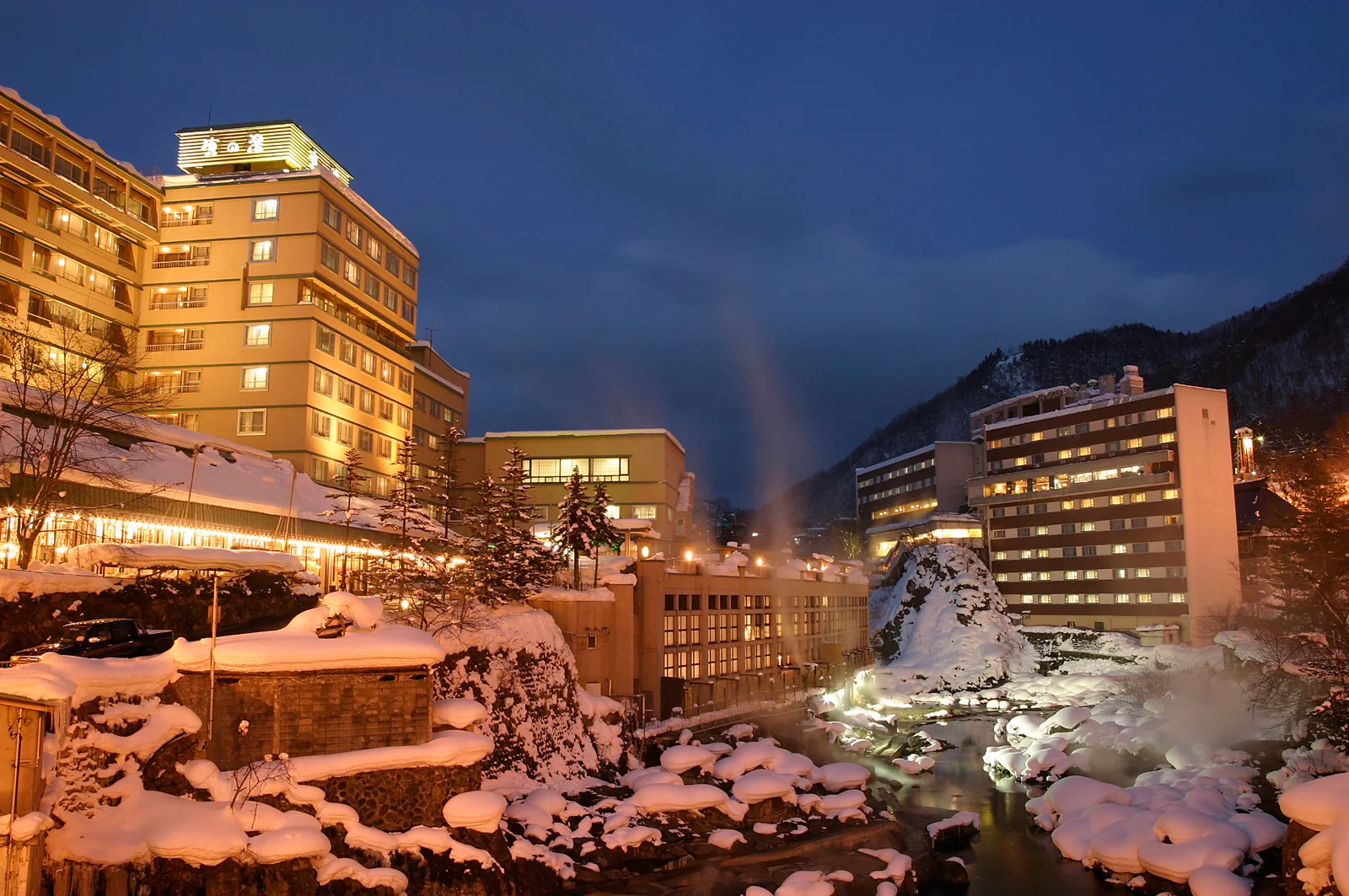
The choice between Jozankei and Noboribetsu is largely a route question. Jozankei works as a short onsen detour from a Sapporo stay. Noboribetsu asks for more travel from Sapporo but may advance a trip toward Lake Toya or Hakodate, with Hell Valley as a reason to spend time outside the baths. Airport arrivals need their own comparison: Noboribetsu has a reservation-required direct bus, and Jozankei has announced a separate winter-only direct service for 19 December 2026 to 21 February 2027. Start with where you sleep before and after the onsen night, then check which actual departure fits.
Neither town requires an overnight simply to enter a hot spring. Noboribetsu lists day-use baths, while Jozankei is close enough to Sapporo for a bus outing. A ryokan night becomes worthwhile when dinner, a late soak, a quiet morning or progression to the next destination matters. The Japanese ryokan booking guide is useful before choosing a meal plan or bath arrangement; town choice alone does not settle those room-level details.
The next morning determines which route was easier
| Trip shape | Likely better starting point | Why | What could reverse it |
|---|---|---|---|
| Sapporo, onsen night, back to Sapporo | Jozankei | Direct Kappa Liner takes about 60 minutes from Sapporo | A strong wish to see Hell Valley |
| Sapporo, onsen night, then Hakodate or Lake Toya | Noboribetsu | The hotel move can advance the southbound itinerary | A required return to Sapporo |
| Daytime New Chitose arrival | Check both dated bus services | Noboribetsu direct bus is listed around one hour; Jozankei adds a winter-only direct bus | Flight misses the useful departure or season |
| Late flight with ryokan dinner | Neither town on arrival night | Baggage and winter delays threaten dinner and last transport | A confirmed late check-in and workable transfer |
| One bath and no interest in a ryokan evening | Day trip | Avoid a checkout and luggage move | A morning or dinner experience worth staying for |
A hotel change has a price beyond the room: packing, checking out, carrying cases and checking in again. For a Sapporo-based itinerary, Jozankei keeps that move close to the city. For a route already going south, Noboribetsu can combine the onsen night with geographic progress. The Hokkaido seven-day itinerary without a car helps place these moves against the rest of the week, while the Sapporo station, Odori or Susukino base guide tests whether you need to return to your city hotel at all.
Jozankei uses Sapporo as its transport hub
From Sapporo Station, Jozankei’s visitor association gives roughly 60 minutes for the direct Kappa Liner, about 80 minutes for the regular bus and approximately 50 minutes by car. The Kappa Liner is reservable; the association’s 2025 service revision described eight round trips and a changed Sapporo boarding point near the Hokuren Building. Those details matter if you want a relaxed ryokan check-in after a city morning. A published one-hour ride is still not door to door: allow the walk to the bus stop, waiting, and the distance from the Jozankei stop to the selected hotel.
The town is best understood as a Sapporo side loop. If you return to Sapporo after breakfast, there is little reason to compare it with a Noboribetsu stop on the southbound rail corridor. A Sapporo traveller can also use Jozankei as a day trip and retain the same city room for the night. The How many days in Sapporo guide can reveal whether a ryokan night gives you a better break than adding another generic city day.
Jozankei loses its easy-access advantage when the next stage is south of Sapporo. A bus out and back followed by a separate long-distance departure creates backtracking, even if each individual ride is manageable. Before selecting an especially attractive ryokan, draw the three places on the itinerary: your previous bed, this onsen, and the bed after it. If the line folds north again solely to collect luggage, think about forwarding bags or choosing a stop that carries you onward. The Japan luggage-forwarding decision addresses whether a suitcase, rather than the route, is the real obstacle.
Noboribetsu requires a last transfer but can advance the trip
The Noboribetsu visitor association lists a limited express journey of about 1 hour 10 minutes between Sapporo and JR Noboribetsu Station and about 2 hours 25 minutes between that station and Hakodate. The onsen district is roughly 8 km beyond the railway station, so a rail arrival still requires a local bus, hotel shuttle where offered, or another transfer. The visitor association lists ¥350 for the bus between JR Noboribetsu Station and the onsen terminal. Check the service for your actual date before relying on that fare or a specific connection.
That eight-kilometre gap matters with luggage. A family with two large rigid cases may find the station-to-onsen handoff more tiring than the train itself. It does not make Noboribetsu a poor choice if the following day continues toward Lake Toya or Hakodate; it means the last mile belongs in the plan. The Noboribetsu Grand, Manseikaku and Sekisuitei arrival comparison examines how hotel location and arrival method affect that final stretch.
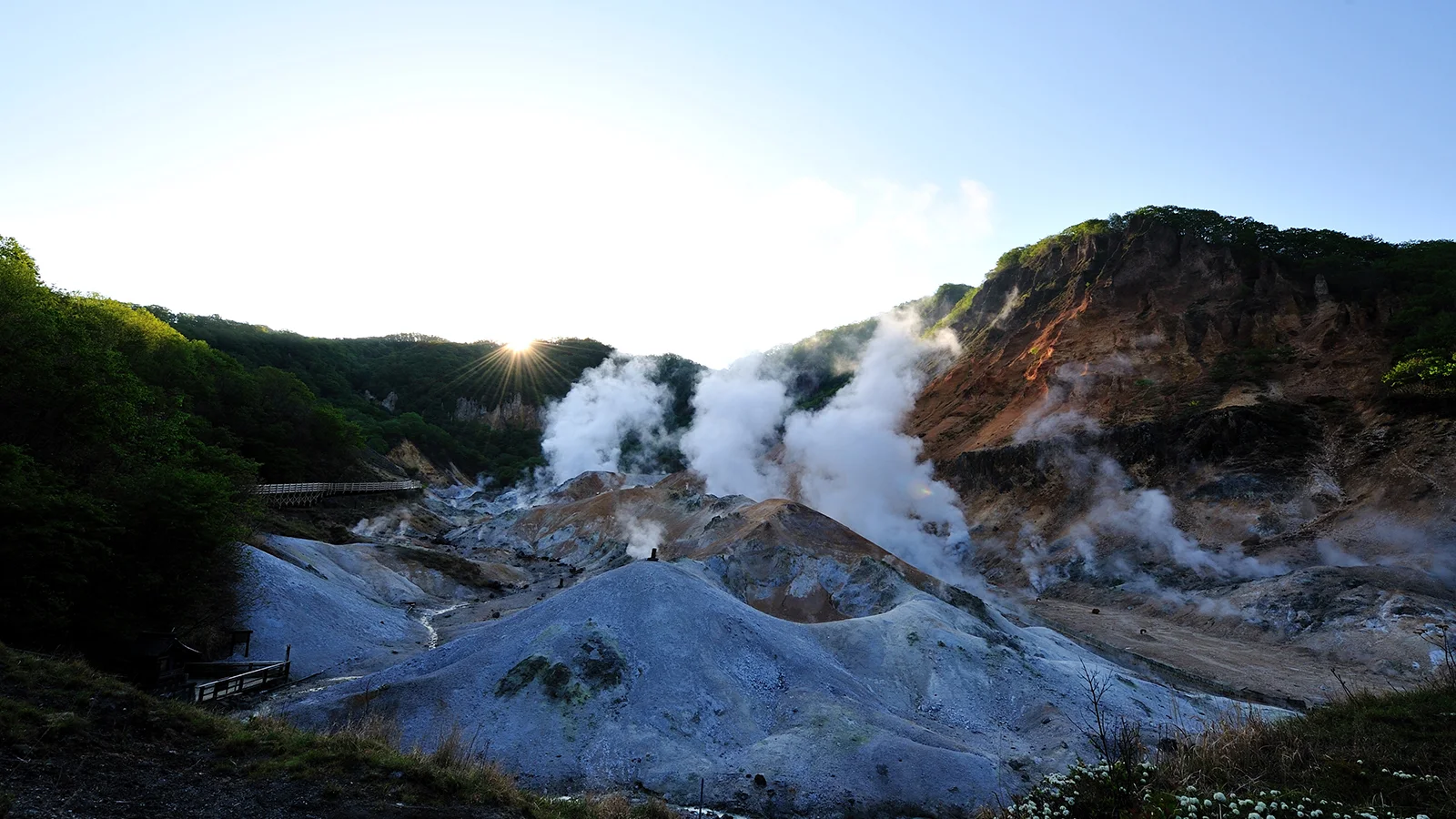
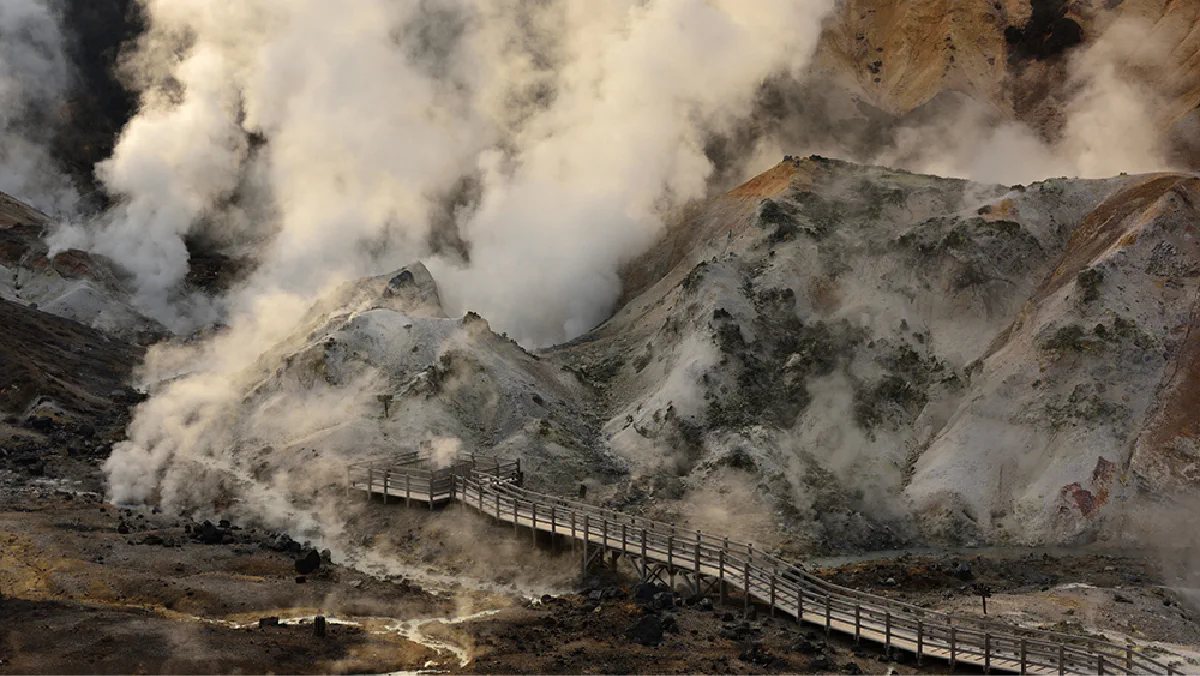
Hell Valley is the second reason Noboribetsu may deserve the extra movement. It gives the onsen stay an outdoor destination rather than making the hotel the entire point. If you arrive early enough to walk and still meet dinner time, the town serves two purposes. If you arrive only to sleep and leave immediately, compare the effort honestly with a simpler Jozankei night. The Dai-ichi Takimotokan winter wing guide shows how even within Noboribetsu the right room can depend on access to baths and walking distances.
New Chitose changes the ranking for some arrivals
It is tempting to say Jozankei is always easier because it is closer to Sapporo. That assumes you first travel into Sapporo. Noboribetsu’s visitor association lists a reservation-required Expressway Airport-go service from New Chitose Airport to Noboribetsu Onsen at about one hour. For a flight that aligns with the bus and a hotel able to receive you before dinner, this can be a clean first Hokkaido night. Other airport routes may involve rail and a transfer; do not treat every airport-to-Noboribetsu search result as the direct bus.
Outside the new direct-service window, Jozankei’s airport access generally involves a connection. The tourist association describes an airport bus to Makomanai followed by a Jotetsu route bus; its revised access guidance puts that combined ride at roughly two hours before flight and waiting buffers. Another choice is Rapid Airport to Sapporo followed by the Kappa Liner. From 19 December 2026 through 21 February 2027, the reserved Jozankei Onsen Liner is scheduled to leave the airport’s international terminal at 15:15 and domestic terminal at 15:18, reaching central Jozankei stops around 17:06–17:20. It is a genuine no-transfer alternative for a flight that arrives early enough, though slower than Noboribetsu’s quoted direct ride. The New Chitose late-arrival hotel guide remains the safer starting point when the flight lands late.
A late landing undermines both onsen-first ideas. Immigration, bag collection, a winter delay or a missed reserved service can collide with a ryokan dinner cutoff. A hotel by the airport, Chitose or Sapporo may produce a better first night, with the onsen moved to Day 2. The Portom airport-terminal stay assessment is one way to test the value of staying near the terminal; it is a different purchase from committing to a ryokan dinner after a flight.
A day-use bath sets the overnight threshold
Noboribetsu publishes a list of day-use baths that includes public and hotel options. Jozankei can likewise be reached from Sapporo without an overnight. If a single soak is the entire goal, keep the original hotel and avoid repacking. An overnight should unlock an experience you cannot comfortably fit into that day trip: a meal at the ryokan, bathing later in the evening, a quiet valley or Hell Valley walk in the morning, or forward movement along the route.
| What the overnight adds | Jozankei | Noboribetsu |
|---|---|---|
| Dinner and late bath | A close-to-Sapporo ryokan evening | A destination onsen evening after the longer transfer |
| Morning outside | River and valley time before returning to Sapporo | Hell Valley or an onward southbound departure |
| Travel progress | Usually little if you return to Sapporo | Can position you for Lake Toya or Hakodate |
| Cost of moving rooms | Bus and hotel check-in | Train plus last-mile transfer and hotel check-in |
A ryokan dinner needs a realistic arrival time, especially where half board is sold as part of the stay. A late soak is valuable only if bathing is important enough to structure the evening. A quiet morning matters only when departure is not on the first available bus. These are distinct benefits, so name the one you want rather than assuming any onsen town requires a hotel night. The Kinosaki one-or-two-night decision makes a related calculation in another region, although its town layout and transport are different.
Luggage and hotel location decide the final few hundred metres
A direct Jozankei bus can be attractive when you carry large bags, but only if its stop is useful for the selected ryokan. A property high up a slope or away from the main bus stops may restore the walking difficulty you hoped to avoid. Noboribetsu’s rail approach has an obvious transfer at JR Noboribetsu Station, but a direct intercity bus or hotel-specific shuttle may change the door-to-door picture. Ask each hotel which stop it uses and whether a shuttle requires advance notice; do not infer access from a town name.
For a family, include the heaviest bag in the comparison. The local-bus fare is small beside the room cost, yet boarding with two 29-inch suitcases may be the real inconvenience. A luggage-forwarding leg can sometimes make a southbound Noboribetsu route workable without giving up the ryokan. The Hotel Emion versus Keio Prelia winter-luggage comparison illustrates how snow and the last walk can outweigh a nominally short transfer.
The 2026 foliage bus has ended; the valley remains a seasonal draw
Autumn gives Jozankei a stronger reason for an early arrival and an overnight because the valley, not only the bath, becomes part of the day. The 2026 Koyo Kappa Bus ran from 1 to 21 October with four daily departures and same-day first-come reservations at the information centre. That particular season has passed as of 24 October 2026, so do not build a forthcoming trip around those departures. Future autumn visitors should check the next announced service before buying a room on the assumption that this bus will run again in the same way.
An overnight still can protect daylight for walks or a quiet morning around Jozankei when seasonal buses are crowded or unavailable. It does not guarantee a seat on a foliage service. The Jozankei autumn day-trip-or-overnight guide addresses the current season’s route constraints, while the five-day Hokkaido autumn route helps decide whether the valley deserves one of a limited number of nights.
Three Noboribetsu hotels show why the town label is not enough
The hotel-level choice has its own geography and bathing offer. Noboribetsu Grand Hotel, Noboribetsu Manseikaku and Noboribetsu Sekisuitei are all in the wider onsen area, but the last walk from a bus stop and the bath arrangement should be checked separately for each. The following hotel exteriors are examples of real properties in Noboribetsu; they are not Jozankei properties or a ranking by image. The Noboribetsu winter hotel arrival guide is the appropriate place to compare those named bookings.
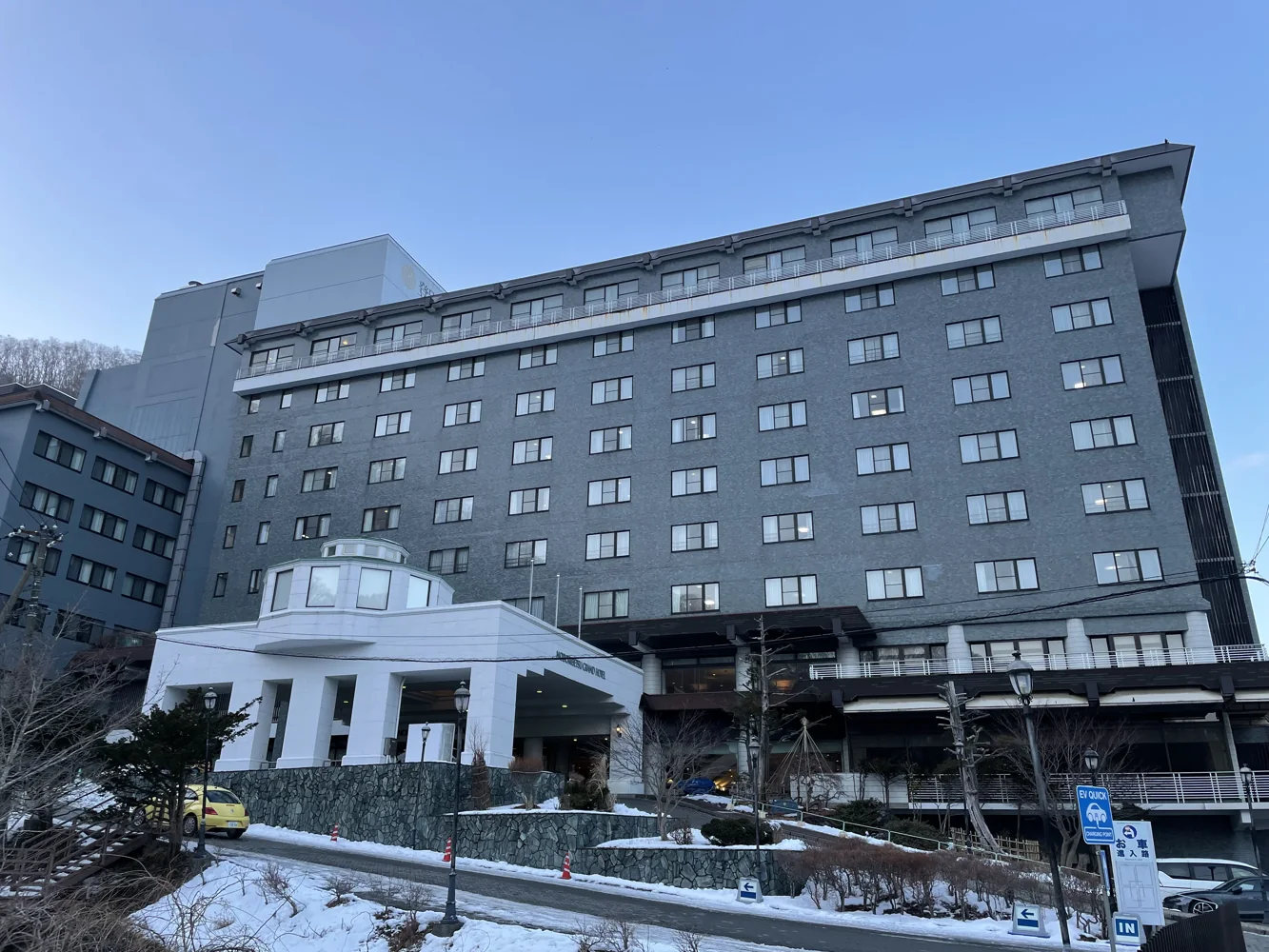
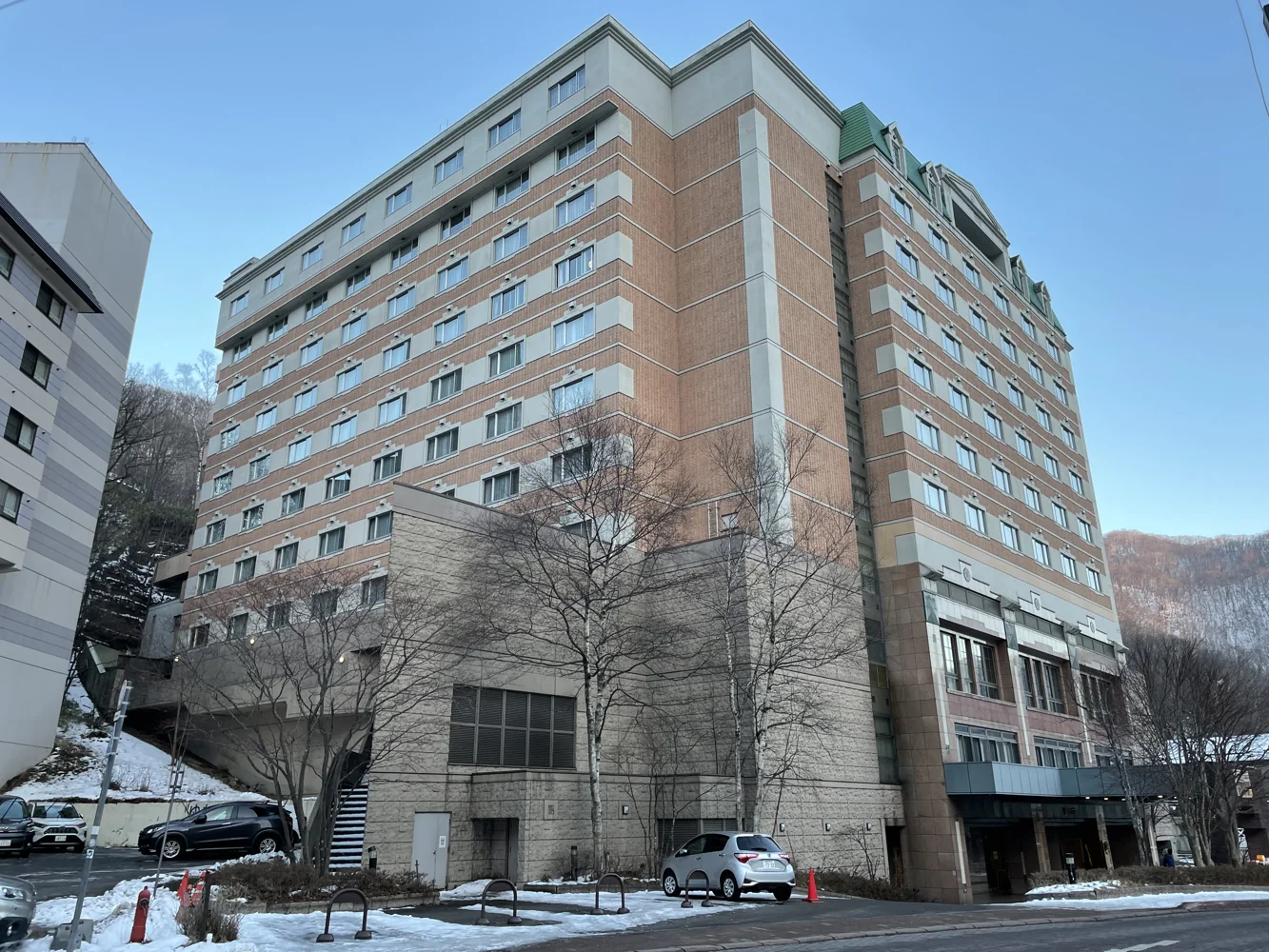
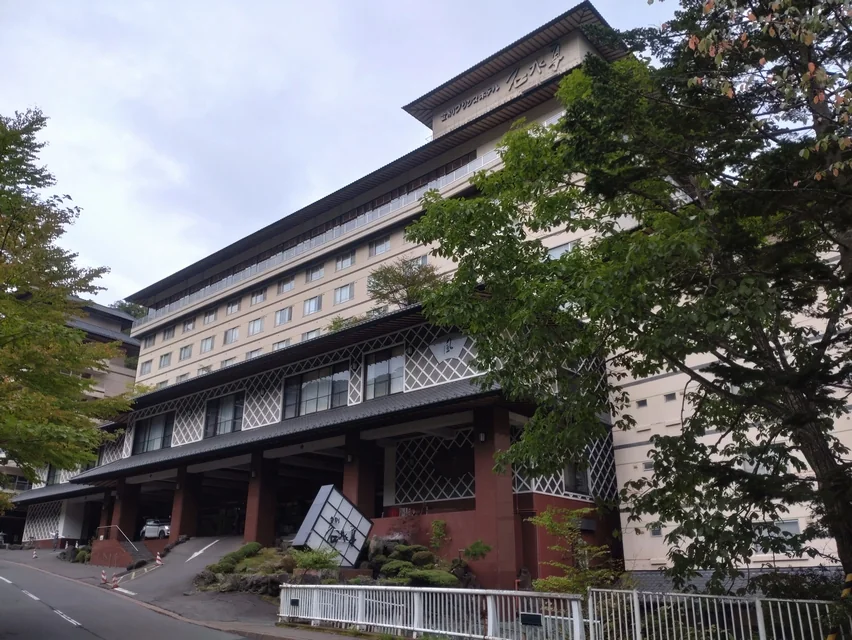
For either town, decide whether the bath belongs to a specific hotel or whether you are happy with a public day-use visit. A booking with dinner, a private bath or in-room onsen solves a different need from the least expensive room in the town. The Noboribetsu winter hotel arrival comparison and the general ryokan bath and half-board guide should be used after the route has chosen the town.
One night is the baseline; a second needs a plan
One onsen night usually gives a first Hokkaido itinerary a distinct change of pace without removing too many nights from Sapporo, Hakodate or the rest of the route. In Jozankei, a second night is easier to justify if the ryokan itself is central to the holiday, or if walking, autumn colour and a deliberately slow break from Sapporo fill a real second day. In Noboribetsu, another night can support Hell Valley, West Iburi stops and a more relaxed resort stay. If the place is functioning mostly as a transfer between Sapporo and Hakodate, two nights may add hotel time without another job.
Do not convert “onsen towns are relaxing” into an automatic two-night rule. Write down what happens between the second breakfast and second dinner. If the answer is simply another bath, compare whether the premium room, dinner plan and second checkout are worth it. The Nikko day-trip-or-overnight guide explores a different destination with the same itinerary pressure: more time in a place is valuable only if there is something you mean to do with it.
Seven checks before choosing a room
| Decision dimension | Jozankei question | Noboribetsu question |
|---|---|---|
| 1. Previous night | Are you already in Sapporo? | Could the onsen follow the airport or a southbound train? |
| 2. Following night | Do you return to Sapporo? | Will you continue toward Lake Toya or Hakodate? |
| 3. Last transfer | Is the bus stop near the ryokan? | How will you cover the 8 km from JR Noboribetsu? |
| 4. Arrival time | Will the direct bus leave enough dinner time? | Does the flight or train meet a useful reserved bus? |
| 5. Reason to stay | Will you use a ryokan evening and valley morning? | Will you see Hell Valley as well as bathe? |
| 6. Season | Are any autumn services actually running on the date? | Do winter road and local-bus conditions change the transfer? |
| 7. Number of nights | What fills a second day? | Does a second night add West Iburi or resort time? |
This is an editorial checklist rather than a numerical hotel score. A single answer can settle the route: a necessary same-day return to Sapporo usually favours Jozankei; a confirmed direct airport bus and early ryokan dinner may favour Noboribetsu. The other dimensions then tell you which hotel and meal plan to buy. A price comparison between one town’s basic room-only quote and the other’s half-board ryokan says very little until the product is aligned.
Compare Jozankei onsen stays or compare Noboribetsu onsen stays. Match meal plan, bath access, luggage route and cancellation terms before treating a nightly total as cheaper. The Niseko versus Furano ski-base decision may matter more if this onsen night is only one part of a winter itinerary.
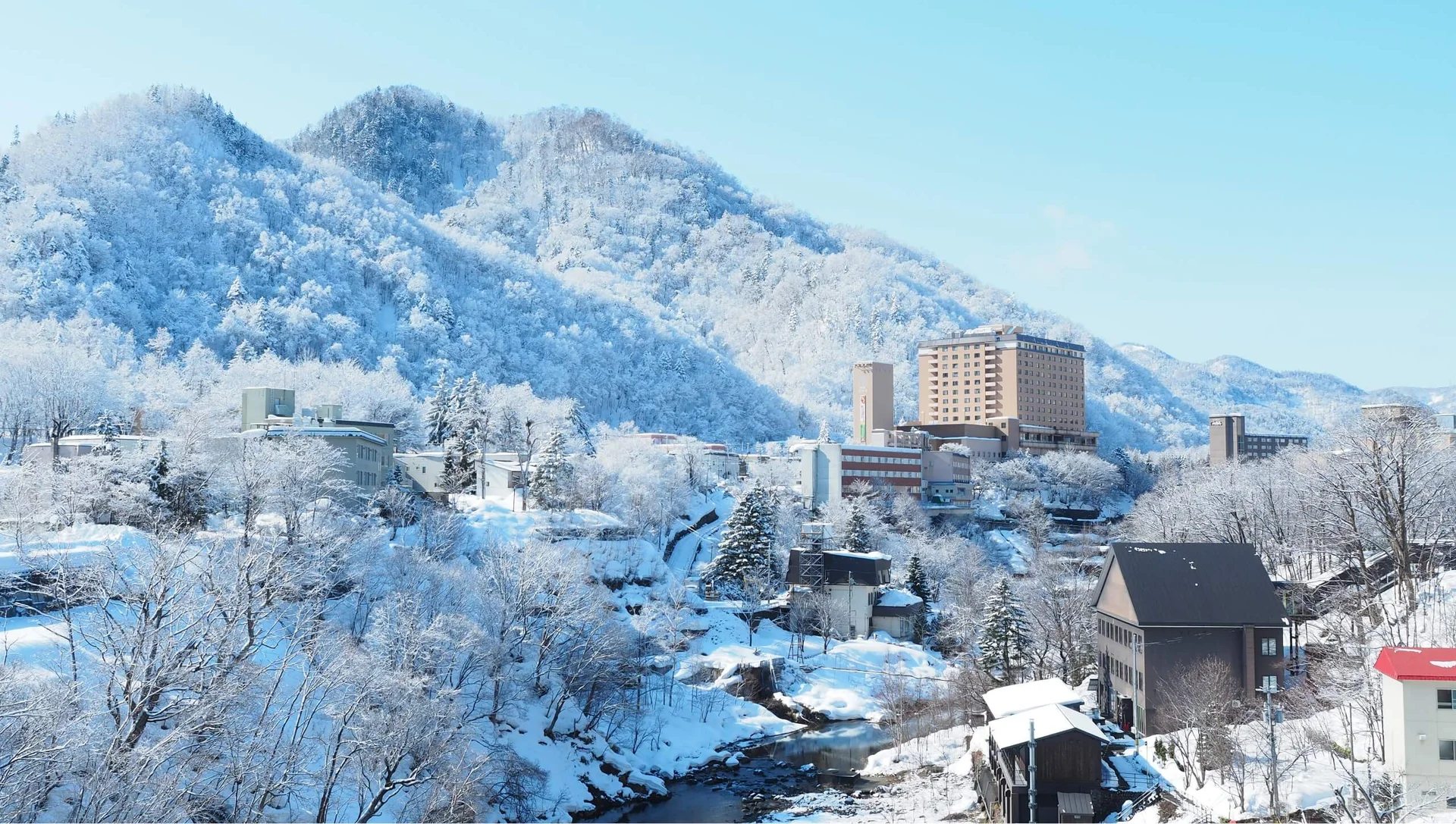
Transport and bathing details for the date you travel
Jozankei publishes access from Sapporo and New Chitose, its revised Kappa Liner and airport connection guidance and the 19 December–21 February direct airport bus plan; Jotetsu lists Kappa Liner reservations. Noboribetsu publishes rail and airport access, the JR-station-to-onsen bus fare and day-use baths. Timetables, hotel shuttles, meal cutoffs and autumn services need the date-specific listing.
Other travel choices: Vessel Hotel Campana Okinawa vs LeQu:, Miyako Hotel Hakata vs Solaria Nishitetsu, Okinawa Powered Paragliding vs Parasailing 2026:, Airalo vs Saily vs Klook Japan, Niseko vs Rusutsu: Which Ski Resort.
Other travel choices: Aso Day Trip or Overnight: Which, Solaria Nishitetsu Hotel Fukuoka vs ONE, Happo vs Goryu: Which Hakuba Base, Tokyo Station vs Shinjuku: Which Base, Kobe Budget Eats: Gashoken vs ENISHI.
Other travel choices: Hakone vs Kawaguchiko: Which Is Better.