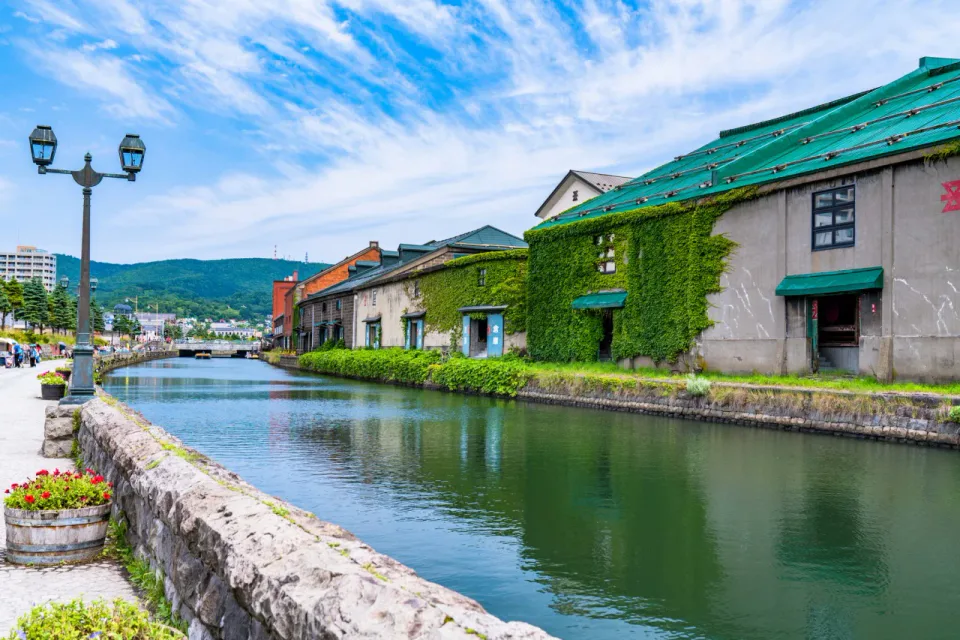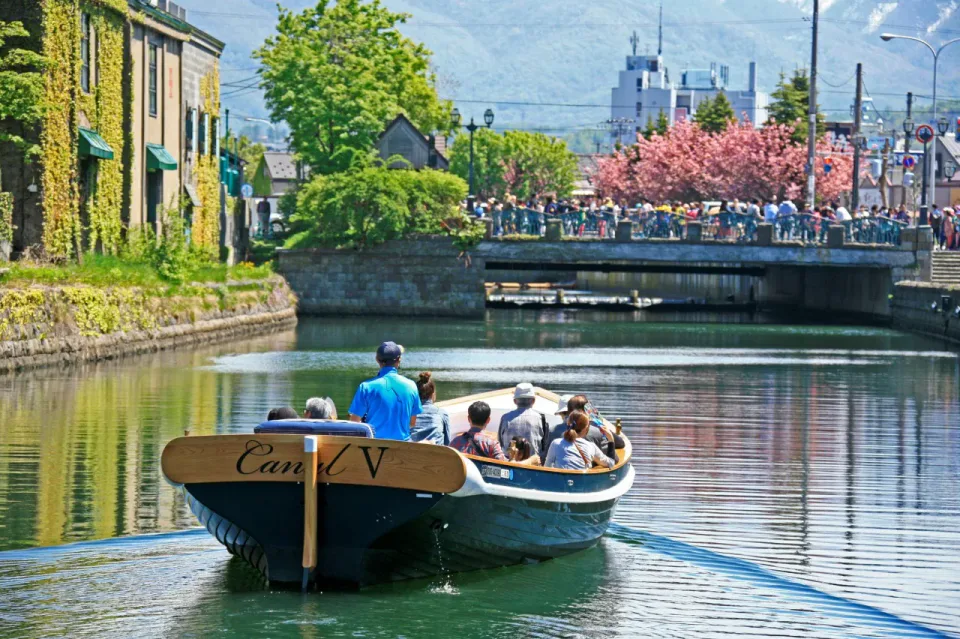
Otaru is close enough to Sapporo that sleeping there needs a purpose beyond avoiding the train. JR Hokkaido lists ¥800 one way in a non-reserved seat, and Otaru Tourism gives the quickest rail journey as about 32 minutes. For a first visit built around the canal, Sakaimachi and the central historic streets, the Sapporo day trip usually preserves more freedom than a hotel change.
A night begins to earn its place when it gives you both a slow evening and a quiet morning, a hotel you specifically want to use, or a westbound start toward Yoichi, Kutchan or Niseko. The test is what those extra hours achieve that a ¥1,600 return fare and later train cannot. A canal photograph after dark alone may still fit a day trip.
↔ Scroll table left or right
Itinerary | Default | Reason | When to reverse it |
Canal, Sakaimachi and central sights | Return to Sapporo | Short, low-cost rail avoids repacking. | You want a full evening and a separate quiet morning. |
Canal lighting, long meal and early walk | One Otaru night | The room opens hours a return train would compress. | You will leave before dusk or immediately after breakfast. |
Five to seven Hokkaido days with large bags | Usually a day trip | One Sapporo hotel keeps winter travel flexible. | The next day advances west through Otaru. |
Next rail leg to Yoichi, Kutchan or Niseko | An overnight becomes stronger | Otaru is the necessary rail interchange. | The onward timetable is poor or you return east anyway. |
Snowy conditions and a flexible schedule | Often a day trip | Change the sightseeing date without moving the room. | A specific hotel or event justifies a fixed Otaru evening. |
When does an Otaru hotel earn the move?
The original editorial payback ratings below compare five uses of one night. They weight overnight-only hours at 25%, route progression at 20%, hotel utility at 15%, low luggage friction at 15%, weather resilience at 15% and opportunity-cost efficiency at 10%. Each factor is scored from zero to ten. These are editorial planning judgments, not measured rail or hotel results; the questions matter more than the decimals.
Situation | Original editorial overnight rating | What it suggests |
|---|---|---|
Standard first visit, back to Sapporo after Sakaimachi | A day trip usually covers the sights with less work. | |
Canal lights, relaxed dinner and early walk | The room is used for two distinct local time windows. | |
Evening Otaru, then west toward Yoichi or Niseko | The hotel also improves the next day’s route. | |
Winter family with two big cases, returning east | Snow and packing can outweigh the slow evening. | |
Bath, room, dinner or special lodging is a trip aim | Hotel use may justify the night without westbound travel. |
An original editorial score above 8.0 signals a strong overnight case; 6.5–7.9 calls for a close look at the actual room and route; under 6.5 usually points back to a Sapporo base. A reader can disagree with the weights. The table is a way to expose the trade, especially when a romantic evening is competing with a winter luggage move.
The hotel-move calculation in plain terms
An overnight should give more useful time or easier onward travel than it takes away in packing and check-in. Put the following on opposite sides of the decision:
Gain: a long evening, an early local morning, avoided return travel or a room feature you will use. Cost: two checkouts, storage between hotels, winter bags and a less flexible Sapporo itinerary.
These are itinerary blocks, not invented yen values. A canal evening, dinner and morning harbour walk create several distinct reasons to stay. Moving a suitcase over snowy pavement so you can sleep near a station for eight hours creates work. If the next train continues west through Otaru, the same room can also prevent a repeated Sapporo-to-Otaru leg.
Rail makes the ordinary day trip unusually easy
JR Hokkaido lists ¥800 one way in an unreserved Sapporo–Otaru seat. The tourism association quotes about 32 minutes for the fastest trip. Slower services, the walk to either station and waits still belong in the daily plan, but this is a relatively small transport hurdle for a separate city outing.
The adult rail baseline is ¥1,600 return; two adults pay ¥3,200 in total. An Otaru hotel does not have to beat that cash price directly, because it offers a different evening and morning. It does need to justify the move once room cost, packing and any bag storage are included.
A second room night can quietly introduce several tasks:
Checking out of the Sapporo hotel before the sightseeing day.
Moving bags between two stations and storing them before Otaru check-in.
Packing again the following morning.
Keeping a Sapporo room as well as paying for Otaru if you do not fully move.
Handling snowy or icy streets with the same cases.
That is why the short train ride matters. Otaru is not a remote destination whose hotel rescues an exhausting commute. The overnight has to change what you do with the day or move the wider Hokkaido route forward.
If the total Hokkaido night allocation is still open, compare how long Sapporo needs with a five-, seven- or ten-day Hokkaido plan before taking a night from the main city base. Otaru is a small hotel decision inside the whole route.
The canal can be seen after dark without an Otaru room
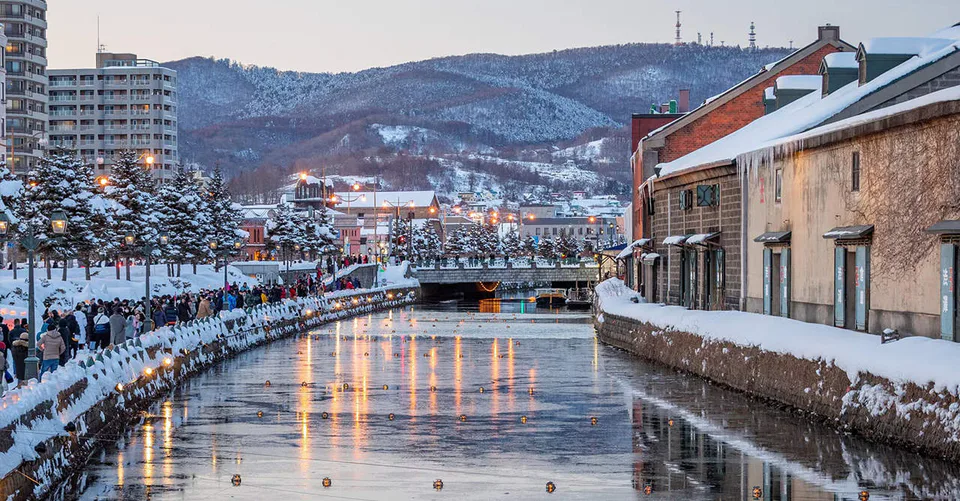
The main canal promenade is open for walking throughout the year and sits about ten minutes on foot from Otaru Station. Otaru Tourism lists its gas lamps from sunset to midnight and the warehouse illumination from sunset to 22:30. Those hours make an evening visit possible for a Sapporo day-tripper who checks the return train in advance; sleeping locally is not an admission requirement for the lights.
The hotel becomes more persuasive when you want to stop watching the departure clock: dinner, a canal walk, perhaps a drink or bath, and another walk before the shopping streets get busy. That is a change in pace rather than an extra sight to tick off.
Build the overnight around two genuinely used windows:
Evening: gas-lit canal, illuminated warehouses, dinner, a bar or a hotel bath.
Morning: a second canal or harbour walk, breakfast and quiet streets before shops open.
A 16:00 arrival, one photograph, sleep and an 08:30 departure gives little return on a hotel move. An evening meal followed by the illuminated waterfront and a separate early walk makes the same room serve both sides of the night. Choose the schedule before choosing the hotel.
The extra night does not enlarge the daytime attraction list
Otaru’s central first-visit circuit is compact: canal, Sakaimachi, music-box shops, glass stores and surviving historic buildings. Most travellers can walk those in a day. A hotel adds slow hours and access to early or late light; it does not reveal a second set of essential daytime sights.
Remove the adjectives from the proposed overnight. If the remaining plan still contains a specific long dinner, a bath, two canal visits and a relaxed morning, the room has a job. If it only says the canal is romantic, consider staying later on a day trip and keeping the Sapporo hotel instead.
Otaru Tourism’s 2026–27 night map identifies businesses open after 21:00, which is useful precisely because the evening economy is selective. A hotel key does not keep every Sakaimachi shop or restaurant open. Choose the intended dinner or bar rather than assuming a lively shopping street at any hour.
Heading west can turn one room into a route decision
JR Hokkaido states that rail passengers for Yoichi, Kutchan and Niseko change at Otaru. Its airport and westbound guidance also warns that IC cards such as Suica cannot be used beyond Otaru; buy the correct ticket for that onward section. Otaru is therefore both a sightseeing stop and a transfer point.
That produces the strongest non-hotel reason for an overnight. A room near the route can deliver:
Use the evening and next morning in Otaru.
Begin the westbound rail connection at the transfer station already needed.
Without the night, a Sapporo-based traveller might sightsee in Otaru, return east to sleep, then pass through Otaru again next morning. The hotel can remove that repetition while still buying an evening and early stroll.
Check the actual connection. Westbound rail is less frequent than the Sapporo–Otaru corridor, and a poorly timed Yoichi, Kutchan or Niseko train can erase the route advantage. Do not score a hotel highly for “being on the way” unless its checkout time and the next departure genuinely fit.
Winter can strengthen the view and weaken the hotel case
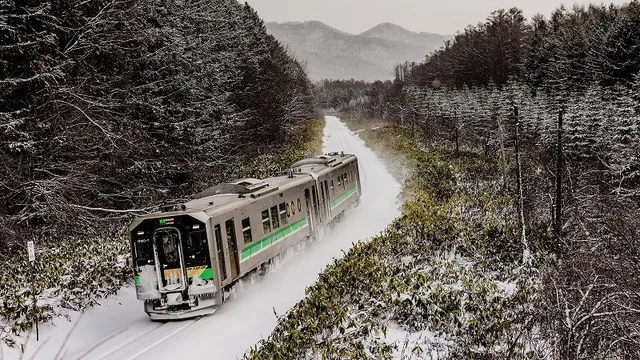
Snow changes Otaru’s canal scene, but it also makes a hotel switch heavier: cases over slush, wet boots, storage before check-in and another repack in the morning. The room may be valuable for a leisurely winter evening; the luggage task still belongs in the cost column.
Keeping a Sapporo base lets you move the Otaru day to the best-looking weather window. If snow or poor visibility makes Tuesday awkward, Wednesday may work without altering two hotel reservations. That flexibility is one of the day trip’s most useful winter advantages.
An Otaru night can still win when a particular hotel is part of the experience or you prefer not to return late in deteriorating weather. Carry-on luggage or a small overnight bag keeps the move manageable; several large cases and young children change the balance.
Where several hotel switches are already fixed, the Japan luggage-forwarding guide can help send the main suitcase past Otaru while you carry only an overnight bag. The forwarding deadline still has to fit the next accommodation.
Families pay for the hotel move in time as well as money
For four people, packing, winter footwear, meal timing and station transfers take longer than they do for one traveller. A room that fits a couple may be uncomfortable for a family. Leaving the Sapporo accommodation in place also preserves a familiar base if a child is tired before dinner.
That does not rule out an Otaru family night. A larger room, useful bath, early breakfast or hotel experience the children will enjoy can give the move a purpose. Check the actual room configuration and breakfast hours rather than treating any central Otaru address as a sufficient reason.
When the room is the reason for sleeping locally, compare the actual bath, room size and location through the Dormy Inn, OMO5 and Hotel Sonia comparison instead of booking any hotel near the canal.
Couples may be buying tempo, not more landmarks
A long dinner, canal walk, drink, bath and late breakfast can form a complete two-person overnight even when the daytime sights are familiar. The room lets the evening unfold without racing the train. If that slower rhythm is the objective, it deserves to be compared with the specific hotel, not with a count of attractions.
That night has an opportunity cost. If it replaces a ryokan or onsen stay in another Hokkaido town, the Noboribetsu and Jozankei onsen options guide gives a more useful contrast than counting Otaru attractions.
Before a flight, read the departure time rather than the route map
Some Airport services link Otaru, Sapporo and New Chitose directly; Otaru Tourism quotes about 75 minutes for the fastest airport run. That makes a final Otaru night possible before a generous flight time. It does not turn the town into an airport hotel.
Not every departure is a through train, and an early flight makes a long rail trip vulnerable to one missed service. Check the exact first connection and airline check-in deadline. If the morning is tight, an Otaru hotel is the wrong answer even though the network diagram shows an airport line.
The final-night room should solve a real travel problem or give a last Otaru evening. A train that runs to the airport at some other hour is not enough evidence for an early departure plan.
Four questions before paying for the room
Write down the answers before booking:
Which evening and morning activities will you truly do rather than merely have available?
Does Otaru move tomorrow’s route forward or require a return through Sapporo?
What does the room itself offer, such as a bath, family space or dinner?
How much packing, storage and snow-luggage work does the move add?
One minor overnight benefit rarely pays for a hotel change. Two distinct windows, a hotel that matters in its own right, or a strong westbound route improvement make the case much clearer. This is a travel-planning threshold, not a rule issued by a railway or tourism office.
Three trips with different answers
Five Hokkaido days with Sapporo as the main base
Make Otaru a day trip. With a short itinerary, keeping the hotel in Sapporo protects time and gives room to adjust for weather. An adult ¥1,600 return train fare is a small cost compared with another luggage move. Save the hotel night for a place where local sleep changes more of the trip.
Seven to ten days, a quiet evening and onward westbound travel
Stay one night. The canal after dark, an unhurried dinner and the next day’s transfer through Otaru work together. This is the most persuasive general case because the room changes both the experience and the route.
A winter family returning to Sapporo with large luggage
Use the Sapporo day-trip base unless the Otaru hotel is itself a major family attraction. Repacking large cases in snow adds effort, and the overnight does not shorten a difficult rail journey. A later train home can still allow a canal evening.
The overnight needs different hours or a different next leg
For the ordinary canal-and-Sakaimachi first visit, stay based in Sapporo. Current rail pricing is ¥800 each way for an adult non-reserved seat and the fastest train is roughly 32 minutes. Transport alone rarely supports changing hotels.
Choose one Otaru night when you will use the illuminated canal, a long meal and quiet next morning, a room or bath you actively want, or a westbound route that already passes through the station. If none of those applies, keep the return train and spend the saved effort elsewhere in Hokkaido.
If the canal evening earns a local night, compare Otaru stays with the Sapporo return you would otherwise make.
Rail, canal and visitor information
The JR Hokkaido fares supplies current Sapporo–Otaru fares; airport and westbound rail explains airport and westbound rail; Otaru access lists fastest access times; Otaru Canal lighting gives lamp and warehouse hours; and Otaru visitor map identifies night businesses.
Related guides: Nara Day Trip or Overnight? When Is One Night Worth It? · Biei Day Trip or Overnight? When Staying One Night Is Worth It · Itoshima Day Trip or Overnight? Is One Coastal Night Worth It? · Mt Fuji Day Trip or Overnight: When an Extra Night Is Worth It · Fukuoka Tower: Is the ¥1,000 Ticket Worth the Detour? Timing Changes the Answer · Izu Oshima Day Trip or Overnight? Jetfoil vs Night Ferry From Tokyo · USJ Hotels for One Day vs Two Days: When Is Universal City Worth Moving To? · Tokyo Itinerary 2026: 4, 5 or 7 Days — What Changes When You Add Disney or a Day Trip? · Kamakura Day Trip from Tokyo: Is It Worth Adding to 4 Days? · Fukuoka Two-Night Hotels: Do Not Waste a Three-Day Trip Moving Hotels
More day-trip and overnight choices
USJ Halloween 2026 One-Day Itinerary: Opening to Horror Night
THE LUIGANS Spa & Resort Fukuoka: Is a 33m² Sea-View Room Worth Leaving Hakata for One Night?
Osaka and Kyoto in 7 Days: 3 Nights Each — When One Hotel Move Is Actually Worth It
Osaka Night Views: When Free Beats the Observation Deck — and When HARUKAS 300 Is Worth Paying For