
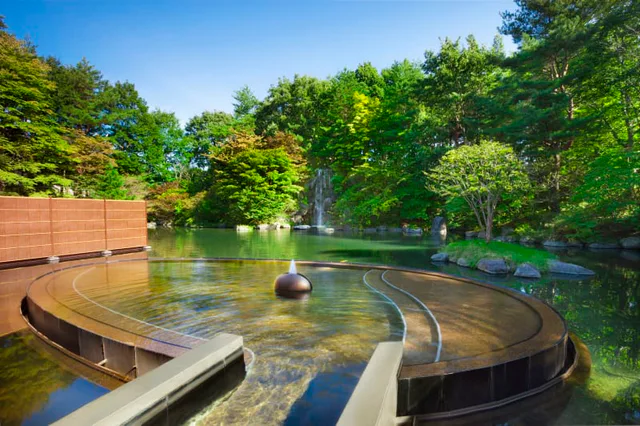
Aomoriya near Misawa can make one night feel like a compact Aomori holiday: a park walk, hot spring, regional meal and festival performance all fit between check-in and the next morning. That only works if the train or flight delivers you early enough. A late check-in turns the same booking into an expensive sleep stop, with much of what distinguishes the resort already finished for the day.
For a first stay, one night is usually the better starting point. Arrive close to 15:00, spend the afternoon on the grounds, eat on site, reserve the evening show if it matters, and leave enough of the next morning for a bath or walk. A second night earns its place when the intervening day has a deliberate use, such as several seasonal activities, a slower family pace or protection from a difficult winter transfer. If both daylight periods are spent elsewhere, a second resort rate buys little resort time. The Aomori base comparison is more useful when your main days are in Aomori City, Hirosaki or Hachinohe.
What one night actually contains
| Arrival and departure | Likely fit | What remains usable |
|---|---|---|
| Arrive around 15:00–16:30; leave after 10:00 | Good one-night candidate | Afternoon grounds and bath, dinner, show, breakfast and another morning interval |
| Arrive around 18:00–19:00; leave after breakfast | Depends on your priorities | Meal and show may fit, but park and seasonal programmes are compressed |
| Arrive after 20:00 or leave before breakfast | Usually a poor resort purchase | Most of the stay functions as room and sleep |
| Two nights with a full day on the grounds | Can justify the extra night | Activities, park, baths and meals can be spaced without rushing |
| Two nights with a full sightseeing day away | Check a city base first | The room is mainly a base, despite resort pricing |
Aomoriya's property details currently list check-in at 15:00 and checkout at noon. Those hours put an upper bound of 21 hours on a single night before sleep, meals and transport are subtracted. For an October 2026 trip, the listed 15:00/noon schedule is the practical planning baseline. A later booking should use the hours attached to its own date because the property has announced a future schedule change.
A guest who can use arrival afternoon, dinner, the 21:00 performance and a free morning is getting several experiences without relocating. One who checks in at 21:30 is buying the same room with far fewer usable hours. A city hotel can still supply almost all of its purpose after a late train; Aomoriya's park, dining sequence and activities cannot be recovered by sleeping longer. The three-Hoshino-property comparison helps if a forest stay would suit the available time better.
The meal and show total is separate from the room rate
Noresore Shokudo currently lists an average adult buffet price of ¥5,500 for dinner and ¥3,300 for breakfast. Dinner operates roughly 17:30–21:00, with last entry or order at 20:30; breakfast is 06:30–10:00, with last entry at 09:00. Hours can vary by season, and a dining reservation is required. A room-only offer may therefore be an incomplete price for the stay you have in mind. A meal-inclusive offer must be compared with the same two meals, guests and cancellation terms, rather than against a bare room headline.
Two adults buying both buffets separately would spend ¥17,600 on meals at those listed averages. Two ordinary seats for the evening performance add ¥3,000–3,600, bringing those three extras to ¥20,600–21,200 before room, other activities or transport. This is simple arithmetic using published component prices, not a fixed package or a quote for your dates. If a package already includes either meal, do not add it twice. If the travellers would choose another dinner or skip the show, remove those elements when comparing offers. The Oirase hotel value analysis asks a similar question about what the resort rate actually replaces.
Child prices change the calculation by age. Noresore lists dinner/breakfast at ¥3,850/¥2,310 for ages seven to eleven, ¥2,750/¥1,650 for ages four to six, and free for ages zero to three. The show has separate child and toddler tickets. A family of four should price its own ages and seats rather than multiplying the adult total by four. Room occupancy and child bed-sharing permissions are another separate question; a property-wide maximum of five guests does not mean every category sleeps five. The Oirase one-night test is useful if the family can fund only one premium hotel stop.
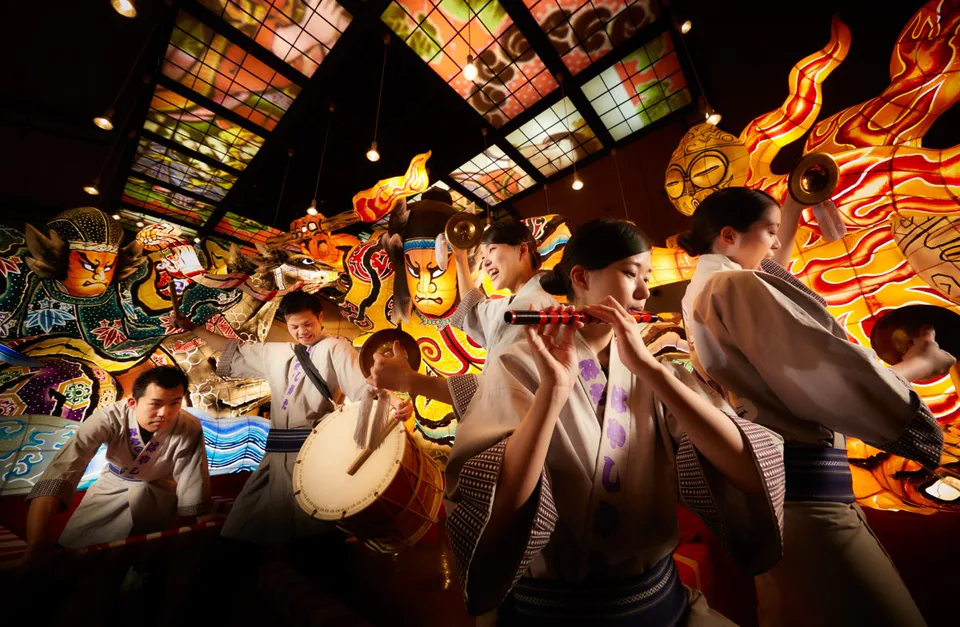
Michinoku Matsuriya's main show begins at 21:00 year-round and runs for about an hour. The venue has 202 places and is restricted to guests. Adult tickets currently cost ¥1,500 or ¥1,800 according to seat type; child tickets ¥1,050 or ¥1,260 and toddler tickets ¥750 or ¥900. A box for up to four costs ¥5,000. Advance card payment is required. The booking cutoff is thirty minutes before the performance, but capacity can be reached earlier, and the property recommends booking ahead. A room reservation does not hold show seats.
That timing makes the arrival sequence important. A 19:00 arrival can still work if the meal slot is secured and the party does not need a long settling-in period. At 20:15, the buffet closing and 21:00 show put the evening under pressure. Booking a premium room for a particular performance, then waiting to reserve the seat, reverses the safe order. If the show sells out, reassess the resort value using the park, bath, dining and room you can actually use. The Nebuta versus Neputa festival comparison explains how this indoor performance differs from an actual summer festival trip.
Shuttle reservations decide whether an early arrival is realistic
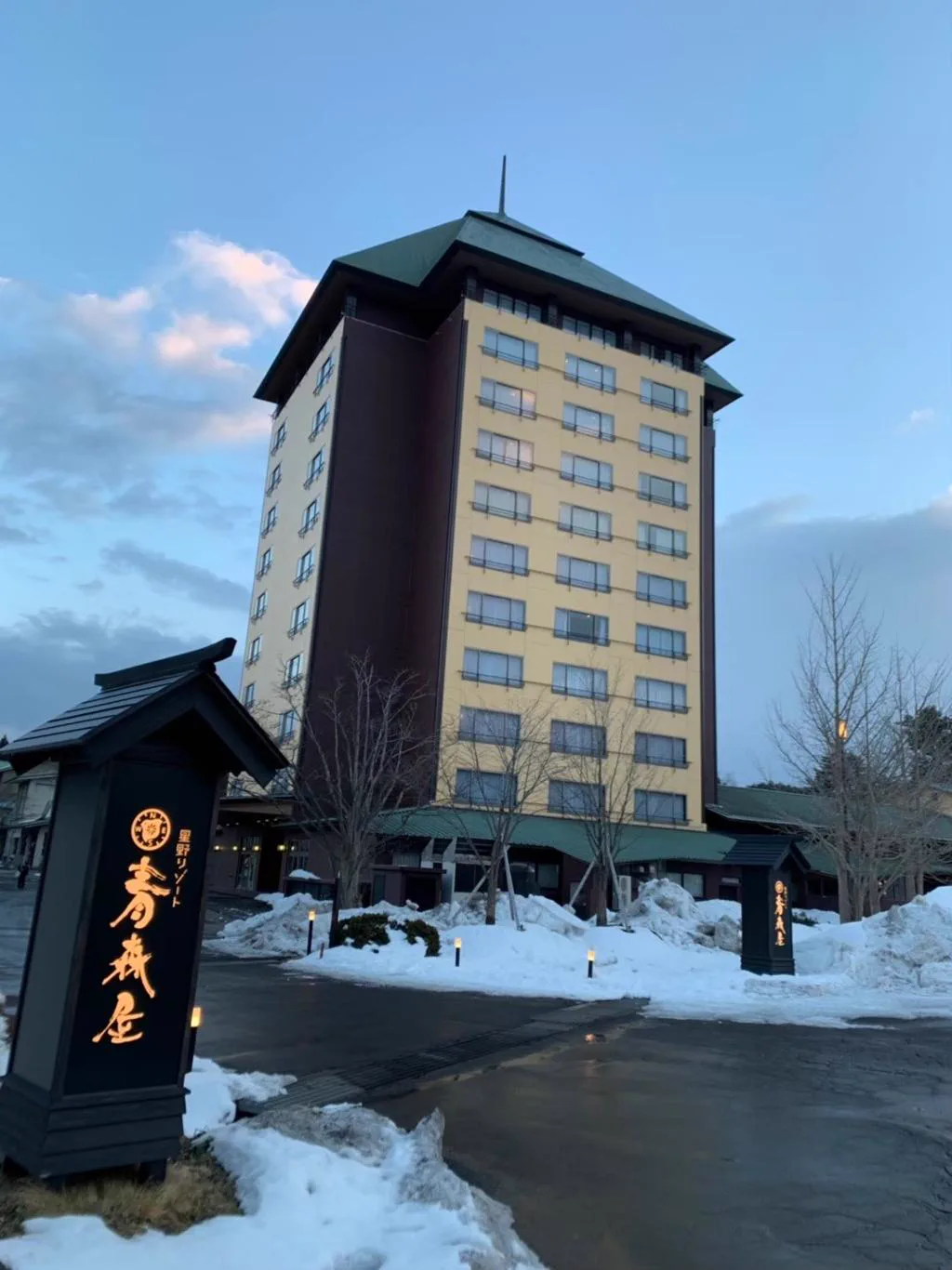
Aomoriya is in Misawa, not next to Aomori Station. Its free shuttle from Misawa Station takes about three minutes and must be reserved by the previous day; seats can fill. Walking from Misawa Station is listed at about fifteen minutes. The airport shuttle takes approximately twenty minutes and requires a reservation at least two days ahead. The property excludes JAL flights 158, 159, 2166 and 2163 from that airport service. Check the current flight connection rather than treating every arriving plane as a transfer match.
From either JR Hachinohe or JR Aomori, travellers use the Aoimori Railway toward Misawa before the final shuttle. That extra railway leg matters when calculating a same-day arrival from farther away. A late connection can take away the park and dinner time even when every individual train is technically possible. Build the actual last-mile sequence first, including the shuttle booking, then decide whether the resort night still has enough awake hours. The Tohoku autumn base guide can help move the previous night's hotel closer to Misawa.
Drivers gain flexibility over shuttle slots but still face seasonal roads. The property warns of winter snow and ice and recommends winter tyres or chains. An on-site parking place does not make a long winter approach trivial, particularly after dark. The five- or seven-day Tohoku route helps judge whether Misawa fits the wider rail itinerary; the Lake Towada and Oirase two-day route is relevant if the next leg runs toward the gorge.
Rooms should solve occupancy before they supply atmosphere
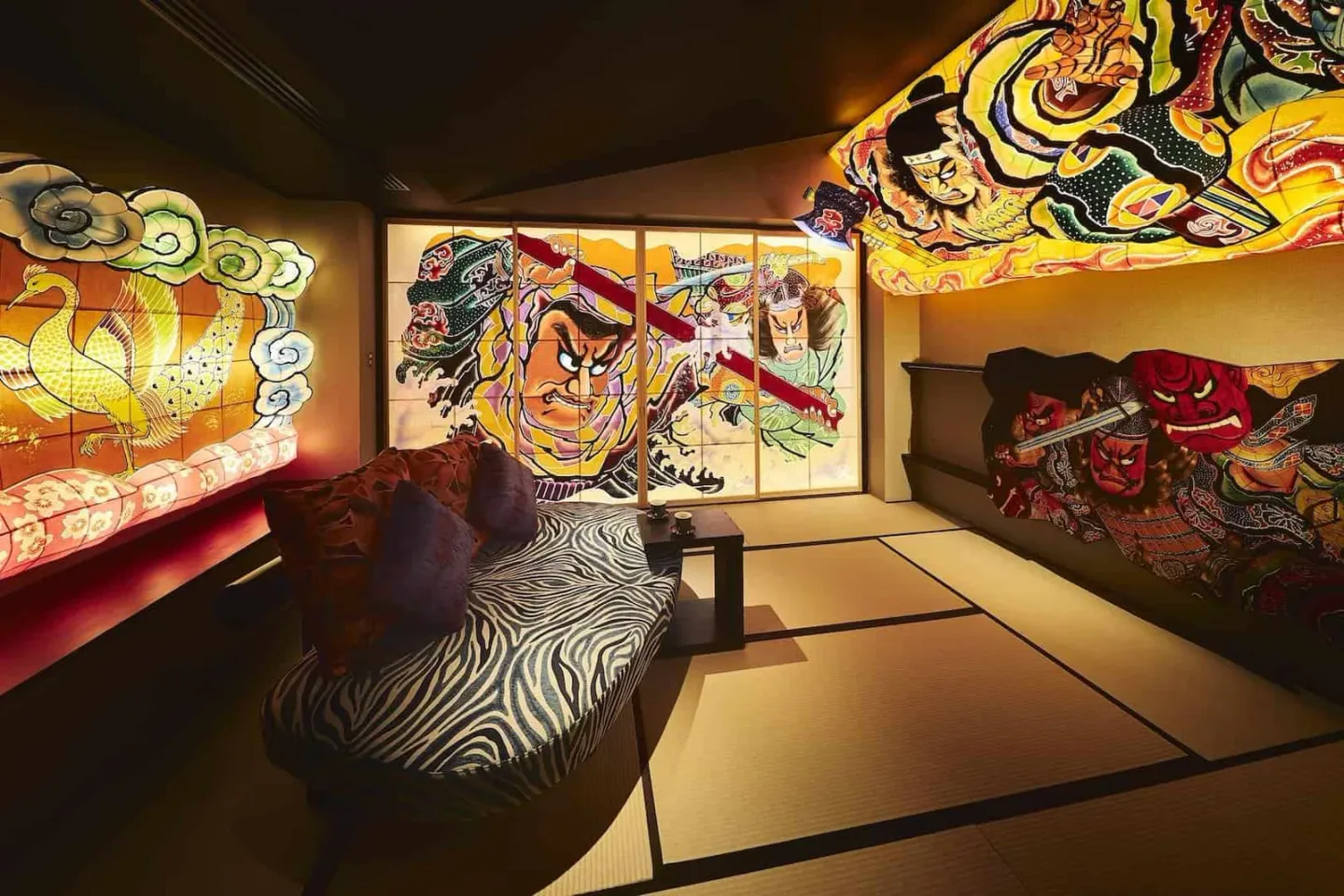
The Aomori Nebuta Room is a conspicuous celebration choice: 71.5 m², with festival artwork and capacity for one to three. Its listed twin beds measure 196 × 112 cm, with a third bed available only on a three-person booking. Spending more here makes sense when the party will be in the room long enough to enjoy the design and its extra space. A schedule that moves straight from check-in to buffet to show leaves little time for that upgrade. The photographic mural and room art are part of the product, but they do not compensate for a lost afternoon.
Azumashi, roughly 43–50 m² for one to four guests, trades the Nebuta spectacle for a more restrained Aomori-craft setting. The hotel's English category description lists two 195 × 112 cm beds and a third only for three guests; the fourth-person setup needs inspection on the exact bookable plan rather than assuming four identical permanent mattresses. The Azumashi bathroom description has a shower booth, whereas the Nebuta category lists a bathtub as well. Distinguish that from access to the shared hot springs: the same property can offer a good communal bath yet a particular room without a private tub.
The hotel also lists a 43 m² Hokko-Ringo type for one to three, with two 210 × 110 cm beds and a sofa bed when three occupy it. These details show why a property-wide one-to-five occupancy range is insufficient for a specific family. Match each guest to a named sleeping surface, check the child's age rule for the exact room, and only then compare the theme premium. Some room descriptions on the English property page show differing child-age summaries at category and property level; use the booked room's terms for the final decision.
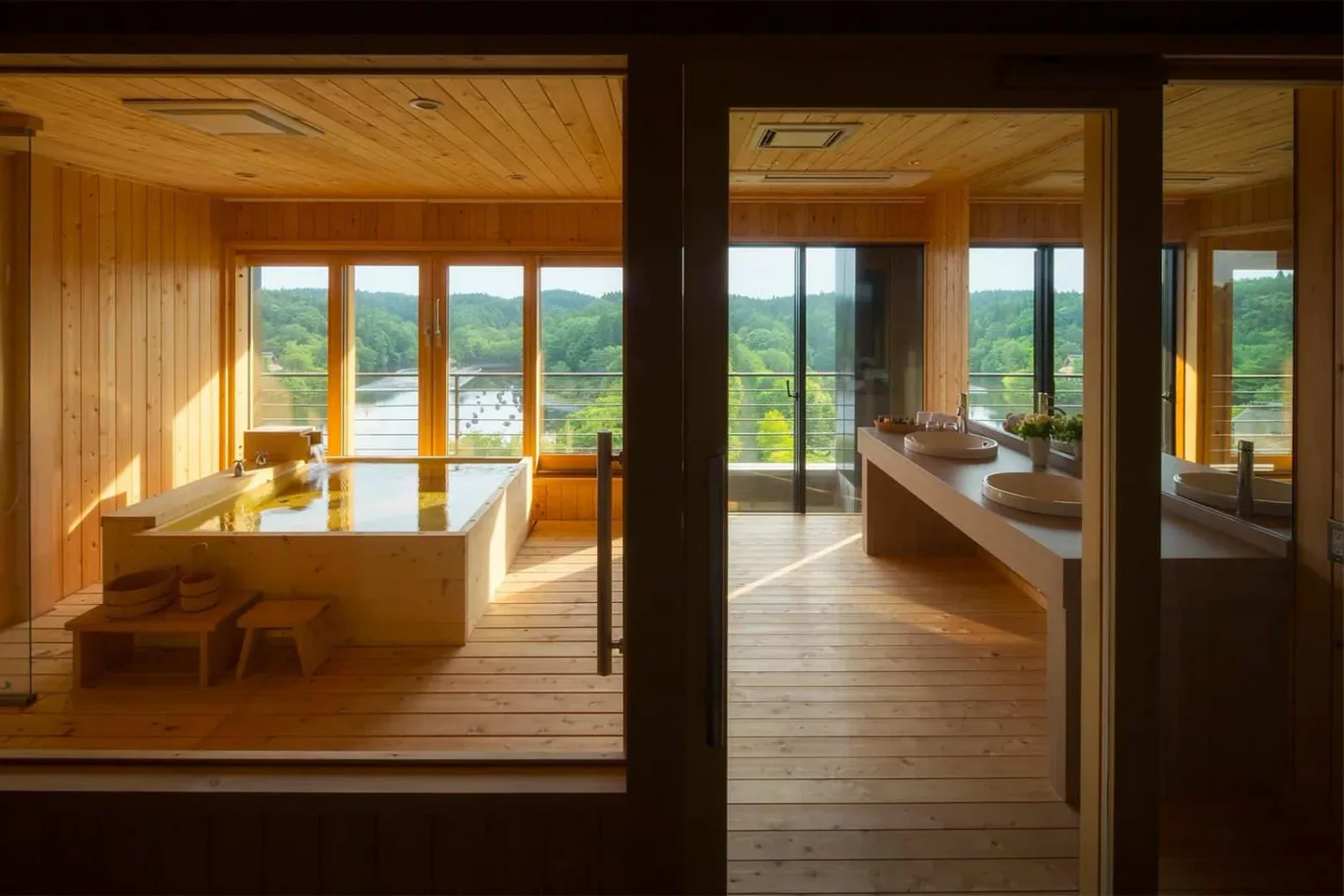
For a celebration, a room can be the highlight rather than merely the place between activities. For a short festival-and-onsen stay, dining and show reservations may have higher practical priority than moving to the largest category. For grandparents or children, floor layout, lift access and bathroom setup may matter more than decorative artwork. If the group's main challenge is beds rather than Aomori styling, compare the same number of legal, comfortable positions in Misawa or Hachinohe before pricing a suite. The Aomori City versus onsen base comparison covers a different winter location trade-off.
A second night needs a middle-day purpose
One night can cover a walk, bath, regional dinner, Matsuriya, sleep and morning breakfast without a second packing cycle. It cannot contain every seasonal programme. A second night is easier to justify for a family that wants a full day of craft or horse-related activities, multiple baths at different times, an unhurried park circuit, or a winter schedule with a deliberately low transfer burden. Verify the dates and reservation rules of a named activity; the catalogue includes programmes with different seasons and age restrictions.
For example, the hotel's late-2026 activity list includes seasonal apple and craft offerings, but they do not all run every day or serve all ages. A decorative display is not a full middle-day plan. The resort's published two-night example uses an afternoon arrival, early dinner and 21:00 show, then spreads further activities across the next day. That is a plausible two-night holiday for someone who wants the property itself. If the middle day will be spent at a distant museum or in another city, the extra resort night should be compared with a more central hotel.
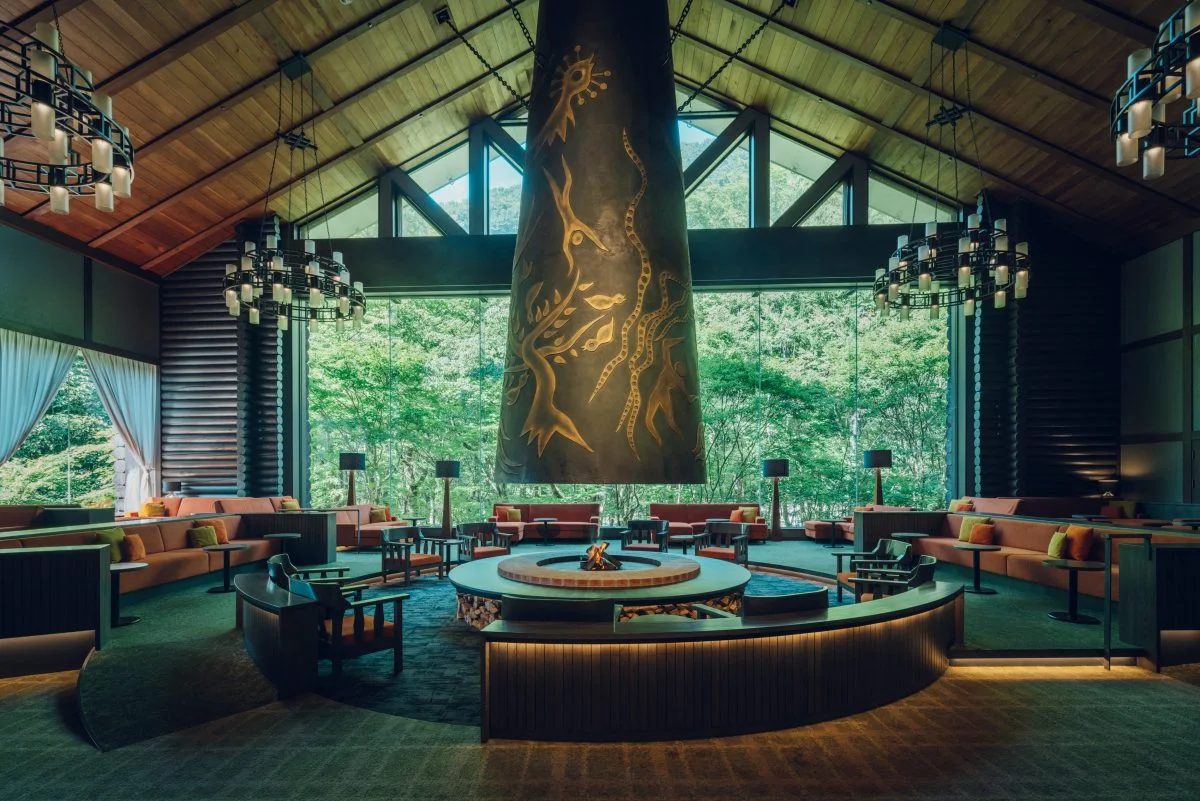
Aomoriya also offers a direct link to Hoshino Resorts Oirase Keiryu Hotel for guests staying at both properties. For April 2026 through March 2027, the listed Aomoriya departure is 09:45; travel takes roughly an hour and the seat needs booking at least two days ahead. The service is for hotel-to-hotel transfers, not a convenient public sightseeing bus or a substitute for an Oirase day-tour ticket. One night here followed by one at Oirase may give two different hotel experiences with less route friction than two Aomoriya nights spent away from its grounds. The Aomoriya–Oirase order guide examines that sequence; the Oirase transport guide covers independent gorge access.
Misawa suits eastern Aomori days
Misawa works naturally with Hachinohe, the eastern side of Towada and an onward Oirase stay. It is a poor automatic base for repeated western-Aomori or Hirosaki days. Aomori City and Hirosaki are not just different neighbourhoods of one compact destination. The hotel does offer an Aomori Station excursion product on many dates, but a packaged day outing does not turn its location into a city-centre hotel. The Aomori lodging geography guide helps place consecutive days before a resort booking is made.
If a summer festival route is the actual purpose, compare festival dates and evening transport before treating Aomoriya's indoor show as a replacement. The Nebuta viewing guide covers the Aomori City parade, while the Hachinohe festival guide addresses an eastern-city alternative. Those 2026 festival dates have passed as of late October; the pages are useful for planning a later edition, not for buying a past event.
For a foliage trip, the stronger pairing may be Aomoriya followed by Oirase and Lake Towada, with dates set by the season's actual colour. The Oirase foliage-base comparison and regional foliage timing offer a geographic check. The resort can be enjoyable in any weather, but its outdoor park time loses some appeal if the planned afternoon is fully consumed by transit.
Our seven Aomoriya ratings for one resort night
One night is assessed with a mid-afternoon arrival, a reserved show if wanted, and enough morning time for a bath or grounds walk. A 21:30 check-in has lower value.
| Dimension | Our rating | The booking consequence |
|---|---|---|
| Location | The reserved Misawa Station shuttle is short, though the regional rail approach still needs planning. | |
| Room | Occupancy and sleeping surfaces must be settled before choosing an atmospheric room category. | |
| Cleanliness | The property maintains a strong room-upkeep signal across a large stay set. | |
| Service | Shuttle, meals and show booking create several chances for service to matter. | |
| Facilities | Grounds, bath and the separate evening performance give the afternoon a distinct shape. | |
| Food | The buffet meal plan is a substantive part of the night, with dinner and breakfast charged separately. | |
| Value | Arrival afternoon, dinner, the 21:00 show and a free morning make one room night work hard. |
Our overall one-night read is 8.8/10 with the schedule protected. A second night needs a distinct middle-day plan rather than a second copy of the first evening.
Seven factors that change the booking decision
| Dimension | What Aomoriya supplies | Check before paying |
|---|---|---|
| Usable time | Afternoon, evening and morning on one property | Actual arrival and departure after all rail and shuttle legs |
| Room and sleep | Themed and practical categories with differing space and beds | Named room occupancy, third/fourth surface, bathroom |
| Food | Aomori-oriented buffet options | Whether dinner and breakfast are included or separately reserved |
| Activities | Park, baths, seasonal programmes and evening performance | Dates, age limits, additional charges and show seat |
| Access | Free reservable Misawa and airport shuttles | Reservation deadline, excluded flights and last-mile timing |
| Location | Useful eastern-Aomori and Oirase sequencing | Whether western-Aomori/Hirosaki days repeat |
| Complete cost | Several experiences can replace separate outings | Final room, meals, show, child prices and cancellation terms |
The strongest one-night booking has a clear arrival around check-in, a room that genuinely holds the party, confirmed dinner and show choices, and a departure late enough to use the morning. The weakest one is a late transfer followed by an early train, especially if the purchase was justified by a performance that has not been reserved. An extra night should be attached to a real activity day, not to the length of the property's activity list.
Compare Misawa and Aomoriya-area stays using the actual guest ages and dates, then open the selected hotel's dining and shuttle terms before payment. If the resort hours do not fit, a simpler city room is a sound choice. The broader Aomori area guide can move the base to the place the next morning really starts.
More related routes and rooms
Aomoriya vs Oirase Keiryu Hotel · Aomoriya vs Oirase Keiryu Hotel · Aomoriya vs Oirase Keiryu Hotel · How Many Nights in Lake Kawaguchi? Fuji Weather, Autumn Leaves and Hotels · Lake Biwa Otsu Prince Hotel: Is the 36.2m² Lake View Worth the Shuttle? · Lotte Hotel Busan vs Arban Hotel: Is the Five-Star Premium Worth It in Seomyeon? · How Many Days in Sapporo? 2, 3 or 4 Nights · The Naha Terrace: Are 35m² Rooms and 12:00 Check-Out Worth a 15–20 Minute Station Walk? · Fukuoka Guys’ Trip Hotels: Four Adults, Real Beds, Late Nights and Whether a Sauna Is Worth It · Port of Nagoya Public Aquarium 2026: How Long to Spend and When Night Entry Is Worth It · HOTEL GREAT MORNING Fukuoka: Are 27m² Rooms and F-CON Worth Leaving Hakata Station? · Osaka and Kyoto in 7 Days: 3 Nights Each — When One Hotel Move Is Actually Worth It · Hilton Okinawa Chatan Resort Review: Are the Pool and 37m² Ocean-View Rooms Worth It? · Sakura Castle: The Stamp Is Open 24/7 — The Castle Is in the Moats, Not a Keep · Vessel Hotel Campana Nagoya Review: Rooms, Bath and Station Walk · Nezu Museum 2026: The Garden Isn’t Free — and That Changes Whether ¥1,400 Is Worth It · Okinawa Prince Hotel Ocean View Ginowan: Are Two Ginowan Nights Worth Giving Up Yui Rail?