
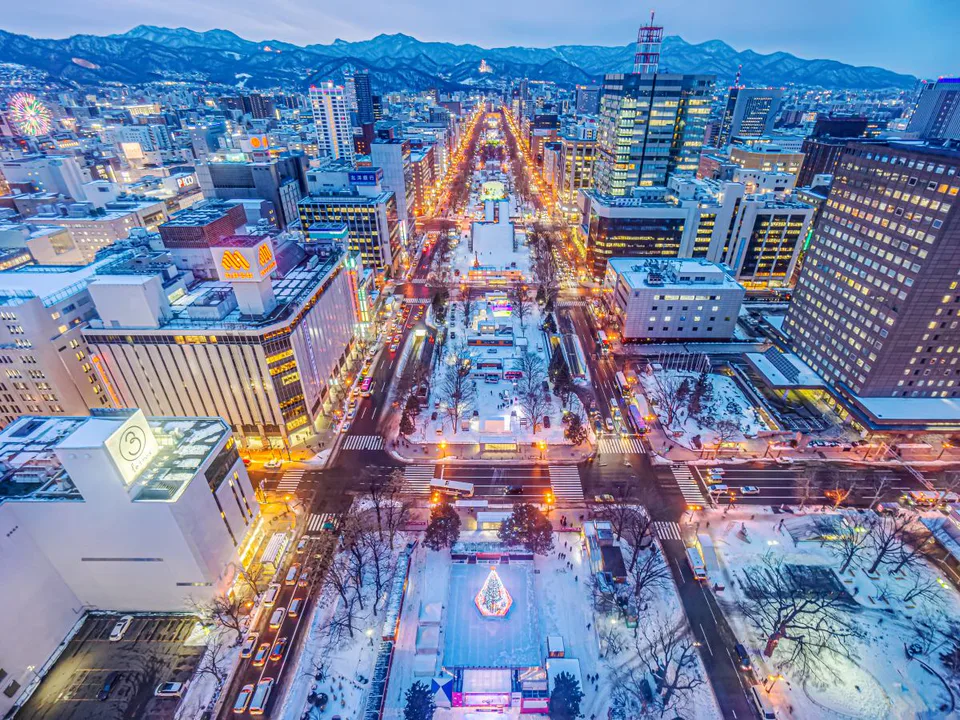
By the sixth night in Sapporo, the hotel choice has become a routine rather than an arrival decision. The useful question is which inconvenience will repeat: washing winter layers, walking to a JR train, making room for open luggage, or crossing town after dinner. Tokyu Stay Sapporo Odori puts laundry in the room. Keio Prelia shortens JR mornings and supplies shared laundry. Emion combines a north-station base with a bath and 21 m² twin. Hotel Sosei gives up a quick station walk for much more private space. Most travellers should choose one base for all five to seven nights, then change only if the journey itself moves.
An extended stay changes the room. Clothes need washing, souvenirs occupy the spare corner, and a wet coat may still be drying when the next day starts. The fourth trip to JR Sapporo Station does not feel like the first. Put those recurring tasks on your calendar before comparing rates: a feature used twice or a route walked six times can justify a difference that would look pointless on a single night.
If the itinerary still needs a duration, use How Many Days in Sapporo? first. If five to seven nights are settled but the daily base is open, Where to Stay in Sapporo compares Station, Odori and Susukino by the trips you will make.
What becomes important after several nights
↔ Scroll table left or right
Week-long pattern | First hotel to compare | Repeated gain | Trade-off to count |
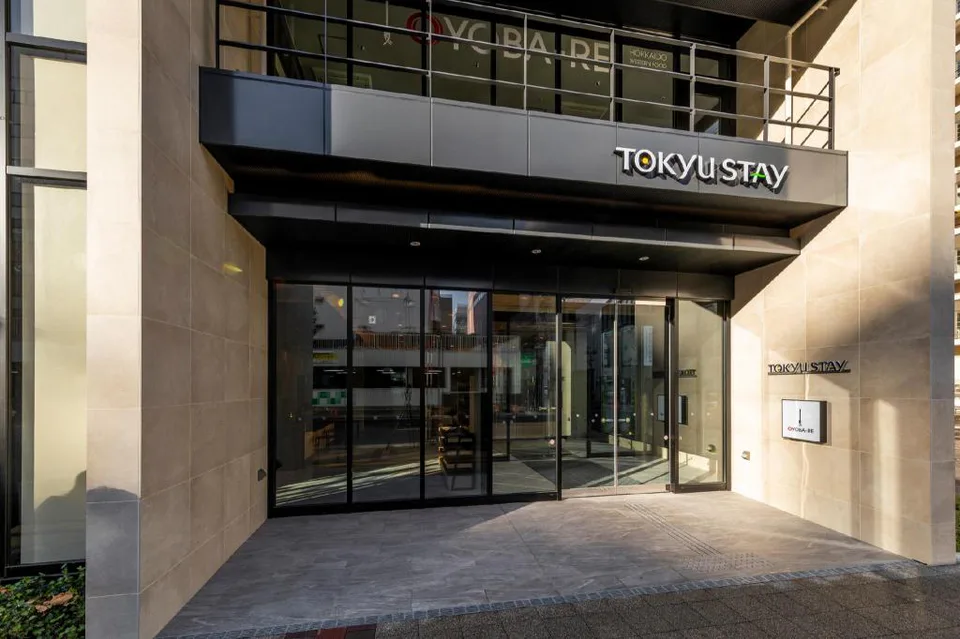
Two laundry loads and mostly central city days | Tokyu Stay Sapporo Odori | Private washer-dryer, microwave; kitchen in selected rooms | JR departure platforms are farther away |
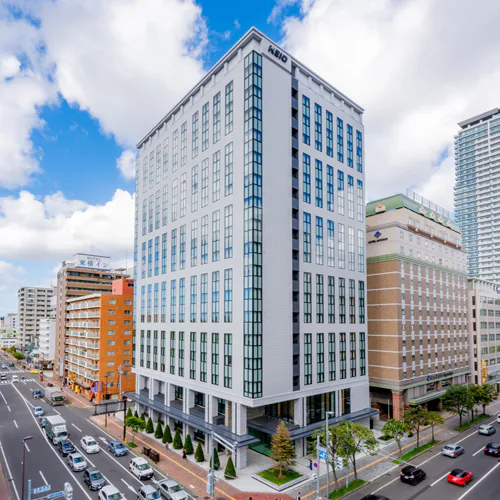
Several JR starts, airport rail and occasional laundry | Keio Prelia Hotel Sapporo | Three-minute North Exit walk, bath and 24-hour laundromat | Most Susukino evenings pull you south |
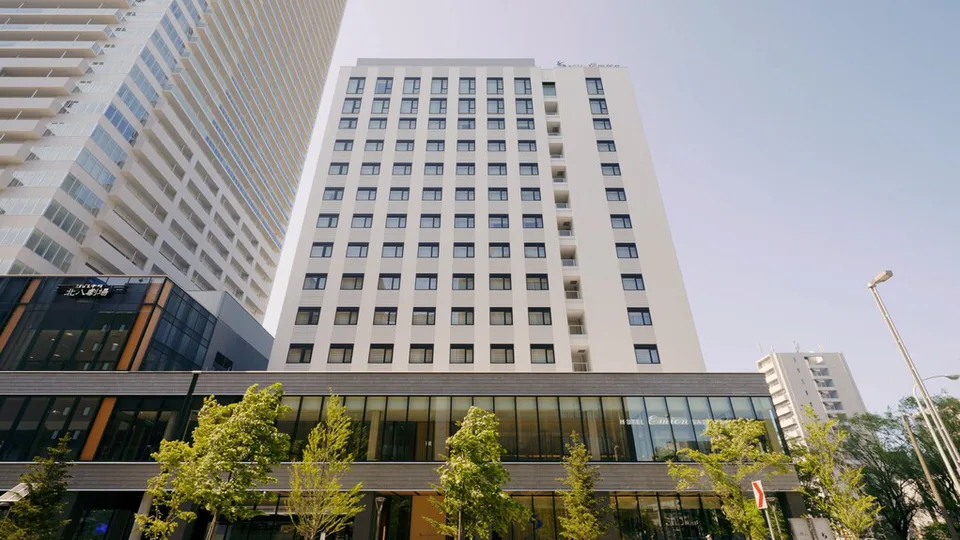
North-side rail base with a larger standard twin | Hotel Emion Sapporo | Four-minute surface or five-minute passage, 21 m² twin and bath | Laundry is a paid shared facility |
Open suitcases, rest or work in the room | Hotel Sosei Sapporo | 29 m² king or 39 m² two-queen room | JR station is about 15 minutes on foot |
An early final flight or rental-car return | Consider a last-night move | The address gains a new transport job | One more packing and check-in cycle |
The three-JR-morning line in the table is an editorial way to make repetition visible, not a transport rule. One longer approach might be harmless; several early departures in snow can make the walk a property-level decision. The exact number depends on luggage, mobility and whether the group is using JR or mostly staying around Odori.
A week makes some amenities useful and others expensive decoration
Count actual uses instead of facilities. Two loads in a private washer can shrink the suitcase and save two shared-laundry waits. A bath can become an evening routine if your party likes it. A kitchenette has little value for travellers who eat every meal out. The booking question is not how much the room contains, but which parts will change what you do during these nights.
↔ Scroll table left or right
Feature | On one night | Across five to seven nights |
In-room washer-dryer | Easy to ignore | May remove two shared-wash waits and reduce packing |
Three-to-five-minute station approach | A short arrival walk | Adds up across repeated JR and airport departures |
Public bath | One possible soak | Useful only if it fits several evenings |
29–39 m² room | More comfortable arrival | Extra floor space for open cases, shopping, work or rest |
Hotel breakfast | A straightforward first morning | Wasteful when early trains or café plans replace it |
Tokyu Stay Odori if laundry will change your packing
Tokyu Stay Sapporo Odori lists a 17 m² Comfort Double, 19 m² Superior Twin and 23 m² Residential Twin among the relevant categories. Washer-dryers and microwaves are provided in these compared rooms; the Residential category adds cooking equipment, and the 23 m² twin separates bath and toilet. For a week, choose the smallest layout that still fits the people and luggage. A kitchenette does not justify a larger category if it will remain unused.
Two laundry cycles during six nights let you pack around the washing schedule instead of packing six clean sets of bulky layers. Washing in the room also means no journey to a communal laundry and no queue after dinner. That advantage is real only when your party will use the machine; a long stay by itself does not prove that it will.
Cleaning is less frequent than some hotel guests expect. Tokyu Stay describes on-request simple cleaning for consecutive nights: towels and nightwear are replaced and rubbish removed. From a stay of seven nights, it adds a full room clean once per week. Someone who wants a made bed and full service every morning should compare that policy with their actual comfort needs before reserving.
The hotel is about three minutes from Odori Station. Its access directions also give a separate escalator route via Pole Town and the Tanukikoji 4-chome exit for travellers with large cases. In winter, that practical path can matter more than the shortest line drawn between a station dot and the hotel door.
The Tokyu Stay twin-room comparison isolates the four-square-metre difference, kitchenette and layout. Use it when the washer is settled and the remaining question is whether the 19 m² or 23 m² twin fits your group.
Keio Prelia when JR departures keep returning
Keio Prelia Hotel Sapporo gives a stated three-minute walk from the JR North Exit. Its station access information also describes an underground walkway connection around 200 metres away. Guests have a public bath and a laundromat operating around the clock, so the hotel handles both a rail-heavy morning and an occasional shared wash without putting a machine inside every room.
A single Otaru trip does not force a north-station booking. Add Asahikawa, another early rail outing and the airport train, though, and the same approach becomes part of several mornings. Put each departure on a calendar and count the walks. That is a better reason to choose Keio Prelia than a generic claim that the station is convenient.
The bath currently operates 15:00–01:00 and 05:00–10:00, with entry ending 30 minutes before each closing. A guest returning from cold outdoor days might use it repeatedly; a group dining late in Susukino may miss the useful window. The 24-hour laundromat is separate from the bath schedule, so compare those two functions independently.
The Keio Prelia three-to-five-night guide looks more closely at station access, laundry and bath use. A longer stay makes those same features repeat more often; check the actual departure and bath schedule against your week.
Emion for a north-station base with a roomier twin
Hotel Emion Sapporo lists about four minutes on the surface from JR Sapporo North Exit, or roughly five minutes by the underground passage from the station. The Standard Twin gives one or two guests 21 m², and the hotel has a guest-only Hohoemi Bath. It is a middle choice for visitors who want more twin-room space than the most compact station hotel without committing to a much longer JR walk.
For someone arriving with a large suitcase in snow, a route with more underground passage may be preferable to an exposed route that is one minute shorter on paper. Over six nights, the 21 m² twin can also give cases a little more room. Neither detail proves Emion is the best value: the room rate and the number of JR mornings still matter.
The laundry compromise is explicit. Emion provides paid shared laundry on its second floor rather than a washer-dryer in the room. One planned load may be easy to absorb. Several loads, especially at busy evening times, make Tokyu Stay’s private machine a more meaningful competitor.
The Emion–Keio Prelia comparison is useful when both north-side hotels fit your rail plan and you need to resolve the bath, room-size and snow-route differences.
Sosei when the room itself is part of the holiday
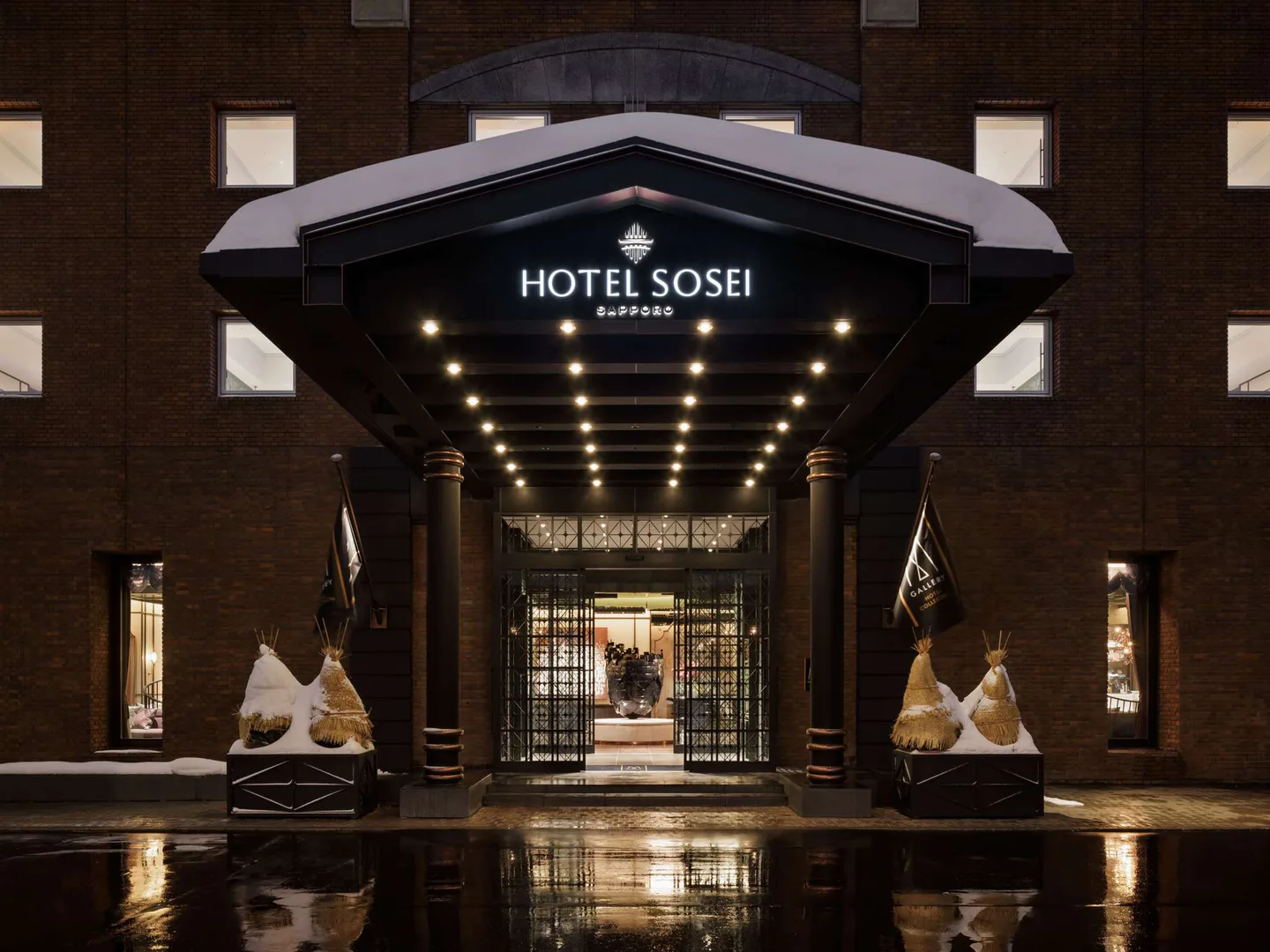
Hotel Sosei Sapporo lists a 29 m² Superior room with one king bed and a 39 m² Deluxe room with two queen beds. From JR Sapporo Station, the hotel describes roughly 15 minutes on foot or five minutes by taxi. Those are different room and access economics from a station-edge business hotel; the larger floor area is purchased partly with more travel to JR.
The trade can be sensible for slow Sapporo mornings, rest or remote-work time, accumulated shopping, or two suitcases that stay open. Space then works every day rather than only on arrival. A group that plans to return to the room between outings may get more from it than a group that leaves early and comes back to sleep.
Do not assume a seven-night booking requires a 39 m² room. If most mornings begin at JR Sapporo and the party spends little waking time inside, a shorter station route may have the stronger practical value. The longer stay amplifies the difference in walking as much as it amplifies the need for floor space.
The Hotel Sosei room guide asks whether a 39 m² two-queen layout earns the extra station approach. Compare the room you would actually book rather than valuing a suite category you will not buy.
The mid-stay move that rarely earns its effort
Three nights near JR and three near nightlife can look neatly balanced until moving day arrives. The second check-out, repacking, luggage handoff, ride between hotels, new check-in and settling into another room all happen in the same city. Unless the new address solves a new transport problem, the move mostly relocates an existing holiday day.
The transport fare is only the visible part. A visitor with two large cases may need to build sightseeing around storage hours and a new room’s availability. Staying put can protect the morning even when the alternative hotel is a few minutes closer to dinner.
A final night in Chitose before a very early flight can have a different job from a central Sapporo stay. Shifting from Odori to Sapporo Station for one 08:00 departure usually does not. Judge the move by the specific time or route it saves after counting another packing and check-in cycle.
For an early final flight, compare Sapporo versus Chitose for the last night. A late New Chitose landing is a different decision; the late-arrival guide covers airport, Chitose and city stays.
Longer Hokkaido routes change which side of Sapporo wins
Many international visitors use Sapporo between other Hokkaido cities or as one portion of a wider Japan route. A large inbound suitcase, several JR day trips and a rail departure to the next city can all make the station-side walk pay back. In that itinerary, access is not a one-time arrival perk.
A different trip can have two long-distance legs at its edges and almost no JR use in between. If the six Sapporo days revolve around Odori, Susukino, food and shopping, it can be wasteful to buy station proximity every night for only arrival and departure. Put those two rail transfers beside the six city days before choosing a base.
The three-repeat test is an editorial prompt: when the same unpleasant walk or transfer appears several times, give it weight in the hotel choice. A one-off journey should rarely dominate six nights of room and neighbourhood use. Mobility needs or extreme weather can change the conclusion even with fewer repetitions.
A week exposes breakfast and housekeeping terms
A seven-night breakfast bundle can outlive your appetite or schedule. Early JR trains, one late morning and a local café can leave several prepaid meals unused. List the mornings the party will be in the hotel during breakfast service, then compare that count with the room-only rate.
Cleaning policies deserve the same date-specific attention. Tokyu Stay’s request-based simple service and once-weekly full cleaning may be entirely comfortable for a self-sufficient traveller. Someone expecting daily linen and full room service should compare the current policy at each shortlisted property instead of imagining that seven consecutive nights behave like seven separate bookings.
The last outdoor stretch in January or February
A station-to-hotel estimate hides stairs, crossings and exposed pavement. With snow underfoot and a case to pull, a nominal three-minute path can be harder than a five-minute route that uses an underground passage and escalator. The value changes with the traveller’s mobility and the actual exit used.
Tokyu Stay publishes a large-case escalator approach; Keio Prelia describes its underground and elevator access; Emion offers a passage option. Trace the journey from the rail platform through the useful station exit to the hotel door. A generic “minutes from station” label cannot tell you how much of that walk is outdoors.
Four properties, four useful reasons
Choose Tokyu Stay Odori if private laundry will alter your packing and Odori fits most days. Accept that JR platforms are not directly outside the hotel.
Choose Keio Prelia when rail departures recur and a shared machine plus bath meet your recovery needs. Expect more movement toward southern nightlife if most evenings are in Susukino.
Choose Emion for a 21 m² twin, northern JR access, an underground option and a bath, while accepting shared paid laundry instead of a washer inside the room.
Choose Hotel Sosei when the larger private room will be used for rest, work or luggage throughout the week. The 15-minute walking approach to JR is the cost to place beside that benefit.
Keep one base unless the travel job changes
One hotel usually handles five to seven Sapporo nights better than a midweek shuffle. Tokyu Stay removes laundry scheduling; Keio Prelia shortens repeated rail mornings; Emion balances a north-station route with bath and twin space; Sosei trades rail proximity for a room that can become a place to spend time. Pick the repeated need, then compare the final quote for the same room and dates.
A very early flight, rental-car handover or departure to another Hokkaido base can justify changing hotels. Moving between two central Sapporo addresses merely to sample another area gives you more baggage work without adding a new destination. Estimate the actual next-morning saving before scheduling a move.
Before booking, write the night-five problem in one line: a laundry load, a 07:00 JR departure, two open cases, or a quiet room afternoon. If none of the four hotel features solves a problem your party will have, choose the location and total price that do. Long stays reward a specific answer more than a longer list of amenities.
Once the repeated need is clear, compare the exact room category and total for all five to seven nights, including tax and cancellation terms. Check Sapporo long-stay availability.
Routes and hotel comparisons
Compare the Sapporo neighbourhood guide, the four-night winter hotel comparison and a wider Hokkaido winter itinerary if the rail days or total number of nights are still moving.
Room, access and facility details
Tokyu Stay room layouts identify the washer-dryer, microwave and Residential kitchenette; the housekeeping rules distinguish on-request simple cleaning from weekly full cleaning.
The Tokyu Stay access directions show an Odori approach and a luggage-friendly escalator route via Pole Town.
Keio Prelia maps the three-minute JR North Exit walk and the underground/elevator approach.
Keio Prelia lists a guest bath and a 24-hour shared laundromat; use the bath’s published time window for late-night plans.
Emion describes the North Exit and underground approach and its Hohoemi Bath for overnight guests.
The Emion Standard Twin room page identifies the 21 m² category and one-to-two-guest use.
Hotel Sosei room categories include the 29 m² king Superior and 39 m² two-queen Deluxe.
Hotel Sosei access directions put JR Sapporo about 15 minutes away on foot or around five minutes by taxi.
Room categories, bath hours and cleaning terms can vary by plan and date. Compare the exact category and stay conditions shown at booking, especially when the feature drives the decision.
Related guides: Sapporo solo hotels · Osaka long-stay hotels · Sapporo budget hotels · Sapporo family hotels · Sapporo with a car · Osaka group hotels · Sapporo with parents · Okinawa friends trip · Tokyu Stay Fukuoka versus IL PALAZZO · Nada festival