
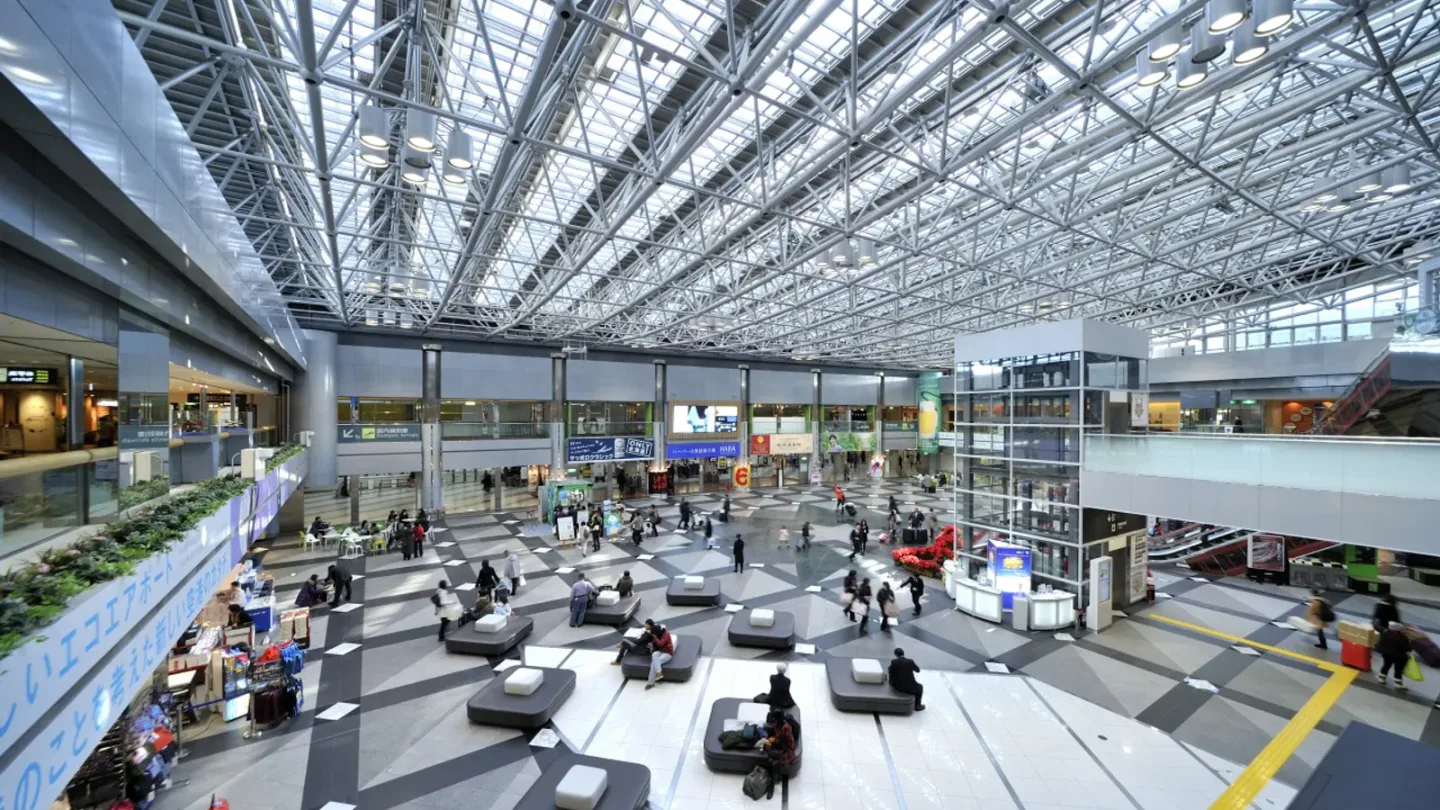
The rental counter is a poor place to decide whether a Hokkaido road trip begins at New Chitose Airport. That decision belongs to the first night's destination. A car that takes a family and its luggage straight to a rural hotel is doing useful work. A car that follows the Airport train into Sapporo and spends the next day in a city garage is charging for a job the railway already handles.
Apply the same test at the far end of the booking. If the driving portion finishes before two nights in Sapporo, an airport return can mean paying to store a car and then fitting a rental-site shuttle into flight morning. If the last hotel is rural and the vehicle still carries people and equipment, keeping it to New Chitose may be simpler. The useful rental window begins at the first drive that needs a car and ends after the last one.
↔ Scroll table left or right
First or final part of the route | Sensible rental edge | Main condition |
Airport arrival, then Sapporo city nights | Train to Sapporo; collect later | The car has no rural job on arrival |
Daylight arrival, first bed in Furano, Noboribetsu or another rural base | Consider airport collection | The driver is rested and the car avoids a Sapporo detour |
Late arrival before an unfamiliar drive | Sleep in Chitose or Sapporo; collect next day | Clearing the terminal and rental formalities takes time |
Rural loop finished, then one or two Sapporo nights | Price a Sapporo return | Compare drop charge with rental, insurance and parking saved |
Rural final hotel and bulky group luggage | Consider airport return | The car still performs the last transfer |
A Sapporo arrival night rarely needs a vehicle
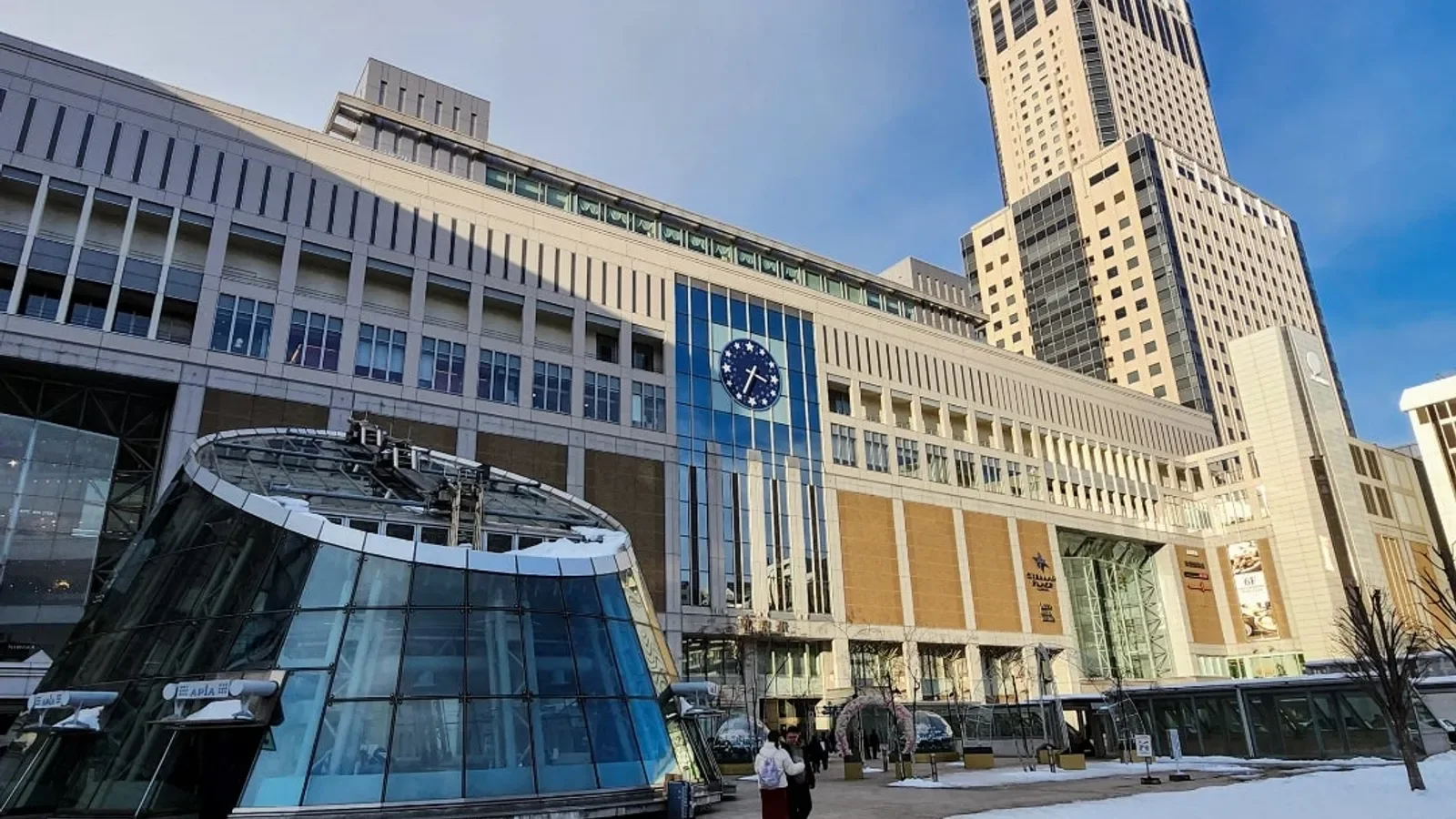
JR Hokkaido's Airport service joins the terminal station to Sapporo. Its fastest services are advertised at about 33–37 minutes, and the operator lists six departures an hour during the 09:00–16:00 daytime period. That makes the first airport transfer a straightforward rail journey if your bed is near Sapporo Station, Odori or Susukino. The train does not solve every luggage or late-service problem, so match it to your landing time and hotel. It does remove the need to find a car counter, ride a shuttle, inspect a vehicle and navigate into the city immediately after a flight.
Suppose the first evening is check-in and dinner and the following day stays in Sapporo. An airport rental sits through both. A group can still choose a car if its accommodation or luggage movement makes public transport impractical, but that choice needs a specific job rather than an assumption that Hokkaido always requires driving. The Sapporo district comparison helps locate the hotel before you price parking. If the city stop may be two, three or four nights, the Sapporo stay-length guide also clarifies when the rural leg actually starts.
This is especially relevant for travellers planning Otaru as a day trip or overnight. A Sapporo-and-central-Otaru start need not be rented-car days merely because later stops in Furano or Noboribetsu will need wheels. Start the contract on the morning you leave the rail-friendly part of the trip.
An airport counter still adds a transfer
New Chitose's rental desks are not all beside the parking space where you collect your keys. ORIX's New Chitose site is about 2 km from the terminal and lists an approximately ten-minute free shuttle. It currently gives daily 08:00–20:00 operating hours and permits one-way drop-offs within Hokkaido. Toyota's Poplar and Suzuran airport branches use free shuttles of roughly nine minutes after airport-counter check-in. Their posted schedule is 08:00–21:00 in April–June and September–October, 08:00–22:00 in July–August, and 08:00–20:00 in November–March. Toyota lists a Poplar closure on 10 November 2026; anyone using that exact date needs another branch. These are published branch details, not a guaranteed time from aircraft door to driving away.
Immigration, baggage, counter finding, shuttle waiting, contract checks and loading all come before the first kilometre. The shuttle estimate measures only the ride. A flight that touches down at 15:00 does not grant a 15:20 road departure. Write the likely driving start separately from the landing time, particularly if the first hotel lies another two or three hours away. New Chitose to Niseko transport choices are a useful reminder that a direct-looking road route can compete with a transfer that leaves the driver free to rest.
At the return end, reverse the sequence: reach the rental site, meet its fuel and inspection terms, unload the vehicle, wait for a shuttle and then enter the terminal. The posted nine- or ten-minute shuttle is a small component of that chain. It is safest to count the whole chain against flight check-in, not treat the rental return as if it were a terminal parking bay. A branch's seasonal closing time matters if you plan a late-night hand-back; a morning flight makes return timing still more consequential.
Rural first nights can justify airport collection
An airport pickup gains a clear purpose if you are not visiting Sapporo first. A first bed in Noboribetsu, Lake Shikotsu, Furano or another weak-transit rural place can make a Sapporo detour wasteful. The same applies when a family of four or a larger group needs the vehicle to move luggage and a stroller directly to accommodation. If the following 48 hours are rural and the arrival is early enough for an unhurried drive, the car begins earning its cost immediately.
Route direction strengthens that case. New Chitose to Furano, Biei and Asahikawa is one outward progression; New Chitose to Noboribetsu and Toya is another. If a hotel change keeps the trip moving away from the airport, collecting there may avoid a journey into Sapporo only to retrace it by road. Furano versus Biei as a sleeping base and Noboribetsu versus Jozankei help settle the first bed; the transport decision follows the bed, not the other way around.
An early landing and a rested driver can make a direct Furano night sensible. An evening landing may only move the sleeping place east, with no Furano sightseeing gained. Before treating Sapporo as a costly detour, decide whether Furano needs one or two nights and where those nights should be spent. The Furano hotel-base comparison gives the next day's geography more weight than a simple airport-to-hotel distance.
Fatigue changes the arithmetic after dark
The driver of a late flight has already travelled before the rental process begins. Arriving tired, collecting the first unfamiliar vehicle and starting a first left-side drive in darkness is a different decision from a daylight airport pickup. The apparent saving of an early rural hotel can disappear if the only result is a stressful night transfer. Sleeping first in Chitose or Sapporo can preserve the useful driving day rather than sacrifice it.
A late-arrival New Chitose hotel choice should be made independently from the rental location. If the hotel is in the airport or Chitose precisely to avoid travel after landing, parking a hired vehicle there that night usually defeats the point. Portom's terminal-connected stay and the Air Terminal Hotel versus Portom comparison show two ways to handle the sleep-first choice without turning it into an automatic car-rental day.
The case for delay grows in winter. Daylight arrival, real experience on snow-covered roads, normal conditions and a manageable first drive can still make airport pickup work. Combine a late flight with a first snow drive, unfamiliar left-side traffic and tired passengers, and the margin is much thinner. The Hokkaido winter-driving guide deals with visibility, parking and emergency preparation. If your opening days are already Sapporo and Otaru, a winter itinerary without a car may cover more of the journey than you expect.
A later Sapporo pickup should sit on the exit route
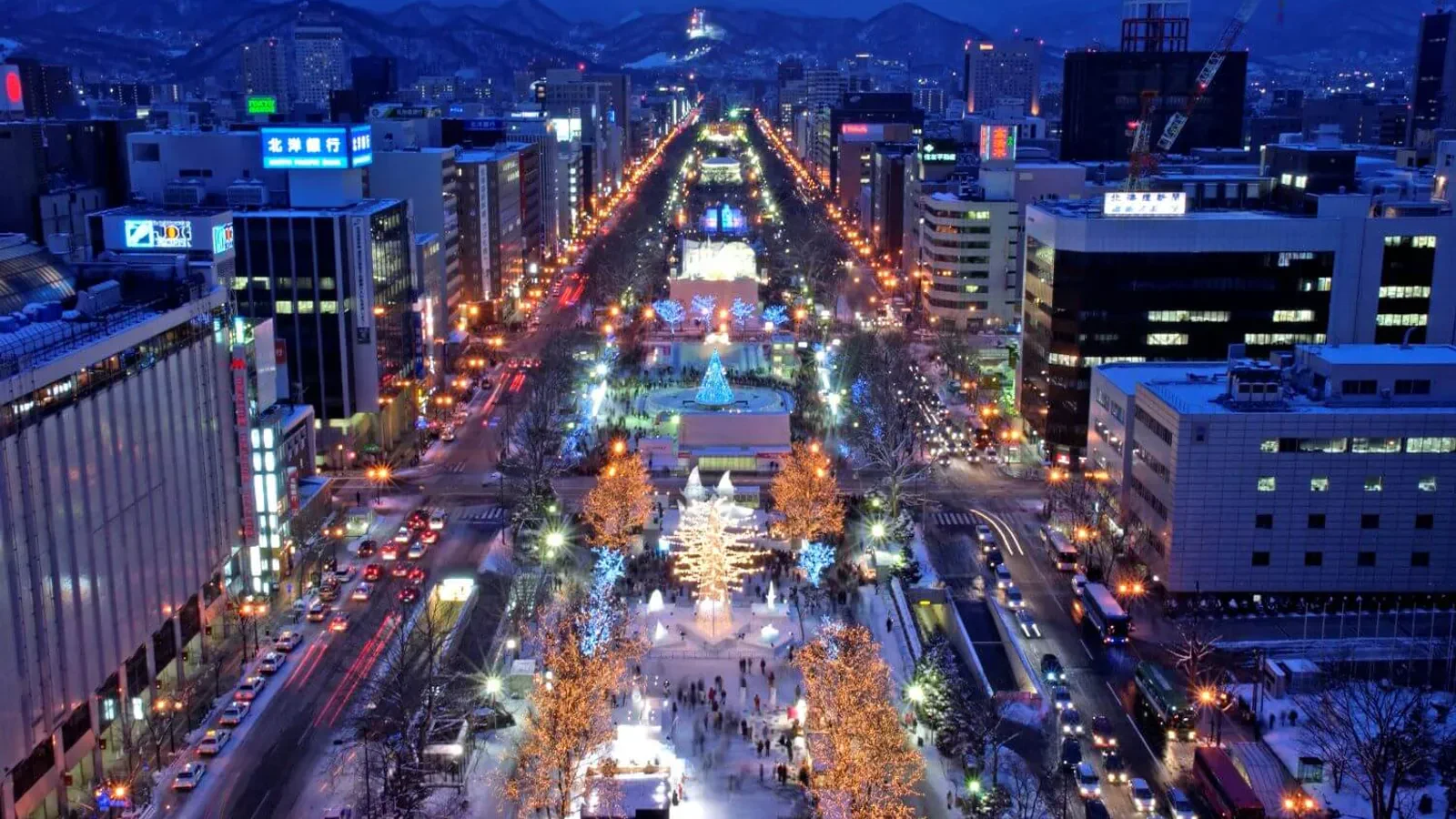
Postponing collection does not mean accepting any cheap branch in the city. A distant office can force a family to haul bags across town after checkout and then drive back past the hotel. The pickup point should suit the route you are about to drive, the opening time you can use and the hotel from which you leave. A convenient morning appointment on the departure day is different from collecting at 08:00 while your plan still calls for a whole Sapporo afternoon.
If a seven-day route uses only Furano and Biei for its rural section, the full-week versus partial-rental comparison tests whether the extra city days add enough benefit. A five-day Hokkaido autumn route may demand a different answer because there is less room for a non-driving opening. A private car charter is another option for a single hard-to-connect day if no one in the group wants to drive; its booked hours still need to include the actual travel legs.
↔ Scroll table left or right
Cost or constraint | Airport-to-airport contract | Rental only for rural days |
Car days spent in central Sapporo | May pay for idle days | Starts or ends around the useful drive |
Hotel and city parking | Add every night the vehicle sits | Avoid during train-and-walking days |
One-way/drop charge | Often absent on a same-site return | Check exact branch pair and vehicle class |
First airport transfer | Car, after counter and shuttle | JR or another transfer to the first hotel |
Departure morning | Rental return and airport shuttle | Rail or other city-to-airport transfer |
Daily car price alone misses insurance, parking, possible drop charges and the work of moving luggage to a different branch. The cheaper total can be the longer rental when a one-way charge is high or the return office is awkward. Equally, two idle Sapporo days can turn a cheap daily quote into an expensive way to store a car. Price both complete sequences with the same vehicle class and insurance terms, then compare the time and transfers as well as money.
Returning before the airport can simplify the last two days
Imagine a route that starts at New Chitose, runs through Furano and Biei, continues to Noboribetsu and ends with two Sapporo nights. Once you return to Sapporo, the car may be parked for 36–48 hours while trains, subways and walking handle the city. Keeping it just to drive to an off-terminal return site before the flight adds rental time and makes the departure morning less predictable.
An early Sapporo return is attractive only after four checks. First, the last city days truly have no driving work. Second, the rental company accepts the exact Hokkaido branch pairing and vehicle class. Third, the one-way fee is smaller than the rental, cover and parking you avoid. Fourth, the return office to hotel luggage move is practical. ORIX currently says Hokkaido one-way drop-offs are available; it does not mean every quoted price or vehicle combination is identical. Toyota also indicates one-way service, subject to its booking details.
The answer changes if the final hotel is rural, the group still needs a car for ski equipment or heavy bags, or the drop-office transfer adds more difficulty than an airport return. Sapporo or Chitose for the last night tests which side of the airport you actually need to sleep on. Sapporo self-drive hotel parking becomes relevant if the car stays: check clearance, re-entry and the return-day route before booking a room.
If the trip begins in Asahikawa and ends at New Chitose, the open-jaw Hokkaido route raises a different drop-fee calculation. The principle stays the same: pay for the vehicle while it is serving places that rail and buses do poorly, then examine both rental edges separately.
Match the first bed and final drive before reserving
The practical order is hotel route, flight times, rail transfer, rural driving days, then rental branch and fee. If the first bed is Sapporo and the car's first real task is Day 3, a Day 1 airport collection needs unusually strong luggage or access reasons. If the first bed is a rural stop reached in daylight, airport collection is more credible. If the final two nights are urban, calculate a city return as seriously as you calculated delayed pickup.
For travellers still choosing the regional order, the Hokkaido itinerary by region can settle which nights need a vehicle. Winter full-trip versus partial rental adds the seasonal driving constraint. Neither guide can replace the final branch quote; a one-way return may be permitted but costly on a particular booking.
If you plan to sleep near the airport after a late flight, compare Chitose-area rooms. For a rail-first city stay, see Sapporo station-area accommodation. The useful reservation is the one that puts sleep before the first demanding drive and does not make you pay for a car that waits in a garage.