
An Okinawa Main Island trip can lose a surprising amount of daylight between places that look close on a small map. A Naha room is helpful for the airport and city, but repeated drives to Onna and Motobu erode that advantage. A northern resort gives back beach hours, yet an early flight then requires a long return, fuel stop, rental inspection and airport shuttle. Choose the usable days and the first and last nights before filling the itinerary with sights. For a shorter trip, compare four days on Okinawa.
The four decisions that shape the first trip
For five days and four nights, start in Naha, spend two nights around Onna or Nago and return to Naha before an early flight. A tighter budget can use Naha buses and organised days with only one or two car days. Keep marine activities off departure day and avoid a tired late-night drive north.
Trip length determines how many regions fit
Three days keep the island small
Arrival and departure often consume parts of two days. With three days, stay in one base and choose either Naha and the south or Naha plus a single west-coast or northern outing. A move between several hotels would take time better spent outside.
Four days allow a coast day but still require a choice
Naha, the west coast and Churaumi can fit across four days. Adding a Kerama boat day, Blue Cave, southern sights and long resort afternoons as equal priorities cannot. A brief car rental or two carefully placed hotel bases prevents the island crossing from repeating every morning.
Five days can give the north a full day
A first five-day visit can begin in Naha, include the central coast, leave a half day for an activity that depends on the sea, and reserve a separate full day for Churaumi and nearby northern stops. It remains a trip with active travel days rather than a week at one beach hotel.
A week buys flexibility before it buys extra islands
Seven days permit several consecutive resort nights, a weather reserve for a boat or snorkel trip and a gentler pace for children or older parents. Miyakojima and Ishigaki require their own flight segment; they are not small extensions of a Main Island drive. Accommodation for several generations is discussed in Okinawa multigenerational hotel rooms.
The transport network changes outside Naha The main transport comparison is in whether to rent a car in Okinawa.
Yui Rail, buses and taxis make Naha possible without a car. Airport and resort bus routes also reach parts of Chatan, Onna, Nago, Motobu and the aquarium area, but there is no railway running the length of the island. The difficult portion is often the last leg from a major stop to a beach, hotel or roadside attraction. A Naha-based traveller with one organised northern day may not need a car. A family moving luggage between a resort, Churaumi and Kouri Island is likely to value door-to-door travel much more. two-day Naha itinerary without a car
Confirm driving documents before reserving a vehicle
Road traffic keeps left and rental cars generally put the driver on the right. Visitors from many jurisdictions need the original licence, passport and a paper International Driving Permit under the 1949 Geneva Convention; some jurisdictions instead use an authorised Japanese translation with the original licence. A digital image or card-only permit is not a safe assumption. Check the rule for the issuing jurisdiction and the rental company before payment. Even with valid documents, an unfamiliar lane position, road signs and parking rules make a tired late-night transfer a poor first drive. Spend that night in Naha and collect the car in daylight if the group is tired. Okinawa rental comparison For provider-level details, see OTS, Toyota and ORIX rental comparison.
Search Okinawa rental-car availability
Compare the actual pickup and return branches, hours, car class, child seats, insurance, non-operation charge and cancellation terms before paying for a rental.
The first car day need not be the arrival day
Airport-area pickup works when the flight is early, the group is large and the hotel is already north of the city. The rental shuttle, queue, contract, car inspection and luggage loading all take time after landing. After an evening arrival or a city-focused first day, a Naha branch can spare you a parked rental car. Before an early flight, return the vehicle the previous afternoon and sleep near the airport; fuel, inspection, shuttle and road traffic then leave the departure morning. The final-night choice is in Onna versus Naha before a flight.
The five hotel bases do different work Five screening questions help with the Okinawa hotel-area decision.
Naha for the airport and city days
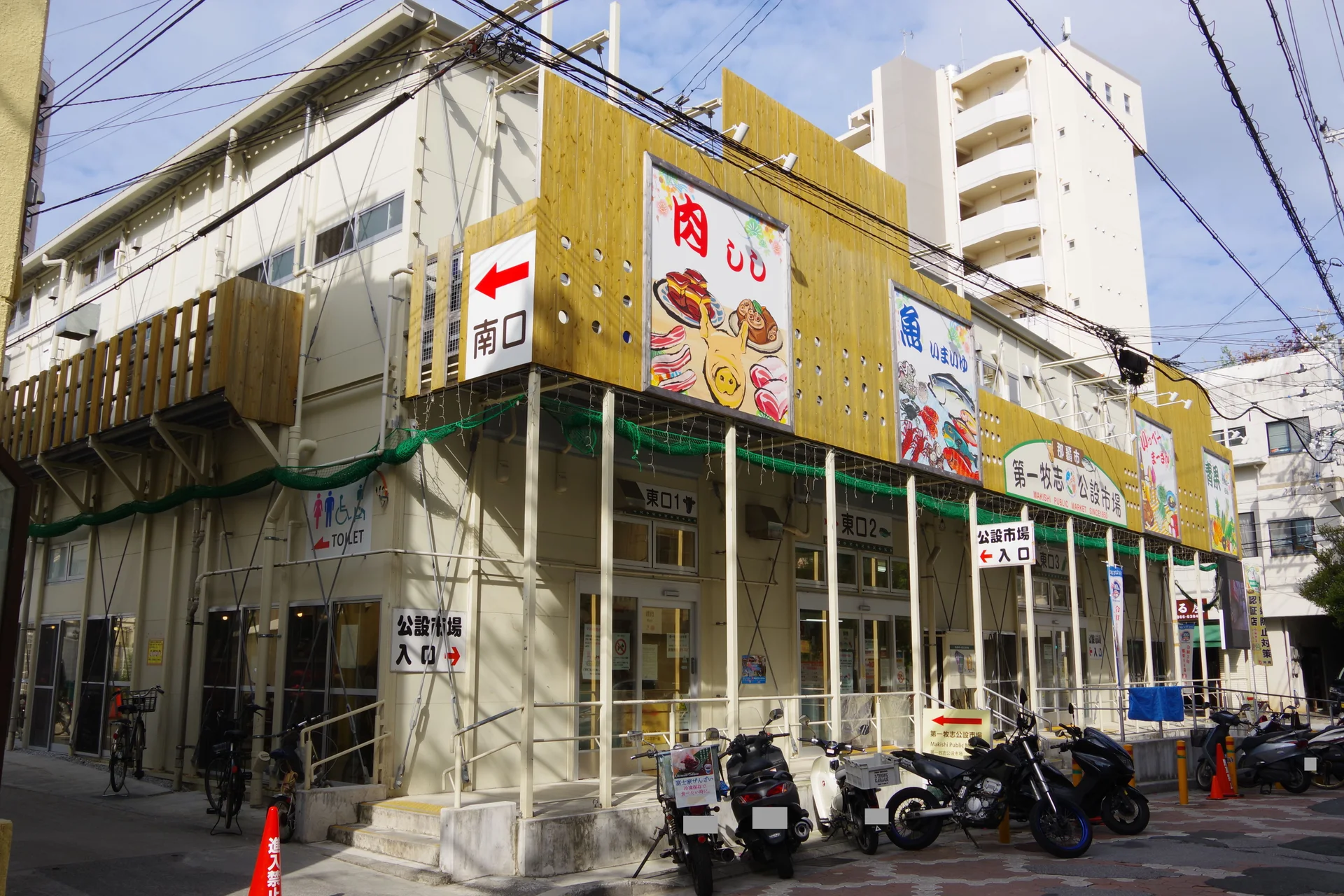
Naha absorbs late arrivals, early departures, monorail trips, markets, Shuri Castle and urban meals. It becomes less efficient if most days are repeated out-and-back journeys to Onna or Motobu.
Chatan for evenings between city and coast
Chatan puts restaurants and a walkable waterfront into the evening while sitting between Naha and Onna. It is not on the monorail; a bus, taxi, booked transfer or car still completes the arrival and sightseeing routes.
Onna when the resort and sea are the trip
Onna earns its place for west-coast hotel time, beaches and activities around Cape Maeda. Driving to Naha every evening for dinner or shopping gives away the reason to sleep there. Families can compare coast-area hotels in Okinawa family hotels.
Nago for a working northern base
Nago has more everyday services and road connections than a remote far-north property. It helps with Churaumi, Kouri Island and other northern drives, though it offers a different experience from a resort stay on the shore. Northern driving costs are explored in Okinawa car-rental choices.
Motobu for an early start in the north
A Motobu room brings Ocean Expo Park, Bise and quieter northern mornings close. Food choices are spread out and the southbound journey is important on departure day. For five days, one Naha arrival night, two in Onna or Nago and a final Naha night works when the flight home is early. Two Naha nights followed by two coast or north nights is cleaner with a late departure. One hotel saves packing but increases driving; three or more transfers consume time in check-in and luggage handling. A detailed northern stay decision is in Onna versus Naha last night.
A five-day route with room for the sea to change
Day 1: Land in Naha, check in and eat nearby; leave the northern drive for daylight.
Day 2: Collect a car if needed and move through Chatan, Yomitan or Onna, stopping at two places that matter rather than every pin on the road.
Day 3: Leave a half day for Blue Cave or another sea activity, with coast or resort time available if conditions change.
Day 4: Give Churaumi, Bise and Kouri Island a full northern day; reduce the stops if weather or group energy requires it.
Day 5: Match the final hours to the flight. A late departure may leave room for the south; an early flight should be mostly transfer time.
The fuller driving sequence is in five-day Okinawa driving itinerary
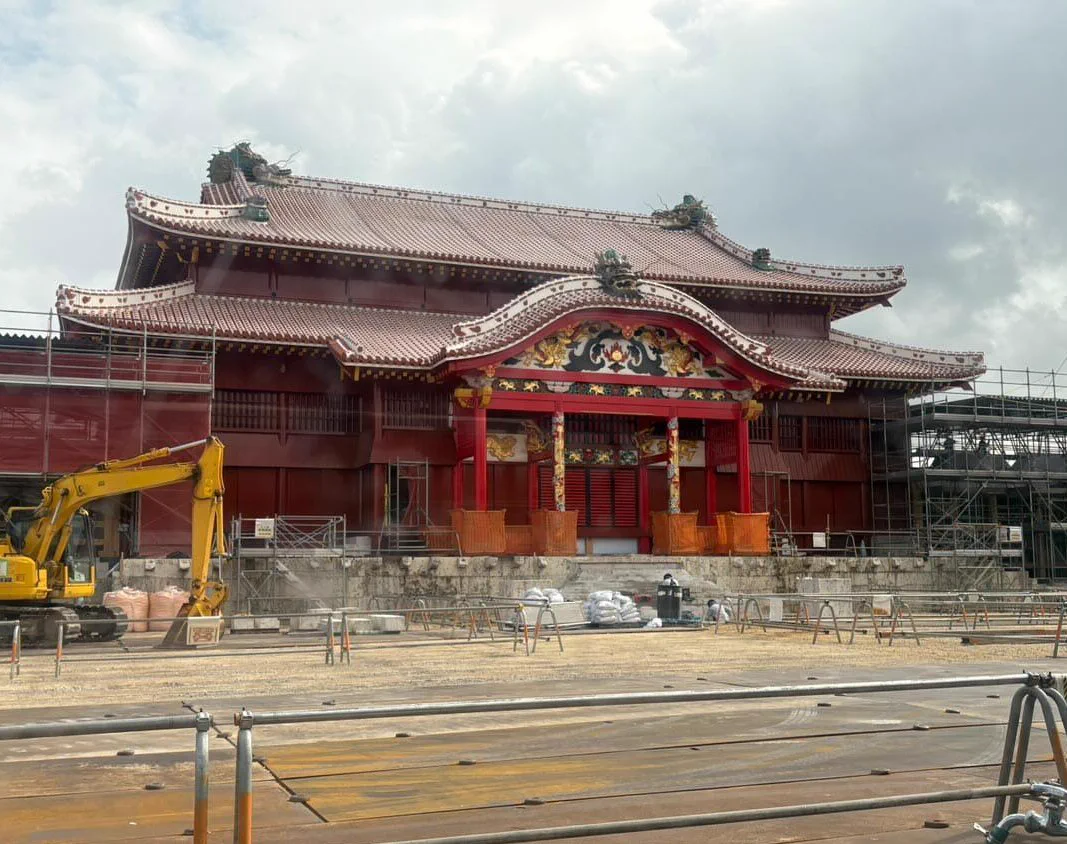
Shuri Castle changes after 23 November 2026
The restored Seiden interior is scheduled to open for public visits on 23 November 2026. From that date, entry to the paid area is ¥1,000 for an adult whether or not the interior is included. Entering the Seiden requires a reserved time slot, with no additional slot fee; exterior and other paid-area spaces do not require that interior reservation. For visits from 23 November to 31 December 2026, individual tickets were released at 13:00 on 1 September and 1 October. From January 2027, sales begin at 13:00 on the first day two months before the visit.
Allow more than a short airport-day gap for an interior visit. The castle estimates about 20 minutes from Shuri Station to Suimuikan, five to Shureimon, 15 to the ticket gate, 15 more to the Seiden entrance, around 15 inside and approximately 40 for the remainder of the paid area back to Suimuikan. Its combined estimate from Suimuikan is roughly 90–120 minutes, with the station walk additional. Queues and personal pace can lengthen it.
Before 23 November, Shuri remains a flexible Naha cultural stop during reconstruction. Afterwards, reserve the interior first if that is important and protect a half day for the visit. A marine session, northern drive or rental-car return earlier the same morning can make the fixed slot fragile. Seeing the outside and other paid spaces allows a more flexible arrival.
Churaumi, Blue Cave and Kerama take different kinds of day For an activity shortlist, compare Churaumi, Blue Cave and Kerama day tours.
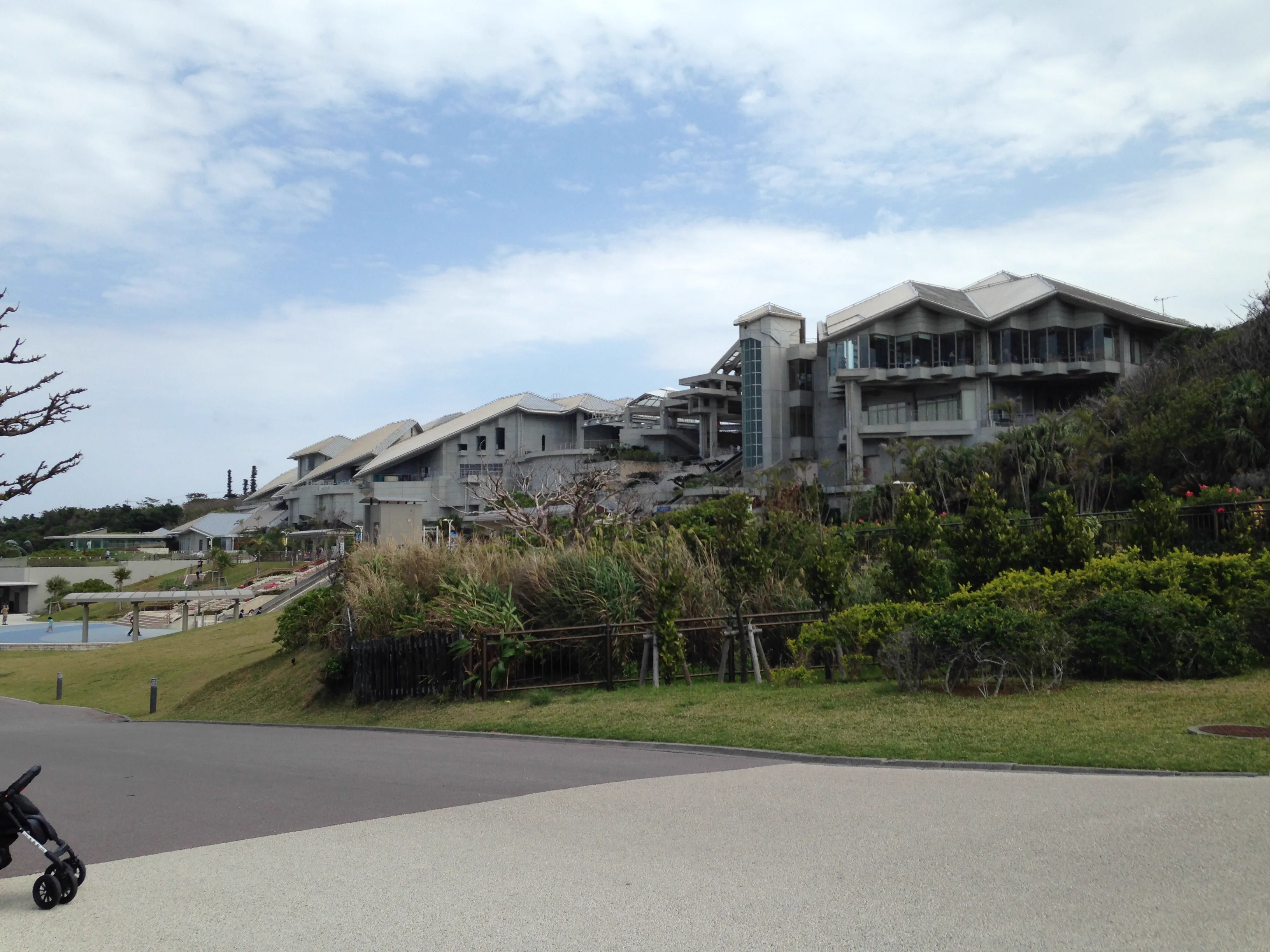
Churaumi Aquarium is the easiest of the three for families, older visitors and groups who want a day less exposed to sea conditions, though its operating day should still be checked. Blue Cave usually fits a half day for confident water users who accept a changed site or cancellation. A Kerama boat outing takes most of a day and adds wind, swell, seasickness, check-in time and a tired journey back. Put the activity with the most weather exposure where the itinerary can move it. Blue Cave snorkelling guide Kerama discovery-diving guide
Pace the trip for the people travelling
Families gain from fewer room moves, regular meals, naps and time to clean up after the beach. Couples who came for resort evenings should protect at least one in Onna or Chatan. An older parent may prefer a simpler bathroom, a short walk and fewer car entries to an extra attraction. A marine morning, far-north drive and fixed dinner in one day leave too little recovery room for any of these groups. For smaller children, compare Okinawa hotels with babies.
Rain and a typhoon are different decisions
Rain may leave a road day intact, but a marine operator and local safety notices determine whether wind, waves, tides and warnings allow an activity. A typhoon can suspend flights, ferries, buses and the monorail and can close roads; replacing cancelled transit with a car is not necessarily possible. Sea swell may remain unsafe after the sky clears. Keep one indoor alternative near each hotel rather than building a second full itinerary. Okinawa rainy-day guide
Budget by route, not an island-wide average
Cost depends on flights and baggage, room bases, car class and rental days, fuel, tolls, parking, marine activities, meals and mobile data. Two adults using Naha business hotels and a compact car for two days are buying a different holiday from a family in a resort with a larger vehicle all week. Price flights, both hotel bases and the car on the same date. Add reservations that matter, then leave a margin for changes in transport, weather and meals. A non-refundable minimum is not comparable with a flexible room or a rate unavailable on your dates.
Reserve the items that would change the route
Flights, busy-period rooms, a vehicle of a specific size and popular marine sessions should be settled early. A resort central to the holiday belongs in that first group because substituting it changes the stay. Ordinary meals, shopping, a free Naha afternoon and many indoor stops can remain open. Buy tickets for the real date and terms, not because a booking page creates urgency.
Where first itineraries lose time
Collecting a rental after an evening flight and driving tired to the far north.
Using Naha as the only base while three days are planned in Onna and Motobu.
Comparing car rates without shuttle, fuel, parking, insurance and return time.
Assuming Blue Cave, Kerama boats or calm beach water are guaranteed.
Moving hotels nightly to save kilometres while losing time to bags and check-in.
Scheduling sightseeing before an early flight using only an ideal map travel time.
Treating a reserved Seiden interior visit after 23 November as an untimed walk-in stop.
Quoting a fixed trip total or discounted minimum without live dates and conditions.
Build the last day before adding another stop
For a first Main Island visit, give Naha the airport and urban days and let Onna, Nago or Motobu handle the coast and north. Rent a car for the portion that benefits from one. The cheapest route, the route with the fewest hotel moves and the route with the least weather risk can differ; base the choice on the group’s flight times, resort priorities and ability to change plans. If cycling is a priority, consider three Okinawa cycling routes.
Routes for the main island
Decide whether your Okinawa trip needs a car, compare Naha, Chatan, Onna, Nago and Motobu, build the route with the five-day self-drive itinerary, and compare Okinawa activities and day tours
Families, costs and airport nights
Families can use the Okinawa family road-trip guide, costs can be tested with the five-day Okinawa budget, and connectivity and airport-night planning are covered by the Okinawa eSIM guide and Naha Airport late-arrival and early-flight hotel guide
Check the day before a fixed activity
Driving documents, island buses, typhoon notices, the Shuri interior reservation, aquarium opening and Cape Maeda sea status can all affect a booked day. Use the corresponding service pages before travel and again when weather changes. driving documents island transport typhoon precautions Shuri interior tickets aquarium hours Cape Maeda sea status
Compare stays by the part of Okinawa you will use
See the Okinawa accommodation map before choosing between Naha, Onna and the north
Compare stays along the Onna coast
Availability, taxes, room type, payment and cancellation terms appear on the final hotel booking page.
Related guides: Okinawa Family Hotels: The Winner Changes Once You Add Bed-Sharing, Laundry and Pool Time · Lake Chuzenji 2 Day Itinerary: Kegon Falls, Irohazaka and Hotels · Kenrokuen Autumn Leaves 2026: Early Entry, Illumination, Transport and Hotels · Fukuoka Itinerary: 3 Days for First-Time Visitors · 14-Day Japan Autumn Leaves Itinerary: Six Routes, Flights and Hotels · Six People in Okinawa? One Big Room Is Often the Wrong Goal — Split Beds, Bathrooms and Bedtimes First · Kyoto Autumn Illumination 2026: Temples, Tickets, Transport and Hotels · Sounkyo Kurodake 2 Day Itinerary: Ropeway, Chairlift, Onsen and Hotels · Okinawa 5-Day Itinerary: Don’t Rent a Car on Day 1 — Naha, Onna and Churaumi Without Hotel Hopping