
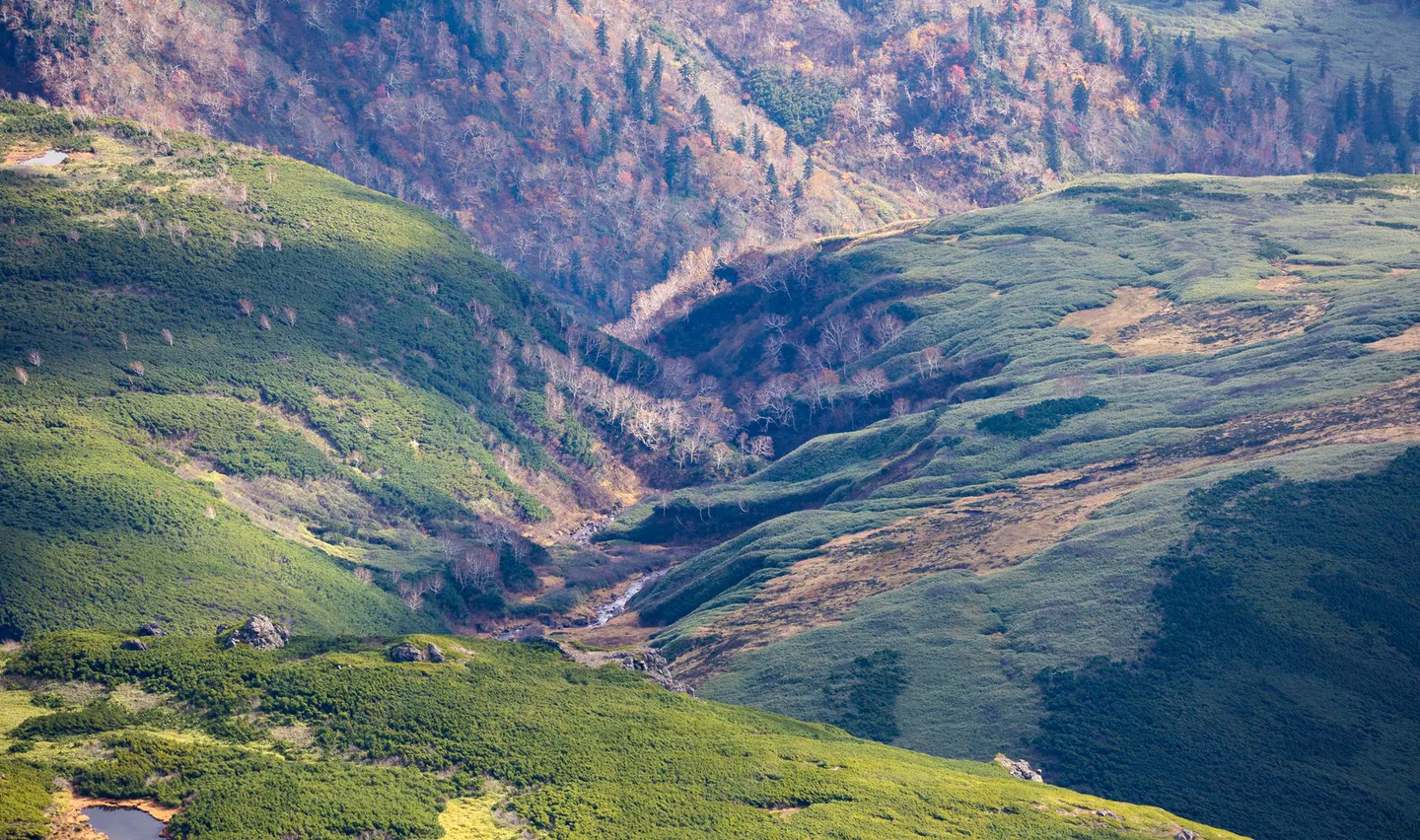
Fourteen days allow a coherent autumn journey across two regions, with enough slack to wait out one poor mountain day. They do not make six distant foliage corridors a good itinerary. Choose the seasonally open route first, then the direction of travel and flight airports, and only then the individual viewpoints. A workable starting shape has four or five sleeping bases, one major inter-region move and two outdoor days that can trade places with nearby alternatives.
Use the 2026 outlook rather than the old claim that this year's forecast is unavailable. Japan Meteorological Corporation released its second autumn forecast on 1 October; the city sample-tree dates include 4 November for Sapporo red leaves, 28 November for Tokyo and 11 December for Kyoto. These figures do not date every mountain valley or city garden. The regional forecast calendar helps set the broad corridor, while a first-trip region comparison helps decide whether alpine colour or a flexible city journey is the reason for travelling.
↔ Scroll table left or right
| Two-week window | Route family to price first | Important constraint |
|---|---|---|
| September | Hokkaido and selected high alpine areas | Tokyo and Kyoto lowlands are too early for a classic city-leaf trip |
| October | Hokkaido south, Tohoku or one Chubu mountain corridor as the weeks progress | A generic national October route hides large latitude and elevation differences |
| Late October to early November | Tohoku → Tokyo or Tokyo → Chubu | Do not make Nikko, Kawaguchiko and another mountain corridor all compulsory |
| Mid-November | Tokyo and Kyoto/Setouchi | Kamikochi's normal public-transport season ends on 15 November |
| Late November to early December | Kyoto, Setouchi and Kyushu | The Tateyama Kurobe route closes after 30 November 2026 |
The mountain access dates are more certain than the leaves
Transport sets hard edges. Kamikochi's 2026 public season runs through 15 November; buses and visitor facilities close from 16 November. A late foliage prediction cannot restore the bus for a Matsumoto arrival on 18 November. Tateyama Kurobe runs from 15 April to 30 November 2026 and has a distinct timetable for 4–30 November. Being open on both 10 and 25 November does not make them equivalent mountain days: daylight, cold, snow and available departure times alter how much of the route can be used.
Before reserving a mountain overnight, establish whether the exact-date transport operates, whether the last return is early enough to leave margin, and what lower-elevation outing the same base supports if weather turns. A closed route should come off the plan. A route with one exposed day and no fallback merits an overnight only when the mountain itself justifies the risk. Tateyama's altitude sequence and Kurodake's ropeway and onsen pairing show two different ways a mountain stop can earn a night.
JMC's forecast distinguishes red maple and yellow ginkgo sample trees and estimates hundreds of spots and thousands of mountain elevations. It is a routing tool, not a date guarantee for one trail. Once the flights are fixed, use the first suitable regional outlook to place the corridor, check live colour and weather roughly a week before each outdoor block, then swap days within the same hotel base 24–48 hours out. Move uphill when a low garden remains green, or downhill when the higher colour has passed. A five-hour cross-country rescue usually costs more usable holiday than it saves.
Two flex days need somewhere to move
A blank calendar square is not flexible if the next morning's non-refundable ryokan, timed mountain bus or booked intercity train fixes the sequence. Put one genuinely swappable outdoor day around days 5–7 and another around days 10–12. Do not place both before the flight home: a day at the departure airport cannot rescue a mountain visit lost a week earlier. The last 24 hours should instead be geographically conservative.
↔ Scroll table left or right
| Day type | What can move | Example in a two-week route |
|---|---|---|
| Genuine flex day | Outdoor target shifts one or two days while the same hotel remains booked | Nikko from Tokyo, a Kyoto foliage area, or a Sapporo outing |
| Fixed day called “free” | Little: the next lodging, rare bus or dinner reservation determines travel | A mountain overnight between prepaid city hotels |
| Flight-protection day | Local plans may move, but the base stays close to departure | Tokyo, Kansai, Sapporo or Fukuoka before the international flight |
Cancellable city rooms can be worth an extra amount when they let one night slide after a forecast update. A cheaper prepaid chain of remote stays may remove the two flex days in practice. Luggage adds another constraint: send a large case between major bases if it allows a one- or two-night mountain side trip with a small bag, but do not assume rural same-day delivery.
Four or five hotel bases are enough for twelve usable days
Arrival and departure usually leave about twelve full or partial sightseeing days. A further checkout should buy something unavailable from the previous base: a dawn trail, a quiet evening after coach traffic leaves, ryokan dinner, an early bus, or a clean progression toward the exit airport. Tokyo → Nikko → Kawaguchiko → Matsumoto → Takayama → Kanazawa → Kyoto → Hiroshima → Fukuoka sounds colourful, but it turns most mornings into packing and platform work. It also makes the best weather hard to use because accommodation is constantly pulling the group forward.
A better skeleton is arrival base, one outdoor corridor, a hub where the first flex day sits, one major transfer, a second corridor and the departure base. A hotel may play two of those roles. The ten-day regional routes show what to cut when fourteen days are unavailable; the seven-day alternatives make the cost of adding another region especially visible. An open-jaw flight can be valuable when it removes the long trip back to the starting airport, though its fare still needs to be compared with the saved train and hotel time.
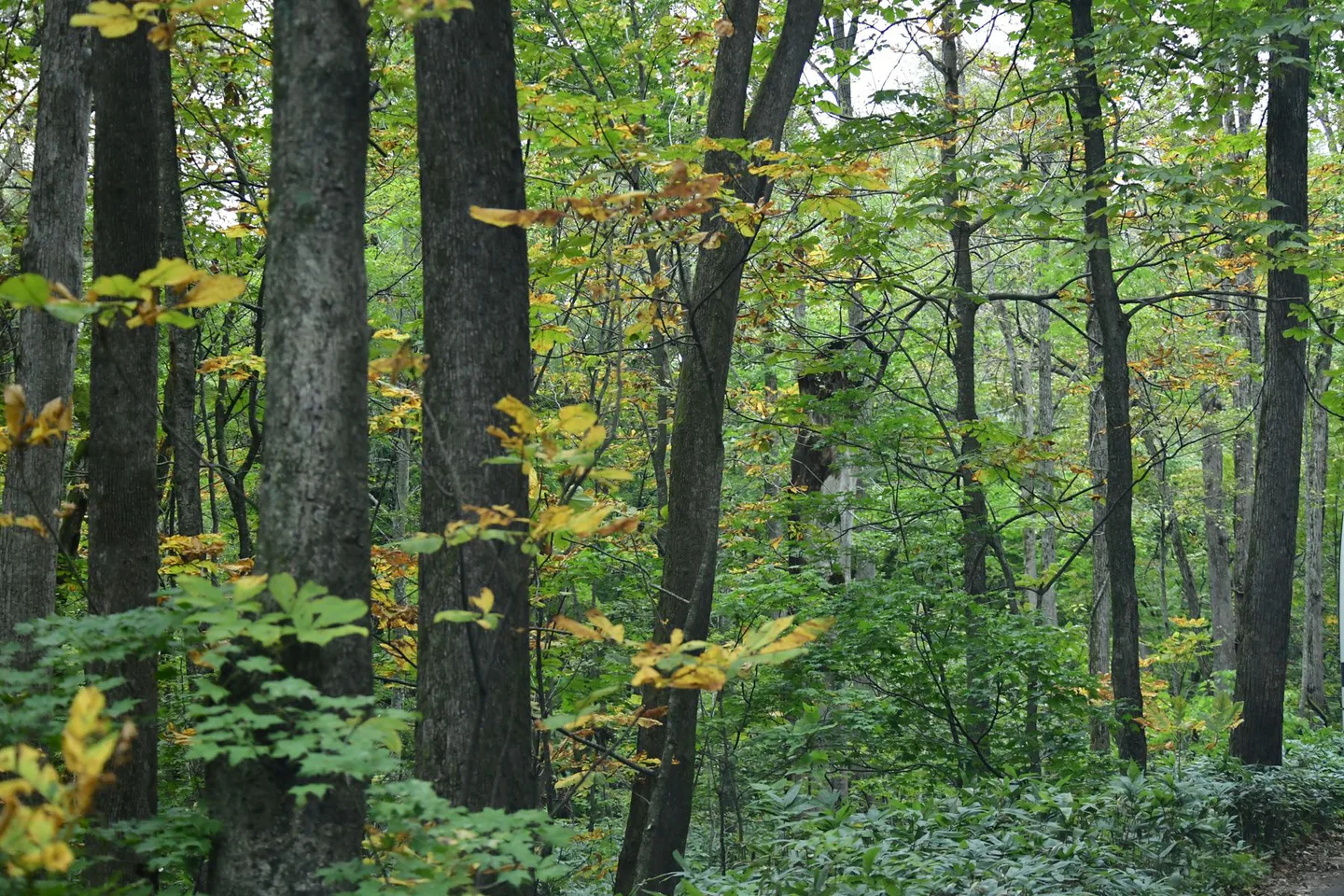
September: keep Hokkaido deep rather than wide
Early colour is the reason to stay north. Asahikawa can serve one primary Daisetsuzan system, either Asahidake or Kurodake/Sounkyo; Sapporo is the adaptable city base; a southern finish might be Jozankei, Onuma or Hakodate as the season and flights permit. Wind, frost or early snow can remove the highest day, so reserve lower alternatives rather than demanding both mountain systems. The Hokkaido north-to-south route, shorter Hokkaido comparison and base selection address the practical transport choices. Asahikawa in and New Chitose or Hakodate out may save a return across the island.
October: Tohoku can descend toward Tokyo
Begin near Aomori, Hachinohe or Morioka, use Sendai as a second transport base and finish in Tokyo. Oirase, Hakkoda, Hachimantai, Kurikoma, Naruko and Yamadera are alternatives at different elevations and dates; making all six required stops would defeat the route. Select two or three outdoor corridors and leave the others as substitutes. Tokyo then provides lower-elevation sightseeing, poor-weather recovery and a practical flight end, rather than a single shopping night after continuous rural transfers.
The Tohoku five- and seven-day blocks can fit inside this fortnight. Naruko's two-day arrangement is a different kind of overnight from a Yamadera day trip from Sendai. Choose based on the light and transport you need, not on the number of place names in the plan.
Late October and early November: Tokyo plus one Chubu corridor
Tokyo can take roughly four nights, with a Nikko or Kawaguchiko overnight only if the dawn, evening or transfer path repays another checkout. Continue toward Matsumoto and one Chubu route. Kamikochi, Tateyama Kurobe, Okuhida, Shirakawa-go and the Nakasendo have distinct gateways and seasonal conditions; “the Alps” is not one interchangeable bucket. If the visit straddles 15 November, place Kamikochi before its closure and the lower or cross-Alps option later. Inverting that order and hoping for late colour does not reopen public transport.
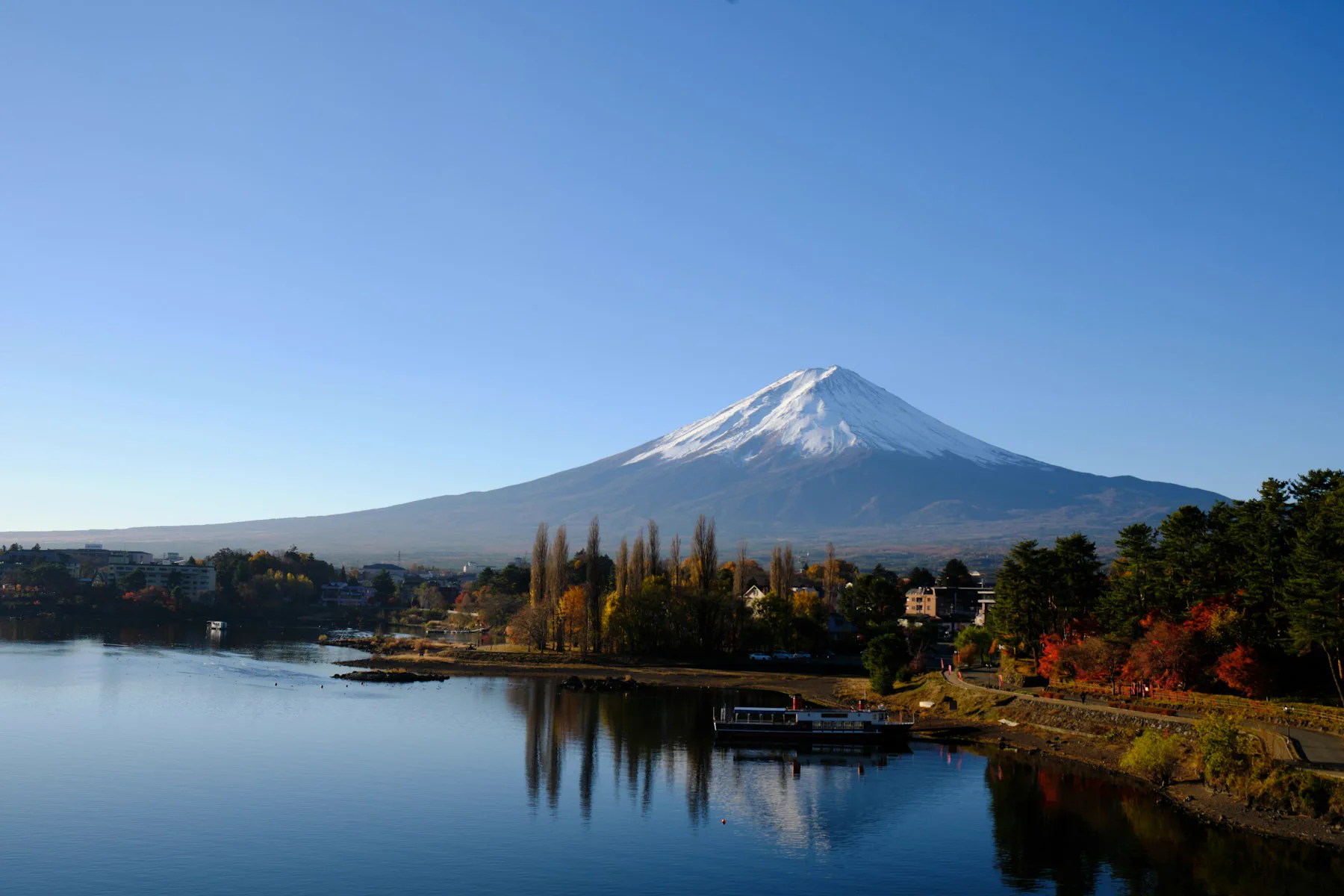
The Lake Kawaguchiko photograph shows Fuji, the shore and some autumn colour, but the mountain view is weather dependent. Nikko transport and overnight choices and Kawaguchiko lodging areas help decide which one deserves the scarce hotel move. Shirakawa-go bus and luggage planning matters only if it genuinely lies on the chosen onward corridor.
November's first-trip route: Tokyo and Kyoto
Five nights around Tokyo and roughly five in Kyoto or Kansai leave space for one or two selected side trips, a major transfer and two flex days. Tokyo does not need Nikko, Kawaguchiko and Hakone in the same fortnight. Kyoto need not require Takao, Kibune, Arashiyama, Higashiyama, Uji, Nara and Koyasan. Pick one or two foliage corridors from each base; keep the rest as alternatives if colour or weather differs. Kyoto's three-day seasonal routes are an exercise in substitution rather than a list to combine.
Tokyo in and Kansai out, or the reverse, is worth pricing before a rail pass because it can remove the final return Shinkansen. It may also avoid a last hotel move. The exact airfare can be higher, so compare the full journey rather than declaring the open-jaw ticket always cheaper. For a Kyoto base, station, Kawaramachi, Gion and Osaka sleeping options trade early rail access against evening location. Compare Kyoto rooms for the nights in your route once the transfer and flex days are placed.
Mid-to-late November: Kyoto with Setouchi
Okayama and Kurashiki, then Hiroshima and Miyajima, create lowland and urban fallbacks beyond Kyoto without staking the whole fortnight on exposed mountains. This pattern can suit families, older travellers or anyone who wants autumn scenery without several alpine weather bets. The gentler-access route comparison can help set a realistic daily pace. If Shikoku enters the plan, select Shodoshima/Kankakei or Iya as a replacement corridor, not two automatic extras; ferry, island bus and mountain lodging times make a straight line on the map surprisingly complicated. Shikoku's four-day choices and the Iya transport guide clarify the trade.
Late November into December: Kyushu, with a short rural car segment if needed
Fukuoka works as the arrival and rail hub. Add an Oita onsen block around Yufuin or Beppu, then choose one extension: Kumamoto/Aso, Nagasaki/Unzen or another corridor linked to the departure airport. At this stage in the season, lower western areas can be more sensible than a finished high mountain. The Kyushu timing map helps compare those alternatives. Volcanic access restrictions, fog or bad weather can still remove a rural outing, so keep a city or onsen day useful in its own right.
Do not hire a car for fourteen days because a single mountain stretch is awkward by bus. Use rail and bus along the city spine, then price a partial rental for the segment where it genuinely changes access. An early-December Kyushu trip should remain satisfying if the leaves have dropped. A Fukuoka hotel near the next rail departure may be more useful than one chosen solely for a rental parking space.
Price the rail pass after the route exists
JR's current online price for a 14-day Ordinary nationwide pass is ¥80,000. An overseas-agency Exchange Order issued from 1 October 2026 is ¥84,000; the prior ¥80,000 agency rate applied through 30 September and is now historical. Name the purchase channel whenever quoting a price. The base pass does not include NOZOMI or MIZUHO travel without a separate supplement. The autumn rail-pass comparison should be run against journeys already in the itinerary, including regional passes, separate tickets and any domestic flights or buses. Tokyo plus Kyoto with one main Shinkansen move does not justify adding cities solely to recover a pass purchase.
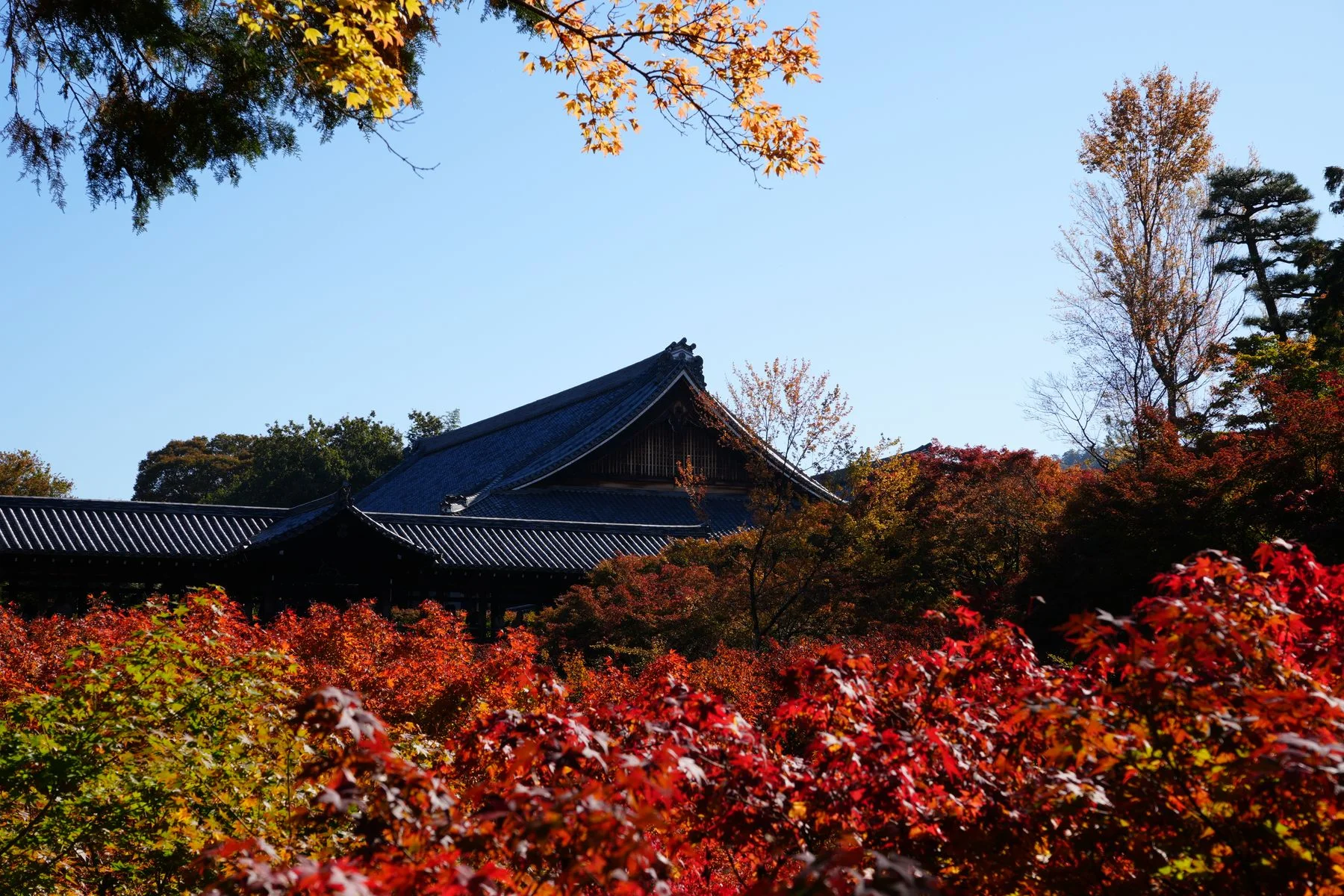
Stress-test the result three ways. If foliage is a week late, can the same base reach a higher area? If the mountain day is cancelled, is there an onsen, city or lower-elevation alternative worth that day? If a transfer slips, is a ryokan dinner, last bus or flight exposed? Move hard deadlines away from the fragile segment or add a real margin. Delete one planned mountain day on paper: a sound fourteen-day trip should still make sense.
September belongs to Hokkaido or another high-elevation corridor; October to a carefully chosen Hokkaido, Tohoku or alpine progression; November to Tokyo–Kyoto or Kyoto–Setouchi for many first-time visitors; late November and early December can move west and south. The advantage of two weeks is the ability to wait for weather inside a coherent route. Six sleeping bases, three mandatory mountains and two backtracks would spend that advantage before the leaves have even changed.
Further regional routes
Japan Weather Association — autumn-foliage forecast methodology and release season · Kamikochi Website — sightseeing season and winter closure · Tateyama Kurobe Alpine Route — 2026 operating season and ticket schedule · Tateyama Kurobe Alpine Route — 2026 November timetable · JAPAN RAIL PASS — current online and overseas-agent prices · Kenrokuen Autumn Leaves 2026: Early Entry, Illumination, Transport and Hotels · Free Autumn Leaves in Kyoto 2026: Parks, Paths, Ginkgo and Routes