
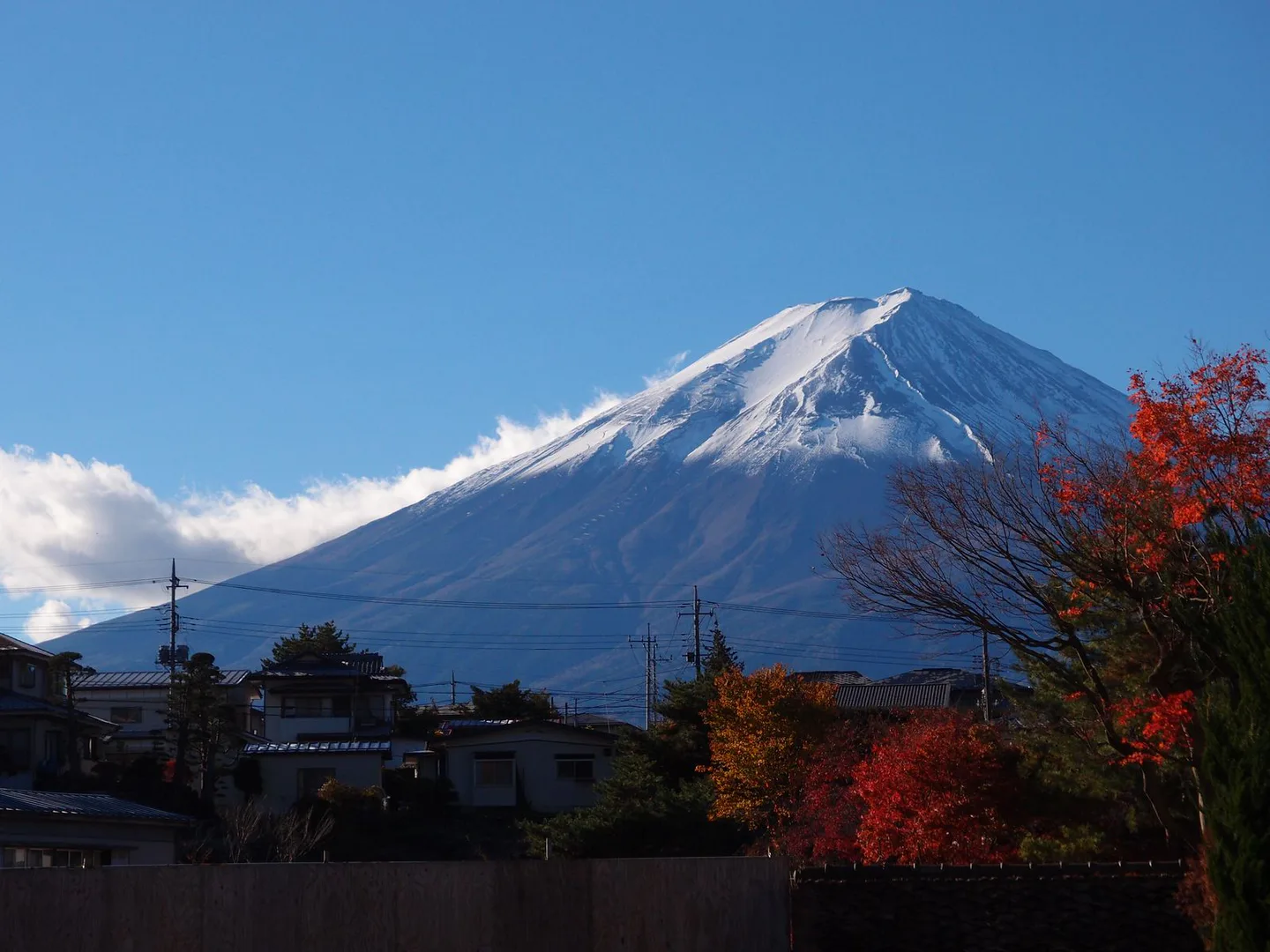
The flight into Japan can decide a seven-day autumn route before the leaves do. A traveller landing in Tokyo and leaving from Tokyo has a very different week from someone flying into Sendai or Fukuoka. With arrival and departure included, seven calendar days usually produce five or six useful days. Spend two of them crossing the country for a theoretical peak and a beautiful foliage map has become a thin holiday.
Choose one region first: Hokkaido, Tohoku, Tokyo with a Fuji-area branch, Kyoto/Kansai, or Kyushu. Keep one outdoor day movable, and let the hotel base deliver something worthwhile if the headline colour is late, finished or hidden by cloud. The 2026 nationwide city forecast is now available, but its dates draw on previous-year data and are still subject to weather. By 24 October, recent field reports put colour in Oirase and parts of Sapporo while higher mountain sites were already moving past their best. A national table helps select a region; the final day order needs current conditions at the actual lake, path or temple.
Which region still works when its best leaf day fails?
The numbers below express our judgement of route resilience during an ordinary seven-day trip. They are not a scenery ranking or a promise of a certain peak date. Tokyo–Fuji scores well because several city days survive a cloudy Fuji outing. Tohoku can deliver a stronger gorge-and-mountain trip, but its rural final connections require more care. A repeat visitor can reasonably choose the lower-scoring route when that exact landscape is the reason for the flight.
| Seven-day route | Route resilience | Why it holds or fails | Condition that changes the choice |
|---|---|---|---|
| Tokyo + Fuji | Tokyo preserves food, gardens and museums if the Fuji branch loses visibility. | Fixed dates are too early for the intended Kanto/Fuji foliage band. | |
| Kyoto + Kansai | Dense alternatives and frequent rail let a Kyoto base absorb poor weather. | The week fills with distant day trips or arrives before the city colour. | |
| Kyushu | Fukuoka, food and onsen give the trip value if one mountain branch disappoints. | The plan depends on several remote early-colour sites. | |
| Hokkaido | Strong bases are possible, but high mountain wind, first snow and long repositioning add risk. | A northern gateway fits and the trip stays within one mountain corridor. | |
| Tohoku | Gorges and mountain colour can depend on infrequent final buses or seasonal roads. | A traveller deliberately accepts that transport exposure for a particular site. |
A high score does not make the region correct for every date. A convenient Tokyo arrival cannot manufacture November colour in early October. A low score can still be the right choice if an Aomori or Sendai airport removes a long approach, a driver knows the rural roads, or the traveller is prepared to trade several city hours for one specific gorge. The score is a comparison between complete routes, including the hotel and airport edges, rather than a recommendation to chase the largest number.
The hidden cost is on Day 1 and Day 7
Write the airport, first hotel and departure airport above the proposed itinerary. Then count travel that only exists because of the chosen region. A Tokyo round trip followed by a domestic return to Hokkaido or Kyushu may spend much of both edge days on positioning. An open-jaw flight can change that calculation: Sendai-in and Aomori-out could make Tohoku linear, while Fukuoka-in and a Kansai departure might avoid returning south. Price the flight difference against the train or flight backtrack, luggage work and hotel hours saved. The ten-day autumn route has more room for a second colour band; this seven-day plan does not borrow that extra time.
As a practical warning, around six hours of avoidable gateway positioning can erase a large share of a short trip. The cost is not only the scheduled travel time. Immigration, a delayed bag, the terminal-to-hotel leg and a last train can turn a nominal half-day into no useful sightseeing. If a route works only by calling both arrival and departure full outdoor days, choose a closer region or extend the trip. A beautiful remote hotel is not useful when its first morning starts with recovery from a late transfer.
Before comparing photographs, reject a region that fails two of these four checks:
| Decision check | Question for the actual seven days | Clear reason to reject |
|---|---|---|
| Date fit | Is this a plausible broad colour band without a perfect one-day forecast? | Early October Kyoto or late November high Hokkaido is being chosen on hope alone. |
| Gateway | Can the party reach the first useful base without losing both travel edges? | Tokyo round trip forces two additional long repositioning days. |
| Transport | If one bus, ropeway or road closes, does the only outdoor day vanish? | Two consecutive days depend on different low-frequency rural links. |
| Fallback | Does the same hotel base still supply food, onsen, gardens or a lower site? | Poor colour turns the base into an expensive empty transfer. |
This changes the answer for real travellers. A Tohoku route can beat Tokyo–Fuji for a photographer who prioritises Oirase, then lose for a family with no appetite for reserved rural buses. Kyoto can be the easiest late-November choice yet the wrong early-November bet for a week built solely around lowland maples. Kyushu can remain a good holiday through poor colour if hot springs and food were genuine goals from the start. The first autumn-trip comparison is useful if the destination itself is still unsettled.
What a foliage forecast can and cannot lock in
Start with the season rather than one peak-day claim: late September and early October favour Hokkaido or high elevation; October increasingly supports Tohoku; November opens Tokyo/Fuji and later Kyoto/Kansai; lower parts of Kyushu can continue into late autumn. Elevation can bring an early-colour site close to a later-colour city within the same region. The current 2026 national city forecast provides a broad guide, while site reports can change far more quickly after warmth, rain or wind. A city prediction should not be pasted onto a mountain ropeway.
| Route pattern | Forecast dependence | Reservation response |
|---|---|---|
| One high mountain corridor is the main purpose | High | Keep a movable outdoor day and a lower site accessible from the same base. |
| Tokyo/Fuji or Kyoto with several city alternatives | Medium | Choose the hotel base early; move the weather-sensitive branch later. |
| Kyushu with equal food, onsen and city goals | Lower | Keep the core spine and select one mountain branch using recent conditions. |
Hotel reservations and activity days should have different rigidity. A ryokan meal, a popular Kyoto hotel or a fixed flight can be committed earlier. The exact Fuji view day, Oirase walk or ropeway morning should retain a swap where possible. The forecast is information for that exchange, not an instruction to rebuild the entire national route each time a red patch on a map moves. The 2026 foliage calendar compares the current regional timing with those day-level adjustments.
Hokkaido: one mountain corridor and a reliable city
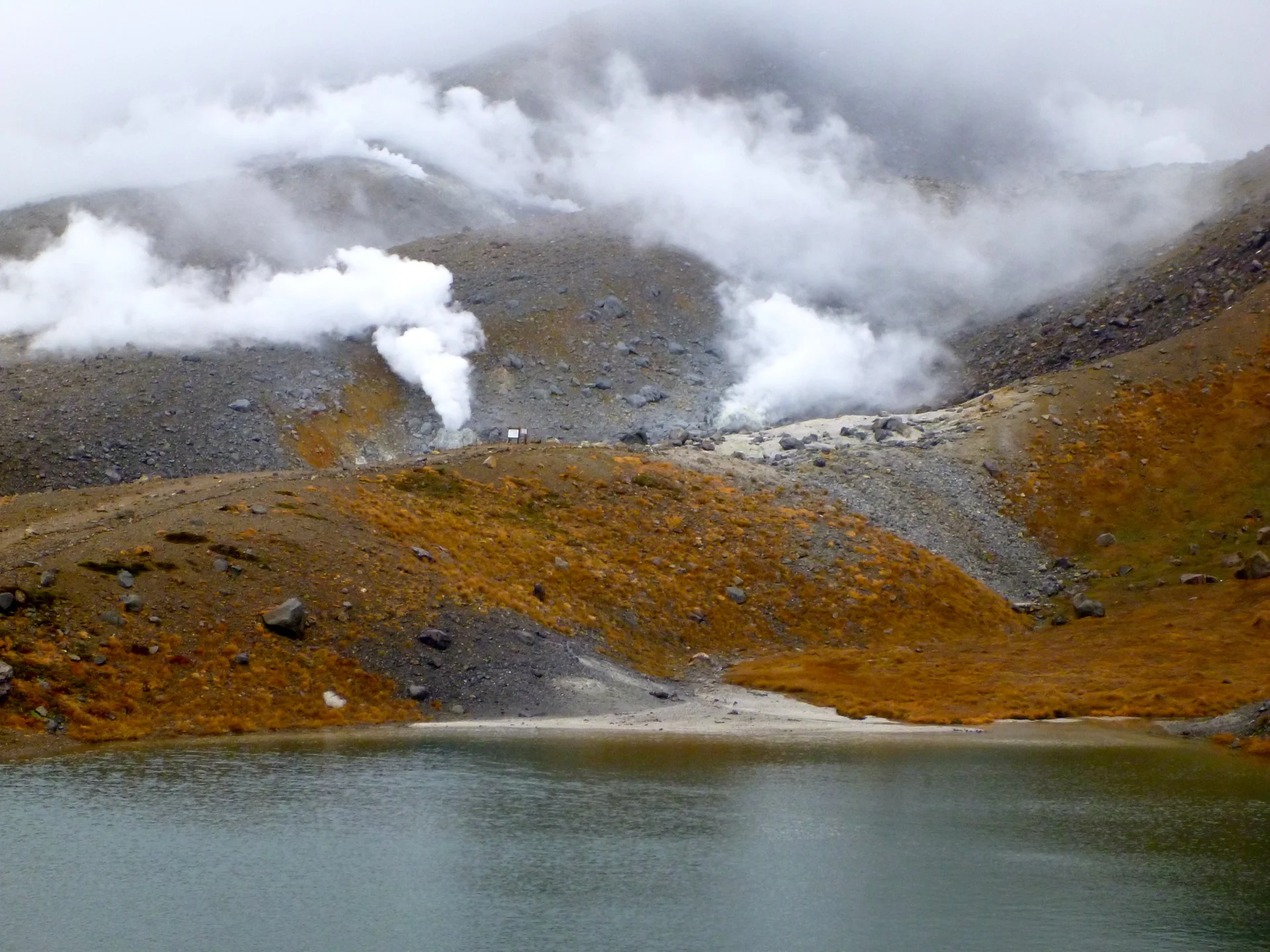
Choose Hokkaido when early dates and a northern gateway already support it. Asahikawa can hold an Asahidake or Sounkyo mountain day with Biei, Higashikawa or city time as a lower-risk substitute. Sapporo can provide airport access, meals and an indoor recovery day, but seven days do not justify adding Otaru, Asahikawa, Hakodate and eastern Hokkaido as compulsory stops. One primary upland corridor and one resilient base are enough. The five-day Hokkaido build gives the tighter north or south version; extra days can protect arrival and weather rather than add another far city.
Wind, first snow and ropeway operation are real vetoes even when a rental car is ready. The car can improve flexibility between scattered foothill stops, but it cannot open a closed lift or make an icy mountain road safe. Keep the main mountain attempt movable and ask whether the same hotel leaves a lower site worth visiting. Asahidake versus Kurodake compares the two upper-day choices, while Hokkaido's six stay bases separates gateway convenience from scenery.
A traveller beginning around Asahikawa should compare Asahikawa Station rooms against the departure used for the mountain day. A Sapporo-led trip should compare Sapporo Station stays if rail and airport movements repeat. The named base matters more than a generic Hokkaido accommodation search.
Tohoku: a strong gorge week needs its last bus solved
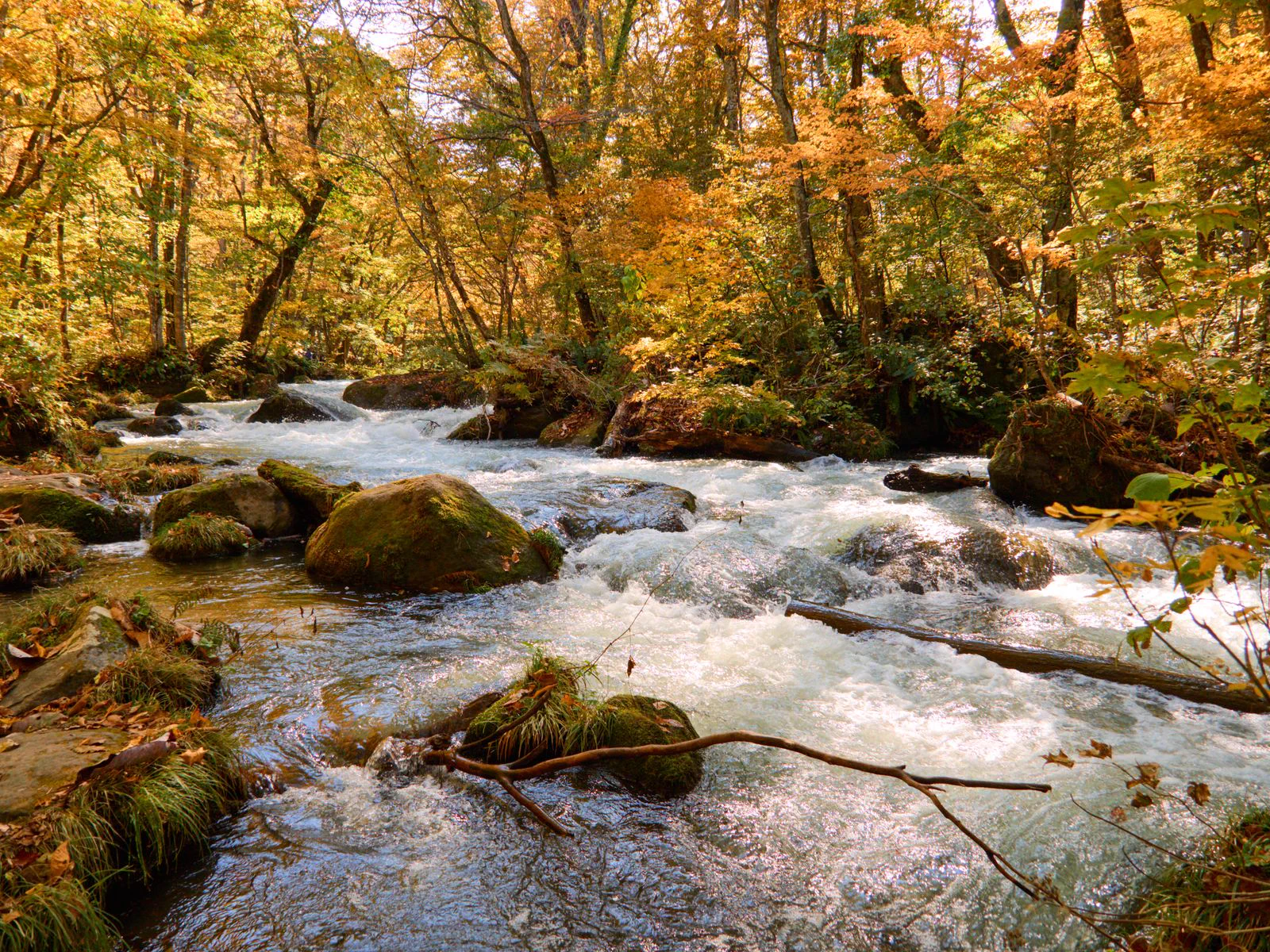
Tohoku earns the trip when an October mountain or gorge landscape is the principal reason for travelling. A southern version can use Sendai and one destination night; a northern version can use Morioka, Hachinohe or Aomori as the resilient city, then add one rural night. A fast Shinkansen between cities says little about the final bus, seasonal shuttle, trail entrance or luggage transfer. The seven-day route should not demand Naruko, Kurikoma, Hachimantai and Oirase as successive day trips from the same station.
Look for single points of failure. A sold-out seat or missed last rural bus that destroys Day 3 is one. Another independent bus or ropeway on Day 4 makes two consecutive exposed days. Swap one day to a city or an onsen base, or move the rural hotel nearer the actual entrance. Recent late-October 2026 field reports put Oirase colour and its stream walk in good condition, but a traveller's own date still determines access. The five- or seven-day Tohoku route shows the city-and-rural division; the Tohoku hotel-base comparison is for choosing the rail node.
If Oirase is the fixed anchor, compare the gorge, Lake Towada and city bases before assuming a Sendai day trip. Rooms around Oirase should be judged against the trail access, dinner and morning bus. An Aomori or Hachinohe station hotel may be better when the gorge is only a daytime stop.
Tokyo and Fuji: let the city carry a cloudy lake day
For a first independent trip with a Tokyo gateway, four or five Tokyo nights and one or two Kawaguchiko nights are a manageable shape. Tokyo holds food neighbourhoods, gardens, museums and rail day trips; the lake branch can be placed where the forecast gives the best chance of a Fuji view. The second lake night is justified when it adds a meaningful second visibility window, an early lakeside hour or a ryokan experience. It should not exist only because one night sounds rushed.
Keep the main suitcase in Tokyo or forward it to the following city hotel and carry a short-stay bag to Kawaguchiko. That makes the scenic branch easier for a family or older traveller. A poor Fuji day then changes one or two dates, not the whole holiday. The Kawaguchiko area comparison shows how lake views, bus arrival and station convenience pull hotel choices in different directions. A different trip may prefer Hakone versus Kawaguchiko for onsen value rather than another Fuji-view attempt.
Early dates can overturn this otherwise easy route. If Kanto's intended foliage band is weeks away, Tokyo's convenient flights cannot supply the missing leaves. Use a northern region or make peace with a Japan holiday that is not chiefly a foliage trip. Where the timing does fit, compare Kawaguchiko Station-area rooms with a north-shore stay based on the first and last bus, not just a photograph of Fuji.
Kyoto and Kansai: protect early and late hours
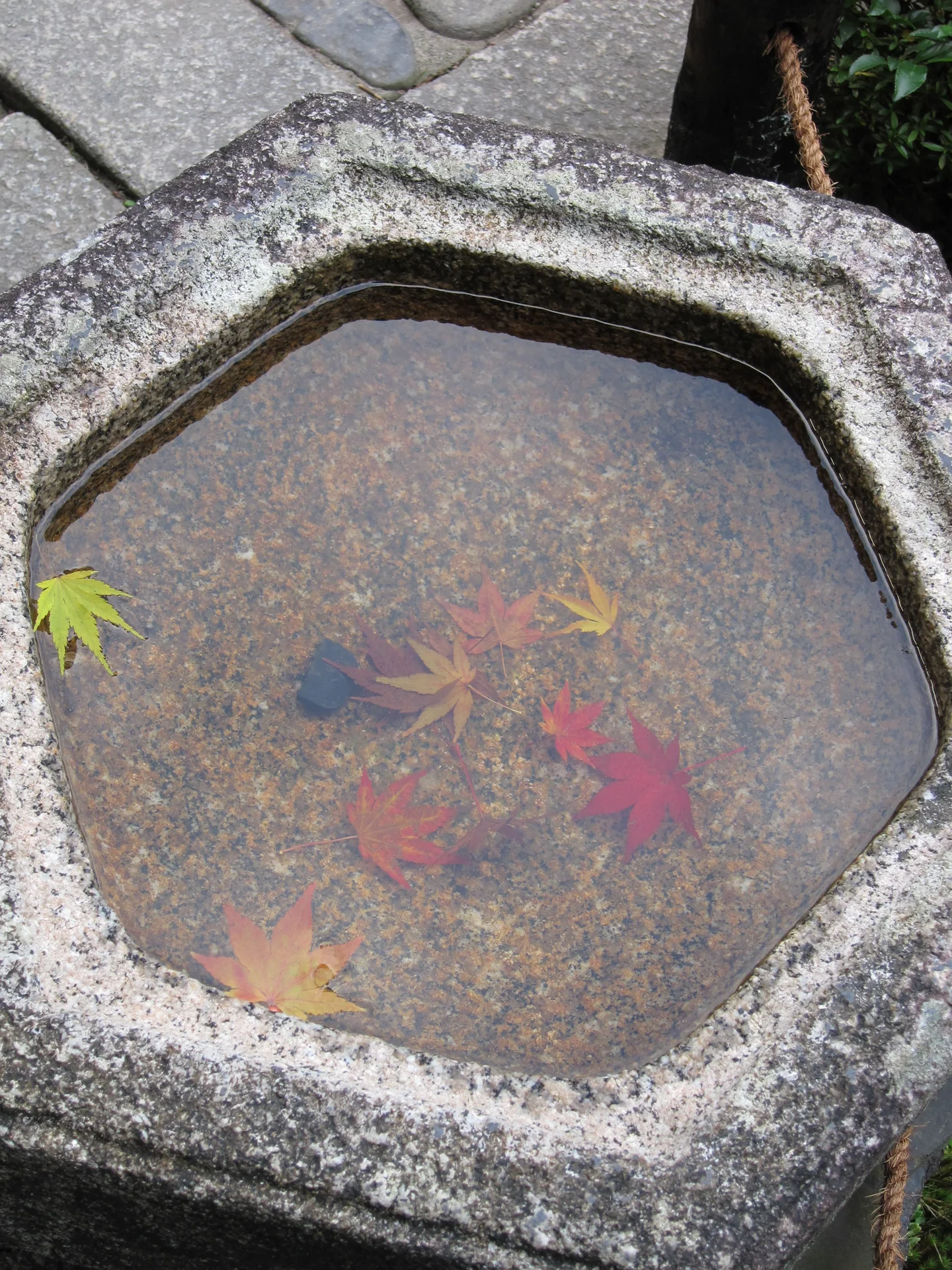
Kyoto is a strong later-autumn base when temples, gardens and evening illuminations are the actual focus. Most nights should stay in one Kyoto hotel so a morning in Higashiyama, an afternoon in Arashiyama and a second evening do not each produce a new checkout. Osaka earns a separate hotel only when repeated evenings, Universal Studios Japan or a final KIX departure justify it. A Nara day rarely requires moving the suitcase. The three-day Kyoto foliage plan provides a more useful sightseeing layer than adding another remote Kansai city.
Group walks by geographic corridor. An early Higashiyama morning can be followed by a nearby temple or dinner; pairing it with Arashiyama, northern Kyoto and a distant illumination on the same date loses the quiet hours that justified the early start. Kyoto's elevation sequence can move a trip between hills and city sites as colour shifts, while rain can turn one long outdoor circuit into a shorter garden and indoor day.
Use Kyoto Station rooms when the national arrival, Osaka connection or departure repeats. An eastern Kyoto hotel may earn more if the trip's best hours are several early Higashiyama mornings. The district decision should follow the planned first stop and return time, not an abstract city-centre label.
Kyushu: keep food and onsen valuable even without peak colour
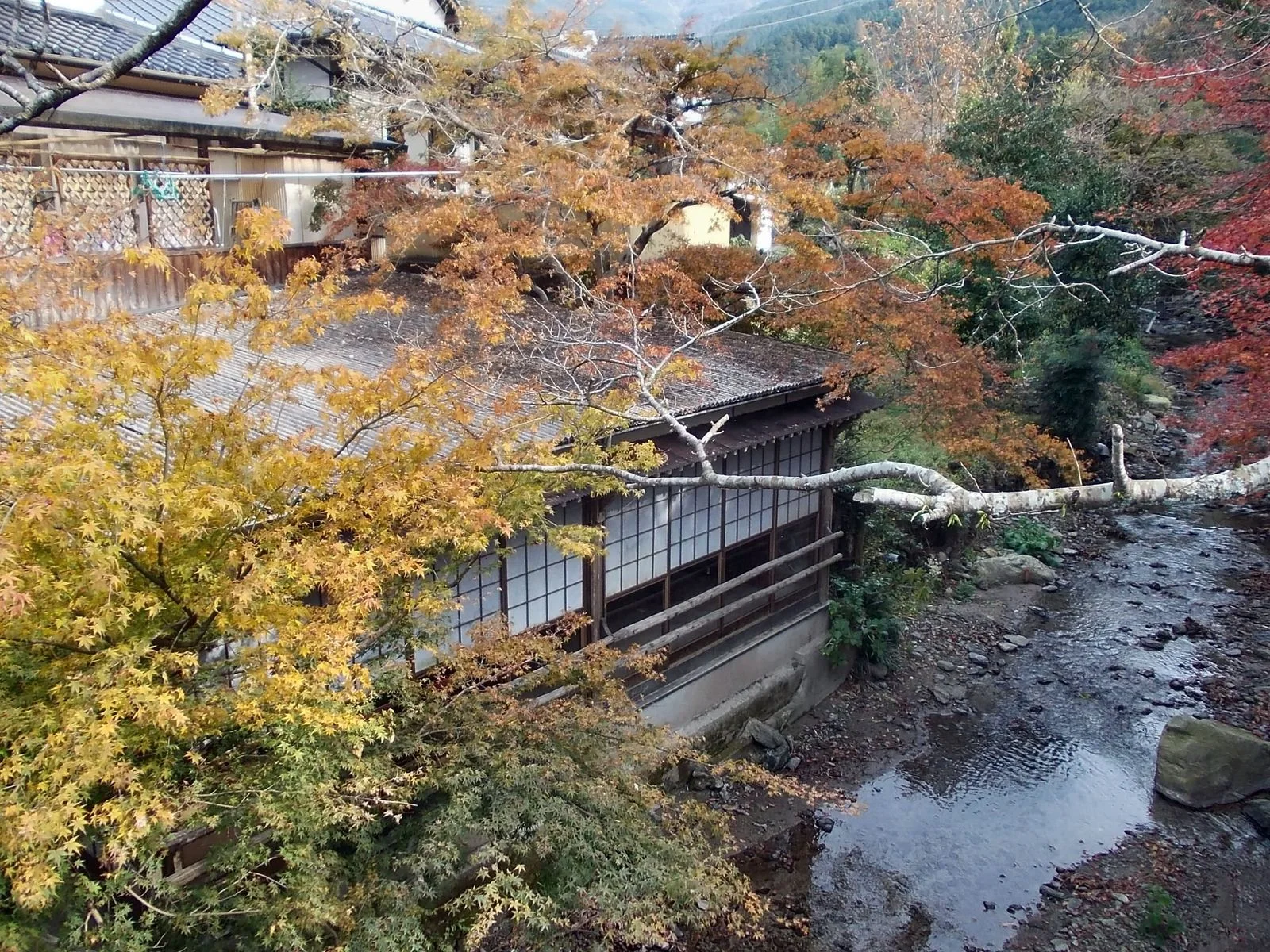
A later-autumn Kyushu week works when the traveller wants Fukuoka, onsen and food as much as one perfect red valley. Keep the core on a Fukuoka–Yufuin–Beppu spine, then select one remote branch after checking access and recent colour. Aso, Unzen, Takachiho and Yabakei are possibilities, not four tasks to complete in seven days. A badly timed mountain outing should not invalidate a Fukuoka city day or a planned hot-spring evening. The Kyushu autumn route separates the lower and higher windows.
A Yufuin half-board night is a hard commitment in a way that a Fukuoka room is not. If dinner and bathing are the reason for paying more, arrive in time to use them rather than extending the mountain day until after check-in. Beppu versus Yufuin compares the different overnight rewards. For the city start, compare Hakata Station hotels against the actual airport and onward rail legs; an onsen night can then be a deliberate move rather than a disguised commute.
If two routes survive, count the days that could disappear
Mark a day as exposed when one external condition can remove its main purpose: a mountain ropeway closed by wind, a low-frequency bus missed, or a view hidden by cloud. Then ask whether that day can trade places with another without changing hotels. Tokyo–Fuji may have one highly exposed branch and several city alternatives. Rural Tohoku may have two exposed days in succession. Neither is automatically wrong; the second plan asks the traveller to want that landscape enough to accept the risk.
Keep the final booking comparison in one place:
| Region | Best fit | Reason to reject | Useful fallback |
|---|---|---|---|
| Hokkaido | Early autumn with a northern gateway | Several long island moves or dependence on one upper lift | Asahikawa or Sapporo lower sites |
| Tohoku | October gorge and mountain priority | Repeated low-frequency rural transfers | City base plus one rural night |
| Tokyo + Fuji | First visit, car-free, appropriate Kanto date | Colour window clearly too early | Tokyo gardens, food and indoor sites |
| Kyoto + Kansai | Later autumn temples and gardens | Overfilled distant Kansai side trips | Same-city districts and elevation |
| Kyushu | Later autumn with food and onsen priorities | Several compulsory remote mountain branches | Fukuoka–Yufuin–Beppu core |
Book the commitments with real scarcity first: flights, the few hotel nights that make the route work and any ryokan meal. Leave one outdoor day moveable. Do not buy a nationwide rail pass just because the week crosses several names on a map. Price the qualifying journeys you will actually take, then compare a regional pass or separate tickets; rural buses, private lines, ropeways and rental-car days may be outside it. Forwarding or storing the main case can make a one-night mountain branch manageable without turning the suitcase into a reason for a poor base.
If a delay or foliage shift forces a cut, remove the farthest optional branch first. Next remove a second activity that duplicates the first site's purpose; keep the city or onsen day that still works in poor weather. If upper colour has finished, descend within the chosen region. If it is late, check a higher site only while its transport still operates. Seven days can deliver a strong autumn journey when the route stays anchored to one area and the fallback belongs to the same set of hotels.