
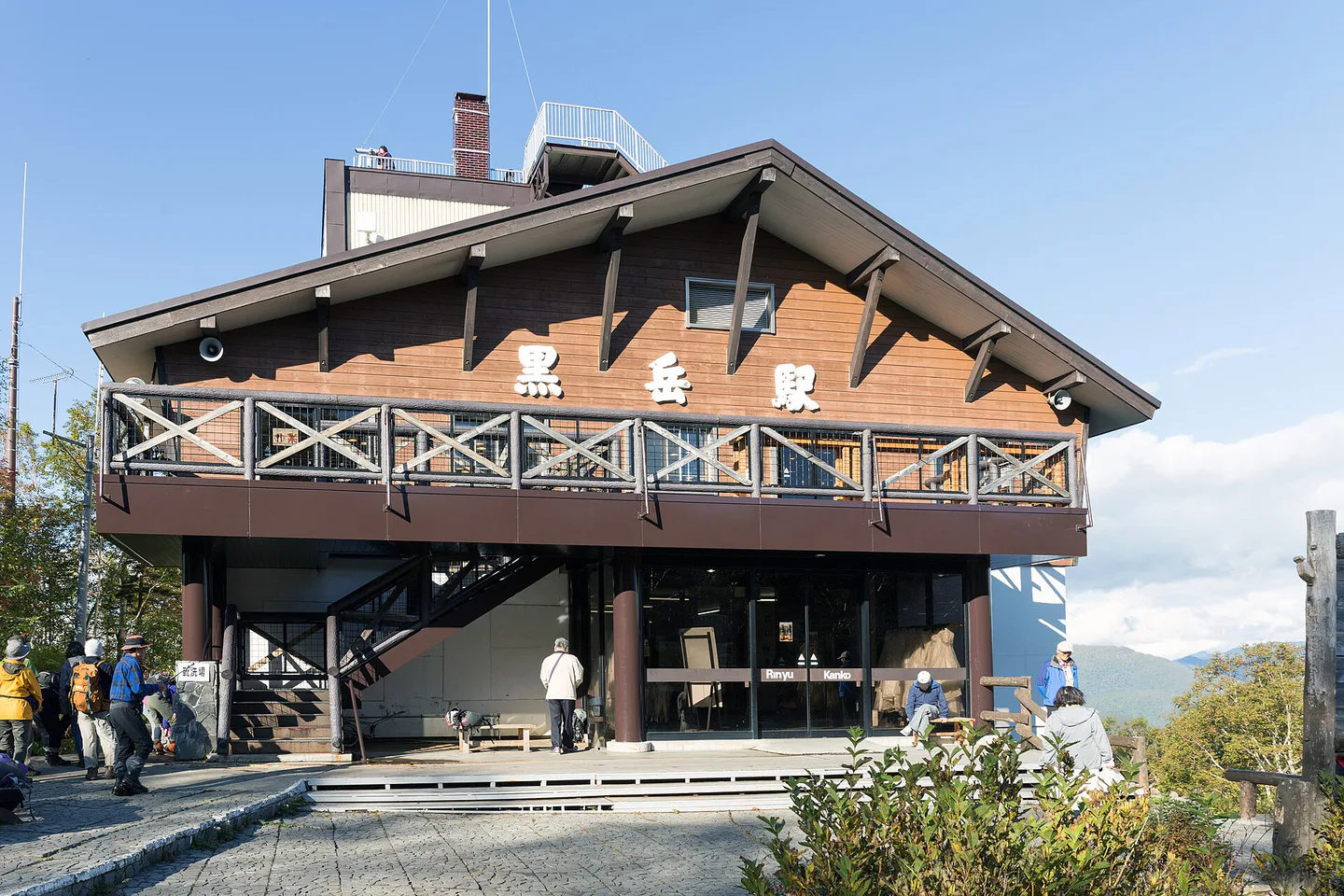
One night in Sounkyo gives Kurodake two chances to work: the arrival day can hold the gorge, falls and an onsen dinner, while the morning can follow the mountain's real operating conditions. In late October 2026 the distinction is especially sharp. The ropeway is running on its 08:00–16:00 schedule, but the summer chairlift closed for maintenance from 16 October, and the operator warns that the mountain above the fifth station already has snow unsuitable for summer hiking gear. A two-day trip now should be sold as a gorge and fifth-station visit, with a weather fallback, rather than a casual seventh-station or summit walk.
Who benefits from the Sounkyo overnight?
A single night can remove the repeated Asahikawa bus ride and give an early mountain attempt after dinner and an onsen stay. In an open summer chairlift season, seventh-station views may fit too. A Kurodake summit hike, Ginsendai, Asahidake or a full mountain traverse deserves a separate mountain day, proper equipment and weather margin. For a visitor with balance concerns, vertigo, children without hiking footwear or an older companion, the enclosed ropeway and fifth-station terrace can be the complete mountain experience. Asahidake versus Kurodake for an autumn day helps choose the right mountain before booking.
The ropeway is operating; the summer chairlift has ended
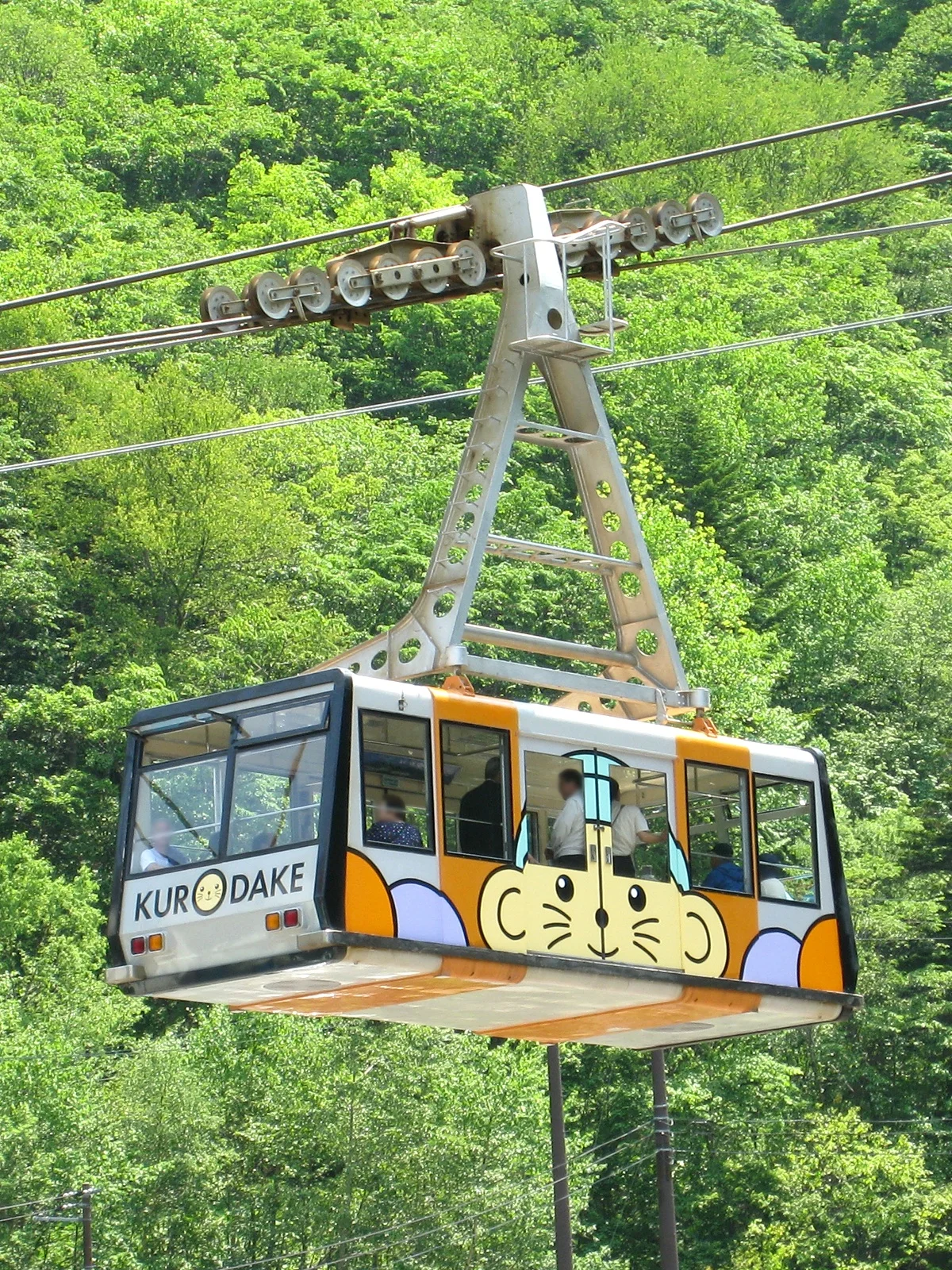
The ropeway climbs from about 670 metres in Sounkyo to around 1,300 metres at Kurodake's fifth station in roughly seven minutes, generally leaving every twenty minutes. Its 2026 schedule was 06:00–18:00 from 27 June to 30 September, 07:00–17:00 from 1–15 October, and 08:00–16:00 from 16 October to 8 November, with the last uphill cabin forty minutes before closing. The adult fare is ¥3,000 return or ¥1,800 one way. A maintenance closure is listed for 9–30 November. The Kurodake operating page carries the live status rather than a fixed itinerary assumption.
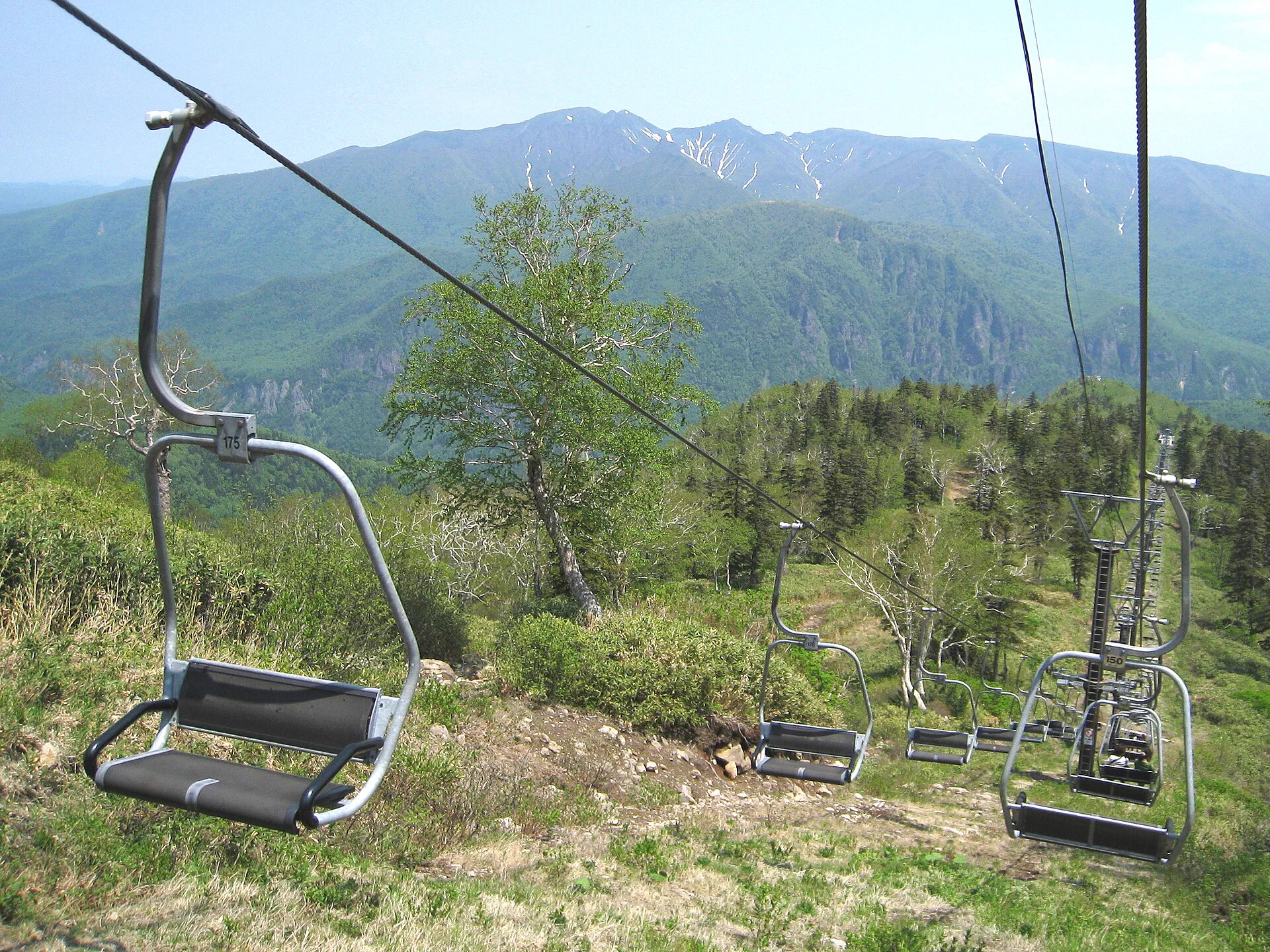
In summer, the open chairlift runs from near the fifth station toward the seventh in about fifteen minutes. The 2026 summer schedule ran 06:30–17:30 from 27 June to 30 September and 07:30–16:30 from 1–15 October, with the last uphill chair thirty minutes before closing. Adult return fare was ¥1,200, or ¥3,900 for a ropeway-and-lift return set. The operator now lists the lift closed from 16 October through 30 November; those summer ticket and time figures are useful for a later season, not an October 24 booking. September mountain colour timing explains why the open lift season matters.
For 24 October 2026, the operator showed ropeway operation 08:00–16:00, last ascent 15:20, and a closed chairlift. It also warned that snow lies above the fifth station and summer hiking kit is unsuitable. Wind and inspections can still alter even the ropeway day, so check the current status and live camera just before leaving the hotel. The operator says the 12:20 departure is skipped in the present timetable. Those details matter more than a general Asahikawa weather icon. A five-day Hokkaido autumn route can absorb a mountain change if the larger trip has slack.
Day one: bus arrival, gorge views and dinner
The Sounkyo tourism association gives about 110 minutes for Dohoku Bus from Asahikawa, and the local bus is not covered simply because you hold a JR Pass. Its 2026 timetable changed from July, so verify the departure you intend to use and the return before setting hotel dinner. An early bus can leave time for waterfalls; a midday arrival calls for luggage storage, one nearby walk and an onsen rather than a rushed full circuit. How local buses work in Japan helps with boarding and payment mechanics.
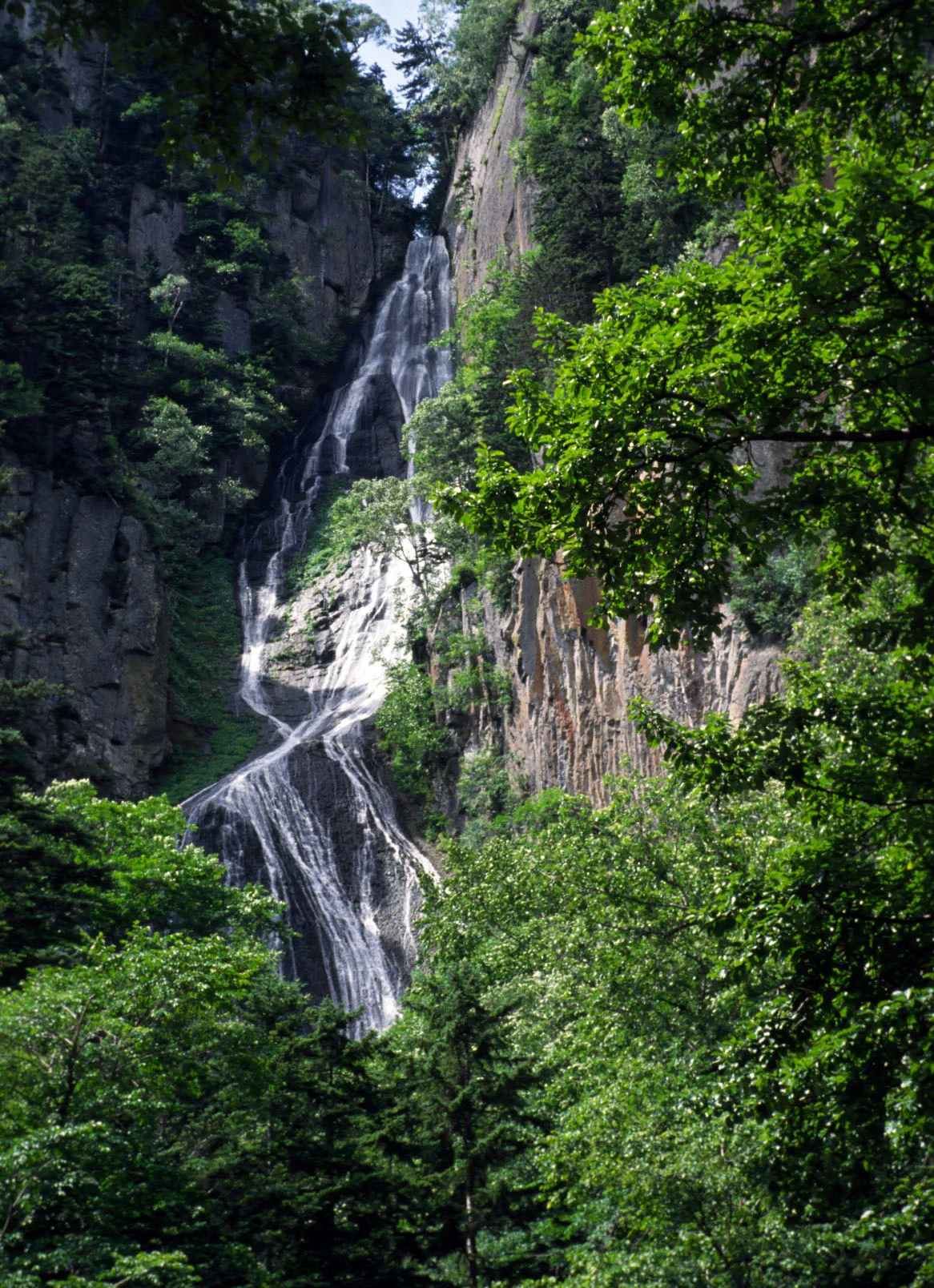
Ginga and Ryusei Falls are easiest to combine by car or taxi; do not assume a conveniently timed local bus to both viewpoints. The roadside views are simpler, while the paired-falls outlook involves a climb. Momijidani begins about fifteen minutes from the onsen town, and its roughly 700-metre one-way trail still requires suitable conditions and attention to bear notices. If the bus brings you in after 15:00, choose one easy gorge stop rather than running from trail to viewpoint until a ryokan meal is missed. Hokkaido autumn leaves by region puts Sounkyo's early mountain season in context.
Many Sounkyo onsen stays sell dinner and breakfast together, with dinner often beginning around 18:00. Confirm final arrival, how a delayed bus affects dinner, the hotel's shuttle, lift access and the named room before paying. Set a return toward the property at least sixty to ninety minutes before the meal; an extra waterfall view is not worth losing the evening you booked. How ryokan half board works helps separate a meal-included room from a flexible room-only rate. First onsen visit questions can prepare a first-timer without turning dinner into a checklist.
Day two: fifth station, seventh station or hiking?
In the early autumn schedule, a 06:00 or 07:00 ropeway start can precede hotel breakfast, so ask whether a meal can be packed, served later or simply forfeited. A ropeway-and-fifth-station outing needs about ninety to 120 minutes once queue, terrace, a short path and photographs are counted. Use the fifth-station toilet before any chairlift in an open summer season. On 24 October 2026 the lift is closed and the ropeway begins at 08:00, making breakfast less likely to conflict. Asahidake versus Kurodake route choices helps if the trip has only one alpine morning.
When the summer lift operates, allow roughly two and a half to three and a half hours for the ropeway, walk to the chairs, moving-seat boarding, both rides and time at the seventh station. Do not rely on a visitor toilet up there. An enclosed cabin and an open chair are separate comfort tests for anyone affected by wind chill, height or balance. If the chair stops while the ropeway runs, the fifth station is still worthwhile. For late October 2026 that is already the planned endpoint, not a failure fallback. Japan's September alpine conditions explain when the lift is a realistic foliage choice.
From the seventh station, the summit route reaches about 1,984 metres and can take ninety to 120 minutes uphill before mud, frost, wet roots, snow or crowds slow the party. It requires hiking boots, waterproof warmth, food, water, headlamp, offline mapping, first aid and bear precautions. The operator currently warns that snow above the fifth station makes summer gear unsafe; do not treat the October ropeway as permission to hike higher. A true summit day displaces waterfalls, Ginsendai and a long onward journey. An Asahikawa-connected hotel base is an alternative if you need flexibility around that hiking day.
Leave a bus buffer for the return to Asahikawa
Descend, collect luggage and eat before an afternoon bus rather than booking the ropeway to finish minutes before the only suitable departure. Keep one later bus in reserve, and move down earlier if an Asahikawa Airport, Sapporo train or timed evening booking follows. A low-frequency mountain bus and an international flight should not be put on the same narrow connection. Asahikawa-in, New Chitose-out planning can help place Sounkyo in a wider route.
Sleep in Sounkyo or keep Asahikawa as the base?
Sounkyo makes most sense when Kurodake is the trip's centre: it gives a morning mountain decision, an onsen night and one fewer Asahikawa round trip. The trade-off is fewer independent restaurants, tighter hotel inventory and fixed dinner. Asahikawa offers more dining and laundry, simpler car rental and easier redirection toward Biei or Asahidake when weather fails. A fifth-station-only visit can be a day trip; a full summer chairlift or summit plan benefits more from sleeping close. Compare Asahikawa station-side rooms, Kurodake versus Asahidake and Hokkaido car-rental duration before moving bags.
Five types of accommodation around the gorge
Yumoto Ginsenkaku is the ropeway-side candidate for an early car-free start. Hotel Taisetsu ONSEN & CANYON RESORT is an onsen-led hillside stay whose shuttle and access deserve checking. Sounkaku Mountain Resort 1923 can suit a family seeking a buffet, but a very early ropeway may conflict with breakfast. Choyo Resort Hotel offers another family or parking option. Sounkyo Hostel fits a tighter solo budget rather than replacing a full onsen resort. These are property profiles, not a claim about live rates or empty rooms. A wider Hokkaido autumn hotel-base comparison helps if the gorge is only one stop.
Booking, luggage and car-free access
Have the hotel confirm room type, meal time, last check-in, shuttle, card payment, cancellation time zone and language support in writing. A large case can remain at the same Asahikawa hotel or be forwarded to a later city stop while you carry one night of essentials; a next-morning mountain delivery is not guaranteed. Japan luggage forwarding and storage covers the timing. The Asahikawa or Kamikawa bus supports a car-free trip; a taxi or rental mainly adds control over the waterfall stops. Driving also adds weather, darkness, parking, winter tyres, insurance and comfort with a right-hand-drive car. Hokkaido rental timing is the next decision if you already plan to drive elsewhere.
When the mountain operation changes
A stopped ropeway leaves the visitor centre, onsen town and conservative lower-gorge stops. An open ropeway with a stopped chair still allows the fifth station; this is the current late-October pattern. Strong wind, fog or heavy rain argue against the higher lift or summit. Snow and ice above the fifth station require winter-mountain skill and kit, not optimism. Bear notices and closed trails are boundaries to respect. Ginsendai, Asahidake and Kurodake are separate mountain plans; the two-day itinerary needs one main line. Rain changes a Japan itinerary and Asahidake versus Kurodake offer the two different fallback questions.
Choose a Sounkyo overnight for this route
Compare Sounkyo rooms for the mountain morning after deciding whether dinner and breakfast times fit the ropeway start.
A room-only rate may suit a very early summer climb; a half-board onsen stay may suit a fifth-station outing and unhurried evening. Confirm the actual meal, shuttle and cancellation terms before comparing totals. Ryokan meal and bathing terms matter more than a headline room rate when dinner has a fixed start.