
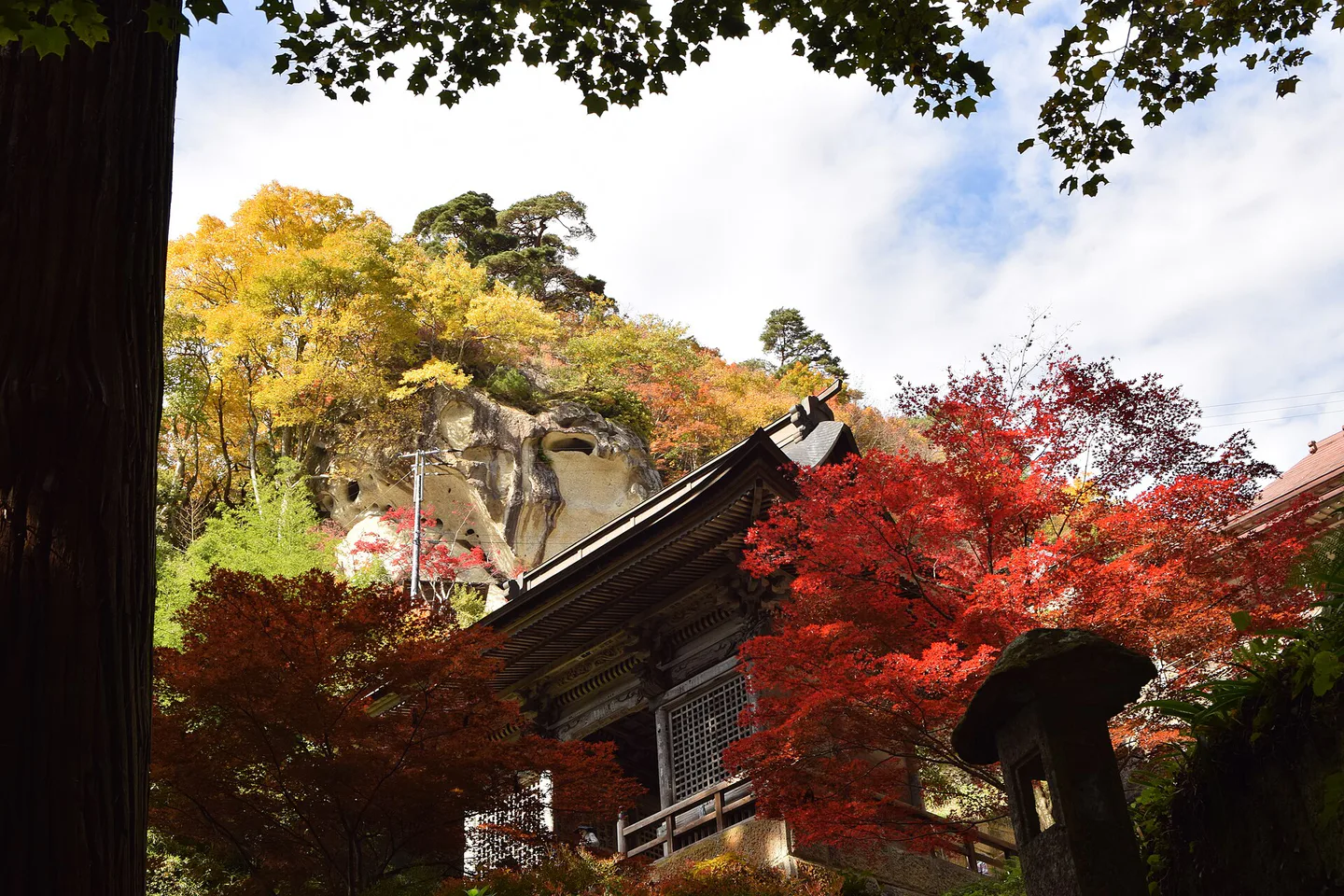
Yamadera is a feasible autumn excursion from Sendai, but the station is only the beginning. From the mountain entrance, 1,015 stone steps lead toward Okunoin, and the viewpoints around Kaizando and Godaido add more walking. Wet leaves and moss can make the descent harder than the ascent. Plan the return Senzan Line train before you start, allow roughly 2.5 to 3.5 hours for a full visit, and give yourself extra time if photography or a slower pace is part of the day.
Admission to the upper temple route is currently ¥500 for adults and junior-high students or older, and ¥200 for children aged four and above; the temple asks for cash. There is no reason to build an evening plan around an unannounced autumn illumination. Check the temple's opening arrangements and JR East's current Senzan Line service for your date, then look again at the weather before setting out. Shorter daylight, rain, early snow or ice should change the route you choose.
The climb can end before the summit
The full route includes Konponchudo, Sanmon, Niomon and Okunoin, followed by Kaizando and Godaido. It suits a traveller with reasonable fitness, dry footing and enough time to begin well before late afternoon. Remember that reaching the top is only half the physical effort. If your knees are already sore or shoes are slipping before Sanmon, use the lower temple area instead of buying the stair-route ticket and hoping conditions improve.
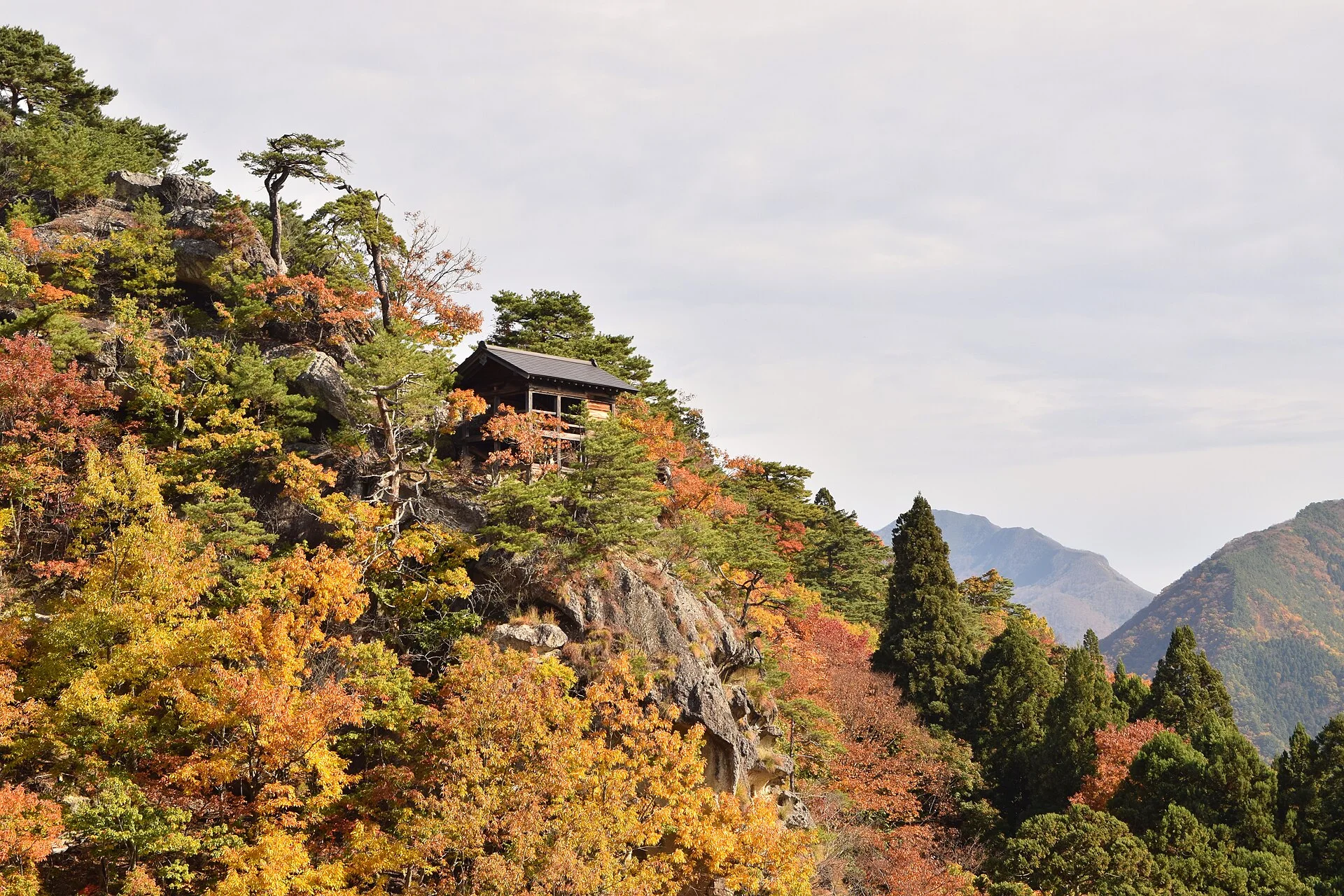
A viewpoint-focused visit can omit some sub-temples, but Godaido is still high on the hill. You will climb most of the same stone steps to reach it. In a shorter window, spend time at the viewpoint and start down while the route is comfortable rather than trying to add every building. The platform is small; a crowded or foggy view is rarely worth missing a useful train for one more photograph.
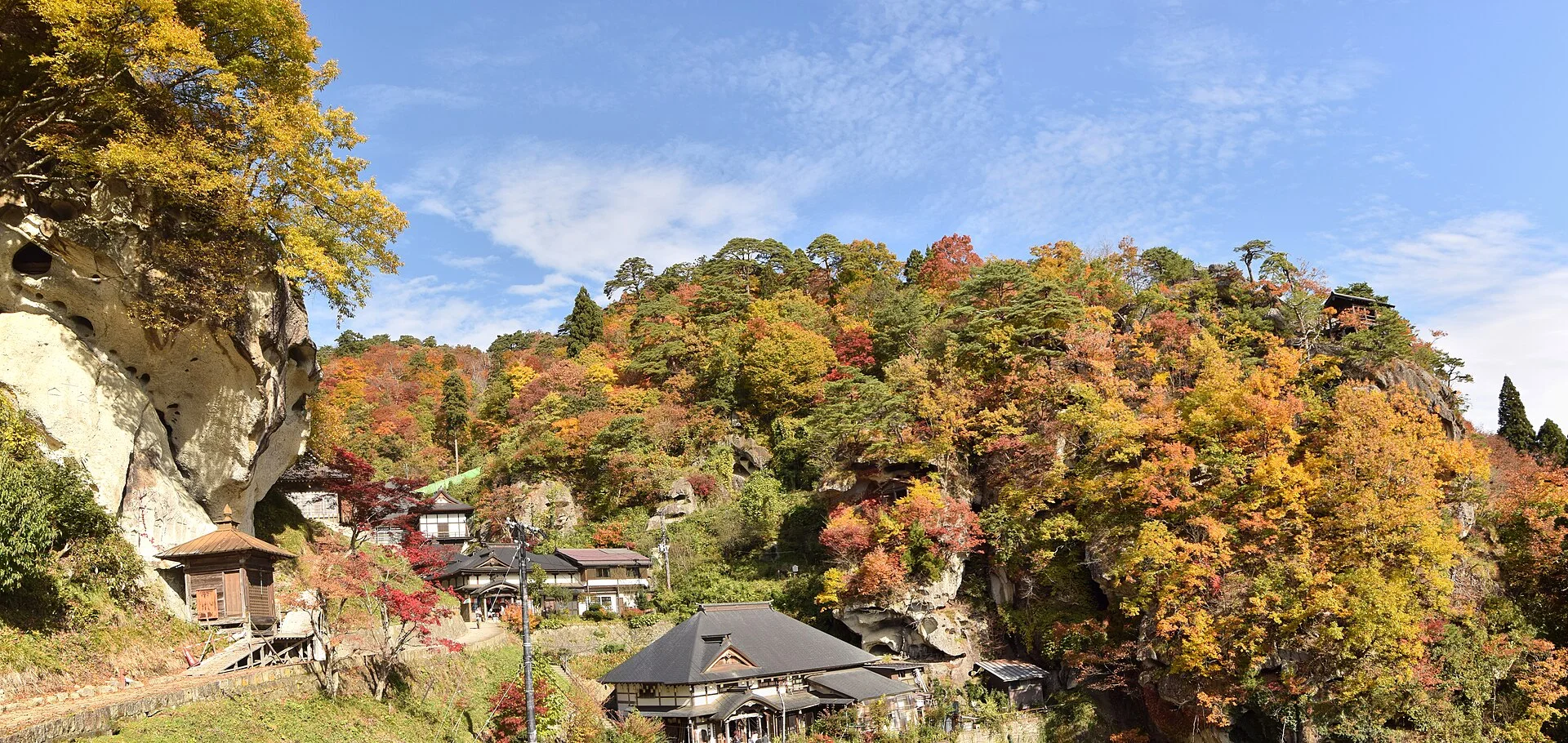
The lower precinct is a proper alternative for children, older travellers, anyone with knee or balance concerns, or a late arrival. Konponchudo, Hie Shrine, Basho-related sites and the village can make a 45 to 90 minute visit. You will miss the famous valley view from Godaido, but stay on easier ground. A pushchair can be used on suitable village roads; the paid mountain staircase has no step-free route.
Check the route at several natural turning points
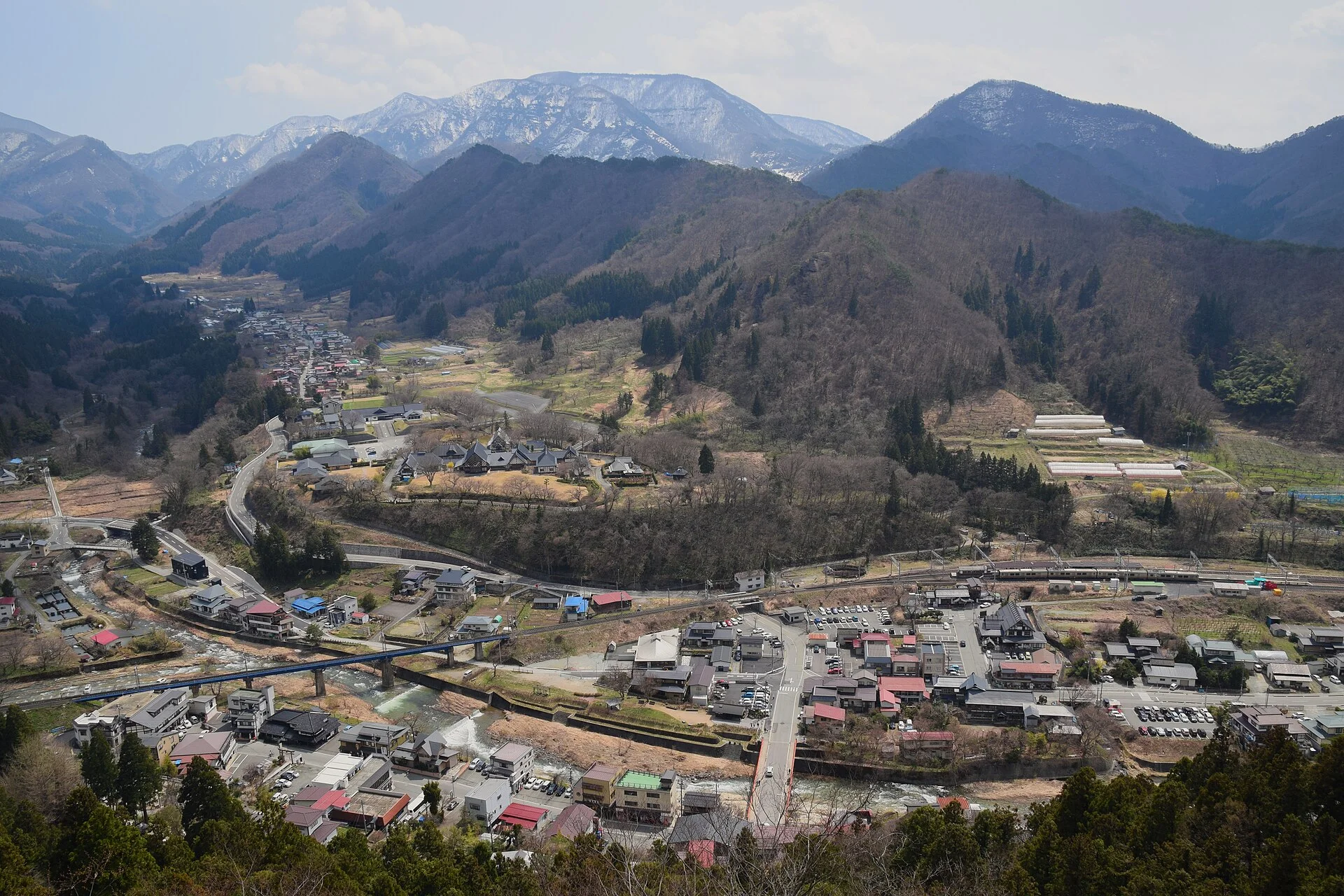
At Yamadera Station, save the exact return departure and look at the remaining daylight and weather. JR East's station information does not list a lift, escalator or accessible toilet, so travellers who need those facilities should plan around that limitation. Leave a large case in Sendai or Yamagata and bring only a daypack. Do not make the day depend on finding one empty locker at Yamadera.
The walk from the station into the lower precinct takes about ten minutes. Between Konponchudo and Sanmon is your easiest chance to switch from the full climb to the shorter visit. Check your shoes and energy, use the toilets and keep the cash for admission ready. A damp staircase will not become easier merely because you have already travelled from Sendai. This lower section is also where a mixed-ability group can agree on a meeting place. One person may take the paid stair route while another visits the temple buildings and nearby streets. Set a time and location in the village before anyone starts climbing; phone reception and the pace of the descent are poor substitutes for a plan. The shorter visitor should not be made to wait indefinitely at the station while the climber adds every upper viewpoint.
Around Semizuka and Niomon, roughly twenty minutes of shaded stone above the lower precinct give you real information about the climb. Moss, fallen leaves and frequent pauses are warning signs. If balance is uncertain or a knee begins to hurt, turn back before the upper sections. Every step gained upward must be repeated downward, often when your legs are more tired and the light is weaker.
Niomon to Okunoin adds roughly fifteen minutes of climbing before you account for Kaizando, Godaido and the descent. At the final viewpoint, decide whether wind, fog or crowds make a short stop enough. Give yourself a clear turnaround time based on the train and sunset rather than assuming that arrival at the upper temple completes the excursion.
A Sendai day that leaves room for the train home
Use a Senzan Line train that actually serves Yamadera; some Sendai departures finish at Ayashi. The journey to Yamadera generally takes around 50 to 65 minutes, but the useful interval is between your planned arrival and the specific train back. Save both services before leaving your hotel. Missing a return train may mean a substantial wait, which matters more in a mountain village near dusk than it would in central Sendai. For a group arriving from Sendai, check that the train name and final destination match Yamadera before boarding. A departure ending at Ayashi will not deliver the planned mountain visit, however convenient its time looks in a search result. Save the return service as a screenshot or written note in case a signal is weak. When the route is damp or crowded, treat that return as a limit on the climb and meal rather than a train you can decide about at the upper temple.
If you reach Yamadera near 10:00, the full route, lunch in the village and an unhurried train home can fit. A midday arrival needs a more selective plan; climb toward Godaido only if the ground is sound and there is enough light for the descent. In autumn, treat 14:00 as a late start for the complete route and aim to be heading down by around 15:30. A formal closing time is not the same as a safe last moment to leave a shaded viewpoint.
Back in Sendai, leave room for dinner or rest rather than another major excursion. Matsushima, Zao, Ginzan Onsen and Naruko Gorge each demand their own transport and walking time. If Senzan Line service is interrupted, make a city day in Sendai or Yamagata; a rushed cross-mountain taxi is a poor substitute for the planned rail outing.
When a Yamagata hotel makes the climb easier
Yamagata Station is roughly twenty minutes from Yamadera by train. It can make an early visit more comfortable, especially with older relatives or if the next day points toward Zao. A trip can also arrive through Sendai and continue from Yamagata without returning solely to collect luggage. After the climb, keep the city plans gentle: a meal near the station, Kajo Park, Bunshokan or a museum is enough. A Yamagata overnight is most useful when it aligns with the following day as well as an early Yamadera climb. It can shorten the next morning and avoid a second trip back through Sendai, but changing hotels only to gain one short train ride can add its own luggage work. Compare the next destination, the bag plan and the evening meal before moving. If the following morning is another Sendai-side outing, keeping the Sendai room may still be the simpler choice.
Near Yamagata Station, the east side is handy for Senzan Line trains, buses and food; west-side hotels are quieter while still close enough to walk. Lodging at Yamadera itself is limited and makes most sense if a dawn view is a deliberate goal. Around the station, compare Hotel Metropolitan Yamagata, Daiwa Roynet Hotel Yamagata Ekimae and Richmond Hotel Yamagata Ekimae; Comfort Hotel Yamagata and Yamagata Eki-Nishiguchi Washington Hotel are additional bases to check for your dates.
When reserving from overseas, examine the actual bed configuration, room size, breakfast hours and bag storage rather than assuming all station hotels work alike. Check card acceptance and the cancellation deadline in Japan time. A single out-and-back trip to Yamadera rarely justifies a broad JR EAST PASS by itself; include other Shinkansen or long-distance rides in the fare comparison before buying one.
Shoes and group pace determine the route
Choose shoes you have already worn, with soles that grip damp stone. Smooth leather, platforms and worn trainers increase the risk on the descent. Pack water, medicine, a warm layer, rain shell, a small towel, cash and a charged phone or power bank. Keep the bag light enough to balance on narrow steps. Leave your main case at the hotel or arrange luggage forwarding between city bases.
Age alone does not tell you whether the staircase will be comfortable. Balance, knees, breathing and control on the way down matter more. A group can split: some take the lower cultural route, then meet the climbers in the village or at the station. Children need to manage their own movement on wet steps. Keep pushchairs below Sanmon, where the mountain route becomes a staircase.
When weather or trains change the plan
Light rain might still allow a short lower visit, but be ready to abandon the climb when the stone becomes slippery. Heavy rain, thunder, snow or ice should send you to a city plan in Sendai or Yamagata. Fog may reduce the panorama without spoiling the lower temple grounds; it never justifies forcing an unsafe upper route for a photograph.
If the foliage is green or past peak, keep to the itinerary you already planned instead of chasing another gorge or mountain on short notice. A suspended train makes a city fallback sensible. Having paid for a ticket or hotel does not make icy steps safer; sudden knee pain calls for a careful turn at a wide point and no photography while moving.
Related planning
Tohoku autumn leaves timing guide
Temple and train links
For an autumn visit, confirm the Senzan Line service, temple entry arrangements and ground conditions shortly before leaving. Rain, snow and early darkness change the climb more than an old foliage forecast does.
Yamagata Hanagasa Late Arrival: 6:30, 7:30 or 8:30 PM?
Naruko Gorge 2 Day Itinerary: 2026 Trains, Trails, Onsen and Hotels
Tohoku Summer Festival One-Week Itinerary 2026: Morioka, Aomori, Akita and Sendai
Tohoku Autumn Leaves: Timing from Aomori and Iwate to Miyagi and Yamagata
Sendai Tanabata Festival 2026: Fireworks, Three-Day Plan and Where to Stay
Sendai Tanabata Night Itinerary 2026: Stay in the Arcades or Go to Aobayama?
Japan Autumn Leaves Without Changing Hotels: Tokyo, Sendai, Osaka and Fukuoka Bases
Related guides: 14-Day Japan Autumn Leaves Itinerary: Six Routes, Flights and Hotels · Arashiyama Autumn Leaves Day Trip: Morning, Train and Temples · Tokyo to Nikko Autumn Leaves: Trains, Passes, Day Trips and Overnight · Korankei Autumn Leaves Day Trip: Buses from Nagoya, Illumination and Traffic · Mt. Takao Autumn Leaves Day Trip: Cable Car, Trails and Timing · Tokyo Autumn Leaves Day Trip by Train: Gardens, Ginkgo and Evening Foliage · Jozankei Autumn Leaves 2026: Day Trip or Overnight? The Foliage Buses Change the Answer · Okinawa Trip Cost: 5-Day Budget for Hotels, Car and Activities · Yabakei Autumn Leaves Guide: Hitome Hakkei, Ao-no-Domon, Driving and Hotels · Tohoku Autumn Leaves Itinerary: 5 or 7 Days, JR EAST PASS and Hotels