
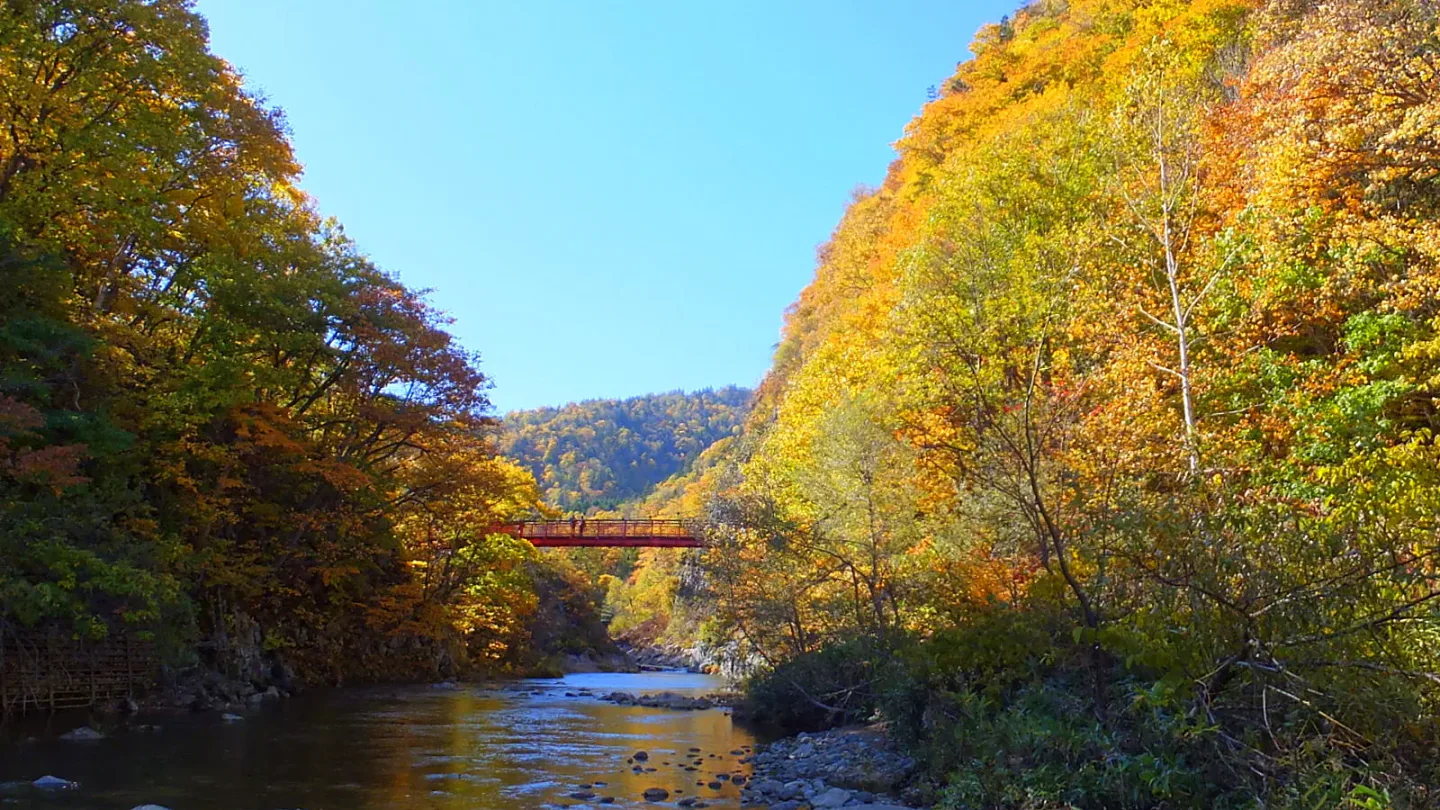
A Hokkaido foliage trip needs two kinds of hotel night. City gateways such as Sapporo, Asahikawa and Hakodate keep trains, restaurants, luggage and poor-weather alternatives available. Scenery stays such as Sounkyo, Asahidake Onsen, Jozankei or a carefully placed Furano–Biei room cost a hotel move. They earn that move only when the night gives you an early mountain service, a second weather chance, a ryokan meal, morning light or a long return journey avoided.
Season timing makes these bases unusually different. Daisetsuzan colour begins at altitude before lower cities; southern Hakodate and Onuma can suit a later leg. As of 24 October 2026, Ginsendai’s September vehicle-control and charter dates have passed, and the Kurodake summer chairlift period ended after 15 October. A traveller now should not buy a Sounkyo night for either expired service. The Asahidake ropeway’s live page currently lists 09:00–16:00 for today, with snow-season conditions already possible at altitude. Match the room to the actual operating date, not a generic autumn label.
Where one extra hotel night changes the day
| Main trip job | Start with | What a move can add | When to keep the gateway |
|---|---|---|---|
| Airport, city and flexible lowland days | Sapporo | Jozankei dinner or a slow valley morning | The stay is mostly city, Otaru and New Chitose |
| Asahidake or Biei with weather uncertainty | Asahikawa | Two mountain attempts from Asahidake Onsen | Only one mountain attempt is planned |
| Early Ginsendai charter or Kurodake start in its season | Sounkyo | First departure and an onsen fallback | Those seasonal services are not running |
| Rural driving or photography across two days | Furano–Biei corridor | Early and late landscape light | A single car-free Biei visit works from Asahikawa |
| Southern colour and a directional exit | Hakodate | Onuma dawn or resort time | A one-night southbound detour returns to Sapporo |
A city gateway succeeds by letting a planned mountain day change with weather without dragging the suitcase into another hotel. A scenery night should have at least two useful sessions: for example, afternoon ropeway plus the next morning’s retry, or an early charter plus an onsen evening. Saving only one ordinary bus ride seldom repays the packing, check-out and re-check-in. The five-day Hokkaido autumn route shows how this rule changes when the whole trip is short.
Asahikawa: room for the mountains to fail gracefully
Asahikawa is a strong default for Daisetsuzan without claiming to be the most scenic address. It keeps Asahidake, Biei, Higashikawa, restaurants, airport access and lower-elevation alternatives in play. One poor ropeway day can be exchanged for another excursion instead of becoming a wasted remote-hotel night. A car or large suitcase also has an easier base here than at a small mountain stay. The Asahidake versus Kurodake comparison helps decide which mountain actually merits the effort.
The Asahidake operator reported the seasonal transition in August 2026, but a first sign of colour did not make an Onsen room essential. That September signal is now historical. For a traveller with one mountain attempt and a Biei or city backup day, Asahikawa still does the most useful work. Shift the attempt to the better forecast while leaving luggage in the same room. The Asahikawa-area autumn itinerary can help place that attempt in the wider season.
Asahidake Onsen: pay for two windows and the stay itself
An overnight at Asahidake Onsen can put an afternoon ropeway attempt next to another one the following morning. The bath and dinner can make a cloudy first try feel like a complete night, while a second weather window adds a practical reason to move. That is different from paying solely to shorten the bus ride out of Asahikawa. If you would resent the night without a clear mountain view, the city gateway may be safer.
The remote address also narrows dining and bus flexibility. Choose a meal plan and departure that fit the property instead of assuming a city-style choice of late restaurants. At altitude the 24 October 2026 live ropeway page has already moved to 09:00–16:00; it also reports near-freezing conditions. September’s very early mountain service should not be projected into this late-October stay. The Asahidake autumn access guide provides the mountain-specific version of the decision.
Sounkyo: a powerful seasonal base with a date boundary
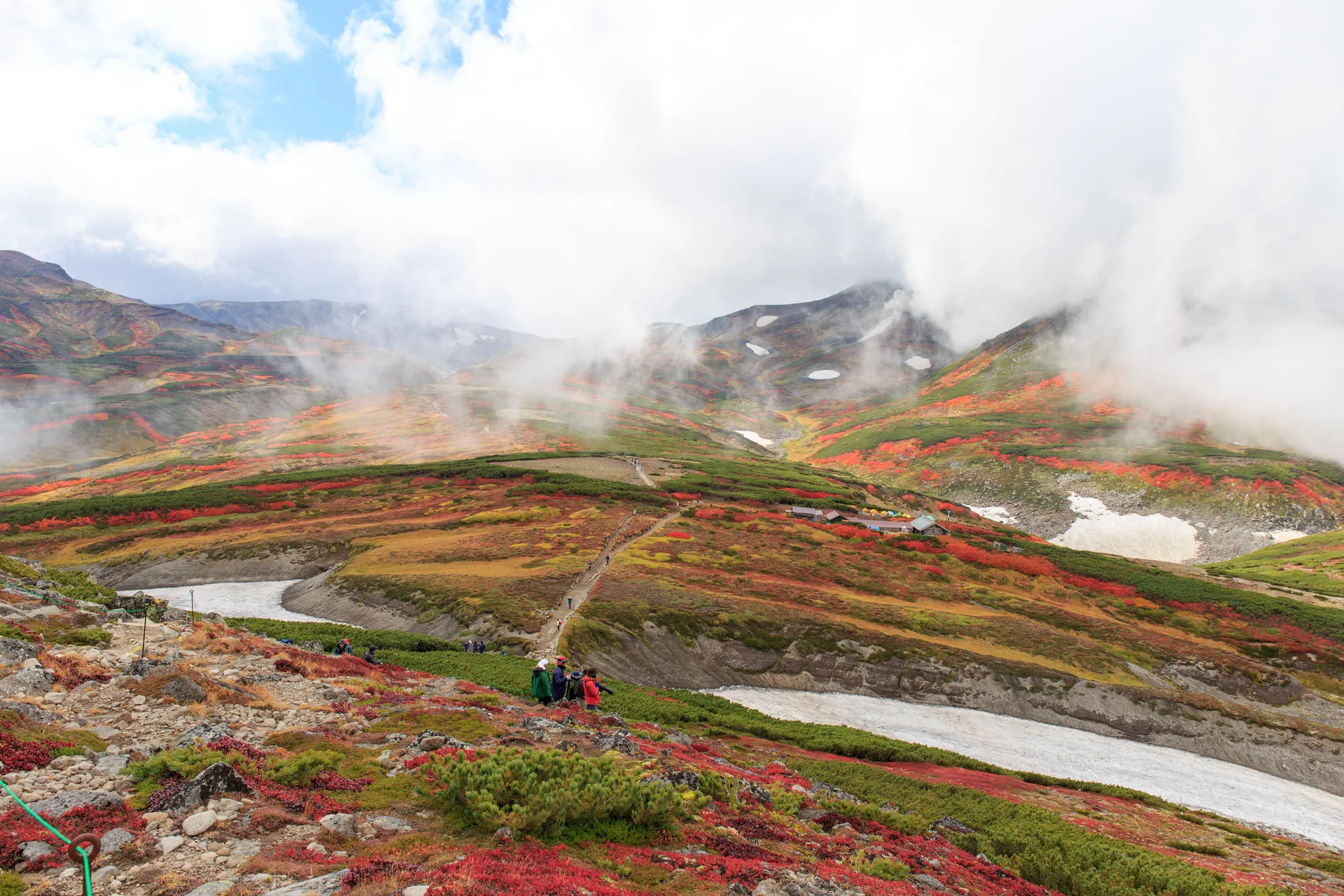
Sounkyo’s strongest case in September 2026 was the Ginsendai access arrangement. During the 12–23 September vehicle-control period, reserved charters departed its information centre at 06:00 and 07:00, arriving at Ginsendai at 07:00 and 08:00. Returns were listed for 15:00 and 15:30. The published fare was ¥2,500 one way or ¥5,000 return with forty seats per bus; private cars needed a separate reserved entry slot. That made a Sounkyo room a transport tool rather than a generic scenic night. Those dates are now over, so they belong to the record of the 2026 season rather than a current booking promise.
The earlier small summer shuttle ended after 6 September, leaving 7–11 September as a distinct transition rather than a reason to guess at the charter system. For a later year, wait for that year’s access notice before committing a non-refundable room. The Ginsendai access and hiking guide explains the seasonal controls in more detail.
Sounkyo can also serve Kurodake. In 2026 the ropeway listed 06:00–18:00 through September, 07:00–17:00 for 1–15 October and 08:00–16:00 for 16 October to 8 November. The summer chairlift ran only through 15 October. A room bought for an early-October ropeway-plus-chairlift day is therefore a different product from a late-October ropeway-only stay. Gorge walking, onsen time and a weather fallback can still justify the latter, but the original chairlift benefit has gone.
A second Sounkyo night can be rational when the party wants Ginsendai and Kurodake in the same active season or needs a weather retry. A single night may be too short if an early mountain start follows a late arrival. Conversely, a one-night move is hard to defend if neither date-sensitive mountain service is in the plan. The Sounkyo and Kurodake autumn guide can help choose the exact day rather than the general town.
Sapporo and Jozankei solve different autumn needs
Sapporo is the flexible lowland base for city foliage, Otaru, food, shopping, New Chitose Airport and a day trip toward Jozankei. It has more alternatives when mountain wind stops a ropeway. It is a weaker base for two or more Daisetsuzan starts because each northern trip consumes a long outbound and return. One hotel is not simpler when it creates two pre-dawn journeys and two late returns. The Sapporo, Odori and Susukino hotel-area comparison can be decided after Sapporo itself has earned the nights.
Within the city, JR Sapporo Station suits rail departures and luggage; Susukino can suit late dinners. Do not choose between them by brand before checking the itinerary. A group with Otaru and airport rail may prefer the station side; a mostly city-food stay may value a shorter independent night return. The Sapporo autumn foliage guide shows the lower-elevation alternatives that help when the mountain forecast turns.
Jozankei is close enough to Sapporo that a hotel move rarely pays for itself as a transport shortcut. Stay when the ryokan meal, bath, valley evening and a slow next morning are part of the purchase. A short look at Futami Suspension Bridge and nearby foliage can be a Sapporo day trip. The Jozankei stay-versus-day-trip guide asks whether the second session really matters to your party.
Furano–Biei: follow the rural corridor, not a broad place label
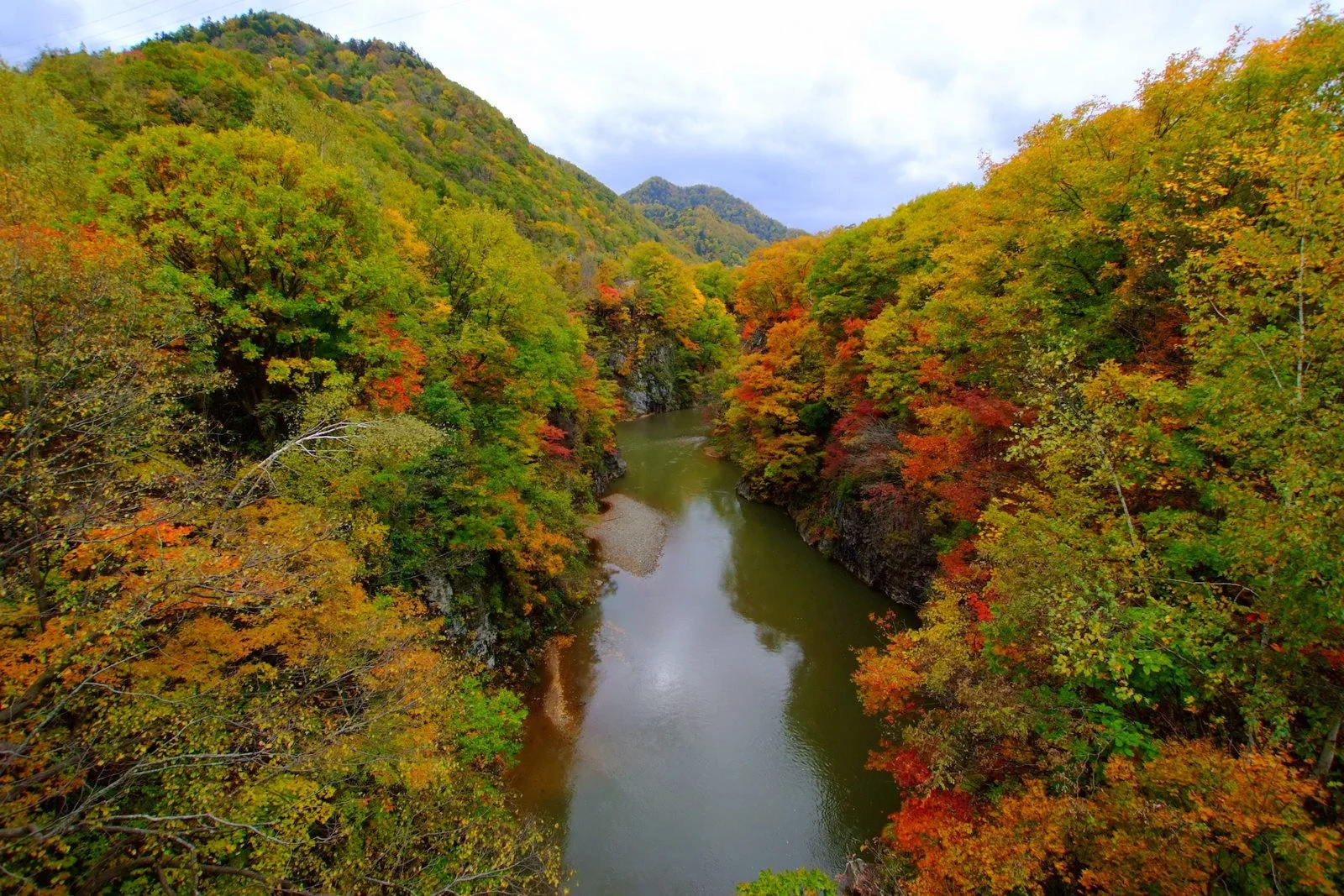
Furano and Biei spread attractions across a wide area. A self-driver or photographer who needs early and late light across two consecutive rural days can justify a local night. A car-free traveller taking one Biei outing often benefits more from Asahikawa’s transport and dining choices. Before moving, locate the next morning’s first stop: Biei Station, Shirogane Onsen, Furano Station and Kitanomine are not interchangeable hotel areas.
A room in the wrong part of the corridor may add an early transfer while removing the Asahikawa fallback. The Furano station and countryside base comparison and Biei photography route can help decide whether the rural day actually repeats. Pack the next day’s route before paying for the overnight.
Hakodate and Onuma belong to a southbound sequence
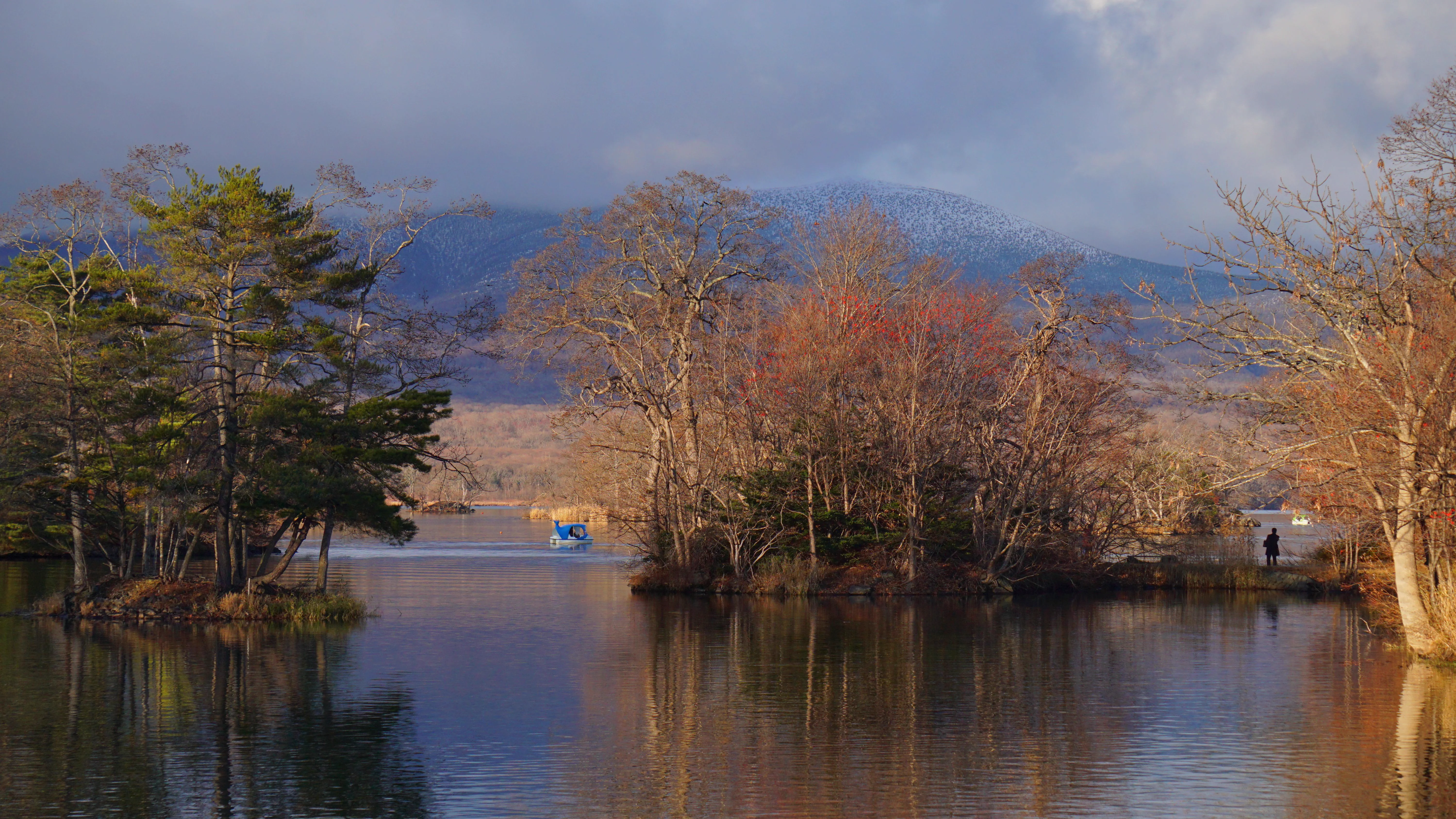
Hakodate and Onuma generally offer a later southern foliage window than the high Daisetsuzan slopes. They fit when the overall journey is moving south and an open-jaw flight or onward connection avoids returning to Sapporo. A Sapporo–Hakodate–Sapporo run for one hotel night spends a major transfer twice. Hakodate Station is the practical gateway for a city evening and transport; Onuma earns an overnight when dawn lake views, cycling or resort time are the point.
The Hakodate and Onuma autumn guide can place the southern leg in its season. If the northern mountains are already your trip’s main objective and the flight returns through New Chitose, skipping the south may buy more weather flexibility than one extra city name.
Count deleted journeys, then settle the suitcase
Five September nights focused on Daisetsuzan may work with Asahikawa and one Sounkyo or Asahidake segment, without rushing to add Sapporo. A reserved Ginsendai visit in its active dates gave Sounkyo a concrete reason to be that segment. Five mid-October nights could instead combine Sapporo with a Jozankei onsen night when the dinner and morning are wanted. Seven nights moving north to south can accommodate Asahikawa, Sapporo and Hakodate if the flights support a directional route. These are examples of journeys removed and hours gained, not a formula based on night count.
Leave a large case at a gateway hotel when returning there and the property allows it. On a one-way move, forward the main bag to the next city and carry one overnight bag into the mountain or onsen town. Passport, medication, warm layers, rain protection, devices and a change of clothes stay with you. Autumn weather and ropeway operations can turn quickly; a small bag makes a switch from mountain attempt to city fallback easier than moving several large cases again.
The strongest autumn hotel decision is therefore specific: Asahikawa for mountain flexibility, Sounkyo when an actual active charter or ropeway morning needs it, Sapporo for city and airport resilience, Jozankei for a complete ryokan stay, Furano–Biei for repeated rural days, and Hakodate or Onuma for a directional southern leg. Before adding a scenery room, name the two sessions it buys. If neither survives the real date and forecast, keep the gateway and spend the saved move elsewhere.
Compare Asahikawa-area stays for a Daisetsuzan gateway, Sounkyo stays only when its date-specific mountain use fits, or Sapporo rooms for the city-centred leg.
Related Hokkaido planning
For another season or area decision, Hokkaido Autumn Leaves 2026, 5-Day Hokkaido Autumn Itinerary, Asahidake vs Kurodake, Ginsendai 2026 Access.
For another season or area decision, Furano vs Biei.
For another season or area decision, Where to Stay in Kyoto for, Where to Stay at Lake Kawaguchi, Where to Stay for Tohoku Autumn, Where to Stay for Oirase Autumn.
For another season or area decision, Kamikochi Autumn Leaves: Timing, Buses, Five, Kankakei Gorge Autumn Leaves Guide: Ferries,, Sapporo vs Chitose for the Last, Hakodate and Onuma Autumn Leaves: Late.
For another season or area decision, 10-Day Japan Autumn Leaves Itinerary: Regional, Hakata or Tenjin for an Early.
For another season or area decision, Where to Stay in Takamatsu: Station, Where to Stay in Fukuoka: Hakata, Happo vs Echoland: Where Should You, Best Month for Autumn Leaves in.
For another season or area decision, Where to Stay in Osaka for.
Operator and regional details: current operation and seasonal updates, 2026 Ginsendai autumn vehicle control, 2026 operating periods, Jozankei.