
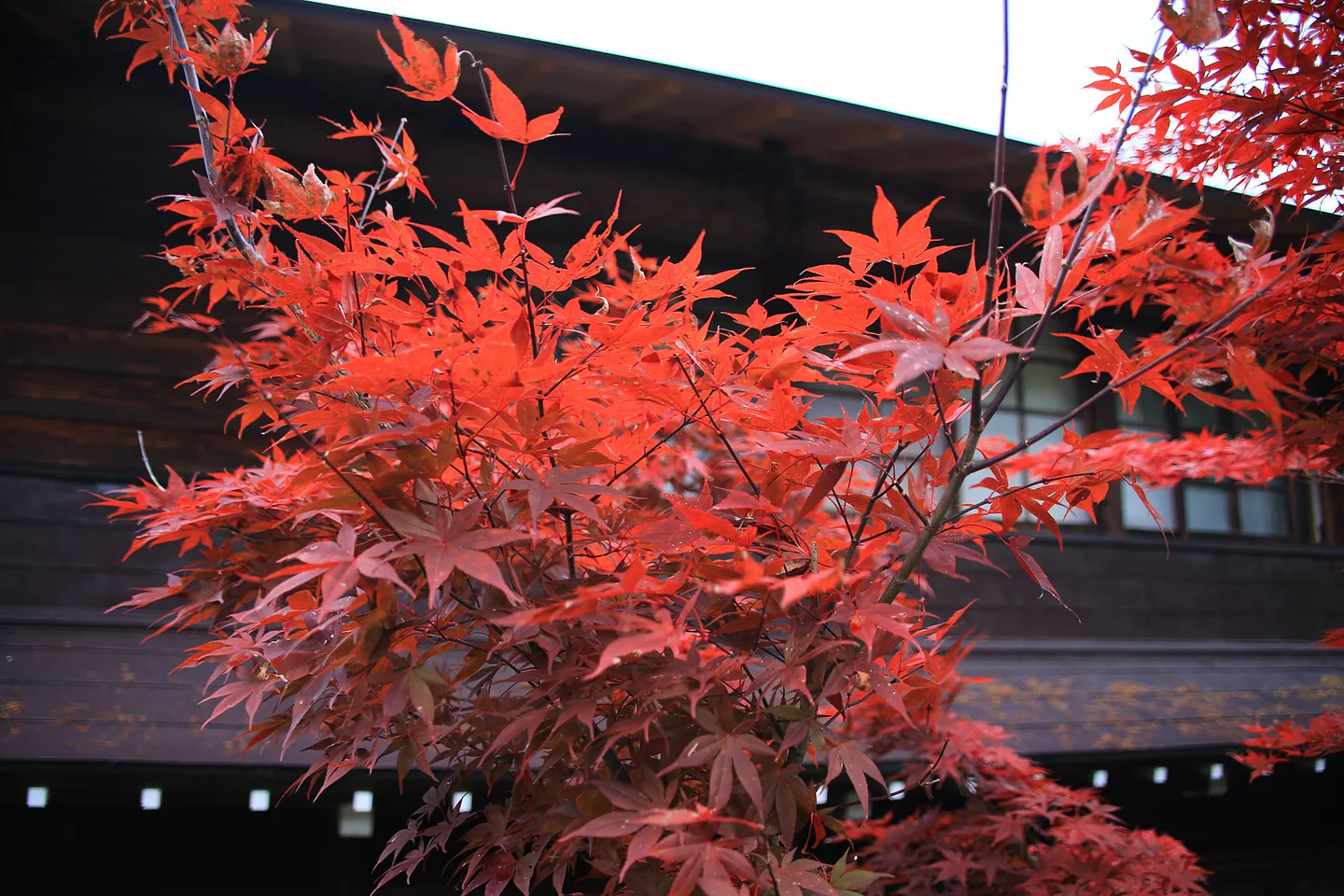
Shirakawa-go is easiest to fit into an autumn journey when it lies between two hotel cities. A bus from Takayama can deliver you to Ogimachi, and another can take you onward to Kanazawa or Toyama after a village visit. That turns the intercity move into your sightseeing day. A same-city return is sensible if you are keeping that hotel for another night; a village overnight is a different purchase, justified by the accommodation and the hours after day visitors leave.
The village is compact enough for roughly two to three hours of walking. The trip becomes difficult when both bus seats, suitcase handling and the next hotel must fit around that window. Set the arrival and departure buses before choosing farmhouse interiors or lunch. The Takayama–Shirakawa-go–Kanazawa itinerary puts this stop within a longer rail-and-bus route.
Three ways to use the village
| Trip shape | Where the night goes | What makes it work | When to reconsider |
|---|---|---|---|
| Takayama or Kanazawa return | Same hotel before and after | No luggage move; a confirmed return bus | The next day retraces the road toward another hotel |
| Takayama → village → Kanazawa or Toyama | Different hotel after the visit | Two reserved bus legs and a small day bag | The available outbound bus leaves too little time |
| Village accommodation | A night in or near Ogimachi | Late-day atmosphere, stay experience, early walk | Arrival misses dinner and departure erases the morning |
A through-stop is often the strongest first visit because the route already crosses the village. It is not automatically best: a late bus into Ogimachi and an early bus out can leave less usable time than a return trip from one settled base. A traveller staying two more nights in Takayama may gain more by leaving the main case in the room and returning for dinner. Choose by the hotels on either side, not by a search result headed “day trip.”
If you go out from Takayama, return there, then travel through Shirakawa-go toward Kanazawa the next morning, the first bus segment has effectively been bought twice. The Takayama autumn leaves guide is useful when Takayama itself deserves another night. Otherwise, keeping the northbound movement after the village can free a full day elsewhere.
The bus seats define the sightseeing time
Ogimachi has no railway station. The tourism association describes Takayama as about 50 minutes away by highway bus, with Kanazawa or Toyama roughly 80–90 minutes away; Nagoya is around three hours. Nohi’s network also reaches Takaoka. Some Takayama–Shirakawa-go services require advance reservations and some do not, while onward services have their own rules. A timetable with several departures is not a promise of a seat on the one your hotel check-in needs.
Decide first which city holds tonight’s room, then secure the incoming and outgoing legs that leave a realistic gap. Only after both are fixed should you fit in the observatory shuttle, lunch and paid farmhouse interiors. On an autumn weekend a sold-out reserved departure may force a shorter stop, an earlier start or a different date. A non-reserved bus is useful capacity but a fragile sole plan for the final leg of a transfer day.
For example, a 09:00 Ogimachi arrival and a 12:00 departure do not yield three hours of sightseeing. Disembarking, finding storage, crossing into the village and returning to the bus terminal all consume part of the interval. A 13:00 or later onward seat changes what is comfortable, but the exact timetable must be read for the travel date. Nohi has also announced a Takayama-route revision from December 2026, so do not carry an autumn timetable into a later winter booking.
A missed farmhouse interior costs a short visit and an admission fee; a missed reserved bus can disrupt the next room, dinner and suitcase chain. Keep the bus-terminal return buffer intact even if the foliage or a queue is tempting. The Japan luggage-forwarding guide handles the other half of this transfer problem.
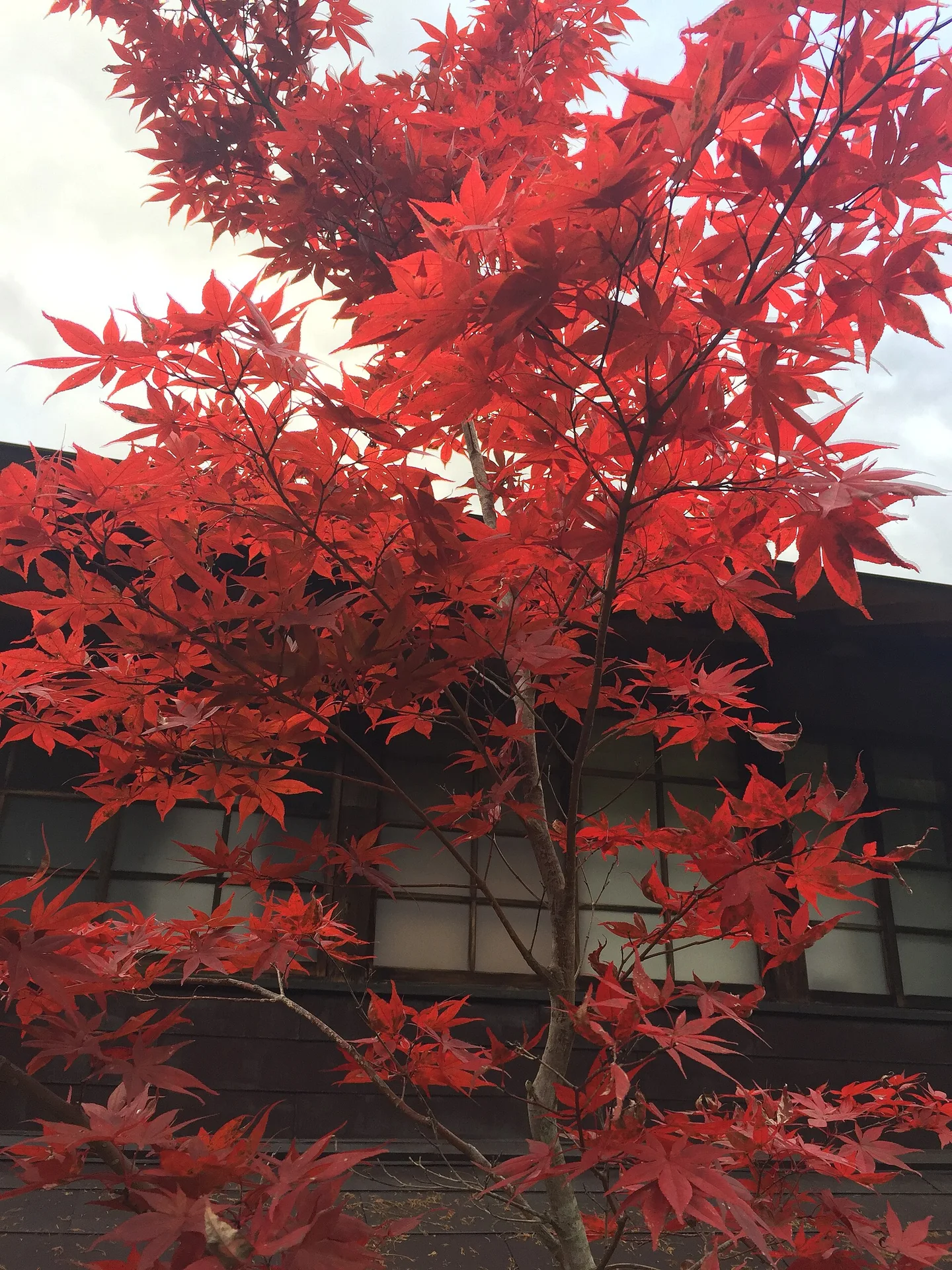
Give the viewpoint only the time it earns
Two hours is enough for the Ogimachi streets and perhaps one open farmhouse interior, provided you do not spend much of it in a queue. The viewpoint is the first addition to drop. At about three hours, a first-time visitor can choose between a panorama, a longer meal or another interior. Four to five hours allow a calmer combination of viewpoint, food and buildings when the buses and weather cooperate. Extending to six hours has a cost if it takes the useful late afternoon away from Kanazawa or Toyama.
The current Japanese tourism information lists the observatory shuttle from Wada House area between 09:00 and 15:40, generally every 20 minutes with no service in the noon hour. Adult fare is ¥300 one way, paid in cash on alighting. These details are more current than the older English summary that still shows ¥200 and a shorter operating day. Check the operating day before building a tight bus connection around the shuttle. An uphill walk is possible for some visitors, but the time and effort depend on the party.
Use the viewpoint when there is visibility and enough slack after reaching Ogimachi. Fog or low cloud can remove the wide mountain-and-roofline view, and a shuttle queue can eat a short visit. Travellers who would find the uphill climb tiring may value the shuttle highly on a longer stop; travellers with a two-hour bus gap may be happier among the houses. A panorama is an option, not the condition for having seen Shirakawa-go.
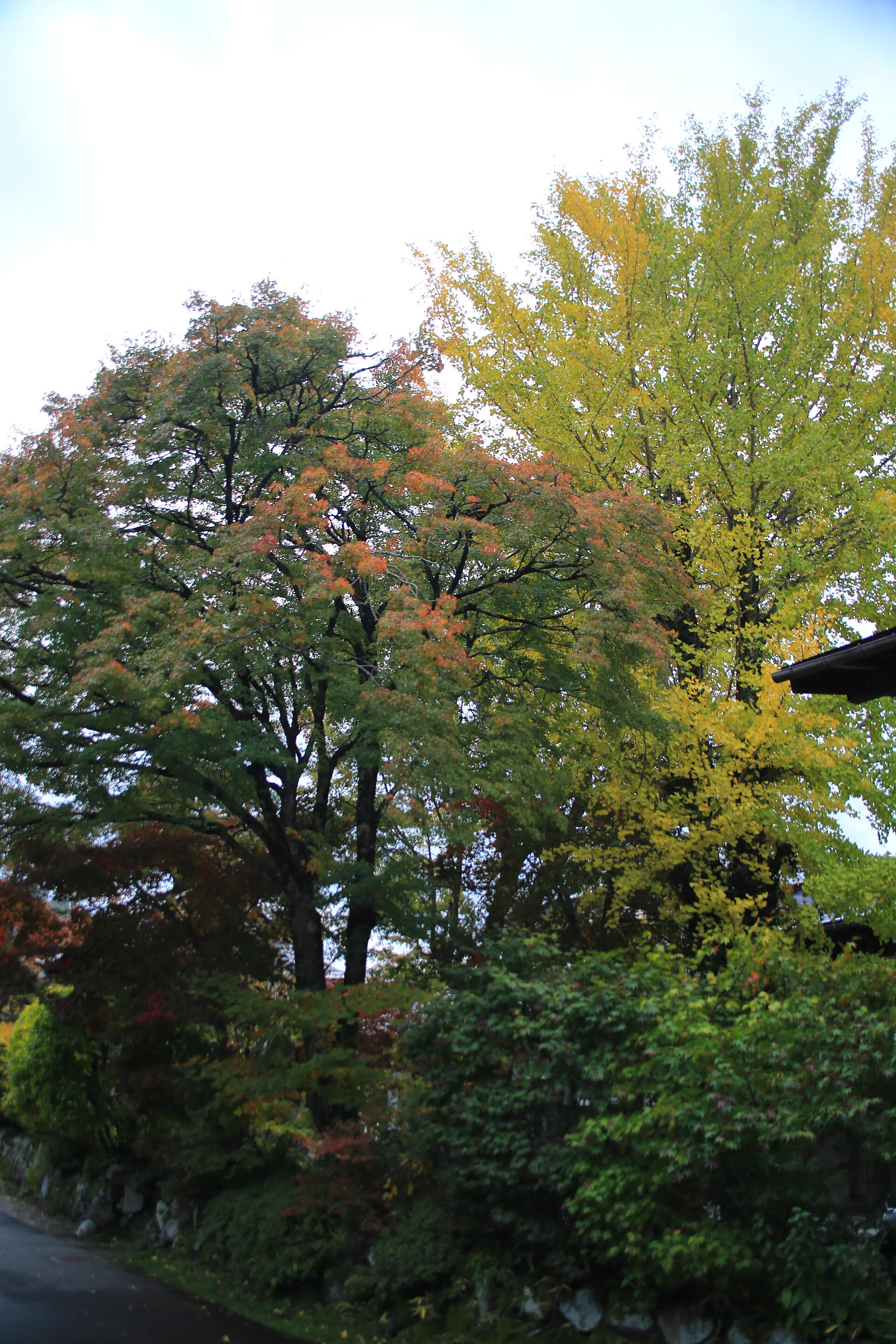
A suitcase changes the route more than a second farmhouse
The bus terminal has lockers during the daytime; the tourism information lists 08:00–17:00, with ¥500 small or medium spaces and ¥1,000 large spaces. Adjacent counter storage and overflow handling can help when lockers fill, but both depend on staff hours and capacity. This is convenient for an out-and-back visitor who will return to the same terminal. It is less elegant for someone who must collect the case and load it onto a second intercity bus.
For a through-stop, ask both hotels whether the main suitcase can be forwarded from Takayama to Kanazawa or Toyama in time. Carrying a day bag through Ogimachi removes the locker deadline and makes narrow lanes easier. If forwarding is impossible, make sure both confirmed buses fall well within storage hours and leave time to reclaim the case. Walking the heritage lanes with a 29-inch suitcase is a weak fallback, particularly when a full locker bank or closing counter has caused it.
An overnight guest arriving after the counter closes needs a separate bag plan. A village room does not imply that someone will receive a suitcase at any hour or drive it from the bus terminal. Check the accommodation’s check-in and luggage arrangements before booking a late bus. The luggage storage versus forwarding comparison can help decide which hand-off to remove.
What a village night buys after the buses leave
Ogimachi is a living settlement. The tourism association restricts ordinary night sightseeing to protect residents, while accommodation guests have a different reason to be present after the daytime flow. That is the overnight’s real attraction: a quieter late afternoon or evening connected to the stay, and a morning before the largest bus arrivals. It is not a licence to wander into private spaces or treat the houses as a permanently open attraction. Seseragi public parking closes at 17:00, reinforcing the difference between a day visit and a hosted stay.
Buy the night when at least two benefits genuinely fit your itinerary: a gassho-style room or meal you want, an unhurried evening, an early walk, or protection from a risky same-day onward bus. Arriving around 19:30, eating in a rush and leaving on the first morning departure barely uses any of them. If those are the only workable buses, a Takayama or Kanazawa room may make better use of the night and simplify luggage.
The accommodation label covers very different properties. Some gassho minshuku have shared bathrooms, one group per day or strict dinner seating. A larger onsen property may offer a different sleeping and bathing model. Individual listings can restrict infants or close check-in around 20:00; those are property rules rather than village-wide facts. Before paying, check room bedding, stairs, heating, meal time, child policy, bathroom privacy, terminal pickup and delayed-bus handling. The answer matters more than a generic “farmhouse night” description.
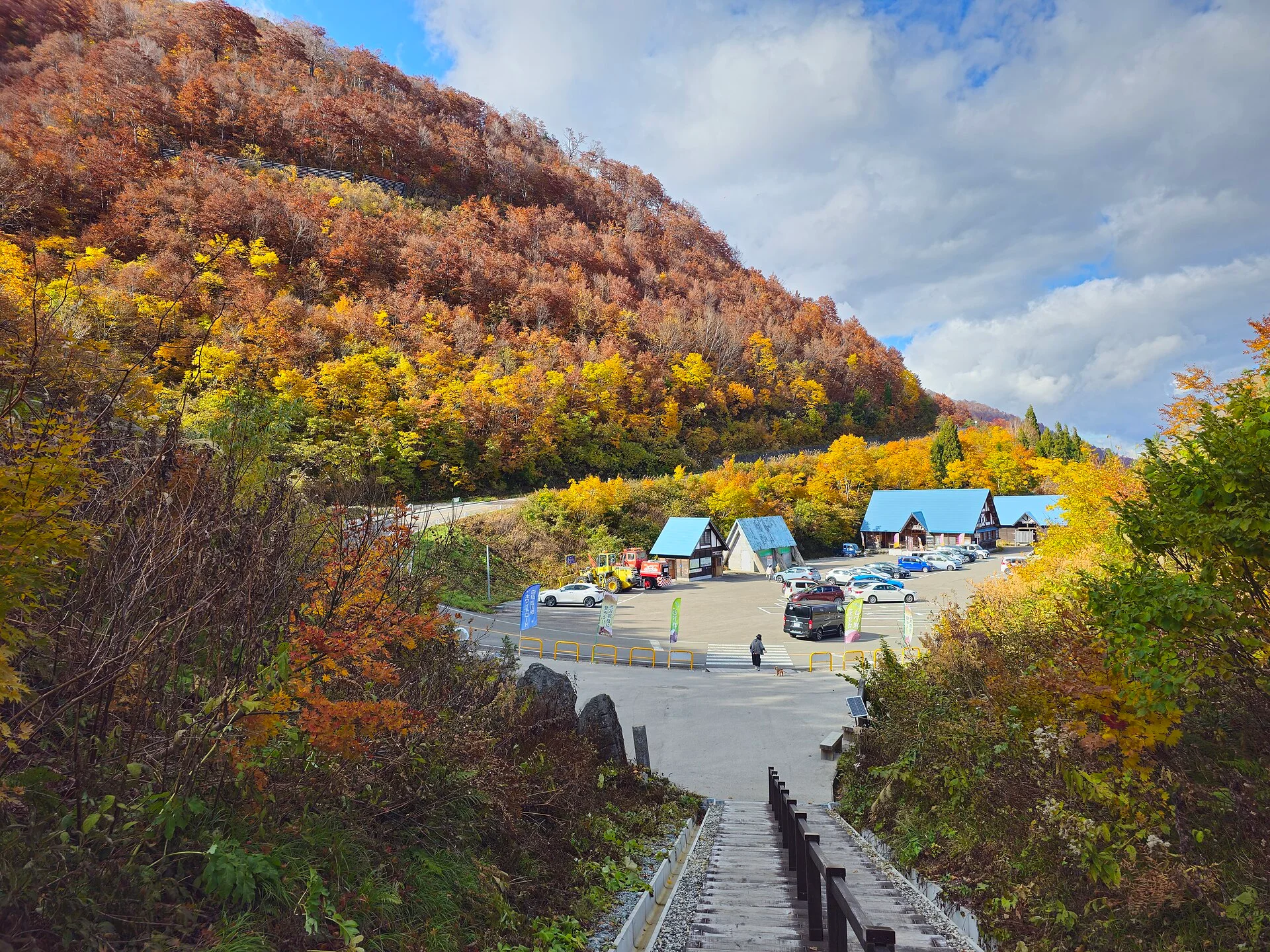
Autumn colour is a range, not a booked date
The tourism association’s seasonal overview places the usual colour window from late October into mid-November. Its more detailed FAQ describes the typical best period as late October to early November and says temperature changes the timing each year. The two descriptions give a planning band, not competing promises for one exact peak day. For late October or the start of November, secure the difficult bus seats early; near mid-November, look for live colour reports before building the whole route around foliage.
Rain can make paths and the viewpoint less appealing even when the leaves are good. Fog can erase the panorama while leaving the architecture interesting. Near the edge of the season, flexible accommodation and onward transport reduce the cost of being a week early or late. The association’s recent-year FAQ puts the first snow around early December, with heavier accumulation later, so late-October foliage should not be advertised as a snow visit. Pack for cool, wet walking rather than assuming either warm sunshine or deep winter.
Driving solves a seat problem, not a parking problem
A rental car removes the need to reserve an intercity bus seat, but Ogimachi still has finite parking and an operating day. Seseragi Park is generally listed 08:00–17:00 with last admission at 16:30; busy periods can divert cars to other lots or reduce ordinary-car space when tour buses need it. Light-up events use separate booking and access arrangements. Do not plan a late-night ordinary visit on the basis of daytime car access.
Driving is strongest when Shirakawa-go is one stop on a wider rural Chubu route. Renting only to avoid booking a bus between Takayama and Kanazawa adds collection, parking and return obligations without necessarily adding useful village time. Late-autumn mountain roads can also turn the final half-hour before parking closes into a poor driving margin. Leave while there is comfortable daylight rather than treating closing time as a sightseeing target.
Which itinerary should you actually book?
| Plan | Stay and transport | Useful village window | Reason to change |
|---|---|---|---|
| Takayama return | Same Takayama room; confirmed buses both ways | Around three hours, adding the viewpoint if clear | Next hotel is already north of the village |
| Through-stop | Takayama checkout; two bus legs; Kanazawa or Toyama check-in | Three to five hours with a small day bag | Onward departure makes the stop a rushed transfer |
| Ogimachi overnight | Village accommodation and meal arranged in advance | Late day plus next morning | Bus times erase both off-hour windows |
The return plan protects one hotel and its luggage setup. The through-stop makes the route work twice, as transport and sightseeing. The overnight pays for the accommodation experience and quieter hours. If the only bookable buses leave fewer than roughly two useful hours in Ogimachi, postpone or skip the stop. That is also reasonable if it causes two hotel moves and substantial backtracking in a short Takayama–Kanazawa trip.
Bad weather changes the calculation according to your interests. Someone mainly seeking the panorama may prefer another date when clouds cover the hills. Someone who wants the gassho architecture, an onward transfer or a particular stay can still have a meaningful visit in light rain. If Shirakawa-go is merely another autumn photo stop beside Takayama old streets and Kanazawa gardens, the missed time in those places may matter more than the bus fare.
A useful final booking order is: fix the two hotel cities; reserve the relevant bus legs; decide luggage forwarding or terminal storage; then choose a village window and optional observatory ride. Overnight visitors should settle dinner and latest arrival with their specific host. This avoids paying for a room, farmhouse entry or viewpoint plan that the transport cannot support.
What the small costs do and do not buy
The village walk itself can be inexpensive, but it is not the full trip cost. The intercity buses determine the main transport spend; a locker or forwarding service adds a separate luggage expense; farmhouse interiors and the observatory shuttle are optional purchases. A ¥300 shuttle fare should not decide whether a cloudy panorama is worth an hour of a short stop. Equally, saving a storage fee by carrying a large case can make the village lanes unpleasant and may consume the bus buffer that matters more than the fee.
Think of crowding as a schedule problem as well as a comfort problem. Many visitors target the same late-morning arrival, lunchtime streets and afternoon departure. That can create queues at the bus terminal, storage counter, viewpoints and popular house interiors. An early arrival can improve the visit, but only if it creates enough useful village time after the inward bus. A late arrival may be quieter yet leave most interiors closed. The best window is the one that matches what your party wants to do, not simply the first bus seat that appears in a search.
Weather risk differs by activity. Rain makes a hill viewpoint and stone or earth paths harder; it does not close the heritage village by itself. Clear skies improve the panorama, while cold rain makes a warm meal or an interior visit more attractive. If the next hotel is Kanazawa, preserving time there may be a better weather response than waiting several hours for a mountain view that may never clear. A family or senior group can use the easier autumn routes guide to compare a lower-effort day.
Compare Shirakawa-go accommodation if an evening and next-morning stay is part of your route. A Takayama or Kanazawa hotel remains the simpler choice when the village visit is only a daytime stop.
Related routes and places
For a different autumn route, see Takayama → Shirakawa-go → Kanazawa, Takayama Autumn Leaves, Japan Luggage Forwarding, Hokuriku–Chubu 5-Day Itinerary.
For a different autumn route, see Iya Valley Autumn Leaves Guide, Mt. Daisen Autumn Leaves: Driving,, Yamadera Autumn Leaves Day Trip, Japan Autumn Leaves with Seniors.
For a different autumn route, see When to Book Hotels for, Ginsendai Autumn Leaves Guide: Shuttle, Japan Autumn Leaves Without Changing, 14-Day Japan Autumn Leaves Itinerary.
For a different autumn route, see Korankei Autumn Leaves Day Trip, Kamikochi Autumn Leaves: Timing, Buses,.
For a different autumn route, see Kenrokuen Autumn Leaves : Early, Lake Kawaguchi vs Lake Yamanaka, How Many Nights in Lake, Yabakei Autumn Leaves Guide: Hitome.
For a different autumn route, see Kankakei Gorge Autumn Leaves Guide.
Route and village details: Shirakawa-go access, seasonal overview, current local visitor details, village evening etiquette and Nohi bus route.