
A three-day Tokyo Disney Vacation Package with two park days can put those days on either side of the stay. If the first day includes an international arrival or a long transfer, park tickets on Days 2 and 3 protect both paid visits from the arrival delay. If the group is already near Maihama and has a fixed onward journey on Day 3, tickets on Days 1 and 2 leave checkout day clear. The first decision is where the travel uncertainty sits: at the start, at the end, or neither.
The two plans have another difference. The current three-day plan descriptions list three to five Attraction Tickets per park for the First-and-Second-Day version, compared with three per park for the Second-and-Third-Day version. Both displayed itineraries visit Tokyo Disneyland before Tokyo DisneySea. The extra tickets may matter if they cover rides the whole party wants; a longer list has little value if the children cannot or do not want to use it. Read the inclusions on the actual date and hotel before letting the calendar decide the purchase.
Place the two park days around the journey
| Your three-day stay | Park days to compare first | What the arrangement protects | What it creates |
|---|---|---|---|
| Flight, immigration or long train transfer on check-in day | Days 2 and 3 | Arrival delay cannot consume the Disneyland ticket | DisneySea becomes a checkout-day visit |
| Previous night already close to Maihama | Days 1 and 2 | Day 1 can begin as a proper park day | No Happy Entry from the new hotel on check-in morning |
| Fixed train, flight or ryokan arrival on Day 3 | Days 1 and 2 | Checkout and onward transport remain separate from the park | Check-in-day travel must be reliable |
| Eligible Disney Hotel and two important early park mornings | Days 2 and 3 | Both park days occur after hotel nights | Eligibility still depends on hotel, park and date |
| Most valuable extra Attraction Tickets in the selected package | Check actual options | The difference in included access may outweigh the calendar | Ticket count alone says nothing about your preferred attractions |
First decide whether a package is worth paying for at all. The room-only versus Vacation Package comparison separates hotel inventory from bundled attraction access. If a room and separately purchased tickets serve your plans, changing package day order cannot create value that the bundle lacks. The package value test goes further into what the bundle buys. The two-park ticket guide also helps if the group has not yet committed to one day in each park.
Days 2 and 3 insulate the paid visit from arrival
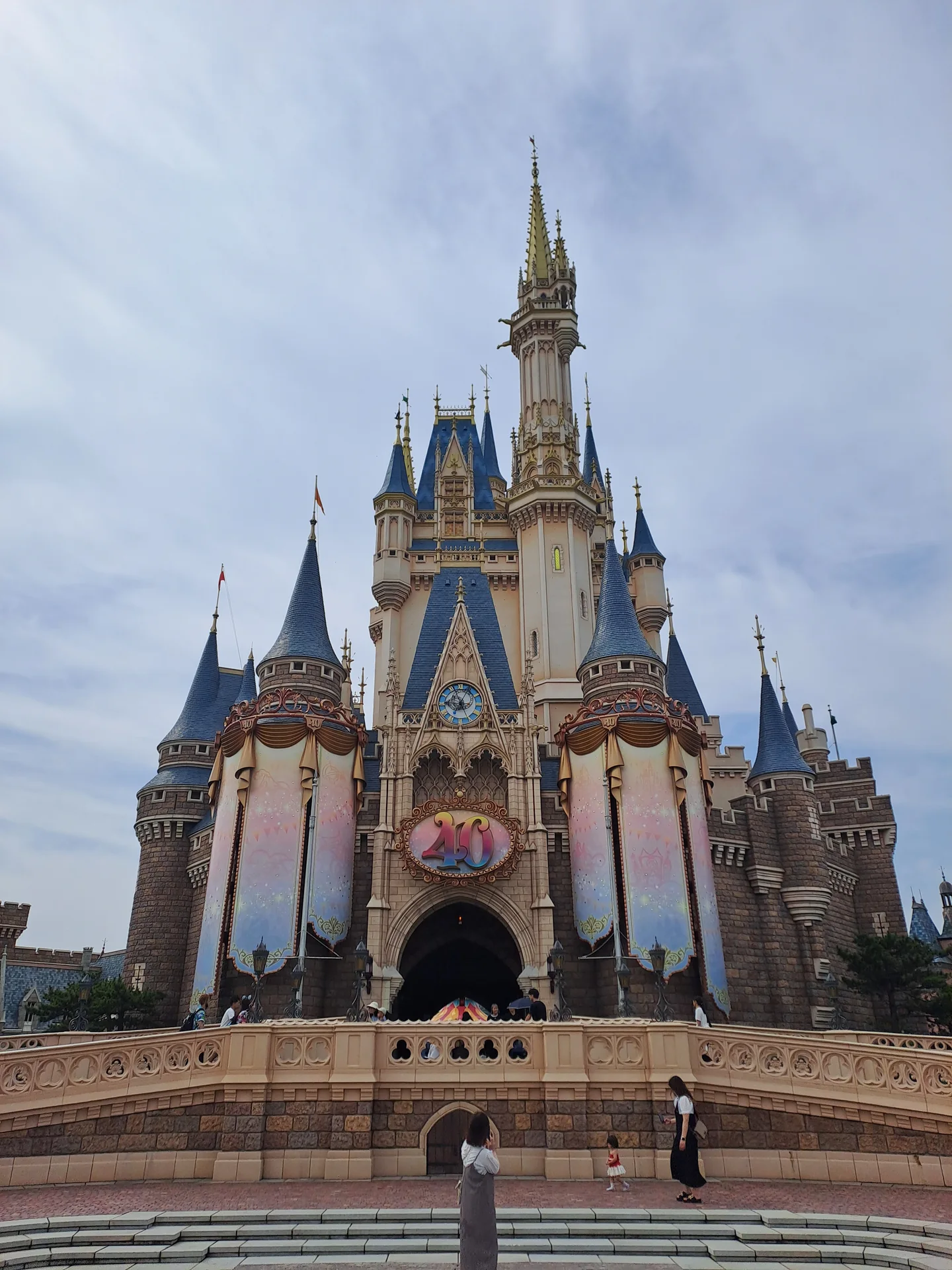
The Second-and-Third-Day structure uses Day 1 as a hotel arrival. The package then schedules Tokyo Disneyland on Day 2 and Tokyo DisneySea on Day 3. That first night is not an unused night: it moves immigration, baggage collection, airport rail, cross-city transfers and check-in out of the Disneyland day. A delayed flight can shorten an evening at the hotel, but it does not directly take hours from the first included park ticket.
This is a bigger issue for families than the clock alone suggests. Four travellers can lose part of four park admissions and several bundled benefits at once if Day 1 is a ticketed day and the flight reaches Tokyo late. A Disney Hotel night before the first park morning also provides time to lay out bags, learn the route and settle children. Families arriving through Haneda can test the transfer in the late Haneda first-night decision; a Narita arrival needs a different Narita first-night plan. If either journey is fragile, do not quietly treat it as a full Disneyland morning.
Days 2 and 3 move the hard work to the other end of the stay. DisneySea is on checkout day. Pack most belongings on the previous evening, settle storage or forwarding, and decide whether the group will travel onward straight after the park. A late DisneySea finish followed by an early flight, a Shinkansen deadline or a timed ryokan dinner can be worse than the arrival risk you avoided. The second sequence is strongest when Day 3 evening and Day 4 morning have room to move. The luggage-forwarding guide covers the physical side; it does not fix a tight onward schedule.
Days 1 and 2 give Day 3 back to Japan
The First-and-Second-Day version puts Tokyo Disneyland on check-in day, Tokyo DisneySea on the following day and no included park ticket on checkout day. It fits a traveller who slept nearby the previous night and can reach Disneyland early without adding an airport or intercity transfer. Day 3 can then hold a calm checkout, bag retrieval and a train to Kyoto, an arrival at Hakone, a flight or a move to another Tokyo neighbourhood. If the last day still has a few free hours, use the three-, five- or seven-hour Tokyo plan instead of attaching another full attraction. The Maihama versus Tokyo hotel choice matters here because a reliable Day 1 often requires positioning before the package starts.
This option is less forgiving of a disrupted morning. If Day 1 still includes a flight, the supposed first park day can shrink before the family reaches the hotel. Do not rush into Disneyland simply because the ticket has already been paid for; an exhausted, partial first day can also weaken the DisneySea morning. A pre-package night near Maihama or eastern Tokyo is one way to make Days 1 and 2 genuinely usable. The Disney split-stay timing guide helps decide whether that extra hotel move is worth it.
The hotel has a different job in this sequence. The night after Disneyland supports recovery before DisneySea; the second night supports recovery after the second park day and a slower Day 3 departure. These may be valuable for a family that stays late both nights. The question is whether that recovery is worth more than protecting the arrival day and an additional possible early-entry morning. Travellers continuing around Japan should map the Day 3 transfer before buying a room simply because the pictures look appealing.
Happy Entry can change the morning, subject to hotel and date
Happy Entry can be used during an eligible Disney Hotel stay, including checkout day, but not on check-in day. In the First-and-Second-Day package, the first Disneyland morning is check-in day, so that stay cannot give it Happy Entry; the second park morning may qualify. In the Second-and-Third-Day package, both park mornings follow a hotel night, so both can qualify in principle. The schedule difference is real, but hotel and park eligibility must be checked separately.
Tokyo DisneySea has the narrower hotel list: the currently listed eligible stays are DisneySea Fantasy Springs Hotel and Hotel MiraCosta. Tokyo Disneyland has a wider hotel list, with some dated exclusions for particular hotels. The published notice includes October 31 and November 10, 2026, among Disneyland exceptions for certain properties; dates after February 2027 may be announced later. The hotel-by-hotel Happy Entry check is more useful than assuming every Disney Hotel opens every gate early. If the chosen room lacks the park benefit you need, do not pay a premium solely for a theoretical second early entry.
Happy Entry is an entry advantage, not a promise that every attraction will operate before regular opening. It can let guests reach the park sooner and handle in-app access choices earlier; ride availability still follows that day's operation. A group planning to buy Premier Access or use package Attraction Tickets should compare those products by the attractions it will actually ride, rather than counting all early minutes as guaranteed ride time.
The included Attraction Tickets are not identical
As listed in October 2026, the First-and-Second-Day plan offers three to five Attraction Tickets valid for one venue per park; the Second-and-Third-Day plan lists three per park. Both versions show the same order, Disneyland followed by DisneySea. That means choosing the plan is neither a simple shift of identical bundles nor a way to reverse the parks. If weather, a closure or Fantasy Springs priority makes DisneySea-first essential, check a different package or a room-only booking. The Disneyland versus DisneySea decision should come before committing to a fixed order.
Count usable experiences, not printed entitlements. A family may have access to an attraction that a child is too small for, a guest does not like, or everyone would skip to protect a show. Conversely, extra tickets on the First-and-Second-Day plan can be the reason to accept a slightly weaker hotel morning when they cover the group's top rides. A table of attraction names on the reservation screen is more decisive than the generic number on the plan description. The package versus separate access calculation is useful before paying for a larger bundle.
| Check before payment | Days 1 and 2 | Days 2 and 3 |
|---|---|---|
| Included park sequence | Disneyland on check-in day; DisneySea next day | Disneyland after first hotel night; DisneySea on checkout day |
| Included Attraction Tickets in current plan description | Three to five per park | Three per park |
| Possible Happy Entry mornings from this hotel stay | Day 2 only, if hotel and date qualify | Days 2 and 3, if hotel, park and date qualify |
| Travel risk | First park day absorbs late arrival | Final park day must coexist with checkout and luggage |
| Best use | Already nearby; fixed Day 3 onward journey | Uncertain arrival; forgiving post-park evening |
A family booking needs a room plan as well as a park plan
A four-person party buys four sets of park access, but its room still has an exact bed and occupancy arrangement. A visually larger Disney Hotel room may use a sofa or alcove bed rather than four equivalent beds. Before choosing a plan for a stronger morning, compare the precise hotel category in the Disney hotels for four guide. A group with small children may value a short walk after the park more than one extra attraction voucher. A group with older children may prefer a cheaper room and more flexible park access. Cancellation rules may also differ; review the package change and cancellation costs before selecting a more fragile sequence.
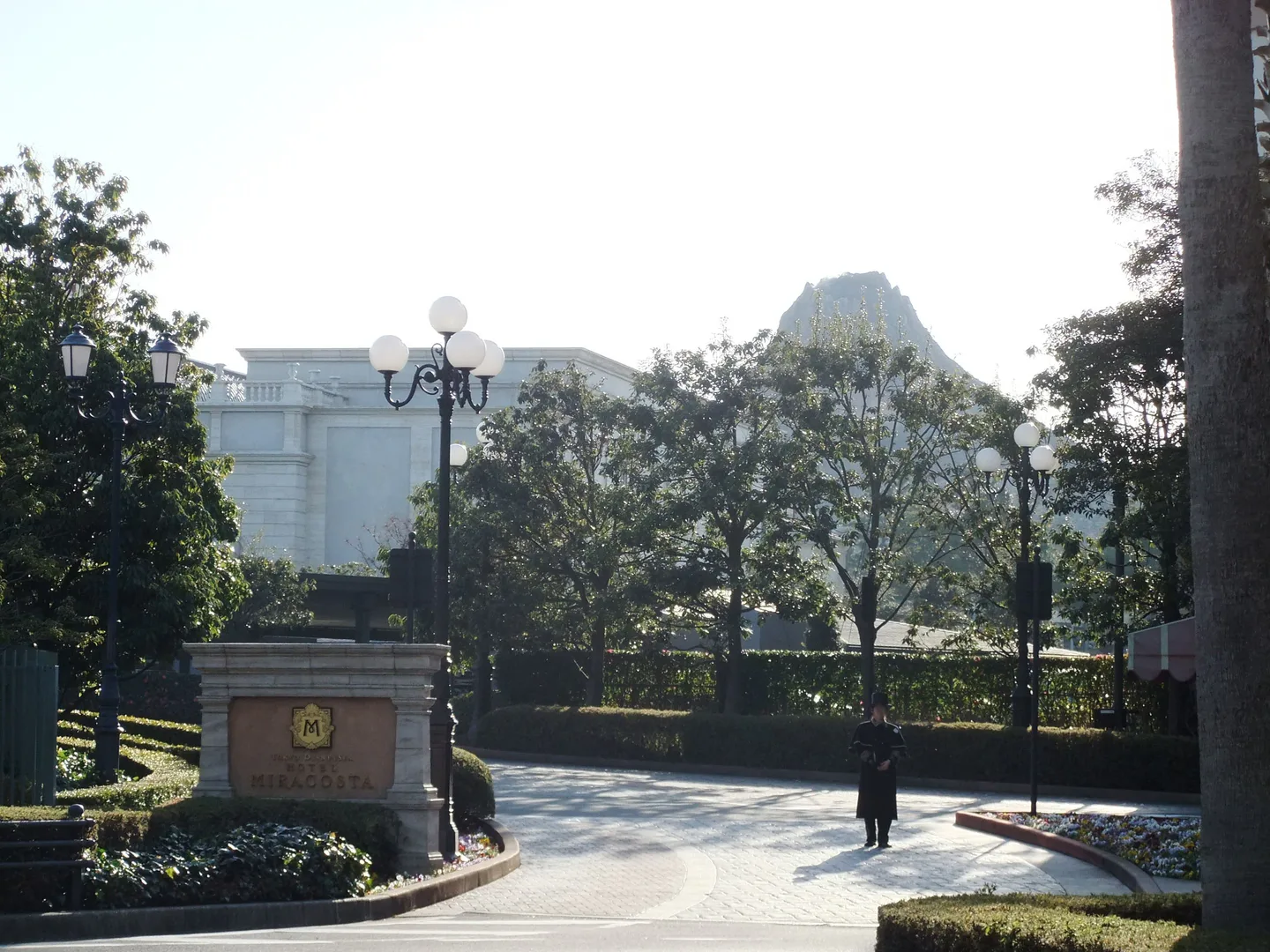
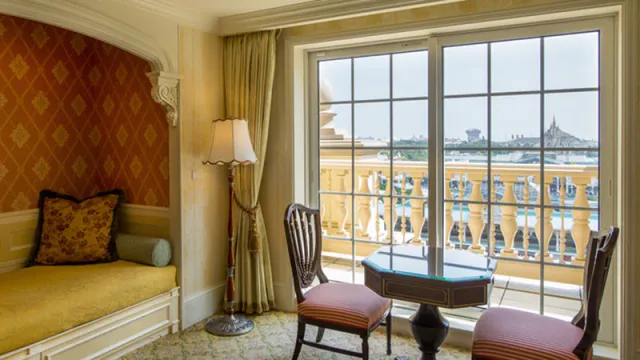
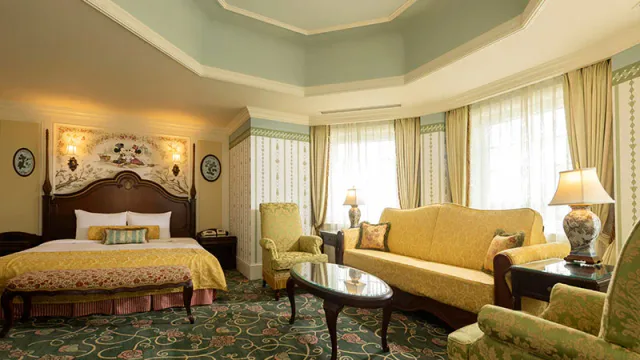
The two hotel-room photographs in this article show different layouts within Tokyo Disneyland Hotel, while the MiraCosta entrance photograph shows another eligible property; none guarantees the view or bed configuration of the package room currently offered. Check room names and capacity on the booking screen. If your priority is a specific hotel view, treat that as a separate room choice from the package's day order. The Disney-area hotel categories explains why an adjacent hotel is not automatically the same product as a Disney Hotel with specific stay benefits.
For a long-haul arrival, the sensible default is Days 2 and 3 if the onward trip after DisneySea can remain flexible. For guests already positioned beside the resort, Days 1 and 2 can use the first park day well and leave Day 3 free. Price Maihama-area rooms for the night before or after the package only once the park-day sequence is settled. Then compare the exact package's attraction list, hotel eligibility and cancellation rules with the real travel dates; the version that protects the more fragile end of the stay is the stronger itinerary.