
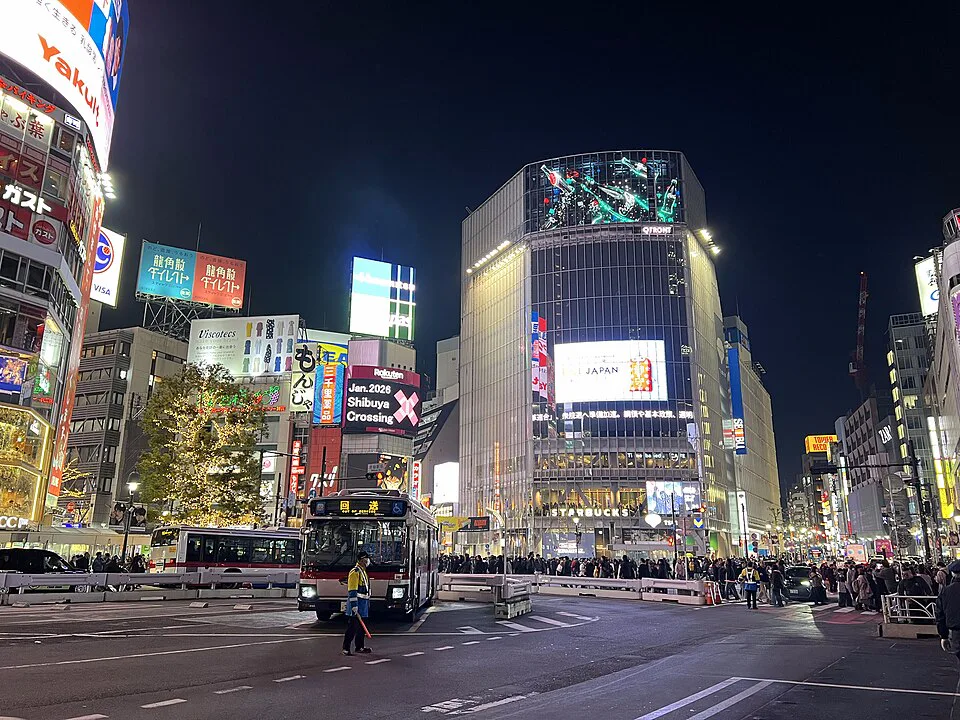
A seven-day Tokyo trip is easiest to use when its fixed commitments are separated by days you can shorten. Keep one hotel base, make an eastern neighbourhood day and a western neighbourhood day, place Mount Fuji in the middle of the week, and give Disney its own date if it matters enough to buy a park ticket. Arrival and departure days should remain close to luggage and airport transport.
The order below is a working schedule, not a list of seven equally demanding days. SHIBUYA SKY depends on a timed slot and rooftop weather. A Fuji day depends on visibility and transport. teamLab Planets uses timed entry. Disney takes most of a day and much of the group’s energy. Putting two of these into the same day creates a fragile week even when the map distances look manageable.
| Day | Area and main commitment | What can be cut first |
|---|---|---|
| 1 | Arrival, hotel and a local Shinjuku evening | Any attraction after dinner |
| 2 | Asakusa and Ueno; optional museum | Akihabara or extra indoor time |
| 3 | Meiji Jingu, Harajuku and Shibuya; one skyline slot | Shopping stops if the ticket time is tight |
| 4 | Mt Fuji day trip, subject to forecast and booking terms | An evening reservation back in Tokyo |
| 5 | Toyosu, teamLab Planets and flexible Odaiba | Waterfront stops if rain or fatigue intervenes |
| 6 | One full Tokyo Disney park day, or an open city day | Pre-park sightseeing |
| 7 | Tokyo Station, Marunouchi or Ginza near departure route | Everything beyond luggage and airport buffer |
If your trip is shorter or you want more regional travel, the four, five and seven-day Tokyo comparison shows what changes when Disney or a day trip takes a whole date. For a full week, resist adding Kamakura, Yokohama and a second deck simply because the map has blank space. Leave enough capacity for a weather change or a slow morning.
Choose one hard commitment on an ordinary sightseeing day
A hard commitment is a booking whose value falls sharply if you arrive late or move it: a timed observation deck, a booked Fuji tour, teamLab Planets or a Disney passport. Disney is already a full-day commitment. A dinner reservation after a road-based Fuji tour adds a second clock to a day whose return time may slip. A sunset deck after Disney competes with the park ticket and the trip home.
Use geographical coherence, booking flexibility, weather exposure, recovery space and physical load to test each day. These are comparison dimensions, not a numeric rating of Tokyo. The Fuji and Disney dates have the least room to absorb delays; Asakusa/Ueno and Toyosu/Odaiba can shrink without ruining the week. If you have older travellers or young children, keep the latter two days deliberately soft and consult the family attraction route by age before adding another ticket.
| Day type | Main source of fragility | Useful margin |
|---|---|---|
| Arrival | Flight, immigration, bags and airport rail | No non-refundable evening admission |
| West Tokyo with skyline | Timed entry and rooftop weather | Keep the neighbourhood route; let shopping move |
| Mt Fuji | Cloud cover, traffic or a missed connection | Flexible city day nearby if fare and booking terms permit |
| Toyosu and teamLab | One timed museum slot | Odaiba can shorten without affecting admission |
| Disney | Full-day cost, queues and physical load | No separate evening attraction |
| Departure | Luggage and airport deadline | Stay on a one-direction route to transport |
Day 1: arrive, settle the room, keep the evening local
Use the first day for the hotel, a meal and one walk in the district where you sleep. Shinjuku works well if that is your base, but the same principle applies to Ueno, Tokyo Station or Shibuya. A free observation stop can be a bonus if arrival is early and energy remains. Do not attach a paid sunset deck or theatre ticket to a flight whose arrival, baggage and airport-transfer timing you do not control.
If the flight lands late, decide whether to go into Tokyo or sleep near the airport using the Narita late-arrival hotel guide or the Haneda arrival decision. The airport transfer comparison then checks the final train change to your room. A successful first evening leaves the group ready for Day 2. It need not “cover” a sightseeing district.
Day 2: Asakusa and Ueno, with one museum decision
Begin around Kaminarimon and Senso-ji, then use the Sumida side before moving to Ueno. This keeps east Tokyo in one direction rather than alternating across town. Ueno Park, Ameyoko and a later Akihabara stop are flexible; you can choose among them after seeing your pace.
Tokyo National Museum changes the afternoon only if Japanese art and history interest the party. Its Collection Exhibitions cost ¥1,000 for an adult, generally open 09:30–17:00, with longer Friday and Saturday hours and some holiday exceptions. Monday is the usual closure day, again with exceptions. A special exhibition can have separate admission and hours. The meaningful cost is two or three indoor hours, not merely the ¥1,000. The museum ticket guide helps decide whether the collection or a special show fits the visit.
Day 3: walk west Tokyo toward one skyline ticket
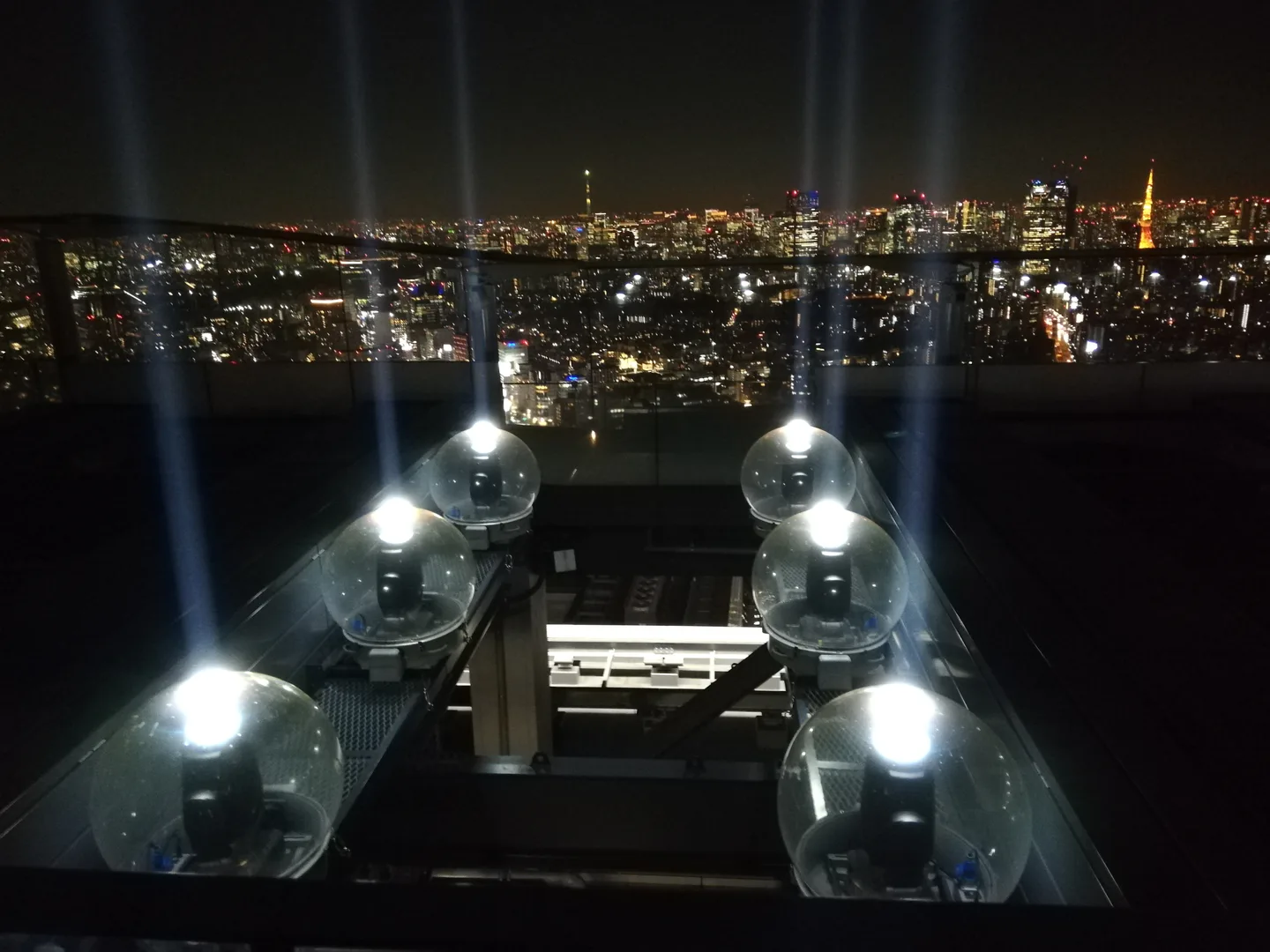
Meiji Jingu, Harajuku, Omotesando and Shibuya form a coherent route. Give the shrine and streets time, then let the chosen SHIBUYA SKY slot set the afternoon. Current adult web prices are ¥2,700 for entry before 15:00 and ¥3,400 from 15:00; the ¥700 difference reflects the entry band, not a promise of clear sunset weather. The outdoor roof may lose value in poor conditions.
Read the Shibuya Sky time and weather decision before buying a sunset slot. If the roof is unappealing, keep the west-Tokyo geography and reconsider only the paid view. The observation-deck comparison shows why an alternative close to your route can beat a cross-city reaction booking. The evening can stay around Shibuya rather than adding another distant neighbourhood.
Day 4: give Mount Fuji a weather window in the middle
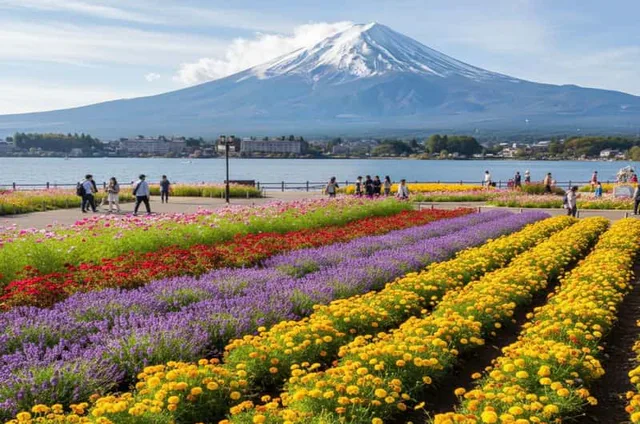
A Fuji trip buys transport and time near the mountain, not a visible summit. Low cloud can remove the view even when the buses run. Road-based tours can also return later than the brochure schedule when traffic is heavy. Put the day near the middle of the week so that, if your booking can move and the forecast warrants it, another Tokyo day can trade places. A final full day before flying has much less recovery room.
Choose one coherent Fuji route. Kawaguchiko, Hakone and Gotemba can each be useful, but stitching all three into a single day merely to increase the stop count weakens time at each place. The Mt Fuji day-trip comparison separates transport convenience from visibility risk, while the Tokyo day-trip comparison helps decide whether Fuji is the right excursion for this week. If you want both Kawaguchiko and Hakone, the three-day route gives the transfer and hotels their proper time. Keep dinner near your Tokyo base and avoid a second fixed evening reservation after a road trip.
Day 5: one teamLab slot, then let the waterfront flex
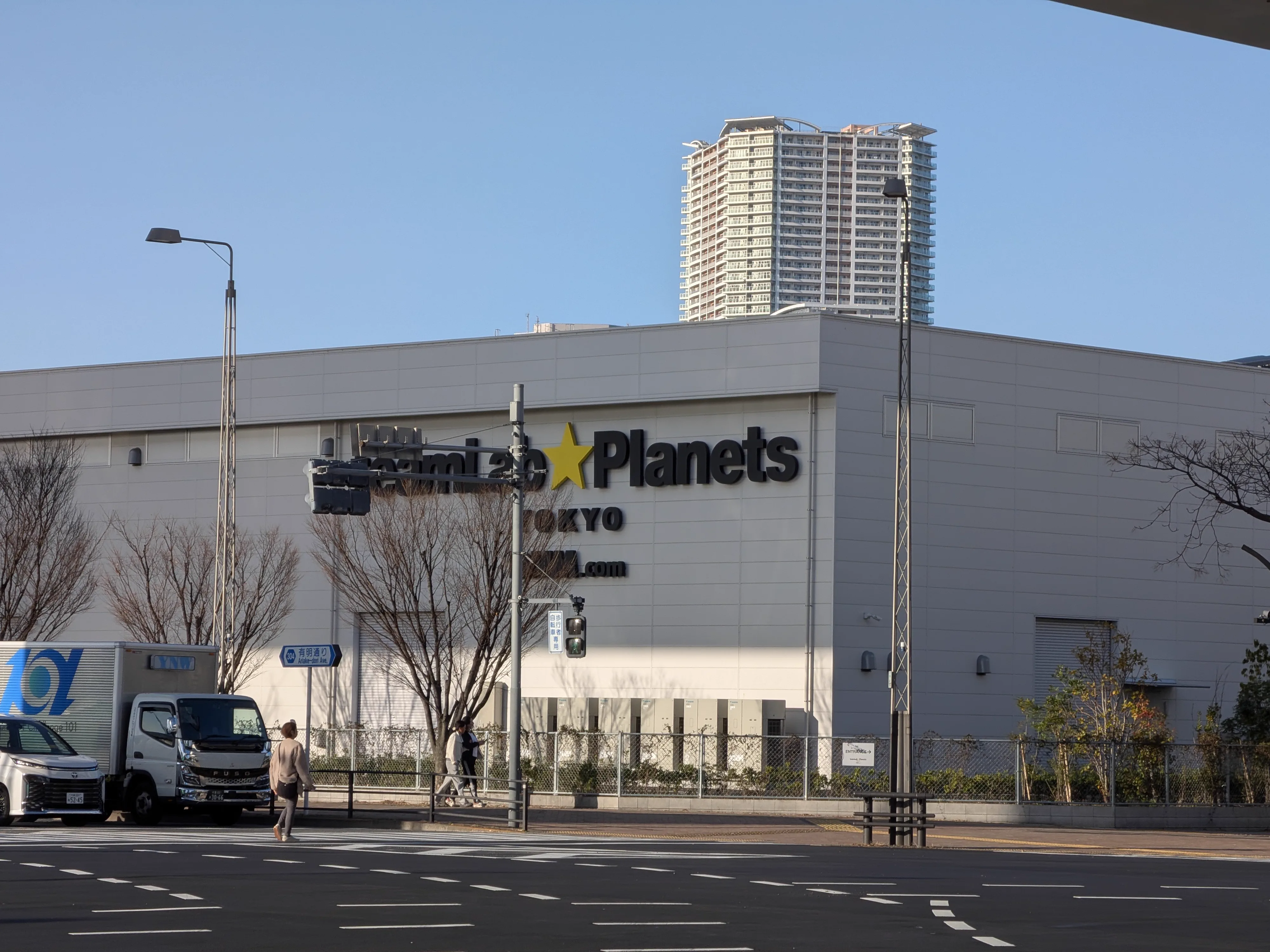
Stay around Toyosu before a teamLab Planets ticket so the timed entry does not demand a cross-city sprint. Adult admission currently starts at ¥3,800 on the ticket store, with date-specific prices. Some installations involve walking through water, which makes clothing and mobility relevant before buying. A member of the group who does not want that physical element should know it in advance rather than discovering it at the door.
Odaiba supplies the flexible second half: waterfront views, shopping centres and indoor alternatives if rain arrives. It can be an hour or the rest of the afternoon without putting the teamLab booking at risk. If you are considering another Odaiba paid attraction, the UNKO Museum time-and-detour test asks whether it adds enough to a day already spent nearby. The Tokyo rain plan offers substitutes when outdoor waterfront time loses appeal.
Day 6: a Disney ticket deserves its own day
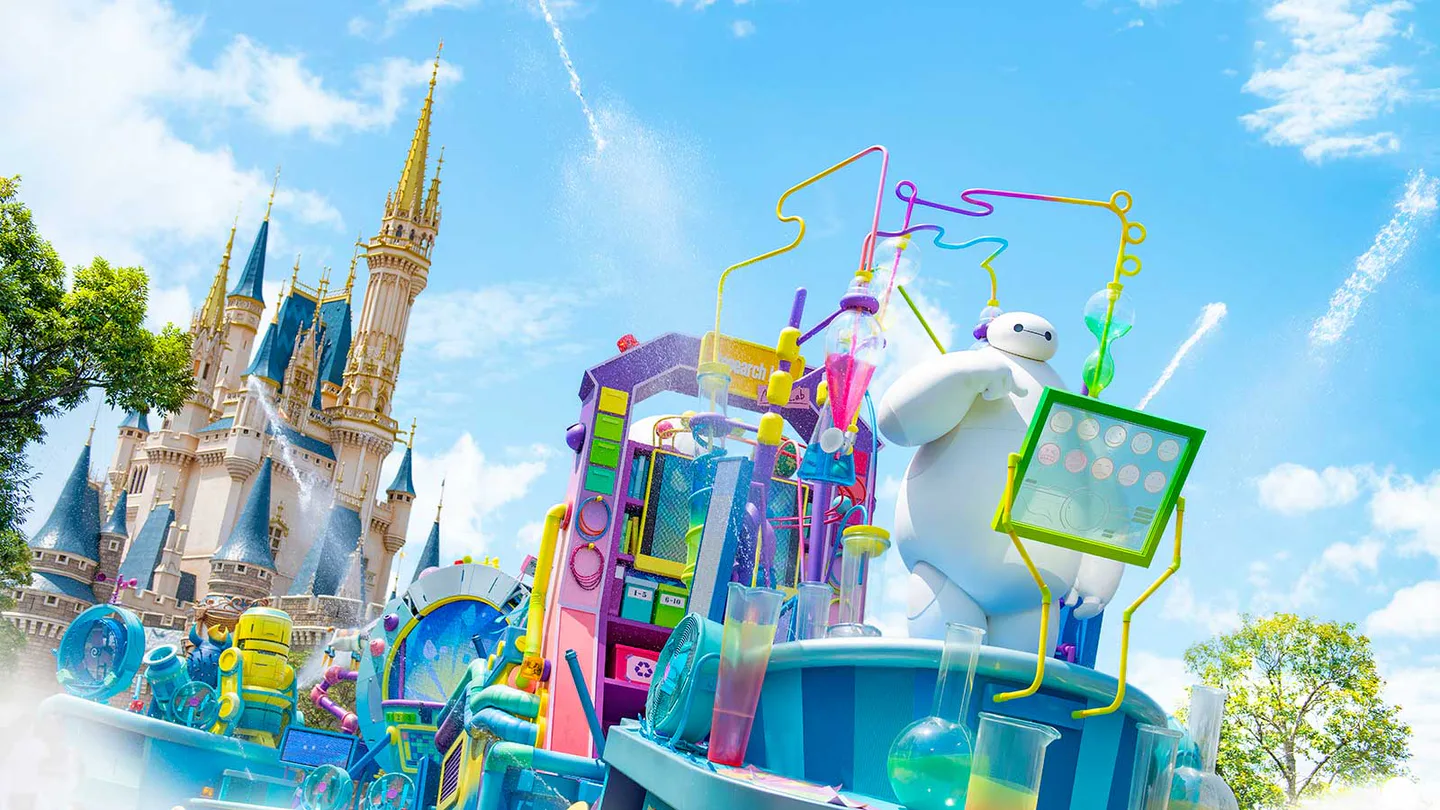
If Tokyo Disney Resort is a priority, choose Disneyland or DisneySea and protect the date. Adult one-day prices vary by calendar date, and tickets for a date two months later go on sale daily at 14:00 Japan time, subject to availability. Do not assume the lowest advertised price applies to an October weekend. Going late because you first wanted Tsukiji or Ginza makes a full-day ticket poor value even if the park remains open into the evening.
The Disney ticket guide helps with the park choice; one day versus two decides whether another date is justified. If nobody is keen on Disney, leave this as the week’s weather-recovery day rather than replacing it with two unrelated day trips. That open day is what makes an uncertain Fuji forecast less disruptive.
Day 7: finish in the direction of luggage and the airport
Tokyo Station, Marunouchi and Ginza can fill a final morning or afternoon without committing you to a distant return journey. Keep the bag location, station entrance and airport route in mind. A late flight does not automatically create a safe half-day in Kichijoji or Odaiba if you still have to retrieve luggage across town.
Use the first-and-last-day time calculation to count usable hours after check-out and airport buffer. If the final hotel is still undecided, Tokyo Station versus Shinjuku can reduce luggage friction across the week. Compare rooms around Tokyo Station for the final night only if the airport or train departure makes that move worthwhile.
How to move the week when a day breaks
Keep the hotel checkout, luggage transfer and airport ride outside the pool of movable sightseeing. If rain moves the Fuji outing from Day 4 to Day 5, move the whole Toyosu day rather than squeezing a mountain return into the same evening as teamLab. A timed museum ticket may prevent that swap, so check its change terms before fixing both dates. If the Fuji booking cannot move, use the poor-visibility day for the transport or cultural experience you paid for and resist adding a second long excursion to chase a photograph.
The same rule works when a member of the group needs a lighter day. Shorten Asakusa and Ueno at the museum decision, or keep only the timed teamLab visit and drop Odaiba. Disney is harder to compress because admission buys a full park day. A week with two flexible city days gives you places to put weather and fatigue; a week built from seven prepaid highlights does not. Decide which reservation is truly fixed before changing the hotel or buying another ticket.
| Change | Keep | Move or shorten |
|---|---|---|
| Rain on Shibuya day | Meiji, Harajuku and Shibuya geography | Rooftop ticket decision, subject to its terms |
| Poor Fuji visibility | Best feasible forecast window if the booking can change | A flexible Tokyo day, never departure day |
| Jet lag persists | Asakusa and Ueno core | Akihabara and late extras |
| Disney removed | A full open day for weather or rest | Do not automatically add two day trips |
| Heavy rain at Odaiba | teamLab ticket | Outdoor waterfront time |
| Earlier departure | Airport buffer | Ginza before essential rail and luggage steps |
One hotel base and one hard booking on an ordinary sightseeing day keep this itinerary usable when Tokyo behaves like a real city rather than a timetable. The plan still contains Asakusa, Ueno, west Tokyo, Fuji, Toyosu, Odaiba and Disney if desired. Its spare room is deliberate: a visibility change, a delayed arrival or a tired group can be handled without turning the remaining days into catch-up shifts.