
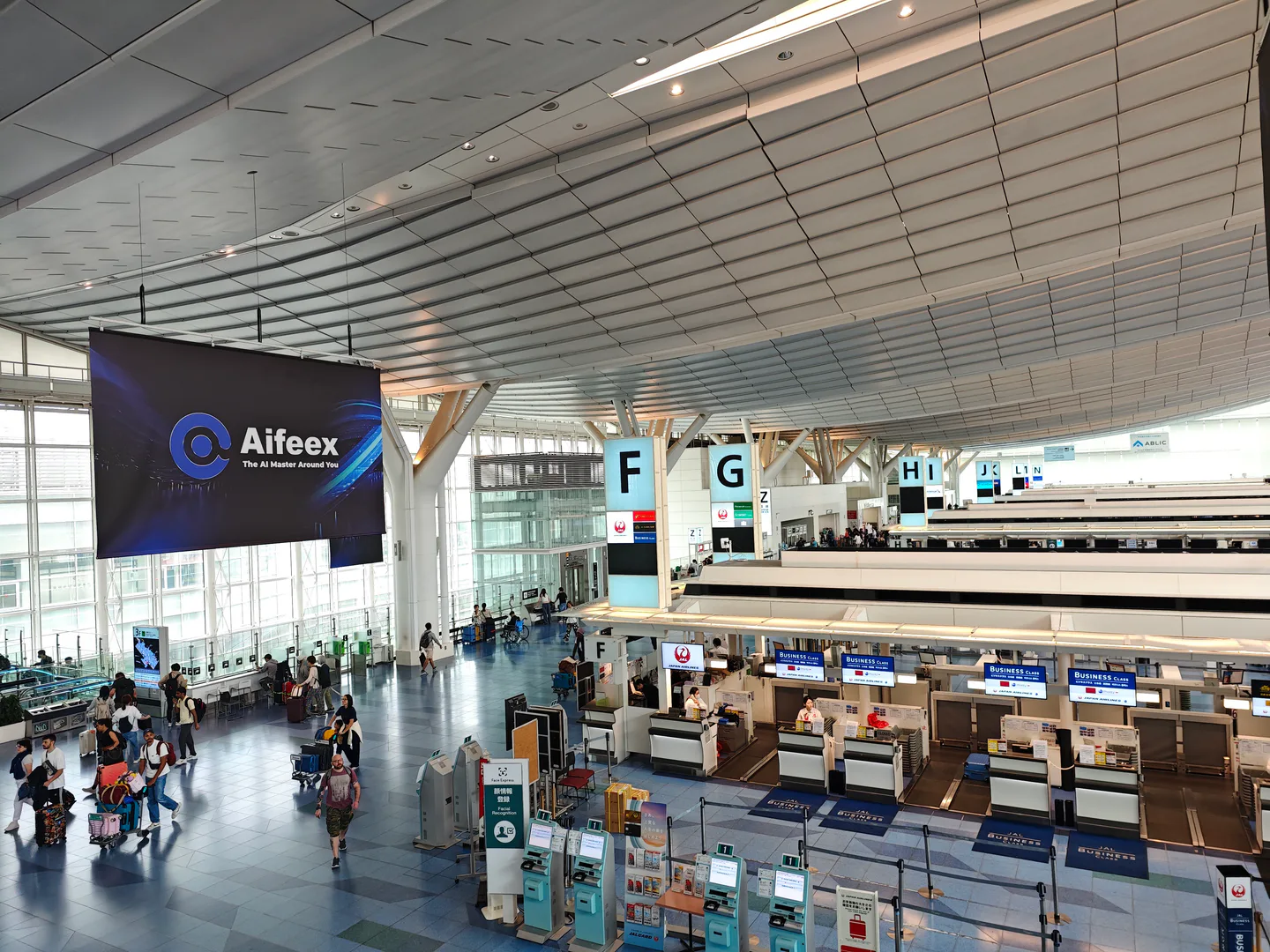
At Haneda after an international flight, the first useful clock is the one you see after customs with your bags in hand. The airline's landing time cannot tell you whether a 00:08 train is still catchable. A delayed taxi to the gate, a long immigration line or slow baggage belt can each consume the buffer that made the city hotel seem simple when you booked it.
For a Terminal 3 arrival, I would go into Tokyo when the remaining route is one clean train or bus followed by a short walk to the hotel. When the plan depends on a final train with very little margin, or the late-night bus ends far from the hotel door, sleep at Haneda instead. Keikyu still publishes a last Terminal 3 train for Shinagawa at 00:08. Airport buses to Shinjuku and Ikebukuro continue at 00:20, 01:00, 01:40 and 02:20, so “after midnight” does not mean the city is closed. The usable destination and the time after arrival formalities matter more than the mere existence of a service.
The timestamp to save is your exit from public arrivals
| Situation after customs | First option to price | What could overturn it |
|---|---|---|
| In the public hall well before about 23:30 | Direct city rail or bus near the booked hotel | The final station still needs a second late transfer |
| Out between roughly 23:30 and midnight | Compare exact platform or bus-stop margin with an airport room | A slow baggage or ticket step removes the rail buffer |
| After midnight, with a late bus beside the hotel | That direct bus remains a credible city option | It may not serve the actual entrance or stay on schedule |
| After the 02:20 Shinjuku/Ikebukuro bus | Haneda hotel, unless deliberately budgeting a taxi | Another verified night route happens to suit your destination |
| Children, stroller, multiple cases or a fixed early morning | Reduce transfers and protect sleep | A prearranged door-to-door taxi may simplify the city leg |
The 23:30 line is a conservative planning marker, not a rule imposed by the airport. Work backward from the service you would really use. Subtract the time between baggage reclaim and the platform or bus stop, then leave room to read signs, buy or use a ticket, and board. If more than thirty minutes remain, one slow stage may be survivable. Fifteen to thirty minutes is a tense margin. Under fifteen, a plan that works only with an unobstructed walk is a weak basis for a prepaid hotel night. These bands are editorial planning assumptions, not operator connection standards.
A traveller with hand luggage can move differently from a family collecting checked cases. The calculation should be repeated after the flight actually lands. If the city route becomes impossible, the airport room is not a failed choice; it is the practical fallback the booking decision should have anticipated. The Narita-versus-Haneda transfer comparison addresses the larger airport choice, while the Narita late-arrival decision uses a different set of final-service constraints.
Keikyu's midnight departure creates a real change in options
The current Keikyu late-night information lists the final Terminal 3 departure toward Shinagawa at 00:08 on weekdays and weekends, arriving at 00:20. Its first departure toward Shinagawa is 05:26, arriving at 05:46. The terminal's rail connection is convenient, but “connected” does not mean that someone emerging from customs at 23:55 with checked baggage should rely on making a train thirteen minutes later. The relevant margin includes walking to the station, finding the right train and boarding before departure. Keikyu's late-night and first-train page gives the current endpoint times; check it for the actual date.
If Shinagawa is where you will stay, a successful 00:08 boarding can make the city hotel attractive: the rail leg itself is short and the next morning begins in Tokyo. If the hotel is across town, Shinagawa at 00:20 may merely be the first of two difficult legs. A second railway may be closing; a taxi queue or long luggage walk may follow. Plot the final hotel entrance, not only the name of its broad district. Tokyo Station versus Shinjuku helps decide the multi-night base, but the first-night connection must still be feasible.
Once that final Keikyu train is gone, the comparison is different. It is late bus versus hotel, taxi versus hotel, or waiting until morning. Do not continue comparing a fast rail fare that is no longer available. Between the 02:20 Shinjuku/Ikebukuro bus and the 05:26 Shinagawa-bound first train lie three hours and six minutes by the published clocks. This is not an airport-wide period without transportation: taxis and other bus routes can exist. It shows why waiting for ordinary rail is a poor replacement for a night's sleep when that is the realistic alternative.
A late bus only helps when its last stop helps
Haneda's current late-night bus table lists Terminal 3 departures for the Shinjuku/Ikebukuro direction at 00:20, 01:00, 01:40 and 02:20. That gives a genuine path into the city after the rail window narrows. It does not guarantee that every Shinjuku hotel is near the relevant drop-off. Before choosing a city room, locate the precise bus stop and hotel's entrance on a map; then account for the luggage walk, traffic and any needed taxi. The airport bus table flags that services can change with flight schedules, so verify the route on the arrival date.
A single bus to a stop beside a multi-night hotel can be easier than a one-night airport booking followed by another check-out and transfer. Bus plus taxi plus hotel check-in at 02:00 is a different bargain. The inconvenience falls especially hard on a group with a sleeping child or multiple suitcases. The first-time Tokyo neighbourhood guide helps choose a good base, but that base should not be selected without testing the first night's final mile. The KIX hotel-move test shows the same underlying trade-off at a different airport.
A prearranged taxi to the actual Tokyo hotel changes the result. It replaces the fragile sequence of train or bus, transfer and walking with one door-to-door leg, although the fare and late-night road conditions must be priced. A taxi budget can make a long-term city base sensible even after normal rail hours. It should be treated as a deliberate purchase, not an emergency cost hidden behind an optimistic rail itinerary.
The cost includes tomorrow's hotel move
One night at Haneda buys a short post-arrival transfer and, often, earlier sleep. It also creates a second check-out in the morning: repack, move cases, travel into Tokyo, leave bags at the next hotel or wait for room access, then begin the first planned activity. A city hotel imposes the longer transfer tonight but removes that sequence tomorrow. Compare both blocks together rather than just the nightly room rates.
If the next morning has a fixed Shinkansen, a major day trip or a paid park entry, sleep has a tangible purpose. Arriving at a city room at 02:00 may save one move and still damage the main activity. The Tokyo Disney package sequence treats arrival uncertainty separately from expensive park days, and the Disney split-stay decision asks when a hotel move is worth making. A longer trip has more room to absorb a slow first morning; the ten-, twelve- and fourteen-day itinerary comparison makes that timing visible.
If morning plans are flexible and the Tokyo hotel is the base for several nights, one late but simple transfer can be worthwhile. Conversely, on a short Tokyo stay, even a single extra hotel move may consume a valuable share of the usable first day. Write the real next-morning sequence beside each room quote. If it ends with sightseeing starting after lunch, the airport hotel's lower arrival-night friction has a measurable trip-time price. The first-and-last-day time guide helps decide whether those morning hours carry a fixed plan.
| Comparison dimension | Airport night | Tokyo base on arrival |
|---|---|---|
| Last-service dependence | No city train or bus needed before bed | Depends on the actual route and arrivals-hall time |
| Hotel-door fit | Terminal-connected room can be an indoor walk | Strong only if the final station or stop is close |
| Bag and child hand-offs | Fewer tonight; another hotel move tomorrow | Potentially more tonight; none between city hotels tomorrow |
| Next-morning position | Travel into Tokyo still ahead | Already at the multi-night base |
| Fallback if a flight is late | Booked room remains usable subject to check-in terms | Rail may disappear; bus or taxi may replace it |
The previous version presented numerical “Arrival Resilience Scores” of 9.3 for an airport hotel, 8.7 for Keikyu with slack, 8.1 for a direct late bus, 5.5 for a bus-plus-taxi chain and 4.2 for a train with under fifteen minutes left. Those were editorial scenario judgements rather than measured service reliability. The five inputs—last-service slack, hotel-door fit, luggage hand-offs, morning location and fallbacks—remain in the table. Their direction depends on the actual flight and hotel; a universal decimal score would suggest more precision than the evidence supplies.
Terminal 3 is open overnight, with a defined use rule
Haneda says Terminal 3 normally remains open twenty-four hours. Its overnight-use rule permits people who have used or are about to use an international flight to stay in the terminal. That is a meaningful contingency if a flight is severely delayed, rooms are unavailable or transport fails. It is not a substitute for the sleep, privacy and recovery of a hotel room when the next day matters. Terminal seating and public lighting are different from a bed. The terminal-use conditions also distinguish Terminal 3 from the generally closing domestic areas of Terminals 1 and 2.
Someone planning to wait for the 05:26 train should compare that wait with the airport room cost honestly. The zero-yen waiting place is only nominally free if the next day's paid plans are undermined by fatigue. It may still be an acceptable disruption fallback for a traveller who cannot get a room or has a very early onward flight. The late-arrival eSIM guide covers another small after-midnight decision that can surprise travellers dealing with check-in and connectivity.
Two Terminal 3 hotels solve different arrival nights
The Royal Park Hotel Tokyo Haneda has its entrance in Terminal 3's third-floor departure lobby. After clearing arrivals, you still move up to the departure level, but you do not need a city vehicle. It is the straightforward choice when the goal is simply to reach a bed with little outdoor transfer. The hotel's access instructions locate the entrance beyond the check-in counters; follow those instructions rather than relying on a generic “inside airport” map pin.
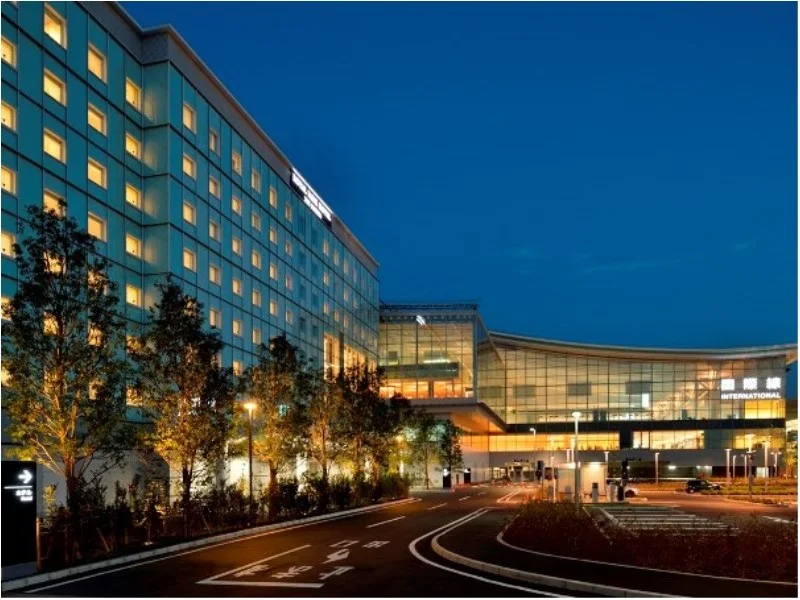
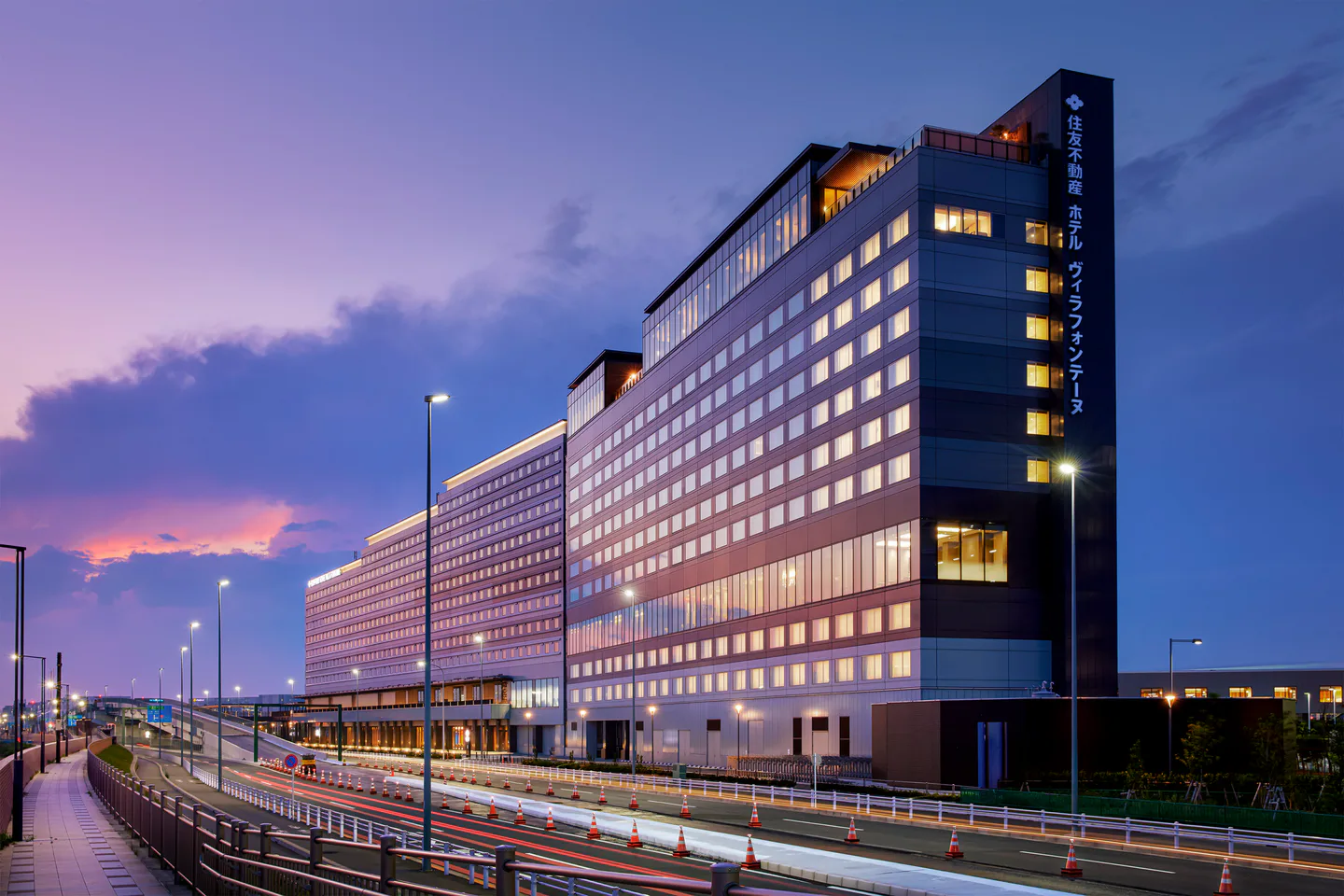
Villa Fontaine Grand Haneda Airport also connects directly to Terminal 3, through Haneda Airport Garden. It offers a larger cluster of shopping, restaurants and hot-spring facilities. That broader environment can be useful when the party has time to eat, use the baths or buy necessities before the city move. Do not assume every facility is open at the hour your delayed flight arrives, or that access to a spa is included in every room rate. If arrival is deep into the night, the decisive property feature may still be the route to the bed. The hotel facilities and room list let you check what the specific booking includes.
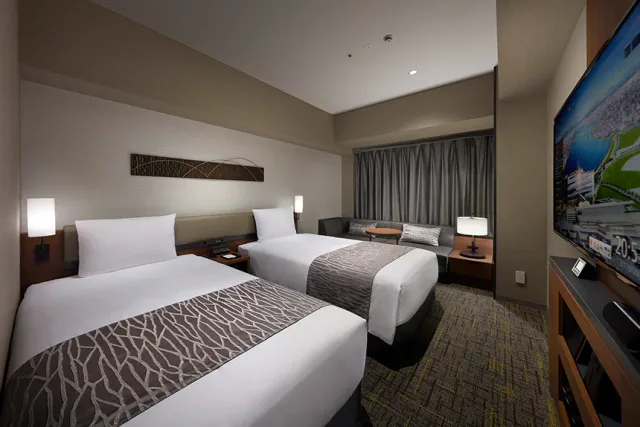
The rooms are not interchangeable just because both hotels touch the airport. The pictured Villa Fontaine Grand twin has two separate beds and a sofa. The pictured Royal Park room is larger and has several beds and seating, but neither image proves the dimensions or occupancy of the particular room you will be offered. Select by the bookable room name, party size and total price. The two-hotel comparison handles the detailed room and facility choice once you have decided to stay at Haneda.
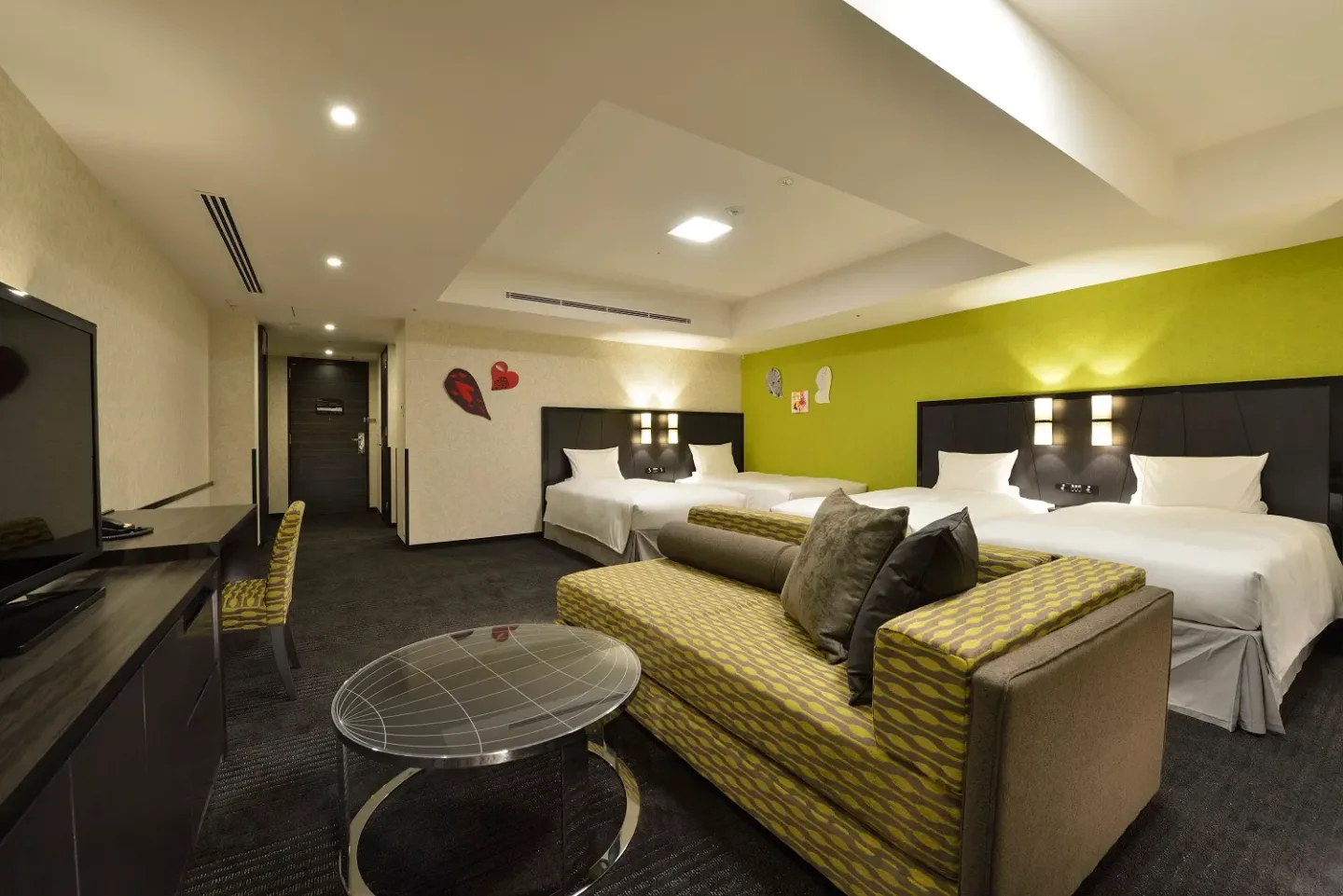
For a family, count the number of movements from customs to the assigned room, then repeat for the next morning's city trip. An older child with a wheeled case may handle a bus and short walk; a stroller and a sleeping toddler can make the same transfer much heavier. Neither “airport hotel” nor “Tokyo hotel” wins for all families. The Terminal 3 hotel comparison can be read after the group decides that remaining at the airport is the right first-night shape.
Pick the booking that still works if arrival slips
Before booking, record the first-night chain on one line: expected touchdown, a realistic arrivals-hall exit range, last useful train or bus, final stop, hotel-door walk and latest accepted check-in. Then write the fallback if the flight is late: airport room, another bus, taxi or a permitted Terminal 3 wait. Make the decision using the late end of the exit range rather than its most optimistic minute. A schedule that survives one delay is more useful than one that wins a few minutes only when everything runs perfectly.
The same test applies at other Japanese arrivals. New Chitose's airport-versus-city choice, Naha's late check-in pattern and Fukuoka's first-night location each hinge on their own service endpoints. Do not carry Haneda's 00:08 threshold to another airport.
Compare Terminal 3 and nearby Haneda rooms with your flight's actual arrival night, guest count and expected baggage. If the bus or train deposits you very close to a Tokyo hotel used for several nights, the city can be the cleaner complete journey. If the city route asks for another vehicle or a long final walk after midnight, a connected Haneda room protects sleep and keeps the next morning's transport decision straightforward.
Related first-night decisions
Stay Near Tokyo Disney or in Tokyo? · 10 Days in Japan: Tokyo, Kyoto and Osaka Without Turning the Trip Into a Transfer Marathon · Tokyo Honeymoon Hotels: Don’t Pay for the View Until You Pick the Night You’ll Stay In · Where to Stay in Osaka for a Guys Trip: Beds, Two Bathrooms and the Late Ride Home Matter More Than Price Per Head · Hiroshima Miyajima 2-Day Autumn Itinerary: Stay in Hiroshima or on the Island? · The Orion Hotel Motobu vs Ala Mahaina: Which Churaumi Stay Fits? · teamLab Planets Tokyo Review: Is the Barefoot Water Experience Worth It? · 100% Doraemon & FRIENDS Tokyo 2026: The Shop Needs a Ticket, the Themed Cafe Does Not