
Yokohama is a good place to sleep for two nights when you want the harbour after dark, another Kanagawa outing, or both. If your plans remain mostly in Tokyo, a Shinagawa room usually saves you a hotel change while leaving Yokohama easy to visit by train. Within Yokohama, the choice is more personal: Yokohama Station gives you a flexible railway base, while Minato Mirai puts the waterfront at your door. Work backwards from where you will spend the two evenings and where you must be on the third morning.
A two-night itinerary is too short to treat hotel moves as free. Every checkout means packing, deciding what to do with bags and waiting for the next room. Staying in one place is usually more useful than finding the theoretically shortest train ride for each separate day. There is one good reason to move: the second night is genuinely the beginning of a longer Tokyo stay, or it protects an unusually early departure that would otherwise feel awkward.
The rail distances are modest. Yokohama is about 25 minutes from Tokyo Station and around 16 minutes from Shinagawa on suitable direct services. Shin-Yokohama serves the Tokaido Shinkansen and is roughly 11 minutes from Yokohama Station; it is a separate station, so include that transfer if you are leaving from a Yokohama hotel. Haneda has Keikyu connections to both Yokohama and Shinagawa. These are train portions of the journey; a hotel entrance, lift, platform and luggage can change which choice feels easier.
Pick the base that protects the hours you care about
↔ Scroll table left or right
Your two-night plan | Sleep in | What becomes easier | Trade-off |
Harbour evening, then Kamakura or Enoshima | Yokohama Station | Leave bags in one room and head south the next day | The waterfront is a local ride away |
Unhurried harbour night and morning | Minato Mirai | Walk out for the evening, then return without a train | Less direct for onward rail connections |
Tokyo sightseeing with one Yokohama outing | Shinagawa | One Tokyo room and a simple departure towards Haneda or the Shinkansen | The harbour night requires a return train |
Early Haneda departure | Shinagawa or Yokohama Station | Both connect by Keikyu; compare your actual hotel-to-terminal route | A short rail time can hide a long station walk |
Tokaido Shinkansen on Day 3 | Shinagawa for an early train; Yokohama for a relaxed one | Choose whether to board at Shinagawa or transfer to Shin-Yokohama | Moving hotels may cost more time than the transfer |
The first question is what you will do after dinner
Suppose you arrive in Yokohama late afternoon, walk from the Red Brick Warehouse towards the harbour and eat in Chinatown. A room in Minato Mirai or around Yokohama Station lets the evening run without a last train back to a Tokyo hotel. If the same sightseeing ends before dinner and the next day starts in Tokyo, that extra hotel location buys little. The itinerary, rather than the city name on the reservation, should settle the choice. If the following day includes the Cup Noodles Museum workshop, secure its slot before letting a hotel location determine the daytime order.
The overnight gain is time at the edges of the day. The waterfront feels different once day visitors have left, and a morning before shops open can be calmer than the middle of the afternoon. This is a reason to stay nearby only if your schedule actually leaves those hours free. A harbour-view room has much less value when you arrive after dark, leave at dawn and spend the intervening day elsewhere.
Keep the two evenings on one line before booking. If both end in Tokyo, sleep there. If both end in Yokohama, changing city for a marginally shorter airport ride is hard to justify. If one evening is in each city, the third-morning departure and the weight of your luggage become the deciding details. This simple check is more reliable than ranking hotel districts without knowing your route.
Yokohama Station works for a trip that branches out
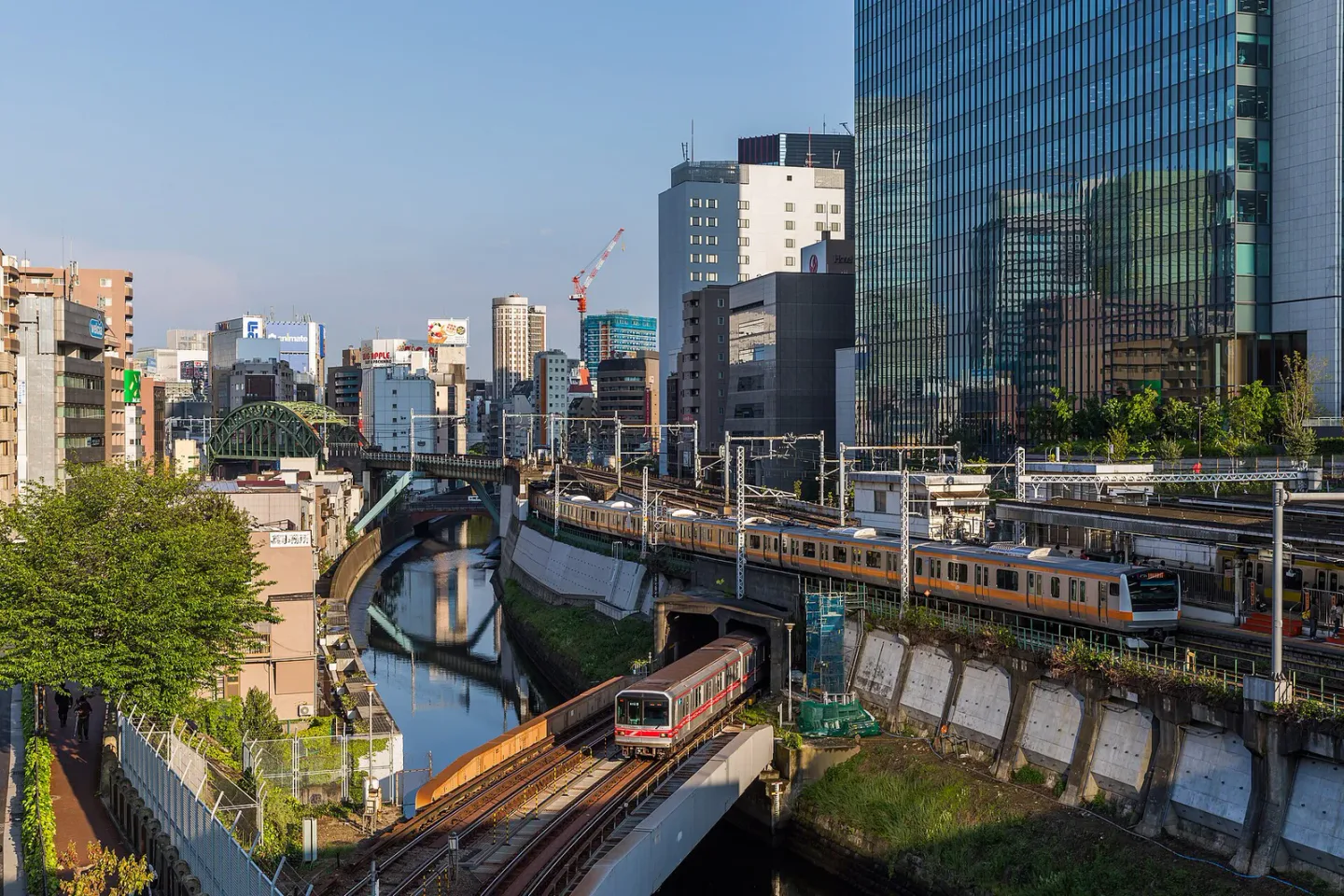
A hotel close to Yokohama Station gives you several directions without repeatedly crossing the city. The rail hub connects the Tokyo side, Haneda via Keikyu, Kamakura and the Shonan coast, while local services take you to the waterfront. That makes it a practical choice when one day is Yokohama and the next is Kamakura or Enoshima. Check the exact station exit and hotel entrance: a property advertised as 'near Yokohama Station' can still involve a long underground walk.
This base is particularly useful with suitcases. Leave them in the room for both sightseeing days and travel onward only once. A second hotel near the harbour may shorten one evening walk but add a checkout, a bag stop and a new check-in on the day you hoped to explore. If your third day is another Kanagawa stop, staying by Yokohama Station keeps those bags off the leisure route as long as possible.
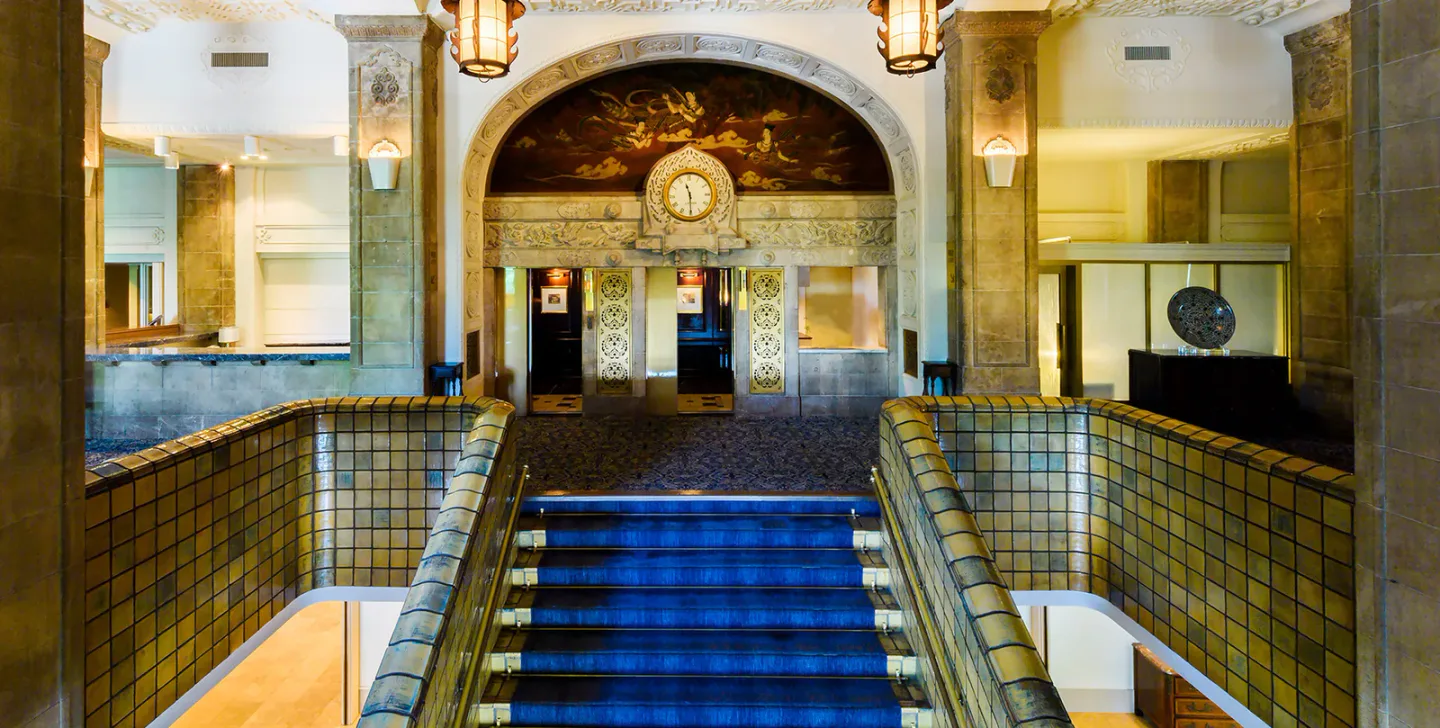
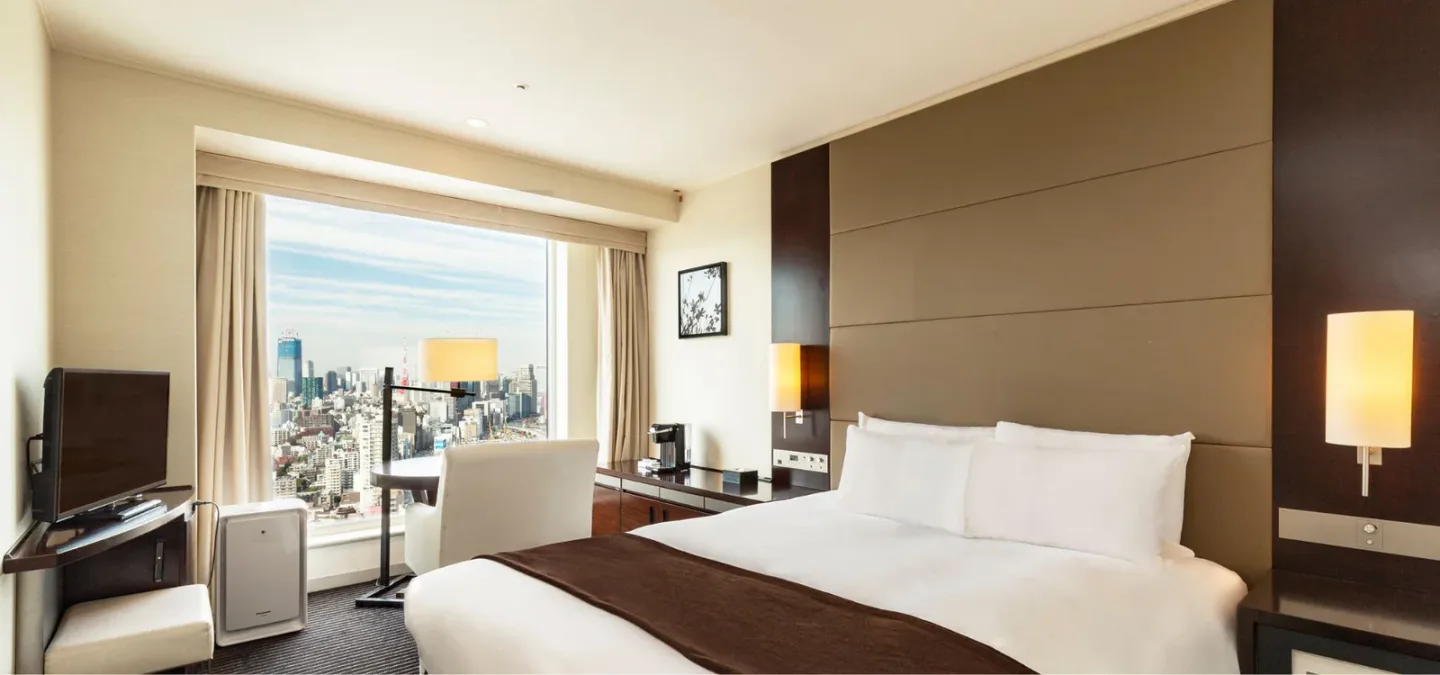
You trade away the immediacy of sleeping beside the water. Yokohama Station has plenty of places to eat and useful late shopping, but the skyline is a local journey away. For travellers who expect to spend the evening photographing the harbour or returning to the room between outings, that extra ride can matter more than the station's broad connections. Pay for this location when its connections will be used, not because it sounds like the neutral answer.
Minato Mirai is an evening choice as much as a hotel choice
Minato Mirai earns its premium when the waterfront shapes both ends of the stay. You can make an unhurried loop around the harbour, return to the room if rain arrives, and step out again after dinner. The Red Brick Warehouse and nearby waterfront are then part of an ordinary evening rather than a timed excursion. If you are planning one short daytime visit, a Tokyo or Yokohama Station hotel can give you the same sights without paying for the address overnight.
For a family, a nearby room can make a mid-afternoon break possible without abandoning the harbour plan. For a couple or a photographer, the point may be having the freedom to wait for the light rather than calculating a train back. These advantages depend on the precise hotel. A room several blocks inland and a room facing the water may appear in the same district search, yet create very different stays. Families planning the Anpanman Children's Museum can use a local room for an actual afternoon break rather than bringing a tired child back across Tokyo.
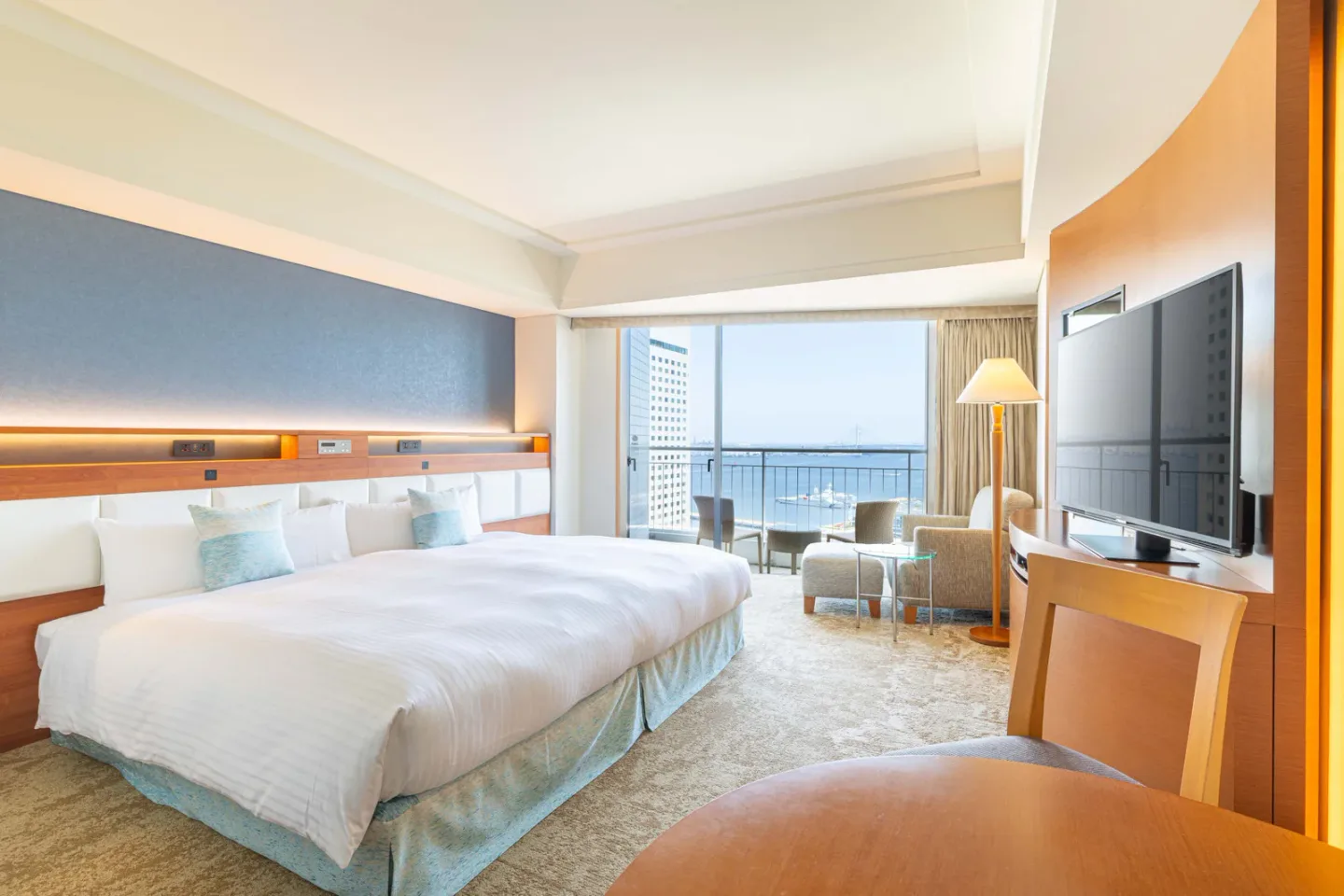
Inspect the room category before paying a view supplement. A hotel's neighbourhood does not guarantee a bay-facing window, and the cheapest category may look towards another building. Compare the exact room area, bed setup, view description and cancellation terms on the dates you need. If you will mostly be outside, reserve the location and keep the room simple; if the room itself is part of the evening, pay only for the category that supplies it.
Shinagawa fits a Tokyo trip with a Yokohama detour
If Tokyo supplies most meals and sightseeing, Shinagawa lets Yokohama remain a day or evening trip without moving luggage. Its transport case becomes stronger when Day 3 starts on the Tokaido Shinkansen or at Haneda. This is a straightforward base for a traveller who values an easy departure over the last hour on Yokohama's waterfront. It will feel less satisfying if the harbour was meant to be the centre of both nights.
Yokohama is still workable for a Shinkansen trip; you simply need to reach Shin-Yokohama before boarding. For a relaxed midday departure, that extra local leg may be a small price for two Yokohama evenings. For a very early train, especially with several bags, boarding at Shinagawa can remove the least enjoyable part of the morning. Look at the actual departure station on your ticket rather than assuming every Tokyo-area Shinkansen stop is interchangeable.
A hotel move to Shinagawa on the second night needs to save more than a few minutes. If Day 2 already ends in Tokyo, the move may fit naturally. If you would have to leave a Yokohama dinner early, carry bags across the city and check in late, keep the Yokohama room and take the morning train instead. The value lies in the whole evening-to-platform route, not one timetable number.
Haneda matters, but the station walk matters too
Keikyu's planning times from Haneda are roughly 14 minutes to Shinagawa and 28 minutes to Yokohama on suitable services. Shinagawa is closer on the rail map, yet the useful comparison starts at each hotel door and ends at the correct airport terminal. A direct train from a station beside your hotel may feel easier than a nominally faster rail ride preceded by a long walk or another local transfer. For a morning flight, check the first service that reaches your terminal with enough margin, not an average journey time.
A late arrival deserves its own decision. If immigration and bags push you towards the end of the evening, a first-night airport hotel can be sensible even when the next two nights belong in Yokohama. You can then start the main stay without forcing a tired transfer. For that separate calculation, use our Haneda late-arrival guide; don't choose a less suitable two-night base to solve only the arrival night.
The same principle applies on departure: one airport journey should not dominate two full days. A Yokohama Station room a short walk from Keikyu may be the calmer choice if your plans remain in Kanagawa. If the final evening is in Tokyo and the flight is early, Shinagawa pulls ahead. Write down the hotel-to-platform walk and your terminal before assuming the city-wide travel-time estimate answers the question.
A Kamakura day points the map south
Kamakura changes the balance because it pairs naturally with Yokohama. JR trains link the two, so you can keep one room, leave large bags behind and give the day to temples, shopping streets or the coast. Enoshima adds another local leg, making a reasonably placed base more useful than an ambitious series of hotel moves. From Shinagawa, the outing remains possible, but you are starting farther from the area you chose to explore.
When your plan is a Yokohama evening followed by Kamakura or Enoshima, first compare Yokohama Station with a Shonan base. The Kamakura versus Fujisawa guide is useful if the coast is the main event. If Yokohama still owns one evening and a departure connection, keeping the hotel in Yokohama usually avoids carrying bags through the sightseeing day.
Give a Kamakura overnight its own purpose before adding it. A sunrise walk, a very late local dinner or a second coastal day could justify it. A single afternoon there rarely does. On a short stay, each added hotel creates a checkout morning, and that can displace the quiet hours the move was meant to buy. Staying put is an active itinerary choice, not a failure to optimise every leg.
When a one-night move earns its trouble
A split stay interrupts the middle of the trip. You may have to leave the first room before the next one is ready, decide where bags go and repeat check-in at the end of a sightseeing day. Even if the train ride is short, those steps compete with the limited daylight and energy of a two-night visit. The move needs to unlock an evening or departure that the original base handles poorly.
One sensible pattern is a harbour-focused first night followed by the beginning of a longer Tokyo stay. Another is Minato Mirai on Night 1, then Shinagawa on Night 2 before an unusually early train or flight. Both have a clear change in the trip's direction. Moving from one Yokohama district to another solely for a better station distance seldom clears the same bar; you gain a few minutes and lose a settled room.
Before booking two properties, price and time the stay as a single booking in each candidate area. Add luggage storage, the journey between hotels and the possibility of a late second check-in. A cheaper one-night rate can be expensive once that middle-day friction is counted. If one hotel supports both nights well enough, use the saved time for Yokohama itself.
Let luggage shape the last leg, not every hour
A backpack makes local transfers minor. Two full-sized suitcases make stairs, crowded platforms and station exits part of the day. That distinction matters more than a small difference between headline rail times. Map the route from the hotel's actual entrance to the correct platform, including any transfer at Shin-Yokohama or on the way to Haneda.
For a Kyoto or Osaka departure, Shinagawa may spare you a baggage-bearing change. For Kamakura or another Kanagawa day, Yokohama Station keeps the cases in the room until you leave. If bags are the only reason to abandon the location you want, luggage forwarding may be a better fix. Confirm delivery timing with the carrier and hotel before sending anything needed the following morning.
Two schedules that make sense
Yokohama-led: arrive and check in near Yokohama Station or Minato Mirai. Keep the first evening free for the waterfront. Spend the full second day in Yokohama or head towards Kamakura and Enoshima with only a day bag. Leave from the same hotel on Day 3. Choose the station area if that second day or onward train is demanding; choose the waterfront when evening time is the reason you came.
Tokyo-led: keep one Shinagawa room, visit Yokohama without luggage and return after dinner if you want to see the lights. The third morning can then begin on the Shinkansen or a Keikyu service towards Haneda. This works best when Tokyo remains the centre of the trip and the Yokohama visit fits comfortably within a single day.
Waterfront-led: book Minato Mirai only after protecting at least one evening and part of a morning there. A slow breakfast, harbour walk and flexible return to the room can justify the address. If every block is committed to central Tokyo, a view is likely to become something you see through the window for a few minutes before bed.
What to check before paying for the room
For two Yokohama-focused nights, start with Yokohama Station if the route branches towards Kamakura, Haneda or the next train. Move the shortlist to Minato Mirai when the harbour evening and morning are central to the stay. Keep Shinagawa as the base when Tokyo dominates and the third morning has an early long-distance departure. Before paying, verify the precise room category, station exit, luggage path and cancellation rule. Those details can change the answer more than the district label alone.
Price Yokohama Station rooms for branching rail days, Minato Mirai rooms for a protected harbour evening, and Shinagawa rooms if Tokyo and an early onward train dominate. Use identical dates and occupancy before comparing the totals.