
Before paying for a Tokyo honeymoon hotel with a view, mark the evening you will actually spend there. A skyline room has little time to earn its price when dinner ends at 22:00 and the next morning starts early. On the night reserved for a slow dinner, a bath and time by the window, the same upgrade can become part of the trip. The room matters most when its best feature has a place in the schedule.
For a five-night stay, I would first choose a base that handles the repeated journeys, then decide whether one night deserves a different room or hotel. A Tokyo Station versus Shinjuku decision can save more energy than a marginally grander room. If Narita, Ueno and eastern Tokyo dominate the route, Ueno versus Shinjuku deserves the same attention.
Pick the evening before the hotel
| The night you are planning | Start with | Check before paying more |
|---|---|---|
| An evening deliberately spent in the room | Hotel Century Southern Tower | Room size and view direction, not merely floor number. |
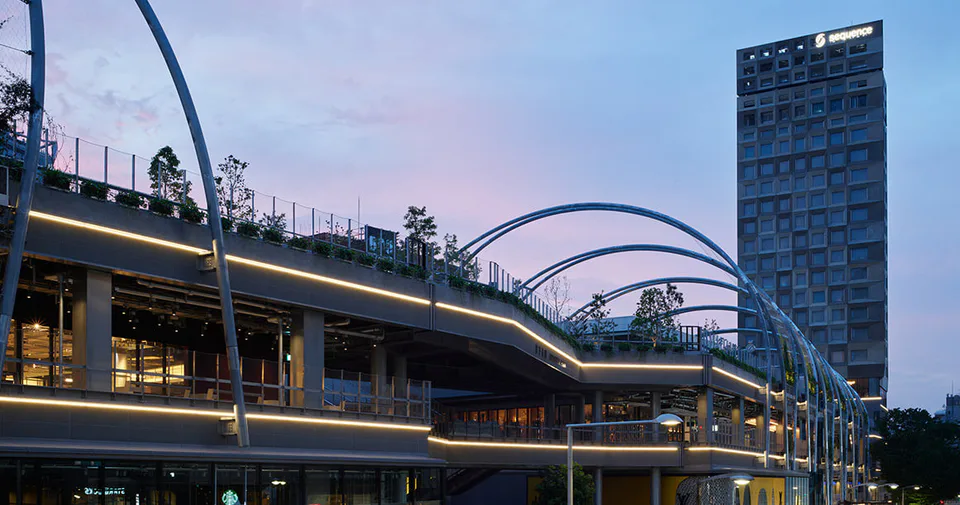
| Late dinner and a slow next morning in Shibuya | sequence MIYASHITA PARK | 17:00 check-in and 14:00 checkout must fit the arrival day. |
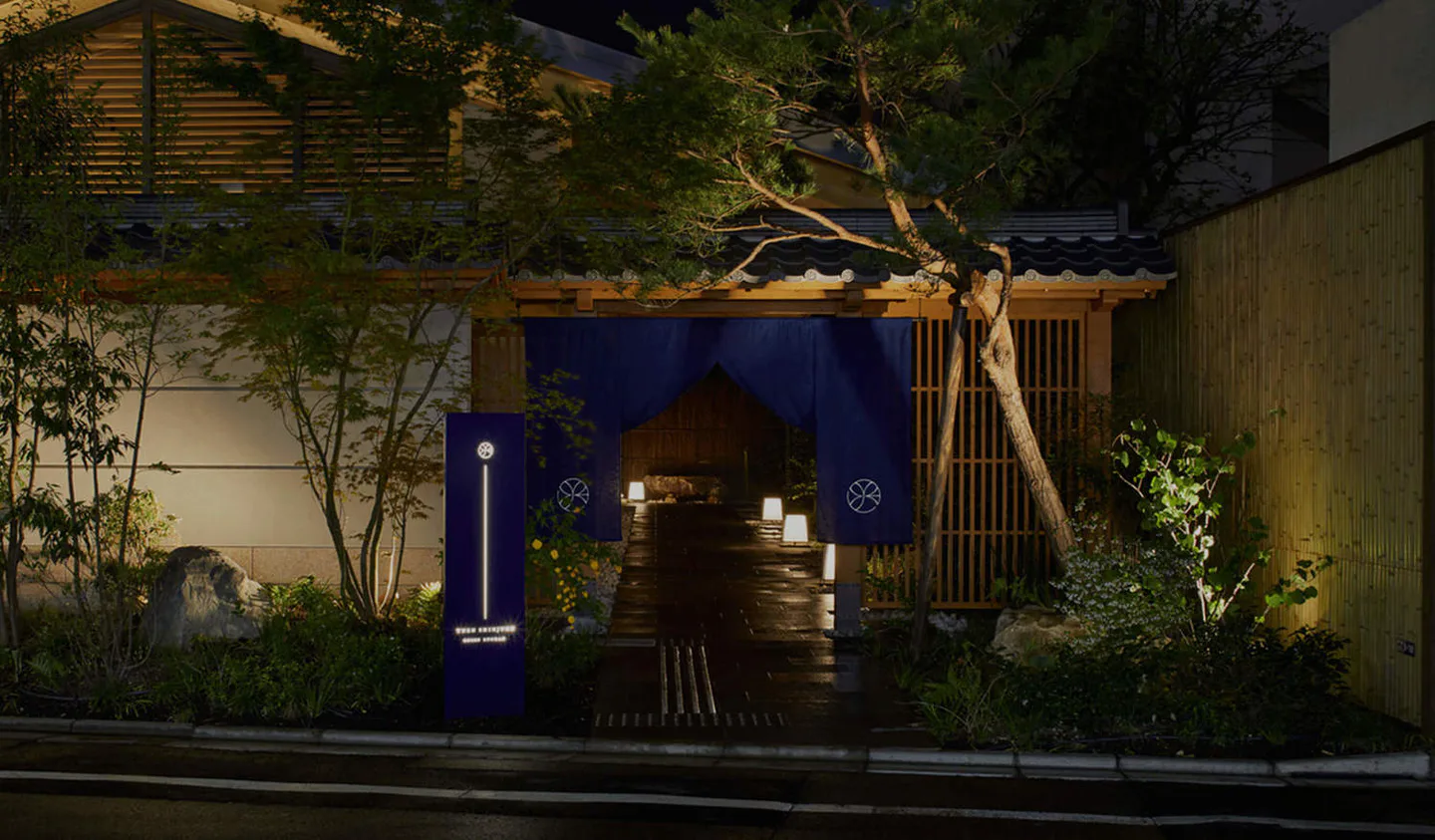
| A soak and early return | ONSEN RYOKAN YUEN SHINJUKU | Leave time for the onsen and accept the final walk. |
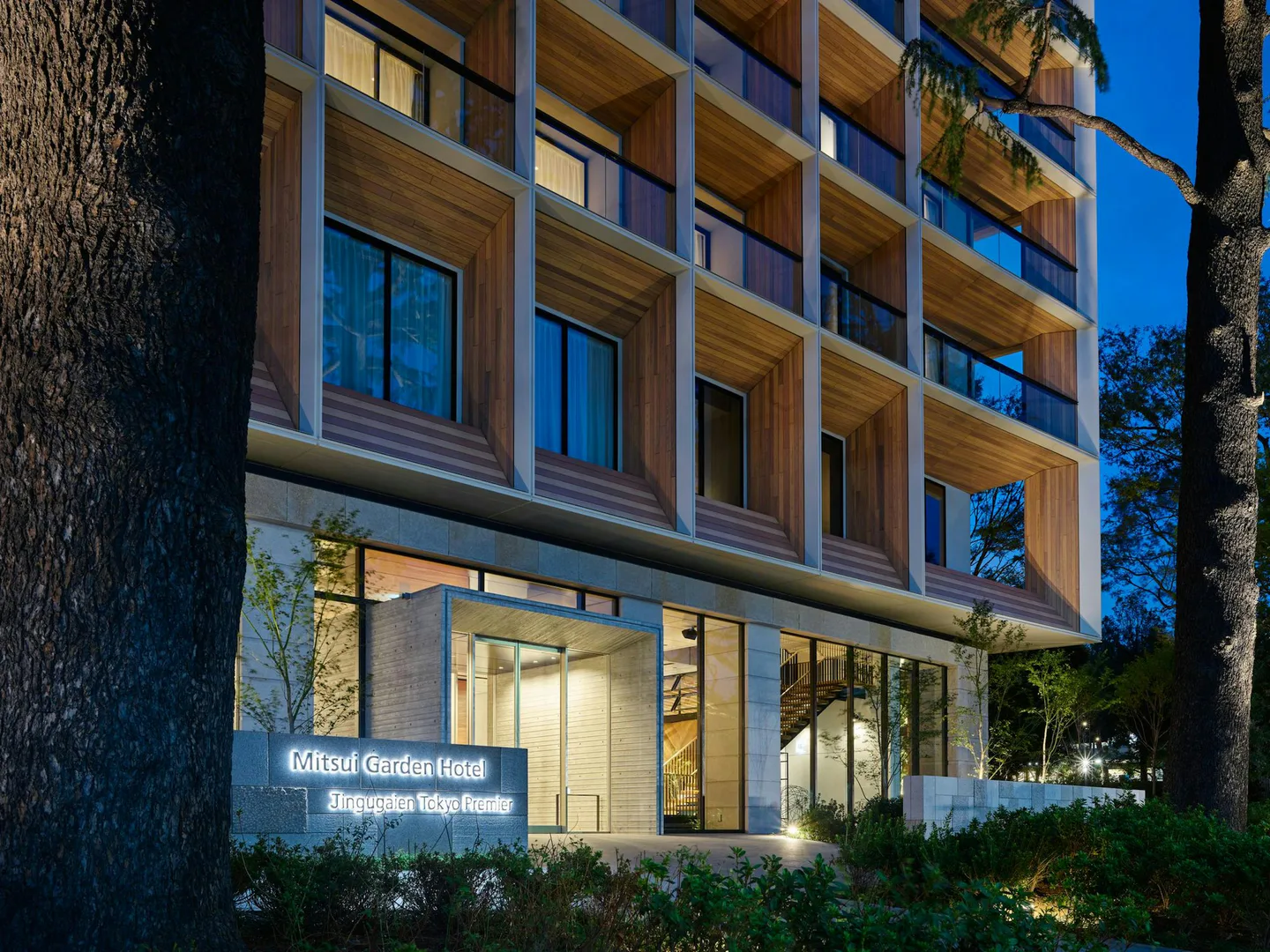
| Balcony, public bath and a quieter return | Mitsui Garden Hotel Jingugaien Tokyo Premier | National Stadium access instead of a central Shinjuku address. |
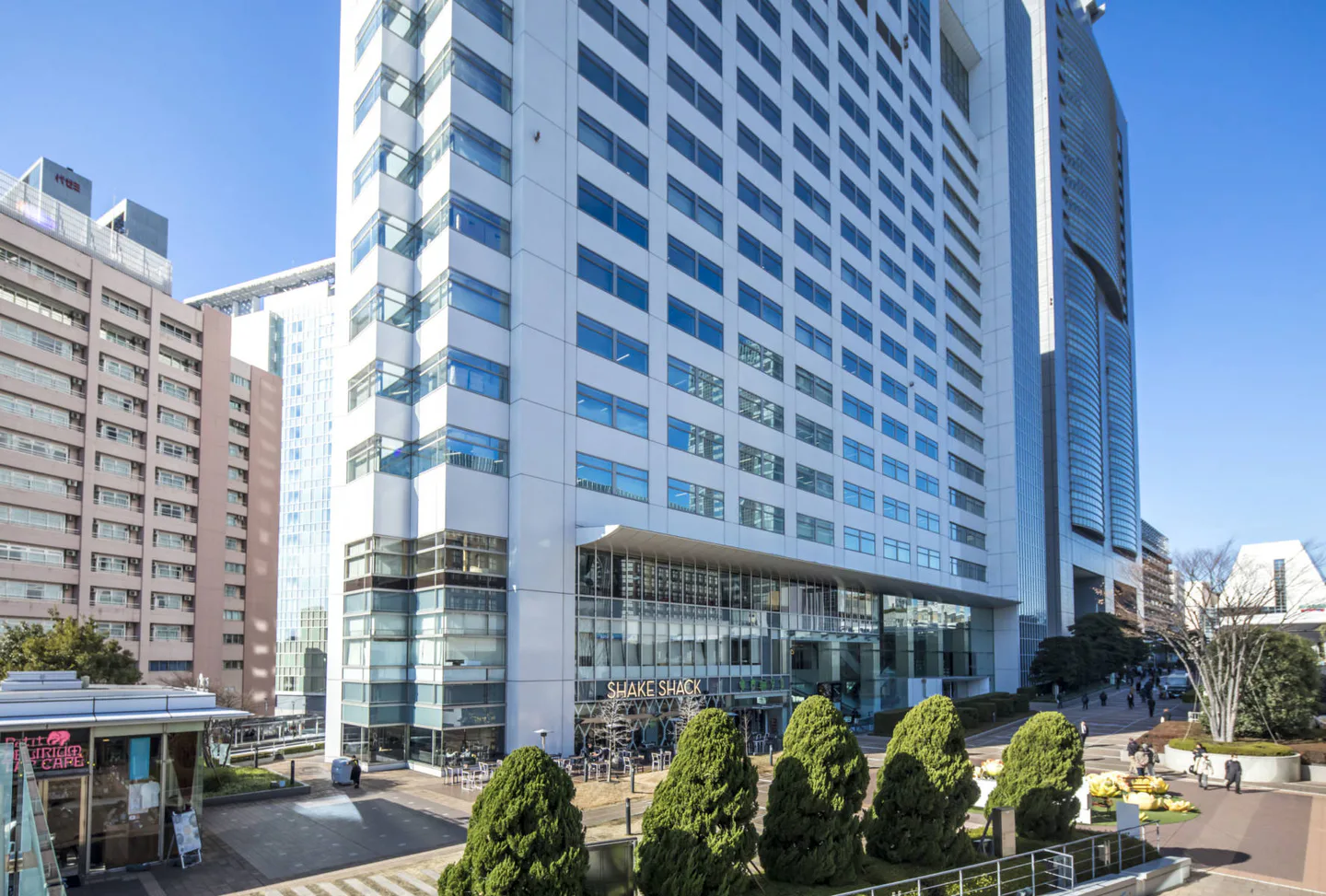
| Full sightseeing days with luggage | JR Kyushu Hotel Blossom Shinjuku | Convenient South Exit access may be more useful than an unused hotel feature. |
Picture the first night after a full Tokyo day: two shopping bags, wet shoes after rain, one person in the shower and the other checking the morning route. The skyline may get ten minutes. If the itinerary repeatedly ends this way, a view premium on every night has a weak case. The point is not to avoid a special hotel; it is to protect enough time to enjoy what makes it special. A five-to-seven-night Tokyo base also needs to work on the ordinary days, when laundry, bags and transfers take priority.
This matters even more when a long Mount Fuji day trip, Disney visit or intercity train is on the calendar. Two early mornings in a row leave little room for a leisurely hotel breakfast or bath. Use the itinerary to identify the one evening with a deliberately light finish, then price an upgrade for that date.
Century Southern Tower: buy the facing, space and time together
Hotel Century Southern Tower places guest rooms on floors 22–35. That already makes “high floor” a poor standalone reason to keep upgrading. The 26 m² King or Twin is a more useful starting point for two people who want to open luggage, sit with a drink and stay in the room for a while. The 31 m² and 34 m² choices need a clearer reason: a longer evening in, more room to spread out or a specific view direction.
The outlook varies by category. Some rooms face toward Shinjuku Gyoen and the Tokyo Tower or Tokyo Skytree side; others face Yoyogi Park or the West Shinjuku skyline. Booking a floor number without checking the facing can miss the night view you pictured. The Century Southern Tower room guide separates the 26, 31 and 34 m² choices and is the better place for the detailed room comparison.
The South Exit location has a less photographic advantage. JR Shinjuku's South Exit is about three minutes away, and Busta Shinjuku is nearby; the hotel also has an airport limousine-bus stop. For a couple with two cases, that can remove a station-crossing problem on departure day. If the final morning is already packed, choosing easier luggage movement may improve the day more than an additional view upgrade. Check the actual arrival or departure route with the airport-to-Tokyo transfer comparison.
If this is the one room-centred night, compare the 26 m² and larger categories for the same date and cancellation terms. If every evening ends outside, buy the more useful South Exit location without assuming that the largest room is necessary.
sequence MIYASHITA PARK: a Shibuya night and a late morning
sequence MIYASHITA PARK runs on a different clock: check-in begins at 17:00 and checkout is until 14:00. That can suit a couple who want a Shibuya dinner, return late and sleep without a rushed morning. It can frustrate travellers who arrive at noon and want to shower and change before an anniversary booking. The hotel can store luggage before check-in or after checkout on the same day, but storage is not room access.
Shibuya Station Exit B1 is roughly three minutes away and JR Hachiko Exit roughly seven. After MIYASHITA PARK closes between 23:00 and 08:00, the entrance changes to the hotel elevator at the north end near Jingu 6. Know that route before a late return. The sequence timing guide goes deeper into the late check-in, late checkout and entry path.
Room sizes range from the 23.7 m² Twin to the 37.3 m² King and 45.7 m² Junior Suite. A larger room can be satisfying if checkout day is intentionally slow; it does less for a pair who spend every night out and leave at breakfast. The 14:00 checkout is a schedule benefit even without a suite. Price that feature against what the two of you will actually do after waking, not against the idea that a honeymoon must have the biggest room.
YUEN Shinjuku: keep an evening for the bath
ONSEN RYOKAN YUEN SHINJUKU works when the hotel itself is an evening stop. The open-air bath uses hot-spring water brought from the Hakone area; the indoor bath is separate from that hot-spring water. Through 31 October 2026, the evening session runs 15:00–02:00, last entry 01:45. From 1 November it changes to 15:00–00:30, last entry 00:00. The morning session remains 06:00–10:00, with last entry moving from 09:45 to 09:30. A late dinner plan should be checked against the version of these hours that applies to your stay.
The attraction weakens if you get back from Disney or a late show with only enough time for sleep. It becomes a real hotel night if you return around 20:00 or 21:00, soak, have the evening ice pop and leave the next morning gentle. That is a planned use, not a promise that every couple will experience the hotel the same way. Read the YUEN Shinjuku hotel decision before choosing its room.
The walk is part of the price. The hotel is around five minutes from Shinjuku-sanchome Exit C7 after reaching that exit, but about 16 minutes from JR Shinjuku East Exit. If your days repeatedly start or end at the JR platforms with shopping bags, do not treat it like a station hotel. A night devoted to the bath can justify that movement; five dense sightseeing days may not.
Mitsui Garden Jingugaien: the quiet side has a route of its own
Mitsui Garden Hotel Jingugaien Tokyo Premier offers private balconies and a guest public bath. Bath hours are 15:00–25:00 and 06:00–09:00. The hotel is near National Stadium Station, with JR Sendagaya and Shinanomachi also walkable. That combination supports a slower morning and a quieter return than a room embedded in Shinjuku's late-night streets. The Jingugaien location guide explains the station and room choices.
The balcony only has value if you leave time for it, and the public bath only helps if its hours fit the day. If every evening revolves around Shinjuku East Exit, Shibuya or Omotesando, the extra transfer back to National Stadium can become repetitive. The location can still be the right choice for a couple who wants that change of pace; it should be chosen deliberately. A generic “Shinjuku hotel” search can obscure how different the final return is.
Blossom Shinjuku: a practical honeymoon can still feel like a break
JR Kyushu Hotel Blossom Shinjuku is about three minutes from JR Shinjuku South Exit and the expressway bus terminal. Its 25 m² Superior Twin has a table and sofa, giving two people a workable room when the main plan is restaurants, shopping and day trips. The much rarer 38 m² Premium Twin on floors 15 and 16 has a view bath; that is a specific upgrade, not a feature of every room. The Blossom Shinjuku room guide looks at two cases and the 25 m² layout.
If the couple expects a late return every night, removing the last awkward transfer can do more for the mood than a balcony they barely see. If there is a reserved bath-and-view evening, compare the Premium Twin's actual availability and total price. For nightlife-heavy Shinjuku plans, Gracery versus Blossom tests the east-side and South Exit trade-off. A stay that is practical most nights does not make the trip less of a honeymoon.
One upgrade night or one hotel move?
A five-night Tokyo trip does not need five premium-rate nights. An upgrade at the same hotel can keep luggage and check-in simple. A split stay can make sense when it also improves the next day's geography: for example, an onsen-focused night followed by a new base closer to a departing train. Moving simply to collect another hotel photograph adds checkout, bag storage, a gap before the next room opens and another check-in. If rain or illness changes the day, that gap becomes more costly.
For the five nights, write down what each evening already contains. Two may end in restaurants or shopping districts. One could be the actual hotel night. Another may follow Disney or a long day trip and end with immediate sleep. The final night may need the simplest airport or train route. This exercise often reveals that only one room upgrade has a clear job. If the hotel changes as well, the Tokyo split-stay guide can test whether the new base helps the next day rather than merely changing the bed.
Shopping can also change the preferred side of the city. A couple who plans evenings around Shibuya and Shinjuku will use a nearby return more often than one who buys a room for a distant landmark view. The Tokyo shopping hotel comparison follows the trip back with bags; it is a better check for those days than a hotel ranking with no itinerary attached. If the special evening is a concert, compare the hotel by the route home after the show rather than by the room photograph alone.
| Budget use | What it buys | When I would skip it |
|---|---|---|
| Upgrade one night at the same property | A larger room or desired view without a hotel move | The facing is uncertain or the evening will be spent outside. |
| Move to a hotel for one planned experience | An onsen, Shibuya late checkout or quieter balcony night | The new location worsens the following day's route. |
| Keep one efficient base | Fewer luggage moves and repeatable station access | A real hotel-centred evening is a priority and fits the itinerary. |
| Spend the difference elsewhere | Dining, a show or an unscheduled half-day | Both travellers particularly want the room or bath experience. |
Two early starts, an unconfirmed view direction, a needless luggage move and a hotel feature that neither person is excited to use are four strong reasons to hold back. A side trip to Hakone or Kawaguchiko may also make it sensible to reserve the special hotel night there instead of in central Tokyo. If the couple returns to Tokyo late with luggage, luggage storage should be planned around the next pickup point, not simply the largest station.
| Hotel decision | Evidence to compare on your dates |
|---|---|
| Return route | The actual station exit and final walk after the evening activity. |
| Room usability | Published area, bed layout, luggage and places to sit. |
| View certainty | The booked room category's facing, not an unspecified high floor. |
| Bath or balcony time | Operating hours and an evening left free to use the feature. |
| Arrival and departure rhythm | Check-in, checkout and the gap between two hotel stays. |
| Food plan | Whether breakfast or a special dinner fits the following morning. |
| Whole-stay cost | Like-for-like room totals, cancellation terms and any cost of moving bags. |
These seven checks are more useful than assigning a single romance score. A view can be important to one couple and irrelevant to another. A station walk may feel fine after a quiet dinner but wear thin after five nights of heavy shopping. The evidence is the same; the schedule determines how much of it you use. Where a room's facing, inventory or cancellation rule cannot be confirmed for your dates, leave that item open rather than filling the gap with an assumed hotel quality grade.
Do not automatically turn the special night into a hotel change. Upgrading one night at a hotel where you already sleep avoids packing, carrying bags and waiting for a second check-in. If the one-night experience is YUEN or sequence, moving can still work when that location is where the evening takes place and the next morning remains useful there. The decision turns on both sides of the night. Count the trip into the hotel, the time inside it and the first trip out. A late checkout in Shibuya may be generous, but it is less useful if the next booking or departing train pulls you across Tokyo at 09:00. Similarly, a bath session that extends past midnight is not permission to ignore an early departure.
Compare the chosen hotel's exact room and night rather than a citywide “romantic hotel” label. Check Century Southern Tower rooms for the planned view night; sequence MIYASHITA PARK rooms for a Shibuya late checkout; or YUEN Shinjuku rooms for the bath night. Match dates, occupancy, breakfast and cancellation terms before comparing total cost. The Tokyo budget hotel comparison is useful if a cheaper rate introduces another daily transfer.
Room and operating details can be checked on the hotels' Century Southern Tower rooms, sequence timings, YUEN bath hours, Jingugaien bath details and Blossom room list. Rates and room inventory depend on stay date.