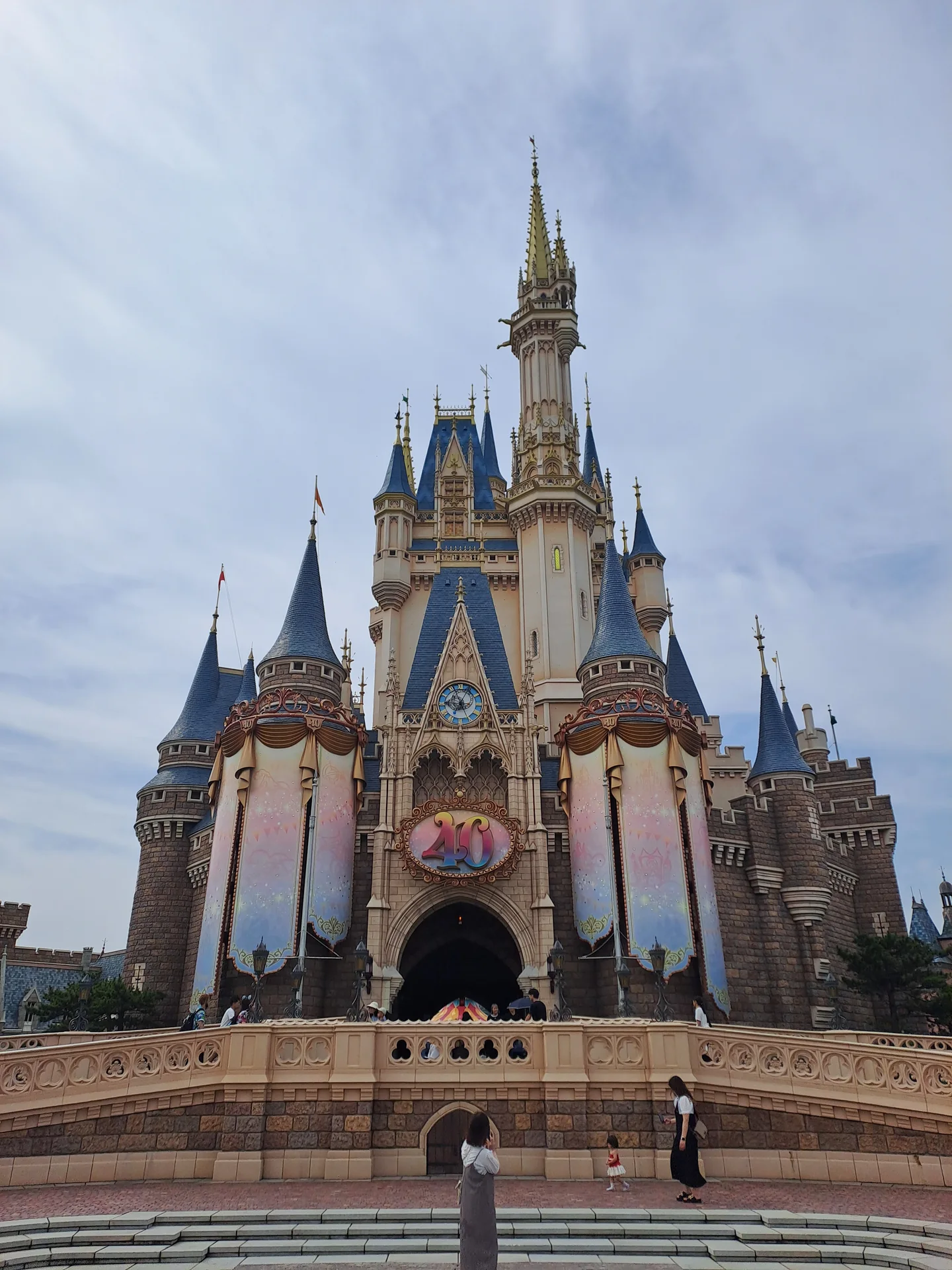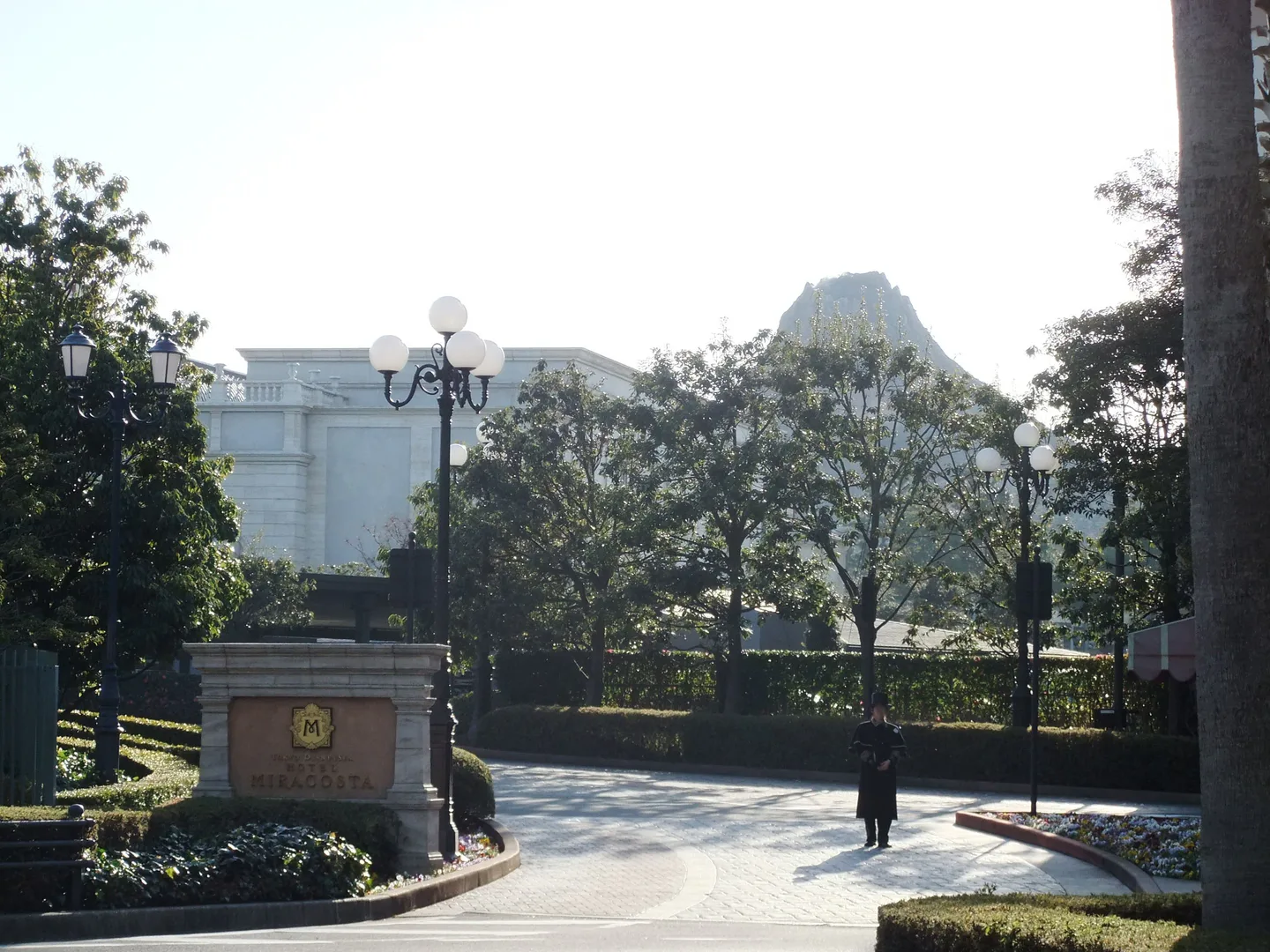
A Tokyo Disney Vacation Package can reach the sales page before the same travel month’s room-only Disney Hotel inventory. That timing is useful only when the package already contains things you intend to buy. If you mainly want a particular room, keep the hotel’s four-month release at 11:00 Japan time as the anchor of the plan. An earlier chance to pay for tickets and attraction access is not automatically an earlier chance to buy that room at a sensible total cost.
There are two booking clocks. Room-only reservations normally open on a fixed rolling date, four months before check-in. A Vacation Package goes on sale when its particular plans and travel period are announced. You can watch both, but set the room, park-day and price limits before either sale. This lets you use a package release when the bundle fits and still approach room-only as a separate attempt if it does not.
Which release matters for the trip you have planned?
| What you need | First booking clock to protect | Main exposure |
|---|---|---|
| A specific Disney Hotel room with park tickets bought separately | Room-only: 11:00 JST, four months before check-in | The chosen room category can disappear before checkout |
| A hotel, park admissions and package attraction benefits you would buy together | The announced Vacation Package release | More of the trip is charged and committed earlier |
| A high-demand room, but only at a limited package premium | Both clocks, with a written price ceiling | Scarcity can persuade you to exceed that ceiling |
| Unconfirmed flights, guest names or park sequence | Choose the more flexible acceptable product | A change can trigger cancellation costs across the whole package |
The product question comes before the release question. Compare the bundle with a room-only baseline using the Vacation Package versus hotel-only decision. Count only the park days and access products you would actually purchase. If the package loses that comparison at ordinary availability, its early launch does not repair the value gap.
Calculate the room-only date precisely
Disney Hotel room-only reservations generally begin at 11:00 a.m. Japan Standard Time on the same calendar date four months before arrival. A stay beginning December 20 therefore opens August 20 at 11:00 JST. If the earlier month has no matching date, the release moves to the first day of the following month at 11:00; an October 31 check-in is the example that opens July 1. One transaction can include up to five consecutive nights and three rooms, subject to availability.
Put the Japan-time release in your calendar before converting it to your own time zone. Japan does not change its clocks seasonally, but your home country may. A time conversion copied from another month can put you an hour late. Also list the room categories you can accept, including bed layout and party size. A traveller who starts comparing room names only after the queue opens is spending the most time-sensitive minutes on an unresolved lodging decision. The Disneyland Hotel versus Toy Story Hotel comparison is more useful before the sale than during it.
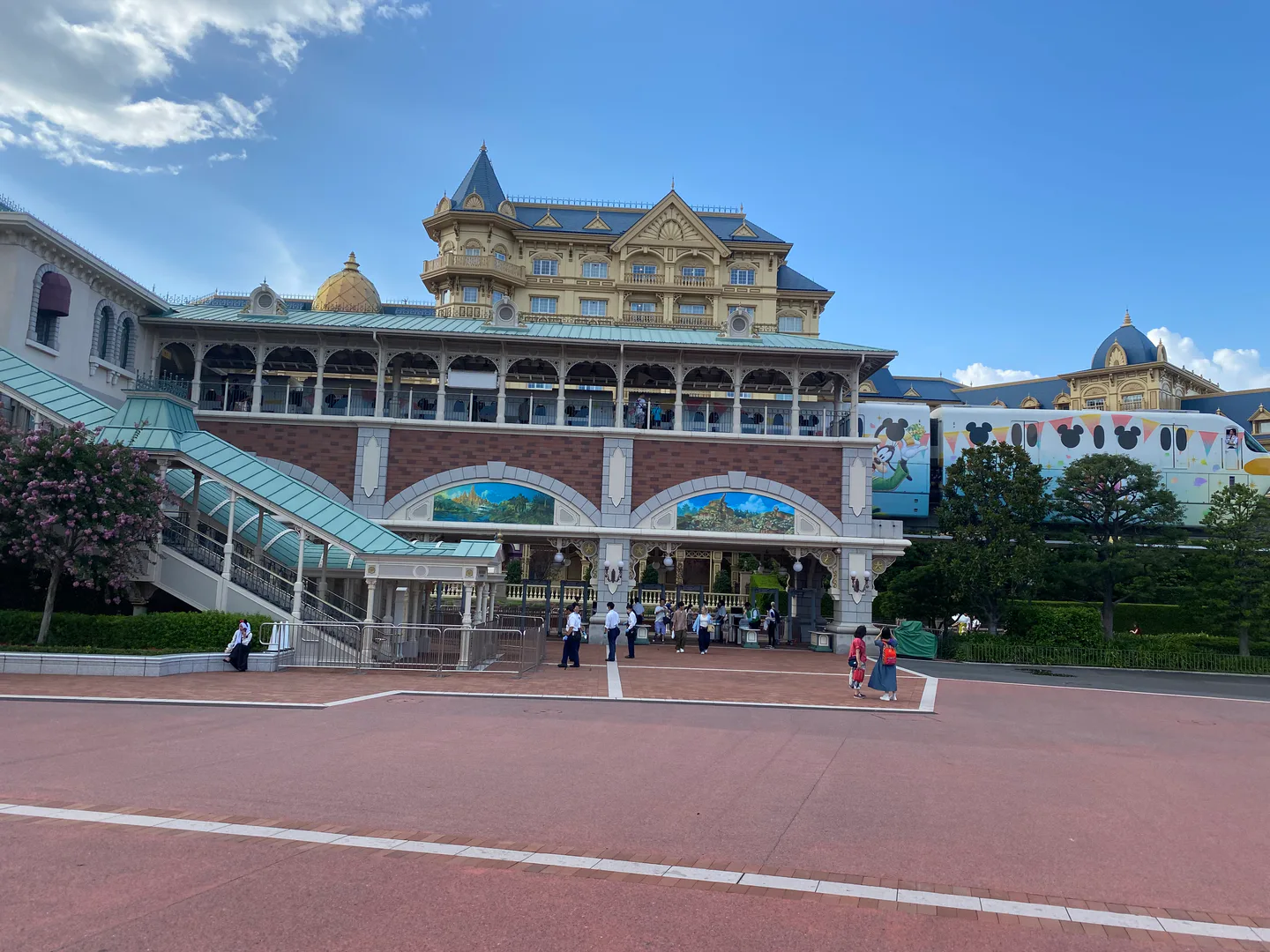
The room-only availability calendar describes room-only rates and inventory; package availability is a different search. A failed package search does not show that the room-only allocation is exhausted, and a room-only sellout does not prove every package plan is gone. Keep these as two independent opportunities. If the first attempt fails, use the second calendar rather than buying a worse room because its checkout page happens to be open.
Package dates come from plan announcements, not a fixed five-month rule
Recent releases illustrate the difference. The package sale often began roughly one month before the comparable room-only date, but the gap varied by travel month and plan. The October 2026 travel release opened May 19 at 15:00 JST; an October 20 room-only stay opened June 20 at 11:00, about 32 days later. November packages opened June 4, while a November 15 room opened July 15, about 41 days later. December 1–27 packages opened July 2, giving a December 10 room-only shopper about 39 days before the August 10 release.
| Stay period | Package release in 2026 | Example room-only opening | Approximate lead for that example |
|---|---|---|---|
| October 2026 | May 19, 15:00 JST | October 20 stay: June 20, 11:00 JST | 32 days |
| November 2026 | June 4, 15:00 JST | November 15 stay: July 15, 11:00 JST | 41 days |
| December 1–27, 2026 | July 2, 15:00 JST | December 10 stay: August 10, 11:00 JST | 39 days |
| January 4–31, 2027 | August 6, 15:00 JST | January 10 stay: September 10, 11:00 JST | 35 days |
| February 2027 | September 3, 15:00 JST | February 10 stay: October 10, 11:00 JST | 37 days |
| March 2027 | October 8, 15:00 JST | March 10 stay: November 10, 11:00 JST | 33 days |
Those differences are examples, not a booking formula. A package announcement can cover a whole month or only selected plans and dates; some plans have exclusions. Room-only stays open one check-in date at a time. Use the latest package release announcement for the plan and month you actually want. If a listing says a March plan has been extended, do not assume every March itinerary or room type was released at the same moment.
The first sale is useful only when the bundle earns its price
A package can include the hotel, park tickets and plan-specific attraction access or other benefits. For a family already intending two or three park days with several hard-to-secure attractions, paying for earlier certainty may be rational. For a traveller who wants one room and a single park ticket, the package may add more product than the trip needs. The attraction access comparison helps put a realistic value on the rides you would pay to reserve. A package premium should be compared with those purchases, not with a feeling that the resort is busy.
Make a baseline before packages go on sale: exact hotel and room, nights required, park dates, admission for the whole party, and only paid access you would otherwise buy. Then decide the maximum extra amount you will pay for the package’s convenience or certainty. If the first available package costs more, let the package go. The room-only release remains ahead. This is particularly important for MiraCosta and Fantasy Springs Hotel, where a scarce room can make an unrelated bundle feel attractive.
A package may also determine the order of park days. Check the plan’s first-day and second-day admissions against the park choice you actually want. If you are paying for two parks, the one-day versus two-day decision should already be settled. A three-day package may place its two park tickets on the first and second days or the second and third days; compare those sequences against arrival and departure times. A release date cannot make an unwanted second park day good value.
The earlier sale also brings the payment forward
Room-only hotel reservations require a deposit per room per stay at booking. The current amount is ¥30,000 for Luxury and Deluxe types, including Fantasy Springs Hotel’s relevant categories, MiraCosta, Disneyland Hotel and Ambassador Hotel. The Toy Story Hotel and Celebration Hotel deposit is ¥15,000 per room per stay. The remaining room charge is paid under the hotel’s settlement process. A two-room group should budget deposits for both rooms, even when the stay spans several nights.
A Vacation Package uses a different cash-flow pattern: the package cost is charged to a credit card when the reservation is made. The full package amount can be substantial for a family staying several nights, and it may be charged a month or more before the room-only alternative opens. Check available card limit, authentication method and foreign-currency handling before the package sale. A card problem on the package date can stop the whole purchase; on a room-only date the immediate charge is the deposit rather than the entire stay. The Vacation Package changes guide covers what happens if you later revise the plan.
Paying earlier is not automatically bad when the whole itinerary is firm. It matters when flights are still being compared, travellers may change, or a child’s school dates remain uncertain. In those circumstances you are taking on commitment before the room-only clock even starts. The booking date should reflect how much of the trip you can safely lock, not only which inventory page opens first.
Room and package cancellation risks are different sizes
For a current room-only Disney Hotel booking, cancellation fees begin 14 days before check-in. Deluxe and Luxury rooms carry ¥10,000 per room from 14 through eight days before, ¥20,000 from seven through two days before, and ¥30,000 from the day before through arrival or no-show. Toy Story Hotel and Celebration Hotel use ¥5,000, ¥10,000 and ¥15,000 for those bands. Room changes made for a traveller’s convenience can cancel the original reservation and incur the applicable fee, so do not treat a confirmed room as a free placeholder indefinitely.
The package percentage applies to the broader package cost. Current conditions charge 20% from the twentieth day counting back from the day before the start, 30% from the seventh day, 40% the day before, 50% on the start date and 100% after the package begins or for a no-show. Changing a start date or plan content can amount to cancelling the package rather than editing one hotel field. The exact policy on the product you purchase governs, but the comparison is already clear: a percentage of a multi-day family package can be larger than a room-only per-room fee.
| Decision risk | Room-only hotel booking | Vacation Package |
|---|---|---|
| Payment when reserved | ¥30,000 or ¥15,000 deposit per room per stay, depending on hotel type | Full package cost by credit card |
| Cancellation scale | Per-room fixed fee in the stated 14-day window | Percentage of the entire package from the stated 20-day window |
| Trip change | Date or room change can require cancelling the prior room | Start-date or plan change may cancel the wider bundle |
| Inventory check | Separate room-only calendar | Plan-specific package availability |
If the group size is uncertain, the risk is not just a potential fee. A replacement booking may no longer have the same room or package benefits. For two-room families, assign the people who will occupy each room before trying the release; the reservation process can require different guest names for each room. Decide whether the rooms must be the same category or whether two acceptable categories work. That hierarchy prevents the first successful room from becoming useless when the second one disappears.
Keep a second calendar and a room fallback
For a high-demand room, I would track the plan announcement and the four-month hotel clock. On the package release, purchase only if the selected hotel, park days, attraction benefits and total cost all pass the limits already set. If not, wait for room-only. Before that second release, order your acceptable options: exact room, alternative room in the same hotel, different Disney Hotel, and a resort-area hotel outside the Disney Hotel collection. A sold-out package channel provides information about that channel; it is not evidence that the next expensive listing is good value.
If a Disney Hotel becomes too costly or disappears, compare Disney Hotels with nearby hotel categories and a resort-area stay with a central Tokyo base. The walk or shuttle back after the park can matter more than a marketing label. For a family of four, use the room-occupancy comparison to avoid treating a nominally available room as a workable one. If you will change hotels during the trip, decide whether to move before or after the first park day with luggage timing in mind.
Have the account login, guest names, payment card and authentication device ready before the sale. Keep the exact room and plan names on one short list. Preparation should remove decisions from release minute, not encourage frantic refreshes. You should be able to reject an unsuitable room immediately, as well as complete an acceptable booking without opening a dozen comparison tabs.
Happy Entry and a single park day can change the product choice
Happy Entry is a Disney Hotel guest benefit subject to hotel, park and date rules. It is not reserved only for Vacation Package buyers; a qualifying room-only Disney Hotel stay may receive it too. If early entry is the reason for choosing a Disney Hotel, test the hotel premium separately from the package premium using the Happy Entry value decision. Also check dates when the benefit is unavailable for the particular park. Do not assume paying for a package guarantees a benefit on every date.
A one-day Disney visit inside a longer Tokyo itinerary deserves particular restraint. An early package sale can tempt you into extra hotel nights or another park day just because the room appears. Check the four-, five- and seven-day Tokyo plan before assigning two or three of those days to Disney. If you are also considering a Fuji or Nikko outing, the day-trip comparison reveals what the extra park day replaces.
For a Disneyland-focused family, a room close to the park and a manageable morning may be enough; package attraction certainty could still be worth more to a different group. For a DisneySea-heavy itinerary, the room choice between MiraCosta and Fantasy Springs Hotel can carry its own location and view trade-offs. These are reasons to decide the itinerary before treating a sales announcement as a purchase instruction.
The booking decision after both clocks are on the calendar
Room-only offers the stable release: the same date four months before check-in, normally at 11:00 JST, with the next-month-first-day rule when the matching date does not exist. Vacation Package launches can precede it by weeks, as the 2026–27 release examples show, but follow each plan’s actual announcement. The earlier channel wins only when the bundle’s hotel, park days, attraction benefits, upfront charge and cancellation exposure all suit the trip.
Set a maximum package premium and an acceptable room hierarchy now. If the package clears both, the early launch gives you a real first opportunity. If it does not, preserve the room-only attempt. When a resort-area room is the remaining problem, compare rooms around Tokyo Disney Resort by party size and the last journey back from the park. A booking window is useful when it protects the plan you wanted before inventory pressure began.