
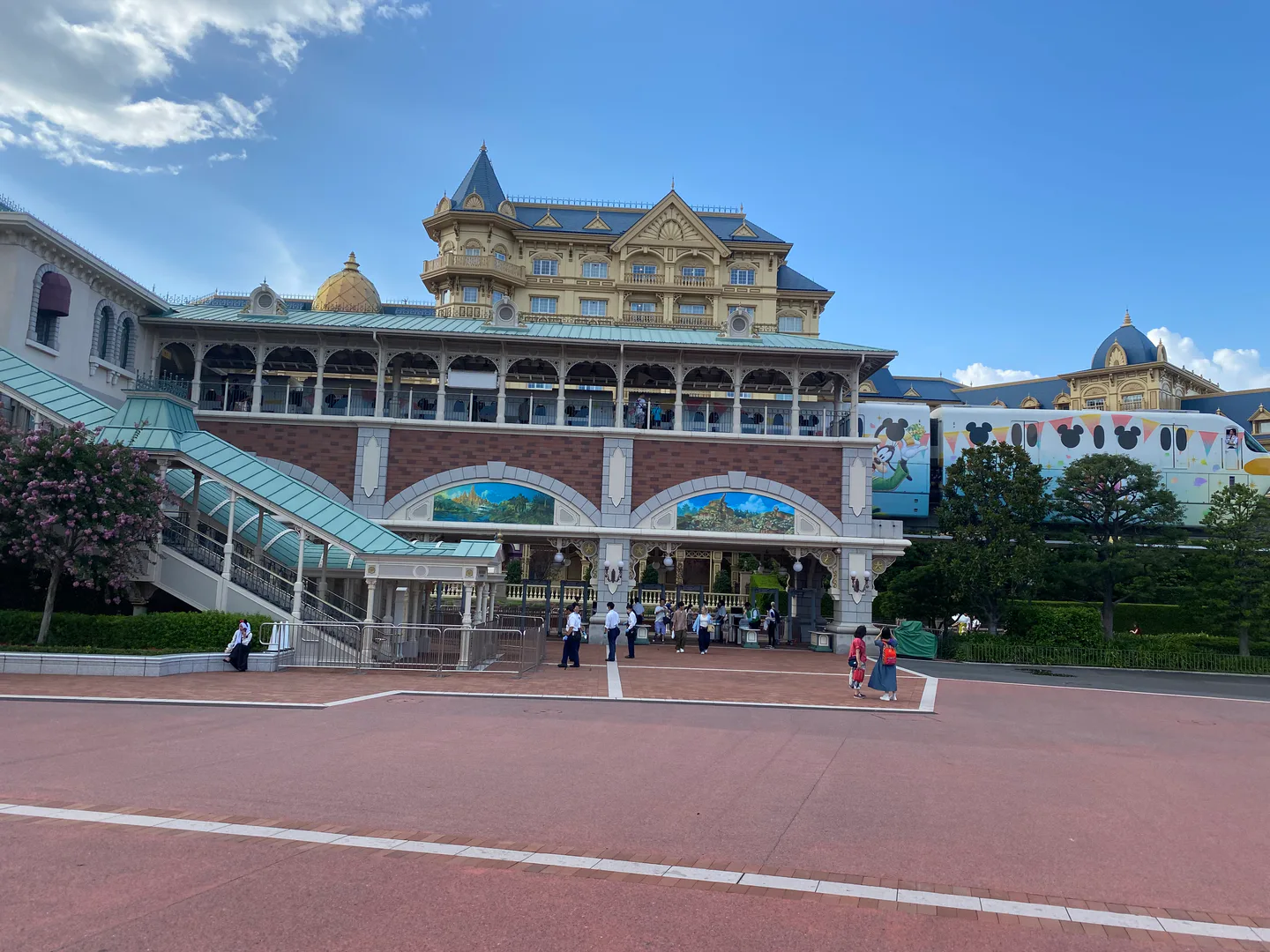
A Disney Hotel earns its price through the room, the park route and the nights you will use it. Happy Entry can strengthen that choice when an earlier start protects a specific first-hour plan. At Tokyo Disneyland the eligible hotel guests begin entry 15 minutes before other guests; Tokyo DisneySea uses a 5–15-minute window. Neither promise means 15 minutes of operating rides. Work out the park, date and realistic security arrival before putting a yen value on the benefit.
The clearest case is a hotel you already prefer for two park days, with a group ready to reach the designated entrance early and one attraction or app action everyone agrees to pursue. The weaker case is a costly room change for one morning that the group will spend at breakfast. A separately purchased park ticket remains necessary, and the room benefit does not apply on check-in day. These calendar details can overturn an attractive hotel comparison.
As of October 24, 2026, the summer expansion that allowed Disneyland Hotel and Ambassador Hotel guests to use DisneySea Happy Entry has ended. September's change to paid Premier Access has also taken effect. The current hotel and park combination matters more than an older badge in a booking listing. Blackout dates are published on a rolling basis and may be added after a room is booked; check the date before treating early entry as guaranteed.
Decide whether the room premium buys a usable park morning
↔ Scroll table left or right
Trip situation | How to treat Happy Entry | Reason |
Disney Hotel already fits the room and route; one morning target matters | Count early entry as added value | The hotel makes sense even without the gate advantage |
Room upgrade is large and only one early start would be used | Compare the entire premium first | One paid-access purchase may target the same bottleneck |
Family will arrive after normal entry | Assign no Happy Entry value | Eligibility cannot recover time already lost at breakfast or security |
One headliner drives the decision and paid access is acceptable | Price that specific access | A targeted ¥2,500 per-person option may cost less than extra hotel nights |
DisneySea is the chosen park | Limit the shortlist to currently eligible hotels | The July–September expansion to two other hotels is over |
The head start is an entry sequence, not early ride operation
Attractions start operating after admission begins for other guests. An earlier guest can move towards a target, purchase available Disney Premier Access, request entry for an applicable show or obtain a Standby Pass, but cannot assume the attraction will be running alone for 15 minutes. Security and the special gate also take time. If congestion delays hotel guests, general admission may begin before the last Happy Entry guest enters.
This makes the benefit a question of position. One family may reach a first queue and make an app purchase before the wider flow; another may spend the entire interval getting through security. The pass does not grant a shorter attraction queue at every ride. Its value depends on an early arrival at the right entrance and a next action chosen before the gate opens. The park-ticket and Premier Access comparison separates admission from paid ride access.
Choose the first action before booking a hotel for it
Name the first attraction or digital reservation that would change your day. A Disneyland morning built around Beauty and the Beast is different from a DisneySea morning aimed at Fantasy Springs. When the group has several incompatible priorities, early entry does not settle the argument; it merely brings it inside the park sooner. Choose one lead action and one fallback if availability changes.
For each traveler, check whether that target can be used immediately, whether paid access is offered and whether a child can ride. If the answer is unclear, the hotel premium is premature. This matters especially when one adult might need to split from younger children at the first attraction. The family-of-four hotel comparison is a better place to begin when bed configuration and stroller handling are the real constraints.
If your group has not selected a park, resolve Disneyland versus DisneySea first. The current ticket-choice guide then helps decide whether both parks deserve separate days. Hotel eligibility has no useful meaning without that park calendar.
Six hotels work for Disneyland; DisneySea has a shorter list
Tokyo Disneyland lists all six Disney Hotels for Happy Entry: Fantasy Springs Hotel, Disneyland Hotel, Ambassador Hotel, MiraCosta, Toy Story Hotel and Celebration Hotel. The normal advantage there is entry beginning 15 minutes ahead of other guests. This shared eligibility is why Disneyland Hotel versus Toy Story Hotel should turn primarily on walk, room and price rather than a supposed difference in early-entry rights. The park-by-hotel entry table gives the date-sensitive details.
There are Disneyland exceptions. On October 31 and November 10, 2026, and January 12, 2027, guests at MiraCosta, Celebration Hotel and the Fantasy Chateau portion of Fantasy Springs Hotel are excluded from Disneyland Happy Entry; Grand Chateau is treated differently. The earlier September 15, 16 and 19 exclusions have passed. These limits are tied to the park date, not the night you made the hotel reservation. A hotel can still be a good stay when the early-entry benefit is unavailable that morning.
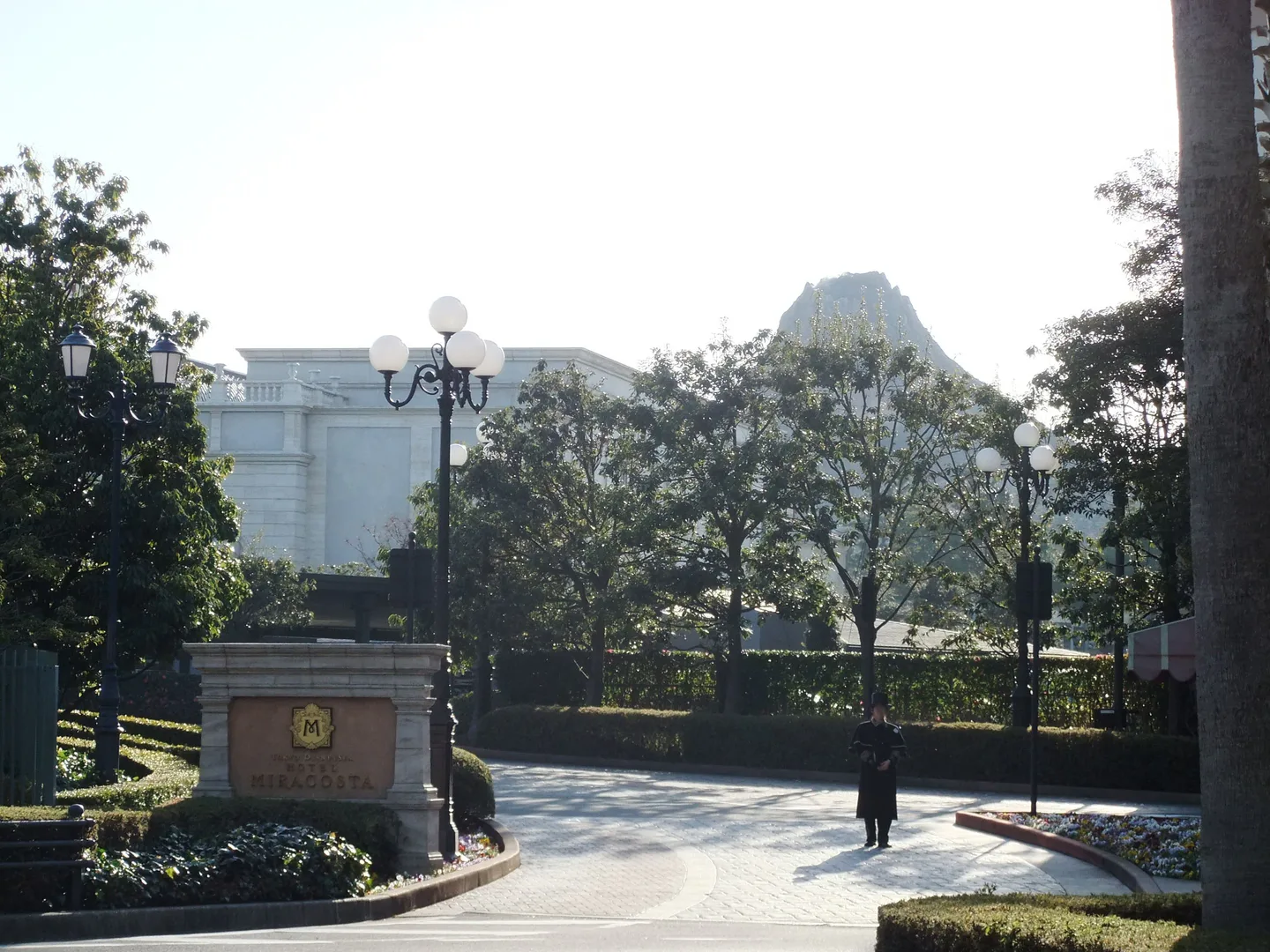
For DisneySea now, the qualifying hotels are Fantasy Springs Hotel and MiraCosta. The temporary July 1–September 14, 2026 access for Disneyland Hotel and Ambassador Hotel guests has expired. Toy Story and Celebration were not on that DisneySea list. Entrance construction affects operations through the period currently scheduled to end by March 2029, so the published DisneySea lead is 5–15 minutes rather than a fixed quarter-hour. Hotel and entrance choice both matter.
A September-era article can make Disneyland Hotel or Ambassador look like a DisneySea Happy Entry option for an October or November trip. They are not eligible under the present post-summer list. For a DisneySea-led stay, first compare the two current candidates, then decide whether the incremental room price earns its place on your whole trip. A hotel with no benefit for your chosen park should not be priced as though it has one.
Start with the hotel decision after removing Happy Entry
Imagine the early-entry benefit were unavailable on your park date. Would you still choose this hotel over the best room nearby? If yes, the location, room or ability to return midday already supports the booking. If no, calculate the full room-price difference for the stay. This counterfactual prevents a small morning advantage from obscuring a more cramped room, a weaker cancellation policy or a multi-night premium.
A Disney Hotel can be useful even without a special gate: a short return for a child's nap, a less complicated evening journey and a room designed for the party may matter every park day. A cheaper property can win when those uses are limited. Compare total cost across all nights, not only the surcharge on the park night. The room-only versus Vacation Package booking decision matters when the desired inventory or release window changes what can actually be reserved.
Use the Disney versus other resort hotel categories comparison if the property category itself is undecided. The Maihama versus central Tokyo base decision comes earlier when Disney is only one part of a longer city stay. For a local shortlist, compare Tokyo Disney area hotels by room and route before attaching a price to Happy Entry.
Compare one paid-access purchase with the whole hotel premium
Happy Entry and Disney Premier Access solve different problems. The first changes when eligible hotel guests begin admission; the second sells a designated time for a named experience, in limited numbers, after park entry. Paid access can be an alternative for one must-do ride, but it does not replace an easier hotel return or the option to make several early app decisions. The current experience and price list lets you cost the specific ride rather than an abstract promise of shorter queues.
Beauty and the Beast and Anna and Elsa's Frozen Journey currently list ¥2,500 per person for Disney Premier Access. For four people, one of those purchases is ¥10,000 before the separately required park tickets. The old ¥2,000 price used through August 31 is no longer the number for an October booking. Compare ¥10,000 with the incremental hotel cost across the actual nights. A ¥10,000 room premium for each of two nights is a different trade from a single ¥10,000 group purchase, even though access can sell out.
A bought timeslot covers the selected attraction only and can disappear from sale. Happy Entry can help with multiple first-hour choices, yet it also depends on the group reaching security in time. Neither is a blanket guarantee. If a Vacation Package already includes priority access choices, compare its total terms through the package versus hotel-only guide before paying twice for the same kind of certainty.
Autumn app choices are different from the summer plan
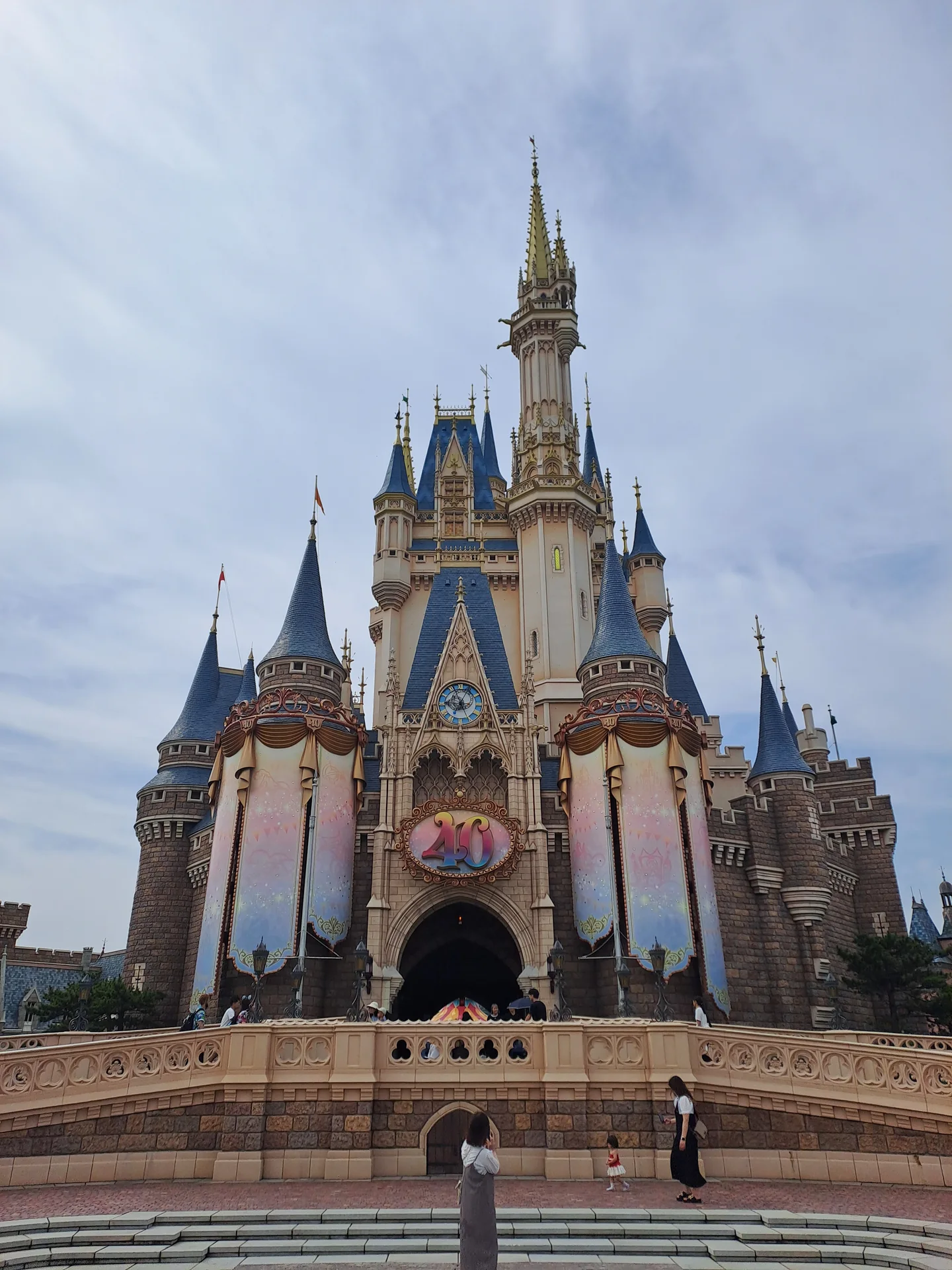
The 40th Anniversary Priority Pass ended August 31, 2026. From September, attractions including Big Thunder Mountain, Pooh's Hunny Hunt, Monsters, Inc. Ride & Go Seek! and Raging Spirits moved into Disney Premier Access, with other experiences subject to their own start dates. A summer strategy based on that free pass is therefore a poor October template. The ended Priority Pass service notice explains the change, while the current app-service list determines what can be booked on your date.
Check the exact service for the first ride you intend to pursue. A head start can still be useful for a standby queue when a paid timeslot is unaffordable, but the available paid alternative may change the hotel calculation. Seasonal shows and attractions also have different purchase windows. Do this after you know whether your group has one park day or two; the one-day versus two-day plan determines how much pressure falls on the morning.
Disneyland Hotel and Toy Story Hotel share the Disneyland benefit
For a Disneyland day, both hotels currently offer the same 15-minute eligibility. Disneyland Hotel sits at the front gate and can shorten a midday return. Toy Story Hotel may leave more of the budget for park purchases while still keeping the family in the Disney Hotel system. The room and total stay price decide the upgrade; Happy Entry itself does not distinguish the two. Check the path from the particular room and breakfast plan to the designated security entrance, because arriving late erases the theoretical tie's value.
The Disneyland Hotel and Toy Story Hotel comparison covers that room-and-walk question in detail. If the alternative is outside the Disney Hotel category, Grand Nikko versus Hilton Tokyo Bay gives a family-room comparison without assuming either has this Disney Hotel benefit.
DisneySea eligibility changes the hotel shortlist
DisneySea's current list is Fantasy Springs Hotel and MiraCosta. Disneyland Hotel and Ambassador had DisneySea access only in the July-to-September temporary period, and Toy Story Hotel has no DisneySea Happy Entry under this table. The park's early-entry window ranges from five to 15 minutes, with the designated route affected by entrance construction. For a trip centred on Fantasy Springs, the entrance geography may matter as much as the raw room rate.
Use the MiraCosta versus Fantasy Springs Hotel decision for the hotel-specific return and entry routes. Both may have Happy Entry while serving quite different room and day patterns. If you are evaluating a three-day package, the first-and-second versus second-and-third package-day choice can change which nights need a resort room.
The family arrival time is part of the price calculation
Use the time your family can reliably leave the room, not the earliest time you can imagine after a good night's sleep. A child who needs breakfast, a stroller to prepare or a quiet start may reach security after general admission. That makes the early-entry right worthless on that day even when the room remains a good choice. If the family will split at the gate, agree in advance who carries tickets, who makes app purchases and where to reunite.
Two park mornings can give a Disney Hotel more repeated use: less travel at dawn, a viable midday return and two chances to put early entry towards a priority. A couple content with a city hotel and one targeted paid purchase may value that convenience less. The decision still depends on the actual nightly rate and whether both park dates are eligible. A stroller does not automatically increase Happy Entry value if the group cannot reach its security lane early.
A four-person party should settle bed sharing, usable room area and bathroom routine before the gate perk. The Disney hotel family-room comparison handles the sleeping plan. If a package is being used to secure experiences, also check what happens when package dates or occupants change; a flexible room can be more valuable than a marginal first-gate gain.
The arrival night must come before the eligible morning
Happy Entry applies during a Disney Hotel stay and on checkout day, but not on the day you check in. An afternoon arrival at the hotel cannot produce early entry earlier that same morning. Each guest aged four or over, including a child sharing a bed, needs a Special Entrance Pass; the separate park ticket is also required. The pass is dated and cannot simply be moved to a later park morning if your plan changes.
Place the Disney Hotel night before the park morning you want to improve. If you are moving from central Tokyo, the split-stay timing guide compares moving the preceding night with moving after day one. Account for luggage, the afternoon check-in and the lost city evening. Buying an extra resort night solely to gain one early start can cost more than the first-hour problem it is meant to solve.
Where a higher Disney Hotel rate can earn its place
Paying more is easier to defend when the room and location already suit the group, one high-priority action benefits from early admission, and everyone can reach the correct entrance ahead of general entry. Two eligible park mornings strengthen the case if the hotel also cuts repeated morning and evening travel. A premium can be justified by those repeated movements even when a particular day's early entry is unavailable. Write the total premium beside the specific time and room benefits rather than valuing the badge alone.
Be careful with one qualifying morning and a large multi-night premium. Check whether a paid-access purchase could solve the single attraction problem, whether the chosen ride will operate when general admission begins and whether anyone in the party cannot use it. If your hotel is far enough from the designated special security point, allow for that walk as well. The four-, five- and seven-day Tokyo plan helps decide whether that one morning is central to the whole trip.
Where to take Happy Entry out of the calculation
Remove it when Disney is one day in a longer Tokyo trip and moving hotels would complicate the other days; when the room is markedly worse for the party; when breakfast or sleep makes an early security arrival unrealistic; or when the property does not qualify for that park and date. Those are distinct reasons. A hotel may still win because of its room or commute, but a nonexistent or unused gate benefit should contribute zero to its price justification.
If the number of park days is open, use the one-or-two-day Disney comparison before adding resort nights. Two valuable mornings produce a different hotel calculation from one; a relaxed single-park day may not need an early-entry premium at all. The choice also affects whether the cheaper base is Tokyo, Urayasu or a split stay.
Price the morning result after checking the park and date
For Disneyland, all six Disney Hotels are normally eligible, subject to the published exceptions for particular hotels and dates. That means Happy Entry usually cannot explain a large price difference between two eligible Disney Hotels. For DisneySea, today's shortlist is far narrower: Fantasy Springs Hotel or MiraCosta. The old temporary Disneyland Hotel and Ambassador eligibility should not influence an autumn booking. At either park, the benefit improves entry position and access to app decisions; it does not add guaranteed ride time.
Before committing the room, compare the complete stay price with the alternative, confirm the dated park ticket and applicable Happy Entry morning, and choose the first action your group can actually execute. A pass gained by staying the night before, collected for everyone aged four or over and used at the proper entrance has a real job. If that chain breaks, use the hotel that fits the rest of the trip better and solve the park morning separately.
If the early-entry morning is still valuable after the hotel and date check, compare Maihama-area stays for the same park dates. Use the room price and the actual eligible entrance together; a closer room without the needed park benefit solves a different problem.