
A seven-day Osaka trip with children can unravel on the morning after Universal Studios Japan. The tickets have been used, everyone slept badly, laundry is waiting, and a calendar made weeks ago says it is time for Kyoto. The week works better when Kaiyukan and USJ each have their own day and the days around them can shrink. For six hotel nights, keep one Osaka base unless there are two USJ days or a departure that genuinely rewards a final hotel move.
This is a schedule for placing family attractions, meals, naps and travel together, rather than another ranking of kid-friendly places. A toddler who needs a predictable sleep window and a ten-year-old who wants thrill rides should not inherit the same pace. The Osaka attractions by age guide helps choose the venues; this itinerary decides what can share a day. The central rule is one paid anchor at a time. Kaiyukan and USJ are both around Osaka Bay, yet putting them on the same day turns a useful short journey into two incompatible long visits.
A week that can absorb a tired child
Arrival and departure are logistics edges. The five full days between them contain one aquarium day, one USJ day and three days whose scale can change. Kids Plaza, LEGOLAND Discovery Center or a simple Osaka neighbourhood should occupy the day before USJ; the day after can be smaller still. The final full day may become NIFREL, Nara or Kyoto if everyone has recovered, but the Osaka fallback stays available until the night before. This does not waste two days. It protects the two expensive, hard-to-recover days from the ordinary disruptions of a family trip.
| Day | Main commitment | When energy is low | What to leave out |
|---|---|---|---|
| 1: arrival | KIX transfer, check-in, food near the hotel | Buy supplies and finish early | Timed tickets and a second district |
| 2: Osaka Bay | Kaiyukan and a meal at Tempozan | Leave after the aquarium | USJ or another long indoor visit |
| 3: lighter day | One of Kids Plaza, LEGOLAND or a city walk | Half-day and hotel nap | Kyoto on the eve of USJ |
| 4: USJ | Park day with food and rest planned inside | Finish early after the priority attractions | Hotel-nap-and-return plan |
| 5: recovery | Sleep, laundry, supplies; optional local outing | No paid ticket | An early non-refundable trip |
| 6: one option | NIFREL, Nara, Kyoto or the Osaka fallback | Stay near the hotel | Two cities or a second large attraction |
| 7: departure | Pack and reach the airport with margin | Brunch close to the hotel | A timed museum before check-in |
The week is not identical for every age. Use the table as a ceiling rather than a demand to fill each cell. A child of one or two may need Day 3 and Day 5 as half-days and may never take the Day 6 excursion. A family with older children can substitute a longer Nara walk or shopping time without spending the recovery allowance before USJ. The seven-day Osaka plan with parents solves a different mobility problem; do not copy its attraction load onto a preschooler.
Age changes the week more than a list of attractions
| Child's stage | Strongest anchor | Where the plan often fails | Day 6 decision |
|---|---|---|---|
| 0–3 | One short aquarium or hands-on visit | Two paid stops and a missed hotel nap | Osaka first; NIFREL only if the child recovers well |
| 4–6 | Kaiyukan plus a separate LEGO or Kids Plaza day | Assuming excitement means full-day stamina | One more outing only if it adds something new |
| 7–12 | USJ and a chosen city or animal day | Adding two side trips to the same date | Nara or Kyoto can replace the Osaka fallback |
| 12–15 | USJ plus shopping, games or an interest-led city day | Keeping younger-child museums after interests change | Let the teenager help choose the second focus |
For babies and toddlers, an aquarium visit followed by lunch and a hotel nap can be the whole day. If the child is lively at 4 p.m., add a nearby free walk. Do not reserve a second timed ticket to prove that a holiday day has been used. Children aged four to six may enjoy both LEGO and Kids Plaza, but that is a reason to separate them or choose one. A seven- to twelve-year-old can handle a focused Nara trip, while many still have little interest in a rapid sequence of temples. Teenagers may find this itinerary too young; replace younger-child museums with Shinsaibashi, Umeda, character shops, game stores or a Kyoto interest of their own. The distinction is about stamina and interest, not a promise that every child of one age behaves alike.
Day 1: move the stroller and cases to the hotel
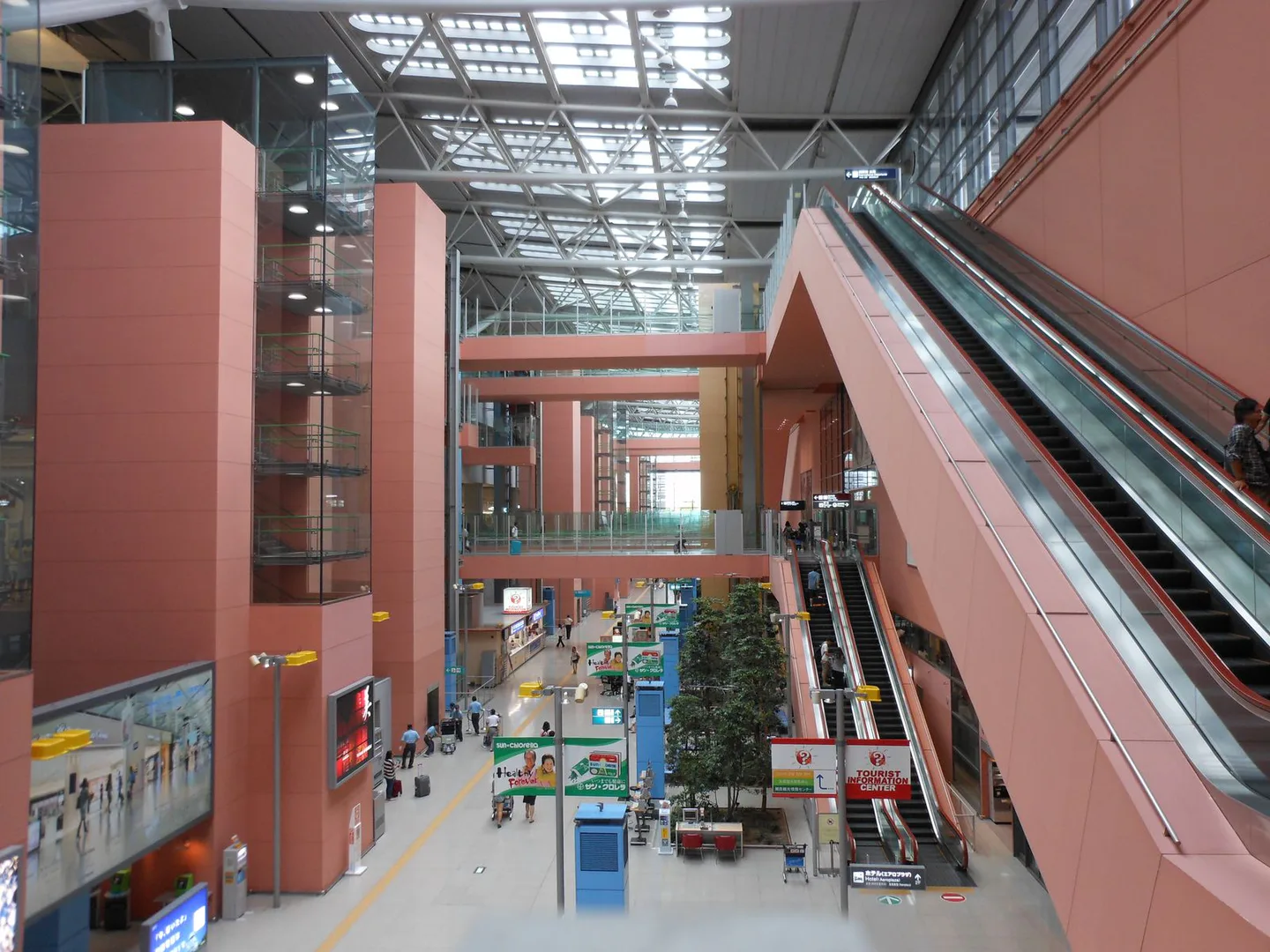
The fastest advertised KIX service is not always the easiest family transfer. Count the lifts, platform changes, luggage and final street walk with a child who may have slept badly on the flight. For a Namba hotel, a route that terminates close to the room can beat a faster train with another local transfer; for Umeda, the reverse may be true. The KIX-to-Osaka transfer comparison is useful only after the hotel district is known.
Once checked in, buy anything missing and eat near the room. Dotonbori or Shinsaibashi can serve a Namba base; the station complex makes dinner and supplies easy from Umeda. Do not place a timed aquarium or museum entry on arrival night. Flight delay, immigration, a stroller that needs repair and a hungry child can each consume the theoretical spare hours. The day has done its job when everyone knows how to get from station to bed without another cross-city ride.
For a family still choosing between the two big hotel districts, Namba versus Umeda should be answered with the week's repeated journeys. A Namba address can simplify some KIX arrivals and southbound evenings. Umeda may shorten a northbound Day 6 or make a station-centred shopping day easier. Neither benefit is real if the selected property has an awkward final crossing, a distant lift or a room too cramped for the actual bedding and stroller. Walk the route on a map from the station exit to the hotel entrance before paying for six nights.
Day 2: Kaiyukan needs a meal plan before entry
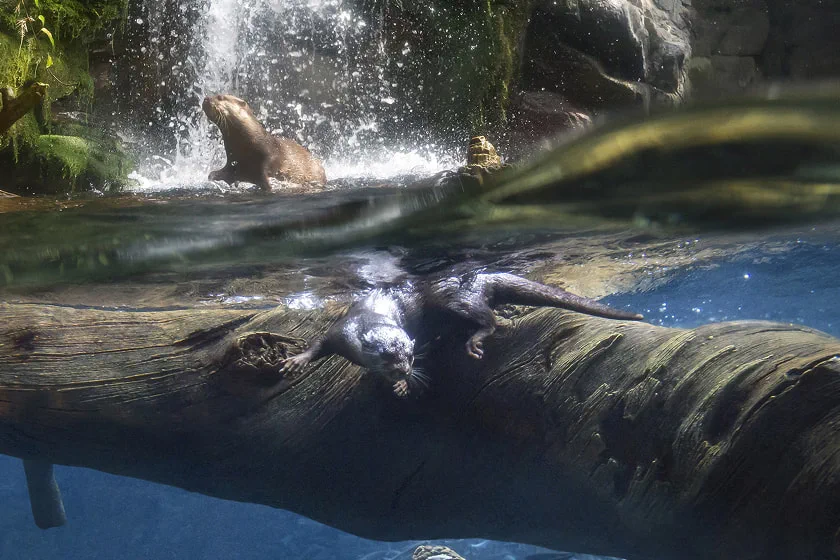

Kaiyukan uses 15-minute timed-entry blocks and ended re-entry on 15 June 2026. That matters more than shaving a small amount from the ticket: the old idea of leaving for lunch or a toddler nap and returning later no longer works. Decide when to eat and what the child can manage before the entry slot. A morning aquarium visit can end with lunch at Tempozan Marketplace and an easy afternoon; an afternoon slot can follow an unhurried morning near the hotel. The Kaiyukan ticket and timing guide details the entry decision.
Several exhibits are dark and a small child seated low in a stroller may see less than an adult expects. Decide whether carrying the child for selected tanks is manageable, who holds bags and when to stop. The Japan Forest area and the large Pacific Ocean tank deserve unhurried time; treating each as a photo stop wastes the point of an aquarium day. Once outside, use Tempozan for food or a short walk rather than another multi-hour indoor venue. Kaiyukan versus NIFREL helps when the family can afford only one animal attraction.
USJ is not the second half of Day 2. It has its own queues, timed areas, meals and a different fatigue pattern. The two venues' map proximity does not make their visit lengths compatible. If a child still has energy after Kaiyukan, take a brief Bay-area activity with an easy exit rather than starting a park ticket whose value depends on staying late.
Day 3: choose one lighter activity and prepare for USJ
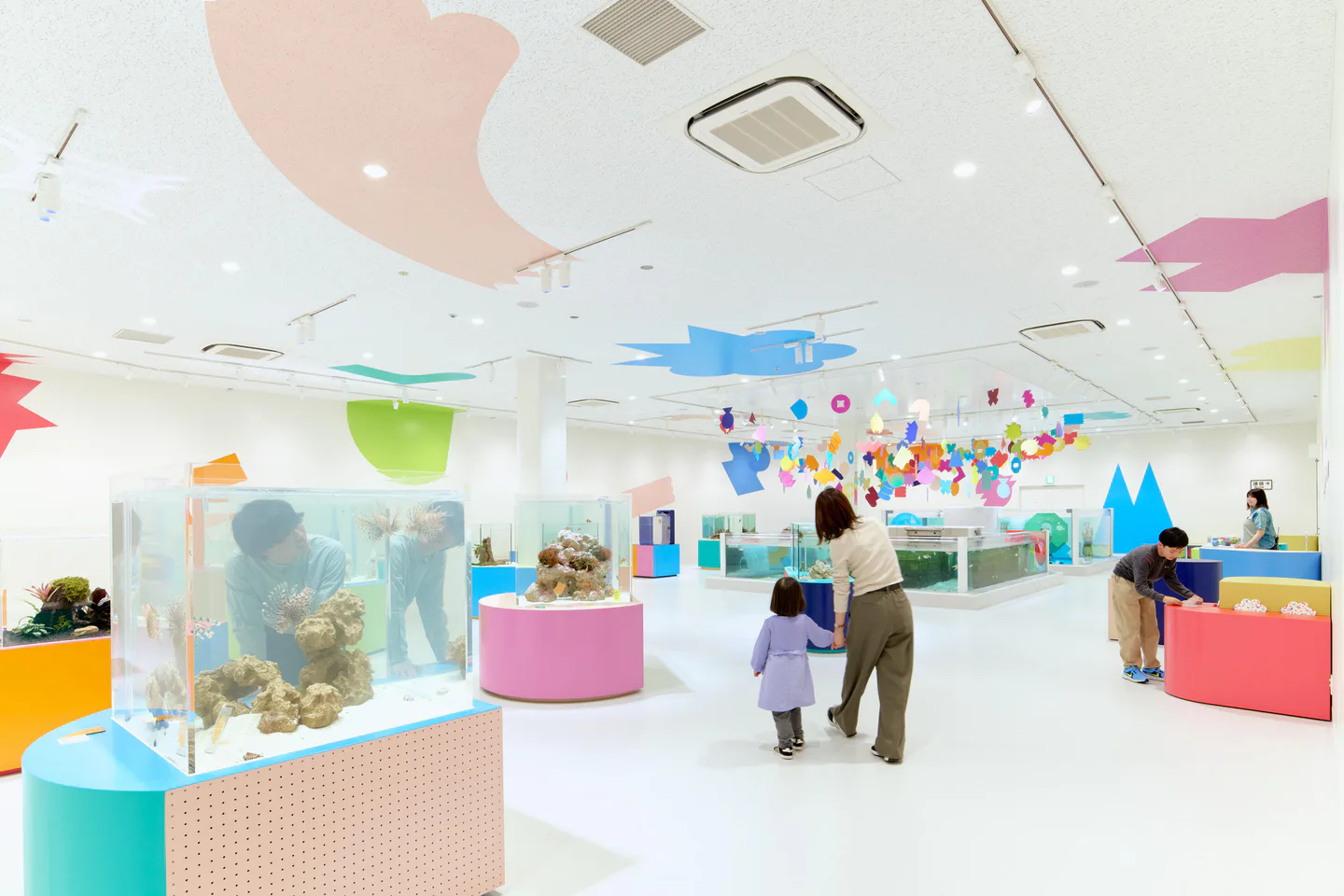
Kids Plaza Osaka currently opens 9:30 a.m.–5:00 p.m., with last entry at 4:15 p.m. Children aged 0–2 enter free. Strollers are loaned on site without charge for children up to age two, subject to a small inventory, and the museum allows same-day re-entry through its third-floor exit with the ticket. That makes it more compatible with a nearby hotel break than Kaiyukan or USJ. The discounted weekday afternoon ticket applies only on published dates and starts at 2 p.m.; if a child needs an early nap, a late start may be more useful than rushing in with a school group. The Osaka attractions-by-age guide helps decide whether it fits the child.
LEGOLAND Discovery Center Osaka belongs in the same decision, not automatically beside Kids Plaza. Ages four to six may enjoy building and repeating activities enough to justify a deliberate LEGO visit. Stacking both in one day can turn the most important low-effort day of the week into an indoor marathon. For a toddler, Kids Plaza and a hotel nap can be enough. For an older primary-school child, Osaka Castle Park, lunch and an Umeda stop may be more engaging than a younger-child museum. The activity should finish with enough time to sort clothes, food and app access for the following morning.
Do the main laundry on Day 3 or Day 5, ideally while one adult is already with a sleeping child. A six-night family trip will generate it; discovering the dryer queue after a late USJ return makes the next day harder. Breakfast should be judged by actual mornings too. If a hotel buffet opens too late for the park morning or the child eats slowly, pay only when the family can use it. A nearby quick breakfast on USJ day may be more practical than forcing a prepaid buffet into an early departure.
Day 4: pay for the USJ experiences the children can use
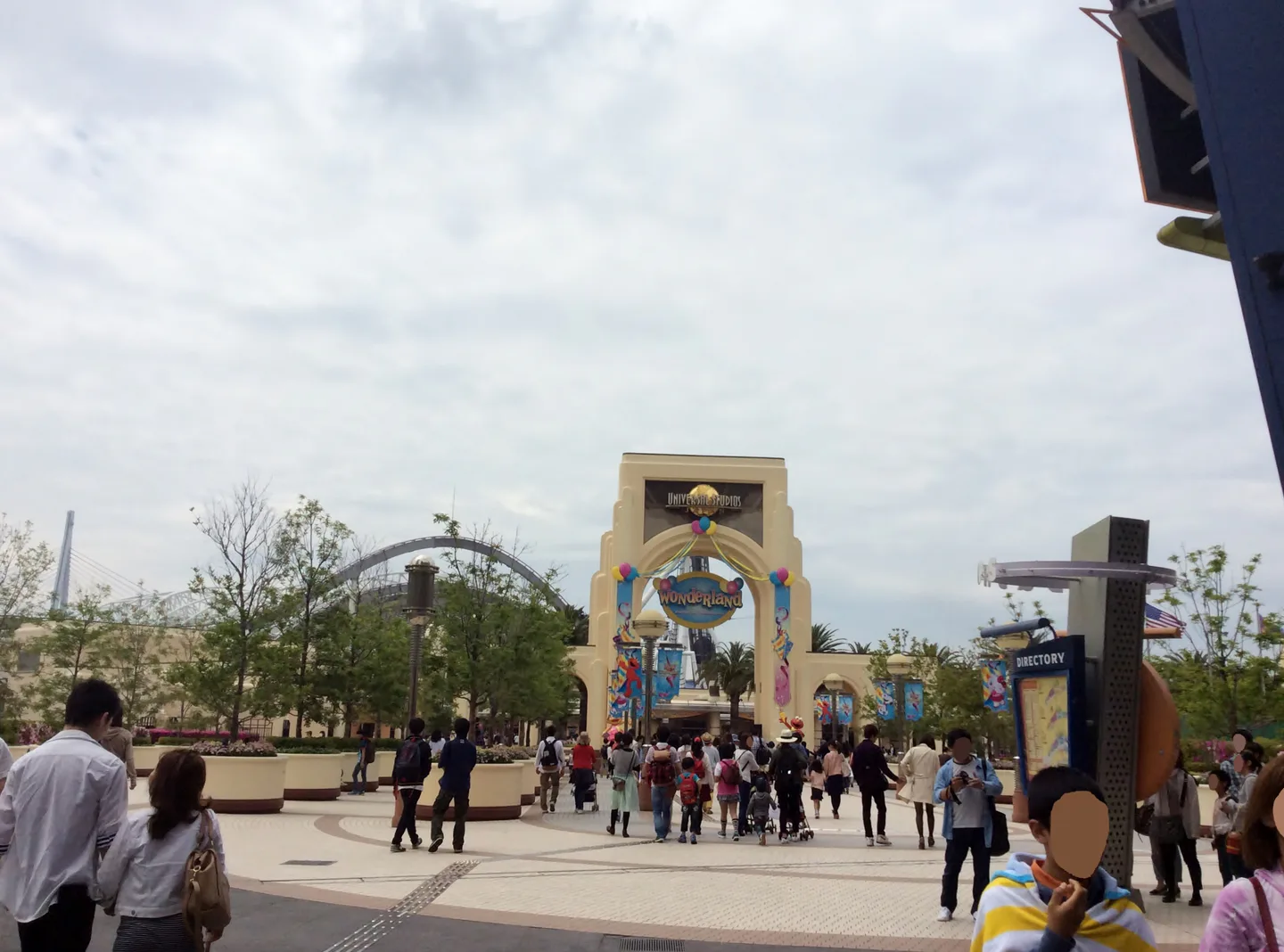
Before buying an Express Pass, name the two or three attractions whose absence would genuinely spoil the family's day. Then check each child's height, appetite for thrill rides and the ticket's timed-area conditions. Buying an expensive pass because a forum says all families need one can protect rides that a child cannot or will not take. The Express Pass decision is a better companion than an undifferentiated park checklist.
Standard Studio Passes do not allow re-entry after leaving the park, even for a locker outside. A Universal City hotel shortens the final journey but does not create a hotel nap-and-return option on a standard ticket. Inside USJ there are Family Services for nursing, changing and hot water. Single-child stroller rentals are listed for ages one month to 48 months at ¥1,100, with limited availability and no advance reservation. Some families will carry their own stroller because it also serves the station walk; others can rent inside, but the latter cannot solve the journey to and from the hotel.
Plan rests inside. One adult may sit with a tired child while another rides, and the group can meet at a clear point afterward. Eat before everyone is over-hungry, and decide whether a sleeping child will rest in a stroller, carrier or an early departure. If the child finally falls asleep at 3 p.m., another queue is not automatically a better use of the afternoon. The night before, pack water, a simple snack, diapers or wipes where needed, a light layer, sunscreen, a power bank, spare clothes and ticket QR access in one easy-to-reach layer. Know what is permitted in the park and do not leave essentials in an outside locker expecting to fetch them after entry.
Changing hotels to Universal City for only one USJ day often costs more family effort than it saves. Packing medication, chargers, stroller parts and a child-preferred toy, checking out, storing luggage and checking in again are all part of the move. Two park days or a very late finish followed by another nearby commitment can change the balance. For one day, judge the return route from Universal City to the existing six-night hotel first. The USJ hotel-area comparison helps when the park is the dominant part of the trip.
Day 5: decide the afternoon after seeing the morning
A child may bounce back from USJ overnight, or may not. Day 5 should not be an early Kyoto train bought weeks ahead. Let the morning be sleep, breakfast at a normal pace, laundry and a short walk. For ages 0–3, no ticket may be the right plan. One adult can take an older sibling for supplies or a nearby activity while the younger child rests. For ages four to six, an unused LEGOLAND or Kids Plaza visit can move here if the child is lively; if it already happened on Day 3, there is no need to find another indoor museum simply to fill the grid.
Older children may want Umeda or Shinsaibashi shopping. Give them a visible endpoint and a reason to care: a game shop, a character store, a meal or a scheduled rest. A shopping afternoon that only serves the adults can become its own fatigue problem. The post-park day is also the place to replace lost essentials, wash clothes and reset the room before considering the one open day that remains.
The nap plan changes with the venue. Kaiyukan's no-re-entry rule and a standard USJ ticket mean a hotel nap ends those paid visits. Kids Plaza's same-day re-entry can permit a break if the hotel journey is short enough; Days 3 and 5 can simply finish early. This is why a hotel advertised as a few minutes from a station may still be poor for a stroller if that final walk has steps, a steep crossing or a slow lift. Test the whole path back to the room, not just the railway map.
Day 6: NIFREL, Nara or Kyoto only if the family wants the trip
Keep Day 6 unnamed until the night before. If sleep is still poor, breakfast is taking far longer than usual or someone is unwell, use the Osaka fallback. NIFREL is a deliberate half or full outing in Suita, not the default because the family once enjoyed Kaiyukan. It currently lists regular hours of 10:00 a.m.–6:00 p.m. with admission closing at 5:00 p.m.; the hours can change by season. From an Umeda hotel it may be manageable, but the transport and the child's remaining interest in another animal venue are both part of the decision. The NIFREL after-Kaiyukan decision covers that trade-off.
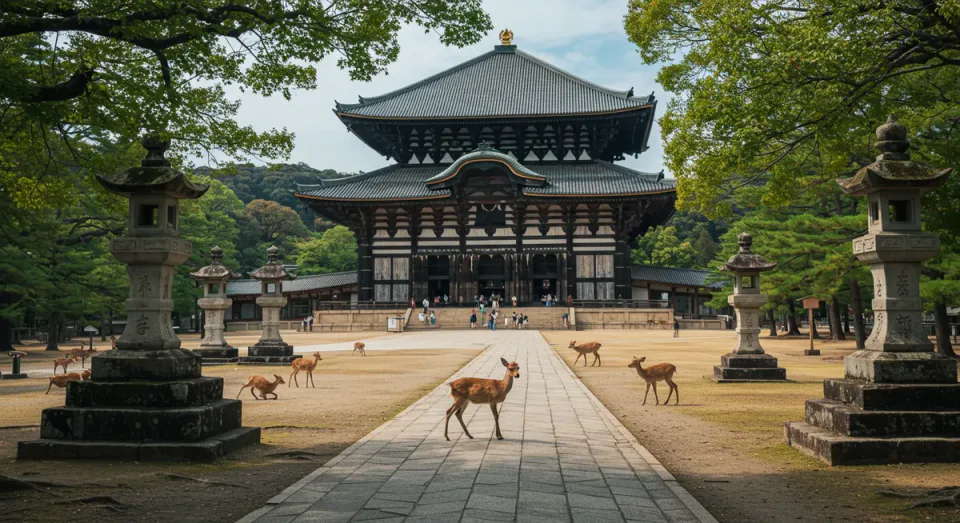
For ages 0–3, a nearby park, food stop and a familiar hotel nap may be better than another ticket. For ages four to six, NIFREL is often easier than a temple-heavy Kyoto day, though another indoor animal visit may add little after Kaiyukan. Older children who want a new city can make Nara Park and Todaiji a full day. If the family is especially keen on living creatures, Nara Ikimono Museum is a separate Mi Nara stop, not an exhibit beside the deer park. Add it only after checking the extra journey rather than chaining together museums. The Osaka day-trip comparison should be timed by the return before everyone is tired, not by how many pins fit on the map.
Kyoto works when the child shares some interest in the chosen district. Two temple names are plenty for a first day with a long transfer. If the adults mainly want Kiyomizudera and Fushimi Inari, the Osaka–Kyoto family-stay decision helps decide whether this should be a day trip at all. Do not do Kyoto in the morning, Nara in the afternoon and return to Osaka through a third city because the rail connections exist. A week with children has a different stopping point from a solo rail itinerary.
If Kyoto is a central reason for travelling and the family genuinely wants two full city days, the six-night Osaka-only assumption deserves a second look. The one-hotel Kansai week gives the case for staying put, but its city mix should not be copied automatically with young children. Compare the cost of two long returns to Osaka with the single packing session of a carefully timed Kyoto hotel change. Keep Nara as a separate choice rather than trying to make the move day do double duty.
Rain can exchange Days 3, 5 and 6. A wet Day 6 may be better spent at NIFREL, Kids Plaza or near the hotel; a sunny Day 3 might become Osaka Castle Park while the indoor option moves later. Do not casually move a USJ day already tied to park operating conditions, timed-area tickets and a particular Express Pass. Check the conditions that came with the actual purchase. The strength of the itinerary is the available low-stakes swap, not a claim that a theme-park day can always move.
Day 7: get to KIX without an attraction deadline
Work backward from airport check-in, then add time for the station lift, toilets, water, luggage and the possibility that a child suddenly walks slowly. Namba, Umeda and Tennoji each create a different final transfer; decide it from the hotel you chose, not on the last morning. A late flight can allow brunch and final shopping in the same district. It is rarely a reason to buy another timed museum admission before collecting cases. The departure has succeeded when the family reaches the terminal with enough energy to manage bags, security and boarding.
One hotel base, chosen by the hardest return
For six nights, start with the journey back from Universal City after the longest day. Then test Day 6's likely route and the KIX transfer. Umeda can simplify some northbound NIFREL or Kyoto moves; Namba may work better when airport, Nara and southern evening plans dominate. A hotel just outside a popular station can be worse than one a little farther away with a direct lift and simple street route. The Osaka area decision hub narrows the neighbourhood before a property comparison.
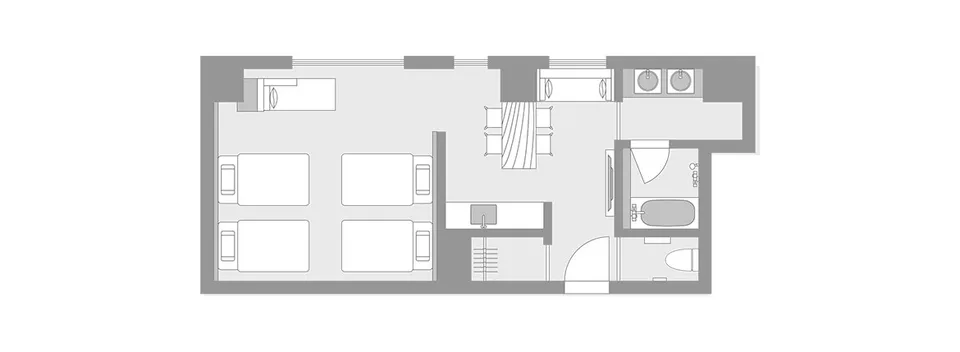
Inside the room, count formal beds, not a listing's vague maximum occupancy. A four-person booking may rely on bed-sharing or an extra bed that leaves little floor space for an open suitcase and stroller. Read the bathroom arrangement, laundry access, elevator route and breakfast hours with six nights in mind. The Osaka family-hotel guide addresses those details, while the longer-stay hotel comparison tests what becomes annoying by the fifth night. A slightly larger room may not compensate for repeated slow station returns or no practical laundry.
When the base is settled, compare rooms around Osaka Station if Umeda fits the northern day trips, or compare Namba Station rooms if airport and southbound trips dominate. If two USJ days make Universal City the real centre of the week, check Universal City accommodation against the return journeys on all the other days. The useful map is the one centred on the area the family will actually use.
A change of hotel for one Universal City night usually adds a packing session without restoring a nap inside USJ. The same applies to Nara for a day trip or Kyoto merely to say the family slept there. If Kyoto becomes two full days, reconsider: repeated Osaka–Kyoto commutes with children may cost more than one well-planned hotel move. Count the return walks and mornings, not just a timetable's city-to-city train duration.
Tickets and passes should survive the day that ends early
Dense Osaka attraction passes can save money for adults who use several included venues. This family week deliberately puts one major paid visit in a day. Before buying a pass, remove every attraction that exists only to reach a nominal break-even point, then calculate again. Ask what happens if a child falls asleep at 3 p.m. and the third stop disappears. A family pass that requires the group to rush across Osaka to protect its own value is poorly matched to this itinerary. The Osaka family pass calculation is more relevant than the adult version.
Ticket spend also changes with the family's willingness to split. One adult and a ride-focused older child might use a paid USJ upgrade while the younger child and another adult stay in a calmer zone. By contrast, buying identical passes for four people may cover rides that only two can use. Set the food, stroller and taxi contingency beside the ticket price in the budget. The seven-day Osaka budget route shows how easily pass savings disappear when the itinerary must be stretched to justify them; this child-led week should be allowed to end early without making each day feel financially wasted.
The same discipline applies at USJ. Different children may want different rides and may not even meet the same height requirements. Two children with a large age gap do not need identical paid upgrades. One adult can take the older child to a priority ride while another uses an age-appropriate nearby area with the younger one; agree on a meeting place and time. A 60- to 90-minute split within the same park or shopping complex can be easier than asking both children to tolerate a whole-day compromise. The USJ Express Pass guide helps make that purchase by person rather than by habit.
When illness or sleep loss changes the plan
A fever, stomach problem or two very poor nights should clear today's optional activities first. One adult may stay with a child while another obtains food or medicine nearby. Do not attempt to preserve a paid aquarium day by pulling an unwell child through dark galleries or long queues. If symptoms are severe or persist, seek appropriate medical care; the travel schedule can wait. Days 3, 5 and 6 are deliberately low on non-refundable commitments so that losing one does not automatically destroy both Kaiyukan and USJ.
If two children have different needs, avoid forcing every hour together. A three-year-old may need a hotel break while a ten-year-old still wants a shop or short attraction. Split within a clear area, agree on the reunion point, and preserve one shared meal or a low-effort evening. The goal is a workable week for this particular family, not the appearance of seven equally full days in a booking spreadsheet.
The checks that matter two days before flying
Reconfirm eight practical items: Kaiyukan's timed slot and no-re-entry condition; the USJ operating day and any timed-area entries; the child's height for the rides that justify the ticket; Kids Plaza closure dates; NIFREL hours if Day 6 is leaning that way; whether the hotel can hold a stroller and large bags; whether laundry will collide with the USJ night; and the KIX route to the correct departure terminal. Recheck room bedding and the weather for the one movable outdoor day too. Read the exact purchase conditions for tickets already bought. A single failed item should change its day first rather than trigger a rewrite of the whole week.
For a one- or two-year-old whose sleep has been unstable since the flight, shrink Days 3 and 5 to half-days and remove the Day 6 city trip. For children aged twelve to fifteen who want anime shopping and rides, keep USJ but replace a younger-child museum with a stronger interest-led outing. The itinerary only has to protect two expensive anchors. The remaining days are there to make those anchors possible and to give the family room to enjoy Osaka at the pace they can sustain.