
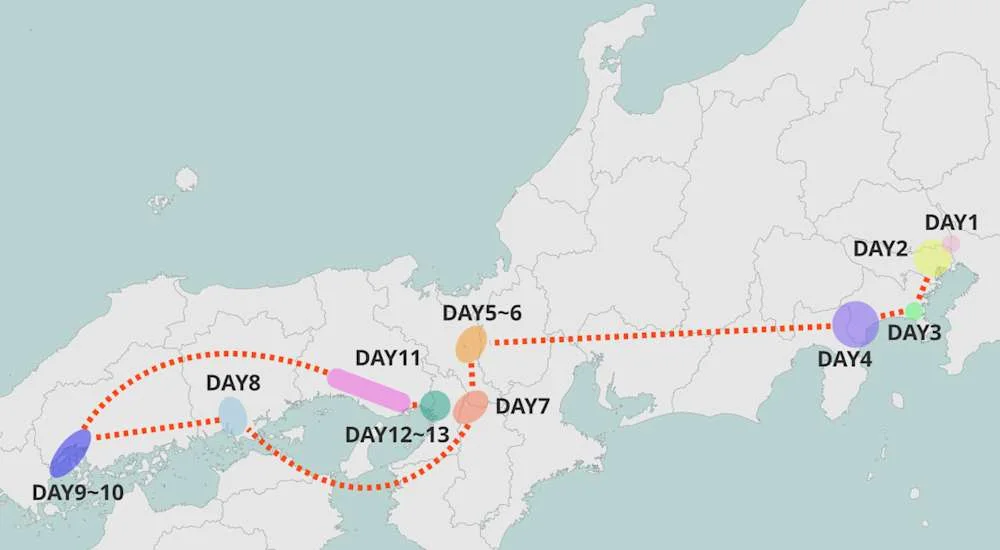
For a first Japan trip, 12 days gives the most forgiving balance of Tokyo, Kansai and one extra experience. Ten days can still make an excellent Tokyo–Kyoto trip; 14 days can support Hiroshima and Miyajima, or simply give the two core regions more room. The number on the flight confirmation is only the starting point. Arrival and departure hours, a Disney or USJ day, the direction of the flights and the number of hotel changes determine how much of the trip can actually be used.
Do not treat the three lengths as compulsory day-by-day templates. A 10-day open-jaw trip arriving in Tokyo and leaving Kansai may retain more useful time than a 12-day Tokyo round trip with several western detours. Equally, a couple making a ryokan night the main reason for travelling should give that overnight a place even if it replaces a famous city sight. The frameworks below show what each duration can comfortably carry and where an added stop starts to hollow out the trip.
What each length can buy
| Calendar trip | First route to test | Best use of the extra time | Likely overplanning error |
|---|---|---|---|
| 10 days / 9 nights | Tokyo and one Kansai base | Enough real city days for both regions | Adding Fuji, a separate Osaka hotel, Nara overnight and Hiroshima |
| 12 days / 11 nights | Tokyo, Kansai and one purposeful block | Hakone or Kawaguchiko overnight, Osaka nights, a park day or recovery | Turning both extra days into two more check-ins |
| 14 days / 13 nights | Tokyo and Kansai plus a two-night third region, or slower depth | Hiroshima/Miyajima, both parks, or more flexible core-city time | Assuming five or six hotel bases are automatically comfortable |
The numbers above are calendar days. A 19:30 arrival may be little more than airport transfer, dinner and sleep; a 10:00 flight home can remove the last sightseeing day. Start by marking those two edges, then reserve the full days already taken by Disney, USJ, a concert, a major sports event or a long day trip. Only the remaining days are available to be divided between cities. Tokyo's partial first and last days need a different plan from a full sightseeing day. The three-, four- or five-day Tokyo choice should be based on those full days, not hotel nights alone.
How compressed is the route?
The site's first-trip route scores compare how much usable time each shape keeps. They are editorial estimates for the itinerary, not ratings of the destinations. The gaps expose how a trip with more named stops can deliver fewer unassigned hours.
| Itinerary shape | Route score | Reason for the difference |
|---|---|---|
| 10 days: Tokyo 4N + Kyoto/Kansai 5N | Two main bases and one efficient westbound move | |
| 10 days: Tokyo, Disney, Fuji, Kyoto, Osaka, Hiroshima | Fixed days and multiple transfers crowd the core cities | |
| 12 days: Tokyo, Kansai and one Hakone/Fuji block | The additional nights buy one distinct experience | |
| 12 days: five hotel bases | Both added days become another checkout and arrival | |
| 14 days: open-jaw route with Hiroshima 2N | The third region gets separate city and island time | |
| 14 days: Tokyo round trip, five bases, Disney and USJ | Backtracking and fixed park days consume the extra margin |
The companion compression check treats a park or fixed event as a whole day and a hotel change or transfer-heavy day as a partial day of friction. On the site's existing scale, a load below 0.45 of usable days leaves good flexibility; 0.45–0.70 calls for restraint with additional bookings; above 0.70 suggests removing a fixed block or a base. The thresholds do not predict enjoyment. They make visible when a nominal 12-day holiday has already allocated most of its movable time. A traveller whose top priority is one distant overnight can rationally accept a more compressed score, but should do so deliberately.
Each hotel move also has a cost beyond the train seat: packing, checkout, loaded station travel, finding a new local route and waiting for the next check-in. A move earns its place when it advances the national route, protects hours that a day trip cannot reproduce, or solves the following departure. Tokyo to Kyoto advances the trip west. A Hakone ryokan can add its own dinner and bath evening. A final Osaka night can combine USJ, late food and an easier Kansai Airport departure. Moving from Kyoto to Osaka only to sleep there once, with no such use, may add friction without adding experience.
Flight direction changes the hotel plan
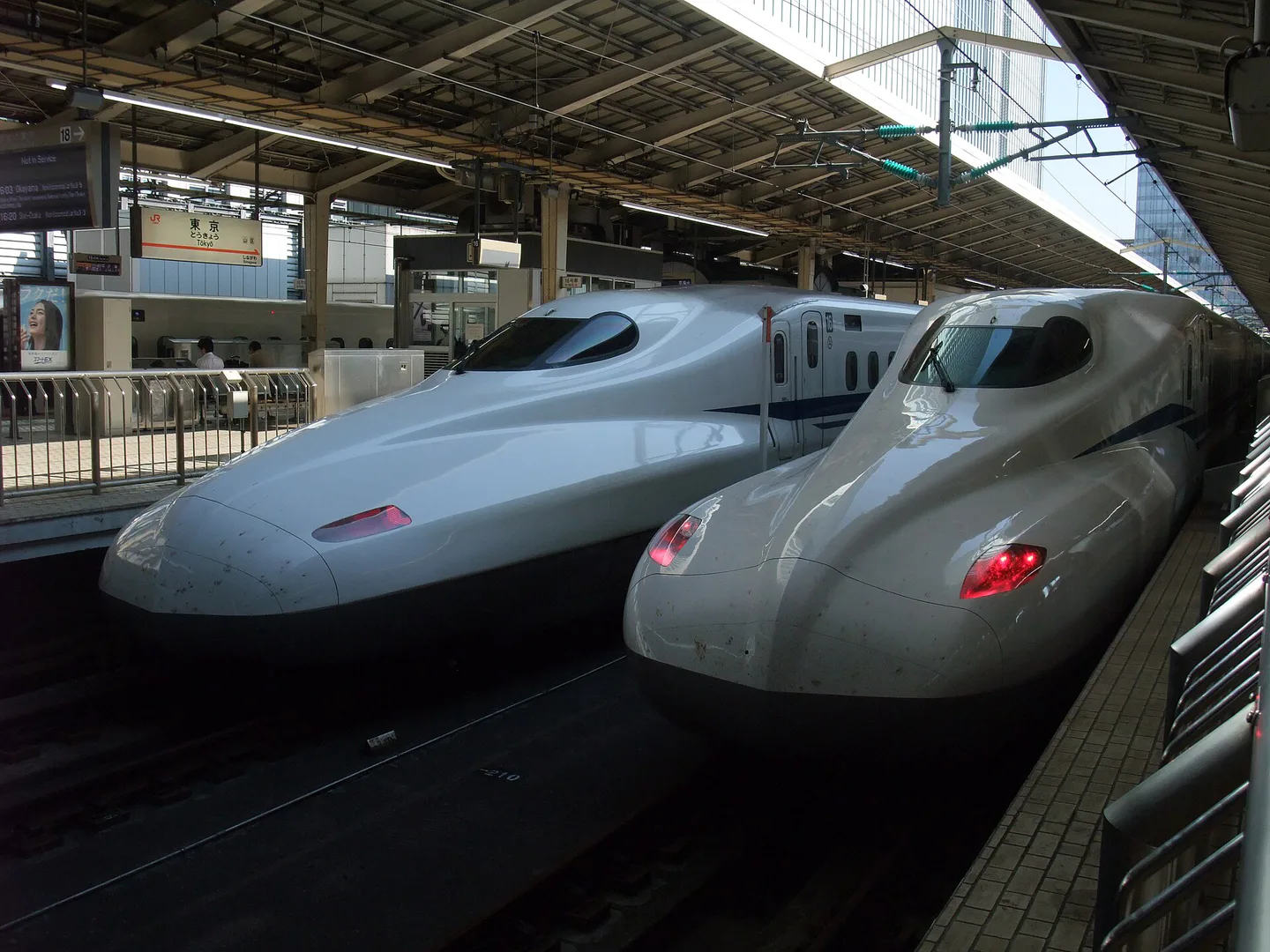
Write the international arrival and departure airports on the route before placing attractions. Tokyo in and Kansai out is the cleanest shape for a first Tokyo-to-Kyoto/Osaka trip: the main move keeps going west, and a final Osaka stay may serve both an evening and a flight. Kansai in and Tokyo out works by reversing the same spine. Neither needs a forced return across the country.
A Tokyo round trip can still include Kyoto and Osaka, but must reserve the west-to-east return. The Hiroshima extension then competes with an additional long transfer, especially on a short trip. Moving the last hotel to Tokyo solely for an early flight can consume a day that looked free on paper. Tokyo Station versus Shinjuku matters at this edge because a convenient final rail or airport route can be more useful than the room chosen for the first sightseeing nights. The six-area Tokyo lodging comparison helps avoid using an arrival-friendly hotel for every night if most activities finish elsewhere. The correct direction may be set by flight price and availability; compare the full itinerary before paying for non-refundable rooms.
Airport geometry also explains why Kyoto and Osaka need not receive equal nights. Kyoto's early temple mornings and evenings in Gion or Higashiyama reward staying there. Osaka becomes a separate base when it saves repeated west-side travel for USJ, later dinners or Kansai Airport. The Kyoto-versus-Osaka base decision should be made from the hours you want in each city, rather than by splitting Kansai nights evenly. One-, two- and three-day Kyoto routes can show whether the planned nights leave time for what brought you there.
Ten days: keep Tokyo and Kansai intact
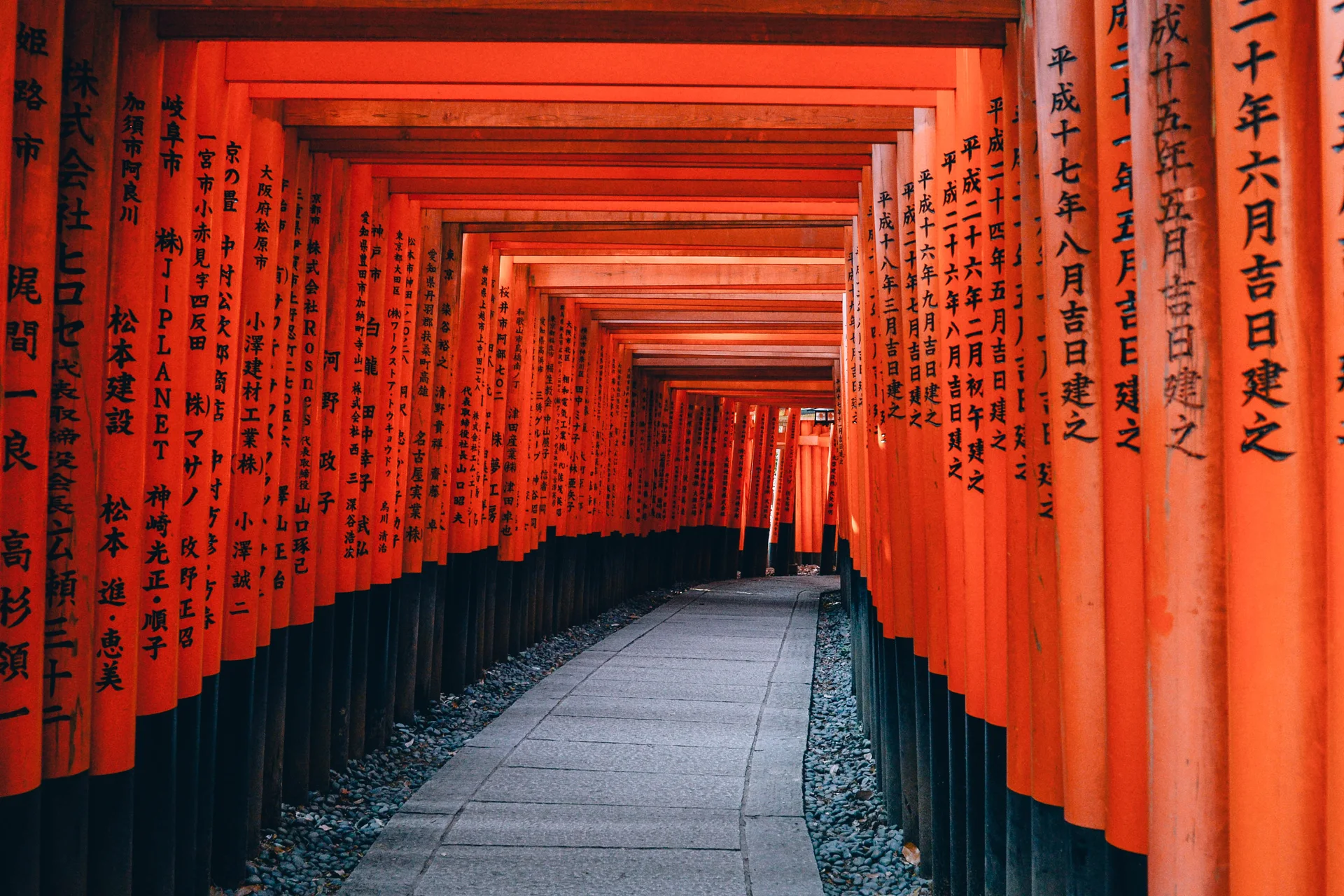
For 10 days and nine nights, begin with Tokyo 4N followed by Kyoto or another Kansai base for 5N. Nara can be a day out; Osaka can be an afternoon and evening, or the main Kansai base if its activities dominate. Tokyo to Kyoto is a comparatively efficient national move: JR Central's Tokaido Shinkansen page describes the ride at about two hours on fast services. The hidden tax is usually not that intercity train but adding several short hotel changes around it.
One Hakone night can replace a city night if the ryokan dinner, private bath or mountain morning is one of the trip's strongest reasons for going. It should not be inserted merely because a map places Hakone between Tokyo and Kyoto. A Kawaguchiko night needs an equally strong Fuji-view objective and a weather backup. If cloud covers the mountain, the hotel and lakeside time still need to justify the transfer. Hakone versus Kawaguchiko is the decision to make before reserving both as one-night stops.
The same discipline applies to Nara. Its major sights can make a substantial day trip from Kansai; a hotel move earns its place only if the early or late hours are genuinely part of the aim. The Nara day-trip route shows what fits without another checkout; the Nara overnight test sets the higher bar for moving the room. A Hiroshima addition is harder to justify over ten days if it reduces Kyoto to two useful days or creates a same-day island-and-return sprint. The city is not the problem; the available time is.
Disney changes this calculation. A park day uses one of the trip's high-energy days rather than a spare evening. With Disney already fixed, Tokyo and Kansai can still work, but adding both Fuji and Hiroshima usually requires visible cuts elsewhere. One or two days at Tokyo Disney should be decided before the national route. If the larger uncertainty is Tokyo time itself, compare the city's realistic day blocks in a longer Tokyo stay instead of assuming another city will be the better use of a night.
Twelve days: add one coherent block
Twelve days and 11 nights are enough to change the character of a first trip without turning every new date into a destination. One version is Tokyo 4N, Hakone 1N, Kyoto 4N and Osaka 2N. The Hakone night should deliver its own bath-and-dinner experience; Osaka should have a real task such as USJ, late nightlife or the Kansai departure. Without that Osaka task, keep more nights in Kyoto. If the Fuji view matters more than the onsen, test Kawaguchiko in place of Hakone and accept the different westbound transfer.
There are three other good uses for the added days. Stay longer in Tokyo when Disney, Nikko or a fixed event has already claimed a full day. Give Kyoto and Osaka enough distinct time when both are major interests. Or add no base at all, leaving space between demanding days and flexibility for weather. A family may gain more from that last choice than from one more city name. The Tokyo day-trip comparison helps choose one outward day instead of filling every gap with long rail travel.
A common failure is Tokyo 4N, Kawaguchiko 1N, Hakone 1N, Kyoto 3N and Osaka 2N. Both extra dates become packing and mountain transit while Kyoto loses depth. The route can make sense if both Fuji-area overnights are primary experiences. Otherwise choose one, then spend the released day where it solves a real shortage. Tokyo–Kawaguchiko–Hakone in three days exposes the actual transfers if the two-stop mountain detour is still appealing.
Hakone and Kawaguchiko connect west differently
Hakone fits more naturally as a Tokyo-to-Kyoto pause. Odawara is its rail gateway and has Tokaido Shinkansen platforms, so the route can continue west after the ryokan stay. This does not make every Hakone hotel equally easy: a lakeside property may still require local buses, while a Hakone-Yumoto room has a different last mile. Hakone-Yumoto, Gora and Lake Ashi have distinct arrival and departure costs.
Kawaguchiko is the stronger choice when the lake and a Mount Fuji view are the experience itself. It is away from the Tokaido Shinkansen corridor. Fujikyu lists a Kawaguchiko–Mishima highway service that can connect to Shinkansen travel, but the bus schedule and road conditions add a separate timing decision. Going back toward Tokyo for the train may be simpler on some dates. Luggage forwarding around Kawaguchiko and Hakone is particularly useful if the mountain night sits between two main-city hotels.
Choose by the overnight rather than by the idea that both are Fuji stops. Hakone remains worthwhile on a cloudy day if the booked bath, meal and ryokan evening are the point. Kawaguchiko can be worth a harder transfer when seeing the mountain from the lake is a top priority, but build in a second reason to enjoy the stay if visibility fails. Fuji-view room selection then becomes a room-type decision, not a generic town choice.
Fourteen days: a third region needs a real two-night block
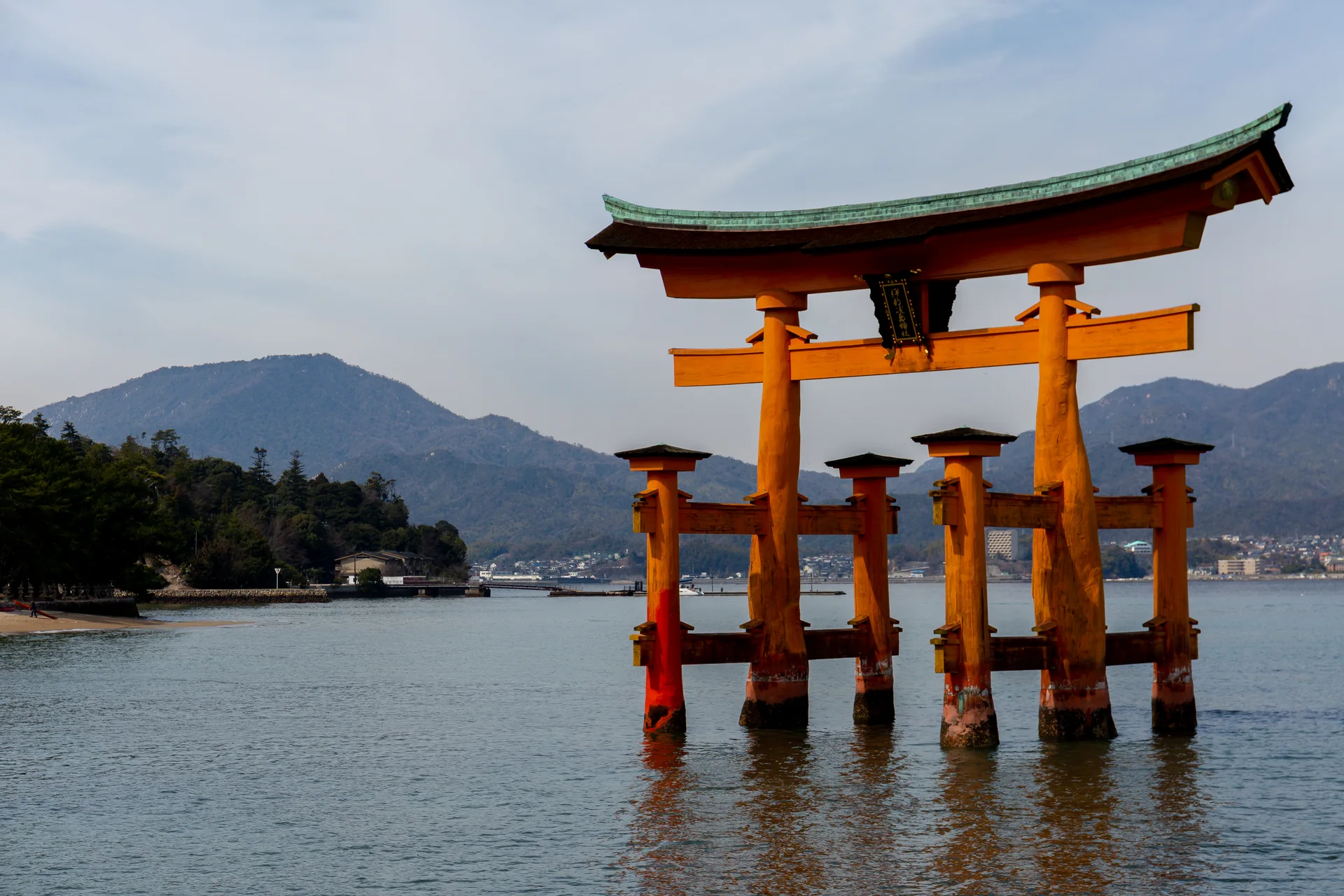
Tokyo 4N, one Hakone/Fuji night, Kyoto 4N, Hiroshima 2N and Osaka 2N is a plausible 14-day, 13-night open-jaw route. Two Hiroshima nights let the city and Miyajima occupy separate parts of the stay. With only one night, the result may be an arrival afternoon, an urgent island visit and immediate departure. A two-day Hiroshima–Miyajima route should be checked against the actual hotel nights, ferry hours and onward rail move.
Hiroshima is not a compulsory reward for reaching two weeks. Leave it out when Disney and USJ already take two full days, a Tokyo round trip forces extra backtracking, Kyoto would shrink below roughly three useful sightseeing days, or the group is already managing several big-bag hotel moves. More time in Tokyo/Kansai, a ryokan night and an open weather day can be the stronger trip. The first-trip Hiroshima decision puts the city against those alternatives. If the island evening itself is the goal, assess staying on Miyajima separately from merely adding a Hiroshima hotel.
Fourteen days can also be a slower two-region trip. That is particularly sensible with children, older travellers, several large bags or a strong interest in Kyoto that would suffer from a third-region loop. An extra day can absorb rain without a hotel penalty. The aim is not to keep the base count artificially low; it is to ensure each move creates hours unavailable from the previous room.
Theme parks and luggage change the useful-day count
A Disney or USJ booking claims a full operating day. On ten days, one park asks for a simpler rest of trip. On twelve, one is easy to absorb, while both can consume much of the added flexibility. On fourteen, two parks fit more comfortably, though Hiroshima must still compete with the city time they replace. If USJ is one of the strongest priorities, one versus two USJ days and a Universal City hotel may decide whether Osaka needs separate nights.
Travellers often blame hotel changes when the real problem is moving two large cases through stations. Sending suitcases between main-city hotels can make Tokyo-to-Kyoto or Kyoto-to-Osaka travel easier. It cannot remove the checkout clock, the day bag, the next check-in or learning a new local station. Use Japan luggage forwarding to support a sound one-way route rather than to justify every extra base. A 14-day trip with three steady bases can feel gentler than ten days with four.
Accommodation decisions should follow the day's last activity. Kyoto Station, Kawaramachi and Higashiyama serve different early and late plans. Osaka's Namba, Umeda, USJ and Shin-Osaka bases differ even more by final stop and departure direction. Compare rooms in the area that removes repeated crossings: Kyoto Station area stays, Namba stays and Shinjuku stays each solve a different travel day.
Three usable frameworks
| Length | Night pattern | When to modify it |
|---|---|---|
| 10 days | Tokyo 4N → Kyoto/Kansai 5N | Replace one city night with Hakone only when the ryokan experience ranks above it |
| 12 days | Tokyo 4N → Hakone 1N → Kyoto 4N → Osaka 2N | Keep extra nights in Kyoto if Osaka has no USJ, late-night or departure task |
| 14 days | Tokyo 4N → Hakone/Fuji 1N → Kyoto 4N → Hiroshima 2N → Osaka 2N | Drop or move Hiroshima if a Tokyo return or two park days consumes the margin |
These are planning frames rather than mandatory schedules. A Kansai arrival reverses the route. A Tokyo round trip needs the return priced into the days. A Fuji-focused trip may spend two nights at the lake and fewer in a city. An overnight should be judged by the hours it unlocks, not by whether it appears on a standard first-visit list.
Check the route before fixing hotel rates
Keep a simple record beside the bookings: airport and arrival hour, each hotel night, the two or three immovable days, and the rail or bus leg that joins the bases. Read it once in the direction you will travel. If a transfer goes east merely because the next hotel is famous, check whether the activity could be visited from the current base. A route with fewer stops can still hold varied days when Osaka, Nara and nearby Kyoto sights are reached from one well-chosen Kansai room.
If Fuji disappears behind cloud, does the mountain night still have value? If a child is exhausted halfway through the trip, which stop can be shortened without forfeiting several non-refundable bookings? Does each hotel move advance the route, protect unique evening or morning hours, or solve departure? Have Disney and USJ already used the days that made the itinerary look generous? Does the flight force a long return east after the western extension? These questions test the costliest assumptions while bookings can still be changed.
Choose ten days for a focused Tokyo-and-Kansai first trip, twelve for one meaningful upgrade or more room around fixed commitments, and fourteen when a third region earns at least two useful nights or the core cities need more time. The choice reverses when one place is the reason for the journey: build around that experience first, then remove moves that do not help it. The four early planning decisions belong before a non-refundable hotel sequence. The strongest route is the one that still works after a cloudy Fuji day, a tired traveller or a changed reservation.