
A washer-dryer in the room can make six Tokyo nights easier, but its value depends on what you leave out of the suitcase. If you still bring seven complete outfits and run one load on the last evening, a larger room or a better station route may help you more often. Start with the movements you will repeat, then the floor space you need on night six, and finally the laundry arrangement.
For most five-to-seven-night visits I would book one Tokyo base. Splitting the stay creates a concentrated block of packing, checkout, luggage storage and a second check-in. I would make that move when the two hotels have different jobs, such as west-side evenings and a Hakone departure followed by an east-side block ending at Narita. The Ueno versus Shinjuku route comparison is the first test if those are your two halves of the city.
Price the feature by how often the trip uses it
| Feature | How often it affects a six-night stay | When it deserves a premium |
|---|---|---|
| Hotel-to-station route | Often twice a day, plus arrival and departure with luggage | The same platform or district recurs across the itinerary |
| Room floor space | Every night and every repacking session | Two large cases must remain open or shopping accumulates |
| In-room washer-dryer | Usually one or two cycles, but can change the initial packing load | You deliberately bring fewer clothes and will wash on planned nights |
| Shared laundry | One or two sessions with trips to the laundry room | The hotel otherwise wins on location or room size |
| Kitchenette or microwave | Depends on actual meal plans | You will prepare simple food several times, not merely admire the facility list |
The washer has a special leverage point: using it twice may let you pack for three or four days rather than a full week. That changes the suitcase before the first hotel night. If lighter packing is already part of your plan, the feature works across the whole trip even when the machine runs only twice. If laundry is an emergency backup, do not let it determine the neighbourhood. The luggage forwarding guide offers another way to manage a large bag when Tokyo is one stop on a longer route.
Four real hotel choices, four different problems
| Hotel and room to compare | Long-stay strength | What to check before paying |
|---|---|---|
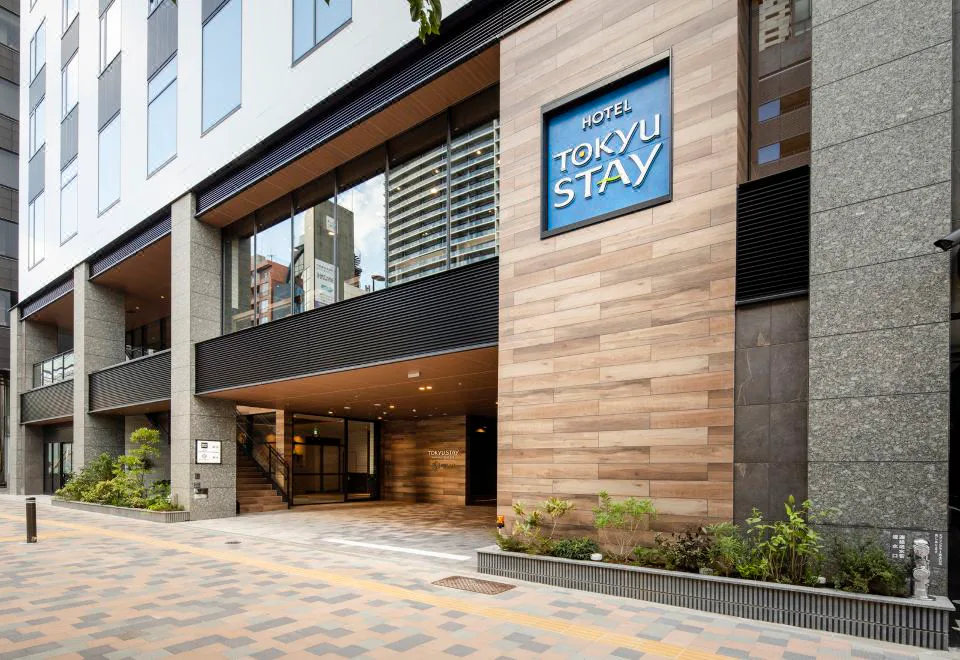
| Tokyu Stay Shinjuku Eastside, Comfort or Residential room | Washer-dryer and microwave in every room; kitchenette on selected room types | Exact room type and your route to JR Shinjuku rather than the district name |
| JR Kyushu Hotel Blossom Shinjuku, Superior Twin | 25m², two 120cm beds and a short South Exit approach | Whether that extra space beats private laundry for your cases |
| NOHGA HOTEL UENO TOKYO, Twin | 24–26m² with shared laundry and an east-side base | Keisei-Ueno versus JR Ueno walk and your actual laundry timing |
| Hotel Niwa Tokyo, Standard or Superior Twin | 18m² or 24m² near JR Suidobashi East Exit | Whether Tokyo Dome, Jimbocho or the central rail route is repeated enough |
These are not four versions of the same hotel. Tokyu Stay reduces the need to pack clothes; Blossom gives two people working floor space near a major JR departure; NOHGA combines an east-side base with an inexpensive shared machine; Niwa tests whether a useful daily address beats a once-only chore. Read the narrower Tokyu Stay Eastside long-stay review, Blossom's 25m² room analysis and Hotel Niwa room-size guide once one of those constraints is decisive.
Tokyu Stay makes sense when the packing list really changes
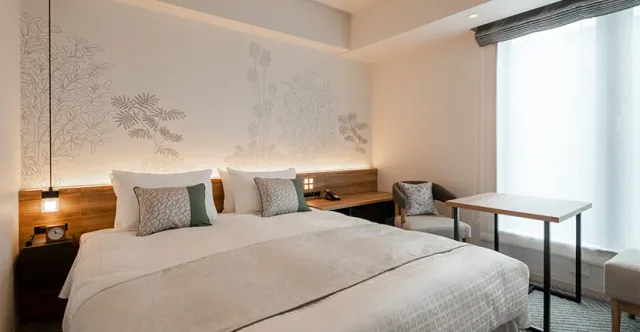
Tokyu Stay Shinjuku Eastside puts a washer-dryer and microwave in each room. The Comfort Double is 18m², while the Residential Double is 20m² and adds a kitchenette; room equipment differs across the range, so choose the exact type rather than assuming every Tokyu Stay booking includes cooking facilities. Plan the wash before leaving home: perhaps a load on the third night and another on the fifth. The benefit is strongest when those cycles let you bring fewer tops, underlayers or summer clothes and keep suitcase volume down.
The word “Shinjuku” can hide a daily route cost. Eastside is not a room beside JR Shinjuku South Exit. If the itinerary repeatedly starts on a JR intercity train or a highway bus from that side, account for the local approach each morning. If most evenings are east of the JR station or you use another nearby line, the trade-off can reverse. The Tokyo Station versus Shinjuku base guide is relevant when several rail days compete with the laundry plan.
A washer is not permission to ignore room layout. In an 18m² double, two large open cases, damp clothes waiting to be washed and shopping bags can still compete for floor space. A Residential room may solve some food and storage needs, but check its bed and floor plan for the actual travellers. If the visit centres on west-side shopping, the Tokyo shopping-hotel comparison shows where the final evening return will land.
Blossom buys usable floor area every night
JR Kyushu Hotel Blossom Shinjuku's Superior Twin is 25m² with two 120cm beds, a large table and sofa. It is roughly a three-minute walk from JR Shinjuku South Exit and the highway bus terminal. The property also offers shared coin laundry. For two travellers with hard-shell cases, those square metres matter repeatedly: after sightseeing, before an early departure, and each time shopping is sorted into the bags. The room is not merely a larger place to sleep.
If both people spread belongings out or need to repack several times, I would usually take this room over a smaller in-room-washer room when the South Exit also suits the route. If the cases stay closed under a rack and everyone leaves at 08:00 and returns at 23:00, much of the extra area may sit unused. The washer-led Tokyu choice then becomes stronger for deliberate light packers. For a more exact local comparison, Gracery versus Blossom exposes how different two “Shinjuku” hotel approaches can feel with bags.
NOHGA Ueno separates laundry cost from laundry effort
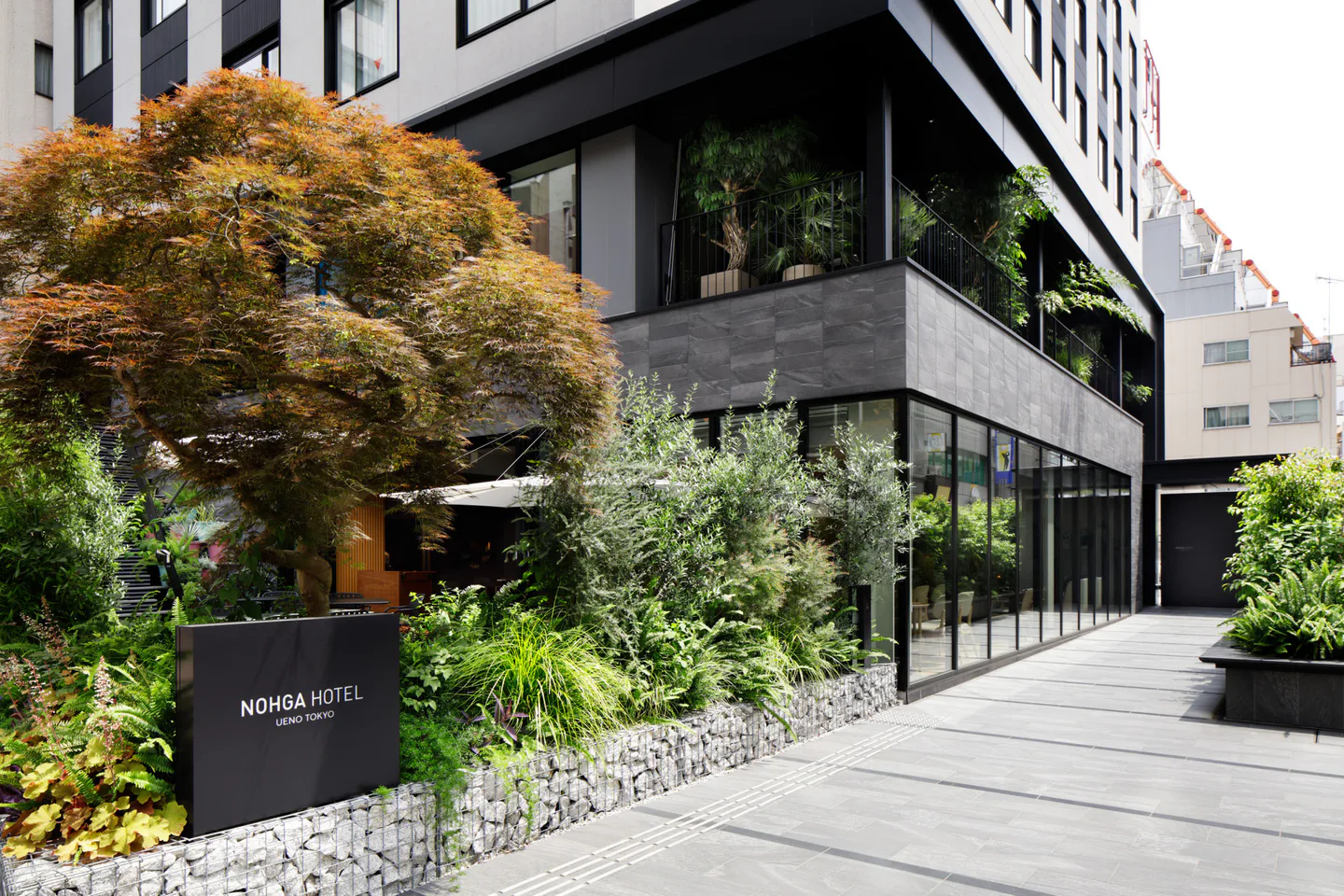
NOHGA HOTEL UENO TOKYO lists Twin rooms at 24–26m² and a 24-hour laundry area. The stated charge is ¥400 per wash and ¥100 per 30 minutes of drying. Those machine fees are usually small next to a six-night hotel bill. The cost that matters is attention: bring clothes to the laundry room, find a free machine, return to transfer or collect them, and avoid letting a cycle consume the evening you planned to spend outside.
One shared-laundry session is easy to absorb for many travellers. Two sessions during busy return hours may be less convenient, especially with children or a late restaurant booking. But if your flights use Narita and several days begin around Ueno, Asakusa or Akihabara, an east-side hotel can save more repeated travel than a private washer west of the city. The NOHGA Ueno luggage-route review matters because the walk from Keisei-Ueno is different from the approach from JR Ueno; Mitsui Garden versus NOHGA makes that local choice more concrete.
Niwa is the test for a useful central address
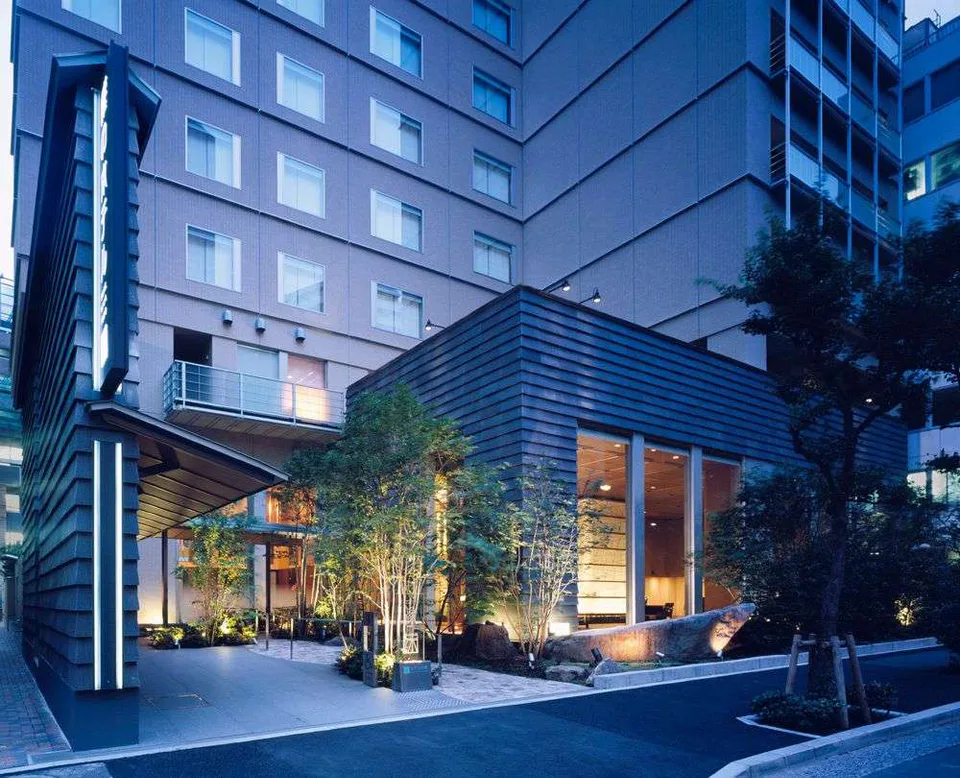
Hotel Niwa Tokyo offers an 18m² Standard Twin and 24m² Superior Twin. The hotel gives a roughly four-minute walk from JR Suidobashi East Exit. If a Tokyo Dome event, Jimbocho visit or central rail sequence appears repeatedly, this address may do more for a week than a washer elsewhere. It also forces a clean room-size choice: an 18m² twin can work for closed carry-ons, while two large open cases make the 24m² room more attractive. The Tokyo Dome hotel comparison tests that event-specific route.
I would not choose Niwa merely to illustrate a rule. It should win only when its station and neighbourhood save real trips, and the selected room handles the luggage you expect to have by night six. A once-only laundry errand can be solved separately. If Niwa needs a sizeable nightly premium over an equally well-located alternative, compare the total stay rather than treating its design as a reason by itself.
Judge the room on night six, not night one
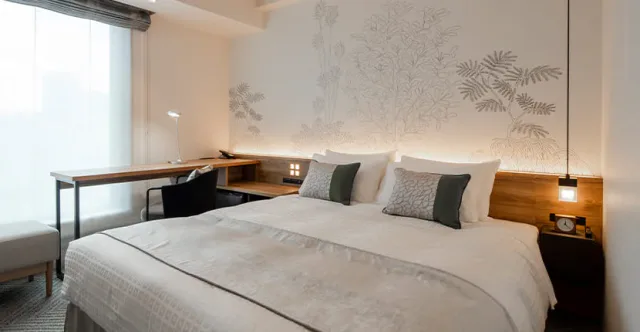
Long-haul luggage often expands in use without the suitcase itself getting bigger. Drugstore bags, new clothes, packaging and gifts sit on chairs or by the door until the final repack. A room that looks spacious when you first enter can feel tight after several shopping days. A private washer may reduce the clothes you brought, yet it cannot change the footprint of two hard-shell cases kept open. Floor area and laundry solve related but different problems.
Put the open cases into the room plan. Where do they lie, and can two people still reach the beds and bathroom? Does the room have a proper table for repacking or eating, or only a narrow desk? If you expect few purchases and keep cases closed, 18–20m² can be workable. If both cases stay open, the 24–25m² alternatives may buy a benefit every night. A Tokyo luggage-storage plan can help on check-out day, but it cannot give a cramped room more floor space for the preceding six nights.
A split stay needs a route reason
Changing Tokyo hotels means repacking, checking out, moving or storing bags, waiting until the next room is ready and learning another station approach. For six nights, I would normally keep one base and accept one slightly longer day trip. Two hotels become sensible when the work changes clearly: for example, a west-Tokyo block ending with Hakone, then an east-Tokyo block that ends at Narita. The Hakone and Kawaguchiko luggage guide may reduce the cost of that move.
Do not switch simply because two hotel listings are appealing. Identify the nights and departures improved by the second location, then price the transfer day. The Tokyo split-stay decision sets out the few route patterns that can repay the move. A Disney-heavy section is one exception: staying near Tokyo Disney versus central Tokyo can be justified by two consecutive park mornings. For one park day, another hotel move may cost more time than it saves. If the full Japan trip goes onward to Kyoto or Osaka, assess the Tokyo checkout against that intercity departure rather than optimising Tokyo nights alone.
Multiply the nightly difference before calling an upgrade small
| Difference per night | Six-night difference | What it must buy |
|---|---|---|
| ¥1,000 | ¥6,000 | A modest, repeatable improvement may justify it |
| ¥3,000 | ¥18,000 | Look for daily route savings, workable luggage space or a packing change |
| ¥5,000 | ¥30,000 | Check whether the alternative hotel plus a separate laundry session solves the same problem |
These amounts are arithmetic examples, not live room rates. A six-night premium should be judged against what will happen six times. A larger room is not automatically worth paying for if you are rarely inside it; private laundry is not automatically worth paying for if it runs once. A reliable station approach may be the least dramatic feature in a booking grid and the most valuable one in use. If this is a couple's trip with one deliberately special night, the Tokyo honeymoon hotel decision makes a different case for separating that night from the practical base.
The common mistakes are easy to diagnose. Choosing the washer first can save two laundry-room trips while creating a dozen inconvenient station legs. Packing a full week's clothes anyway weakens the washer's main benefit. Judging floor area on arrival day ignores later purchases. Splitting the stay without a route purpose adds handling without removing a harder journey. Each mistake has a different fix; no single hotel feature compensates for all of them. With four travellers, the four-person room-layout guide adds another constraint that a private washer cannot solve.
Search the area that solves the repeated route first: compare Shinjuku rooms when western evenings and departures recur, compare Ueno rooms for an east-side and Narita-led stay, or check Suidobashi rooms when a Tokyo Dome or central-rail pattern points there. Then compare the exact room type, its luggage space and the laundry plan across the whole stay.