
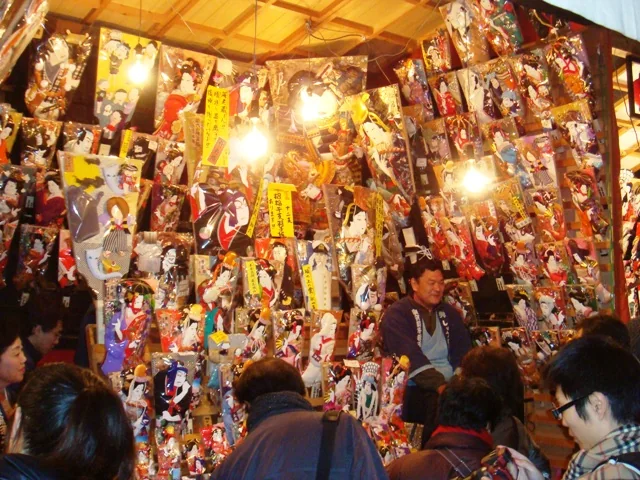
Senso-ji lists its year-end Hagoita market for 17–19 December. The decorated battledores are sold near the temple's halls and gates, so the fair is a walk through a religious precinct and shopping streets rather than an isolated exhibition in a ticketed building. The hotel decision is about how you will use that geography. An Asakusa room lets you visit before or after the densest day-trip hours; Ueno can be a better base if your bags, museum day or Narita train are the stronger constraint.
The Gate Hotel Kaminarimon by Hulic is a real Asakusa property. Its official directions put it two minutes from the Tokyo Metro Ginza Line's Asakusa Exit 2 and three minutes from Toei's Asakusa Exit A4. Those are station-exit walks, not a promise of a quiet route through the fair or a room overlooking it. Compare the hotel's door with a Ueno station property before booking. The Ueno versus Shinjuku base guide shows why a rail hub can win a longer stay even when one event is in Asakusa.
Swipe through earlier event photographs
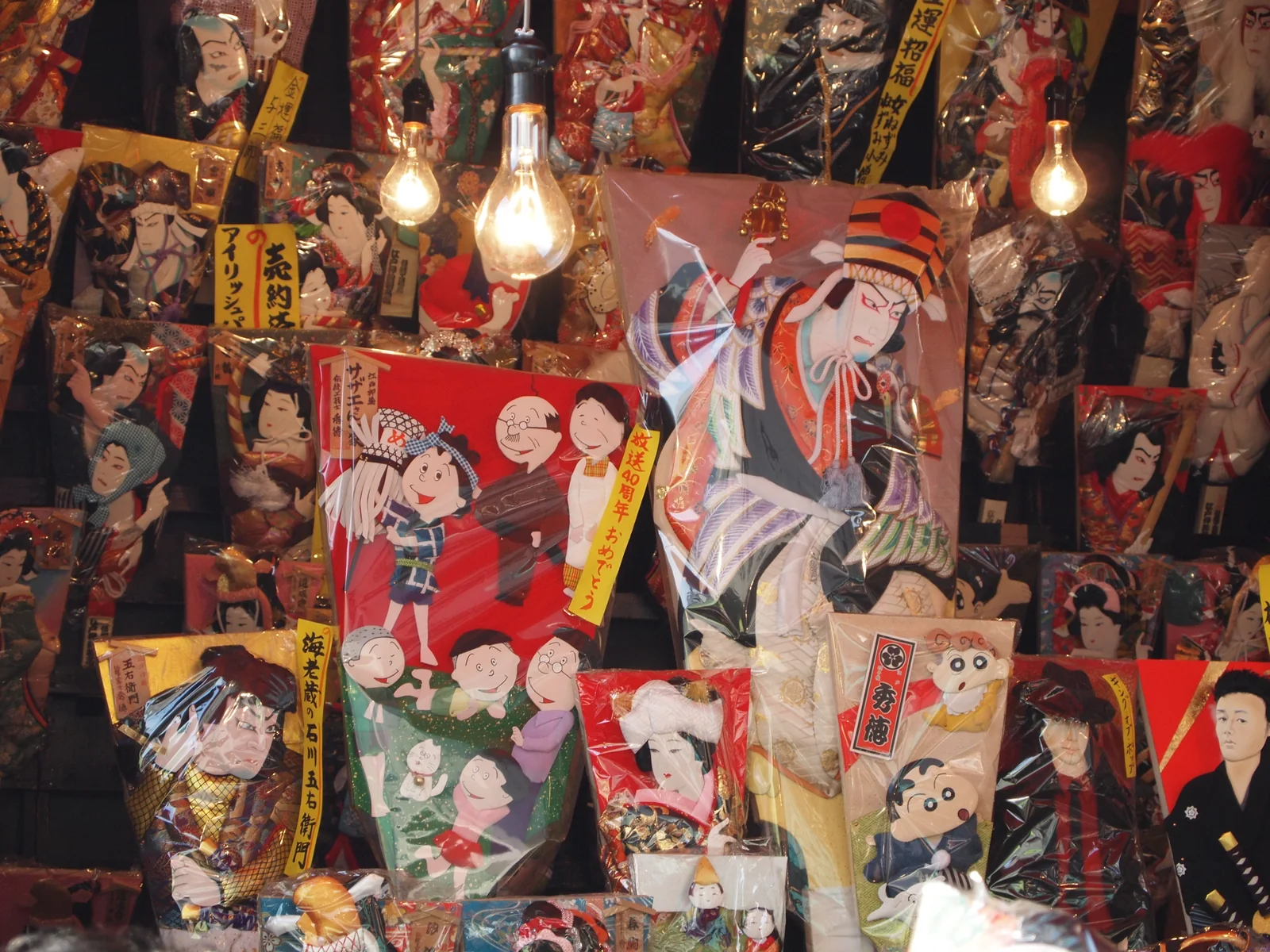
The temple confirms the dates; vendor hours need a current check
Senso-ji's English annual-events page gives 17–19 December for Osame-no-Kannon Goennichi, its last festival of the year, and locates the Hagoita market around the halls and gates. The Japanese event description gives the same annual period. The temple does not, on those pages, promise that every seller opens at one identical hour or that each night has the same stalls. Check any 2026 market notice before planning a late arrival around a specific vendor.
The historical images in the gallery show battledores and the market in an earlier year. They verify the subject, not a 2026 seller line-up or price. Handmade designs, display position and crowd flow can change. If buying a particular style is the main reason for travel, budget time to browse and ask sellers about what they have rather than booking a hotel around an old photograph. The Tokyo shopping hotel guide is useful for a broader shopping trip, but the fair's location is specifically Senso-ji.
Hagoita are decorated battledores associated with the year-end market. You do not need to buy one to enjoy the event, and a hotel stay should not be justified by a presumed bargain. A fragile purchase may be hard to carry on the train or fit into luggage. Ask the seller about packaging and check airline baggage rules before buying a large item. The Tokyo luggage storage guide addresses ordinary bags; it does not guarantee a locker will fit a decorated board.
If you do plan to buy, measure the available suitcase space before visiting and decide whether the item will travel in hand luggage or a checked bag. A room in Asakusa allows you to carry it a short distance after purchase, inspect the wrapping and return to the fair if you still have questions. A Ueno base can work too, but you will be taking the item through a station and train. The cost of a more convenient room should be compared with that specific handling problem, not with a vague idea that an Asakusa stay is more authentic.
| Your strongest reason to visit | Useful base | What to confirm |
|---|---|---|
| Browse the fair early or after other visitors leave | Asakusa | Current stall hours and hotel-to-temple route |
| Continue to Ueno museums and a Narita departure | Ueno | Airport platform and bag route |
| Spend only an hour at the market during a Tokyo week | Existing Tokyo hotel | Subway trip without a hotel move |
| Buy a large battledore | Asakusa or Ueno with baggage plan | Packaging and room or locker storage |
The point is not that Asakusa is always more festive. A local room has specific value when you will use its proximity more than once. A Ueno room has specific value when the next fixed journey starts there. If you plan only one short afternoon stop, keep a hotel chosen for the rest of the trip and visit the fair by rail.
Asakusa gives the morning and evening back
Staying near Senso-ji lets you see the approach streets without making the fair part of a rushed day trip. You can visit in the morning, leave when crowds grow, and return later if stalls are operating. That flexibility is particularly useful for a family or someone who wants to take time over a purchase. The Gate Hotel Kaminarimon is a named search near the southern gate, while other Asakusa rooms may be closer to a different side of the temple. Check the actual path from the hotel to the market area rather than measuring to the centre of a large temple map pin.
The district has several Asakusa stations belonging to different operators. The Gate Hotel's access page lists distinct walks from Ginza Line, Toei Asakusa Line, Tobu and Tsukuba Express exits. A route that looks short from one line may be longer if your airport or next destination uses another. The hotel's own accessibility guidance recommends particular lift exits for large luggage; confirm current lift operation if that matters. The Tokyo subway pass versus Suica guide helps with fare products, but it cannot replace checking which Asakusa station you will actually use.
An Asakusa night also pairs naturally with other east-Tokyo activities. The Tokyo Skytree Chiikawa event guide has a separate 2026 programme, and the Asakusa Cross Suites family room guide compares more spacious local accommodation. Do not assume either attraction's schedule follows the market's annual dates. Use the Asakusa base because it supports a coherent day, not because a booking site groups all nearby places under one “old Tokyo” label.
Asakusa can be less convenient for an early long-distance departure from Tokyo Station or a Narita train from Ueno. You may need to move bags first thing in the morning. A room beside Senso-ji is valuable for the fair evening, but the next morning's platform can be the harder deadline. The Tokyo Station versus Shinjuku guide and Tokyo first-and-last-day itinerary help put the last day into the hotel calculation.
Ueno is a luggage and museum base
Ueno has a stronger case when you arrive or depart via the Narita rail network, when you want museums, or when the fair is only one stop in a longer Tokyo stay. Check which Ueno or Keisei Ueno entrance your hotel serves. A “Ueno” room several blocks from the relevant platform may not save as much as the label suggests. The Mitsui Garden Ueno Skyliner walk guide and Nohga Ueno Narita luggage guide show why the final walk with bags deserves attention.
From Ueno, Asakusa is a separate short city outing. Travel without luggage if the hotel can store it, walk through the market and return for dinner. That is a sound plan when your group does not need an early and late fair visit. The Tokyo National Museum guide and National Museum of Nature and Science guide can build a full Ueno day around the market trip, but verify each museum's opening days and hours independently.
Ueno can also offer room layouts or rates that suit a longer stay better than the closest Asakusa choices. The Mitsui Garden versus Nohga Ueno comparison and Mimaru Ueno East versus Shinjuku West family comparison illustrate different needs. A family of four should not select a tiny Asakusa room solely to reduce one subway ride. The best base is the room and route that works across the whole visit.
| Base | Fair-day advantage | Next-day advantage | Main compromise |
|---|---|---|---|
| Near Senso-ji | Easy repeat visit and relaxed browsing | East-Tokyo morning | Less direct for some long-distance trains |
| Ueno station area | Simple short excursion to Asakusa | Museums and some Narita routes | Cannot step back into the fair from the room |
| Tokyo Station area | Fair remains a planned trip | Strong early Shinkansen | More local travel on fair day |
| Shinjuku | Keep a western Tokyo itinerary together | Other city connections | Longest of these local trips to Asakusa |
The Shinjuku row is relevant if a hotel is already booked there. Moving for a three-day market can cost more time than it saves. The Shinjuku versus Shibuya guide and Tokyo split-stay hotels guide can help decide whether an east-side night has a second purpose. If it does not, a direct visit to Senso-ji from the existing room is simpler.
Browse respectfully in a working temple precinct
Senso-ji is an active temple, not a purpose-built shopping mall. Follow posted paths and let worshippers reach the halls. Do not block a gate for photographs or touch a seller's decorated item without permission. The Hagoita market is tied to the temple's last festival of the year; treating it as a market alone misses its setting. A family can keep the visit short and still learn something, while a buyer can spend longer speaking with sellers.
If you want photographs, ask before photographing a person or a stall close up. The historic gallery pictures do not imply every seller is happy to be photographed in 2026. Keep a small bag, particularly if you plan to purchase a fragile item. Carry cash or verify the seller's payment method on the day; do not assume all stalls take the same card or mobile payment. A hotel with a safe place to leave shopping can be useful, but check its storage policy rather than assuming it can hold oversized purchases after checkout.
December weather makes a long standing visit less comfortable than a brief temple walk in spring. Wear a warm layer, choose shoes for paved but crowded streets and plan a warm meal nearby. If the market is busy, a local room gives you the option to return at another time within the three-day period. A traveller in Ueno can do the same with a short rail trip, but it takes more intent. The Tokyo rainy-day indoor guide provides alternatives if the outdoor fair becomes unpleasant; it does not confirm market cancellation in rain.
On a rainy day, the hotel lobby can also become useful for sorting bags and warming up, but do not assume you can occupy it for hours before check-in. Confirm baggage storage and check-in time with the property. If the fair remains open but your group wants only a quick look, use the temple's published location and a short walking loop rather than trying to wait out the weather under a stall awning. A paid local room has most value when you can actually return to it between visits.
For children, the point of the day might be a brief look at the decorated boards rather than extensive shopping. The Tokyo family attractions guide can supply a separate daytime activity. Avoid stacking a distant attraction, a late market visit and a long hotel return into the same day. A convenient Asakusa room is most valuable if it allows an easy retreat; a comfortable Ueno family room may still be better if the market is only an hour.
Do not let an airport claim settle the hotel choice
Both Asakusa and Ueno can appear in airport access searches, but the actual airport, rail product and station entrance determine the usefulness. The Narita versus Haneda to Tokyo guide is the right starting point. For a very late arrival, the Narita late-arrival hotel decision and Haneda late-arrival decision matter more than the fair. If your plane lands after the vendors have closed, an Asakusa hotel does not turn arrival night into a market visit.
An early departure the morning after the fair reverses the calculation. A Ueno or Tokyo Station hotel may make that morning less stressful, while a late afternoon departure leaves time for a final Asakusa walk. Compare the real train timetable, hotel checkout and luggage plan. The Tokyo Station hotel comparison can help if the Shinkansen, rather than the fair, is the fixed commitment.
The room price should be for the actual three-day period, number of guests and bed type. A December rate advertised for a quiet weekday elsewhere in the month may not apply. Check cancellation terms, because seller details and your own arrival time can change. A premium Asakusa room has value when it enables the visits you will make; it is hard to justify for a short stop between museums and a train.
A workable three-day choice
If Hagoita shopping and Senso-ji are the main reasons for the visit, search Asakusa first and check the hotel-to-temple route. The Gate Hotel Kaminarimon is a precise named anchor near the southern approach. If you will use Ueno's museums or a Narita train on the next day, search Ueno first and plan the fair as one unencumbered outing. If your Tokyo hotel is already fixed elsewhere, keep it unless an east-side room solves another real problem.
The temple has fixed the annual 17–19 December period, but seller hours and 2026 operational details need a current check. Make the booking against the journeys you can verify now: hotel door to temple, hotel door to the next train and the handling of any purchase. That is more reliable than a generic promise that a room is “close to Asakusa”.
If your visit spans two of the three fair dates, a local room may let you browse once, think about a purchase and return the next day. A Ueno hotel permits that too, but it adds a separate subway outing. If you have only a single hour before a flight or train, focus on enjoying the market rather than making a rushed decision about a large decorated item. The lodging choice should support the pace of the visit you actually have.