
Keep a Suica or PASMO available for a Tokyo trip even if you buy a subway pass. The IC card lets you pay the fare on compatible rail and bus networks without choosing one operator in advance. A Tokyo Subway Ticket does a narrower job: unlimited Tokyo Metro and Toei Subway rides during a continuous 24-, 48- or 72-hour window. It can save money when several eligible trips sit close together. It cannot make a JR ride, an airport express or a train to a day-trip destination part of the same network.
Work through the decision in this order: check that you can buy the visitor ticket through the intended channel, mark each planned journey by operator, then count the eligible rides inside the continuous time window. A five-day stay alone does not justify the 72-hour product. Two central-city days between an airport arrival and a Fuji outing may fit 48 hours better. A walking day with only one or two subway rides may not justify any pass at all.
Which fare product actually answers your route?
| Product | Current adult price | Where it works | Clock or main limitation |
|---|---|---|---|
| Suica or PASMO stored value | Pay each fare | Compatible Metro, Toei, JR, private rail and other transport | No unlimited-rides discount |
| Tokyo Subway Ticket | ¥1,000 / ¥1,500 / ¥2,000 | Tokyo Metro and Toei Subway | 24 / 48 / 72 consecutive hours from first use; visitor sales conditions apply |
| Tokyo Metro 24-hour Ticket | ¥700 | Tokyo Metro only | Twenty-four hours; Toei rides require separate fares |
| Metro + Toei Common One-day Ticket | ¥1,100 | Tokyo Metro and Toei Subway | One operating day, rather than a rolling 24 hours |
Those products are not interchangeable merely because each is called a subway ticket. The ¥700 Metro ticket can beat the ¥1,000 visitor ticket on a Metro-only route, but saving ¥300 is poor value if it makes you avoid the direct Toei train and walk farther with luggage. The common one-day ticket covers both subway operators yet expires with the chosen day's last train. A rolling Tokyo Subway Ticket can cover part of tomorrow when activated this afternoon. Start with your route and its timing, then compare the product.
Visitor eligibility can veto the purchase before price does
The Tokyo Subway Ticket is sold for overseas visitors and qualifying domestic travellers arriving from outside the Tokyo area and surrounding prefectures. Tokyo Metro's visitor guidance names Tokyo, Kanagawa, Saitama, Chiba, Ibaraki, Tochigi, Gunma and Yamanashi as the excluded domestic home prefectures. The physical purchase route in Japan may require an overseas visitor's original passport showing Short-Term Stay status with the relevant immigration mark. If you used an automated immigration gate and do not have the mark needed for that sales check, resolve the purchase condition before building the week's fare plan around the product. The channel you use can have its own steps, so check the sales instructions for that channel.
Eligibility is a practical constraint, not a reason to buy a different pass blindly. A working IC card will still let you ride the eligible subway sections at their ordinary fares while taking a more direct JR or private-rail route elsewhere. If the visitor-ticket purchase looks uncertain, build the trip first and use stored value until you have confirmed the sales condition. A theoretical ¥400 saving is not useful if the group has to stop its first sightseeing morning to solve ticket evidence.
The QR version exchanges a ticket counter for a phone dependency
QR versions of the Tokyo Subway Ticket and the Metro–Toei common one-day ticket became available on March 25, 2026. A traveller can buy the Tokyo Subway Ticket online and use a supported phone at QR gates; purchased tickets can also be distributed to other travellers' devices. That can simplify a group in which each adult carries their own ticket. It also means the person who needs to pass the gate must be able to display the right QR code when the group separates.
Before choosing QR, think through the day when the phone is already handling maps, attraction bookings, messages and photographs. A battery problem or a ticket left on another person's device can be more disruptive than carrying a physical ticket. The QR option is useful for someone comfortable managing those devices; it is not automatically the most resilient choice for every family. The IC card remains the fallback for ordinary fares when a pass or phone cannot be used. Keep the purchase and distribution instructions accessible before your first gate rather than sorting several phones in the station queue.
Count operators before counting journeys
Tokyo Metro and Toei Subway together cover a great deal of central Tokyo, but the Tokyo Subway Ticket does not cover every line shown on a Tokyo route map. JR East, Keisei, Odakyu, Tobu and other railways are separate. One trip that starts in a Metro station and later changes to JR is not one fully covered ride. Mark the operator for each leg that you expect to use before counting it toward break-even. A route search that shows a direct JR ride is a reason to compare its actual time and fare, not to force a subway transfer because you already paid for unlimited subway travel.
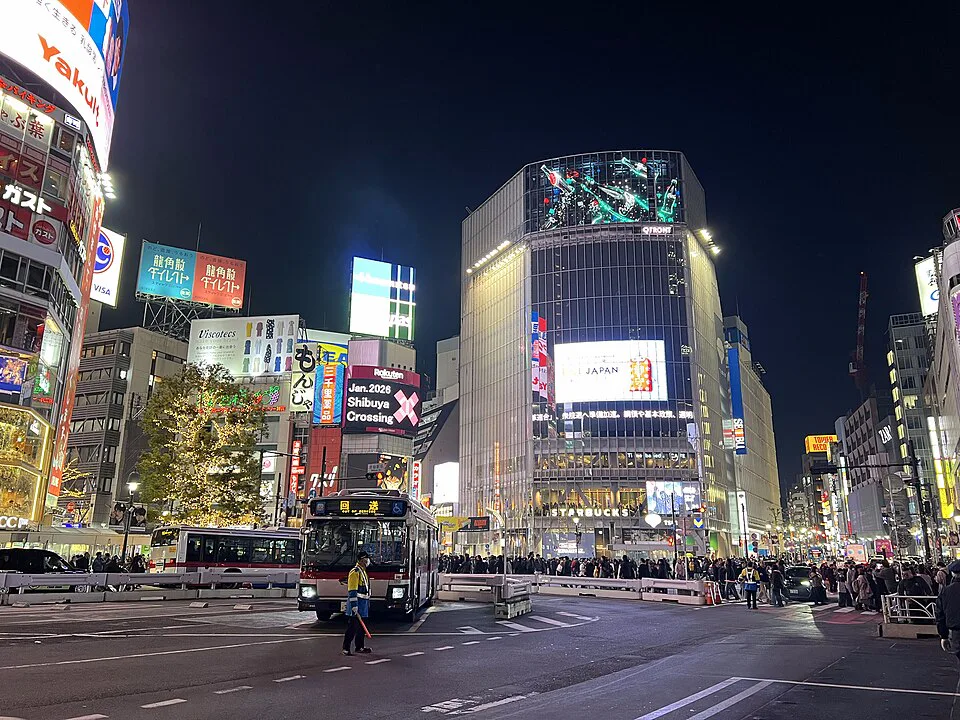
Consider an afternoon around Shibuya and Harajuku. You may walk between sights and make only one paid rail trip. The pass does not become valuable because the district is famous or busy. On another day linking Tsukiji, Ginza, Roppongi and farther subway-served areas, eligible rides can accumulate naturally. The Tokyo attractions map helps group close places before you assume several rides; the whole-day attraction planner shows where a museum or park ticket may consume hours without generating another train journey.
Tokyo Metro's broad fare guide places a 24-hour Subway Ticket around six qualifying rides, the 48-hour version around five per 24 hours and the 72-hour version around four per 24 hours for a conservative break-even test. Longer journeys may reach the price earlier. Treat those figures as a filter, not a target. Taking extra trains to make a pass “pay off” makes the day worse. A walk from one nearby stop to the next can be the better itinerary even if the unlimited ticket then saves less.
Choose the continuous block, not the length of your hotel stay
The ¥1,000 version needs a genuinely busy 24-hour subway block. A 48-hour ticket at ¥1,500 can be an easier fit when two central-city days follow each other. Because its clock begins at first use, an afternoon activation can include a similar time two days later. The ¥2,000 72-hour ticket looks cheaper per day, but a full day in Kawaguchiko, Hakone, Nikko or Tokyo Disney can consume a large portion of those hours with little usable Metro or Toei travel. Move activation around the day trip; do not reshape the trip to make the ticket arithmetic look better.
For a first visit, compare the four-, five- and seven-day Tokyo sequences before choosing a pass. The day-trip comparison makes the all-day suburban commitments visible. A Disney park day should normally be treated as its own rail and admission decision, not as a hidden reason to buy more central-subway hours. If the itinerary uses Kawaguchiko and Hakone in one side trip, the subway ticket is even less relevant during that block.
The difference between 48 and 72 hours is not just ¥500. It is whether the third day contains enough eligible rides without a route detour. If your third day is a walk around Asakusa, the price gap can be hard to recover. If it crosses several separate Metro or Toei districts and your group would travel that way anyway, the longer ticket may be sensible. Count the expected paid journeys in the actual rolling window and keep a direct JR alternative in the comparison.
Metro-only and common one-day tickets have their own clocks
The Tokyo Metro 24-hour Ticket currently costs ¥700 for an adult and covers the nine Metro lines. The paper version begins its 24-hour clock at first use. A same-day ticket must be used on the purchase day to start that clock; an advance ticket has a separate activation period. The IC version is loaded to an eligible PASMO and begins at purchase, a difference that matters if you buy it long before your first ride. It is not loaded to Suica. These details are why a general instruction to “buy the ¥700 pass at the station” can still misfire when you arrive late.
The ¥1,100 Metro and Toei Common One-day Ticket uses an operating-day clock. It is useful for a long day that starts early and finishes before the day's last service, but an activation at 15:00 does not preserve a busy following morning. Compare that with a rolling 24-hour visitor ticket only after checking visitor eligibility. If your route never touches Toei, first test the cheaper Metro-only product. If a Toei line saves a transfer or a long walk, include the fare or the broader ticket instead of pretending the route is Metro-only.
Airport and long-distance days belong outside this fare test
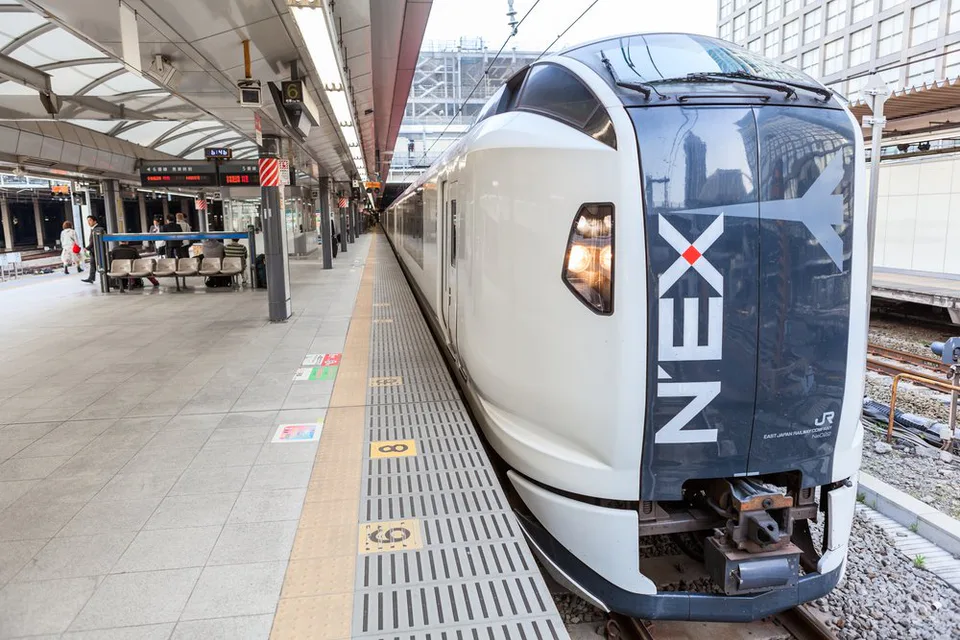
Narita Express, Skyliner and the main Haneda airport rail choices are not covered just because they connect to a Tokyo subway station. Evaluate the airport-to-hotel journey separately. The Narita versus Haneda transfer guide starts with the final change to the room; a late Narita arrival can be a lodging decision before it is a subway-fare decision. A late Haneda arrival creates a different last-train calculation. Starting a 72-hour pass solely because you landed in Tokyo can waste the best part of its validity.
Likewise, a JR TOKYO Wide Pass and a city subway ticket answer different route questions. The JR pass comparison is useful when several regional rail trips cluster, but it does not make an unrelated subway pass valuable. A Nikko day trip or a journey to Fuji can occupy most of a day without giving the city ticket meaningful use. Keep the transport budgets separate, then add them together to see the real total.
Test a five-day plan before you pay

Suppose Day 1 is a late-afternoon arrival, Days 2 and 3 are central Tokyo, Day 4 is a Kawaguchiko day trip and Day 5 is the departure. Keep an IC card for all five days. Then map only Days 2 and 3 for a 48-hour Subway Ticket. Day 1 contains an airport journey; Day 4 leaves the covered network; Day 5 returns to luggage and the airport. The longer ticket is cheaper per hour but may buy hours you cannot use. On a seven-day trip where Days 2 through 4 are genuinely subway-heavy, 72 hours deserves a fresh calculation. The trip length did not decide; the consecutive eligible rides did.
Hotel location can change the fare count, but a pass should not choose the hotel for you. The Tokyo Station versus Shinjuku base decision considers airport and onward-train needs first. Arrival and departure day planning then tells you how much sightseeing actually fits around the room and bags. If you are considering a mid-stay hotel move, the split-stay test will usually matter more than saving a small number of subway fares.
An attraction day can be rail-light even when it is expensive. Tokyo National Museum may consume a large part of a Ueno day. A teamLab visit has its own timed entry and time inside; it does not automatically create six subway rides. Those are examples of why you should build the day before selecting a transport product. A route that walks efficiently can save both time and fare without ever reaching a pass threshold.
Check the five ways the plan can fail
| Failure | Question to ask before buying |
|---|---|
| Eligibility | Can every person obtain the visitor product through the intended channel? |
| Coverage | Are the counted journeys really on Metro or Toei, rather than JR or a private railway? |
| Activation | Does the rolling window start on a dense city block, away from airport and day-trip hours? |
| Device | Can each QR ticket holder display their own ticket through the whole travel day? |
| Sunk-cost route | Would you still take these trains if you had to pay each fare with an IC card? |
For most visitors, the answer is an IC card as the dependable base and a visitor subway ticket for a proven dense block. Choose the ¥700 Metro ticket when your route stays on Metro and its clock fits. Choose the ¥1,100 common one-day ticket when both subway systems matter on one operating day. Choose 24, 48 or 72 hours of the visitor ticket only after eligibility, operators and ride count agree. If you are still placing the hotel, compare stays around your Tokyo routes before deciding which journeys to count. If the pass makes you take a slower train, the arithmetic has stopped describing the trip you wanted.