
Reserve the autumn room that would be hardest to replace while its cancellation terms still give you room to change plans. A normal city double in Tokyo can often be exchanged for another suitable bed or district. A named Fuji-facing room, a small ryokan with dinner, a family room near a Kyoto evening event, an island night or a seasonal mountain hotel is a different purchase. If that feature sells out, the trip itself changes. Those are the stays to secure when acceptable inventory opens, even though the exact colour date is uncertain.
As of late October 2026, the year's foliage forecasts are already available and can inform remaining autumn decisions. They arrived too late to be a sensible first step for the scarcest rooms, many of which were on sale months earlier. The useful sequence is to protect the difficult hotel choice, record precisely when it becomes non-refundable, then change a day trip, elevation or still-flexible night as the leaf reports improve. The 2026 regional colour calendar is a routing tool, not a substitute for an accommodation plan.
The booking trigger is scarcity, not a universal countdown
There is no reliable 180-day booking rule for every Japan hotel. Properties release rooms on different schedules, and a room that is replaceable in one district can be unique in another. The normal online window at Imperial Hotel Tokyo is about six months, while Imperial Hotel Kyoto has published separate opening dates for particular 2026–27 periods. Kamikochi Imperial Hotel has an operating season: in 2026 it runs from 26 April to 15 November, with 14 November the final overnight. Outside those dates, extra search effort cannot reveal a room that is being sold elsewhere.
Ask a more useful question before setting an alert: if this exact reservation vanishes tonight, how many substitutes still deliver the same trip? A plain double room near a major Tokyo transport hub usually has alternatives. A four-person Kyoto layout near an evening route has fewer. A specified lake view, solo-eligible half-board ryokan or lodge aligned with the final mountain bus may have none. When substitutes disappear, book an acceptable version on terms you can live with. It need not be an imagined perfect room.
| Accommodation you need | How to hold it | What would make a substitute inadequate |
|---|---|---|
| Ordinary Tokyo or Osaka city room | Take a good refundable option after dates become credible; compare later | Only a strict location or unusual bed setup turns it scarce |
| Kyoto peak weekend family room or walkable Higashiyama stay | Secure the room configuration and evening return early | A generic Kyoto bed may add a tiring late trip with children |
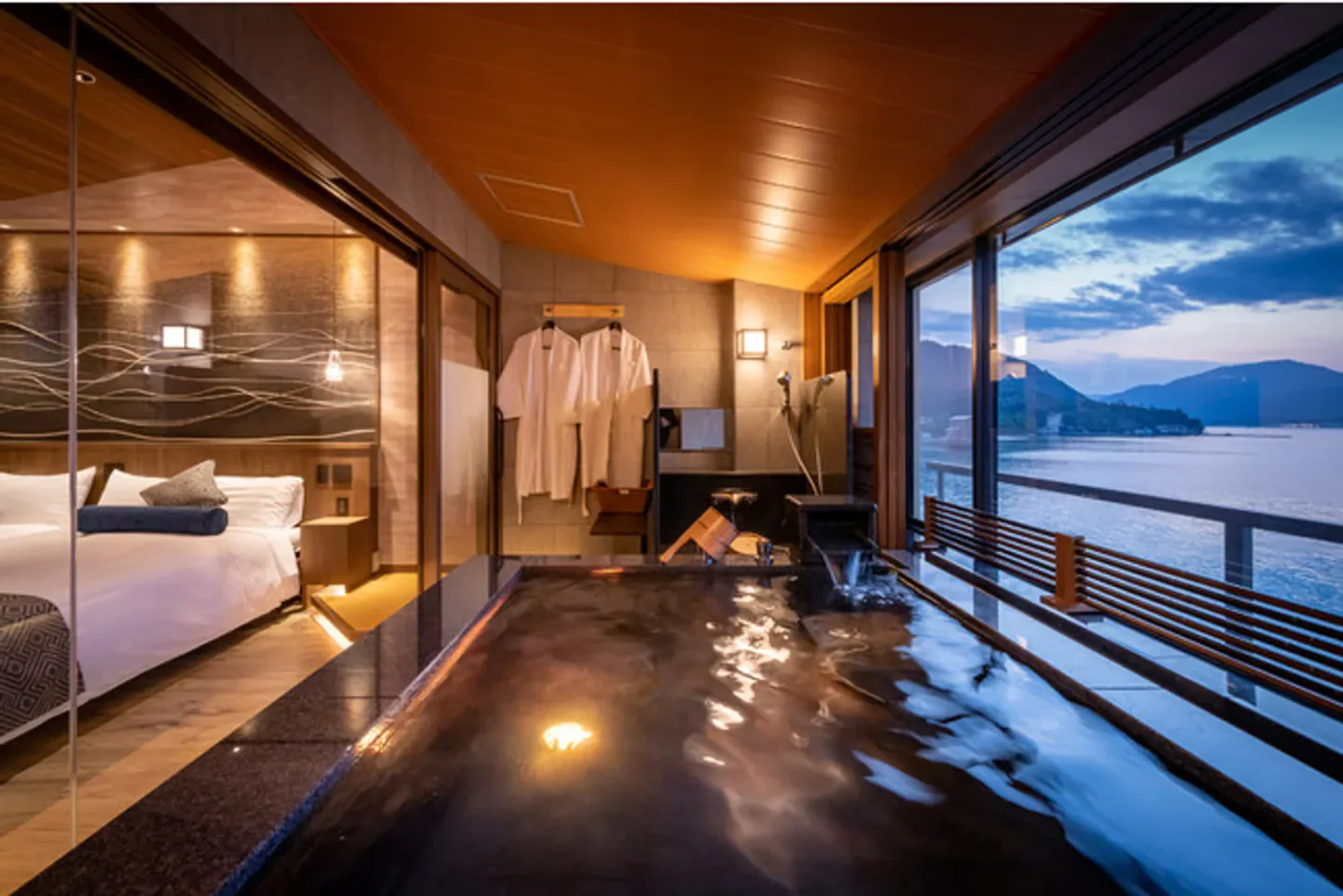
| Named Fuji view, private bath or small meal-inclusive ryokan | Act when the desired category appears, with a workable cancellation deadline | The attribute or dinner is the reason for the night |
| Kamikochi, Oirase or another seasonal and transport-limited stay | Pair the hotel with its operating dates and inbound/outbound service | A room reached after the last bus or meal is not usable in the intended way |
| Miyajima island overnight | Hold it if evening and early morning on the island are essential | Hiroshima or Miyajimaguchi can replace the bed, not those island hours |
A destination can have both scarce and ordinary inventory. In Kyoto, a fixed four-person room near a particular illumination deserves an earlier decision than an interchangeable double near Kyoto Station. Around Fuji, a north-shore room with a view you specifically want differs from a station-area room used only as a base. The Kawaguchiko versus Yamanaka choice should be settled before you pay extra for a lake-facing category; how many lake nights to book tests whether one sunrise chance is enough.
Make a refundable booking behave like a real option
Flexibility is only useful if someone knows when it expires. Record the named property, branch, room, beds, meal plan, total charge, whether cash was taken or merely authorised, and the free-cancellation deadline in Japan time. Add a short reason for holding the room and a keep-or-release date earlier than the actual deadline. A calendar reminder for only the last cancellation hour invites a mistake if the group has not agreed on the route.
A refundable rate can still tie up funds or card capacity. Exchange-rate changes can alter what a refund is worth in home currency. If two travellers independently reserve backup rooms, the group may be holding more inventory than needed and may miss different deadlines. Parallel holds are justifiable when they answer a defined uncertainty: two adjacent dates before leave is confirmed, two bases while the autumn route is uncertain, or a mountain night with a gateway-city fallback. Once the uncertainty resolves, release the unused option.
For a Kyoto weekend, one cancellable room that meets the family's bed and return-route needs can anchor the trip. Keep comparing if a better room appears, but a second or third hold needs a specific reason. The Kyoto sold-out fallback comparison shows why Kyoto Station, Karasuma, Otsu, Uji, Nara and Osaka are not interchangeable alternatives: the last usable journey changes. A family or older traveller should include that journey in the hotel value; the low-strain autumn route helps identify days when a short evening return matters most.
By October, use colour information to move flexible pieces
The October 2026 foliage outlook describes a warmer later autumn in many places, with some low-elevation sites later than usual. That does not mean every mountain and garden will shift together. Elevation, latitude, species and weather still separate their timing. The forecast is most valuable for deciding whether to move a Tokyo garden day, change the order of two excursions or use a different elevation. Rebuilding five hotel nights to chase a one-week shift can cost more in cancellation charges and travel time than the colour gain is worth.
Keep a transport-rich gateway when it covers several plausible dates. Tokyo can support city gardens and a different day out to Mt Takao or Okutama; the Tokyo leaf-area timing guide compares those options. A Kyoto base gives several districts and nearby excursions without moving every suitcase. The luggage forwarding decision matters if one well-timed overnight really does improve the route. Avoid moving the whole party only because one forecast map changed shade.
The same logic applies to northern and mountain trips. The Tohoku five- or seven-day route can trade one outing for another without destroying each hotel night. Kenrokuen's early entry and illumination may make a central Kanazawa base more valuable than an extra drive to a predicted peak elsewhere. At remote Yabakei or the Iya Valley, access and daylight can be harder constraints than the last few percentage points of colour.
A mountain room and its last connection are one booking
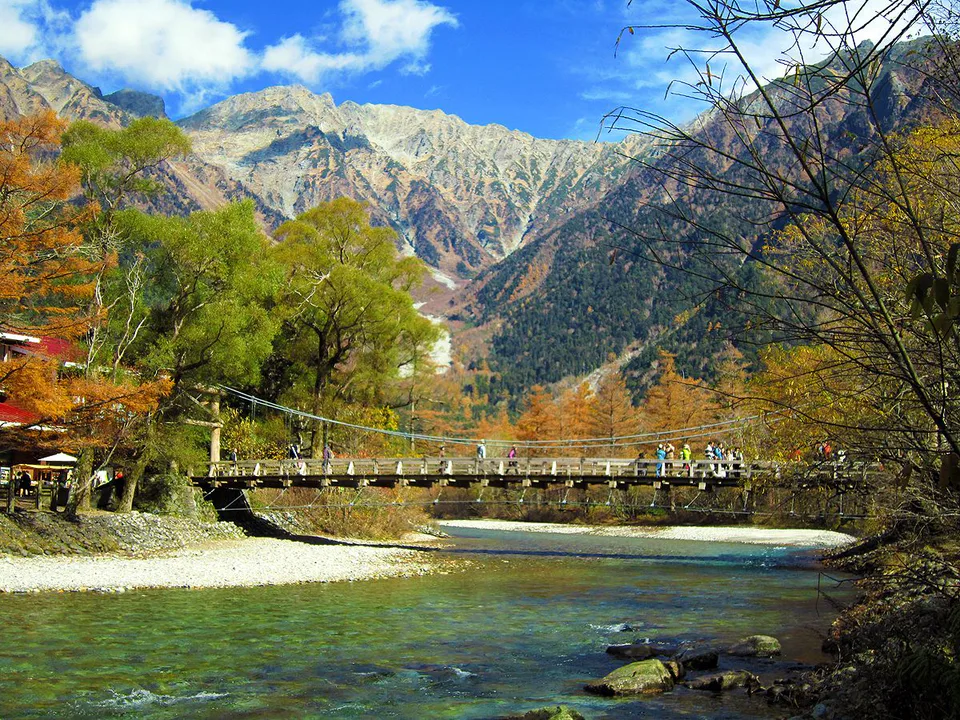
Kamikochi Imperial Hotel's 2026 final overnight is 14 November; checkout is 15 November. A calendar showing no rooms after that is reporting a closed season. Within its operating dates, the inbound bus or taxi and the final service out still need to fit a realistic check-in. A mountain stay can be attractive on paper and fail on the last connection. The Shirakawa-go bus and luggage plan illustrates a similar access-first choice even though it is a different destination.
Oirase Keiryu Hotel's 2026–27 transfer schedule lists shuttles from Aomori and Hachinohe. Advance reservations are required at least two days before travel and can close earlier when full. Its Aomori service charges a fare, while the Hachinohe hotel shuttle is listed free; season affects service details. A room booking alone does not reserve the shuttle. Name the actual train arriving at the pickup city, the bus departure, the meal check-in and the outbound connection before treating the stay as secure.
These constraints are particularly important if dinner is part of the room price. A late arrival can erase part of what you paid for even when you physically reach the hotel. A day trip can sometimes be more resilient: Yamadera from Sendai tests a return-to-gateway plan, while Mt Daisen shows where road and bus choices govern the day. In each case, decide whether sleeping close to the site changes your useful hours enough to justify another check-in.
Do not compare different room products as if they were a discount
Re-shopping a city hotel after prices move can save money. First confirm you are comparing the same branch, bed setup, occupancy, child policy, breakfast, taxes, payment timing and cancellation deadline. A room-only rate is not a cheaper version of a half-board ryokan stay. A generic garden view is not a lower-priced substitute for the named lake or Fuji view that justified the trip. A private bath and a public bath are also different purchases for a traveller who specifically needs private use.
Book and confirm the replacement before cancelling the original. Otherwise the new inventory can vanish or payment can fail between clicks. Once the new reservation appears in your account, cancel the old one before its local deadline and keep the cancellation confirmation. The amount that matters is the total cost of the usable product, not the nightly rate displayed in a search card.
For Miyajima, decide what the overnight is buying. Iwaso is roughly a fifteen-minute walk from the ferry port. A bed in Hiroshima or Miyajimaguchi can be easier or less costly, and it serves daytime shrine sightseeing well. It cannot provide the same island evening after day visitors leave or the quiet early morning before the next flow. If those hours are the point, protect the island booking. If daytime access is enough, keep the mainland option. This is the same principle behind choosing a view room or ryokan meal plan: substitute the function, not just the pillow.
When the first choice sells out, change the smallest thing
Try another room in the same property, provided the lost view, bath or bed arrangement is not the reason for the stay. Next try another property within the same transport area. Only then move to a nearby backup town and recalculate the first and last usable bus or train, dinner time and luggage movement. A different city is the last option, after you know what the daily commute will do to the itinerary.
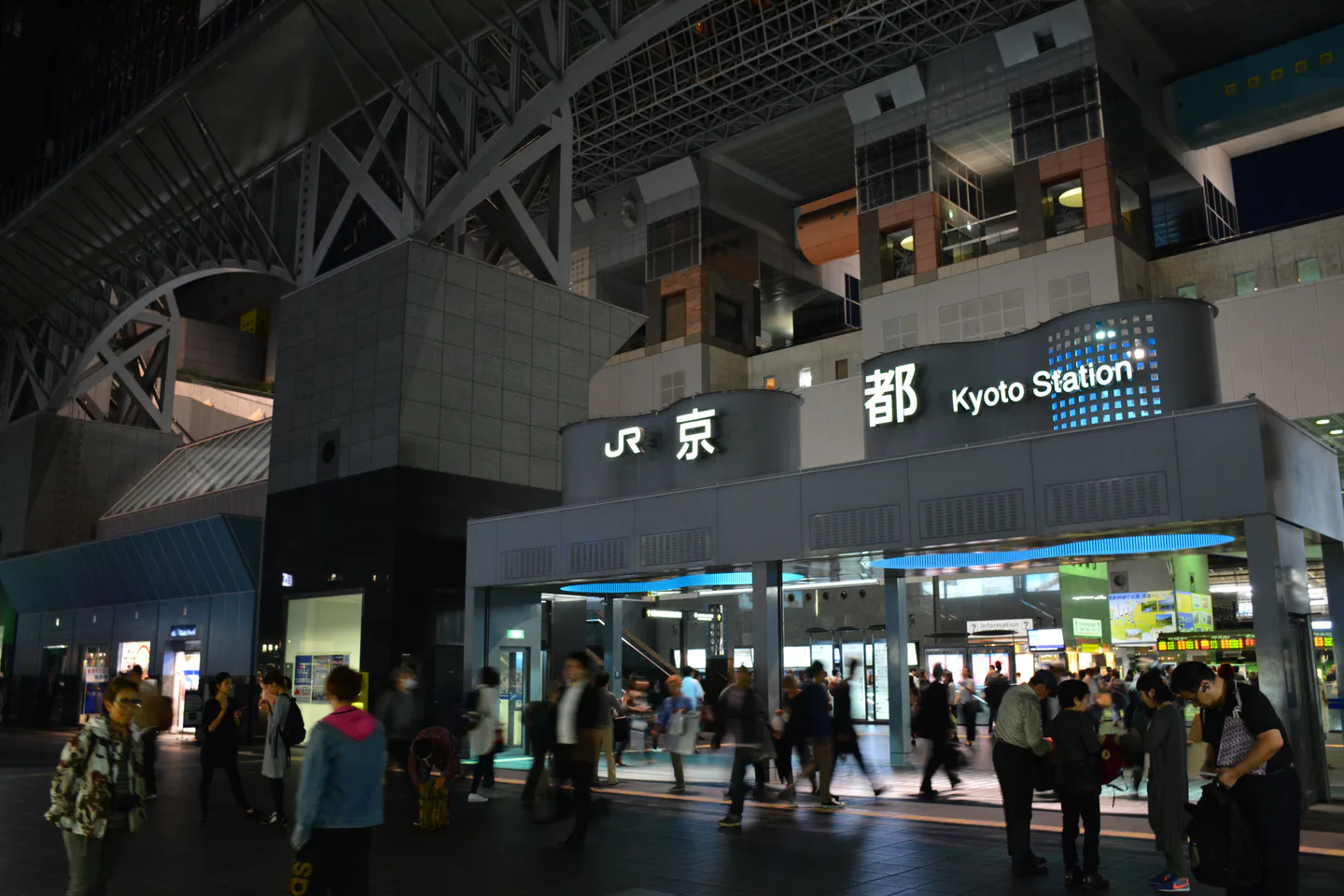
That order matters in Kyoto: a room near Kyoto Station may preserve the whole trip better than a cheaper Osaka bed that creates two long returns. Around Lake Kawaguchi, a station-area hotel can preserve the lake itinerary even when the north-shore view category is gone. For a family travelling around the holidays, the actual Kyoto backup routes are more useful than a list of nearby city names. Osaka's longer-stay calculation shows how repeated hotel changes can add effort that a cheaper rate does not display.
A small property with one distinct room is an exception: if the view or dinner is essential, losing it may justify a different date rather than a different district. But test that choice against the rest of the journey. A USJ Halloween night or another fixed event can be much less movable than a park walk. The regional colour calendar should help you choose which day can move without unravelling a ticketed plan.
Four bookings, four different first moves
| Proposed stay | Book first | Keep flexible |
|---|---|---|
| Kyoto peak weekend with a family | A suitable bed layout and tolerable evening return on a cancellable rate | Day trips and a better city room if one appears |
| Kawaguchiko sunrise or named Fuji view | The acceptable view category when released | Tokyo days or a nearby ordinary hotel night |
| Kamikochi or Oirase seasonal hotel | Room plus workable arrival, final bus and meal time | The gateway city night outside the mountain segment |
| Miyajima island morning | Island lodging if the evening and dawn are essential | Hiroshima hotel if ordinary daytime shrine access is enough |
These choices differ because the room has a different job in each trip. Kyoto is often about layout and last return; Kawaguchiko can be about a specific window; a mountain lodge is constrained by its season and transport; Miyajima is about hours that a mainland bed cannot buy. If you only need a plain room in a connected city, secure a fair flexible rate when the dates are credible and continue comparing. Do not invent a universal 90-, 120- or 180-day deadline.
For a current autumn departure, check the latest leaf report, confirm the room and transport still fit the day, and write down every cancellation deadline before changing anything. Compare Kyoto-area stays for the nights that remain flexible if Kyoto is your gateway; the regional calendar can then decide where the movable day goes. A scarce room is worth holding only while it continues to serve the actual route.