
Hachimantai's autumn colour moves down the mountain. The summit and Mikaeri Pass usually change before Gozaisho and Onuma; Matsukawa and the Appi side can still offer a useful day after the upper slopes have passed their best. Choose the elevation and access mode together. A summit bus day is a focused walk, while a car can connect several levels only when the road and weather allow it.
The late-October 2026 timing is now particularly tight. Iwate Kenpoku Bus lists its summer/autumn nature bus through 25 October, with a Morioka departure at 09:10 and a 14:55 summit return. The separate Hachimantai–Appi shuttle finished its published season on 18 October. The Ministry of the Environment reports a 17:00–08:30 nightly Aspite Line closure from 16 October to 4 November and winter closure beginning 4 November. Temporary frost or snow restrictions can still supersede the seasonal plan; inspect live road and bus notices on the morning of any remaining visit. Later autumn visitors should plan lower areas or a future season rather than relying on a summit bus that no longer runs.
Choose an elevation instead of one peak date
Gozaisho wetland generally shows grass colour in late September to early October, while tourism material places Matsukawa Valley's bridge foliage around mid-October. Those are recurring patterns, not a promise for an exact 2026 weekend. Summit grass, alpine shrubs, middle-elevation trees and lower forest do not change on the same day. A bare summit does not make the entire district a failure; a green Matsukawa valley does not mean the high ground is waiting for you. The wider Tohoku foliage sequence helps fit Hachimantai among nearby regions.
↔ Scroll table left or right
| Zone | Usual planning window | Time to allow | Reason to shorten or change the stop |
|---|---|---|---|
| Summit, Mikaeri Pass and Hachimannuma | Late September to early October | About 1½–3 hours | Wind, fog, frost, poor footing or a road closure |
| Gozaisho and Onuma | Early to mid-October | About 1–1½ hours at a selected wetland | Heavy rain, icy or slippery boardwalks |
| Matsukawa and nearby onsen | Often around mid-October | Several hours or an overnight | Access, bath admission or a fixed ryokan meal time |
| Appi Kogen | Often mid- to late October | Half-day or overnight | Weather or seasonal facility hours |
Onuma is a good choice for a shorter wetland walk rather than a full highland hike. Gozaisho offers layered grass colour but needs appropriate parking and stable footing. Matsukawa is a separate lower-elevation outing, not a small add-on to a summit bus day. If an upper-colour report says “past peak,” move the route down the mountain before abandoning Iwate entirely. Late-October alternatives help when access and colour no longer overlap here.
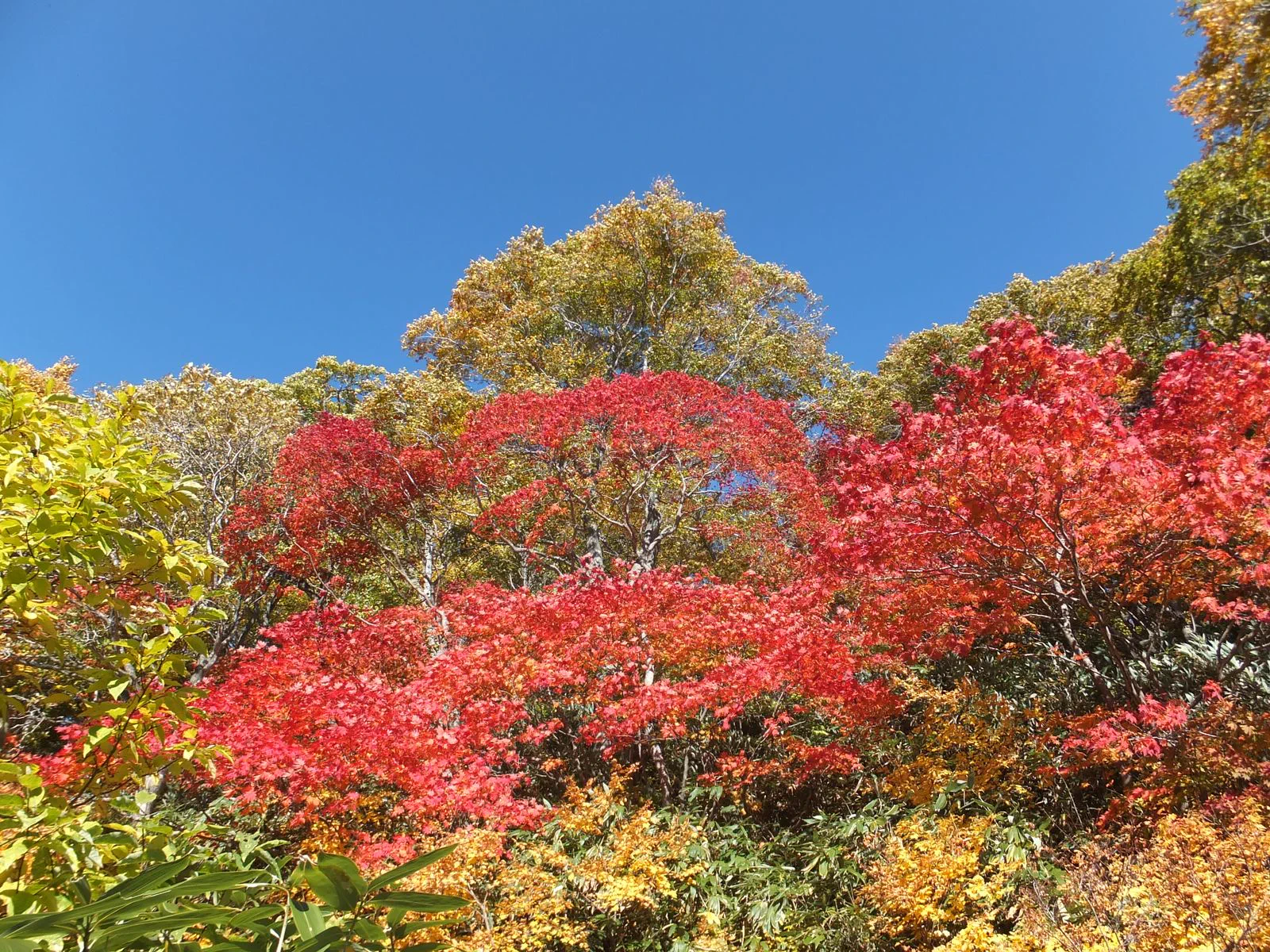
The foliage image shows the colour that attracts visitors, but it does not establish today's conditions at every elevation. Read an up-to-date colour report beside the road status. On an exposed plateau, the road can become the limiting factor before the trees do. The regional autumn calendar is useful for trip timing, while a live local report determines the specific day's route.
The Aspite Line is part of the attraction and the risk
Driving lets you change elevation when one zone is cloudy or already bare. Leave Morioka or the onsen area early enough to use daylight, then visit the highest safe zone first in stable conditions. A short summit walk may take about 60–90 minutes; afterward choose one or two among Onuma, Gozaisho and Matsukawa. Trying to add Appi, both wetlands, an onsen and a full summit circuit turns a scenic day into continual driving and parking.
The Aspite Line is a mountain road, not a place to stop wherever a photograph appears. Use designated parking. If a lot is full, change the stop rather than waiting on a bend or shoulder. Fog can remove visibility, and wet leaves, frost or early snow change grip and braking. The environment ministry also warns of bear habitat; on foot, follow local bear guidance and carry out rubbish. A visitor without experience driving in icy mountain conditions should cancel the high-road drive when frost or snow is forecast, regardless of whether a rental car has winter tyres. An Aspite Line driving plan can help order the safe stops.
The October 2026 nightly road restriction is practical, not merely a calendar detail. From 16 October until the planned 4 November winter closure, the Iwate-side Aspite Line is scheduled closed from 17:00 until 08:30 the next morning. An afternoon summit photograph should not be priced against a ryokan arrival that requires driving through the gate after 17:00. Earlier temporary closures can occur for ice or snow. Check the prefectural road service before departure and once more before committing to the climb; the live notice overrides this article and any hotel plan.
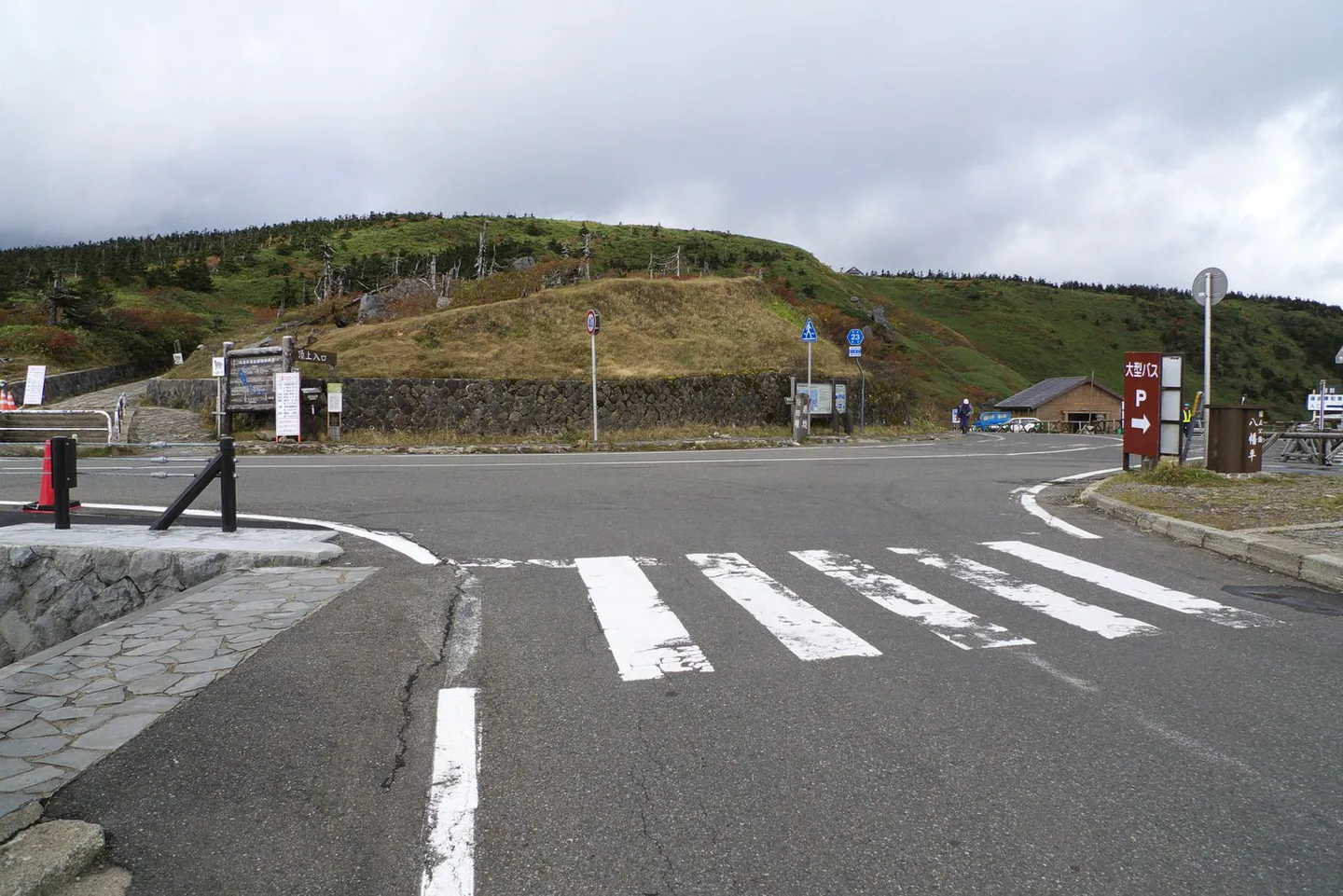
The photograph above shows a visitor-road crossing under a clouded sky, not a guaranteed display of autumn leaves. That is a useful reminder of the day's actual shape: road, parking and walking conditions decide whether the highland is comfortable. Descend to a lower onsen or forest area if wind and mist remove the summit's purpose. Hakkoda's weather-led foliage choices show a similar northern-mountain trade-off, though transferring there is not a same-day rescue for a closed Hachimantai road.
The last 2026 summit bus is a focused trip
The nature bus from Morioka Station leaves at 09:10, reaches the summit at about 11:05 and departs the summit at 14:55 for a 17:15 Morioka return on its published summer/autumn pattern. That leaves about three hours and fifty minutes at the highland. It is enough for a moderate boardwalk, lunch and photographs if the weather and walking ability cooperate; it is not enough for an improvised long hike or a chain of dispersed lower stops. The operator routed the service via the Aspite Line because the Jukai Line remains closed.
The published adult Morioka-to-summit return fare was ¥3,400. Check the ticket procedure and operating notice for the exact day. A guided summit walk may be offered on selected operating dates, but that service is subject to its own capacity and conditions. The important cutoff is that the nature bus's 2026 autumn season ends on 25 October. After that, do not present the summer timetable as a car-free way to reach the summit. A Hachimantai car-free plan needs to begin with the last bus, not with the viewpoint list.
The Hachimantai–Appi shuttle published for 18 July to 18 October 2026 has already ended as of this late-October edit. Its former one-way fares of ¥1,300 toward Hachimantai and ¥1,500 toward Appi describe the concluded service, not an available connection for the coming week. Even while it operated, the summit nature bus and resort shuttle were not a frequent, seamless hop-on network. One summit destination plus one accommodation base is the robust car-free structure. A Morioka day trip fits a visitor focused on the high plateau; an onsen-area night can reduce the morning transfer when service is running.
Do not build an emergency plan around finding a taxi at a remote stop. Vehicle supply and phone reception can be limited, and the distance may make the fare large. If a bus is missed, contact the bus operator and accommodation first. Walking toward a distant stop as daylight and temperature fall can make an inconvenience unsafe. A JR EAST PASS may cover eligible JR rail into Morioka; it does not automatically include the mountain bus or resort shuttle. Compare full rail, bus and lodging costs rather than only the first ticket. A five- or seven-day Tohoku route gives the pass a proper trip context.
One day is enough for one height band
A single stable day can cover one elevation sequence. An overnight earns its place when you want a highland walk and Matsukawa or Appi at a different pace, or when two weather windows materially improve a trip built around the outdoors. The extra night is not a license to double the stop count. A pre-night near the mountain can make an early start easier. A post-night permits an onsen finish without a pressured descent to Morioka. Two mountain nights allow a longer boardwalk and lower-colour day, but are excessive if the only goal is a short summit look.
Hachimantai Onsen offers a middle ground for driving and seasonal bus access. Matsukawa is stronger for an onsen-led, lower-elevation trip but requires careful attention to meals and transfers. Appi has larger resort facilities and indoor alternatives for families. Morioka remains useful for Shinkansen arrivals, large luggage and a city fallback if the mountain road closes. The Tohoku lodging-base comparison helps decide whether moving the hotel out of the city is worth it.
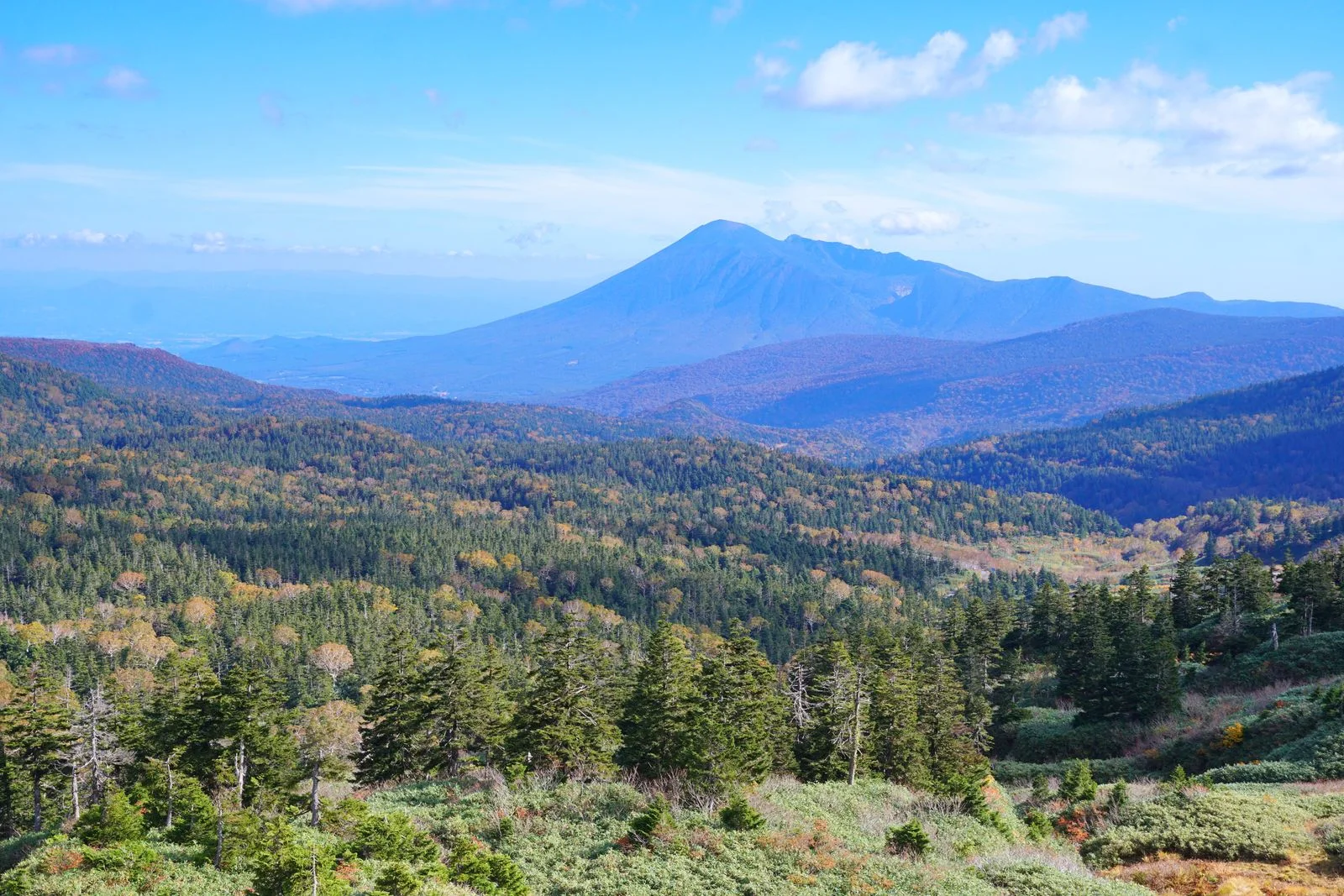
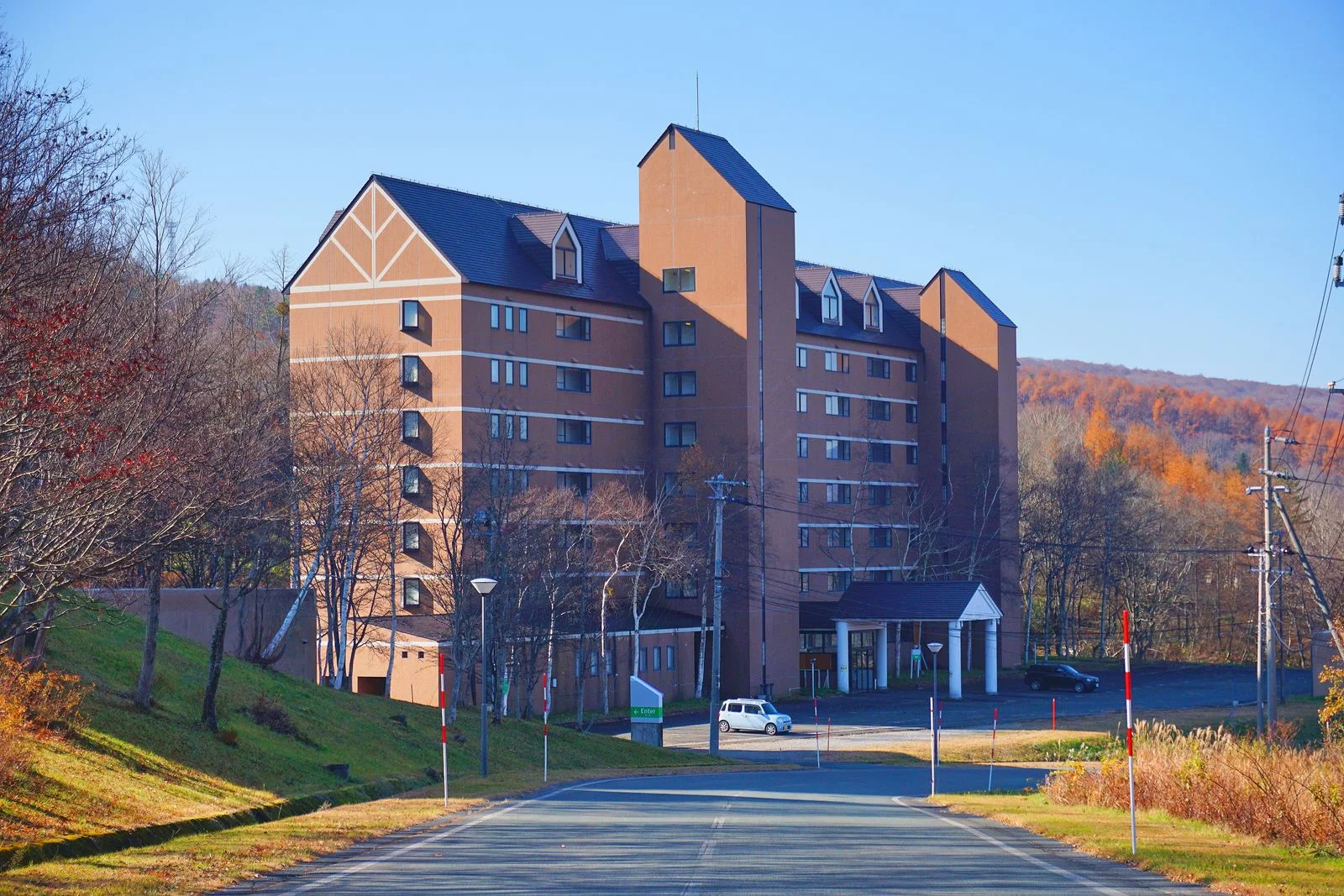
A lower-elevation view can remain useful after the summit has changed; this image shows wooded slopes and a far mountain, rather than a close view of an onsen facility. The hotel choice should still be made from access and meal constraints. At Hachimantai Mountain Hotel, check the road or bus connection and fixed dinner time. Matsukawa Onsen Kyounso suits travellers who want the bath and slower valley route to be central. ANA InterContinental Appi Kogen Resort, ANA Crowne Plaza Resort Appi Kogen and Hotel Metropolitan Morioka New Wing are other base types to compare, not guarantees of room availability or price. Compare accommodation around Hachimantai for the travel date and then check the specific property's bus stop, parking, check-in and dinner conditions.
For a short mountain overnight, keep the main suitcase with the city sequence if practical. A Morioka hotel can store it only if that hotel's policy allows; forwarding it to the next city requires the receiving property to accept deliveries under your booking name and date. Carry a small overnight bag on seasonal mountain buses and boardwalks. The luggage forwarding decision explains when delivery is worth the coordination.
Cold, footing and an honest fallback
Summit conditions can feel close to ten degrees cooler than Morioka. Wear a moisture-managing layer, insulation, a wind- and rain-resistant outer layer, light gloves and shoes with grip. Wet boards at Onuma or Gozaisho can be slippery even when the route looks level. Someone in worn city shoes should shorten the walk rather than relying on the label “easy.” Families and older travellers benefit from a short circuit with known toilet and meal stops; photographers may value a car or overnight but need to accept full parking areas and sudden fog.
Set the fallback before ascending. If the high road closes, move toward Matsukawa, Appi, an onsen or Morioka, subject to their own access. In dense fog, a close woodland or bath day makes more sense than driving from viewpoint to viewpoint. Heavy rain argues against exposed boardwalks; already-past summit colour argues for lower elevation. If the main summit walk is still unfinished at noon, remove a second wetland or Appi from the plan so the return remains comfortable. An onsen-focused foliage stay can turn a lost view into a coherent second choice.
Do not treat this as city sightseeing with frequent transport between every viewpoint. Hachimantai rewards visitors who accept a chosen height band, a realistic bus or driving route, and a clean decision to turn around. In late October 2026, the natural season is becoming a road and timetable question: the Appi shuttle has finished, the summit nature bus reaches its published last day on 25 October, and the Aspite Line has nightly restrictions before winter closure. Plan any remaining visit around live access first; the autumn colours cannot compensate for a bus or road that is no longer available.