
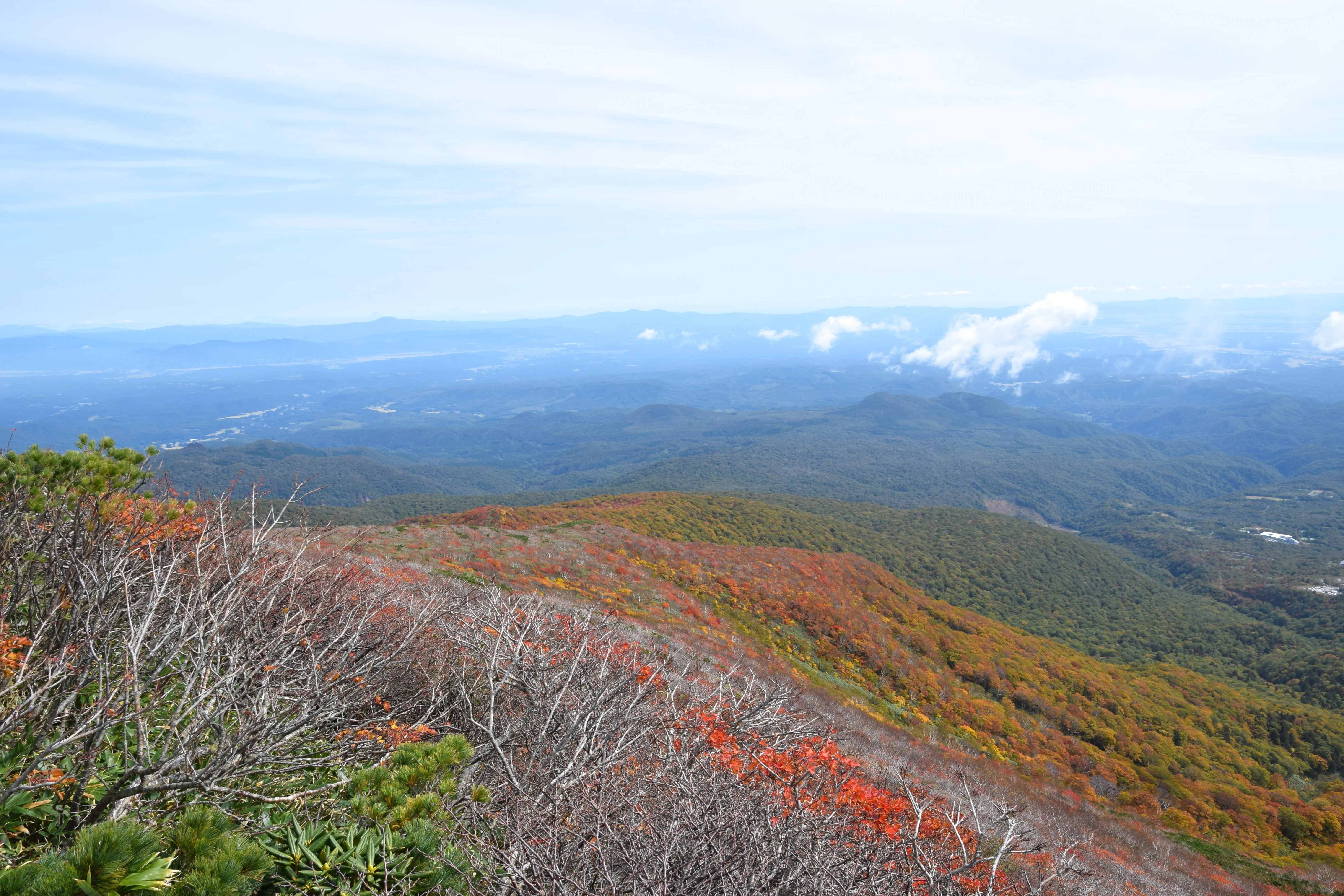
Mount Kurikoma and Naruko Gorge answer different autumn questions. Kurikoma is the choice when a high-elevation hike is the main event and the party can keep a fixed mountain return time. Naruko gives a gorge view, several short walking options and an onsen town that can absorb a wet or slow afternoon. Their colour also moves at different elevations: the mountain tends to turn earlier, while Naruko is generally a later October or early November plan. Match the destination to the travel date and walking ability before comparing photographs.
As of 24 October 2026, Kurihara City’s special Kurikoma autumn road-control and shuttle period has finished; it ran through 18 October. The times below describe that completed 2026 operation and are useful for understanding the mountain logistics, not a service available today. Osaki City still lists the Naruko Gorge walks through late November, subject to weather closure, and has now published its 2026 paid-parking dates. A separate Naruko-area Olle route reopened after an August flood closure. Those updates change the older version of this comparison materially.
One day from Sendai: what must the day accomplish?
| Traveller and goal | Stronger choice | Constraint to solve |
|---|---|---|
| A mountain walker seeking an early high-altitude colour sweep | Mount Kurikoma | Trail conditions, early road access and the return shuttle during control days |
| Family or mixed-mobility group seeking gorge scenery | Naruko Gorge | Select a short legal path; allow for Route 47 congestion |
| No-car visitor based in Sendai | Naruko Gorge | Rail to Naruko-Onsen followed by taxi or a confirmed final connection |
| Onsen evening and an indoor fallback | Naruko Onsen overnight | Check room meal time and next morning’s gorge access |
| Only an autumn date after the 2026 Kurikoma shuttle ended | Naruko Gorge, if paths remain open | Verify weather closure and actual foliage rather than relying on an expired shuttle plan |
The difference is not simply strenuous versus easy. Kurikoma’s broad coloured slopes are the purpose of a serious outdoor day. Naruko’s ravine is about fitting a scene to the hours and energy you have. The Tohoku five- or seven-day autumn circuit shows where each works in a longer regional trip, while the Naruko two-day plan gives the town and gorge enough time without pretending both destinations are one afternoon from Sendai.
The 2026 Kurikoma road restriction was a hiking clock
Kurihara City restricted the road from the former Ikoi-no-Mura Kurikoma area toward Iwakagami-daira between 17:00 on 30 September and 17:00 on 18 October 2026. The dedicated shuttle operated 1–18 October. Published service hours were 06:00–15:30, but the last uphill departure was 14:20 and the final downhill departure 15:00. The earlier article said 14:30 uphill; that ten-minute difference matters on a tight day. The city listed an environmental cooperation fee of ¥1,000 per person, including people arriving by bus.
The 15:00 downhill departure was the return constraint, not a suggested time to finish a summit photo. A hiker needed to choose a turnaround based on ascent pace, terrain, forecast, queue and a margin at Iwakagami-daira. Reaching the upper trail late did not make the final descent later. Nor should the shuttle’s published 15:30 operating span be read as a 15:30 last downhill bus. The Kurihara traffic plan records the exact completed season; the next autumn needs its own announcement.
A strong-wind, cold, fog or early-snow day can erase the reason to make that harder journey. The ridge and open slopes reward a hiking party that wants to be on them, not a group whose real goal is a short roadside photograph. All walkers need the same plan, weather-appropriate clothing, a route they can finish, and transport before and after the controlled section. If any of those is uncertain, a Naruko day can use the available light more productively. The Hakkoda foliage, ropeway and weather plan provides a separate northern Tohoku example of an exposed mountain day with an onsen fallback.
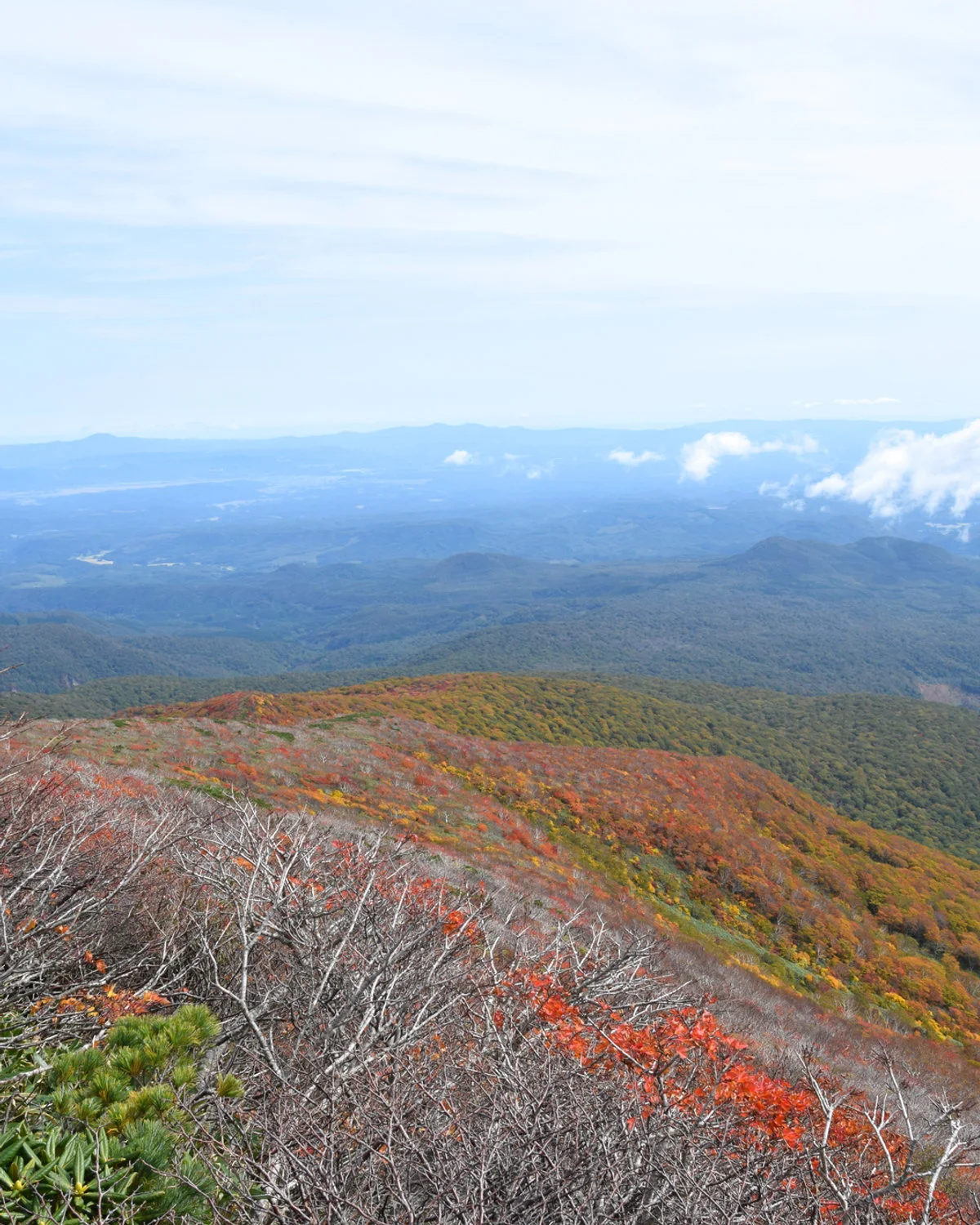
A reserved Kurikoma parking space solved only one part of 2026 access
For the 2026 control period, Kurihara created an online-reservable section within part of the former Ikoi-no-Mura temporary parking area. Booking opened on 17 August. The city also described roughly 700 temporary spaces across that site and others. A reservation for one section did not make every autumn parking place reservation-only, and a reserved space did not bypass approach traffic, shuttle queues or adverse weather. It helped drivers plan the start; it did not lengthen the mountain day.
The road shuttle was a final-leg service from the temporary parking area, not a through bus from Sendai. Travellers without a car still needed a date-specific tour, transfer or other way to reach that parking point early enough for a hike. A public-transport itinerary cannot be built around the mere existence of the word “shuttle.” Work backwards from the trailhead arrival and the final return, then ask whether the Sendai hotel can support those hours. The Yamadera autumn day-trip guide is a more straightforward rail-based outdoor day when mountain-transfer logistics are unsuitable.
The useful sequence is lodging, road to the temporary parking area, shuttle, route, shuttle back and onward road. A tour that reaches the mountain too late for the chosen trail is not rescued by covering the first transfer. Driving or staying closer to Kurikoma can give the hike a better start, but the route should still have a turnaround time based on the slowest walker. Treat any future control dates and booking system as new-season decisions rather than copying 2026 inventory into a later trip.
Naruko has three different walking commitments
Osaki City lists two out-and-back sections of Naruko Gorge promenade. From the Nakayamadaira side by the rest house, the open path reaches Kaiko Bridge after about 350 metres each way. From the Naruko/Oya Bridge side, the permitted stretch is about 230 metres each way. Both are listed 09:00–16:00. These are two entrances to limited sections, not permission to continue through the entire ravine. The gorge is deep, visually rewarding from the views and bridges, and far less dependent on completing a long hike than Kurikoma.
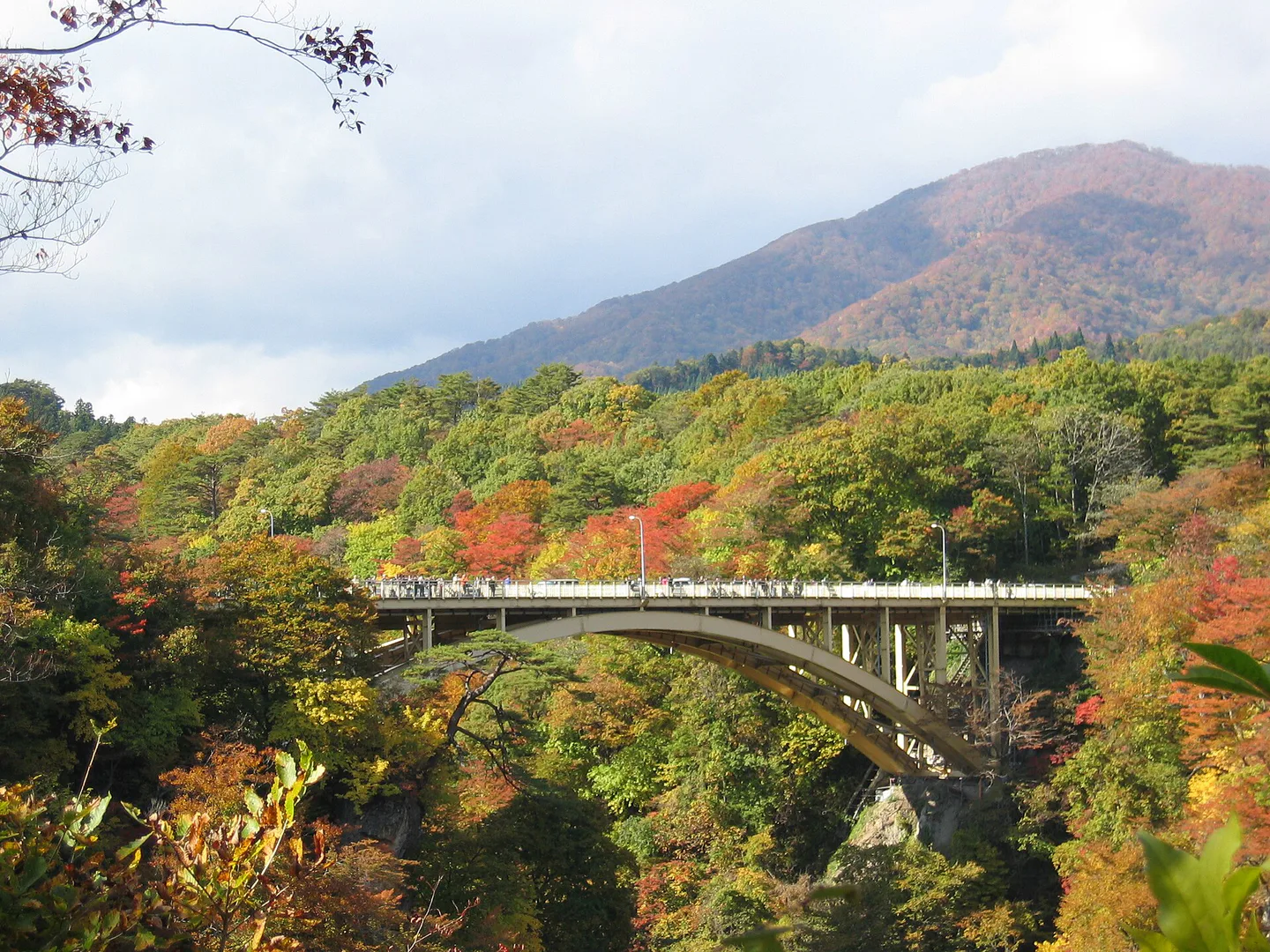
The separate Ofukazawa walking route begins at the rest house and forms a 2.2-kilometre loop. Osaki lists it as open throughout the day during its seasonal period, although weather can close it without warning. A fit group with time can take that loop; a family or older traveller can choose one shorter permitted gorge section and still see the landscape. The gorge walks and the Ofukazawa loop were listed from 28 April through late November 2026. Check the named route before leaving because “Naruko trail open” does not tell you which path is open after rain.
That modularity makes Naruko more forgiving. If Route 47 traffic uses up the morning, a short gorge path plus an onsen afternoon can still make sense. If the weather clears and everyone wants to walk, the loop provides a longer option. Kurikoma can also be shortened physically, but a brief turn at its trailhead may not deliver the high-slope hike that justified the driving and shuttle. For a different gorge-plus-onsen outing, the Kokonoe suspension bridge and Kuju walking guide shows how viewpoint access differs from mountain hiking.
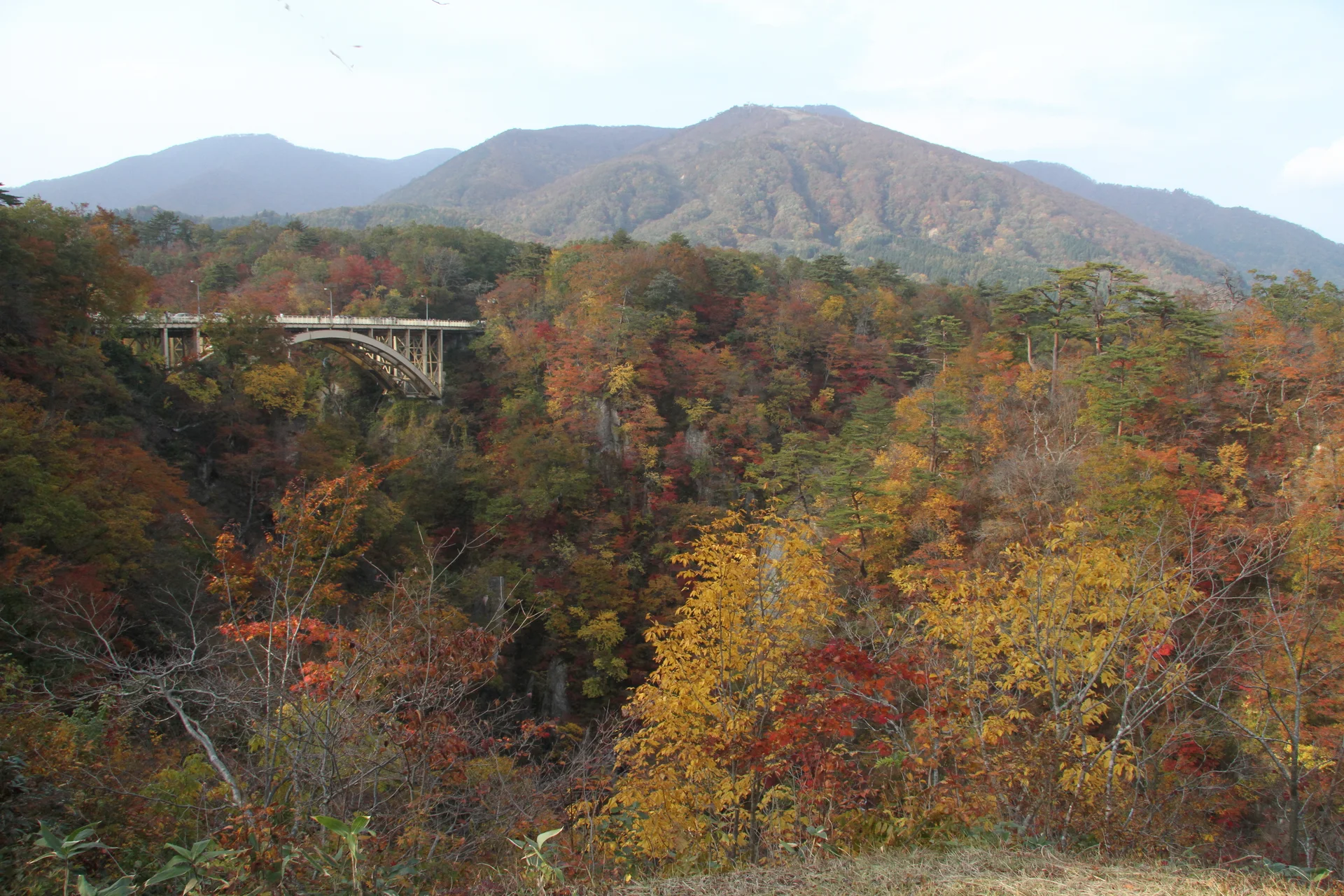
The Naruko Onsen Olle route reopened; it is not the gorge promenade
An August 2026 storm caused landslides and flooding on parts of the separate Miyagi Olle Osaki/Naruko Onsen course. The older article described a full closure. Osaki City’s page updated 1 October says the city has lifted that closure after confirming safety and lists the course open through the end of November, with a separate warning about Asian black bear sightings, especially early and late in the day. That change does not alter the two short gorge promenade limits or the Ofukazawa loop. They are different named paths and need separate checks.
A visitor wanting a 350-metre gorge view should not follow an Olle route description by accident; a long-distance walker should not infer that the limited gorge promenade is a through trail. Bear precautions, route choice and weather still matter on the reopened Olle course. The Osaki trail notice describes that course, while the Naruko Gorge route page lists the gorge sections. The Naruko overnight itinerary can combine a safe walk with the rail and hotel timings.
Naruko parking and rail access in the present 2026 season
The older text said the paid-parking dates had not been announced. Osaki City has since published 10 October through 30 November 2026 for paid parking on the Nakayamadaira side. The listed fee is ¥500 for a standard or kei car, ¥1,000 for a medium vehicle, ¥1,500 for a large vehicle and ¥200 for a motorcycle or moped. The car area holds 253 passenger vehicles and bus spaces. The parking fee is modest compared with the time lost in Route 47 congestion, which the city expressly warns about during autumn.
Osaki lists the gorge roughly ten minutes by road from Naruko Onsen town. By rail, travel via Furukawa and the Rikuu East Line to Naruko-Onsen, then allow about ten minutes by taxi to the gorge. Walking from that station to the Nakayamadaira entrance is listed at about an hour, so do not sell it as a quick stroll for a group with limited mobility. A confirmed local transfer or taxi and a train time that allows a return are part of a no-car plan. The Sendai-area autumn day-trip comparison places that rail decision inside a broader regional circuit.
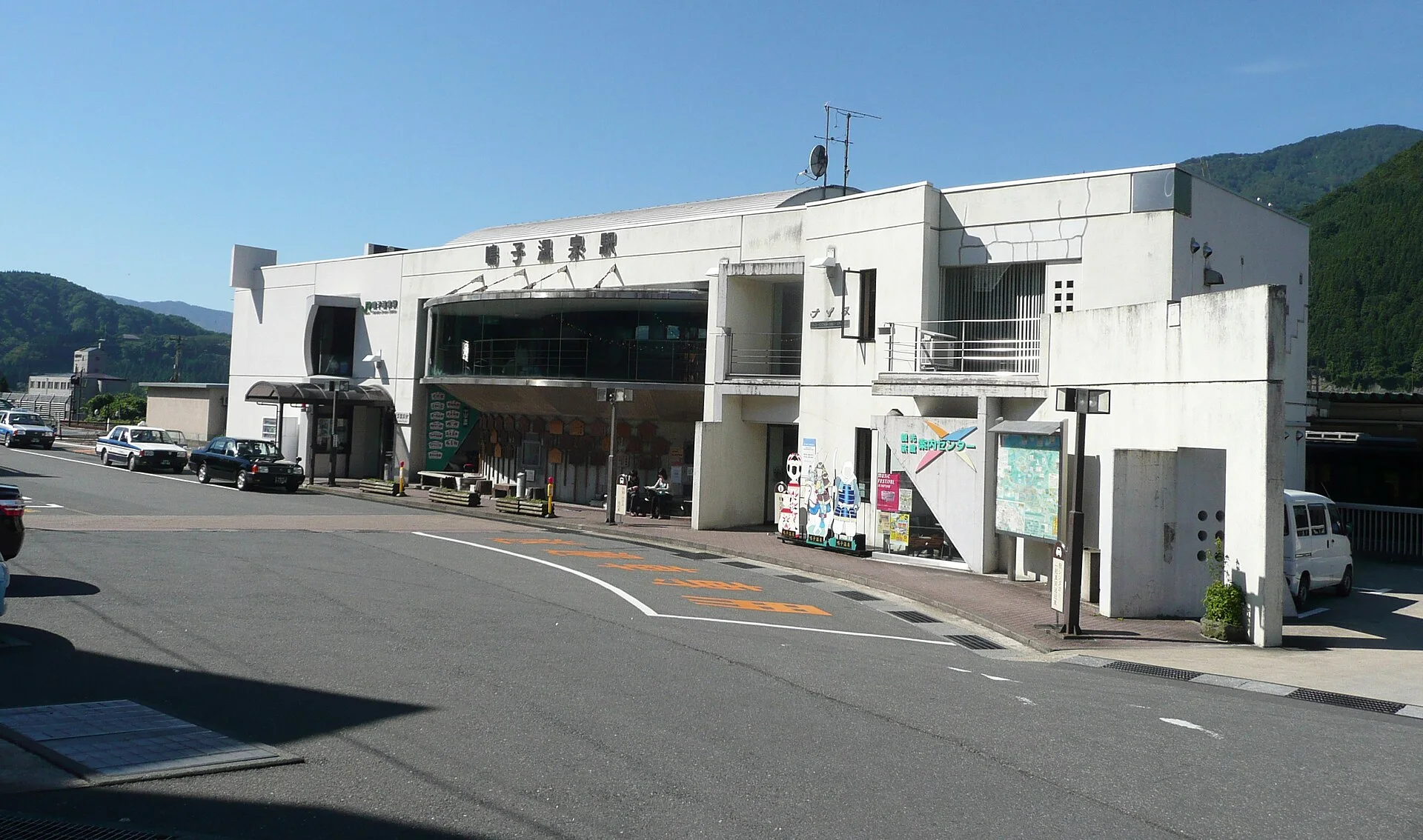
A Naruko Onsen night can remove the early journey from Sendai and give you an onsen dinner after the gorge. If the paths close, the town still has an indoor and bathing fallback rather than a lost whole day. For a day trip, keep the return train and taxi plan realistic; a last-minute idea to walk the hour back after dusk is weak. The autumn ryokan and foliage guide helps distinguish an onsen room that improves the trip from one that merely adds another checkout.
The date gap between the mountain and gorge can settle the choice
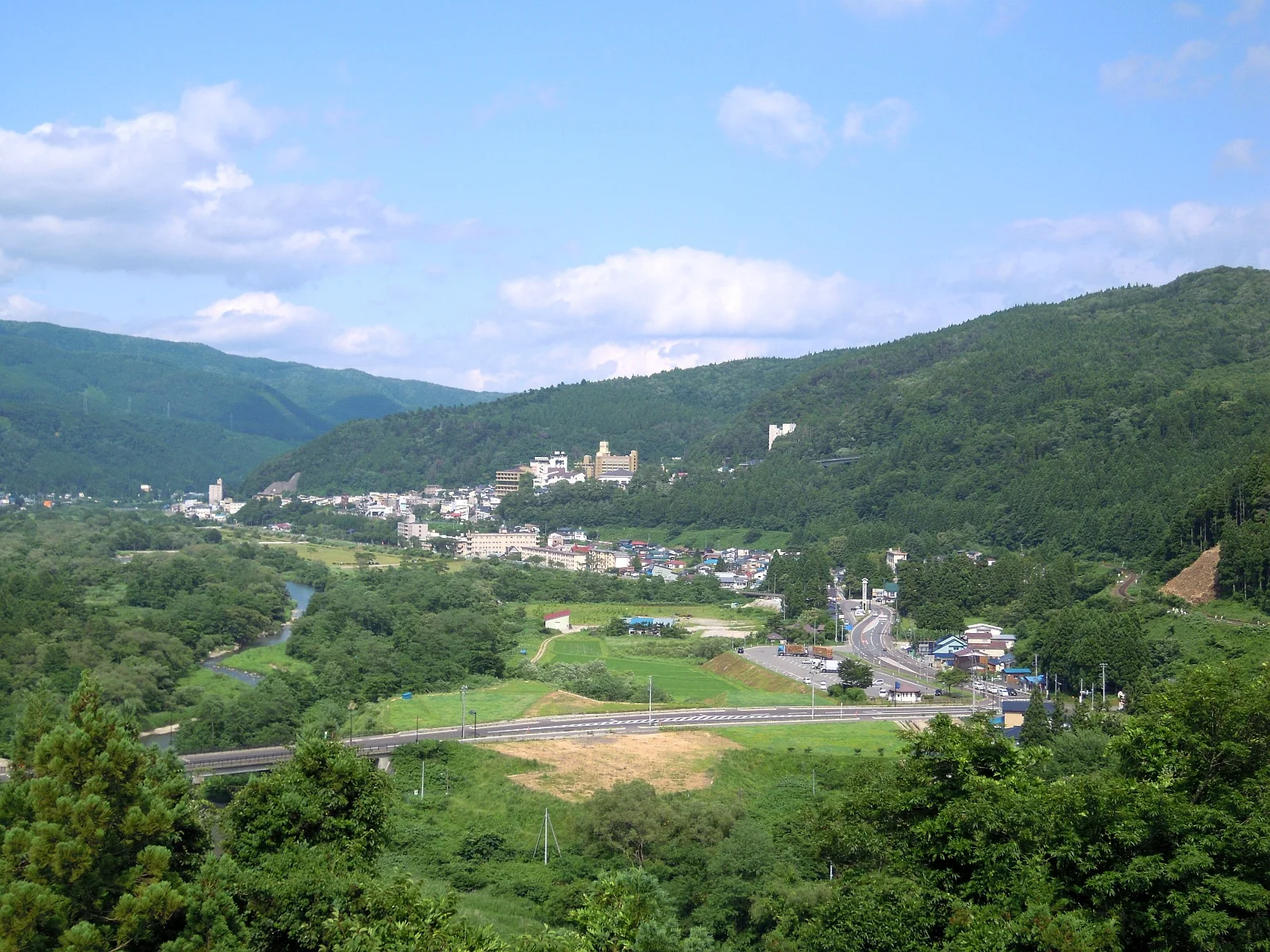
Kurikoma’s high slopes usually colour before Naruko’s valley. A trip in early October is more likely to coincide with the mountain’s autumn show than with full gorge colour, provided the hike and access can be executed. Osaki’s current gorge page gives a broader typical foliage span from mid-October to mid-November rather than a guaranteed peak day. By late October or early November, Naruko often becomes the more plausible colour target. Treat these as elevation-based tendencies, not exact forecasts; an individual season’s weather can shift both.
The Tohoku colour progression by prefecture is useful when the holiday moves south from Iwate into Miyagi. For a late-October week, the Tohoku, Nikko and central Japan timing comparison helps decide whether to keep Naruko in the route or shift a day elsewhere. Neither calendar replaces a same-week weather check, especially at Kurikoma’s exposed elevation.
The 2026 Kurikoma shuttle window has already ended on the current date, so a traveller booking after 24 October should not read the past shuttle timetable as upcoming transport. Naruko’s 2026 walking season is still listed into late November, subject to route safety and weather. The Tokyo autumn day-trip timing comparison illustrates the same timing principle at a wider scale: an attraction’s label “autumn” is much less useful than its elevation and actual travel week.
Where the overnight changes the next morning
A Naruko Onsen room buys early gorge access, an evening meal and bath, and a fallback if walking plans shrink. A Kurikoma-side night buys a closer start for a timed mountain hike, which matters most during a controlled shuttle season. Staying in Sendai on both nights keeps luggage in one place and leaves restaurants and city time available, but it pushes the Kurikoma access chain into one long outdoor day. The best lodging choice is the one that removes the hardest morning or last-return constraint, not the one closest to a photograph.
If this is the first autumn trip to Japan, the regional first-trip comparison can help decide whether a mountain-focused Miyagi stay is the right use of limited days. Once Tohoku is chosen, the Sendai, Morioka and Aomori hotel-base comparison shows when one Sendai base is efficient and when a Naruko night removes enough morning travel to earn a move.
If the party has just one free autumn day from Sendai and has no appetite for a mountain route, Naruko is the sturdier choice. If every member wants to hike, conditions are suitable, and the early access plus return are secured for the relevant season, Kurikoma supplies the distinct high-country experience. A poor mountain forecast should trigger a genuine alternative rather than an unsafe attempt to preserve a reservation. The Yamadera autumn rail outing and Sendai festival stay plan show two very different reasons to keep Sendai as a stable base.
To compare rooms near the gorge, view Naruko Onsen stays; for a single-base visit, view Sendai stays. A mountain-side stay should be chosen only after its next-morning drive or transfer is known. For a longer Japanese foliage holiday, the Unzen Nita Pass mountain approach, Toyosu onsen half-day and Hakone ryokan access guide offer alternative ways to put walking and bathing in the same trip.