
A family with a sleeping toddler can have a very different Osaka day from one travelling with a ten-year-old who wants to make something. The useful question is what your child can do at the attraction, then whether the journey and entry rules leave room for the rest of the day. Kaiyukan, NIFREL, Kids Plaza, LEGOLAND Discovery Center, the Ikeda Cup Noodles Museum and Osaka Science Museum solve different problems. None needs to be on every family itinerary. If your base is undecided, where to stay in Osaka with kids determines how quickly a nap or a tired evening can end.
The age groupings here describe likely attention and stamina, not admission permissions. A child who already loves marine life might spend longer at Kaiyukan than an older child who is indifferent to fish. Venue rules are separate: the LEGO centre requires adults to arrive with a child, the Chicken Ramen workshop excludes non-participants under six, and some attractions sell entry for a chosen time. Use the table to narrow the day, then check the rule for the particular activity.
↔ Scroll table left or right
Family situation | Shortlist | What may derail the plan |
Baby or toddler; stroller and nap matter | NIFREL for flexible breaks; Kaiyukan for a single marine-life visit | NIFREL requires travel to EXPOCITY; Kaiyukan no longer allows re-entry |
Four to six; wants to touch and move | Kids Plaza for varied play; LEGOLAND for a strong LEGO interest | Allow a substantial block; LEGO entry is time-selected |
Seven to twelve; likes projects or science | Cup Noodles Museum for making; Osaka Science Museum for exhibits and planetarium | Ikeda travel and workshop rules; planetarium seating time |
Rain changes the morning | Choose an indoor site near the district you are already in | A roof does not remove booking or capacity limits |
USJ fills one day of a short trip | One other family headliner plus a weather alternative | A second or third paid headliner can displace sleep and meals |
The aquarium suits very young children when you can stay until you are done
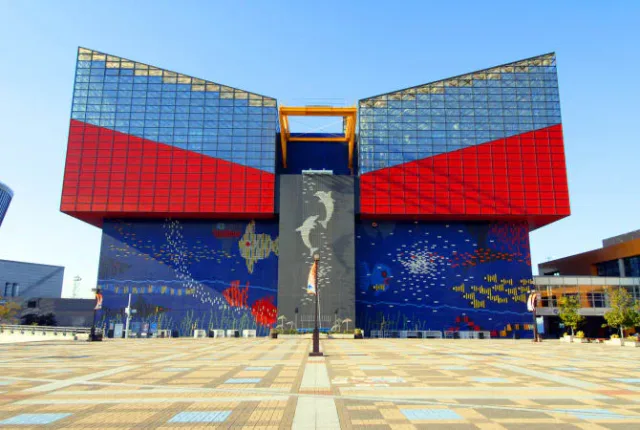
At Kaiyukan, a whale shark or school of fish moves on its own terms. A two-year-old can react to the main tank without reading labels, and older siblings still have plenty to watch. Children aged two and under enter free; e-tickets are sold for an assigned entry time. That broad visual appeal makes the aquarium an unusually easy shared choice for mixed ages. The key is to plan it as one continuous visit rather than a place to leave for lunch and rejoin later. Kaiyukan ended re-entry on 15 June 2026. A hotel nap after you cross the exit is the end of that admission. The Osaka bay-area attractions map helps you keep the rest of the day nearby.
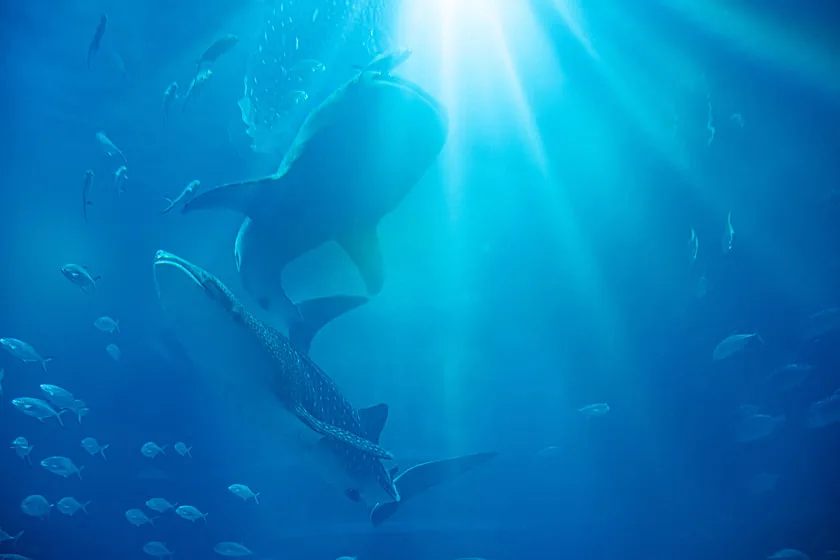
A stroller can go through much of Kaiyukan, where ramps serve the usual route and staff can direct you to lifts. It is still a poor assumption that the pram makes every viewing point easier. Some windows are low or crowded, parts are dim and a seated child can miss what a standing child sees. The aquarium suggests leaving a stroller near the entrance when practical. Nursing and changing facilities are available. If your infant sleeps through a two-hour visit in a stroller, you may value keeping it; if a toddler wants to see the creatures, a carrier plus planned breaks can be easier. The practical choice depends on the child and the day’s crowd, not a single accessibility label.
Do not book a long string of fixed afternoon activities after the aquarium. A family can spend roughly two to three hours on the route, then need food, a rest or open air. If the aquarium is the main purpose, compare admission for your chosen date and keep a flexible bay-area follow-up. The more ambitious Osaka seven-day family plan shows how to leave space after a major visit.
NIFREL trades a longer journey for a day you can interrupt
NIFREL is beside EXPOCITY in Suita, away from a central Namba or Umeda walking route. That location is its real cost. Once you are there, a toddler day is easier to pause: strollers can move through the venue, lifts connect floors, baby-care spaces are available, and there are places to leave a folded stroller and use lockers. You can step out for food or a change of scene and return the same day if you tell staff before leaving; re-entry requests stop one hour before closing. Kaiyukan no longer offers that reset. For a family planning lunch and a nap break in the EXPOCITY area, NIFREL’s smaller scale may be an advantage rather than a shortfall.
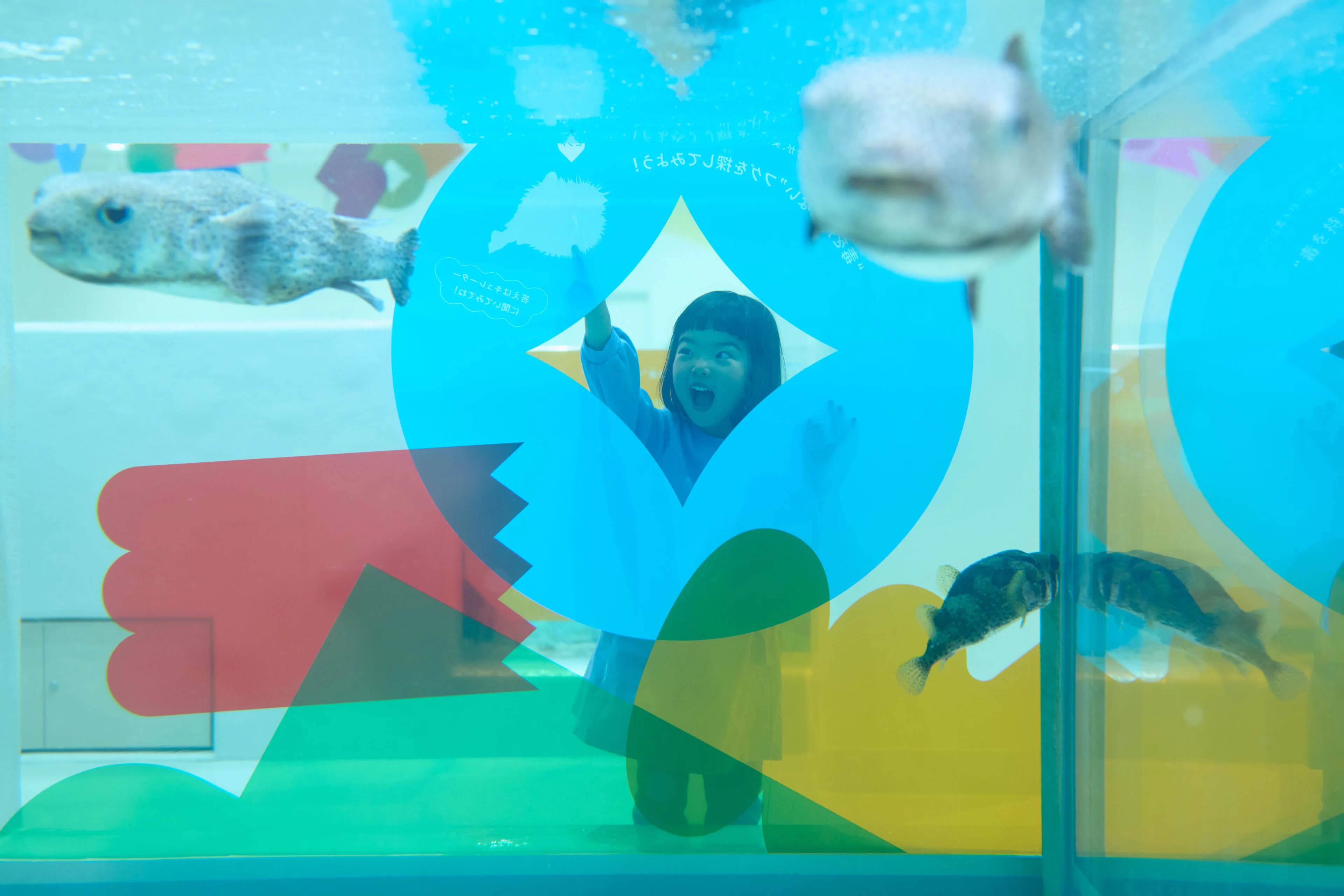
Current regular admission is ¥2,400 from age sixteen, ¥1,200 for ages seven to fifteen, ¥700 for ages three to six, and free below three. The price and train journey should buy something your family actually needs: stroller handling, the ability to split the visit or a child interested in the animal and art displays. If heavy rain catches you while you are already downtown and you have only two spare hours, travelling to EXPOCITY can consume too much of them. Grouping Osaka neighbourhood attractions is more useful than treating all indoor pins on a map as equally close.
Play-led afternoons: Kids Plaza or the LEGO centre
Kids Plaza Osaka gives a four-to-six-year-old several ways to participate. Children move between large-scale play, making, culture and science; the fourth-floor area is especially suitable for younger visitors. A child can revisit the same activity after exploring another floor. That open-ended quality is why this is a dependable rainy-day anchor and a risky ninety-minute filler. If your plan has a fixed lunch reservation followed by a cross-city train, you may spend the best part of the visit persuading a child to stop playing. From Osaka Station or Umeda, the trip to Ogimachi/Temma is easier to work into a central day than the journey to EXPOCITY.
The child-care details are unusually useful here: nursing space, hot water for formula, changing facilities and accessible toilets. There are free indoor loan strollers on the first floor, historically listed as twenty and mainly intended for children aged two and under; if one is essential, check availability on arrival rather than treating stock as a guarantee. Stroller parking is provided on floors four and five. Opening hours are 9:30–17:00, with admission until 16:15, and same-day re-entry is available through the third-floor exit. Regular tickets are ¥1,500 for adults, ¥800 for ages six to fifteen, ¥500 for ages three to five, and free for ages two and under. Check the operating calendar before choosing a Monday. Namba versus Umeda as a family base changes how much of this visit becomes transport.
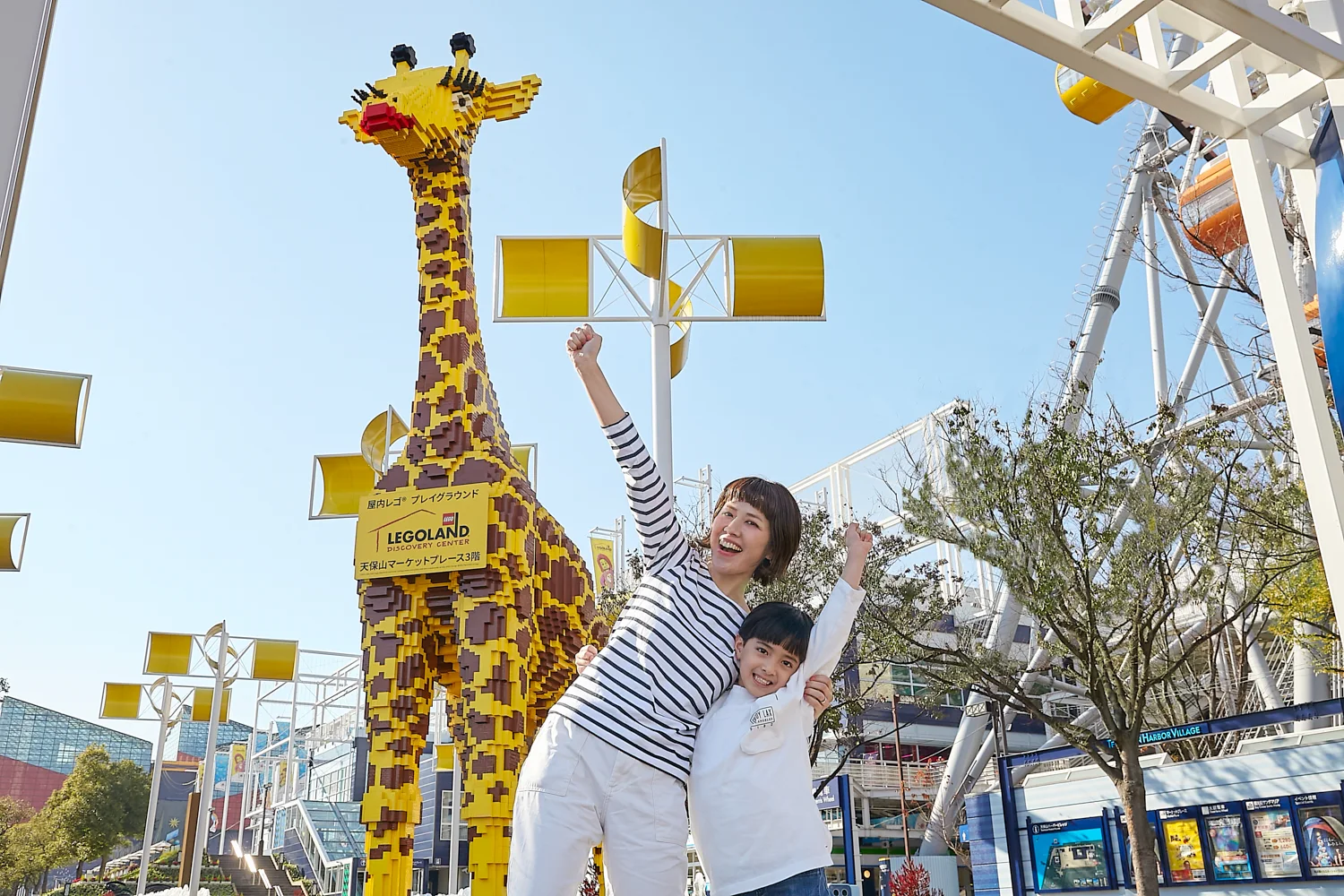
LEGOLAND Discovery Center Osaka makes more sense when LEGO itself is the attraction for the child. It has indoor building activities, rides, games and a 4D cinema. This is the Osaka indoor centre at Tempozan, not the outdoor LEGOLAND Japan resort near Nagoya. Admission uses a selected date and time. Visitors aged sixteen or above must be with a child aged fifteen or below; children also need an adult. Under-threes enter free. Walk-up tickets may be unavailable at capacity, and during busy periods playtime can be limited, so a rainy-day backup needs a reservation check before the family travels to the bay. The operator suggests roughly two to three hours for a visit.
Kaiyukan is close enough to make a two-attraction Tempozan day look efficient on a map. Children do not necessarily experience it that way. After active building and rides, another long aquarium route may come at precisely the wrong moment. Give the LEGO centre the larger block when a particular child loves it, and keep the aquarium as a separate choice or a modest add-on only if energy remains. When LEGO is mainly an adult itinerary ambition, Kids Plaza provides more varied movement and Kaiyukan provides stronger all-age marine life. Osaka attractions by district helps with geography, but attention span should decide the pairing.
For school-age children, a finished project changes the value
The Cup Noodles Museum Osaka Ikeda can be a compact making trip for a child who enjoys choosing, designing and taking home a result. General admission is free; My CUPNOODLES Factory costs ¥500 per cup. It does not use an advance reservation for an individual visit: numbered tickets are handed out the same day, first come first served, and may run out. Allow time for the display and the making activity rather than treating free museum admission as a promise that you can arrive whenever you like. The museum is in Ikeda, not beside central Osaka’s main attractions. On a short trip, the outward and return journeys must be part of the value calculation.
Chicken Ramen Factory has a different set of constraints. The workshop lasts about seventy minutes, requires advance booking, and is for people aged six and above. A child aged six to eight must work with an adult or somebody at least twelve. Non-participating children under six cannot enter the workshop, even in a carrier or stroller. One adult supervising an eight-year-old and a preschooler cannot simply bring both into the room. The activity also books in pairs, which affects an odd-numbered party. For that family, My CUPNOODLES or a different Osaka attraction is the workable plan unless another adult can take the younger child elsewhere. A four-day Osaka itinerary with USJ shows the day Ikeda would occupy.
Osaka Science Museum is much closer to a central Osaka day and rewards a child who will press a control, watch a result and ask why it happened. The exhibition hall is ¥400 for adults, ¥300 for high-school or university students, and free through junior-high age. It opens 9:30–17:00; exhibition admission and re-entry end at 16:30. Lifts and stroller access, a small loan-stroller stock and a nursing room make it possible to bring a younger sibling, even if the older child gains more from the exhibits. A low ticket price does not automatically mean a short visit: a curious schoolchild can keep returning to a working display. Osaka with parents on a slower seven-day route is a useful comparison when the whole group walks at different speeds.
The planetarium is an additional decision, not simply part of the exhibition price. Standard programs run roughly forty-five minutes. Current admission is ¥600 for adults, ¥450 for high-school or university students, and ¥300 for ages three through junior high; children two and under can sit on a guardian’s lap. Once a projection begins, late entry is not allowed. For a preschooler, look at the shorter Family Time show, around thirty-five minutes and designed for younger children, instead of assuming the standard projection will hold their attention. A family whose child needs frequent exits may prefer the hands-on exhibition floor.
Rain changes the route more than the attraction ranking
All six places offer substantial indoor time, but the booking and transport conditions differ. From an Umeda or Osaka Station base, Kids Plaza and Osaka Science Museum make more natural replacements for a wet central day. At Tempozan, Kaiyukan and LEGOLAND are the nearby pair. NIFREL is practical if you already intended EXPOCITY; Ikeda is sensible if the cup-making activity is the point. A sudden downpour does not create spare LEGOLAND capacity, an earlier Kaiyukan entry slot or a My CUPNOODLES ticket. Keep two realistic rain alternatives and check entry before leaving the hotel. The Osaka base guide for day trips explains how repeated station walks add up.
If a stroller is non-negotiable, NIFREL and Osaka Science Museum are easier starting points because the lift and baby-care arrangements are central to the visit. Kaiyukan is still possible, but the lower viewing position and crowded passages change the experience. Kids Plaza has its own loan strollers and parking, while a LEGO visit can be intense for a younger sibling with no interest in building. Rain also turns the trip between the station, attraction and hotel into part of the outing. An Osaka hotel with laundry and kitchen facilities can be more useful on a family trip than a marginally cheaper ticket.
A toddler and an eight-year-old may need different hours
A big age gap makes a single “best for kids” verdict especially weak. Kaiyukan and NIFREL can be shared anchors because both children can follow movement and animals. A science demonstration or seventy-minute ramen workshop may be absorbing for the older child and impossible for the younger. If two adults can split, one can accompany the older child to the project while the other handles a nap or a shorter play stop. The workshop’s under-six exclusion makes that separation a rule, not merely a preference. If one adult is travelling alone with both, choose a shared activity and leave the age-gated workshop for another trip. Tokyo attractions grouped by child age applies the same family constraint elsewhere.
The room you return to matters once the adults split or the children need different bedtimes. Centara Grand versus Hotel Keihan Namba Grande for four examines beds, bathrooms and laundry. MIMARU Osaka Namba Station for a family of four offers an apartment-style layout to compare with two rooms. If the itinerary depends on an afternoon reset, the Osaka family hotel-area guide should be settled before buying an attraction across town. Families who want to compare rooms around their likely station can view Osaka-area stays.
USJ already consumes one of the family’s strongest days
On a three- or four-day Osaka stay, Universal Studios Japan usually needs a full day of walking, queues and flexible departure time. Do not assume that Kaiyukan, Kids Plaza, LEGOLAND and NIFREL all belong in the remaining slots. One second headliner matched to the children, plus a rain alternative, leaves space for meals, shopping and a quiet evening. The Osaka and Kyoto four-day plan with USJ tests whether Kyoto can fit at all. One USJ day versus two and a Universal City hotel changes the accommodation calculation again; The Park Front Hotel near the gate focuses on the late return.
The same restraint matters on a longer family trip. Seven days in Osaka with children leaves deliberately open days around the biggest outings. If your children are older and the itinerary includes Kobe or Koyasan, a four-day Osaka route with both shows why a further attraction can create a route problem rather than a richer day. Seasonal USJ plans can add late nights and age restrictions: Halloween with children and Horror Nights age limits are relevant when those events are running. October 2026 dates should be checked before relying on either seasonal article for a future visit.
Choose Kaiyukan when marine life will hold the family together for a continuous visit; choose NIFREL when a break and stroller operation matter enough to justify the EXPOCITY trip. Kids Plaza is the flexible play day, while LEGOLAND is strongest for a committed LEGO fan who can use the booked slot. Ikeda repays the journey for a child who wants a cup-making project; Osaka Science Museum provides lower-cost exhibits near central Osaka and a separately timed planetarium. If none fits the child’s attention and the hotel route, skipping a paid attraction is a sensible Osaka day.

Related Osaka planning
For other route shapes, compare Osaka attractions by neighbourhood, the Osaka hotel-area starting point, and Namba versus Umeda. Solo travel accommodation in Osaka and travelling with older parents solve different travel-party needs.
Beyond this family route
Fukuoka Hotels With Parents: Reduce Repeated Walking, Transfers and Bathroom Friction · Fukuoka Hotels: Stop Ranking Properties—Choose by Trip Shape, Area and Who You Travel With · Osaka Helicopter Tour 2026: Choose the Route, Not the Longest Flight · Nada no Kenka Matsuri 2026: If You Only Go One Day, Choose Oct 15 · Otsu Matsuri 2026: Yoimiya or the Main Parade? Choose by scene, stamina and hotel friction.