
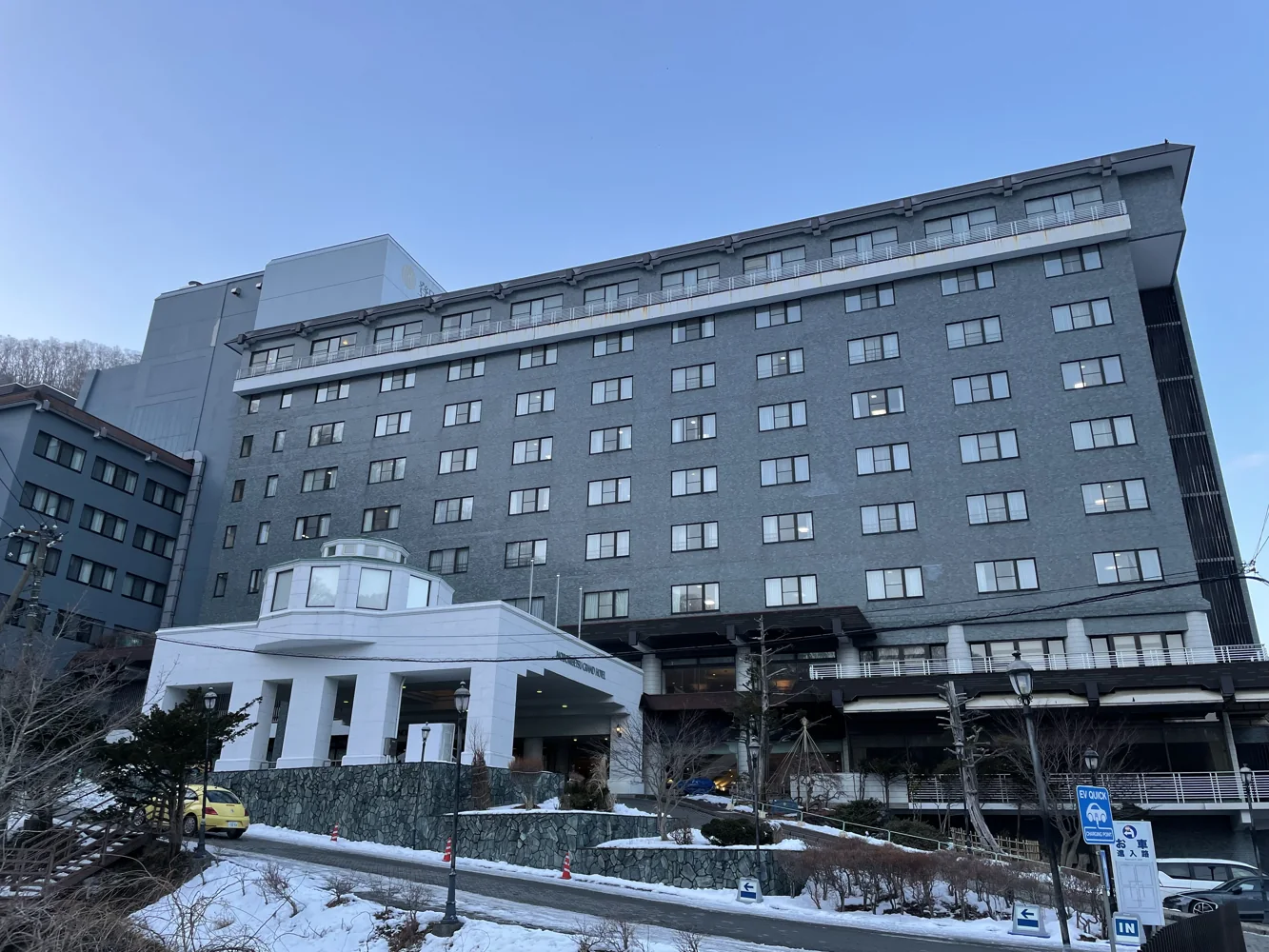
A Noboribetsu Onsen booking can fail at the final fifteen minutes. After the train to JR Noboribetsu, most rail travellers change to a bus for the hot-spring town. Noboribetsu Manseikaku is almost beside that bus terminal. Noboribetsu Grand Hotel is in the same lower part of town. Noboribetsu Sekisuitei sits farther uphill: its own directions describe a roughly fifteen-minute uphill walk from the terminal. On a clear afternoon this looks modest on a map; after dark with a suitcase, snow underfoot and a dinner deadline, it can decide which room is actually sensible.
The three hotels also sell different kinds of room. A low rate can mean a compact single, a tatami room requiring futons, or a room in a particular building. Compare the complete stay—arrival transfer, bedding, meals, baths and departure—before deciding that one hotel's headline price represents better value. If the main reason for coming is Dai-ichi Takimotokan's large bath complex, our separate winter wing guide addresses that property. This comparison is for travellers choosing among Grand, Manseikaku and Sekisuitei.
Our seven-dimension hotel assessment
At Noboribetsu, the booking decision is often a room and meal decision rather than a difference in the onsen-town name. The three hotels have different paths from the bus terminal, bath layouts and dinner plans. For an arrival with cases on an icy evening, check the final transfer and whether a shuttle applies to the booked plan. For a family, compare the precise room category, the beds or futons, and the child's meal entitlement. A bath shown in a hotel photograph may be communal or available only in a higher room category.
↔ Scroll table left or right
| Hotel | Access | Space | Comfort | Cleanliness | Neighbourhood | Service | Value |
|---|---|---|---|---|---|---|---|
| Noboribetsu Grand Hotel | 9.5/10 | 8.4/10 | 8.4/10 | 8.2/10 | 8.4/10 | 8.4/10 | 7.4/10 |
| Noboribetsu Manseikaku | 9.5/10 | 8.2/10 | 8.2/10 | 8.2/10 | 8.6/10 | 8.8/10 | 7.7/10 |
| Noboribetsu Sekisuitei | 7.5/10 | 7.0/10 | 7.3/10 | 7.3/10 | 7.5/10 | 8.0/10 | 7.1/10 |
Swipe to see the three hotels
The bus terminal is the first hotel filter
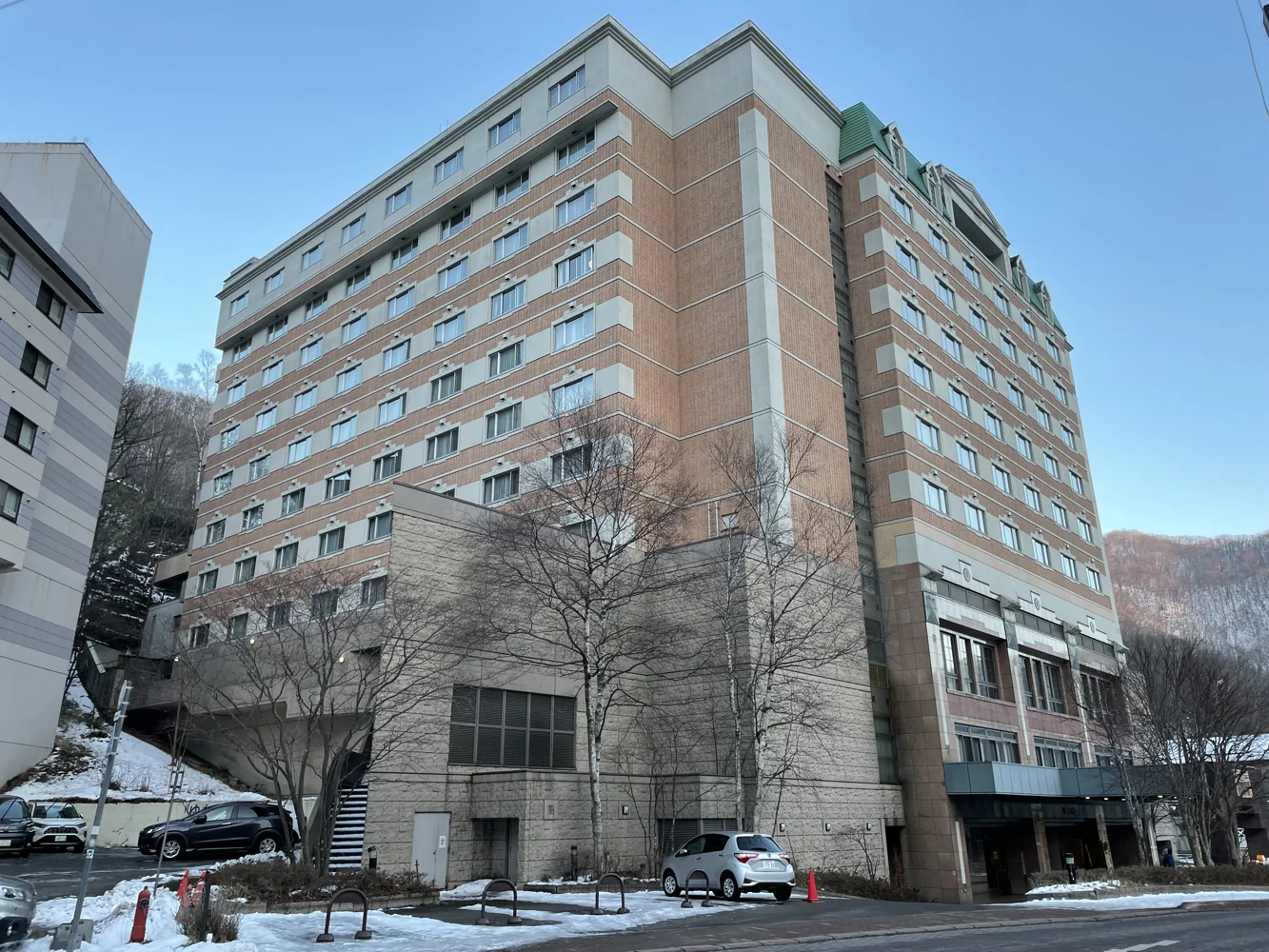
JR Noboribetsu Station is not in the onsen district. Coming by rail generally means changing to a local bus. Treat the town's onsen bus terminal as the start of the last leg, then check the hotel's actual entrance. Manseikaku describes a one-minute walk from the terminal. This is useful for an arrival with a child or older relative, a late afternoon departure, or a party that wants to leave bags and go straight to Hell Valley. A short terminal walk also makes a missed or cancelled long-distance shuttle less disruptive, provided the local bus is still operating. It does not guarantee a particular bus will run through severe weather.
Grand Hotel also describes itself as one minute on foot from the terminal. Its advantage is similar, though guests should still confirm the approach, side of the road and any snow-cleared entrance for the booking date. Do not infer a flat, accessible path simply from a short map distance. A wheelchair user or someone who cannot manage icy pavement should ask the hotel about step-free unloading and the route from the bus stop. The car-free Hokkaido winter itinerary helps place this transfer within a longer rail trip, while the winter itinerary length comparison helps decide whether an overnight here fits without compressing the next day.
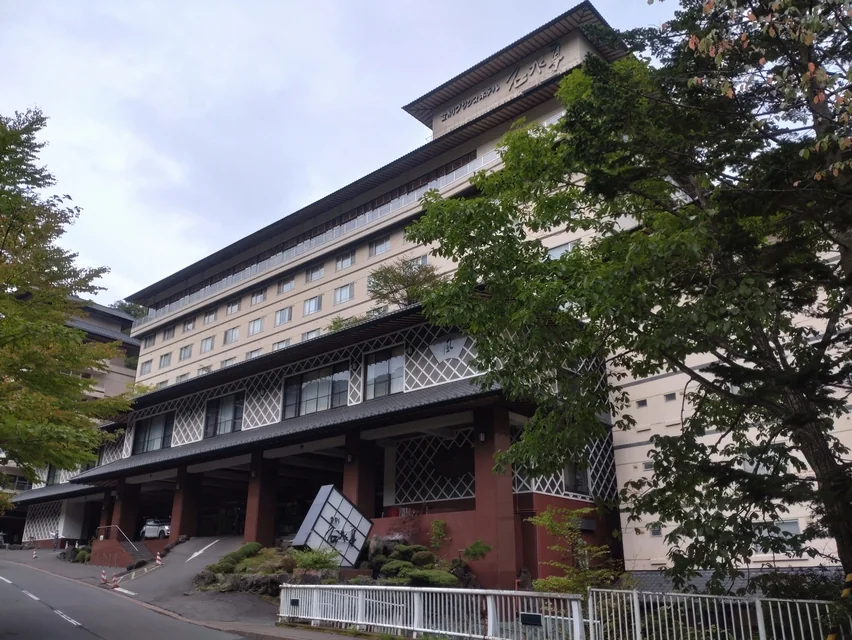
Sekisuitei's location changes the plan. The hotel says the walk from Noboribetsu Onsen Bus Terminal is about fifteen minutes uphill and suggests a taxi or a bus toward Ashiyu Iriguchi if the local timing works. That is a meaningful distinction in winter: a traveller arriving with rolling luggage should not choose Sekisuitei on the assumption that every Noboribetsu Onsen bus stops at the door. Check the exact bus service, the Ashiyu Iriguchi stop, its last departure and whether the path from that stop is manageable. If a taxi is the fallback, confirm its availability rather than treating it as an always-present rank.
Sekisuitei has another route: a reservation-based hotel shuttle from Sapporo Station and New Chitose Airport. Its access page currently lists fixed departure windows, limited seats, booking conditions and a Sapporo charge that can change with booking channel. The useful question is whether your flight or train reaches the collection point before the scheduled departure, with enough margin for baggage. A delayed flight does not oblige a hotel bus to wait. Travellers weighing an airport night first can use our late New Chitose arrival decision and airport hotel comparison; neither substitutes for confirming a Sekisuitei shuttle seat.
Choose a room by sleeping arrangement and bath entitlement
Grand Hotel offers Japanese rooms, Western twins and higher room categories with different bathing arrangements. Its published Japanese-style room is 43 m². That size can give a family more floor space than a standard Western twin, but confirm how many guests sleep on futons and when bedding is laid out. A twin with a view bath is a different booking from a basic twin or a Japanese room with access only to shared baths. If private bathing motivates the upgrade, the reservation must name the actual room bath and water type. A photograph of a tub is not enough to establish that it contains hot-spring water.
At Manseikaku, the broad category name hides a particularly wide spread. Standard Japanese rooms are eight or ten tatami mats and advertised for four or five people; that means the party should be willing to use futons. Western categories range from a 12 m² single to a 20 m² double and maisonettes of 33.5 or 49.2 m². The newer Japanese-modern twin rooms have eight or ten tatami mats and capacities of two or three. A couple wanting proper beds should compare a Japanese-modern twin or a suitable Western category, not assume that a standard Japanese room includes beds. A family of four should compare actual sleeping places and floor space with Grand's 43 m² Japanese option.
Manseikaku's usual guest-room bath is ordinary heated water; only specifically named premium rooms provide private hot-spring baths. The premium floor includes very large suites and an executive Japanese-Western category, but these are limited room types and should not be silently substituted for a standard room in a price comparison. Verify the precise bath wording on the final booking. Our ryokan and onsen booking checklist distinguishes a room bath from a shared hot-spring bath, and the private-bath room guide shows why this distinction affects a couple or family that cannot use a communal bath together.
Sekisuitei sells Japanese rooms in Icho, Sakura and Kobushi buildings, Western doubles and twins in Icho or Sakura, and a Japanese-Western category for up to five using beds and futons. Its Relaxation Room is an Icho special room with a massage chair. The category alone does not tell you how many permanent beds you will have or how far your assigned room is from the dining room and baths. Ask for the building, sleeping configuration and in-room bathroom arrangement on the final offer, particularly if someone cannot comfortably sleep on the floor. Room-assigned-at-check-in offers can save money, but they do not secure a particular wing or bed layout.
For five travellers, the Japanese-Western category at Sekisuitei is worth a direct quote against two smaller rooms elsewhere. Count the beds, futons and charged occupants on each quote; do not divide an advertised per-person rate by five without checking its occupancy rules. The Hokkaido family hotel-base guide has a useful room-allocation checklist, although its driving examples do not remove the need to plan this town's bus leg.
Baths and dinner determine whether an overnight pays off
Noboribetsu is an onsen night, so the bath you can actually use deserves more attention than a general facility list. Grand Hotel has its own substantial public bath facilities and room categories that may add private bathing. Manseikaku has communal hot-spring baths and a pool, with separate hours and conditions. Sekisuitei has public baths and offers private-bath facilities separately. Check the current bath hours, any maintenance closure, tattoo policy if applicable, children's rules and whether a private bath requires advance booking or a separate payment. Our practical bathing etiquette guide helps first-time users prepare, and the first-onsen guide explains what a shared bath entails.
The meal plan is equally consequential. A two-meal offer is useful when a winter arrival leaves little time to find dinner, but only if the party reaches the hotel before its final sitting. Manseikaku lists buffet dining and has separate arrangements for some groups; Grand and Sekisuitei sell multiple meal and room combinations. Compare breakfast-only, room-only and two-meal rates for the same occupancy and cancellation terms. If the train arrives late, ask whether dinner can still be served. If it cannot, the cheaper two-meal package is poor value even when the room itself is attractive.
Consider the next morning too. A morning bath, breakfast, a visit to Jigokudani and a bus back to the station may not all fit before a fixed shuttle departure. Manseikaku's Sapporo shuttle departs relatively early; Sekisuitei's listed return shuttle also has a fixed morning window. If the purpose of staying overnight is a leisurely valley walk, a later local bus or an additional night may be more suitable. The Noboribetsu versus Jozankei comparison helps decide whether this longer transfer is worthwhile in the first place.
Three practical booking cases
↔ Scroll table left or right
| Trip | First room to price | Condition to confirm |
|---|---|---|
| Rail arrival with luggage, one onsen night | Manseikaku Japanese-modern twin or Grand Western twin | Last local bus, arrival time, bed type and dinner sitting |
| Four or five family members staying together | Grand Japanese room, Manseikaku ten-tatami room or Sekisuitei Japanese-Western room | Actual beds versus futons, child ages, bath and total package price |
| Direct airport or Sapporo shuttle priority | Sekisuitei room matching the reserved shuttle | Seat confirmation, luggage allowance and missed-bus fallback |
For a car-free one-night visit, Manseikaku makes the arrival leg simple and has a clear twin option. Grand is a strong alternative when its chosen room and bath arrangement better match the party. Ask both hotels for the same arrival date and meal inclusion. The score table cannot decide whether one traveller values a modern twin more than a traditional 43 m² Japanese room. If a family member needs a private bathing arrangement, compare the exact premium room's cost with a standard room plus any separately reserved private bath.
For a family intending to stay in one room, avoid selecting by the maximum advertised capacity alone. Five futons on tatami may be appropriate for some groups and uncomfortable for others. A Japanese-Western room can solve the bed question for two members but still require three people to use futons. Request the exact plan name and a bed-by-bed description before payment. Ask whether a child is charged as an adult, whether meals are included at the same level, and whether the room type can be changed after booking. If sleeping arrangements are uncertain, two confirmed rooms with suitable beds may be the safer comparison.
Sekisuitei becomes more compelling when its direct transfer is secured and the group's room preference fits its building layout. A family arriving by the hotel's airport shuttle avoids the uphill walk entirely. A rail passenger using a local bus does not receive the same access benefit. This is why the route belongs in the hotel choice, not as a note added after paying. Our New Chitose car-pickup decision is useful if the alternative is a winter rental car; the winter driving guide covers the responsibility that comes with that choice.
Check the exact plan before paying
Make a small comparison with one row per room you would actually accept. Enter the dates, all guest ages, permanent beds, futons, bath entitlement, meals, cancellation cutoff and final tax-inclusive total. Add the transfer that gets every traveller to the entrance and the departure route for the next day. A room-only price at Grand, a two-meal tatami plan at Manseikaku and a shuttle-inclusive Sekisuitei offer are different products. There is no responsible way to declare a permanent cheapest hotel from those three numbers.
Reserve a Sekisuitei shuttle seat when the room is booked and keep its confirmation. For the terminal hotels, save the current Donan Bus timetable and the hotel's arrival instructions offline. Check the schedule again close to departure, since seasonal operations and road conditions can change. Travellers continuing toward Sapporo can use our Sapporo versus Chitose last-night guide; those choosing a private driver for the next remote stop should compare its scope with the Hokkaido car-charter guide.
Grand Hotel suits a guest willing to choose a specific room and bath product near the bus terminal. Manseikaku has the clearest terminal-side arrival and a range that runs from compact Western rooms to large premium suites. Sekisuitei needs a planned final transfer, but a confirmed direct shuttle and the right Japanese-Western room can make that hill irrelevant. Book the room and journey as one decision; the winning hotel depends on the actual party, not its photograph or the first rate displayed.