
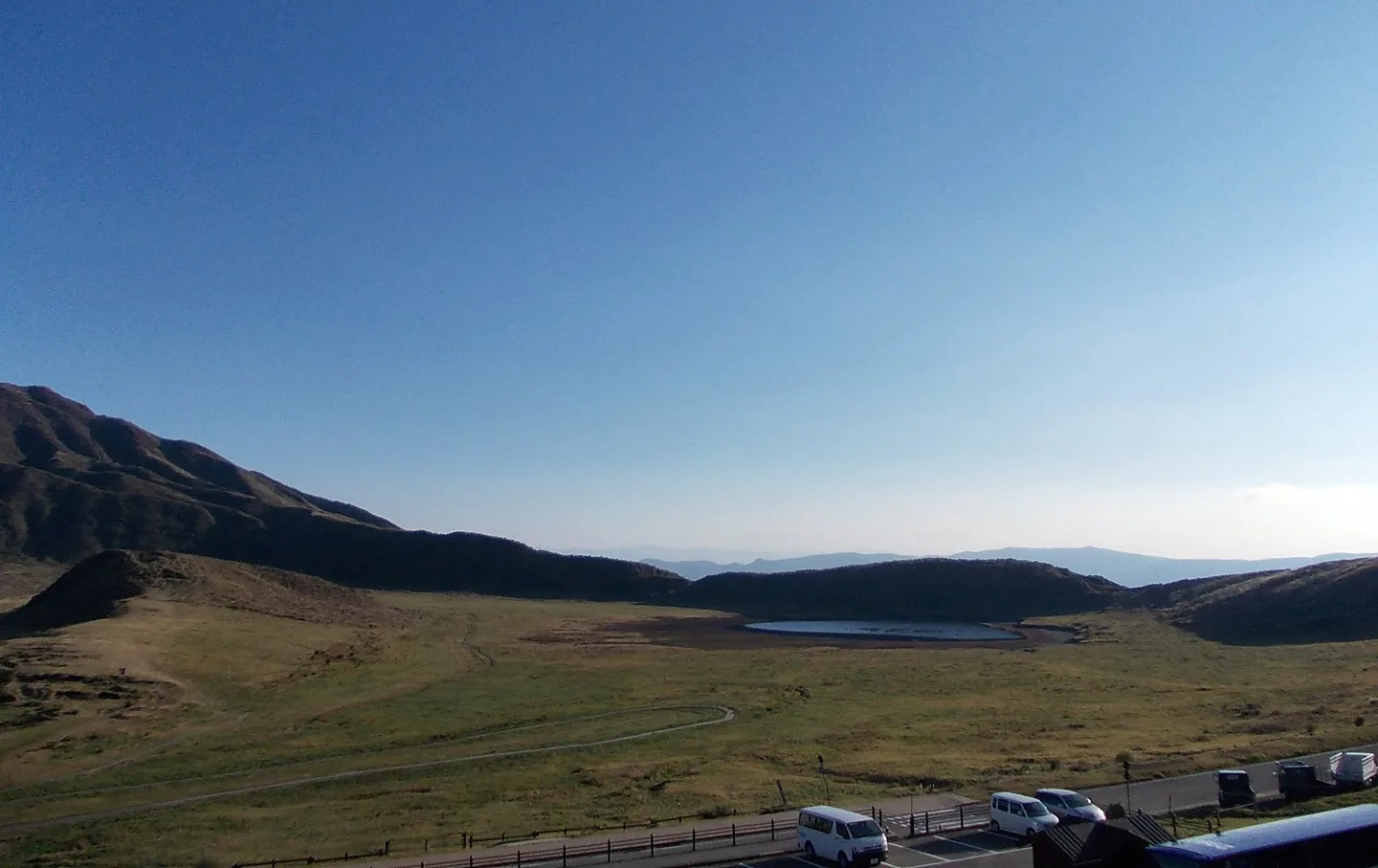
Four days around Kumamoto leave room for one substantial Aso visit. Make it a day trip when Kusasenri, the caldera landscape and a manageable return to the city answer the reason you came. Give Aso a night when you will use an onsen evening, an early start, a permitted hike or an onward rural route. A second hotel should create hours or a route you could not enjoy from Kumamoto, not simply put the same viewpoint on two consecutive days.
Aso’s volcanic access has changed since the August 2026 warning. The Japan Meteorological Agency lowered the alert from Level 3 to Level 2 on September 1; the crater remains inside a restricted area, while some designated mountain routes reopened. Kusasenri remains a practical landscape anchor. Conditions can change again, so the day-trip decision should separate the broadly accessible grassland visit from crater entry and hiking, which have different boundaries.
↔ Scroll table left or right
Aso plan | Better base | Reason |
Kusasenri and a caldera view | Kumamoto day trip | One mountain day without changing hotels |
Permitted hike with a weather buffer | One Aso night | Earlier start and a second landscape window |
Onsen evening and slow morning | One Aso night | The accommodation is part of the visit |
Through route toward Kurokawa | One Aso night | Avoids repeating the Kumamoto road |
No car and a remote ryokan | Only after transport is confirmed | First morning bus or shuttle decides usefulness |
Crater rim is the sole purpose | Do not book around it | Level 2 still restricts crater access |
Kusasenri remains visitable while the crater is restricted
At Level 2, the area within roughly one kilometre of Nakadake No. 1 Crater remains off limits. Aso City also excludes crater sightseeing and the Sandasenri area. This is a narrower restriction than the Level 3 closure in August, but it does not mean every trail or viewpoint has reopened. The current route map, signs and local instructions decide what a walker can do on the travel day. Do not build a paid hotel night around standing at the active crater rim.
Kusasenri can be visited as a separate grassland and museum-area stop. The tourism notice says Kishimadake and Eboshidake are outside the immediate crater exclusion, while designated detours can permit access to Nakadake and Takadake. Individual trail sections may still close because of weather, damage or volcanic activity. A visitor who only wants an accessible caldera view should plan a different day from a party intending a mountain hike.
Ask what the overnight would add if the crater remains closed. An onsen meal, a dawn landscape window, two permitted walking opportunities or onward movement toward Kurokawa can justify it. If the second day would repeat Kusasenri before returning to the same Kumamoto hotel area, the extra checkout and check-in may buy little.
A day trip can centre on Kusasenri without feeling incomplete
Kusasenri offers the broad grassland scene most first-time visitors associate with Aso, and it does not require entry into the active crater exclusion. Pair it with the nearby volcano museum area or one other stop that lies naturally on the route. The exact road and transport situation still needs a morning check, but the day does not depend on a crater gate opening.
Leave Kumamoto with a return time in mind, spend the best part of the day on the mountain, then choose one additional stop based on weather and travel pace. A driver might add a caldera overlook; a traveller using bus and rail should prioritise the scheduled return over another photo stop. This structure keeps Aso enjoyable even when the mountain is cloudy for an hour.
The temptation is to replace a closed crater with a list of distant locations. That turns a focused landscape day into a sequence of drives. Aso is large, and the road between viewpoints takes time; choose a single extra purpose rather than trying to compensate for a restriction by increasing mileage.
A night earns its place through the evening and next morning
Stay in Aso when the hotel changes how you can use the region. The strongest reasons are specific:
An onsen or rural evening that you will enjoy instead of returning to Kumamoto after dark. you deliberately want the accommodation and a slower night rather than returning to Kumamoto.
An early landscape or permitted-trail window, with enough flexibility to switch if conditions change. you will actually use the morning around the caldera before continuing.
A route that continues through Aso toward the next destination rather than repeating the drive. one cloudy afternoon does not force the whole Aso experience into a single short window.
A second weather window when photography or walking is a central purpose of the trip. the next destination continues through rural Kyushu instead of sending you back to the same Kumamoto hotel.
If none of those gains matters to the group, keep the Kumamoto base. Packing, a second check-in and different meal arrangements are real costs within a four-day trip. The benefit of sleeping locally should be visible in the plan before you reserve.
Level 2 permits more hiking, but a night is still no guarantee
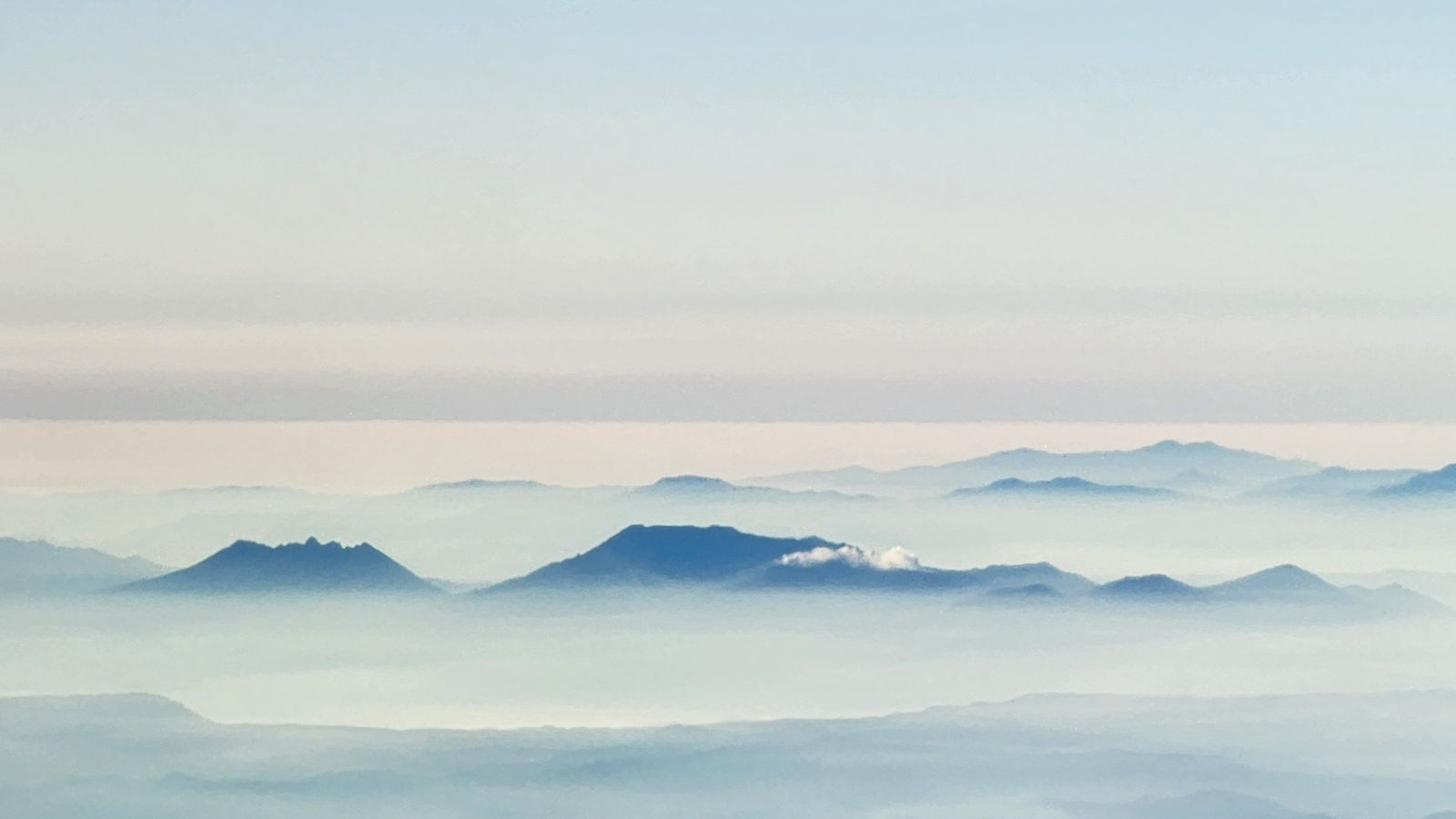
The September reduction from Level 3 reopened some routes, including designated detours around the crater restriction. That gives an overnight walker more options than the August version of this itinerary had. It does not turn a planned summit into a certainty: wind, rain, trail damage and a renewed volcanic alert can change access before departure. Treat the second morning as an opportunity with an alternative landscape plan, not as a prepaid promise of reaching Nakadake.
A traveller who mainly wants a view can return to Kumamoto after one day. A party prepared for a permitted trail, with suitable footwear and a weather window, may value the local night because an early start reduces the pressure of a late return. Keep the walk separate from a crater visit in both language and planning; Level 2 still prohibits the latter.
For drivers, avoid paying for a return loop twice
A self-drive trip from Kumamoto to Aso and back works for Kusasenri and a limited number of stops. The night becomes more efficient when the next day continues toward Kurokawa Onsen, Takachiho or another rural base. Then the hotel is part of a one-way progression rather than an extra detour attached to a city stay. Check road and weather conditions on mountain approaches before choosing the order.
This route logic can matter more than the view from the room. A modest property positioned for tomorrow’s road may save a long backtrack, while an expensive isolated inn can add driving if the next destination is elsewhere. Plot the next morning’s first leg before buying the night.
When the car returns to Kumamoto the next morning, work out the hours you will genuinely use before breakfast or after checkout. If everyone prefers a late start, proximity to Kusasenri is less valuable than it looks on a map. A single long day and a stable city hotel may be the calmer four-day structure.
Without a car, start with the morning departure from the hotel
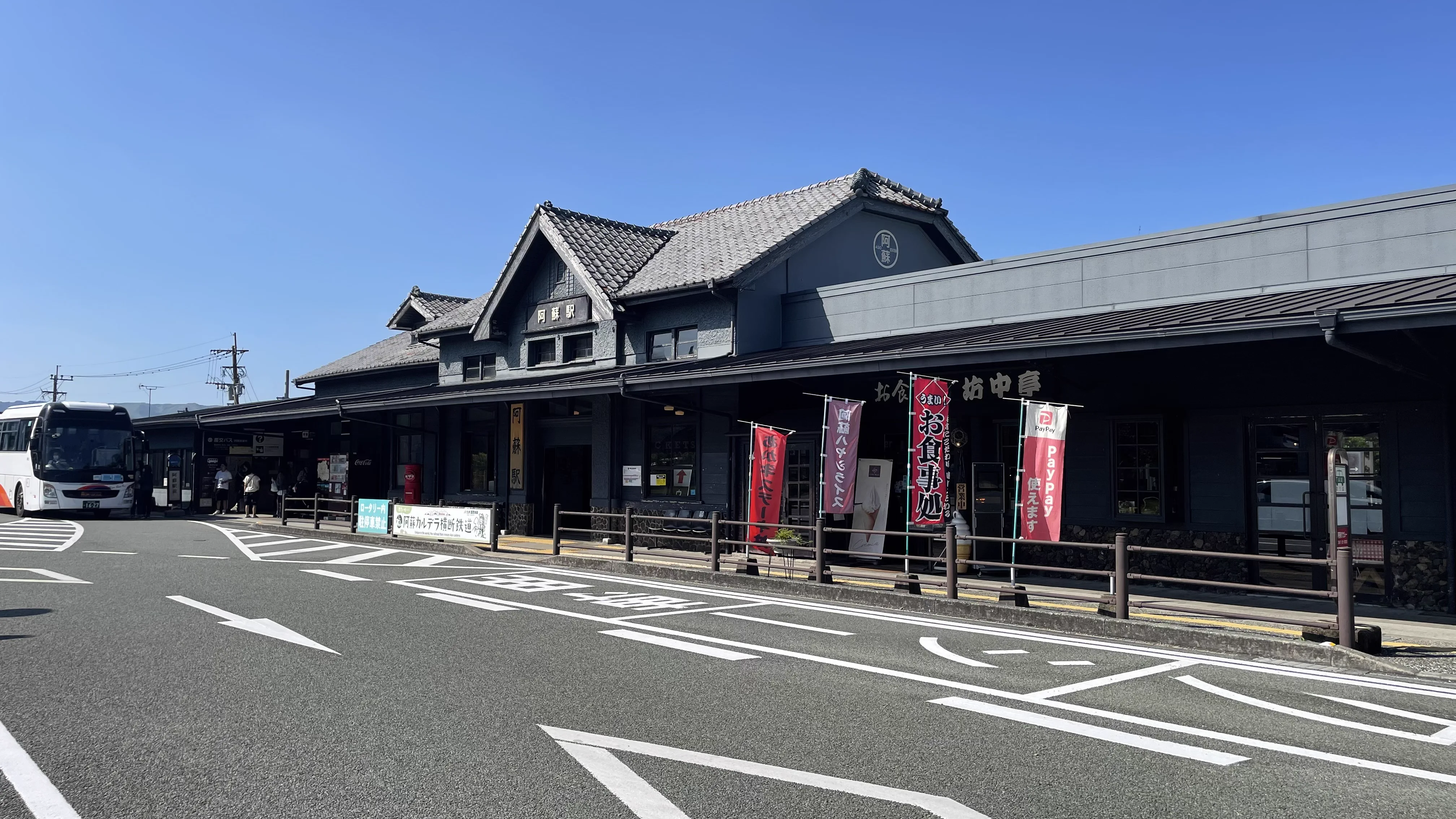
Aso Station and a remote onsen property are very different transport bases. The local tourism association gives a reference taxi journey from Aso Station to Kusasenri and the volcano museum of about 35 minutes and ¥3,500. That is a guide, not a guaranteed fare or available car. Buses are less frequent than city services, so the arrival and return times should be read before selecting the hotel.
A scenic room can make the next morning awkward if its shuttle starts after the bus you hoped to catch or if a taxi must be arranged in advance. Ask the property about pickup, the first outbound option and luggage handling. If the room does not improve access to the place you want to visit, an Aso Station area or Kumamoto base may be more useful than a prettier address.
For an onward route through Aso towards Kurokawa or Yufuin, map the Kyushu Odan Bus guide against the hotel’s actual stop. An overnight only removes backtracking when the following service can carry you onward at a workable hour.
Families and older travellers need fewer demanding transitions
An overnight can split a tiring mountain day and give children or older relatives a comfortable pause. It also adds packing, another check-in and a new meal plan. Decide whether the break removes a long same-day return or merely moves the fatigue to the following morning. For a group with limited mobility, the Kusasenri and museum-area plan may be enough without building in a hike.
The Level 2 map allows more hiking than the August Level 3 map, but not every trail is suitable for every traveller. A reopened route can still be steep, exposed or closed that day. Keep the group’s walking ability separate from the volcanic rule: permission to use a path is not evidence that a child, stroller user or older walker should take it.
Three ways to spend the four days
Keep Kumamoto as the only base
Reserve one full day for Kusasenri and one other Aso stop, then return to the city. This protects the other Kumamoto days and reduces hotel changes. It is particularly strong for travellers who want the caldera landscape without committing to a mountain walk or onsen night.
Make Aso an overnight destination
Arrive in the afternoon, use the accommodation and surrounding landscape, then take an early walk or lookout the next morning if conditions permit. If access changes, the meal, bath and rural setting still justify the stay. Choose a hotel whose transport and dinner arrangements fit that sequence.
Continue through Aso towards another rural stop
Spend the night where it supports the next leg to Kurokawa, Takachiho or another destination. This can turn a Kumamoto round trip into a forward journey. It works only after the road or bus connection and luggage transfer are practical for your dates.
Choose the night for the experience it unlocks
A day trip is enough when your aim is Kusasenri, caldera scenery and a return to a familiar Kumamoto base.
Aso overnight makes sense when it gives you a rural evening, an early permitted walk, more weather flexibility or an onward route without retracing the same road.
As of October 24, 2026, the alert is Level 2 rather than the Level 3 described in August. Crater sightseeing remains restricted, while some designated mountain routes are available. Kusasenri is a viable anchor for either length of trip. Check the particular trail or road before committing to it, because the access categories are not interchangeable.
The volcano and the weather can change on the day. Treat a hotel reservation as a place to sleep, not a guarantee of access to the crater or a summit.
Compare bookable locations for the night: Aso overnight stays
Aso access and alert history
JMA Aso activity status · JMA August 14 Level 3 warning · Aso City August 14 archive · Aso tourism transport and taxi access. The later September Level 2 update and current Aso City climbing notice describe the narrower present restriction. September Level 2 update · Aso City mountain access
Related guides: Nikko Day Trip or Overnight: Which Fits a 4-Day Tokyo Trip? · Airalo vs Saily vs Klook Japan eSIM: Which Product Fits Your Trip? · Itoshima Day Trip or Overnight? Is One Coastal Night Worth It? · Nagasaki Day Trip or Overnight from Fukuoka: 4-Day Trip Guide · Mt Fuji Day Trip or Overnight: When an Extra Night Is Worth It · Noboribetsu vs Jozankei: Which Onsen Stay Fits Your Hokkaido Trip? · Sapporo Teine vs Sapporo Kokusai: Which Is Better for a Ski Day Trip? · Otaru Day Trip or Overnight? When Is One Night Worth It? · Nara from Kyoto or Osaka: Which Day Trip Is Easier? · Nara Day Trip or Overnight? When Is One Night Worth It?