
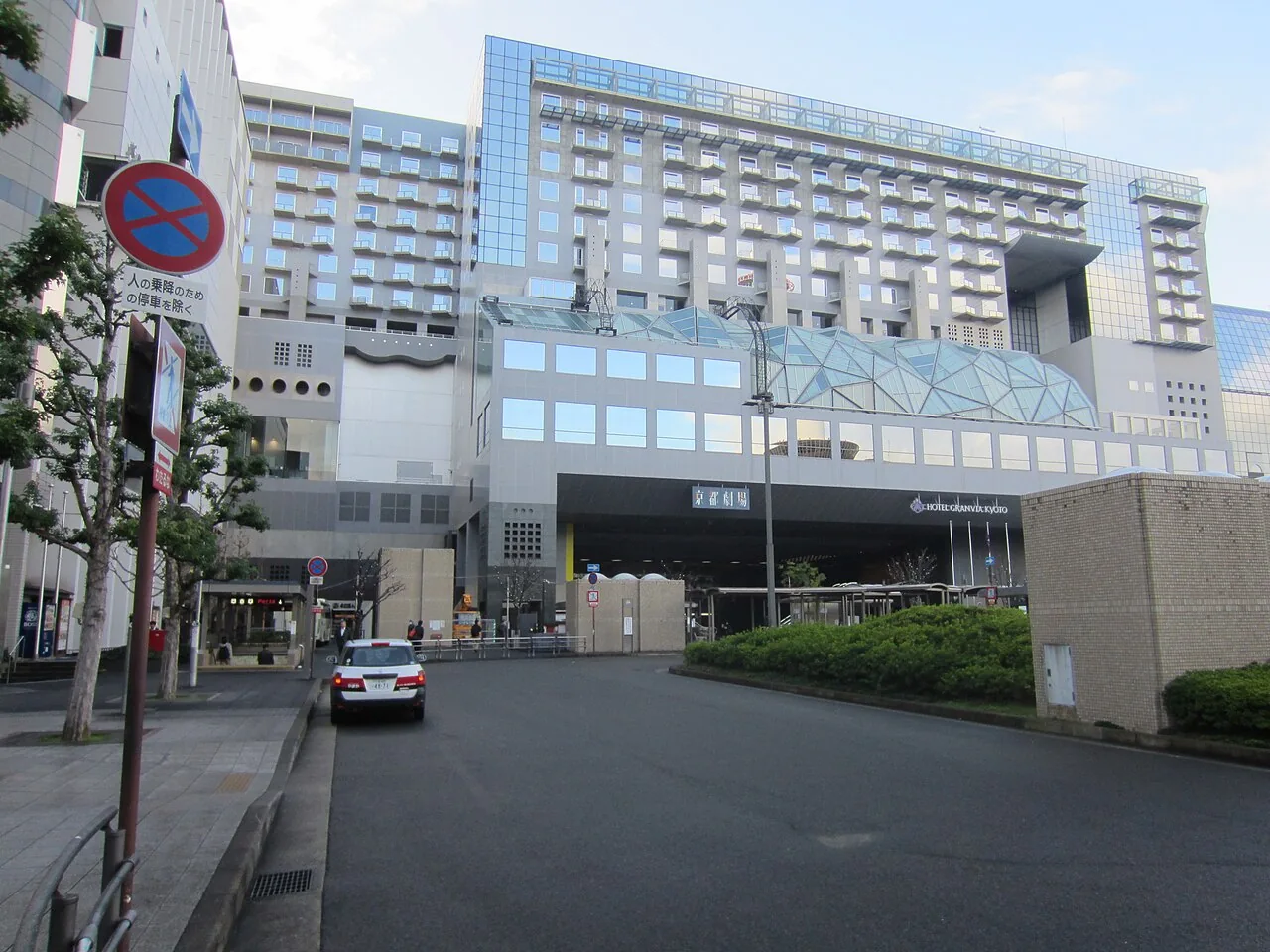
Swipe through Hotel Granvia Kyoto
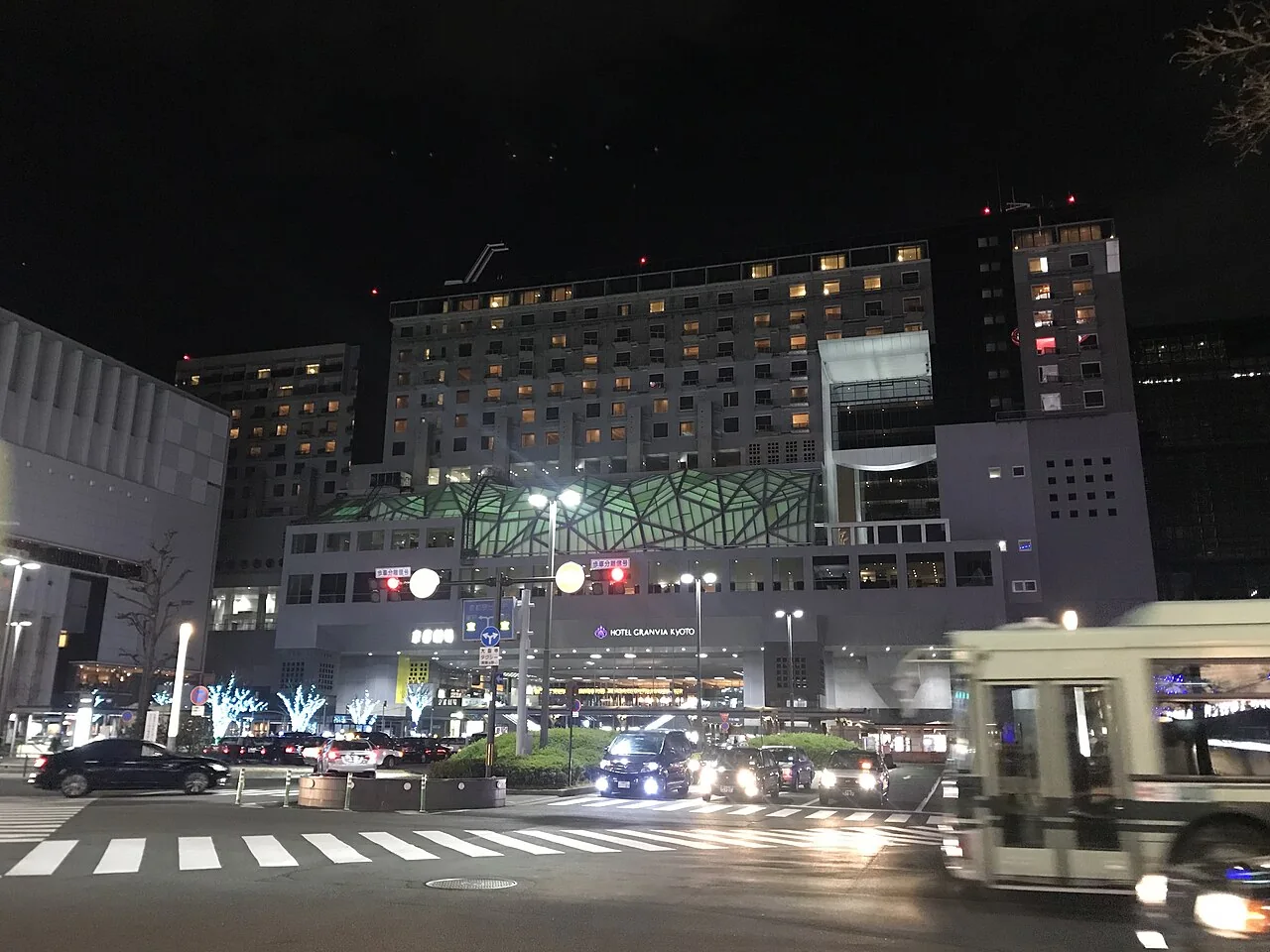
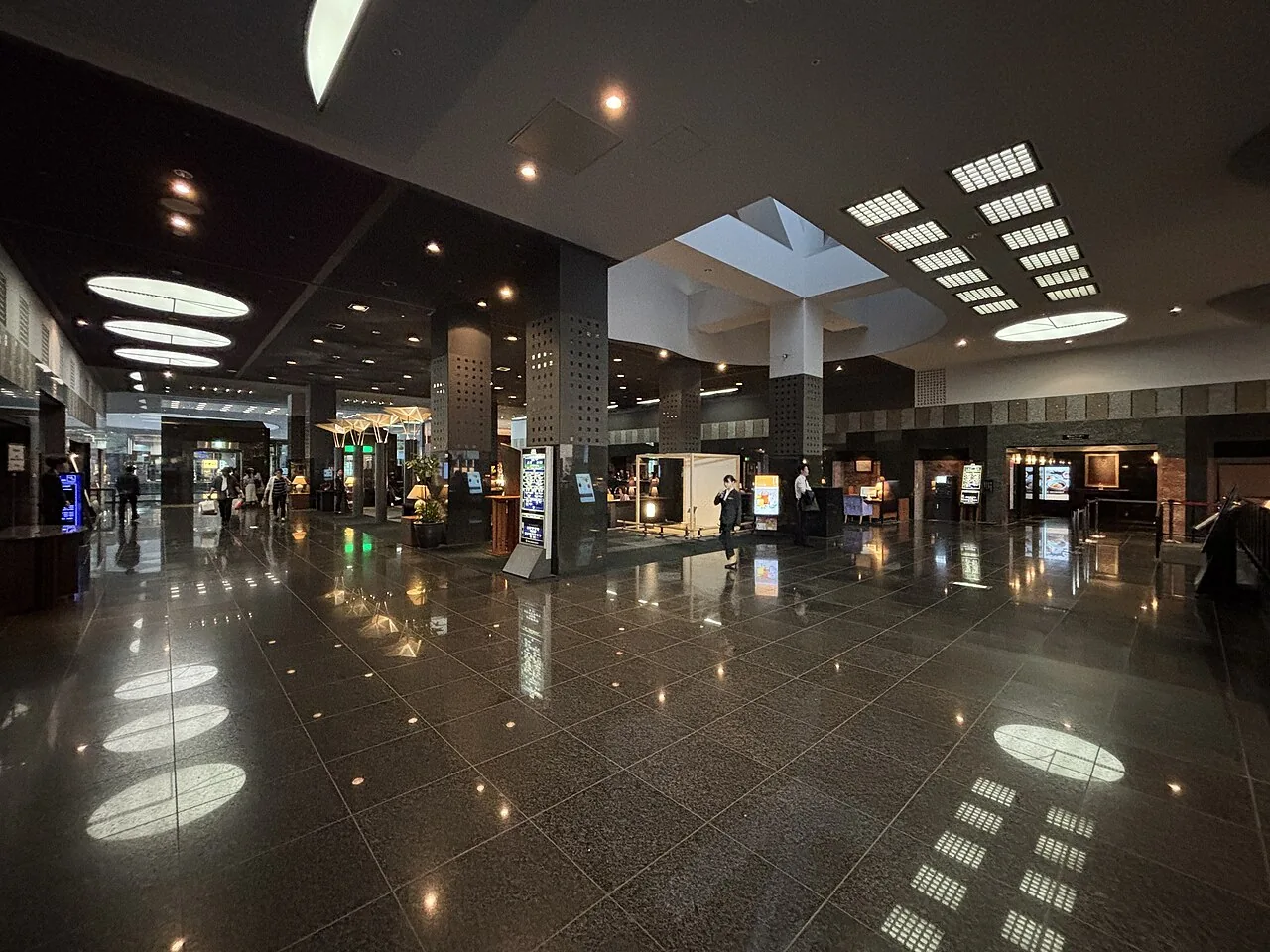
A reserved holiday Shinkansen seat changes the value of your final Kyoto night. Between 25 December 2026 and 5 January 2027, Nozomi services on the Tokaido and Sanyo routes are scheduled to run with all seats reserved. That does not mean you must sleep at Kyoto Station. It does mean the departure time you choose deserves more respect than a vague plan to catch whichever train is convenient. Hotel Granvia Kyoto sits in the station building, so it can remove the morning journey across Kyoto. The question is whether that saved transfer outweighs leaving a better-located Kyoto base for one night, with its extra packing and check-in.
For some trips the answer is clear. A party with large bags, an early train and a fixed seat assignment can use the station hotel as part of its departure plan. A traveller taking a midday train after another relaxed Kyoto morning may be better off at the existing hotel, especially if luggage can be stored there. The Kyoto Station versus Gion guide explains the wider neighbourhood choice; this decision is narrower, covering the final night when holiday rail travel becomes less flexible. The hotel is a tool for a particular timetable, not a reason to spend every Kyoto night beside the platforms.
Begin with the train, then count the transfers
Write down the train number and departure time first. Nozomi's holiday reserved-seat period does not make every other service entirely reserved. Hikari and Kodama retain non-reserved seats under the operator's published arrangement, but the operator warns that those cars can be crowded. A visitor with an assigned Nozomi seat should build a morning schedule backward from the platform, allowing time for breakfast, checkout, any luggage retrieval and navigation within Kyoto Station. Walking out of Granvia's lobby is far simpler than crossing the city, yet “inside the station” is not the same as standing at the correct Shinkansen gate. Leave a buffer that matches your party and bags.
If the current hotel is already near Kyoto Station, a switch may save very little. The station-area hotel comparison shows that several properties serve the same rail hub with different room and price trade-offs. If you are in Kawaramachi, Gion or Arashiyama, the morning journey is a more substantial part of the plan. Check the precise departure path from that hotel's door rather than assuming one station name covers every entrance. A hotel close to a subway stop can still require a line change and a long walk with suitcases. Conversely, if you plan to use a taxi, compare its full cost and allow for roads, loading and the station approach before paying a station-room premium.
Travellers leaving Kyoto for Osaka should be more sceptical of an extra hotel move. Many Osaka journeys use frequent conventional JR services, not a time-specific Nozomi seat. The Kyoto or Osaka base guide helps determine whether the final night belongs in either city. A family taking a reserved Shinkansen to Hiroshima or Tokyo faces a different constraint. For them, the near-platform hotel may protect a booked seat and reduce the chance of an expensive, tiring scramble. The rail-pass comparison is useful when the Kyoto departure is part of a longer itinerary, but the pass decision does not replace reserving the actual train.
What the hotel provides on departure morning
Hotel Granvia Kyoto's published check-in is 15:00 and checkout is 12:00. Its cloakroom can hold luggage before check-in and after checkout. That makes a station-side final day feasible even with a later train: leave bags, go out, return to collect them and board. The arrangement is less useful if the sightseeing destination is far from Kyoto Station and you would spend time backtracking only to reclaim luggage. Plot the morning route on a map. For a short visit to a nearby museum or a final meal in the station, storing bags here is coherent. For a last morning deep in eastern Kyoto, keeping them at the original hotel may make more sense.
Breakfast offers two hotel restaurant choices identified for morning service: Le Temps on the second floor and Japanese restaurant Ukihashi on the mezzanine level. A Granvia Floor guest may also have lounge breakfast according to the room and plan booked. Do not assume an ordinary room includes that lounge or that breakfast is part of a room-only rate. The lounge's published morning period starts at 07:00, which may suit some departures and be too late for others once checkout and platform time are included. If your assigned train leaves early, an included breakfast that you cannot comfortably eat has little value. The Kyoto with older travellers guide offers a useful test of whether a calmer morning is worth changing neighbourhood.
The hotel also publishes an adult-only pool and fitness area with a separate guest-use charge for ordinary categories, while some Granvia Floor or suite arrangements include access. This matters mainly to a longer stay or a late train. Do not let a facility you will never use justify a higher room category for a one-night transfer. A better spending decision might be a room that sleeps the group properly. Standard doubles are listed at 24–26 square metres, standard twins at 26–30, superior twins at 33, and dedicated triple and family rooms at 41 and 62 respectively. Those are named categories, not interchangeable outcomes. The Granvia family-trip comparison explores the larger-room question when several people travel together.
Seven dimensions for a holiday rail departure
These scores describe Hotel Granvia Kyoto as a December departure base. Access is exceptionally strong for Kyoto Station trains, but not every guest wants to spend the preceding evening at the station. Space depends heavily on category: a 24-square-metre double and a 62-square-metre family room should not be treated as the same product. Neighbourhood reflects the transport and station services around the hotel; it is not a claim that the location is the most atmospheric choice for every Kyoto visit. Value is conditional on replacing a meaningful morning transfer and using the booked room's inclusions.
| Hotel | Access | Space | Comfort | Cleanliness | Neighbourhood | Service | Value |
|---|---|---|---|---|---|---|---|
| Hotel Granvia Kyoto |
Access is high because the hotel occupies the station building, not because it guarantees an on-time train or a frictionless walk to any platform. The Service score considers the cloakroom and published dining/room-service options. Cleanliness and Comfort are signals based on documented facilities and verified-stay aggregates, not a prediction of your assigned room. Compare room category, cancellation policy and breakfast at the same total price. If your existing Kyoto hotel is comfortable and the transfer is short, Granvia's departure advantage may not justify a second reservation. If you have children, an older companion or several heavy cases, the same saved transfer may be the best part of the purchase.
A room worth booking is one you can actually use
The hotel's room list spans Standard, Superior, Granvia Floor, suites, triple/family and a Universal Room. A couple departing on a morning train may need no more than a standard twin with a clear bed layout. Two adults sharing a double should check the bed dimensions and how much floor area remains once both large suitcases are open. A family should compare the 41-square-metre triple and 62-square-metre family categories against two rooms, considering whether the party needs separation at bedtime. The label “station hotel” tells you nothing about this. The Kyoto hotel availability guide is a reminder to search by usable room type rather than assuming that an available room fits the party.
The Granvia Floors are on the fourteenth and fifteenth floors and include access to the Granvia Lounge. That may improve a two-night celebration, especially when the lounge's breakfast and evening drinks align with the itinerary. For a final-night rail buffer, it may be an expensive upgrade to a benefit you barely use. The hotel publishes a checkout time of noon, so a midday departure can leave time for breakfast and packing in an ordinary category. If the train is in the morning, the lounge's evening period is relevant only if the party reaches the hotel early enough on the preceding day. Use the check-in time of 15:00 when deciding whether the first afternoon in Kyoto will be spent in the room or elsewhere.
Accessibility should be checked at the exact route and room level. The hotel lists a 34-square-metre Universal Room. That is useful evidence of an accessible category, but availability, bed configuration and the approach to your rail platform still require confirmation for the travel date. Kyoto Station is large. If a member of the party needs step-free access or more time to cover the building, identify the lift route before the morning of departure. The Kyoto one-day guide can help decide whether a final city activity is realistic once this extra movement is accounted for.
The evening before the train should still feel like Kyoto
The price of the station location is that your final evening may begin with a return from the district you actually came to see. That is not automatically a disadvantage. After a full day in Higashiyama, you might prefer to collect your bags, eat near Kyoto Station and keep the morning simple. The Higashiyama route guide shows how far an east-side day can extend; in December the daylight and weather change the pace, so avoid planning a late hotel transfer immediately after a crowded sightseeing finish. If the last evening is devoted to restaurants around Shijo or the Kamo River, staying there may be more pleasant than moving toward the train hours before necessary.
For travellers spending the final day in Fushimi, the station hotel can work as a base for a shorter morning outing followed by departure. The Fushimi Inari guide and Fushimi–Uji route give a sense of how much can reasonably fit before a fixed train. A traveller visiting the manga museum or Kyoto Aquarium should check actual opening hours over the year-end holiday; a city itinerary copied from an ordinary weekday may fail when venues change their schedules. The hotel can protect the departure even when an attraction closes, but it cannot make a closed venue available.
Two complete final-night plans
↔ Scroll table left or right
| Decision point | Move to Hotel Granvia Kyoto | Keep the current Kyoto hotel |
|---|---|---|
| Last afternoon | Return to Kyoto Station, store or check in with luggage | Continue in the district already serving the itinerary |
| Evening | Use station-area dining or return to a neighbourhood with an extra ride | Finish near the familiar hotel |
| Breakfast | Check whether the booked rate includes a usable breakfast time | Use current hotel or an independent option |
| Morning train | Walk through the station complex with a platform buffer | Allow the full city-to-station transfer before the platform buffer |
| Later train | Use the cloakroom if sightseeing genuinely loops back to the station | Leave bags at the current hotel only if retrieval fits the route |
Price the two plans as whole journeys. Include a taxi or subway fare, any second-hotel cancellation fee, breakfast you will actually eat, and the physical burden of a move. Do not add a fictional “missed train cost” to make the station room win; instead assess how much margin each plan has around the reserved departure. If you have an early Nozomi and would otherwise cross Kyoto with children and cases, the margin may be valuable. If the train is later and the existing hotel can hold bags, the room at Granvia may add expense without changing the day. The same-day luggage guide is relevant if you are considering sending bags ahead rather than changing hotels to manage them.
Before payment, check the specific room's cancellation terms. The hotel's general fact sheet describes a standard cancellation approach, but special dates and rate plans may have their own terms. A train reservation may also have its own change rules. Keep those decisions separate and confirm them together. If the next city is Osaka, the Osaka–Kyoto split-stay guide can test whether moving the final night to Osaka is more useful than staying above Kyoto Station. If Kansai Airport follows, use the airport route guide and the actual flight time; a station hotel in Kyoto is convenient for the Haruka but may not be the optimal last-night base for a very early flight.
Choose Granvia when a fixed holiday train, luggage and the party's mobility make the morning transfer a significant risk or drain. Keep the existing hotel when the departure has ample margin and the last Kyoto evening matters more than shaving the station journey. In either case, reserve the train seat you intend to use, confirm where the group will have breakfast, and plan the walk to the platform as part of the trip rather than a footnote to checkout.
A final room comparison should use the exact morning rather than a generic claim that a station hotel is convenient. A family leaving shortly after breakfast needs enough time for the meal, checkout, lifts and the correct platform. A solo traveller on a later train may be able to enjoy another neighbourhood and still arrive with plenty of margin. If several bags must be collected from storage, allow for that separate step. The room's position above the station shortens one part of the journey; it does not eliminate queues or the walk within a large terminal.
Check the rate against the current hotel's cancellation deadline before buying a one-night move. If the original room remains payable, the Granvia night is an additional cost, even if its search-card rate looks attractive. If you can cancel the old night, include the time and transport needed to move the bags and check in again. The extra station convenience is most defensible when it improves the actual departure day for the people travelling, rather than serving as reassurance in a plan that already has a generous margin.