
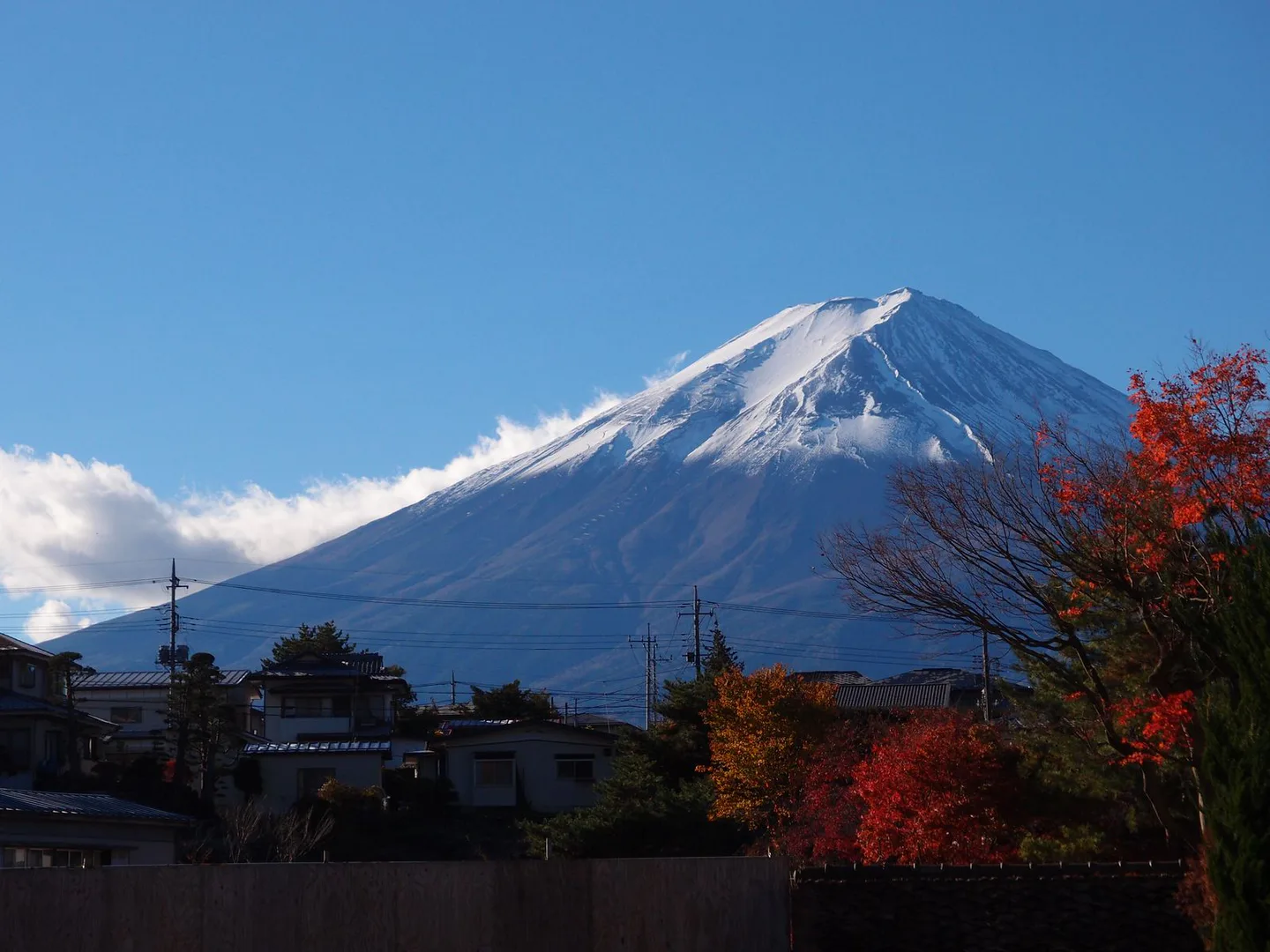
24 October 2026 status: the autumn decision has moved beyond the August mountain watch. Sapporo city colour and Oirase Stream are advancing into this weekend; Oku-Nikko and Kamikochi are among the stronger mountain choices. Kyoto city is still a later-season plan, with its location-level autumn calendar due to start updating on 30 October. A national forecast gives a corridor, but the day itself still depends on what the exact site looks like, whether you can see it and whether transport can bring you back. A red-looking map is not a reason to buy a remote non-refundable room tonight.
| 24 October corridor | Useful current signal | Next decision | Failure to check |
|---|---|---|---|
| Hokkaido | Sapporo city parks are entering colour; the high Daisetsuzan watch of August is no longer the same opportunity. | Use a city or lower-elevation day; assess Jozankei or nearby parks from a stable base. | Mountain wind, earlier darkness and whether the scenic service still runs. |
| Tohoku | Oirase and Lake Towada are in the late-October viewing window. | Put the stream walk and lake transport on the best-weather day. | Bus capacity, road conditions and the last return. |
| Kanto and Chubu | Oku-Nikko and Kamikochi have a strong late-October signal; valley and city sites may follow later. | Choose one reachable high or middle site, then keep a lower fallback. | Rain, visibility, seasonal closure and long weekend traffic. |
| Kyoto, Osaka and lower Kansai | Use the later city-leaf window; current exact-site reporting is still opening. | Keep Kyoto accommodation based on the trip's broader value, not an October mountain headline. | Temple hours, reservation windows and overfilling one city day. |
| Kyushu | High mountain sites may lead while the lower city and onsen options remain later. | Match one mountain branch to the weather and retain a food or onsen fallback. | Long drives, sparse public transport and a ryokan dinner cutoff. |
The date beside this board matters. Colour can advance after a cold night or be stripped by wind and rain. Re-read the exact-location report before departure; treat the board as a decision snapshot, not a guarantee that these places will stay at the same phase all week. The 2026 regional foliage calendar is useful for choosing the broad corridor, while a dated local observation should choose tomorrow's walk. If you have ten days, compare one-region route shapes before stitching together distant spots from this status board.
The August watch has turned into October route choices
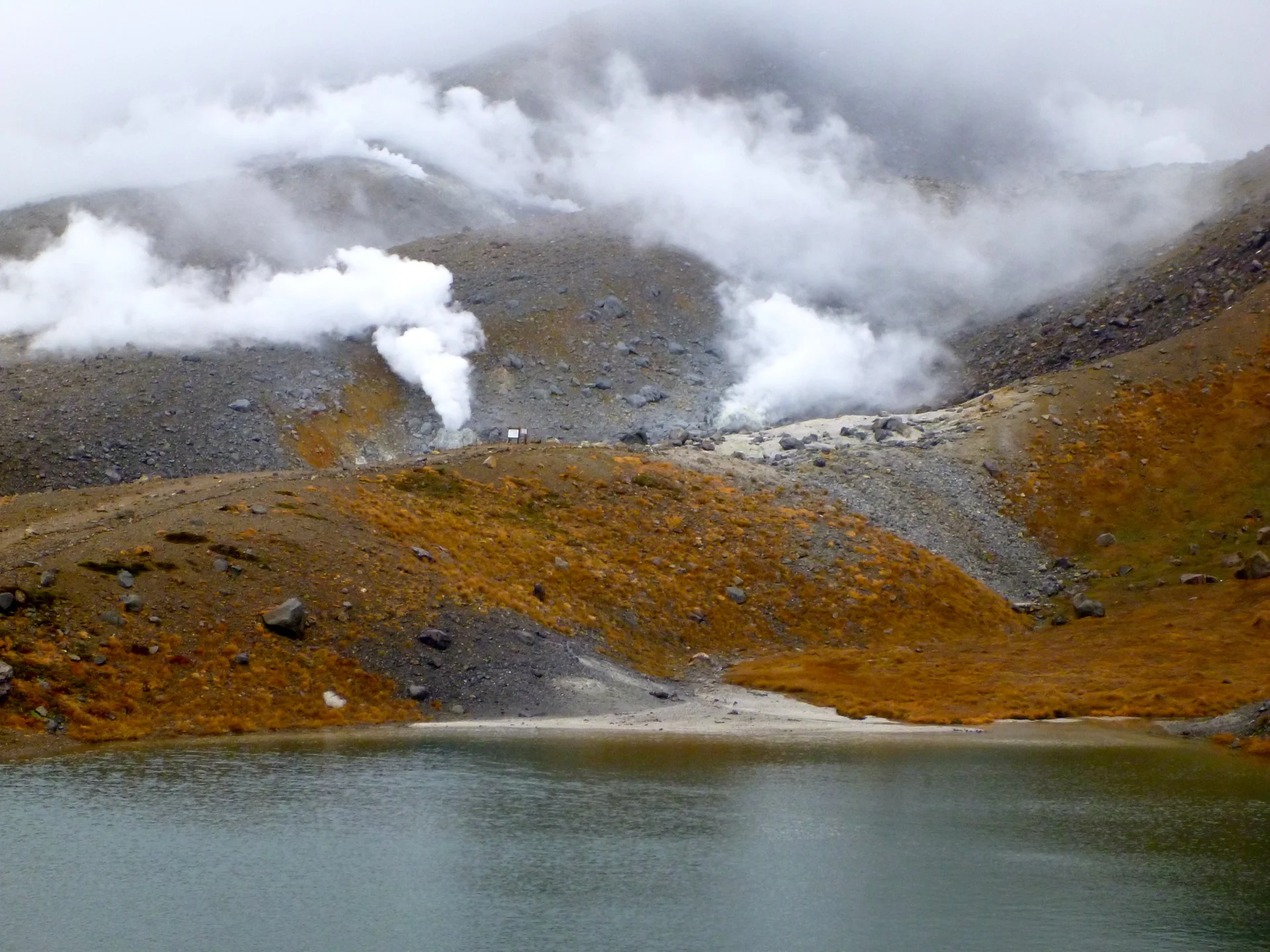
In early August, the national 2026 reporting layer had not opened. By 25 August, high-elevation Asahidake had become worth watching, but its operator's phrase about the entrance to autumn did not mean the whole mountain was at peak, much less Sapporo, Tokyo or Kyoto. On 24 August, rain, low visibility and wind were enough to suspend the ropeway even though its following-day timetable was published. That episode remains the simplest illustration of the three gates for a foliage day: usable colour, usable visibility and weather, and usable access with a return service. A good colour report passes only one gate.
Today the national 2026 forecast exists, and local reports are much more valuable than those August first signals. At 14:00 on 24 October, the Asahidake upper station reported 5°C, cloud and good visibility, with the ropeway shown operating under a shorter 09:00–16:00 schedule. That is a real operational snapshot, not a claim that the upper mountain still offers its September colour. Someone booking from Sapporo should ask whether a lower or city-level site now does a better job. Asahidake versus Kurodake explains the different mountain access patterns; the Hokkaido seasonal route helps move down the elevation ladder instead of chasing an old alpine headline.
| Evidence layer | What it can establish on 24 October | What it cannot establish |
|---|---|---|
| 2026 national city forecast | A broad north-to-south and high-to-low planning corridor. | The exact colour at one trailhead tomorrow. |
| Dated regional colour report | Whether sites such as Oirase, Sapporo or Oku-Nikko are approaching a useful viewing window. | Whether a bus, trail, boat or ropeway operates on your chosen day. |
| Exact-site update or camera | Current colour, light, cloud and sometimes ground conditions at the relevant elevation. | A guaranteed view after a weather shift or full-day transport plan. |
| Operator and road status | Live ropeway, bus, road, trail and final-service constraints. | That leaves are peak merely because the site is open. |
Do not give all four layers equal weight. A nationwide date can justify keeping a Tokyo hotel; it cannot justify a non-refundable mountain ryokan when the bus is seasonal. A single camera image can prove that the camera's slope is visible, not that a gorge an hour away has identical colour. The narrowest recent evidence should govern a fixed excursion. Hotel cancellation and backup-area choices matter most while the exact day is still uncertain.
Read each region by elevation, then by your return journey
In Hokkaido, lower city colour can remain useful after high alpine colour has passed. Sapporo's Nakajima Park and city approaches are a different October product from September Asahidake. The weekend weather outlook for Hokkaido is more favourable than the wetter outlook across much of Honshu, yet a day trip still needs a warm layer and a last return. Jozankei's bus and overnight trade-off is relevant only if current services match the date; a city garden may be the better use of a short weather window. A Sapporo base also permits a non-foliage evening without moving luggage.
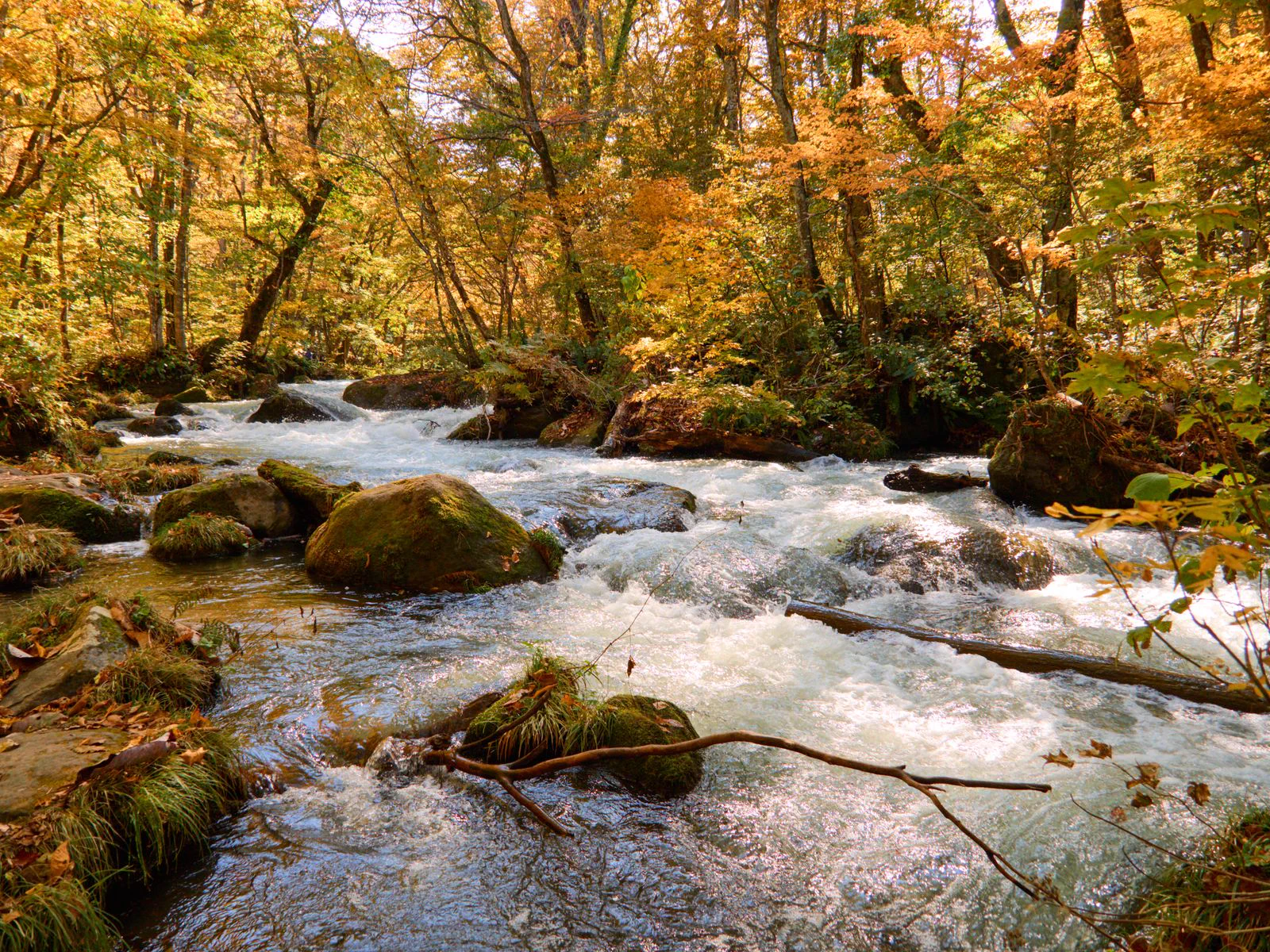
Oirase has a more immediate late-October case. Its stream, waterfalls and Lake Towada are not one compact station-front attraction. A report placing the gorge near peak is useful, but the walk length, stream road and bus seats decide how much of it you can see. In the latest weekend report, the main stream trail and Route 102 were not reported closed, yet conditions can change; recheck before the early bus. The Towada–Oirase two-day route makes the overnight worthwhile when it avoids a rushed out-and-back. Aomori or Hachinohe can stay the base if the hotel move would cost more than an earlier departure.
Kanto is not one colour. Oku-Nikko's elevation gives it an earlier window than Tokyo gardens. A Tokyo traveller should test the road or bus journey and the final return before upgrading one photograph into a day-trip commitment. Takao, Okutama and city ginkgo timing provide lower-friction alternatives when northern mountain access is weak. Hakone can also change from Gora toward Lake Ashi and Yumoto at different times; its elevation sequence is more useful than a generic “Hakone peak” label. A place with autumn leaves but a fogged-in view or stopped ropeway may still be a good onsen day, just not the panoramic day you bought extra transport for.
In central Japan, Kamikochi is a strong current option with a short remaining seasonal window. It is not interchangeable with lower Matsumoto or Nagano. If rain, snow or a final bus creates a narrow day, retain the castle town and move the scenic branch. Tateyama's elevation ladder is another example of why one route can contain several seasons at once. Kanazawa's Kenrokuen timing offers a city garden alternative when a high-alpine transfer is no longer sensible. The trade is not only colour; it is daylight, available buses and whether you can reach your next hotel before check-in or dinner closes.
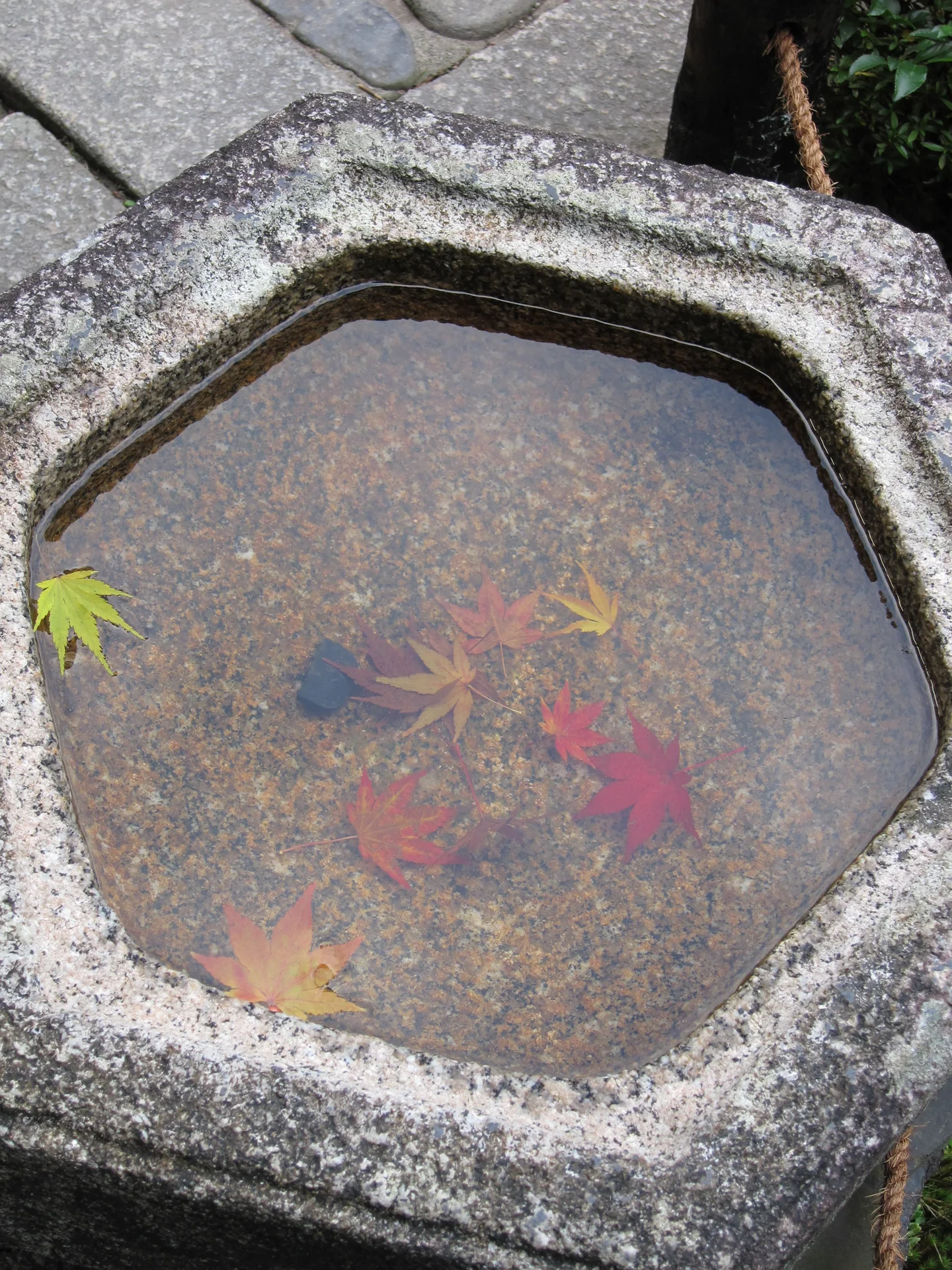
Kyoto remains a later city decision. The current English autumn calendar says its 2026 updates begin on 30 October. A 24 October itinerary should therefore resist treating an alpine report as proof that Tofukuji or every central temple is ready. Northern Kyoto and higher sites may change before the city core, while Uji and Nara provide different lower-elevation days. Kyoto's free foliage walks help build a flexible day, but temple opening hours and crowd routes still determine the order. A traveller primarily going for November temples should protect the Kyoto stay rather than move hotels toward a current northern peak.
Kyushu can be built around food and onsen while a high site remains weather dependent. Kuju, Unzen and upper Takachiho are not adjacent alternatives to fit into one afternoon. Takachiho's boat and overnight timing is a separate commitment, especially when an evening performance or rural hotel dinner fixes arrival. A lowland backup can be a town, bath or garden rather than another four-hour drive. An onsen night with foliage earns its cost when the bath and stay remain worthwhile even if rain removes the viewpoint.
Four phases describe what you can actually decide
| Phase | Evidence available | Booking or day action |
|---|---|---|
| 0 — historical corridor | No current location signal. | Choose month, gateway and a flexible base; do not claim a live peak. |
| 1 — local watch | A dated high-elevation transition, weather or camera report. | Monitor one corridor more closely without crossing Japan for it. |
| 2 — forecast open | A current-season national or regional forecast with site-specific projections. | Narrow the viable dates and protect scarce transport or cancellable rooms. |
| 3 — live execution | Recent exact-site colour plus weather and operating return service. | Go on the best day; if any gate fails, use the nearby alternative. |
The country is not in one phase at a time. On 24 October, a dated Oirase signal may support an immediate day choice, while a late-November Kyoto temple is still mostly a forecast-and-hotel decision. A room for mid-November can be booked now without pretending the precise leaf day is known. The phase model prevents an August Asahidake transition, an October Oirase report and a Kyoto November forecast from being collapsed into one claim that “Japan is at peak.” It also keeps a family from changing flights simply because the earliest region has already moved past its best colour.
Use the remaining time before travel differently
| Time until the visit | Decision worth making | What to verify |
|---|---|---|
| About 30 days | Choose a gateway and a cancellable base, with one higher and one lower branch. | Room cancellation, mountain season and the first/last services. |
| About 14 days | Keep two plausible day trips from the same base. | Trend by elevation, road notices and required reservations. |
| About 7 days | Put the exposed mountain or gorge day on the best forecast. | Weather, access limits, queues and alternate day availability. |
| About 48 hours | Book required seats or replace a suspended sector. | Local colour, wind, rain, trail, rail and return cutoff. |
| Same morning | Execute, shorten or switch. | Newest exact-site observation and live operator status. |
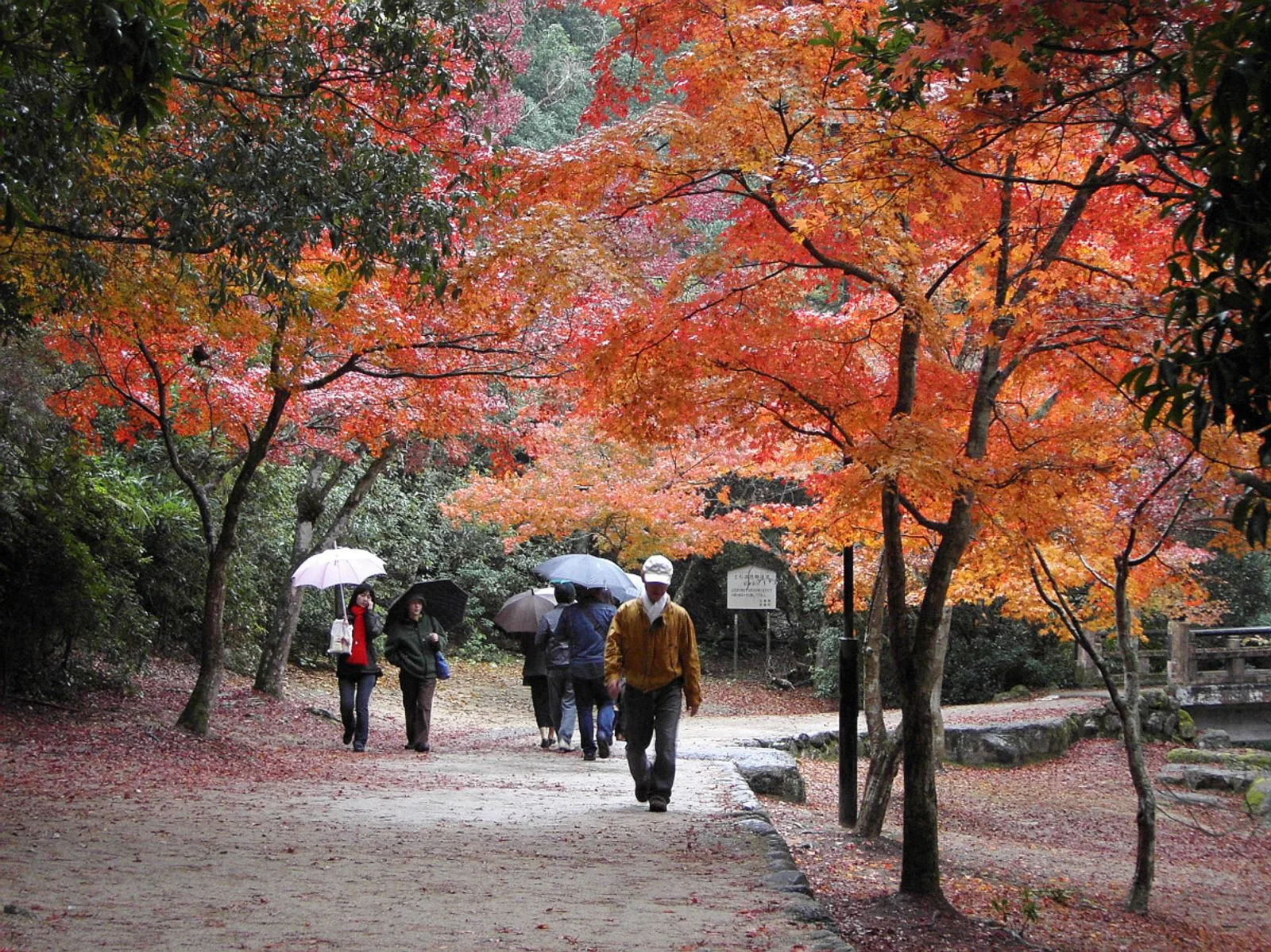
Good foliage with bad visibility is a reason to move the mountain day, not to force the hotel route to justify itself. If the report remains green, move higher or cooler inside the same corridor only when the higher site passes access and weather checks. If a mountain is past peak, descend, move south within reach or choose later city trees. Heavy rain makes a sheltered garden, museum or bath more dependable; strong wind can remove a ropeway or lake boat altogether. If two sources disagree, the newest exact-location observation has more weight than an old prefecture-wide ranking. A photograph on this page is a location illustration, not proof of today's colour.
Keep the base city useful even if the leaves move
| Base | Reachable autumn directions | Stay shape | Main limit |
|---|---|---|---|
| Asahikawa | Asahidake, Sounkyo, Biei and city fallback | Two or three nights when multiple elevations remain relevant | Ropeway and mountain transport change with wind and season. |
| Aomori or Hachinohe | Oirase, Towada, Hakkoda and Hirosaki | Two or three nights around the chosen gorge or city day | Seasonal buses and the return after a long stream walk. |
| Tokyo | Nikko, Hakone, Kawaguchiko, Takao and gardens | Three to five nights for several weather-swap days | Long crowded day trips; some routes need a night near the destination. |
| Matsumoto or Nagano | Kamikochi, higher valleys and castle towns | Two or three nights with a weather-protected mountain day | Seasonal closures, early darkness and one-way links. |
| Kyoto | Northern hills, central temples, Uji and Nara | Three to five nights for a later city-colour stay | Temple hours and the cost of returning from an Osaka hotel. |
A stable base lets you change elevation without a new check-in, luggage haul or cancellation fee. Compare the final room total, tax, meals and cutoff, then ask what the hotel does on the day the mountain fails. The autumn rail-pass calculation matters only after the actual legs are fixed; a national pass is not a cure for a mislocated room. For a short seasonal branch, store or forward large bags and confirm the receiving hotel's date and cutoff. If a ryokan dinner has a firm arrival, delete an optional stop after a delayed bus instead of letting the day's colour plan ruin the night.
To compare lodging around the working base, use Asahikawa Station rooms for a Daisetsuzan-and-city mix, Aomori Station rooms for Oirase and Hirosaki, or Kyoto Station rooms for a later Kansai stay. These are different geographic choices. Book for the region and the rest of the trip, then let the exact foliage day move within it.
Before leaving, check the exact station and bus stop, seat or reservation rule and final service. A near-peak weekend needs an earlier start and fewer stops. High-elevation mornings can be much colder than the base city; take layers, rain protection, a warm accessory and footwear that grips wet leaves. Road closures, one-way controls, parking restrictions and early snow can change a car day as quickly as a ropeway stoppage changes a rail day. The September alpine guide remains useful for understanding the earlier end of the season, but its dates should never be pasted into this late-October board. Review the latest observations again on the morning of travel.