
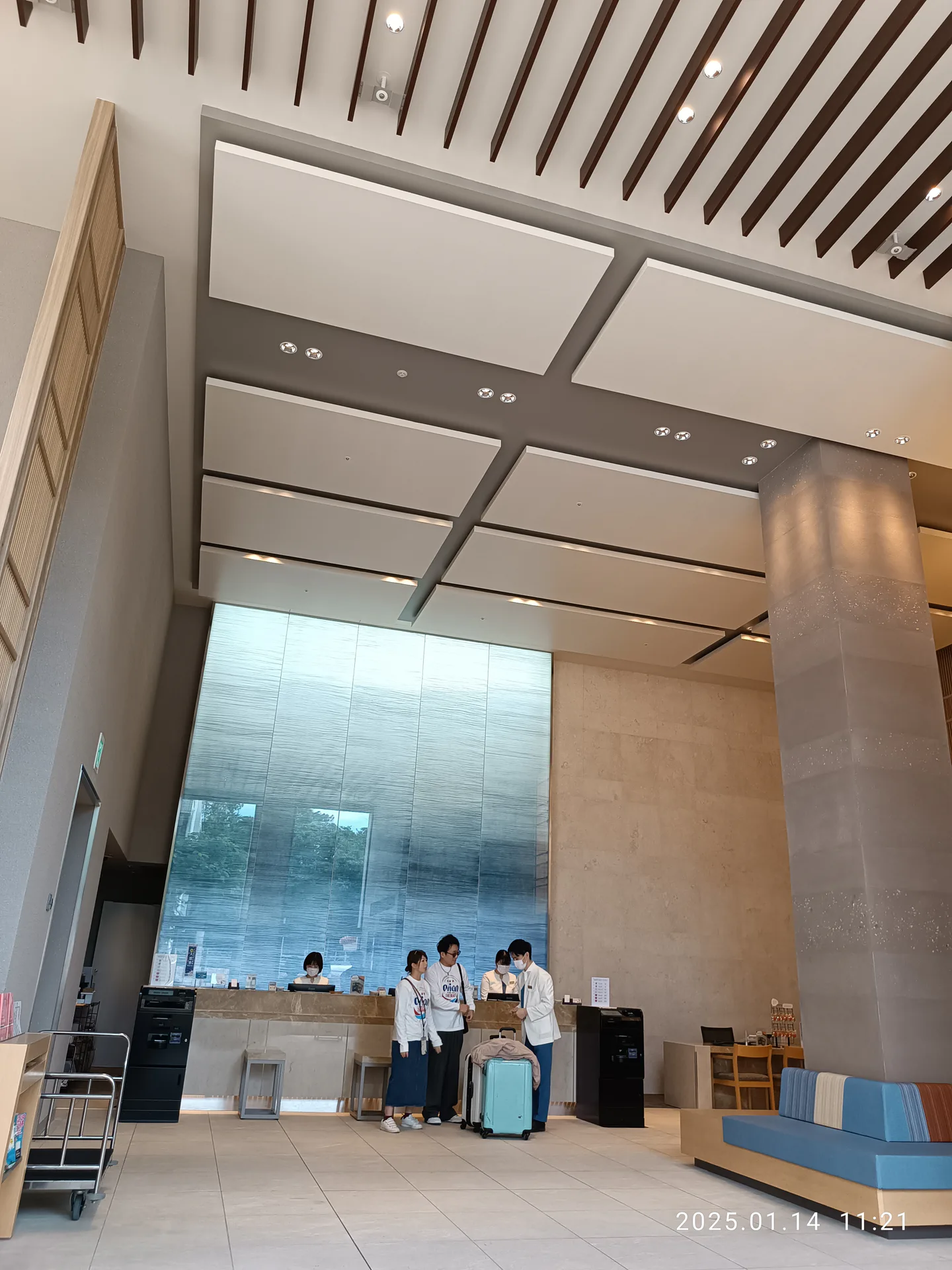
A five-day Okinawa budget is built around four nights of accommodation and the flights you can buy for your dates. Those quotes shift with origin, weekends, Japanese holidays, room occupancy and cancellation terms. Once they are real, the larger choices become visible: whether a car is needed for two days or four, how many resort nights replace a Naha base, which marine experiences each person will buy, and how much freedom remains when the sea is unsuitable. A permanent “cost for a couple” cannot capture those choices.
Start with prices at checkout rather than a memorable sample total. A couple’s old ¥175,000 estimate may be wrong by tens of thousands of yen if the flights or hotel dates differ. By comparison, the current ordinary adult ticket at Churaumi Aquarium is ¥2,180, a much smaller and more stable line. Change the expensive structure first; a minor ticket discount cannot rescue an itinerary that buys unused resort time or an extra rental day.
A budget you can assemble in half a minute
↔ Scroll table left or right
Order | Quote or allowance | Why it changes the result |
1. Set the trip shell | Final flights, bags and four nights of lodging | The largest inventory-driven lines vary sharply by date |
2. Decide road use | No car, a two- or three-day rental, or nearly full-trip driving | Each paid block can add protection, tolls and parking |
3. Price experiences | Aquarium, Blue Cave, Kerama, diving and tours by participant | These usually multiply rather than being shared |
4. Allow for daily use | Meals, drinks, local transport and data | Useful for cash flow after structural costs are known |
5. Hold a disruption buffer | A personal 10–15% of known local costs where appropriate | Weather changes, taxi substitution or an extra night can create new bills |
Keep a personal 10–15% reserve against known local costs if the trip needs room for disruption. This is a planning buffer, not a fee or published Okinawa average. A flexible weekday itinerary might use the lower side. A family, typhoon-season trip, sequence of sea activities or tight flight connection could warrant more cash or credit headroom. Do not apply a percentage blindly to a fare that is already refundable or a cost that cannot change.
Why party-size averages conceal the real purchase
Labels such as solo, couple and family tell you who pays, but not what they are buying. Two couples on the same island for five days can have very different bills because one sleeps in Naha and rents a small car briefly while the other spends resort nights in Onna, drives for most of the trip and books paid water activities. A single mid-range average blends those distinct routes into a number that fits neither.
For a family, sharing a room and car can lower the cost per person, but four admissions or tour places still add up individually. Vehicle size may rise to fit child seats and suitcases. A true four-bed room may cost more than a nominal sleeps-four room with bed sharing. Price the actual beds, vehicle and activities before dividing a group total by four; the division is the final step, not the premise.
Fix the route first. Ask which nights belong in Naha, whether you want an Onna or Nago stay, and which days actually require a car. Only then is a solo or family subtotal meaningful. A traveller using the Yui Rail for city time and one northbound tour is purchasing a different transport plan from a group driving daily between the west coast and Motobu. a car-free Naha plan.
Which lines are shared and which multiply?
Separate costs paid once by the party from those charged to every participant. This keeps a seemingly inexpensive per-person activity from disappearing inside a group calculation, and makes it clear when a larger group can spread a car or room charge. Some products fall between the two columns, so check how the seller prices your exact group.
↔ Scroll table left or right
Mostly shared by the party | Generally charged per person or device |
The hotel room or rooms | Airfare and each baggage allowance |
Rental base charge | Aquarium and other admissions |
Chosen rental protection package | Marine trips and guided activities |
Fuel for the shared car | Meals and drinks |
Expressway tolls and parking | A separate eSIM or mobile plan for each user |
Some airport transfers | Individual insurance or activity equipment where required |
A rental car can look large on a solo spreadsheet yet compare well for four people travelling together to Onna, Motobu and Kouri Island. A ¥5,000 activity is one ¥5,000 line for a solo visitor; before any child or group rate, four places add roughly ¥20,000. That distinction also explains why a family should compare two rooms and one suite by the final group bill, while pricing admissions separately. choosing a rental or public transport.
The five decisions that move most budgets
1. Four hotel nights: price the places, not an average room
Write the intended split night by night. Two nights in Naha and two in Onna are different from one airport-area night followed by three in Onna or Nago. Weekend and holiday resort rates may depart sharply from a weekday Naha quote. Compare the same cancellation window, breakfast treatment, parking charge and child policy. The total for four nights is the relevant figure, not the cheapest one-night rate you spotted during research. the Okinawa hotel-area decision.
For a resort upgrade, calculate what the more expensive placement actually changes:
Resort-night premium = final resort room total + parking and required meals − equivalent Naha room total − driving or paid activity cost removed by the resort location.A west-coast room might save a long Naha round trip, provide a beach evening and let the family use a pool instead of buying another outing. Those are real benefits if the schedule includes time at the property. A guest who checks in at 22:00 and leaves at 08:00 is mostly paying for a bed, so the same premium needs a much stronger room or location reason. Count hours awake at the hotel before valuing its facilities. when a resort room earns its premium.
Choose the base before the brand. A hotel in Naha can simplify airport bookends and car-free city time; Onna changes the geography of west-coast outings; Motobu can reduce a Churaumi day. Compare actual movements and evenings before sorting room photographs. That order avoids treating a higher room rate as waste when it may replace driving, or treating a lower one as a saving when it adds repeated road days. Okinawa bases for a first trip.
2. Rental duration: count every paid 24-hour block
The displayed rental base rate is only one component. Add protection, child seats, any rented ETC card, tolls, fuel, parking and charges for late return or one-way drop-off. A quote that hides an NOC charge is not comparable with one that includes it. The full driving calculation should be made with the car class that safely fits your passengers and bags, not the lowest small-car result in a search list.
Driving total = rental base + CDW or deductible waiver + NOC/assistance cover + child seats + ETC card rental + tolls + fuel + hotel/attraction parking + applicable one-way or overtime charges.OTS lists collision damage waiver in Okinawa at ¥1,650 per 24 hours before its optional Safety Pack. Toyota lists a ¥1,100 per-day deductible waiver for many normal classes; its Double Protection Package adds ¥550 per 24 hours for NOC exemption under its terms, making ¥1,650 for that combination. These examples explain why two cheap base quotes may have different final costs. Confirm the package and exclusions for the class and dates being booked. OTS Rent-a-car — current Okinawa CDW and NOC. OTS — Safety Pack tiers. Toyota Rent a Car — current deductible and Double Protection terms.
Cutting a rental from four paid days to three removes more than one day’s base charge. It may also remove a protection day and a hotel parking night. If arrival day is confined to Naha and departure day begins with an early flight, consider collecting the car for the northbound section and returning it when driving ends. Check pickup and return opening times; the theoretical saving disappears if extra taxis or awkward luggage moves cost more. a five-day driving sequence.
Compare OTS, Toyota and ORIX with the same vehicle category, pickup point and protection assumptions. Pay attention to deductible waiver and NOC separately. A comparison that includes a broad package on one side and bare rental on the other tells you little about actual exposure or final price. OTS, Toyota and ORIX rental terms.
3. Resort time and paid experiences can compete
A high resort rate and a full-day tour both claim the same daylight. A guest who leaves the pool, beach and spa unused from 08:00 until dinner may have purchased two overlapping experiences. Conversely, a string of marine bookings can make a modest Naha or Onna base adequate. Decide whether the hotel is a place you intend to inhabit or merely the location of your bed.
Count usable hours rather than listed amenities. Two Onna nights might give a full afternoon, sunset and slow pool morning, plus an easier Blue Cave departure. In that case the room can do work that a day tour or long drive otherwise would. If every daytime hour is booked on boats or roads, shift money from the room into those activities, or choose an accommodation rate that does not charge for unused leisure facilities. resort pool time.
A resort itself can be the recovery day after diving or an anchor for children. One well-used room night might replace several separate admissions and transport legs. That is different from claiming every expensive resort saves money; compare what it replaces for your party. If the hotel costs more and all the activities remain in the plan, the budget has grown rather than been reallocated. the cost of an ocean-view upgrade.
4. Activity spending grows with the number of people
Churaumi Aquarium gives a clear admission line: ¥2,180 for adults, ¥1,440 for high-school students, ¥710 for elementary and junior-high students, and no charge for children under six. Two adults plus two children in the elementary or junior-high band total ¥5,780 at ordinary admission. Put the correct age categories on your worksheet. Family size changes the total even though the visit occupies one part of the same day. Okinawa Churaumi Aquarium — current admission. the Churaumi hotel-move question.
A Blue Cave, Kerama or diving quote is more variable. Price depends on the operator, date, equipment, session and number of participants; wind, waves or typhoon conditions can still change the outing. A universal “Blue Cave costs ¥X” line becomes obsolete quickly and may not match the package you want. Use the final price and cancellation rules for the exact option, then decide whether it is a firm purchase or a flexible allowance. Blue Cave boat and shore entry.
Keep water-based activity money in two columns:
Committed spending: prepay only when the operator’s cancellation terms suit the rest of your itinerary.
Weather-flex allowance: keep money available for a sea activity without treating it as spent before conditions and availability are clear.
If a marine session is cancelled, you do not automatically need to spend that entire allocation on a substitute tour. Keeping the weather-flex line separate prevents paying for both a newly booked indoor activity and a later sea excursion when the weather improves. It also makes a real refund visible in the trip total rather than disappearing into a generic daily allowance. Kerama day-trip choices.
5. Flights: compare totals at payment, not search results
Okinawa airfares have no single English-speaking traveller baseline. Someone connecting from Tokyo, flying directly from Hong Kong or Seoul, or arriving after a long-haul journey faces a different flight market. Even travellers with the same departure city can see different baggage and change terms. Put the actual origin, flight dates and itinerary on the sheet rather than inserting a borrowed domestic fare.
Record the checkout amount after checked baggage, chosen seats, payment fees and any connection ticket. Keep the refund or change condition beside it. A more expensive flexible fare may be a different product from the cheapest non-refundable one. If an airline separates the long-haul and Okinawa segments, include the transfer and missed-connection risk in the comparison rather than treating the second flight as an isolated bargain. Okinawa arrival and departure hotels.
The common false comparison is a bare low-cost fare against a full-service fare whose baggage is already included. Add the bags and seats you will really use to both sides. The same rule applies to flight times: a cheaper landing that forces an extra airport hotel or loses a full resort afternoon may increase the five-day cost even if the fare itself is lower.
Expressway charges matter most when they repeat
One NEXCO route search for a standard car between Naha IC and Kyoda IC shows 57.3 km and a one-way toll of ¥1,610 at the normal rate or ¥1,040 under the displayed ETC calculation. The same-priced return would make ¥3,220 cash or ¥2,080 with ETC before petrol, parking and further road sections. These are an example for that route and search conditions, not a fixed allowance for every itinerary or discount eligibility. NEXCO Drive Plaza — Naha to Kyoda toll example.
The lesson is not to buy equipment solely for a particular ¥1,140 sample saving. Repeated Naha-to-north travel consumes both toll money and daylight. Two nights moved to Onna or Nago could offset some of a higher room price by removing road use and giving the group the coastal evenings it wanted. Check your actual interchange pair and driving days before deciding whether that trade holds.
Do not optimise tolls independently of hotel placement. A cheap Naha room can produce two extra northbound round trips, fuel and late returns, while an Onna stay can concentrate the driving into fewer days. The opposite can be true for travellers mostly sightseeing around Naha. A valid comparison uses the final room, car, parking and toll combination for the route you will follow. counting daily driving from a hotel.
Food needs a personal allowance, not a claimed market average
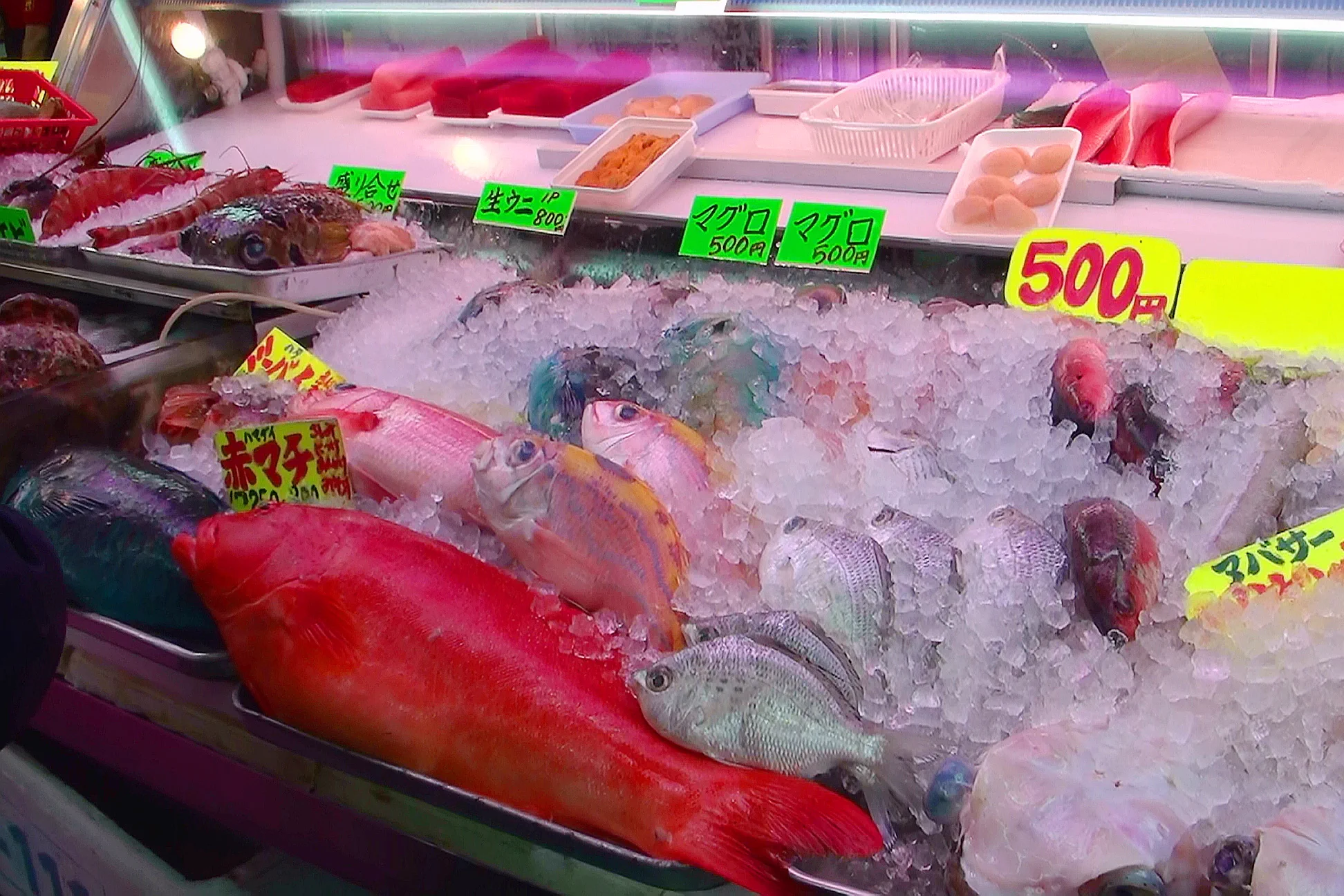
For a working spreadsheet, ¥3,500–¥4,500 per adult per day can represent a restrained mix of ordinary meals and drinks; ¥6,000–¥8,000 allows a more comfortable pattern. These are planning choices, not observed Okinawa restaurant averages. Replace them with real reservations where you have them. Travellers who plan expensive seafood dinners, resort buffets or substantial alcohol should write those separately instead of forcing them into a modest general allowance. Okinawan food choices.
Those daily lines cover routine breakfast, lunch, dinner and drinks. A special tasting meal or large bar tab sits outside them. This distinction matters because an apparently accurate food budget can be misleading if one memorable dinner was never included. Keep the spreadsheet transparent: the reader can raise or lower the daily allowance without changing the fixed admissions and transport costs.
Check breakfast by room and by traveller. Four paid resort breakfasts can exceed several admission tickets, especially when children have separate pricing. A room that includes breakfast may therefore be cheaper in practice than a lower room-only quote with mandatory or convenient add-ons. Compare room plus the meals you would actually buy; do not assume hotel breakfast has the same value on an early boat or flight day. breakfast by departure time.
Three five-day shapes with different cost drivers
Four Naha nights and a short driving window
This version keeps all four nights in Naha, avoids rental on arrival and departure, and uses a car for two or three middle days. A Churaumi visit and one paid experience still fit. It is a coherent budget-led option when city evenings and airport access matter and the northern outing can be grouped rather than repeated.
The large shared lines are controlled: one base, fewer paid rental blocks and fewer hotel rate changes. The group still gets a northbound day without making every night a resort purchase. Add the cost of any extra Naha-to-north return before calling it the cheapest choice. It works because the actual sightseeing pattern supports the base, not simply because Naha rooms can be less expensive.
The sacrifice is road time and the loss of a resort evening. If both full sightseeing days are around Motobu and the west coast, the party may drive the same long route twice. The lower room rate could then be false economy after tolls, parking, fatigue and time are valued. Map the day trips before reserving four city nights. a northbound four-day route.
A Naha and Onna split for a first trip
One or two nights in Naha followed by two in the Onna area lets the airport bookends use the city while a three-day car covers the coast and north. Add Churaumi and one marine outing rather than several overlapping sea products. This shape buys resort time only where the hotel’s location and facilities can be used.
The west-coast premium is concentrated on the nights that can deliver a beach or pool period, a sunset, and a shorter start for a marine outing. Naha absorbs the easy arrival or final city night. Compare the full hotel total and three-day driving total with the four-Naha-night option. The balance is justified by the hours and backtracking removed, not by the word “resort.”
You accept one hotel move and probably a higher room bill. That can be worthwhile if the Onna nights delete long drives or replace paid leisure; it is weak if the party arrives late and spends all daylight away. Include luggage handling and any separate drop-off or parking charge. A move should buy something more than a different lobby. whether a hotel move pays.
More resort nights and several booked experiences
A premium west-coast stay, a larger or longer rental and several marine sessions create an experience-led five days. It is a deliberate higher-cost plan. Write every activity per participant and every hotel night at its quoted rate; a generic “premium Okinawa” total is too coarse to show where the money goes.
This choice makes sense when the holiday’s scarce time is spent on experiences the travellers truly want. A large vehicle may let the group travel together and a well-used resort may supply rest between boat days. It is not a saving strategy. The honest comparison is against a leaner plan and the additional activities or room hours received for the difference.
The trade-off is reduced flexibility. Several weather-sensitive bookings, a premium room with stricter terms and a larger vehicle place more of the budget on fixed dates. Keep the cancellation terms and alternative indoor day visible. If the sea is rough, a prepaid stack of similar activities can leave the group with a costly unused block rather than a richer trip. rain and typhoon alternatives.
Check whether the expensive hotel and paid tours occupy the same daylight. If they do, remove one premium rather than automatically increasing the total. A full-day boat and an all-day resort package are both desirable in isolation but cannot both be used fully on the same date. This is a scheduling test as much as a money test.
Savings that change the total without weakening safety
Trim an unused rental day before cutting the protection you need; Naha-only arrival and airport-departure days are candidates.
Test weekday resort nights against the live rate if travel dates can move; do not assume every weekend has the same premium.
Select one headline marine outing instead of stacking similar water sessions into a short stay.
Use a Naha airport bookend when a resort night would be almost entirely check-in or checkout.
Add breakfast and parking to each hotel quote before declaring the cheapest room.
Costs that deserve a proper comparison before cutting
Vehicle size: test the full passenger count, child seats and luggage rather than buying the cheapest class that will not fit.
Rental cover: compare deductible and NOC separately; a small base quote is not a complete risk comparison.
Departure buffer: allow for fuel, vehicle return, shuttle and airline check-in.
Marine safety: prefer suitable conditions and credible operator policies over a minimal advertised price.
Booking flexibility: a changeable room can be worth a modest premium when weather might move an outing.
children, bags and car-seat fit.
Ask what an upgrade replaces
An additional charge is easiest to justify when it removes another cost or creates a benefit the party will actually use. Put the substitution next to the premium in the worksheet. If nothing is displaced and the benefit has no space in the schedule, call it a discretionary choice rather than disguising it as unavoidable Okinawa spending.
Extra resort night: identify a removed northern round trip, a usable beach evening or an activity it replaces.
Extra rental day: name the door-to-door journey that merits base rent, cover and parking.
Additional marine booking: check whether it adds a new experience or repeats the first sea day.
Larger family room: compare it with two rooms and check actual beds, bathrooms and bags.
four adult beds versus a nominal sleeps-four room.
If you cannot identify the journey, paid activity, second room or daily inconvenience an upgrade changes, it is optional spending. Optional can still be worthwhile; it simply belongs in a different decision from flights, a safe vehicle and a place to sleep. Separating them gives the group a clear way to reduce the total without making the journey fragile.
A five-day worksheet with costs you can replace
TRIP SHELL
Flights at checkout:
Bags, seats and booking fees:
Hotel nights 1, 2, 3 and 4 separately:
Breakfast, mandatory meals and parking:

TRANSPORT
Rental base and vehicle class:
Deductible/CDW waiver:
NOC or assistance cover:
Child seats, ETC card and one-way extras:
Tolls, fuel and other parking:
Yui Rail, buses and taxis:

EXPERIENCES PER PERSON
Churaumi and other admissions:
Marine activity 1:
Marine activity 2, only if distinct:
Other tours:

DAILY USE
Food and drinks:
Mobile data or eSIM:
Travel insurance:
Shopping, kept outside the trip essentials:

RISK AND CASH FLOW
Known-cost subtotal:
Personal disruption reserve, often 10–15% of local costs:
Final party total and per-person share:
Prepaid amount and balance due in Japan:
Available card capacity and cash backup:
Which prices must be refreshed before booking?
Quote flights, baggage, the four exact hotel nights, vehicle class and rental base price for the actual dates. Marine trips and non-refundable tours also need live prices and terms. These lines depend on inventory and can move enough that a month-old example is a poor purchase guide. Record the date and whether the amount is paid now or later.
Admission, protection charges, toll route results and public transport fares are easier to anchor to published schedules, but they can still change. Refresh them when the itinerary is fixed and again near payment. An attraction ticket from an operator price page is different from a hotel rate tied to one room on one night. Treat both as dated, but do not give them the same uncertainty margin. Price the four hotel nights after choosing your Okinawa bases. Compare the same Okinawa rental requirements. an Okinawa eSIM comparison.
A transparent formula is more useful than a universal solo, couple or family total. The spreadsheet lets you replace any quoted line without rebuilding the argument. If a Naha room or three-day rental changes price, you can immediately see whether the chosen route still makes sense. A precise sum taken from someone else’s travel dates does not offer that control.
Price the actual Naha and Onna nights after choosing which days belong in each area. Compare Naha rooms for the airport nights. Compare Onna rooms for the coast nights.
Compare car quotes with matching class, protection and return conditions.
The total is a route choice expressed in money
Build the trip from final flight and four-night room quotes. Decide the shortest rental window that still handles the west coast and northern attractions comfortably, then show the deductible and NOC packages as separate lines. Multiply paid activities by the real participant count. Keep the sea-day allowance flexible until conditions and cancellation terms justify committing it. That produces a number tied to a five-day plan instead of an abstract traveller type.
If the sum is too high, remove overlapping resort and experience premiums, unused rental blocks, repeated marine sessions or poorly placed hotel nights first. Do not manufacture a saving by deleting protection you meant to buy, choosing a car too small for child seats and luggage, or squeezing the fuel return and airport check-in window. Those edits lower a spreadsheet total while making the actual trip harder and potentially more expensive.
Price pages for final booking checks
Aquarium admission, rental cover and the Naha–Kyoda toll example have published price pages. Use them for the relevant lines in your worksheet, then refresh the amount when paying. Flight seats, hotel rooms, vehicle inventory and marine tours need quotes for your exact dates and party.
Related guides: Fukuoka Budget Hotels: The Cheapest Night Can Cost More Once You Add Transfers, Tiny Rooms and Unused Perks · Okinawa Girls’ Trip Hotels: Bathrooms, Luggage and Late Nights Matter More Than the Pool · Tokyo Budget Hotels: A Cheaper Night Can Cost More If You Add a Transfer Every Day · Osaka Hotels for Kyoto and Kobe Day Trips: When 3–5 Minutes to the Station Matter Twice a Day · Okinawa With Kids: The Road Trip Works Only If the Car Seat, Boot and Nap Window Fit Together · Niseko Ski Trip Cost and Booking Timeline: Hotels, Transfers, Passes and Lessons · Okinawa Resort Hotels: If You’re Out All Day, Stop Paying for Empty Afternoons · Okayama Korakuen and Kurashiki Day Trip: Foliage, Lights and Hotels · Yamadera Autumn Leaves Day Trip: Sendai Trains, 1,015 Steps and Hotels · Okinawa 5-Day Itinerary: Don’t Rent a Car on Day 1 — Naha, Onna and Churaumi Without Hotel Hopping